
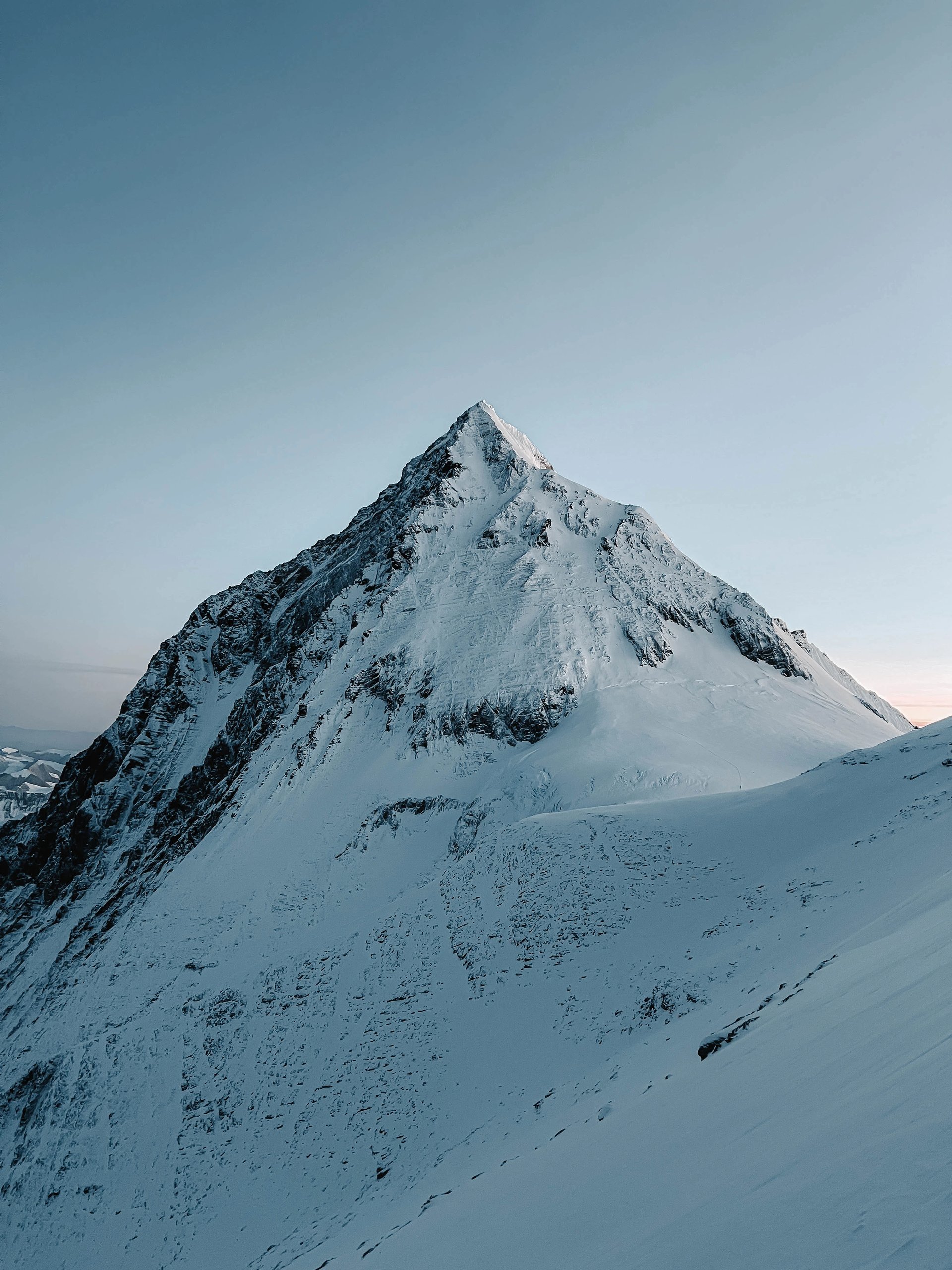
Everest Expedition
Book your Everest Expedition 2027 with expert Sherpa guides, proven itineraries, full permits, and professional high-altitude support.
Expedition Overview
What is the Everest Expedition?
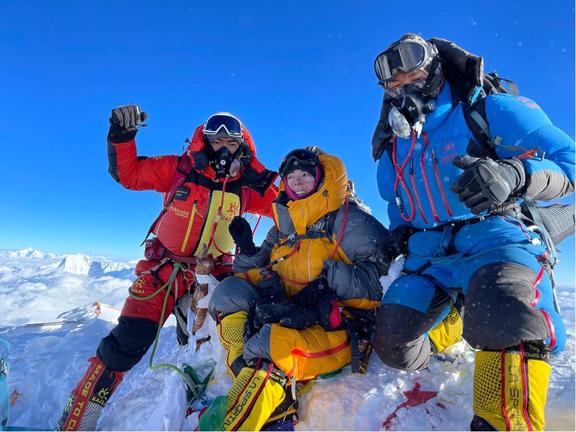
Mount Everest (8,848.86 m / 29,032 ft), known as Sagarmatha in Nepal, is the highest mountain on Earth. Rising above the Khumbu in the Mahalangur Himal, it has drawn generations of mountaineers to its slopes. Sir Edmund Hillary and Tenzing Norgay first reached the summit on 29 May 1953 via the South Col Route - the Nepal-side route followed by AltiPro Adventures.
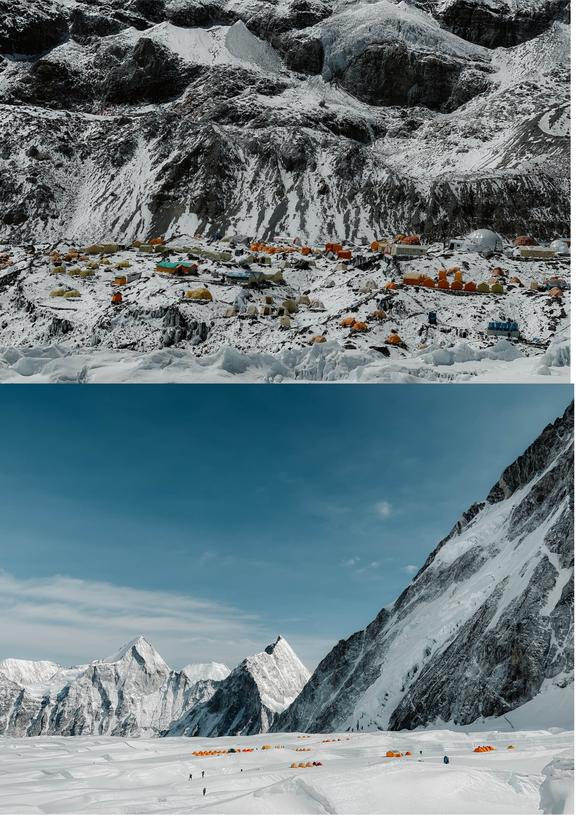
The journey begins with a trek to Everest Base Camp at 5,364 m. Above Base Camp, the route passes through the Khumbu Icefall, Western Cwm, Lhotse Face and South Col before following the Southeast Ridge to the summit. Four high camps support the ascent, with acclimatization rotations and recovery days built into the climbing programme.
AltiPro's Everest Expedition 2027 is planned as a 50-day, full-board spring expedition departing Kathmandu on 10 April. Teams are limited to eight climbers, with a dedicated 1:1 Climbing Sherpa ratio and support from Base Camp through the summit attempt and descent. The final climbing schedule depends on weather, route conditions and each climber's acclimatization.
About Everest - The Roof of the World
Everest is more than its record-breaking height. The approach leads through Sherpa villages, mountain monasteries and the glacial landscapes of the Khumbu, with Everest, Lhotse and Nuptse rising above the trail. The mountain is known as Sagarmatha in Nepal and Chomolungma in Tibet.
Above Base Camp, the character of the expedition changes. Crevassed glaciers, steep ice, exposed ridges and extreme altitude demand careful preparation and sound decisions. Reaching the summit is an ambition; returning safely remains the priority throughout the climb.
Why Choose AltiPro Adventures for Everest?
Weather-Led Summit Planning
Dedicated high-altitude forecasts support decisions on the upper mountain. The team looks for a suitable weather window before committing to the summit push, adjusting plans as conditions change.
Established High-Camp Support
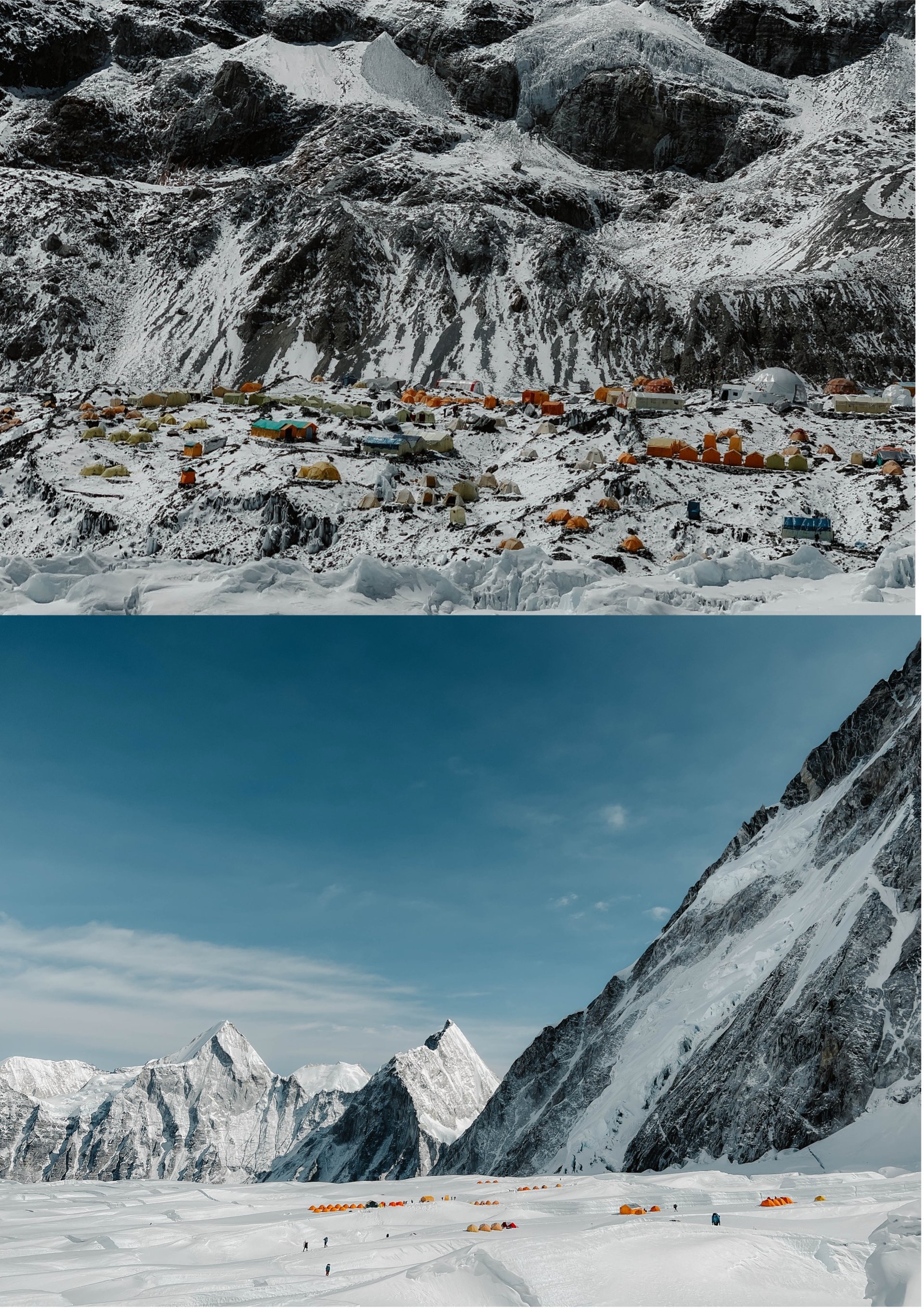
Four high camps support the South Col ascent. Camp II serves as the main upper-mountain operations base, with kitchen, dining and cooking support.
Planned Oxygen Support
The package includes five 4-litre oxygen cylinders per climber, a fitted mask and a regulator. The programme plans oxygen use from Camp III, with additional supplies positioned at high camps.
Small, Focused Teams
A maximum of eight climbers keeps the team manageable. A dedicated 1:1 Climbing Sherpa ratio provides individual support during acclimatization, the summit attempt and descent.
Base Camp Medical Support
The package includes an Expedition Doctor at Base Camp, daily oxygen-saturation monitoring and a standby hyperbaric bag. Medical and climbing decisions respond to each climber's condition.
A Structured Khumbu Approach
The trek from Lukla includes acclimatization stops at Namche Bazaar and Dingboche. Progressive rotations on the mountain are followed by recovery before the summit attempt.
South Col Route - From the Khumbu to the Summit
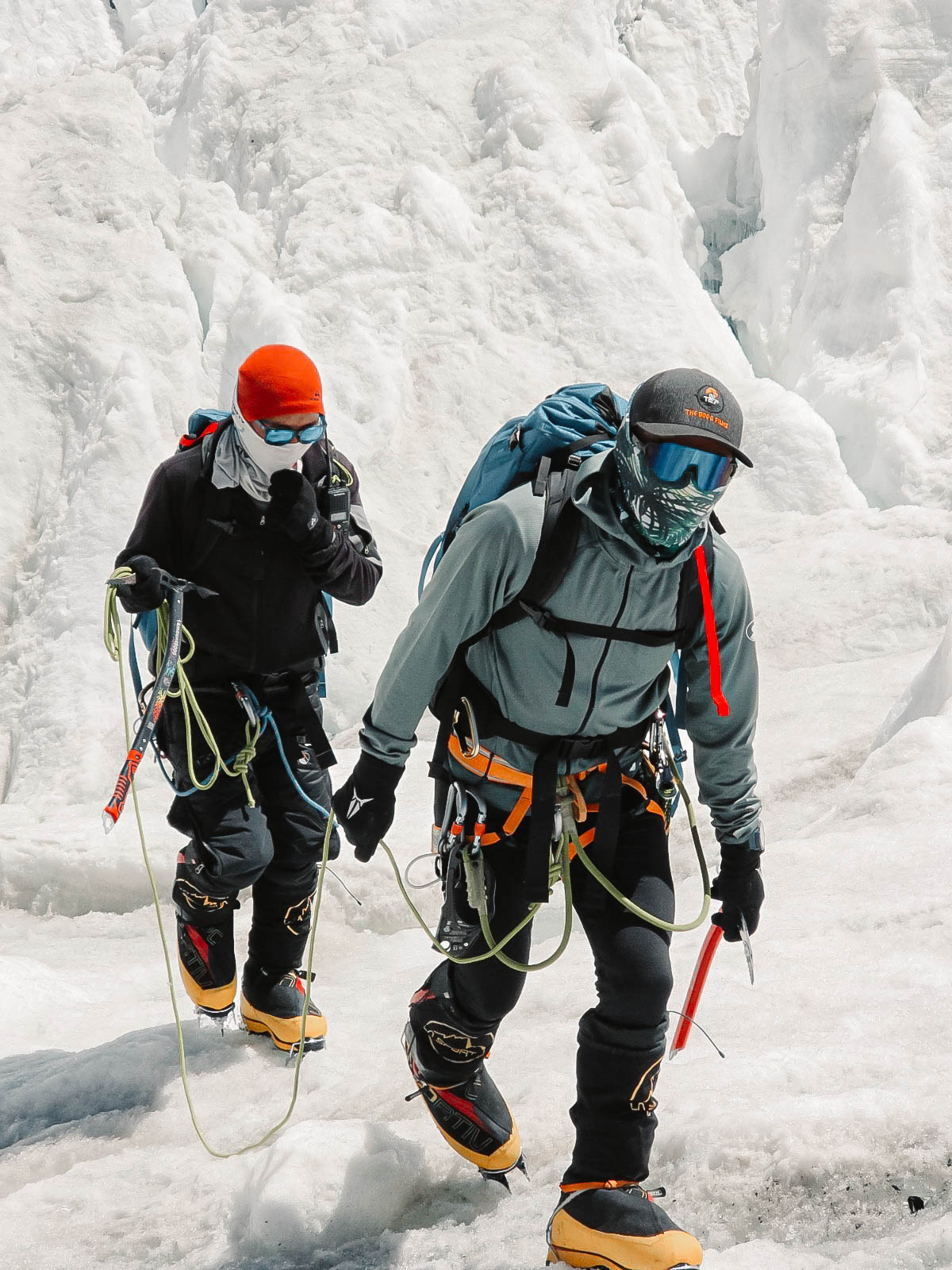
The South Col Route approaches Everest from Nepal, climbing from Base Camp through four high camps. Camp elevations are approximate and may vary with glacier conditions and the season's camp placements.
Base Camp to Camp I - Khumbu Icefall (5,364 m to about 6,050 m)
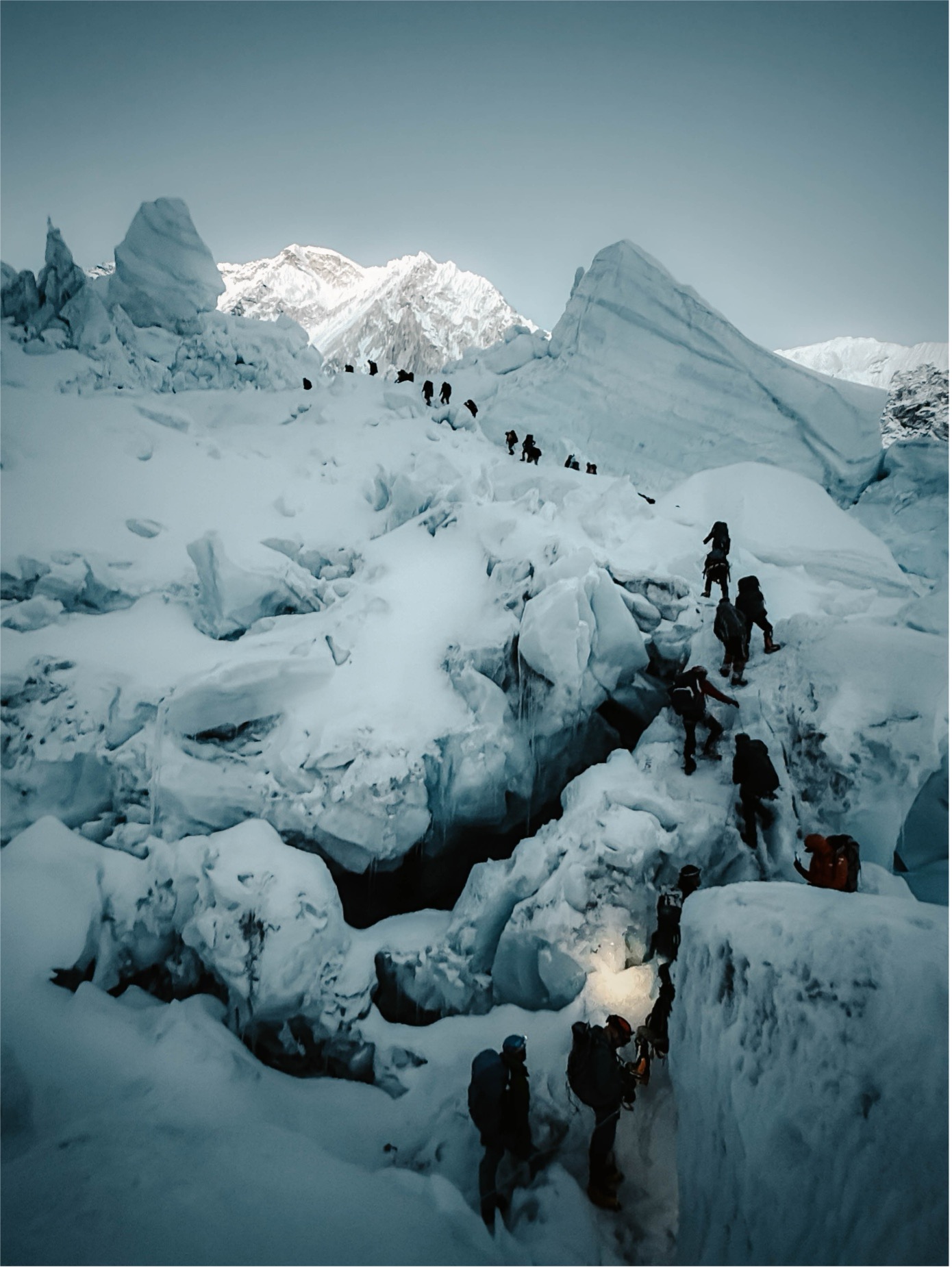
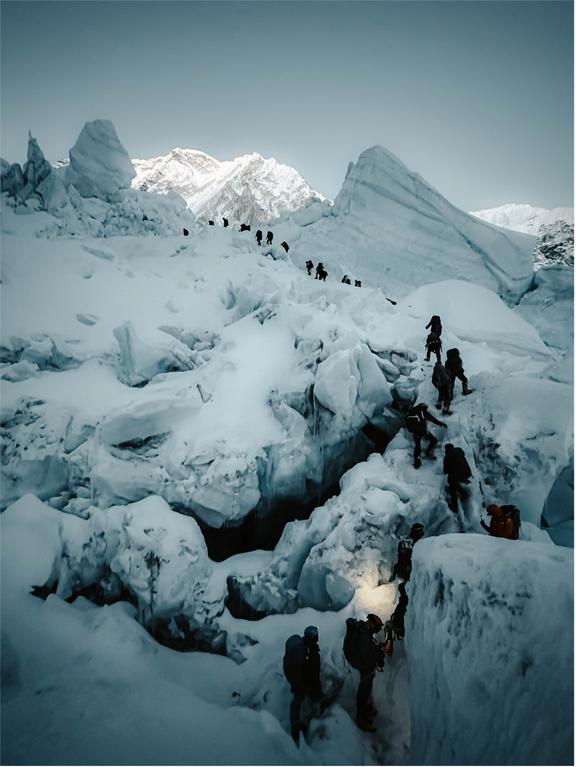
The route crosses shifting ice, crevasses and seracs using ladders and fixed ropes installed by the Icefall Doctors. Crossings are generally planned for the colder early hours, with timing determined by the expedition team and current conditions.
Camp I to Camp II - Western Cwm (about 6,050 m to 6,400 m)
The climb continues through the broad glacial valley between Everest, Lhotse and Nuptse. Camp II is the main operations base above the Icefall and an important staging point during acclimatization.
Camp II to Camp III - Lhotse Face (about 6,400 m to 7,100 m)
A sustained ascent on fixed ropes leads up the steep, icy Lhotse Face. This stage requires confident crampon technique, efficient rope handling and careful pacing at altitude.
Camp III to Camp IV - South Col (about 7,100 m to 7,900 m)
The route continues toward the South Col, the final camp before the summit attempt. Climbers conserve energy, check equipment and prepare for a night departure if conditions allow.
Summit Push - Southeast Ridge to Everest (8,848.86 m)
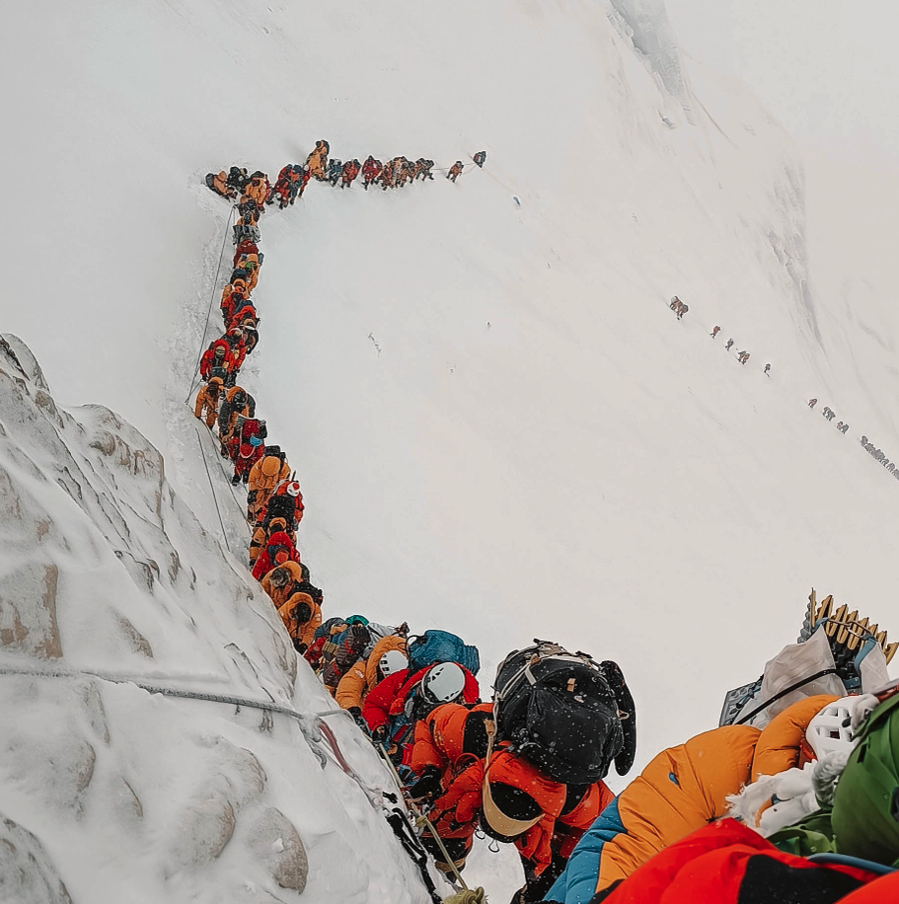
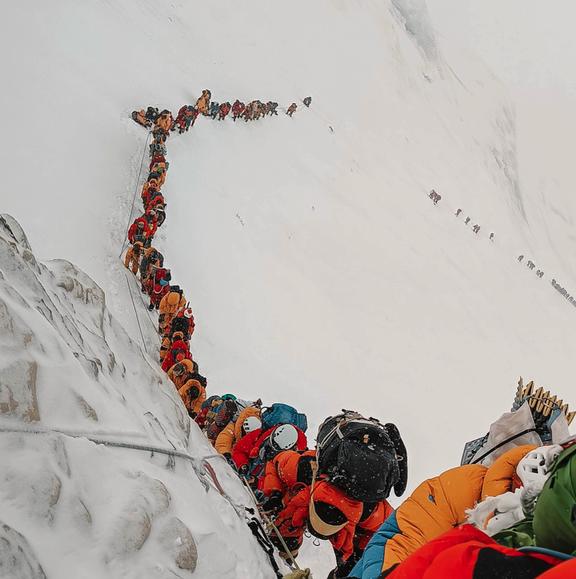
The summit route passes the Balcony and South Summit before continuing along the exposed upper ridge. Departure time, oxygen management and turnaround decisions are set by the expedition team. The descent is a critical part of the day, and summit plans remain conditional on safe progress.
Acclimatization Rotations
The programme includes two progressive rotations before the summit bid. The team may adapt the sequence to conditions and individual recovery.
First Rotation - Up to Camp II
Base Camp → Camp I → Camp II → Base Camp. Climb through the Icefall and Western Cwm, then descend for rest and recovery.
Second Rotation - Up to Camp III
Camp I → Camp II → Camp III → Base Camp. Gain further altitude on the Lhotse Face, then return to Base Camp before the summit window.
How Difficult is the Everest Expedition?
Everest is an extreme high-altitude expedition. The Khumbu Icefall, Lhotse Face and exposed Southeast Ridge combine technical climbing with prolonged altitude exposure, cold and fatigue. Strong fitness alone is not enough: climbers need established mountaineering skills, previous high-altitude experience and the ability to follow conservative turnaround decisions.
AltiPro reviews documented climbing experience before accepting an application. The ratings below are indicative package ratings, not a standardized climbing grade.
Best Season for the Everest Expedition
Spring (April–May): AltiPro's programme takes place in spring. April is devoted to the approach, Base Camp setup and acclimatization. The expedition aims for a suitable summit window in May, with the final timing determined by forecasts, route readiness and team condition.
Autumn: October can offer a secondary climbing window, while AltiPro's Everest programme operates in spring. Autumn conditions and logistics require a separate assessment.
Everest Expedition Cost
Full-board Everest expedition - permits, dedicated Sherpa support, oxygen and Base Camp medical support.
The 2027 package includes four-star Kathmandu accommodation, scheduled transport including Ramechhap–Lukla flights, climbing and access permits, a 1:1 Climbing Sherpa ratio, five oxygen cylinders per climber, an Expedition Doctor and infrastructure across four high camps.
International flights, personal climbing equipment, travel insurance, personal expenses and Sherpa summit bonuses are excluded. Contact AltiPro for current pricing, availability and the complete inclusions list.
Everest Expedition - Frequently Asked Questions
Common questions about climbing Everest with AltiPro Adventures.
What climbing experience is required?
AltiPro reviews documented high-altitude mountaineering experience before accepting an application. Previous climbs on 6,000–7,000 m peaks are strongly recommended for this programme. Contact the team to discuss your experience and preparation.
Is supplemental oxygen included?
The package includes five 4-litre cylinders per climber, a mask and a regulator, with additional supplies planned at high camps. The programme schedules oxygen from Camp III; use is managed by the expedition team according to conditions and individual needs.
How do we reach Everest Base Camp?
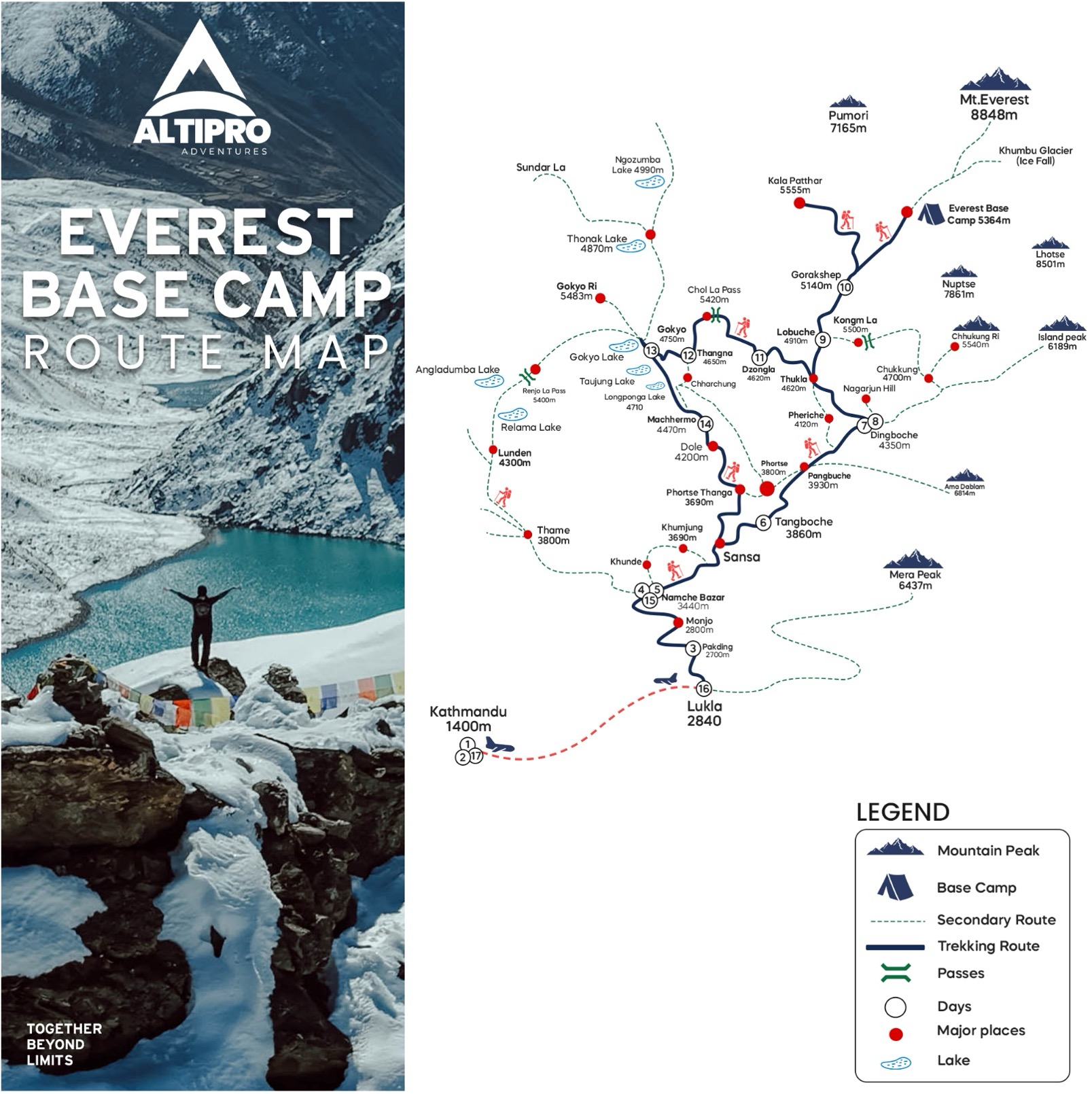
The approach begins with the scheduled flight to Lukla and continues on foot through the Khumbu. Acclimatization stops at Namche Bazaar and Dingboche help build altitude exposure before arrival at Base Camp.
What is the maximum team size?
The advertised group limit is eight climbers, with a dedicated 1:1 Climbing Sherpa ratio for support on the mountain.
What is included in the expedition cost?
The package covers Kathmandu accommodation, scheduled domestic transport, the listed permits and access fees, full-board mountain logistics, Sherpa support, oxygen and Base Camp medical support. Request the full package terms before booking.
When does the 2027 expedition depart?
The schedule lists departure from Kathmandu on 10 April 2027 for a planned 50-day expedition. Confirm the final departure and return dates with AltiPro before arranging international travel.
What medical support is available at Base Camp?
The advertised package includes an Expedition Doctor, daily oxygen-saturation monitoring and a standby hyperbaric bag. Discuss emergency arrangements and suitable expedition insurance with the team before departure.
What is excluded from the package?
International flights, personal climbing gear, travel insurance, personal expenses and Sherpa summit bonuses are not included. AltiPro provides an equipment list and can clarify additional costs before booking.
Detailed Itinerary
Click on each day to view details
| Day | Program | Meals | Accom. | |||||||||||||||||||||||||||||||||||||||||||||||||||||||||||||||||||||||||||||||||||||||||||||||||||||||||||||||||||||||||||||||||||||||||||||||||||||||||||||||||||||||||||||||||||||||||||||||||||||||||||||||||||||||||||||||||||||||||||||||||||||||||||||||||||||||||||||||||||||||||||||||||||||||||||||||||||||||||||||||||
|---|---|---|---|---|---|---|---|---|---|---|---|---|---|---|---|---|---|---|---|---|---|---|---|---|---|---|---|---|---|---|---|---|---|---|---|---|---|---|---|---|---|---|---|---|---|---|---|---|---|---|---|---|---|---|---|---|---|---|---|---|---|---|---|---|---|---|---|---|---|---|---|---|---|---|---|---|---|---|---|---|---|---|---|---|---|---|---|---|---|---|---|---|---|---|---|---|---|---|---|---|---|---|---|---|---|---|---|---|---|---|---|---|---|---|---|---|---|---|---|---|---|---|---|---|---|---|---|---|---|---|---|---|---|---|---|---|---|---|---|---|---|---|---|---|---|---|---|---|---|---|---|---|---|---|---|---|---|---|---|---|---|---|---|---|---|---|---|---|---|---|---|---|---|---|---|---|---|---|---|---|---|---|---|---|---|---|---|---|---|---|---|---|---|---|---|---|---|---|---|---|---|---|---|---|---|---|---|---|---|---|---|---|---|---|---|---|---|---|---|---|---|---|---|---|---|---|---|---|---|---|---|---|---|---|---|---|---|---|---|---|---|---|---|---|---|---|---|---|---|---|---|---|---|---|---|---|---|---|---|---|---|---|---|---|---|---|---|---|---|---|---|---|---|---|---|---|---|---|---|---|---|---|---|---|---|---|---|---|---|---|---|---|---|---|---|---|---|---|---|---|---|---|---|---|---|---|---|---|---|---|---|---|---|---|---|---|---|---|---|---|---|---|---|---|
| 1 | Arrival in Kathmandu (1,350m) | Breakfast | Hotel | |||||||||||||||||||||||||||||||||||||||||||||||||||||||||||||||||||||||||||||||||||||||||||||||||||||||||||||||||||||||||||||||||||||||||||||||||||||||||||||||||||||||||||||||||||||||||||||||||||||||||||||||||||||||||||||||||||||||||||||||||||||||||||||||||||||||||||||||||||||||||||||||||||||||||||||||||||||||||||||||||
|
Arrive at Kathmandu Tribhuvan International Airport and transfer to hotel.
2
|
Kathmandu — Expedition Briefing & Gear Check |
Breakfast |
Hotel |
|
|
Expedition briefing, full gear check, and last-minute shopping in Kathmandu.
3
|
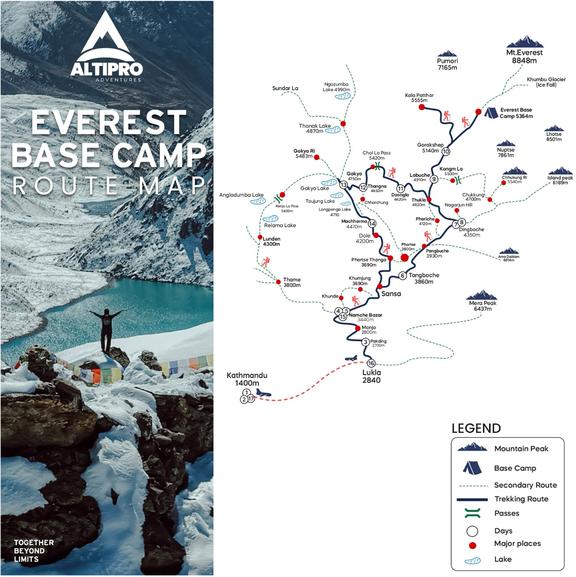
Fly to Lukla (2,840m) & Trek to Phakding (2,610m) |
Breakfast |
Hotel |
|
|
Flight to Lukla and begin the Everest approach trek with the first day's walk to Phakding.
4
|
Trek to Namche Bazaar (3,440m) |
Breakfast / Lunch / Dinner |
Lodge |
|
|
Trek to Namche Bazaar, the gateway to the Khumbu, crossing the Hillary Suspension Bridge.
5
|
Acclimatization Day at Namche Bazaar (3,440m) |
Breakfast / Lunch / Dinner |
Lodge |
|
|
Rest and acclimatization day at Namche Bazaar with optional hikes to higher viewpoints.
6
|
Trek to Debuche (3,800m) |
Breakfast / Lunch / Dinner |
Lodge |
|
|
Continue the approach trek through the Khumbu valley to Debuche.
7
|
Trek to Dingboche (4,410m) |
Breakfast / Lunch / Dinner |
Lodge |
|
|
Trek to Dingboche, entering the upper Imja Khola valley below the Everest massif.
8
|
Acclimatization Day at Dingboche (4,410m) |
Breakfast / Lunch / Dinner |
Lodge |
|
|
Rest and acclimatization day at Dingboche with short hikes to higher elevations.
9
|
Trek to Lobuche (4,910m) |
Breakfast / Lunch / Dinner |
Lodge |
|
|
Trek to Lobuche passing the Khumbu memorials ridge on the approach to the high Khumbu.
10
|
Trek to Gorak Shep (5,160m) |
Breakfast / Lunch / Dinner |
Lodge |
|
|
Trek to Gorak Shep, the last settlement before Everest Base Camp.
11
|
Trek to Everest Base Camp (5,364m) & Settle |
Breakfast / Lunch / Dinner |
Tent |
|
|
Arrive at Everest Base Camp and settle into the pre-established AltiPro camp.
12 – 14
|
Puja Ceremony & Technical Training at Base Camp |
Breakfast / Lunch / Dinner |
Tent |
|
|
Puja ceremony at Everest Base Camp followed by technical training sessions including Icefall safety drills, oxygen mask fitting, and fixed rope practice.
15
|
Hike to Pumori Base Camp & Return to EBC |
Breakfast / Lunch / Dinner |
Tent |
|
|
Acclimatization hike to Pumori Base Camp and back to Everest Base Camp.
16
|
Short Hike Around Khumbu Icefall & Return to Base Camp |
Breakfast / Lunch / Dinner |
Tent |
|
|
Familiarization hike around the lower Khumbu Icefall margins and return to Base Camp.
17
|
Rest Day at Base Camp — 1st Rotation Preparation |
Breakfast / Lunch / Dinner |
Tent |
|
|
Final rest and preparation day before the first acclimatization rotation begins.
18 – 19
|
1st Rotation — Base Camp through Khumbu Icefall to Camp II (6,400m) |
Breakfast / Lunch / Dinner |
Tent |
|
|
First rotation: cross the Khumbu Icefall to Camp I overnight, then advance through the Western Cwm to Camp II before returning to Base Camp.
20 – 21
|
Rest Days at Base Camp |
Breakfast / Lunch / Dinner |
Tent |
|
|
Full rest and recovery at Base Camp with Expedition Doctor monitoring.
22 – 25
|
2nd Rotation — Camp I to Camp III on the Lhotse Face (7,100m) |
Breakfast / Lunch / Dinner |
Tent |
|
|
Second rotation: Camp I to Camp II overnight, then climb the Lhotse Face to Camp III. Supplemental oxygen use begins. Return to Base Camp for full recovery.
26 – 30
|
Rest Days at Base Camp — Summit Window Monitoring |
Breakfast / Lunch / Dinner |
Tent |
|
|
Full rest at Base Camp with 6-hourly weather forecast reviews and close monitoring of the summit weather window.
31
|
Summit Bid — Base Camp to Camp II (6,400m) |
Breakfast / Lunch / Dinner |
Tent |
|
|
Begin the summit push by crossing the Khumbu Icefall to Camp II.
32
|
Summit Bid — Rest Day at Camp II (6,400m) |
Breakfast / Lunch / Dinner |
Tent |
|
|
Rest day at Camp II in the Western Cwm before the push to Camp III.
33
|
Summit Bid — Camp II to Camp III (7,100m) |
Breakfast / Lunch / Dinner |
Tent |
|
|
Climb the Lhotse Face from Camp II to Camp III with supplemental oxygen active.
34
|
Summit Bid — Camp III to Camp IV (7,900m) |
Breakfast / Lunch / Dinner |
Tent |
|
|
Climb from Camp III to Camp IV on the South Col. Summit push begins early evening.
35
|
Summit Day — Everest (8,848.86m) |
Breakfast / Lunch / Dinner |
Tent |
|
|
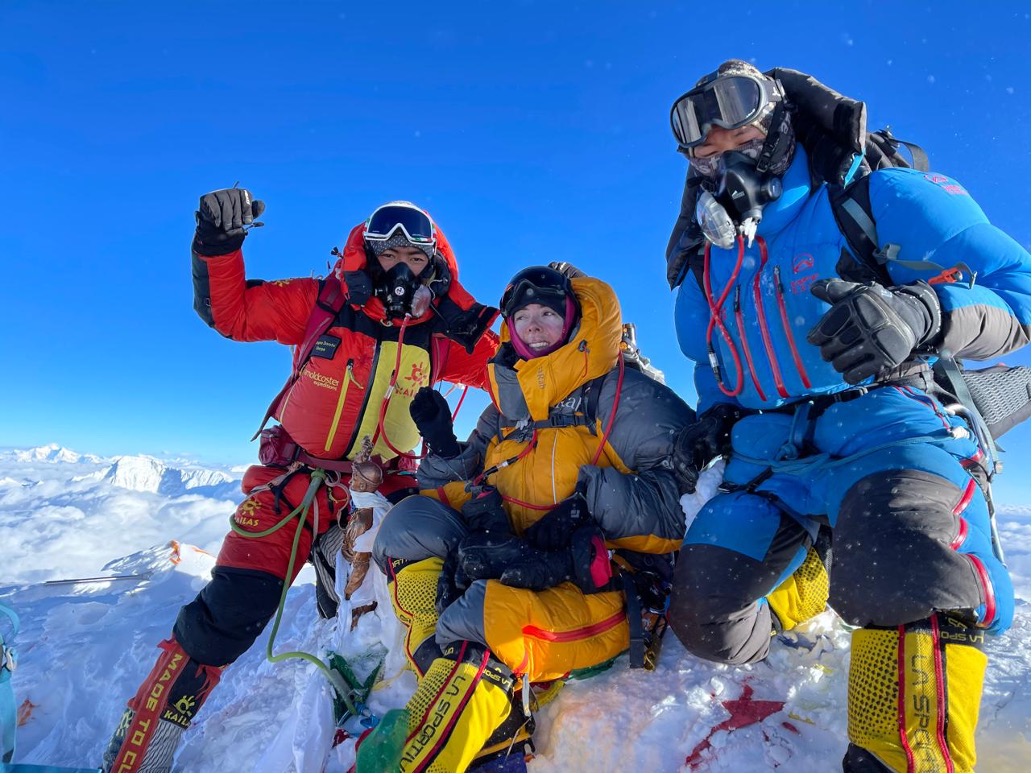
Pre-midnight departure from Camp IV via the Southeast Ridge, Balcony, South Summit, and Hillary Step to the summit of Mount Everest (8,848.86m / 29,032ft). Descend to Camp II or Camp III.
36
|
Descend to Base Camp |
Breakfast / Lunch / Dinner |
Tent |
|
|
Full descent from high camps back to Everest Base Camp.
37
|
Base Camp Cleanup & Rest Day |
Breakfast / Lunch / Dinner |
Tent |
|
|
Base Camp cleanup and rest day following the summit.
38
|
Trek to Pheriche (4,240m) |
Breakfast / Lunch / Dinner |
Tent |
|
|
Begin the return trek, descending from Base Camp to Pheriche.
39
|
Trek to Namche Bazaar (3,440m) |
Breakfast / Lunch / Dinner |
Lodge |
|
|
Continue the descent to Namche Bazaar as the body recovers rapidly at lower altitude.
40
|
Trek to Lukla (2,840m) |
Breakfast / Lunch / Dinner |
Lodge |
|
|
Final trekking day of the expedition, descending to Lukla.
41
|
Fly Back to Kathmandu (1,350m) |
Breakfast / Lunch / Dinner |
Hotel |
|
|
Flight from Lukla back to Kathmandu and transfer to hotel.
42
|
Celebration Day in Kathmandu |
Breakfast / Lunch / Dinner |
Hotel |
|
|
Everest summit certificate presentation and celebration with the full expedition team.
43 – 49
|
Buffer Days — Weather & Logistics Reserve |
Breakfast / Lunch / Dinner |
Hotel |
|
|
Buffer days held for weather delays, a second summit window, or Lukla flight disruptions.
50
|
Final Departure from Kathmandu |
Breakfast / Lunch / Dinner |
|
|
|
Transfer to Kathmandu Tribhuvan International Airport for onward international flights.
| ||||||||||||||||||||||||||||||||||||||||||||||||||||||||||||||||||||||||||||||||||||||||||||||||||||||||||||||||||||||||||||||||||||
Services
Includes
- ✅ Airport pick-up and drop for all international and domestic flights
- ✅ 4 nights 4-star hotel in Kathmandu (BB) — 2 nights pre-expedition, 2 nights after
- ✅ Welcome dinner and farewell dinner in Kathmandu
- ✅ Drive Kathmandu → Ramechhap → Kathmandu by private vehicle with guide
- ✅ Flights: Ramechhap ↔ Lukla for all team members and expedition staff
- ✅ Full board accommodation at all teahouses during the Nepal Everest Base Camp trek
- ✅ All expedition staff transport: Kathmandu – Base Camp – Kathmandu
- ✅ Personal climbing equipment transfer: Kathmandu – Everest Base Camp – Kathmandu (60 kg per member)
- ✅ Everest expedition royalty fee and all official government documentation
- ✅ Khumbu Icefall access and rope-fixing charges (Sagarmatha Pollution Control Committee)
- ✅ Garbage management and environmental deposit fee
- ✅ One official Nepal Government Liaison Officer for the full expedition duration
- ✅ Nepal government taxes and company service charges
- ✅ Full expedition planning, coordination and on-ground management
- ✅ Experienced Base Camp Manager on-site for the full season
- ✅ Pre-expedition briefing in Kathmandu
- ✅ One walkie-talkie per climbing guide during climbing
- ✅ Daily weather forecast service throughout the expedition
- ✅ Satellite phone at Base Camp for emergency use (minimal per-call charge applies)
- ✅ Three freshly cooked meals per day (BLD) at Everest Base Camp with hot drinks — tea and coffee
- ✅ Fresh vegetables, meat, fruits, juice — helicoptered to Base Camp throughout the season
- ✅ Heated dining tent with tables and chairs
- ✅ AltiPro Café at Base Camp — coffee and bakery items served daily
- ✅ Private sleeping tent with mattress and pillow for every climber, climbing Sherpa, BC staff and liaison officer
- ✅ Generator for charging electronic devices at Base Camp
- ✅ Internet service at Base Camp (minimal charge)
- ✅ Camp II: dining tent, kitchen tent, toilet tent with cook and kitchen helpers
- ✅ Sleeping tents at all high camps (2 members per tent)
- ✅ High-altitude food at all camps: muesli, porridge, oats, noodles, rice, soups, dry fruits, chocolate, tea, coffee
- ✅ MSR stoves, cooking sets, EPI gas, shovels and extra ropes at all high camps
- ✅ Common climbing equipment: fixed ropes, ice bars, ice screws, etc.
- ✅ One experienced climbing Sherpa per client (1:1 ratio, guaranteed throughout)
- ✅ All climbing Sherpa, cook, kitchen helper and liaison officer wages and allowances
- ✅ Insurance for all climbing Sherpas, cooks, liaison officer and local porters
- ✅ Backup Sherpas on standby for substitution if needed (extra charge if deployed)
- ✅ 5 oxygen cylinders (4-litre) per member
- ✅ 2 oxygen cylinders (4-litre) per climbing Sherpa guide
- ✅ Summit mask and regulator set for every member and climbing Sherpa guide
- ✅ Emergency oxygen at Everest Base Camp and all high camps (extra charge if used beyond standard allocation)
- ✅ Helicopter and rescue team standby for the full expedition duration
Excludes
- ❌ International flight tickets to and from your home country
- ❌ Nepal entry visa fee for 90 days — obtainable on arrival at the airport
- ❌ Personal climbing gear, clothing, and footwear
- ❌ Lunch and dinner during your stay in Kathmandu (except welcome and farewell dinners)
- ❌ Personal climbing equipment and personal expenses such as hard and soft drinks, laundry, postage, telephone, Wi-Fi, etc.
- ❌ Travel, medical and emergency high altitude helicopter rescue insurance (Minimum coverage USD 90,000) — mandatory for all participants
- ❌ Summit bonus of USD 2,000 for each climbing guide and USD 500 for kitchen helpers — to be handed over in cash at Base Camp after a successful ascent
- ❌ Tips for the trek guide and porters
- ❌ Extra costs due to personal baggage exceeding 60 kg
- ❌ Drone and special filming permit fees
Departure
From
Apr 12, 2027
To
May 29, 2027
Gear Lists & Useful Information
Route Map
Expedition Gallery
Explore stunning images from this expedition
Expedition Videos
Watch highlights and experiences from the expedition
Frequently Asked Questions
Find answers to common questions about this expedition
Yes, Sherpas are provided with the package and the ratio is 1:1. However additional Sherpas can be provided as well based on the request.
The Everest Expedition is an extremely demanding expedition. The level of physical fitness, mental strength, and experience of high-altitude climbing is necessary. Though the technical level is not so high, the extreme altitude, harsh weather conditions, long duration, and low levels of oxygen make the climb difficult. However, at AltiPro Adventures, we ensure the best possible experience for the climbers by ensuring safety, acclimatization, and the best possible assistance of the Sherpa team.
The Everest Expedition takes around 60-65 days in total, starting from the arrival in Nepal and ending with the return.
Everest climbing as a first 8000m peak is only suitable and achievable for very experienced and prepared climbers who are technically proficient and need prior experience on high-altitude mountains above 6,500m.
Yes, there is a requirement of prior climbing experience above an altitude of 6,500-7,000 meters. Skill in technical climbing, like crampons and ice axe, and high-altitude expeditions is of extreme importance.
The major risks while climbing Everest include altitude sickness, avalanches, crevasses, extreme cold temperatures, snowstorms, falling from the climbing routes, exhaustion from climbing high-altitude routes, and the absence of rescue chances due to extreme conditions.
The best time to attempt an Everest expedition with AltiPro Adventures is in the spring season, around April and May. Rope fixation starts around late March for the Khumbu Icefall, and the entire route is fixed by late April or early May. The main window for the summit is generally around mid-May (approximately around May 10th to 25th). Many expeditions aim for the summit around or after the 15th of May, keeping an eye on the latest updates regarding rope fixation.
Here are the main permit fees and required government permits if you want to climb Everest from Nepal:
1. Climbing Permit for Everest
This is the official permit issued by the Nepal Government to climb Everest. Permit fee for foreign climbers on South/Normal Route:
Spring Season (March to May): ~$15,000 USD/person (Most popular season to climb Everest)
Autumn Season (Sept to Nov): ~$7,500 USD/person
Winter/Monsoon Season: ~$3,750 USD/person
Please note: The permit fee is only a license or royalty to climb Everest. You must pay extra costs for the full Everest expedition.
2. Sagarmatha (Everest) National Park Entry Permit
This permit is required for anyone entering the Everest region of Nepal.
For Foreigners: NPR 3,000 (~$30 USD)
SAARC citizens pay a lesser amount.
3. Khumbu Pasang Lhamu Rural Municipality Permit
This is a permit to enter the Khumbu region of Nepal.
The safety and security of our climbers and staff remain our top priority. Mount Everest is a high-altitude expedition, and we ensure that internationally recognized safety standards, combined with local expertise, are implemented to minimize risks as much as possible. Some of the safety measures we implement include:
- Experienced Leadership & Sherpa Support: Our Mount Everest expedition is led by highly experienced expedition leaders and certified Sherpa guides with multiple successful summits and extensive high-altitude experience.
- Careful Acclimatization Schedule: The expedition follows a carefully planned acclimatization program that allows climbers to gradually adapt to high altitude, minimizing the risk of altitude sickness and other altitude-related health concerns.
- Health Monitoring & Medical Support: Climbers undergo regular health checks and oxygen saturation tests at Base Camp and other high-altitude camps. A comprehensive medical kit and trained support staff accompany the team at all times.
- Fixed Ropes & Route Preparation: Fixed ropes are installed by highly experienced teams in key sections such as the Khumbu Icefall, Lhotse Face, and Summit Ridge to ensure secure passage for climbers.
- Supplemental Oxygen & Backup Systems: Supplemental oxygen requirements for climbers and guides are fully managed. Backup oxygen systems are also provided to address potential emergency situations at high altitude.
- Weather Monitoring & Summit Timing: Professional weather forecasts are closely monitored, and summit attempts are made only during the most favorable weather windows.
- Emergency & Evacuation Planning: Comprehensive emergency planning is in place. Helicopter evacuation from Base Camp can be arranged when weather conditions permit.
- Strict Climbing Protocols: Strict climbing protocols are followed throughout the expedition. Summit success is always secondary to the safety and well-being of each climber.
- Comprehensive Insurance & Permits: All required government permits are secured in advance, and necessary insurance coverage for staff members is arranged in compliance with Nepalese government regulations.
Been on this expedition?
Your feedback helps other travelers plan their adventure of a lifetime. Share your experience with us!
 8000m
8000m
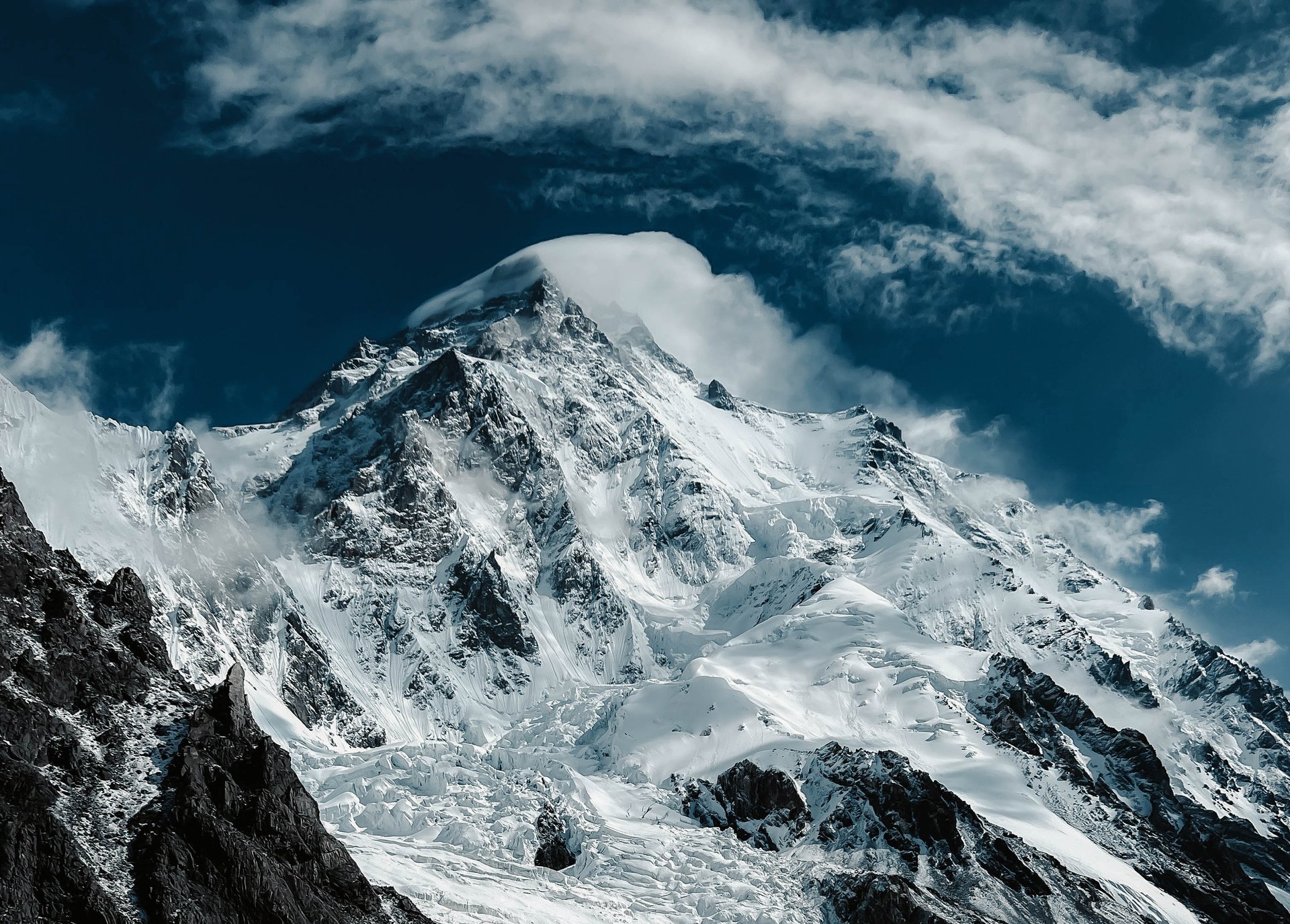
K2 Expedition
K2 — the savage mountain, ultimate test of skill and endurance.
 8000m
8000m
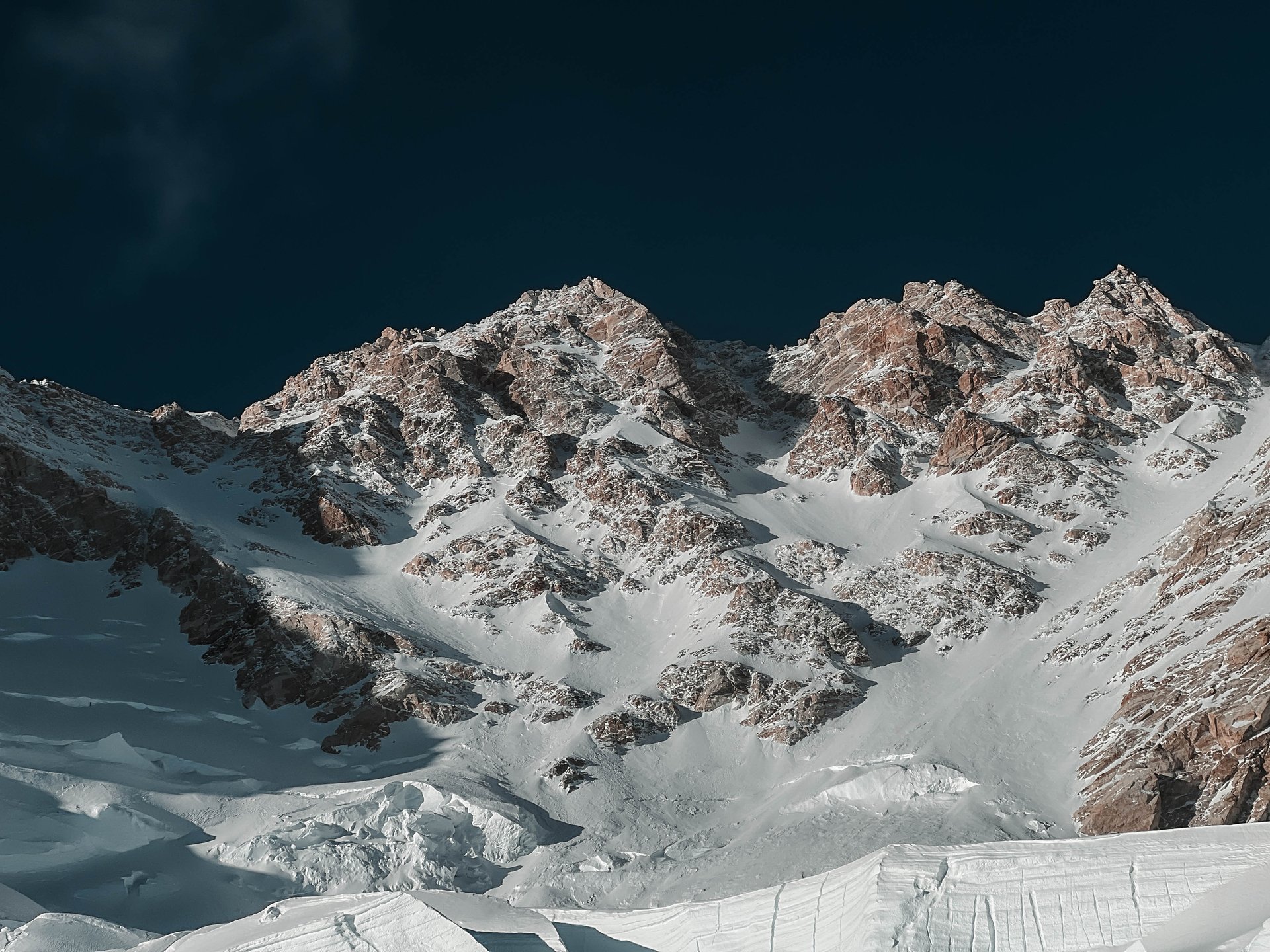
Kanchenjunga Expedition
The world’s third-highest peak, where beauty meets mystery.
 8000m
8000m
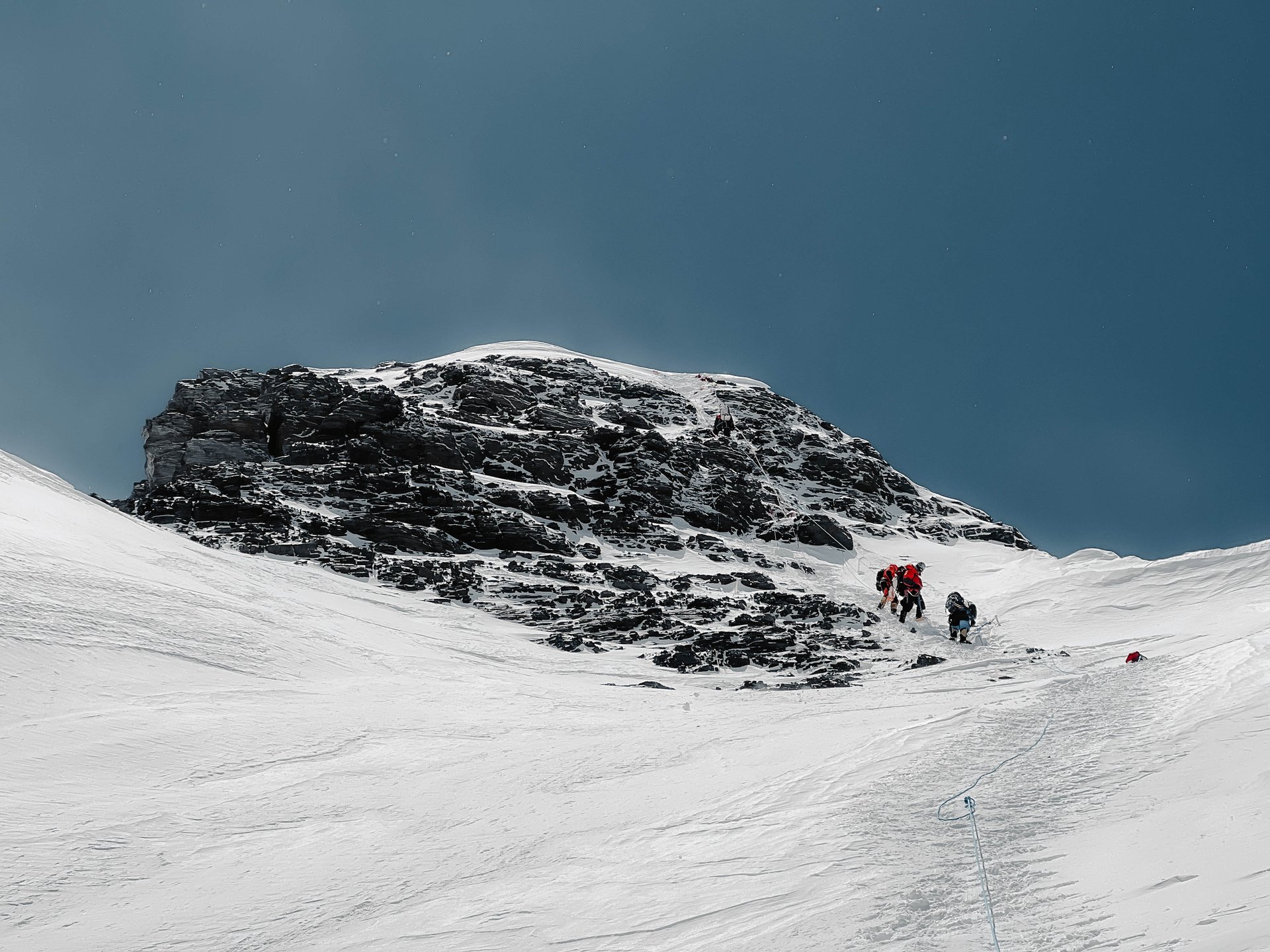
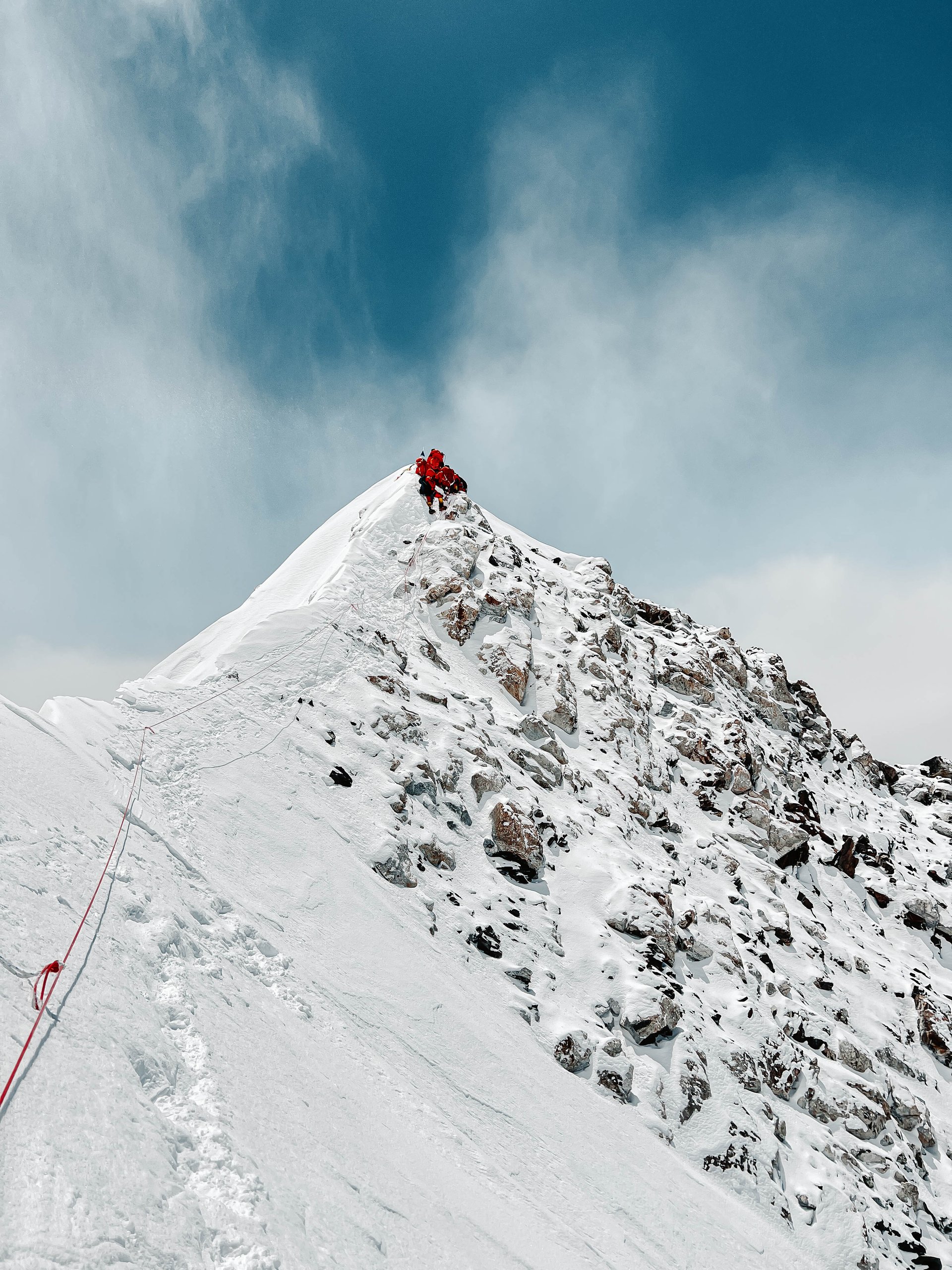
Lhotse Expedition
Lhotse — Everest’s towering neighbor and a Himalayan giant of challenge and beauty.
 8000m
8000m
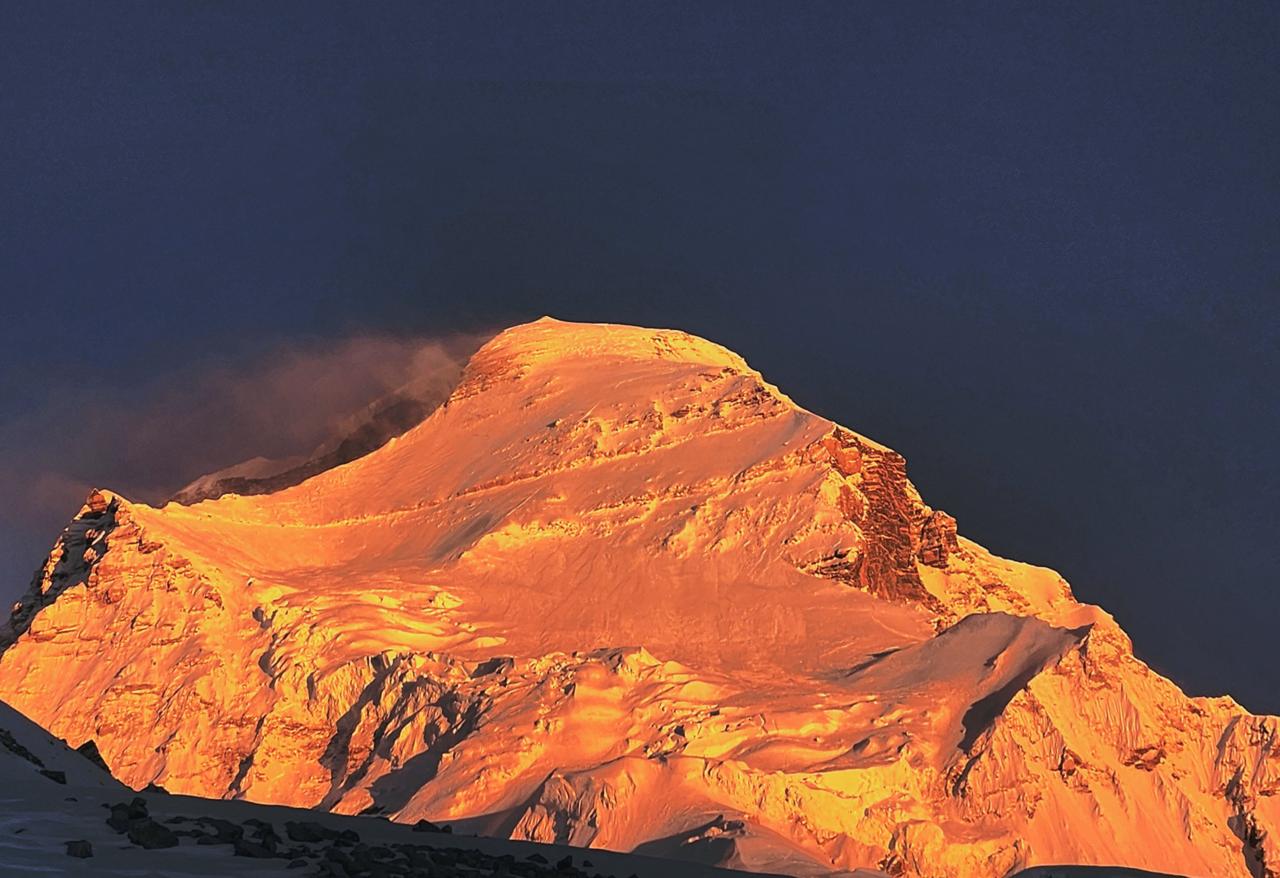
Makalu Expedition
Makalu — a fierce and elegant pyramid rising from the wild Himalayas.
 8000m
8000m
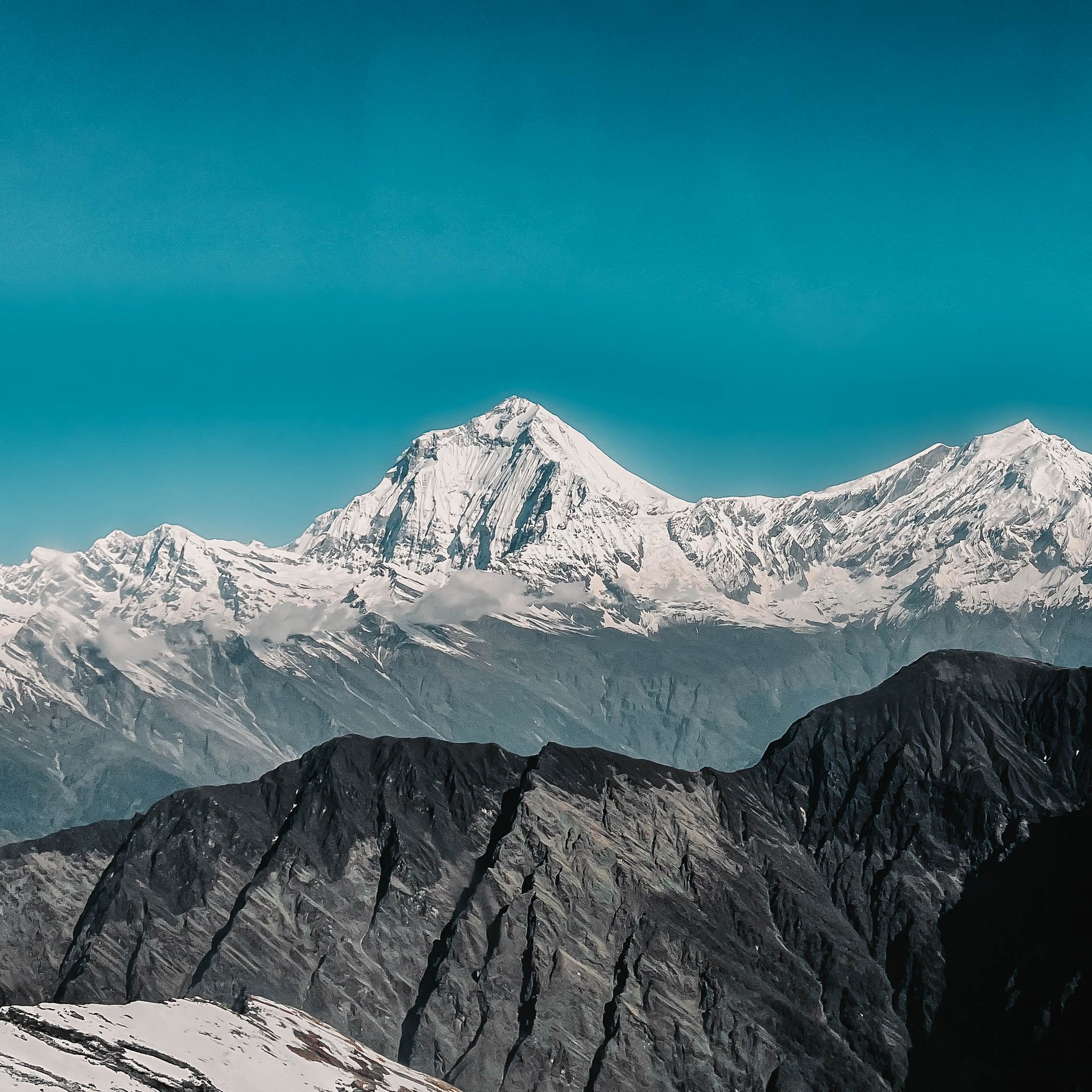
Cho-oyu Expedition
The majestic Cho Oyu — a climber’s gateway to the 8,000ers
 8000m
8000m
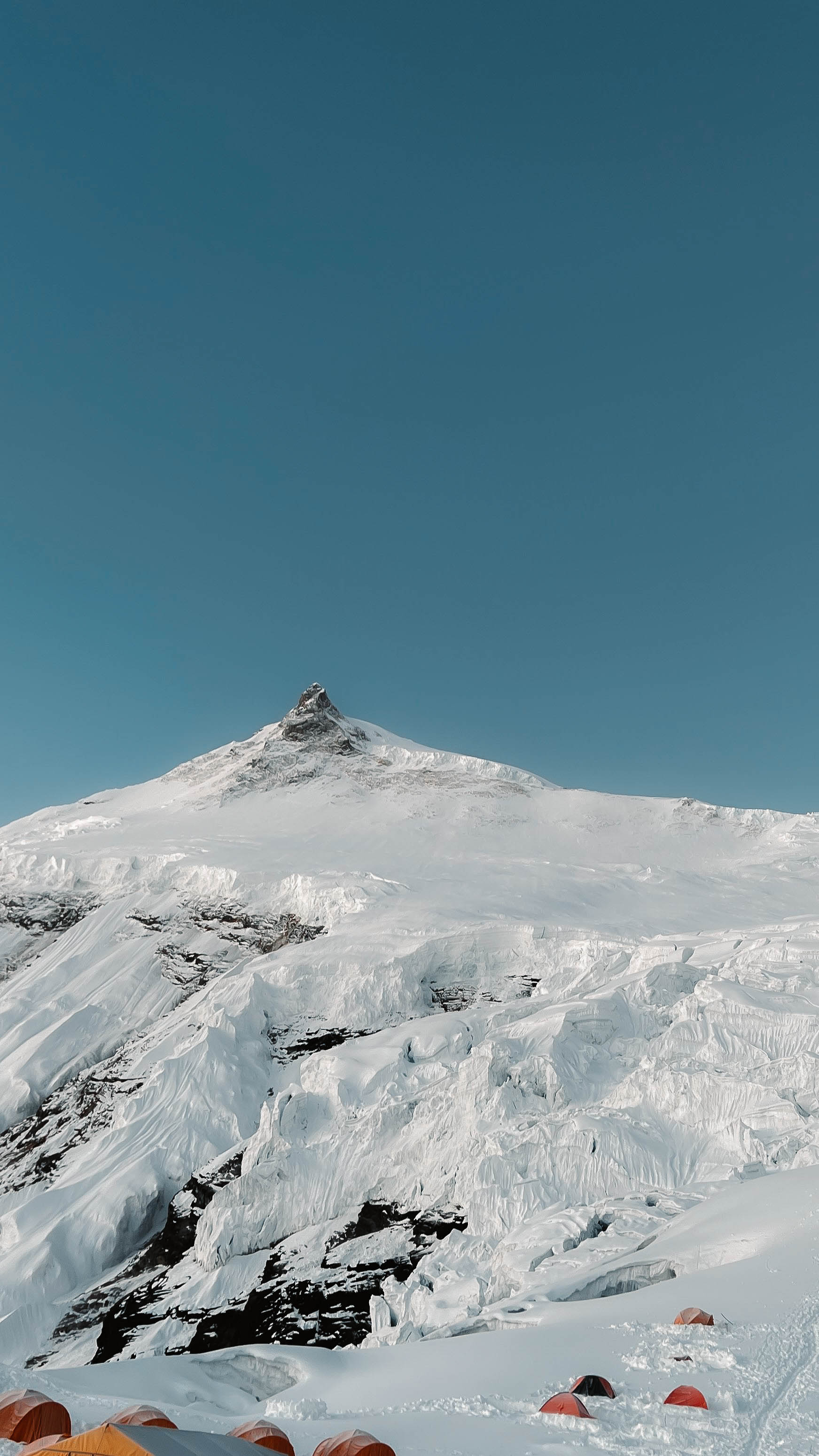
Dhaulagiri Expedition
Dhaulagiri — the white giant of the Himalayas, majestic and formidable.
 8000m
8000m
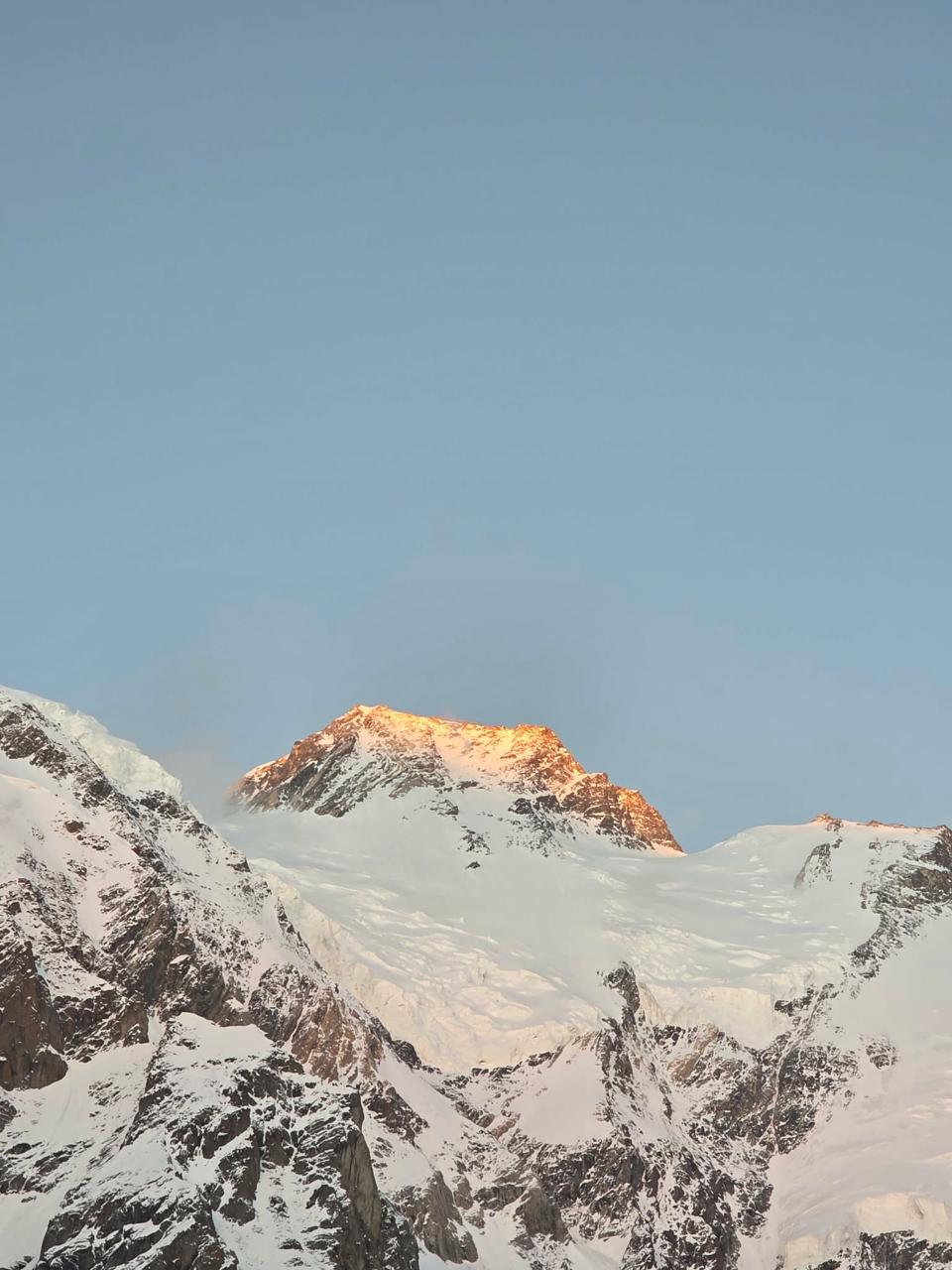
Manaslu Expedition
Book your Manaslu Expedition 2026 with expert Sherpa guides, proven itineraries, full permits, and professional high-altitude support.
 8000m
8000m
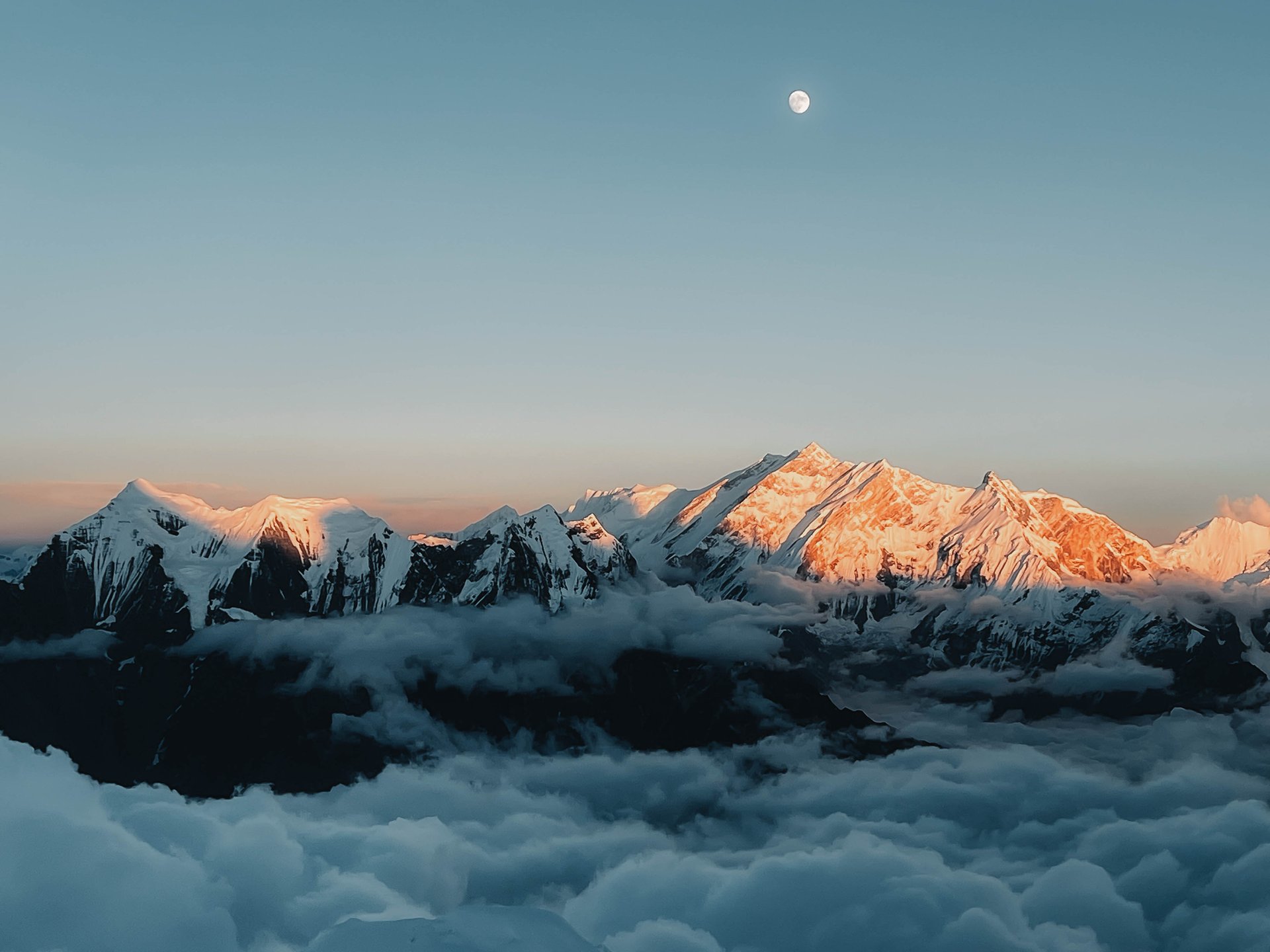
Nanga Parbat Expedition
Nanga Parbat – the Killer Mountain, where raw power meets pure adventure.
 8000m
8000m
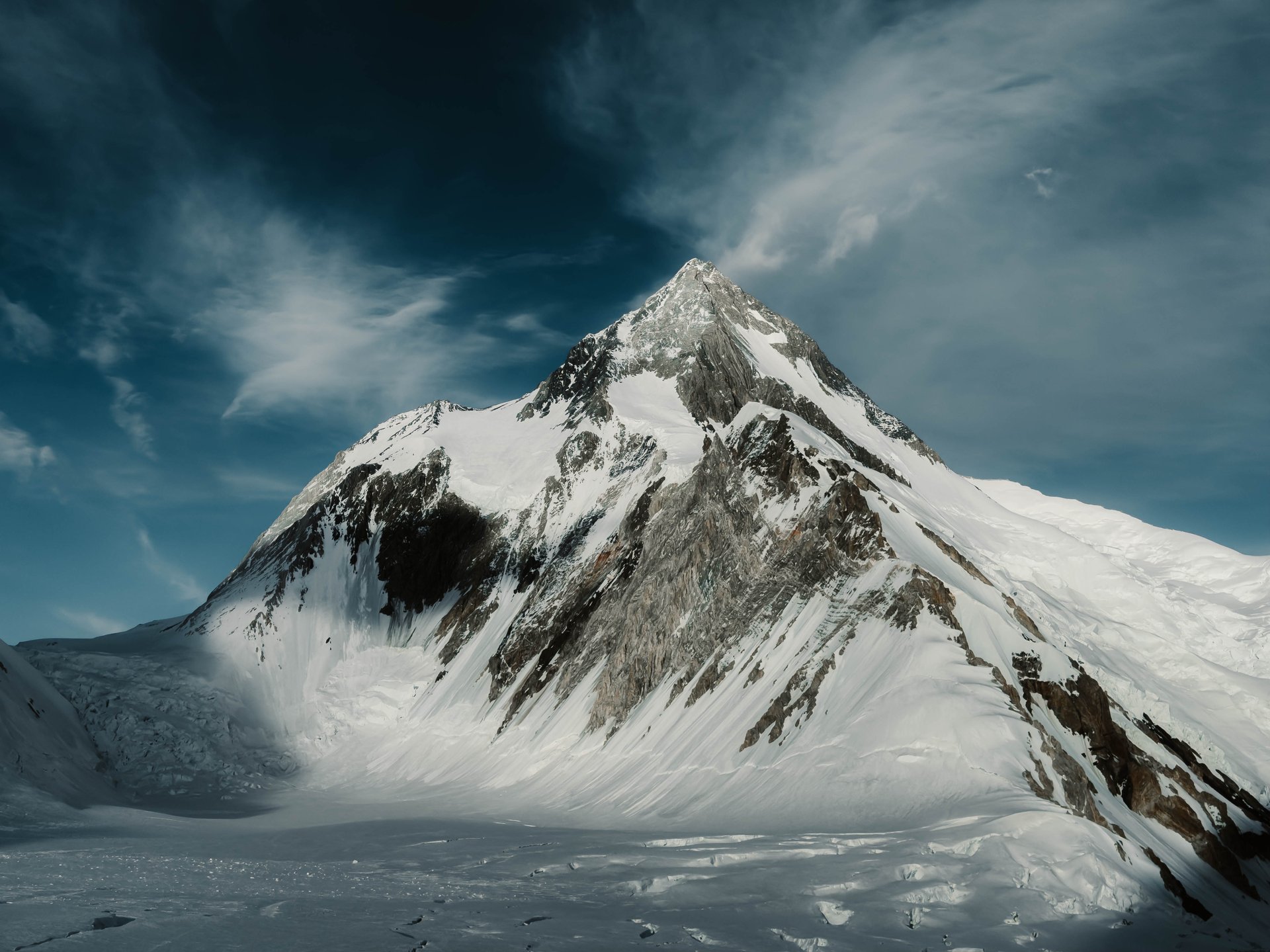
Annapurna I Expedition
Annapurna I — where raw Himalayan power meets fearless ambition.
 8000m
8000m
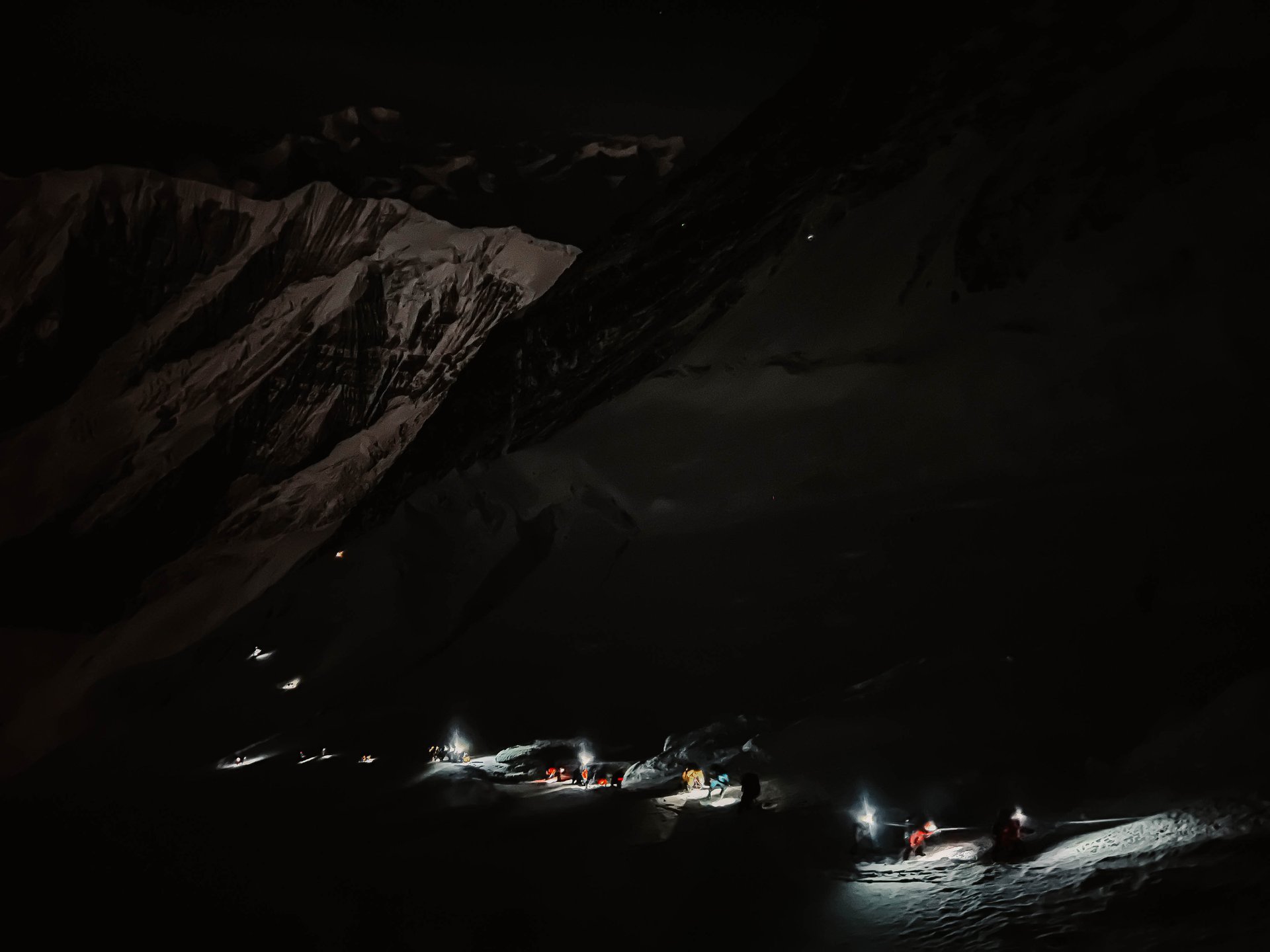
Gasherbrum I Expedition
Gasherbrum I — the hidden giant of the Karakoram, challenging and majestic.
Ready to Start Your Adventure?
Contact us to book your expedition or get more information