
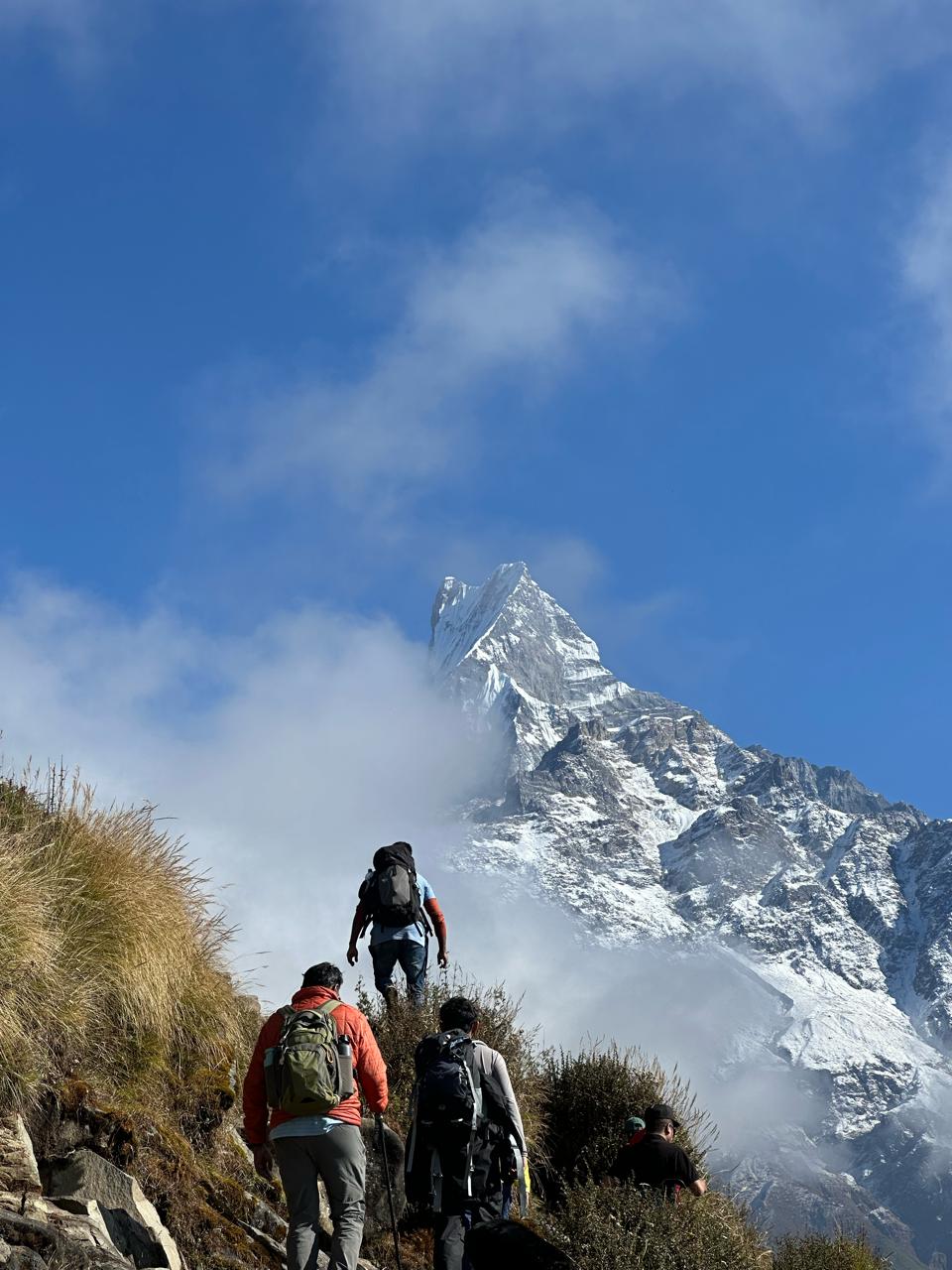
Mardi Himal Trek
Mardi Himal Trek — Closest Machhapuchhre Views from Pokhara | AltiPro Adventures
Trek Overview
What is the Mardi Himal Trek?
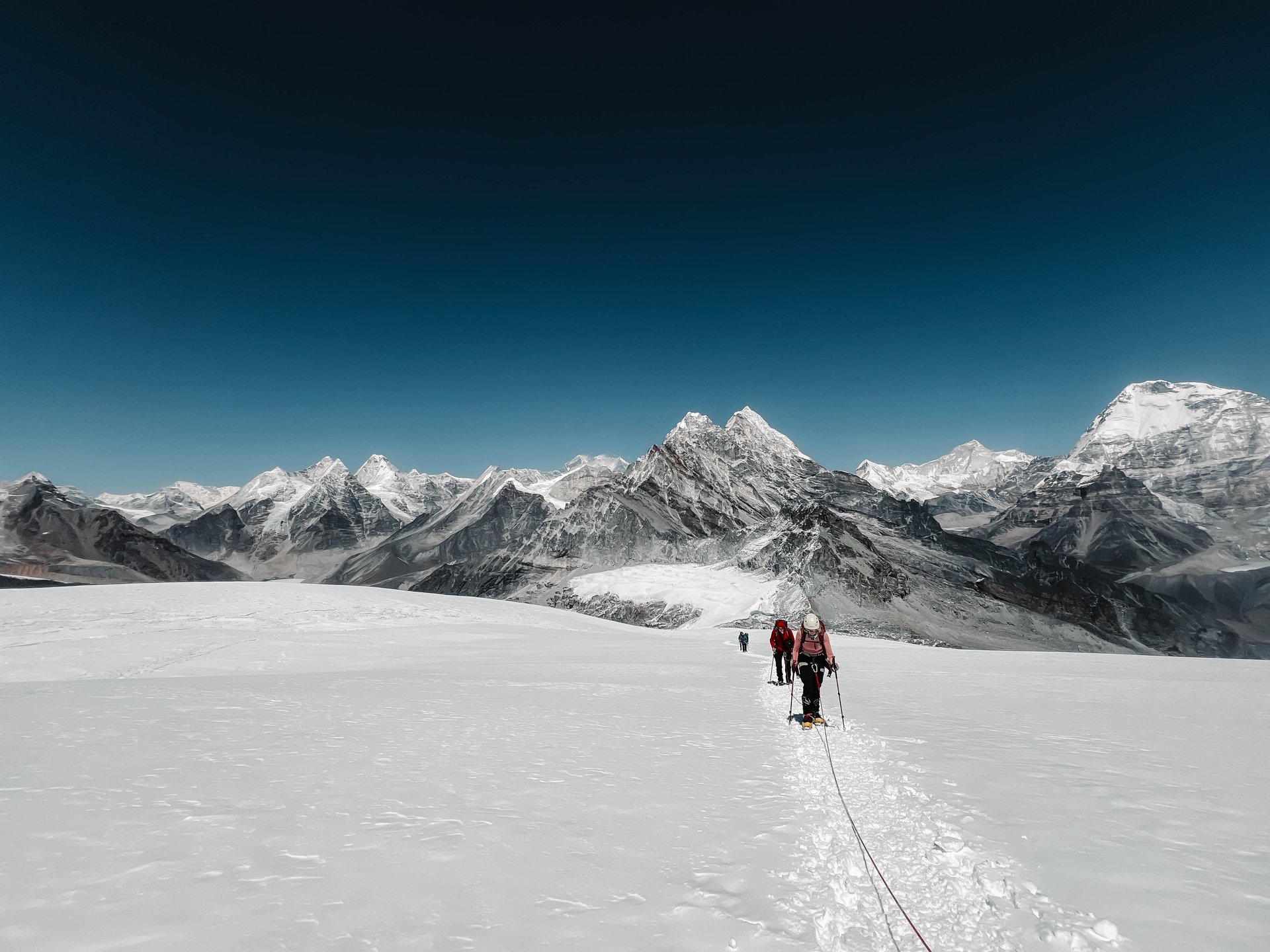
The Mardi Himal Trek is one of Nepal's newest and most rewarding short treks, climbing through dense rhododendron forest of the Annapurna foothills to the high ridge leading to Mardi Himal Base Camp at 4,500 metres — with some of the most dramatic close-up views of the Annapurna and Machhapuchhre massifs of any trek in Nepal. AltiPro's 9-day itinerary begins and ends in Pokhara, driving to the trailhead at Kande and climbing through Australia Camp, Forest Camp, Low Camp, and High Camp on the Mardi Himal ridge before the final push to the base camp viewpoint. The ridge walk from Low Camp to High Camp is one of the finest in Nepal — a narrow crest with Machhapuchhre's Fish Tail summit directly overhead and the full Annapurna Sanctuary panorama to the west.
Officially mapped in 2012, the Mardi Himal trail sees a fraction of the ABC trekker numbers while delivering comparable mountain views. Fully guided with experienced local guide, personal porter for each trekker, all teahouse accommodation and meals, ACAP and TIMS permits, and transport between Kathmandu, Pokhara, and Kande. Maximum 12 trekkers. Rated Easy — ideal for first-timers and those with limited time in Nepal.
About Mardi Himal
Mardi Himal (5,587m) is a satellite peak of the Annapurna massif, located on the eastern rim of the Annapurna Sanctuary between Machhapuchhre (6,993m) to the north and the main Annapurna range to the west. The trekking route follows the mountain's southeast ridge — a stunning elevated walkway with Machhapuchhre rising almost vertically from the forest below to the Fish Tail summit directly above. The ridge section above Low Camp feels genuinely high and wild despite the modest altitude.
The Mardi Himal Trek was officially opened as a formal trekking route in 2012 and remains far less crowded than the classic Annapurna Base Camp route it parallels on the eastern flank of the Sanctuary. For first-time trekkers, honeymooners, or travellers with limited time in Nepal, it is the ideal short high-altitude experience — maximum mountain impact in 9 days.
Why Choose AltiPro Adventures for the Mardi Himal Trek?
Local Ridge Specialists
AltiPro's Mardi Himal guides are Pokhara and Annapurna region specialists with deep knowledge of the Mardi Himal ridge, the teahouse system above Forest Camp, and the weather patterns that determine the best sunrise windows at the base camp viewpoint.
Sunrise at High Camp
The 9-day itinerary builds in time at High Camp for sunrise views and the full base camp experience — rather than rushing the ridge in a single day, AltiPro's schedule gives trekkers the mornings that make the Mardi Himal ridge unforgettable.
Personal Porter for Each Trekker
Every trekker has a dedicated personal porter, with above-market wages, insurance, and proper equipment maintained for all porters on the steep ridge sections above Low Camp.
Small Group Size
Maximum 12 trekkers per departure — essential for manageable pacing on the narrow ridge trail sections above Low Camp where the trail requires single-file movement.
Ideal Short Trek
At 9 days, the Mardi Himal Trek is AltiPro's top recommendation for first-time Nepal trekkers, honeymooners, and those with limited time who want maximum Himalayan mountain impact in a short, achievable itinerary.
Uncrowded Mountain Experience
The Mardi Himal route sees far fewer trekkers than the ABC trail on its western flank. The ridge above Low Camp feels genuinely wild and uncrowded even in peak October season.
Mardi Himal Trek — 9-Day Route Overview
The route climbs the Mardi Himal southeast ridge from Kande through forest and open ridge to the 4,500m base camp viewpoint, with Machhapuchhre's summit directly overhead, then descends via the Siding valley back to Pokhara.
Days 1–2: Pokhara → Kande → Australia Camp (2,060m)
Drive from Pokhara to Kande and begin climbing steeply through rhododendron forest. Australia Camp delivers the famous panoramic view of Pokhara valley and the full Annapurna range — a spectacular opening to the trek.
Days 3–4: Australia Camp → Forest Camp (2,520m) → Low Camp (3,300m)
The dense Forest Camp section is one of the most atmospheric in the lower Annapurna region — moss-draped rhododendron and oak forest with intermittent valley views. Above Forest Camp the trail breaks out of the forest onto the open Mardi Himal ridge at Low Camp.
Days 5–6: Low Camp → High Camp (3,580m) → Base Camp Viewpoint (4,500m)
The ridge section from Low to High Camp is the finest part of the trek — open, narrow, and airy, with Machhapuchhre's summit rising almost vertically to the right and the Annapurna range visible across the Sanctuary to the west. The base camp viewpoint at 4,500m delivers Annapurna I, II, III, South, Gangapurna, and Machhapuchhre in a single panorama.
Days 7–9: Descent via Siding → Pokhara
Descent via the alternative Siding valley route for variety, dropping steeply through forest to the Pokhara road — completing the full Mardi Himal circuit from Kande to Siding.
How Difficult is the Mardi Himal Trek?
The Mardi Himal Trek is rated Easy. The altitude is modest (maximum 4,500m at the base camp viewpoint) and the duration is short. The main physical demand is the steep ascent from Kande to Australia Camp and the open ridge above Low Camp in cold mornings. No technical skills required. The descent via Siding is steep in sections but well-maintained.
Best Season for the Mardi Himal Trek
Spring (March–May): Excellent — rhododendron blooms in the lower forest are spectacular, and mountain views are outstanding. April is the peak of the rhododendron season.
Autumn (October–November): The clearest months — best visibility at the base camp viewpoint and the most stable conditions on the high ridge. October is the single best month.
Mardi Himal Trek Cost
Fully guided Mardi Himal ridge trek — all permits, transport, teahouse accommodation, meals, guide, and personal porter included.
Includes all ACAP and TIMS permits, transport Kathmandu–Pokhara–Kande trailhead, all teahouse accommodation and meals on trek, licensed local guide, and personal porter for each trekker. International flights and personal gear are not included. Contact AltiPro for full pricing.
Mardi Himal Trek — Frequently Asked Questions
Common questions about the Mardi Himal Trek with AltiPro Adventures.
How high does the Mardi Himal Trek go?
The highest point is Mardi Himal Base Camp at 4,500 metres. The highest sleeping altitude is the High Camp teahouse at 3,580m.
How long is AltiPro's Mardi Himal Trek?
9 days from Kathmandu return, including Pokhara transport and all trekking days on the Mardi Himal ridge.
Is the Mardi Himal Trek suitable for beginners?
Yes — one of AltiPro's top recommendations for first-time Himalayan trekkers. The modest altitude, short duration, and outstanding mountain scenery make it ideal for beginners and those with limited time in Nepal.
When is the best time to do the Mardi Himal Trek?
March and April for rhododendron blooms; October and November for the clearest mountain views. Both seasons are excellent for the ridge section.
How does Mardi Himal compare to Annapurna Base Camp?
The Mardi Himal Trek is shorter, lower, and sees far fewer trekkers than the ABC route. The ridge section above Low Camp delivers comparable Annapurna views in a more intimate and uncrowded setting.
What is the highest sleeping altitude?
High Camp at approximately 3,580 metres — the night before the ascent to the 4,500m base camp viewpoint.
Can I do the Mardi Himal Trek with no prior Himalayan experience?
Yes, with good general fitness. Moderate altitude gain, teahouse accommodation, and short daily distances make Mardi Himal one of the most accessible Himalayan treks for first-timers.
Is the Mardi Himal Trek crowded?
Much less crowded than the ABC route. The trail sees a fraction of the ABC visitor numbers, and the ridge above Low Camp feels genuinely wild and uncrowded even in peak October season.
Highlights
- Mardi Himal Base Camp — 4,500 m / 14,764 ft
- Closest Views of Machhapuchhre (Fishtail) in Nepal
- Badal Danda (Cloud Ridge) — 270° Annapurna Panorama
- Upper Viewpoint — 4,200 m Ridge Scramble
- Danphe (Himalayan Monal) Sightings in the Forest
- Six Climatic Zones in Five Days
- Siding Village — Gurung Culture & Cardamom Plantations
- One Hour from Pokhara — Zero Logistics Stress
Detailed Itinerary
Click on each day to view details
| Day | Program | Meals | Accom. | |||||||||||||||||||||||||||||||||||||||||||||||||||||||||||||||||||||||||||||||||||||||||||||||||||||
|---|---|---|---|---|---|---|---|---|---|---|---|---|---|---|---|---|---|---|---|---|---|---|---|---|---|---|---|---|---|---|---|---|---|---|---|---|---|---|---|---|---|---|---|---|---|---|---|---|---|---|---|---|---|---|---|---|---|---|---|---|---|---|---|---|---|---|---|---|---|---|---|---|---|---|---|---|---|---|---|---|---|---|---|---|---|---|---|---|---|---|---|---|---|---|---|---|---|---|---|---|---|---|---|---|
| 1 | Arrive Kathmandu (1,400 m) — Welcome Briefing | Dinner | Hotel in Kathmandu | |||||||||||||||||||||||||||||||||||||||||||||||||||||||||||||||||||||||||||||||||||||||||||||||||||||
|
Welcome to Nepal. An AltiPro representative meets you at Tribhuvan International Airport and transfers you to your hotel in Kathmandu (1,400 m). The evening begins with a welcome briefing covering the Mardi Himal Trek itinerary, weather, permits, gear checks and packing essentials. Dinner at the hotel.
2
|
Fly Kathmandu → Pokhara (822 m) — Lakeside & Pre-Trek Preparation |
Breakfast, Dinner |
Hotel in Pokhara |
|
| Morning flight (25 minutes) or scenic drive (6–7 hours) from Kathmandu to Pokhara (822 m) in the Gandaki Province. Arrive at Pokhara's lakeside district — the base for all Annapurna region treks. The afternoon is free to explore the Phewa Lake area, finalise gear, and collect the Annapurna Conservation Area Permit (ACAP) from the TAAN office. The trail to Kande begins tomorrow. Overnight at the hotel in Pokhara.
3
|
Drive Pokhara → Kande (1,770 m); Trek to Forest Camp (2,550 m) |
Breakfast, Lunch, Dinner |
Teahouse, Forest Camp |
|
| One-hour jeep drive from Pokhara lakeside to the Kande trailhead (1,770 m). The trail begins with stone steps climbing through Australian Camp (2,060 m), where the first views of Machhapuchhre (Fishtail) appear across the valley. Continue through Pitam Deurali (1,990 m) and into the dense hemlock, oak and rhododendron forest to Forest Camp (2,550 m). In spring the forest is alive with rhododendron colour and the Danphe (Himalayan Monal — Nepal's national bird) is frequently spotted on the morning ascent. 4–5 hrs walking / 780 m ascent.
4
|
Forest Camp (2,550 m) → Low Camp (2,985 m) |
Breakfast, Lunch, Dinner |
Teahouse, Low Camp |
|
| The trail climbs from Forest Camp through transitional forest — rhododendron giving way to mossy, lichen-covered oak and hemlock trees — as altitude increases steadily. The forest opens at the treeline near Low Camp (2,985 m), where the first unobstructed views of Machhapuchhre, Annapurna South (7,219 m) and Hiunchuli appear. This is where the Mardi Himal trek transforms from forest walk to high-altitude ridge experience. Langur monkeys and Himalayan tahr are frequently seen on the open slopes above the treeline. 3–4 hrs walking / 435 m ascent.
5
|
Low Camp (2,985 m) → Badal Danda (3,210 m) → High Camp (3,580 m) |
Breakfast, Lunch, Dinner |
Teahouse, High Camp |
|
| The ridge opens as the trail reaches Badal Danda (Cloud Ridge) at 3,210 m — a sweeping 270-degree panorama spanning Annapurna I (8,091 m), II (7,937 m), III (7,555 m), South (7,219 m), Machhapuchhre (6,993 m), Gangapurna (7,455 m) and Mardi Himal itself (5,587 m) on a clear morning. Continue up the open ridge to High Camp (3,580 m), the most comfortable and conveniently positioned teahouses on the route. Views extend all the way to Pokhara's Phewa Valley on a clear afternoon. Rest and acclimatise before the summit push. 4–5 hrs walking / 595 m ascent.
6
|
High Camp → Upper Viewpoint (4,200 m) → Mardi Himal Base Camp (4,500 m) → High Camp |
Breakfast, Lunch, Dinner |
Teahouse, High Camp |
|
| An early start (5–6 AM) to beat the clouds is essential on summit day. The ridge narrows dramatically above High Camp as the trail climbs through open rocky terrain. Reach the Upper Viewpoint at 4,200 m — the finest panoramic position on the entire route, with Machhapuchhre filling the skyline directly ahead. A final scramble on loose trail delivers Mardi Himal Base Camp (4,500 m), directly beneath the south face of Machhapuchhre and the Mardi Himal massif. The full Annapurna range stretches across the horizon from east to west. Take time to absorb the views, then descend back to High Camp before the afternoon cloud builds. 7–9 hrs total / 920 m ascent + descent.
7
|
High Camp (3,580 m) → Low Camp (2,985 m) → Siding Village (1,740 m) |
Breakfast, Lunch, Dinner |
Teahouse, Siding |
|
| Begin the descent from High Camp via Low Camp, then branch away from the ascent route to descend toward the Gurung settlement of Siding (1,740 m). The trail drops steeply through increasingly lush vegetation, passing through cardamom plantations and terraced fields as the valley floor approaches. Siding is a warm, traditional Gurung community with excellent local teahouse cooking and a very different atmosphere from the ridge above — a perfect cultural contrast to the high-altitude experience of the previous days. 5–6 hrs walking / 1,840 m descent.
8
|
Siding (1,740 m) → Lwang → Drive to Pokhara (822 m) |
Breakfast, Lunch, Dinner |
Hotel in Pokhara |
|
| A final morning walk from Siding through the village of Lwang and through lower farmland and forests to the road at Lumre or Lwang (approximately 2 hours). A vehicle collects the group for the drive back to Pokhara lakeside. Afternoon free in Pokhara — boat trip on Phewa Lake, World Peace Pagoda, last lakeside meals and souvenir shopping. The loop circuit — ascending the Mardi Himal ridge and descending via Siding — is the definitive way to complete this trek. Overnight at hotel in Pokhara.
9
|
Fly Pokhara → Kathmandu (1,400 m) — Leisure Day |
Breakfast, Dinner |
Hotel in Kathmandu |
|
| Morning flight (25 minutes) from Pokhara back to Kathmandu. Transfer to your hotel in the Thamel district. The afternoon is free for last-minute shopping, Thamel exploration, Pashupatinath or Boudhanath stupa visit, or simply resting. Kathmandu's dense collection of medieval heritage sites, craft shops and excellent restaurants makes the final evening in Nepal easy to fill. Overnight in Kathmandu.
10
|
Leisure Day in Kathmandu — Farewell Dinner |
Breakfast, Farewell Dinner |
Hotel in Kathmandu |
|
| A free day in Kathmandu for last sightseeing or souvenir shopping. AltiPro recommends visiting Swayambhunath (Monkey Temple) for panoramic city views, or Durbar Square in Patan for Newari craftsmanship. In the evening, join your AltiPro guide and team for a farewell dinner at a traditional Nepali restaurant — dal bhat, sekuwa, momo and local raksi. A proper Himalayan send-off after a successful Mardi Himal Trek.
11
|
Final Departure from Kathmandu |
Breakfast |
None |
|
| Breakfast at the hotel and transfer to Tribhuvan International Airport according to your flight schedule. AltiPro arranges airport transfers for all departure times. Carry your Mardi Himal memories home — the ridge, the Machhapuchhre views from Base Camp, the cardamom forests above Siding, and the teahouse warmth of High Camp at dusk. The Mardi Himal Trek — Nepal's finest short high-altitude experience. | ||||||||||||||||||||||||||||||||||||||||||||
Services
Includes
- ✅ Annapurna Conservation Area Permit (ACAP) arranged and paid for by AltiPro — no queuing at the permit office required.
- ✅ All teahouse accommodation on the trekking route (Forest Camp, Low Camp, High Camp, Siding) and hotel accommodation in Kathmandu and Pokhara on a twin-share basis, plus all meals from Day 1 dinner to Day 11 breakfast as per the itinerary.
- ✅ One licensed, government-registered Nepali trekking guide throughout the trek, with comprehensive knowledge of the Mardi Himal ridge route, Gurung culture and mountain identification. One porter per two trekkers for luggage carry (up to 12 kg per porter). Porter welfare, insurance and equipment provided by AltiPro.
- ✅ All airport and hotel transfers in Kathmandu and Pokhara by private vehicle. Domestic flights Kathmandu–Pokhara and Pokhara–Kathmandu (or equivalent overland transfer). Private jeep from Pokhara to Kande trailhead and vehicle return from Siding/Lwang to Pokhara upon trek completion.
Excludes
- ❌ International flights to and from Kathmandu are not included. Nepal tourist visa (USD 30 for 15 days, USD 50 for 30 days) is not included — available on arrival at Tribhuvan International Airport or via the online Nepal eVisa portal.
- ❌ Comprehensive travel insurance including emergency high-altitude helicopter evacuation (essential at 4,500 m) is not included. AltiPro strongly recommends insurance covering evacuation to at least 5,000 m. World Nomads and IMG Global are recommended providers.
- ❌ Personal trekking gear (sleeping bag rated –10°C or below, trekking poles, boots, down jacket, head torch) is not included. Gear rental is available in Kathmandu and Pokhara at low daily rates if needed — AltiPro can recommend trusted suppliers in Thamel.
- ❌ Personal expenses including hot showers and device charging at teahouses (NPR 200–500 per use), snacks and drinks beyond the included meals, laundry, souvenirs, and optional activities are not included. Tips for guides and porters, while discretionary, are customary — AltiPro suggests USD 15–20/day for the guide and USD 8–10/day per porter.
Gear Lists & Useful Information
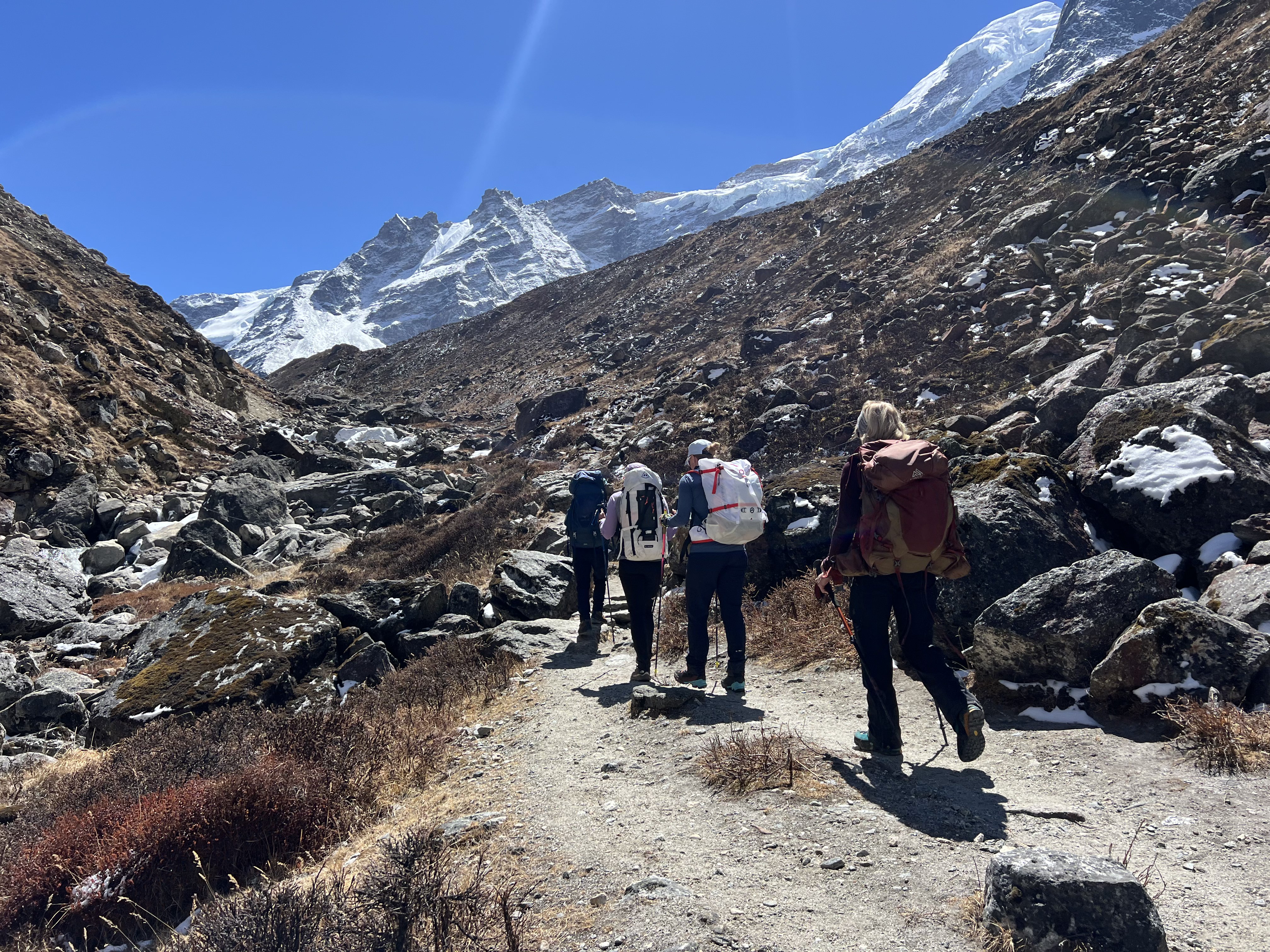
Been on this trek?
Your feedback helps other travelers plan their adventure of a lifetime. Share your experience with us!
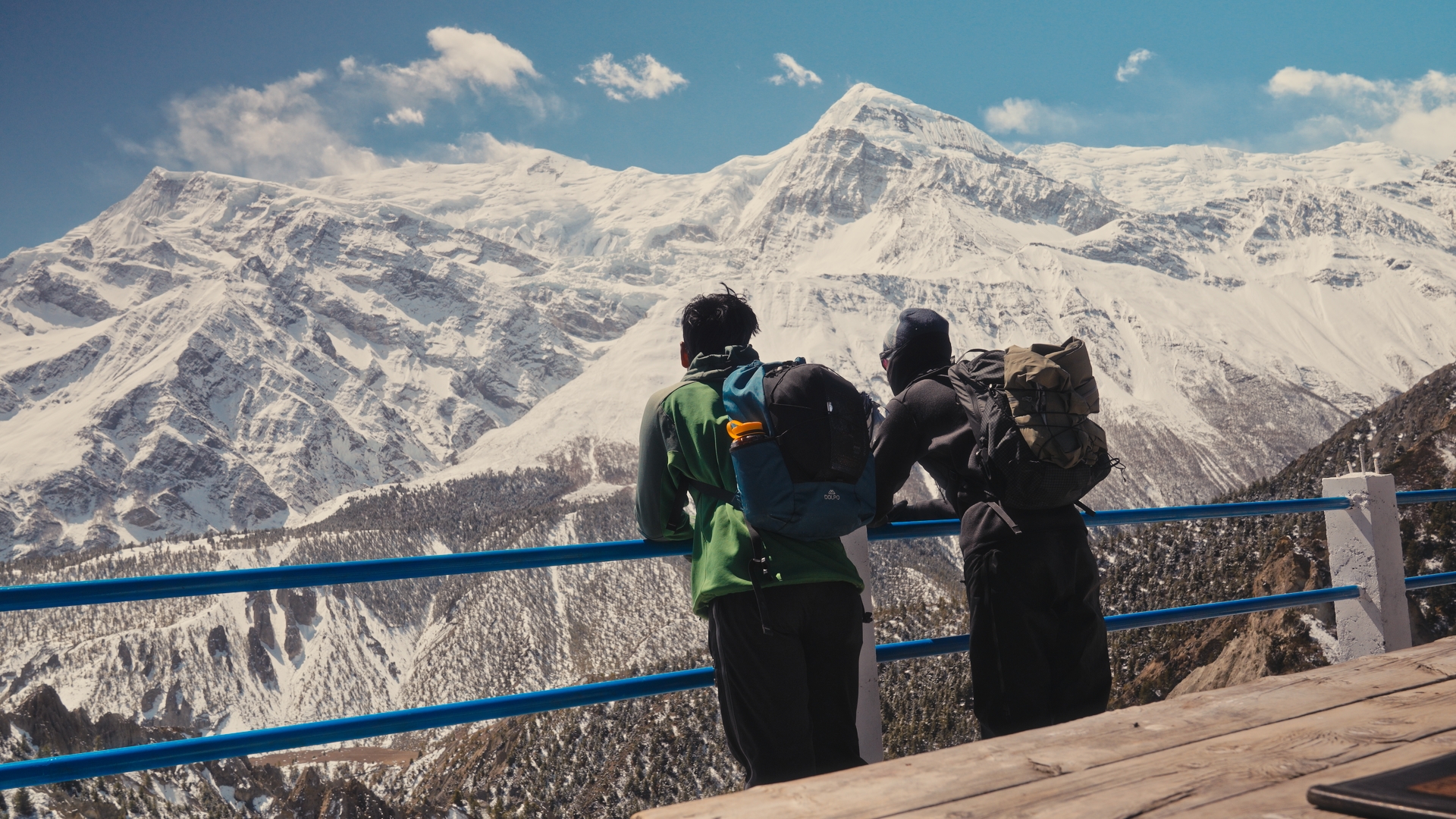 Annapurna Region
Annapurna Circuit Trek (Thorong La)
Cross Thorong La Pass (5,416 m) — the world's greatest trekking circuit
Nar Phu Valley Trek
Discover Nepal's hidden Himalayan frontier through ancient Tibetan villages, dramatic canyons, and the spectacular Kang La Pass on the remote Nar Phu Valley Trek.
Tilicho Lake Trek
World's Highest Glacial Lake Trek — Tilicho Lake (4,919 m), Annapurna Region
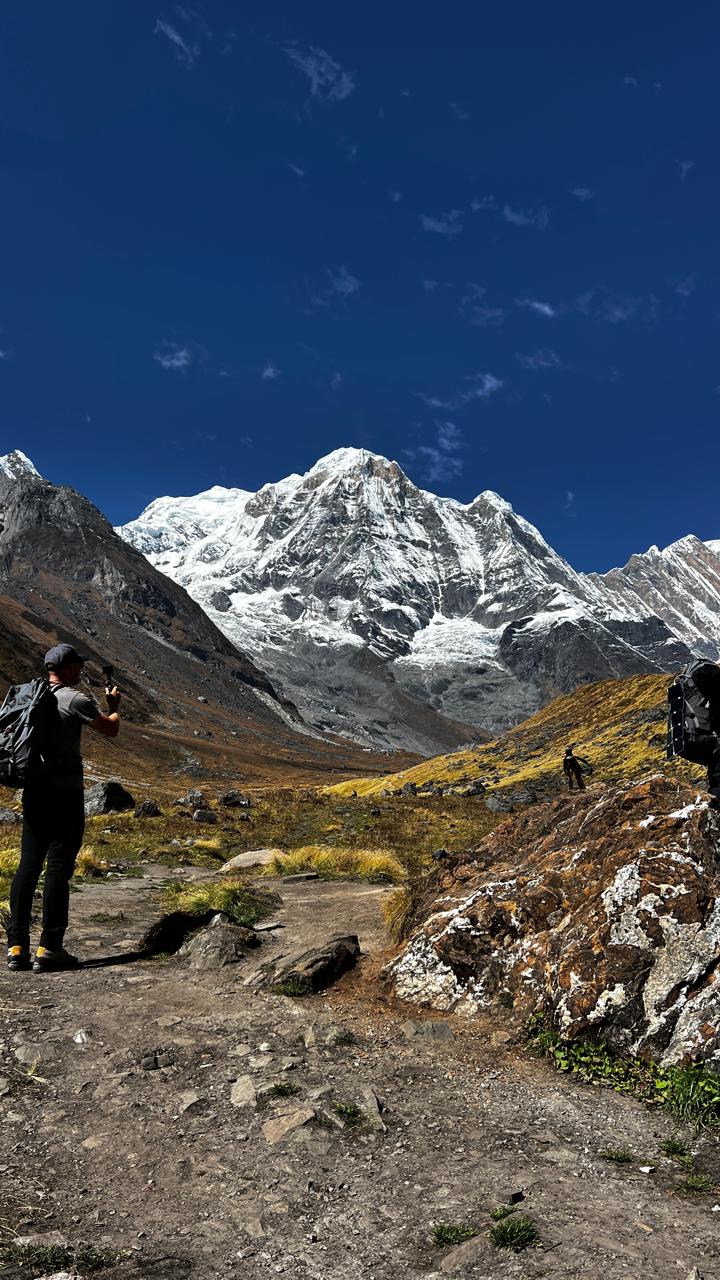 Annapurna Region
Annapurna Base Camp (ABC) Trek
Trek inside the Annapurna Sanctuary — the world's most beautiful glacial amphitheatre
Upper Mustang /Lo Manthang Trek
Trek to the ancient walled city of Lo Manthang in the rain-shadow kingdom of Lo.
Ready to Start Your Trekking Adventure?
Contact us to book your trek or get more information