
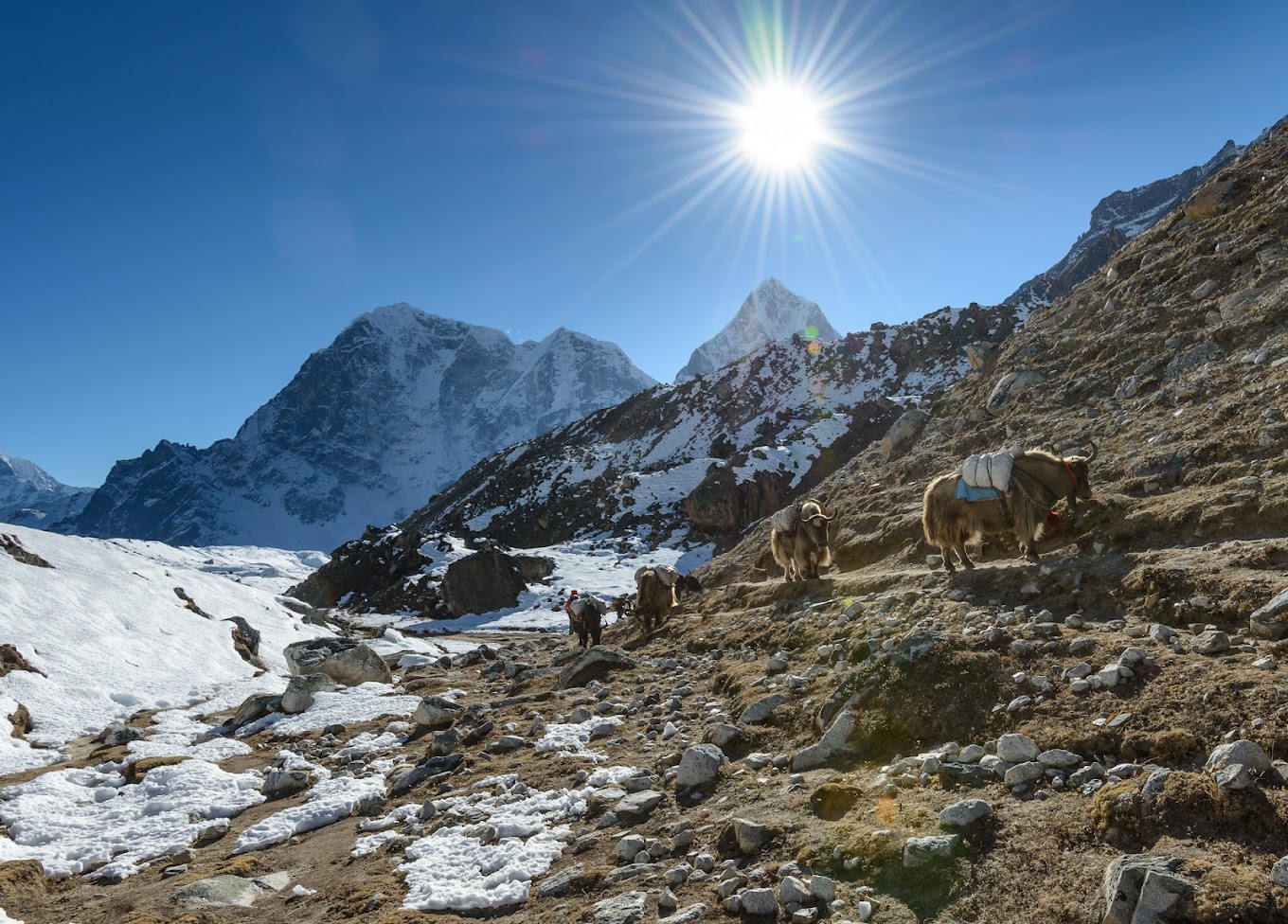
Nar Phu Valley Trek
Discover Nepal's hidden Himalayan frontier through ancient Tibetan villages, dramatic canyons, and the spectacular Kang La Pass on the remote Nar Phu Valley Trek.
Trek Overview
What is the Nar Phu Valley Trek?
The Nar Phu Valley Trek is one of Nepal's most remote and culturally preserved trekking routes, leading into the hidden valleys of Nar and Phu north of the Annapurna range near the Tibetan border. Officially opened to foreign trekkers in 2003, the route follows the Marsyangdi River before leaving the Annapurna Circuit at Koto to enter a restricted region of medieval stone villages, ancient Buddhist monasteries, yak pastures, dramatic canyons, and high Himalayan landscapes that have changed little for centuries.
AltiPro's 17-day itinerary begins in Kathmandu before driving to Dharapani and trekking through Koto into the secluded Nar Phu Valley. The route visits the traditional settlements of Phu Gaon and Nar Village before crossing Kang La Pass (5,322 metres), one of Nepal's finest high mountain passes, with spectacular views of Annapurna II, Gangapurna, Tilicho Peak, Chulu peaks, and the Manaslu range. The trek rejoins the Annapurna Circuit at Ngawal before descending to Besisahar.
Fully guided by an experienced trekking guide with deep knowledge of the Nar Phu region, supported by porters throughout the journey. All restricted area permits, Annapurna Conservation Area Permit (ACAP), accommodation, meals during the trek, and ground transportation are included. Maximum 12 participants. Rated Challenging due to its remote terrain, high altitude, and the crossing of Kang La Pass.
Nar Phu Valley Trek — Nepal's Hidden Himalayan Kingdom
The Nar Phu Valley branches away from the famous Annapurna Circuit at Koto, entering one of Nepal's least visited Himalayan regions. Deep river gorges, towering rock walls, suspension bridges, alpine meadows, and ancient Tibetan Buddhist settlements define the journey. Traditional villages remain largely unchanged, where stone houses, mani walls, prayer wheels, and centuries-old monasteries preserve a way of life closely connected to Tibetan culture.
The trek reaches Phu Gaon, one of Nepal's oldest permanent settlements at high altitude, before continuing south to Nar Village. The route then climbs gradually towards Kang La Pass (5,322m), where expansive views stretch across the Annapurna Massif, Chulu peaks, Gangapurna, Tilicho Peak, and the Manaslu Himal. Descending from the pass, the trail rejoins the Annapurna Circuit at Ngawal before continuing towards Besisahar.
Why Choose AltiPro Adventures for the Nar Phu Valley Trek?
Restricted Area Specialists
AltiPro's experienced guides are highly familiar with the Nar Phu region, local regulations, and the logistical requirements of trekking in one of Nepal's protected restricted areas.
Carefully Planned Acclimatisation
The itinerary gradually gains altitude through Meta, Phu, and Nar villages before crossing Kang La Pass, providing a safe acclimatisation profile suitable for high-altitude trekking.
Authentic Cultural Experience
The itinerary allows sufficient time to experience traditional Tibetan Buddhist villages, visit historic monasteries, and interact respectfully with local communities living in one of Nepal's most isolated regions.
Complete Trek Package
All Nar Phu Restricted Area permits, Annapurna Conservation Area Permit (ACAP), accommodation, meals during the trek, experienced guide, porter support, and all ground transportation are included.
Small Group Size
Maximum 12 participants per departure for personalised guidance, flexible pacing, and a more authentic experience in remote mountain communities.
Best Seasonal Departures
AltiPro operates Nar Phu Valley departures during spring (March to May) and autumn (September to November), when stable weather provides the safest conditions for crossing Kang La Pass.
Nar Phu Valley Trek — 17-Day Route Overview
The journey follows the Annapurna Circuit to Koto before entering the secluded Nar Phu Valley, crossing Kang La Pass, and descending via Ngawal to complete the circuit.
Days 1–3: Kathmandu → Dharapani → Koto (2,610m)
Drive from Kathmandu through Besisahar to Dharapani before beginning the trek to Koto, where the trail leaves the Annapurna Circuit and enters the restricted Nar Phu Valley.
Days 4–7: Koto → Meta → Phu Gaon (4,080m)
The trail follows deep canyons, pine forests, suspension bridges, and narrow gorges into the isolated upper valley before reaching the ancient stone settlement of Phu Gaon with its traditional Tibetan architecture and nearby Tashi Lhakhang Monastery.
Days 8–10: Phu → Nar Village (4,110m)
After exploring Phu, the route descends and traverses alpine landscapes towards Nar Village, another centuries-old settlement surrounded by expansive yak grazing pastures and snow-covered peaks.
Days 11–13: Kang La Pass (5,322m) → Ngawal (3,660m)
A challenging ascent leads to Kang La Pass, one of Nepal's most scenic Himalayan crossings, offering panoramic views of Annapurna II, Gangapurna, Tilicho Peak, Chulu East, Chulu West, and the surrounding Himalayan ranges before descending to Ngawal.
Days 14–17: Ngawal → Besisahar → Kathmandu
The route descends through Braga, Manang's lower villages, and Besisahar before returning by road to Kathmandu, completing one of Nepal's most remote trekking circuits.
How Difficult is the Nar Phu Valley Trek?
The Nar Phu Valley Trek is rated Challenging. The trek reaches a maximum altitude of 5,322 metres at Kang La Pass and involves several long days of walking across remote mountain terrain with limited facilities. No technical climbing is required, but trekkers should have good physical fitness, previous multi-day trekking experience, and be comfortable hiking for 6 to 8 hours daily at high altitude.
Best Season for the Nar Phu Valley Trek
Spring (March–May): Rhododendron forests bloom at lower elevations while stable weather and clear mountain views provide ideal trekking conditions for Kang La Pass.
Autumn (September–November): The clearest skies of the year offer outstanding Himalayan visibility and comfortable temperatures throughout the Nar Phu Valley.
Nar Phu Valley Trek Cost
Complete Nar Phu Valley Trek package including Nar Phu Restricted Area Permit, Annapurna Conservation Area Permit (ACAP), accommodation, meals during the trek, experienced guide, porter support, and all ground transportation.
International flights, Nepal visa, travel insurance, personal trekking equipment, and personal expenses are not included. Contact AltiPro for full pricing.
Nar Phu Valley Trek — Frequently Asked Questions
Do I need a special permit for Nar Phu Valley?
Yes. The Nar Phu Valley is a restricted area requiring both the Nar Phu Restricted Area Permit and the Annapurna Conservation Area Permit (ACAP). Independent trekking is not permitted, and trekkers must travel with a licensed guide.
How high is Kang La Pass?
Kang La Pass stands at 5,322 metres, making it the highest point of the trek.
How long is the Nar Phu Valley Trek?
AltiPro's complete itinerary is 17 days from Kathmandu return, including road transport and the full trekking route.
When is the best time for the Nar Phu Valley Trek?
March to May and September to November offer the most stable weather, clear mountain views, and the safest conditions for crossing Kang La Pass.
Is the Nar Phu Valley Trek technically difficult?
No. The trek involves no technical climbing or mountaineering, but the high altitude, long walking days, and remote terrain make it physically demanding.
Can beginners do the Nar Phu Valley Trek?
Trekkers with good fitness can complete the trek, although previous experience on multi-day high-altitude treks is strongly recommended due to the remote environment and elevation.
What fitness level is required?
Participants should be capable of trekking 6 to 8 hours daily over rugged mountain terrain and should prepare with cardiovascular and endurance training for several months before departure.
Is the Nar Phu Valley crowded?
No. Visitor numbers remain far lower than popular routes such as the Everest Base Camp Trek or Annapurna Circuit because the region requires restricted area permits and licensed guides, making it one of Nepal's quietest trekking destinations.
Highlights
- Kang La Pass (5,322 m / 17,461 ft)
- Phu Gaon (4,080 m)
- Nar Village (4,110 m)
- Tashi Lhakhang Monastery
- Annapurna Conservation Area
- Nar Phu Restricted Area
- Ancient Tibetan Buddhist Villages
- Annapurna II, Gangapurna & Tilicho Peak Views
- Chulu East & Chulu West Panoramas
- Remote Canyons, Yak Pastures & Suspension Bridges
Detailed Itinerary
Click on each day to view details
| Day | Program | Meals | Accom. | |||||||||||||||||||||||||||||||||||||||||||||||||||||||||||||||||||||||||||||||||||||||||||||||||||||||||||||||||||||||||||||||||||
|---|---|---|---|---|---|---|---|---|---|---|---|---|---|---|---|---|---|---|---|---|---|---|---|---|---|---|---|---|---|---|---|---|---|---|---|---|---|---|---|---|---|---|---|---|---|---|---|---|---|---|---|---|---|---|---|---|---|---|---|---|---|---|---|---|---|---|---|---|---|---|---|---|---|---|---|---|---|---|---|---|---|---|---|---|---|---|---|---|---|---|---|---|---|---|---|---|---|---|---|---|---|---|---|---|---|---|---|---|---|---|---|---|---|---|---|---|---|---|---|---|---|---|---|---|---|---|---|---|---|---|---|---|---|---|
| 1 | Arrival in Kathmandu (1,350m), briefing and preparation | B/D | Hotel | |||||||||||||||||||||||||||||||||||||||||||||||||||||||||||||||||||||||||||||||||||||||||||||||||||||||||||||||||||||||||||||||||||
|
Arrival in Kathmandu (1,350m), briefing and preparation
2
|
Drive from Kathmandu to Besisahar, trek to Jagat |
B/L/D |
Lodge |
|
| Drive from Kathmandu to Besisahar, trek to Jagat
3
|
Trek from Jagat to Dharapani (1,860m) |
B/L/D |
Lodge |
|
| Trek from Jagat to Dharapani (1,860m)
4
|
Trek from Dharapani to Koto (2,600m) |
B/L/D |
Lodge |
|
| Trek from Dharapani to Koto (2,600m)
5
|
Trek from Koto to Ngawal (3,500m) |
B/L/D |
Lodge |
|
| Trek from Koto to Ngawal (3,500m)
6
|
Trek from Ngawal to Nar (4,200m) |
B/L/D |
Lodge |
|
| Trek from Ngawal to Nar (4,200m)
7
|
Trek from Nar to Phu Village (4,050m) |
B/L/D |
Lodge |
|
| Trek from Nar to Phu Village (4,050m)
8
|
Trek from Phu back to Nar and descend to Ngawal (4,200–3,500m) |
B/L/D |
Lodge |
|
| Trek from Phu back to Nar and descend to Ngawal (4,200–3,500m)
9
|
Trek from Ngawal to Koto (3,500–2,600m) |
B/L/D |
Lodge |
|
| Trek from Ngawal to Koto (3,500–2,600m)
10
|
Trek from Koto to Dharapani (2,600–1,860m) |
B/L/D |
Lodge |
|
| Trek from Koto to Dharapani (2,600–1,860m)
11
|
Trek from Dharapani to Besisahar, drive to Pokhara (820m) |
B/L/D |
Hotel |
|
| Trek from Dharapani to Besisahar, drive to Pokhara (820m)
12 - 13
|
Rest and sightseeing in Pokhara |
Breakfast |
Hotel |
|
| Rest and sightseeing in Pokhara
14
|
Flight from Pokhara to Kathmandu (1,350m) |
Breakfast |
Hotel |
|
| Flight from Pokhara to Kathmandu (1,350m)
15
|
Final departure from Kathmandu (1,350m) |
B |
..... |
|
| Final departure from Kathmandu (1,350m) | ||||||||||||||||||||||||||||||||||||||||||||||||||||||||
Services
Includes
International flight airfare (from and to Kathmandu).
Nepali Visa fee is US$ 40 per person for 30 days (to be applied for 60 days (USD$ 100).
Lunch & dinner during the stay in Kathmandu (also in case of early return from Trekking / Expedition than the scheduled itinerary).
Extra nights' accommodation in Kathmandu. In case of early arrival or late departure, early return from Trekking / Expedition (due to any reason) than the scheduled itinerary.
Travel and high altitude insurance, accident, medical & emergency evacuation.
Medical Insurance and emergency rescue evacuation cost if required. (Rescue, Repatriation, Medication, Medical Tests, and Hospitalization costs.)
Telephone Calls, Internet, Toiletries, battery recharge, hot shower, laundry, soft drinks, beers, and any Alcoholic beverages.
Clothing, Packing Items or Bags, Personal Medical Kit, Personal Trekking /Climbing Gears.
Soaps, shampoos, toilet and tissue papers, toothpaste, and other items used to keep yourself clean.
Special Filming, Camera, and Drone permit fee.
Internet facility is not included.
$35 USD for an extra porter per day (If an extra porter is demanded).
Calculate some tips for Guides, Porters & staffs.
Any other services or activities not mentioned in the itinerary. Any other item not listed in the “Cost Includes” section.
Excludes
International flight airfare (from and to Kathmandu).
Nepali Visa fee is US$ 40 per person for 30 days (to be applied for 60 days (USD$ 100).
Lunch & dinner during the stay in Kathmandu (also in case of early return from Trekking than the scheduled itinerary).
Extra nights' accommodation in Kathmandu. In case of early arrival or late departure, early return from Trekking (due to any reason) than the scheduled itinerary.
Travel and high altitude insurance, accident, medical & emergency evacuation.
Medical Insurance and emergency rescue evacuation cost if required. (Rescue, Repatriation, Medication, Medical Tests, and Hospitalization costs.)
Telephone calls, Internet, Toiletries, battery recharge, hot shower, laundry, soft drinks, beer, and any alcoholic beverages.
Clothing, Packing Items or Bags, Personal Medical Kit, Personal Trekking Gears, etc.
Soaps, shampoos, toilet and tissue papers, toothpaste, and other items used to keep yourself clean.
Special Filming, Camera, and Drone permit fee.
Internet facility during the trek is not included.
$25 USD for an extra porter per day (If an extra porter is demanded).
Tips for Guide, porters, and staff.
Any other services or activities not mentioned in the itinerary. Any other item not listed in the “Cost Includes” section.
Gear Lists & Useful Information
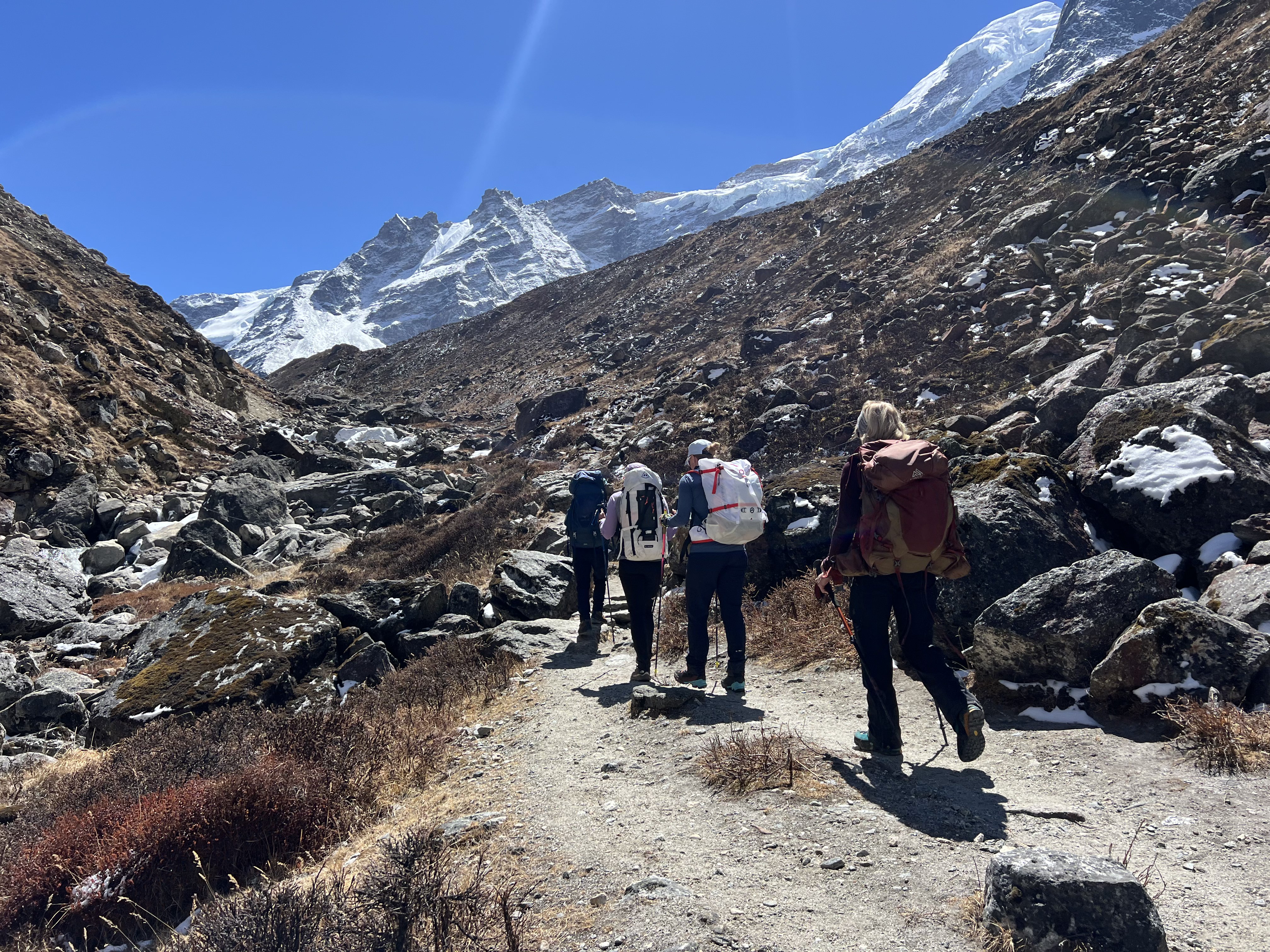
Been on this trek?
Your feedback helps other travelers plan their adventure of a lifetime. Share your experience with us!
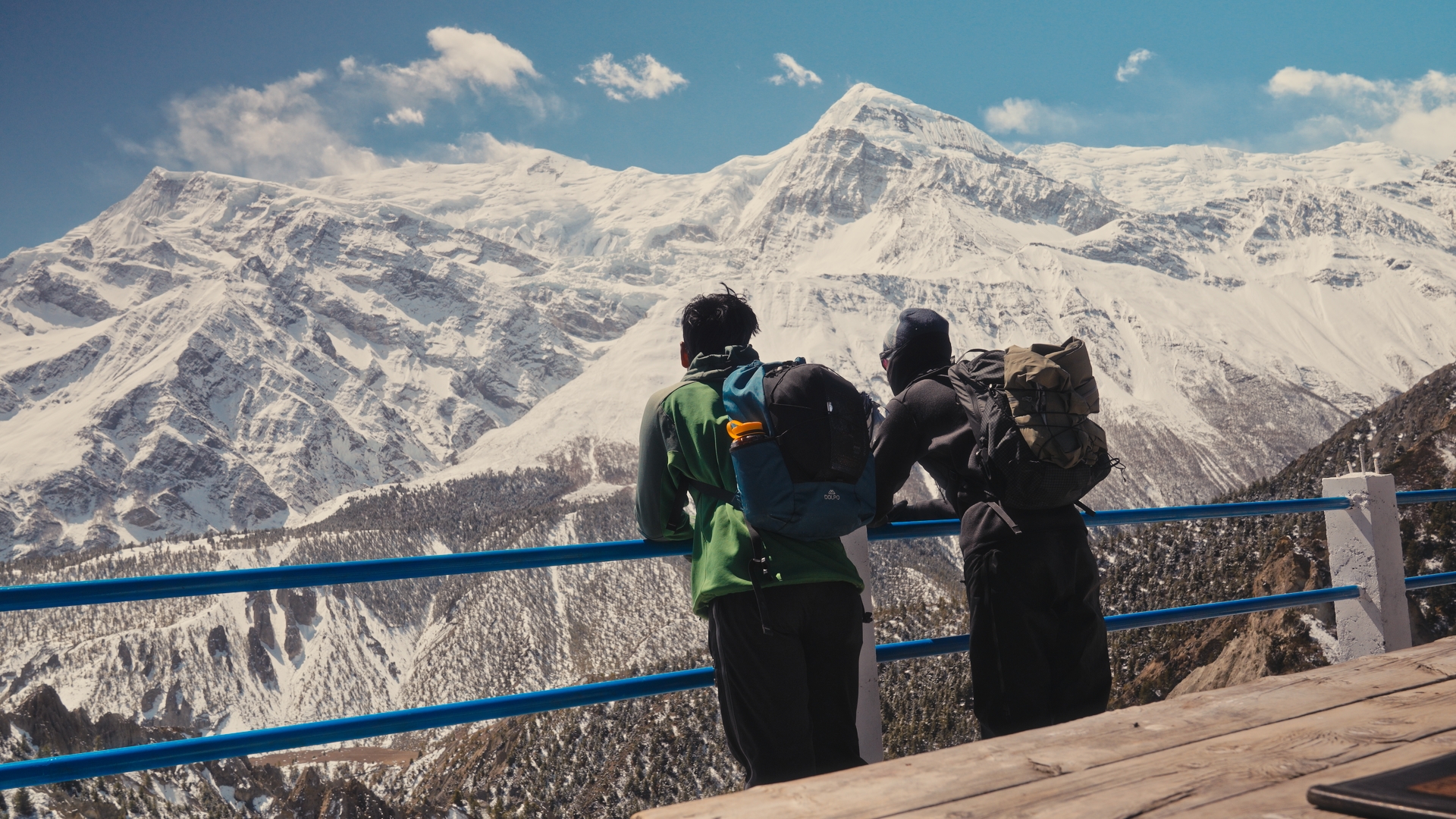 Annapurna Region
Annapurna Circuit Trek (Thorong La)
Cross Thorong La Pass (5,416 m) — the world's greatest trekking circuit
Tilicho Lake Trek
World's Highest Glacial Lake Trek — Tilicho Lake (4,919 m), Annapurna Region
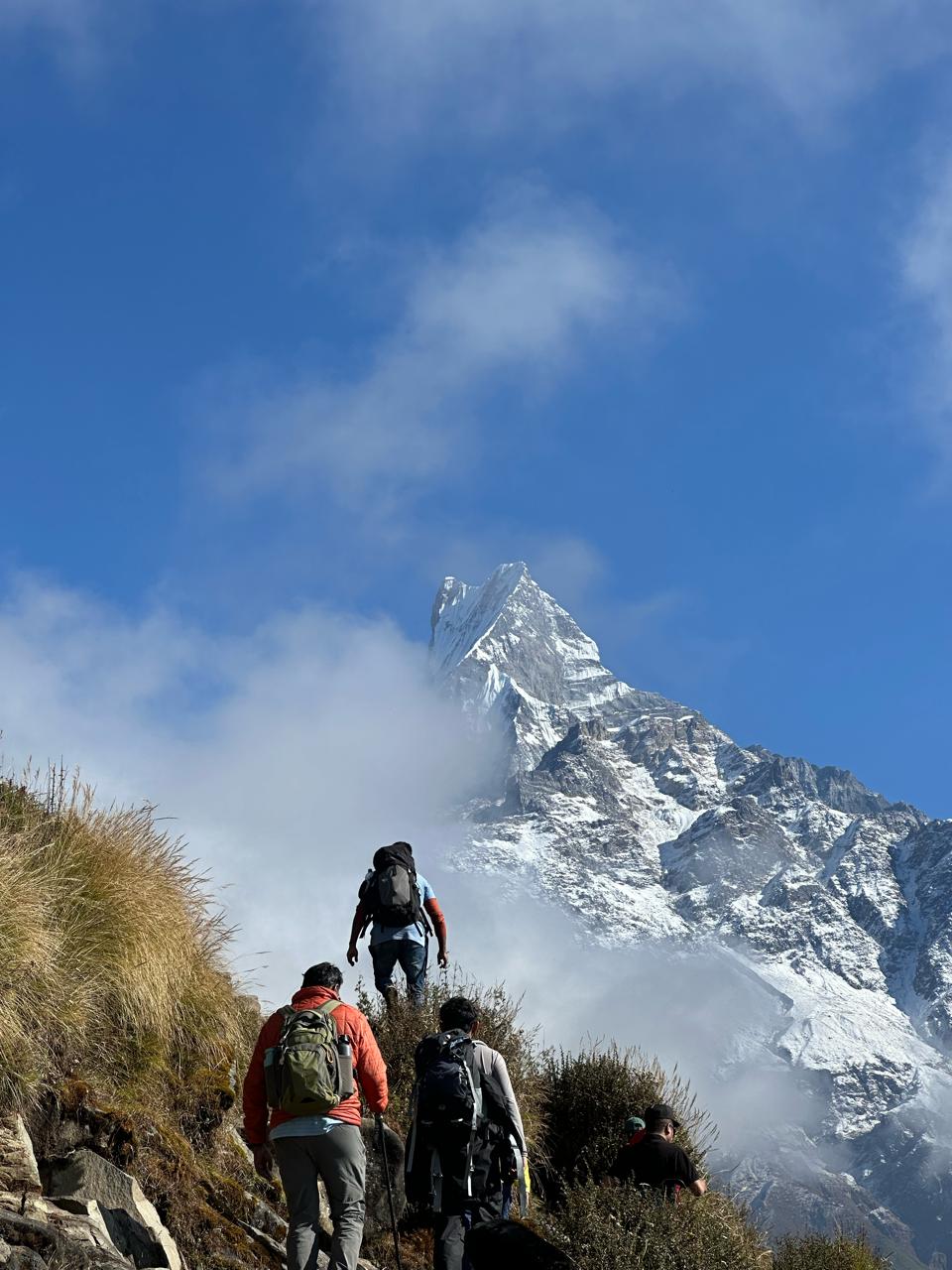 Annapurna Region
Mardi Himal Trek
Mardi Himal Trek — Closest Machhapuchhre Views from Pokhara | AltiPro Adventures
 Annapurna Region
Annapurna Base Camp (ABC) Trek
Trek inside the Annapurna Sanctuary — the world's most beautiful glacial amphitheatre
Upper Mustang /Lo Manthang Trek
Trek to the ancient walled city of Lo Manthang in the rain-shadow kingdom of Lo.
Ready to Start Your Trekking Adventure?
Contact us to book your trek or get more information