Western Himalayas Expeditions
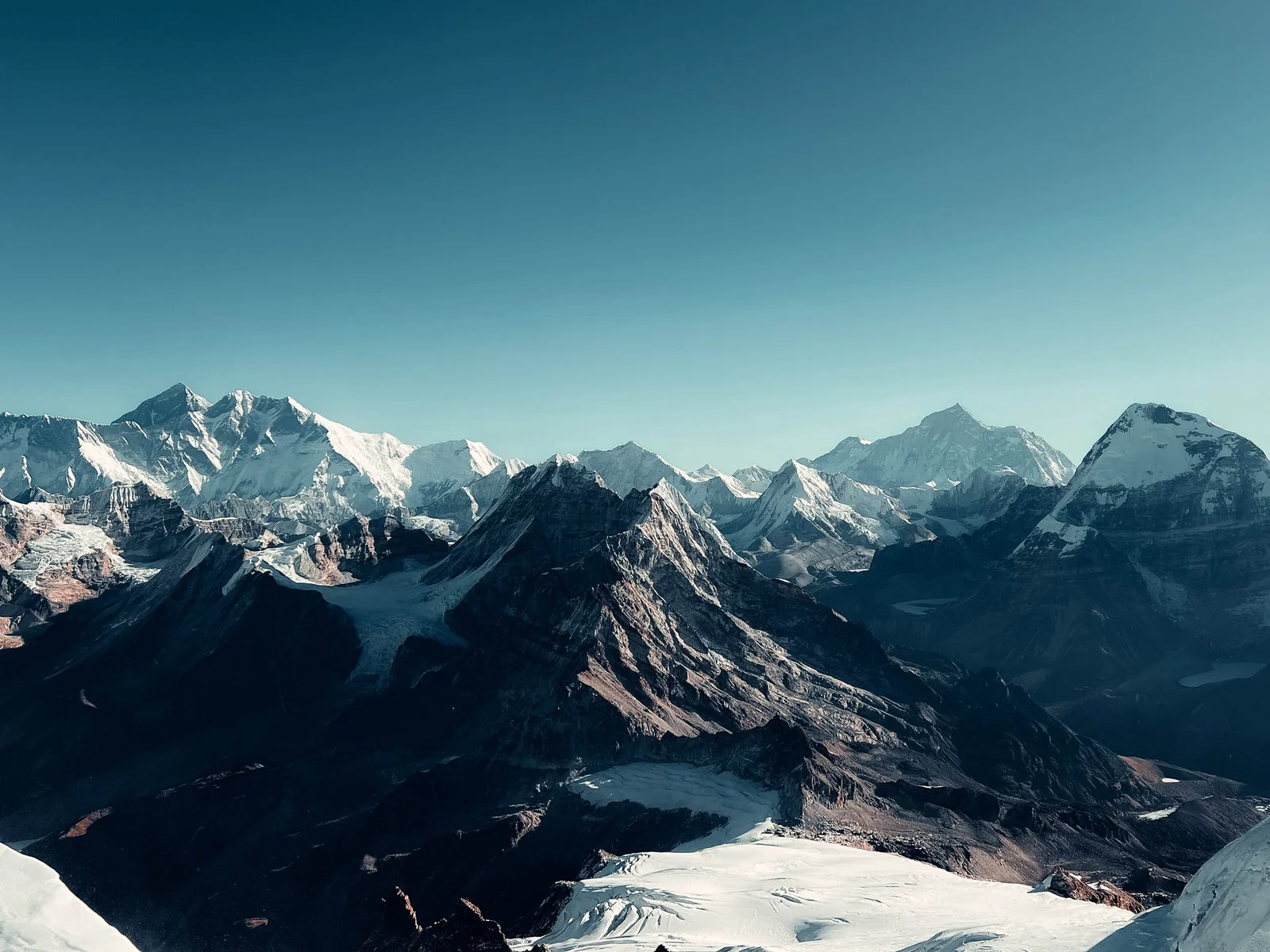
The Western Himalayas form the north-western section of the Himalayan mountain system, extending across northern Pakistan, the Indian regions of Jammu & Kashmir, Himachal Pradesh, and Uttarakhand. This vast mountain region is known for its rugged landscapes, deep river valleys, and some of the most formidable peaks in the greater Himalaya. Compared to the central and eastern Himalayas, the Western Himalayas are characterized by steeper relief, drier climate, and extreme technical climbing conditions. The region includes legendary mountains such as Nanga Parbat (8,126 m)—often called the “Killer Mountain”—as well as numerous challenging peaks, ice walls, and complex glacier systems. The Western Himalayas are shaped by major river systems including the Indus, Jhelum, Chenab, Ravi, Beas, and Sutlej, which carve dramatic gorges through the mountains. Ecologically, the region transitions from alpine forests to cold desert landscapes, supporting unique wildlife and resilient high-altitude communities. Culturally and historically significant, the Western Himalayas have long been part of ancient trade routes and mountaineering history. Today, the region attracts experienced climbers, high-altitude trekkers, and expedition teams seeking remote terrain, technical ascents, and a raw Himalayan environment away from heavily commercialized routes.