
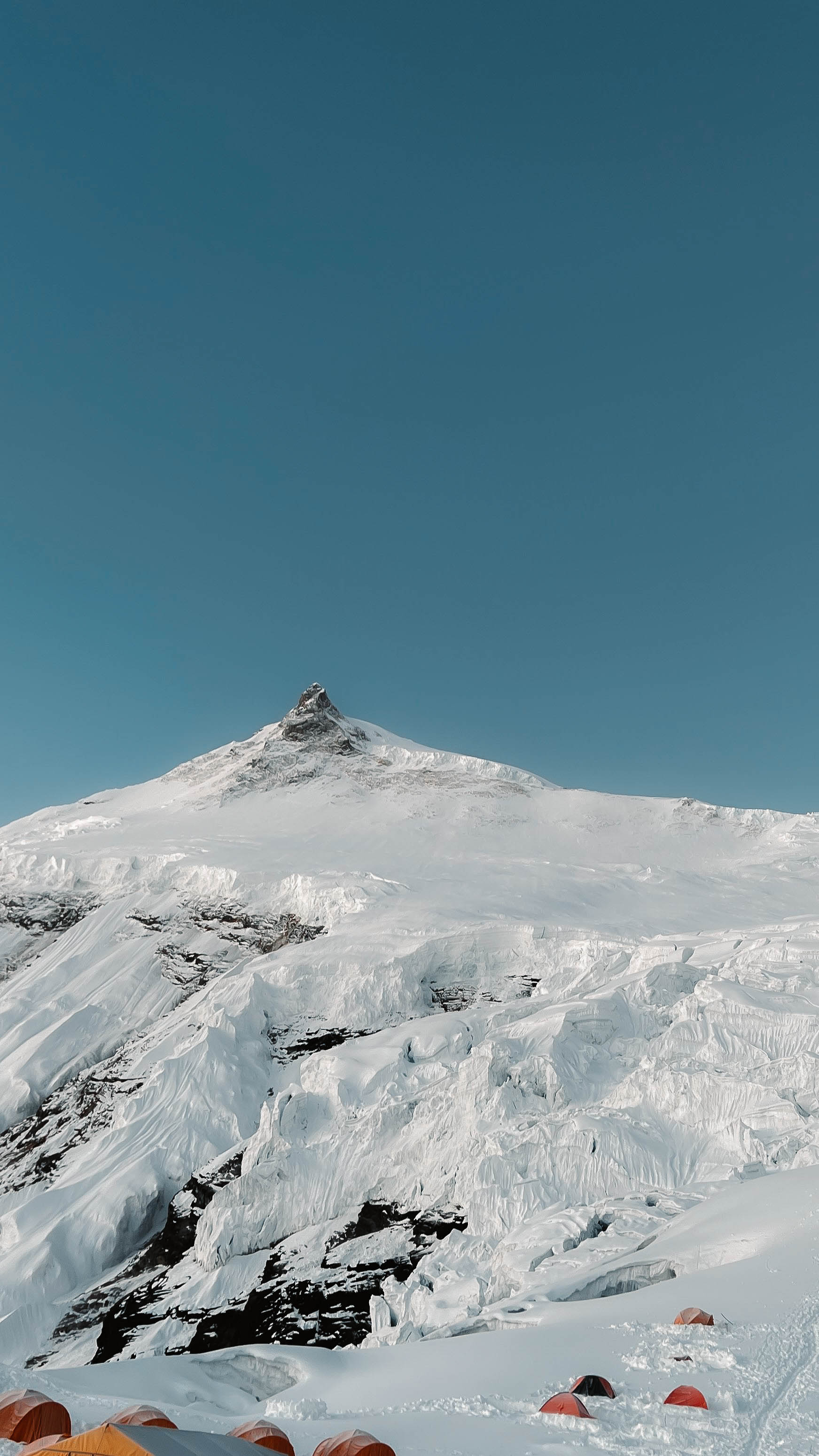
Manaslu Expedition
Book your Manaslu Expedition 2026 with expert Sherpa guides, proven itineraries, full permits, and professional high-altitude support.
Expedition Overview
What is the Manaslu Expedition?
Manaslu stands at 8,163 metres, the eighth highest mountain in the world, situated entirely within Nepal in the Manaslu Himal of the Gorkha district. The name derives from the Sanskrit word manasa, meaning intellect or soul. First climbed on 9 May 1956 by Toshio Imanishi and Gyalzen Norbu of the Japanese Alpine Club expedition, Manaslu was for many years the exclusive domain of Japanese expeditions. Today it is one of the more frequently climbed 8,000m peaks, appreciated for its relatively approachable northeast face route compared with the extreme technical demands of Dhaulagiri, Annapurna, or K2.
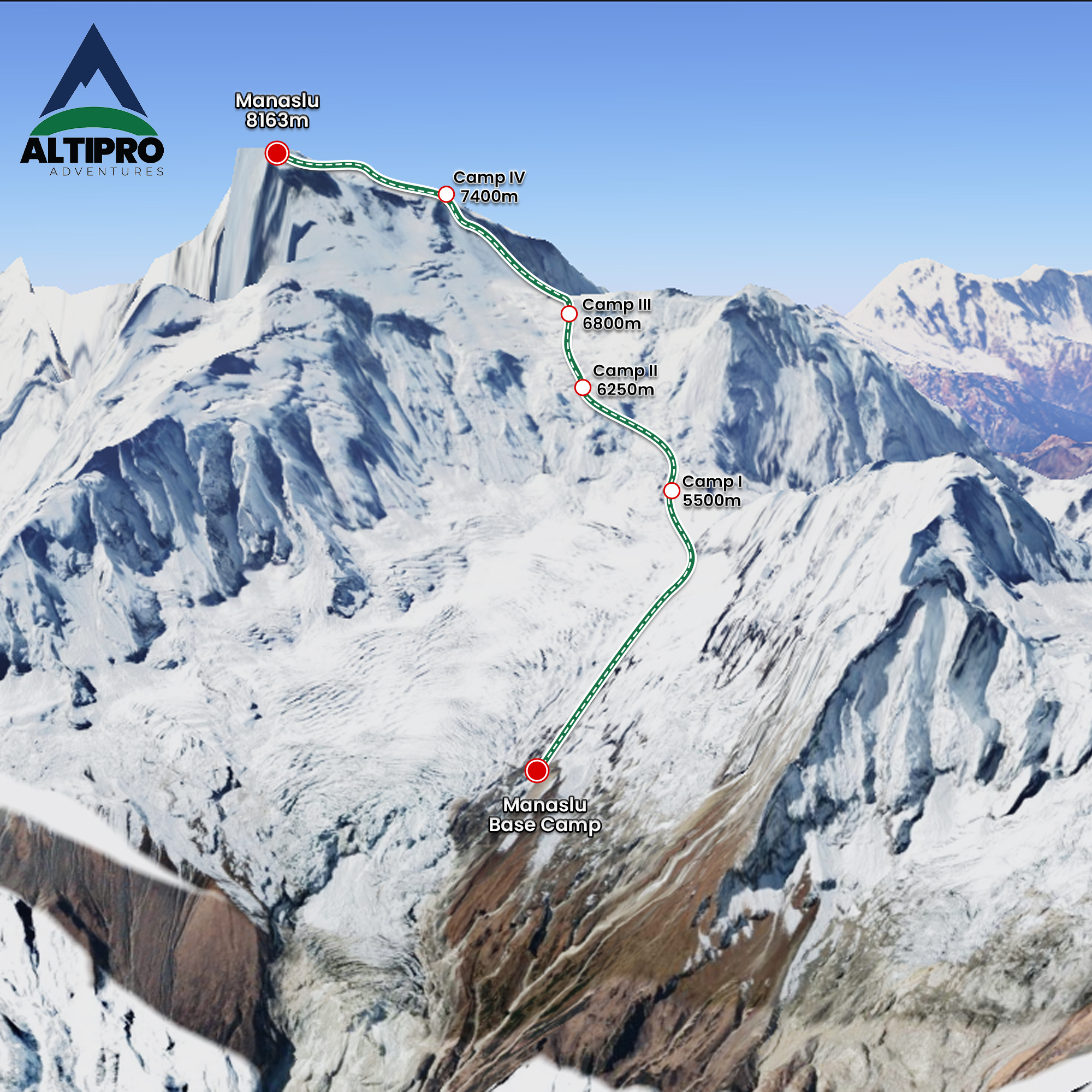
The AltiPro Manaslu Expedition 2027 is a 50-day spring expedition. The approach from Kathmandu drives via Arughat and Soti Khola into the Budhi Gandaki valley, passing through diverse communities and landscapes before reaching Base Camp at 4,800m beneath the northeast face. The team establishes camps at 5,700m (Camp 1), 6,400m (Camp 2), 7,100m (Camp 3), and 7,400m (Camp 4) before the summit push to 8,163m. Maximum 8 climbers, 1:1 Climbing Sherpa ratio, supplemental oxygen from Camp 3, and an Expedition Doctor at Base Camp throughout the season.
The Northeast Face Route involves less sustained technical rock and ice climbing than the more extreme 8,000m peaks, but the mountain carries significant avalanche risk that demands careful route management and good judgment throughout. The upper section above Camp 3 involves sustained high-altitude snowfields with crevasse zones, and the summit cornice requires care in poor visibility. AltiPro builds extended acclimatisation time into the Manaslu schedule specifically to reduce altitude-related risk on summit day.
About Manaslu - Mountain of the Soul
Manaslu is Nepal's tallest mountain that sits entirely within the country's borders, and the approach through the Budhi Gandaki valley is one of the most culturally rich of any 8,000m expedition - passing through Gurung and Tibetan-influenced villages, rhododendron forests, and high alpine country before reaching the glaciated upper basin beneath the northeast face. The Manaslu Conservation Area and the Restricted Area beyond it are home to snow leopards, Himalayan tahr, and red panda alongside the mountain communities that have inhabited this valley for centuries.
On the mountain itself, Manaslu has a documented history of serious avalanche events, most notably a catastrophic serac collapse in October 2012. AltiPro takes avalanche risk management seriously on Manaslu and monitors snowpack conditions throughout the season, timing all camp movements and rope-fixing to minimise exposure on high-risk sections. With careful planning, Manaslu remains one of the most rewarding 8,000m objectives in Nepal - a mountain with genuine expedition character and a striking, multi-faceted summit.
Why Choose AltiPro Adventures for Manaslu?
Permit & Logistics Expertise
The Budhi Gandaki approach requires a Manaslu Conservation Area permit and a Restricted Area Permit in addition to the climbing permit. AltiPro's Kathmandu team manages all documentation and has long-standing relationships with local communities and porter networks along the approach route.
Avalanche Risk Management
Manaslu has a documented history of major avalanche events. AltiPro's route management team monitors snowpack conditions throughout the season and schedules rope-fixing and camp movements to minimise exposure on the high-risk sections between Base Camp and Camp 1 and on the upper face above Camp 3.
Supplemental Oxygen from Camp 3
All climbers receive supplemental oxygen from Camp 3 at 7,100m. Three cylinders are allocated per climber with a dedicated Sherpa oxygen carrier. Reserve cylinders are pre-positioned at Camp 4 ahead of the summit push.
Extended Acclimatisation
Manaslu's 50-day expedition schedule includes deliberate rest weeks and multiple rotation cycles. AltiPro does not compress the acclimatisation schedule to save time - every climber reaches summit day properly acclimatised and prepared for altitude above 8,000m.
Small Team on a Busy Mountain
Manaslu sees relatively high commercial traffic in spring. AltiPro's maximum of 8 climbers with a 1:1 Sherpa ratio allows the team to move independently of larger commercial expeditions, with better timing control on summit day.
Verified Sherpa Experience
AltiPro's Climbing Sherpas carry verified Manaslu summit experience. The 1:1 ratio ensures dedicated support for each climber throughout the acclimatisation period and on the summit push, with personalised attention at every camp.
The Northeast Face Route (8,163 m)
The Northeast Face Route is the standard line on Manaslu. The approach follows the Budhi Gandaki river valley from Arughat to Base Camp - one of the most scenic and culturally rich approach valleys in Nepal, passing through Gurung and Tibetan-influenced communities before reaching the glaciated upper basin.
Kathmandu to Base Camp (1,400m to 4,800m)
Drive from Kathmandu to Soti Khola via Arughat, then trek up the Budhi Gandaki valley through Jagat, Deng, Namrung, and Samagaon to Manaslu Base Camp at 4,800m. The approach takes 10 to 12 days through some of the most culturally diverse country in Nepal.
Base Camp to Camp 1 - Manaslu Glacier (4,800m to 5,700m)
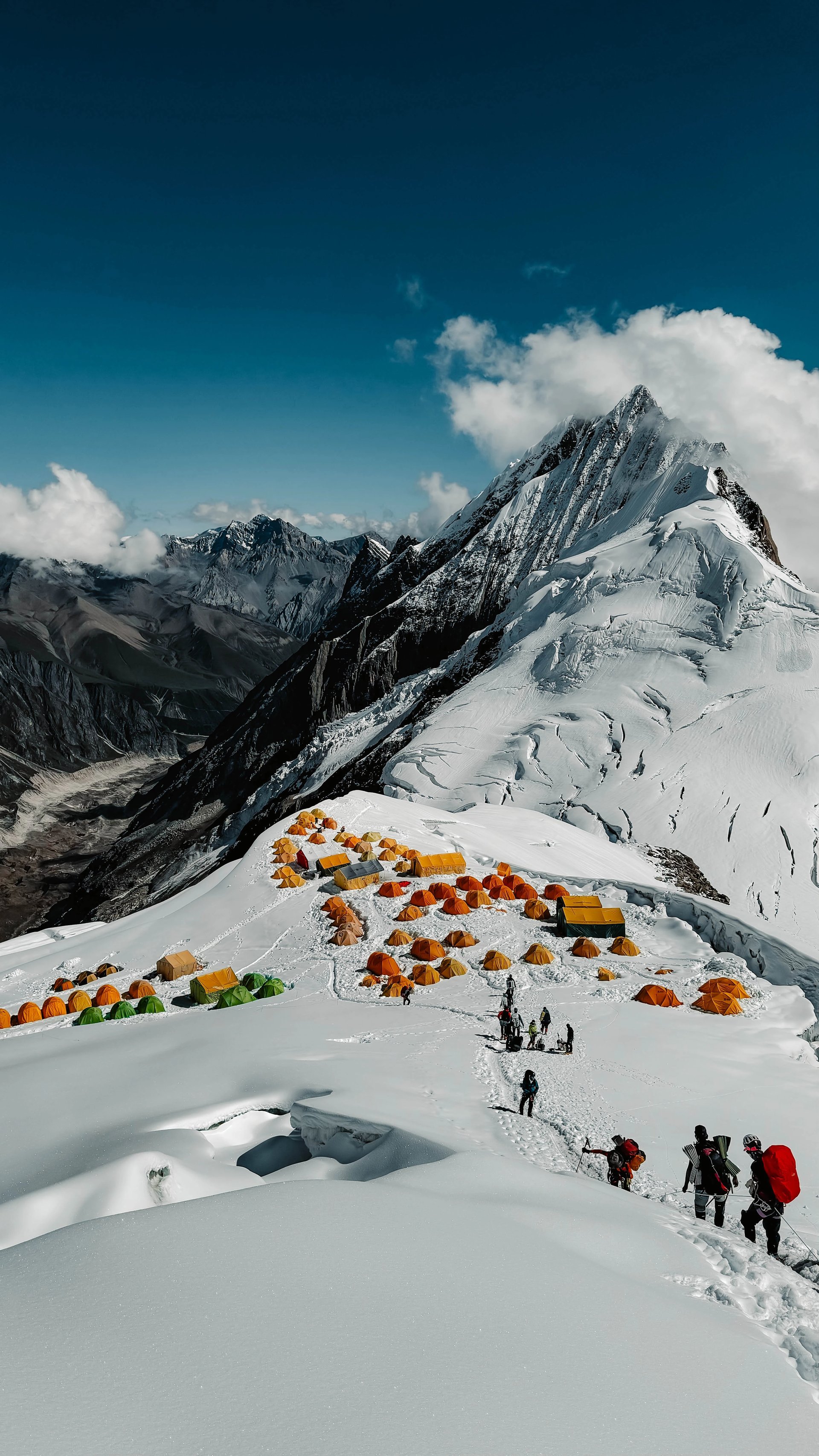
The route crosses the Manaslu Glacier to Camp 1 at 5,700m. The icefall section between Base Camp and Camp 1 carries avalanche risk and AltiPro schedules all crossings during the early morning hours to minimise exposure.
Camp 1 to Camp 2 - Northeast Snowfields (5,700m to 6,400m)
The route ascends the northeast face snowfields to Camp 2 at 6,400m. This section is used for multiple acclimatisation rotations before the team pushes higher, building altitude tolerance gradually before the upper mountain.
Camp 2 to Camp 3 (6,400m to 7,100m)
Higher snowfields and mixed terrain lead to Camp 3 at 7,100m, where supplemental oxygen use begins for the summit push. The upper section of this passage requires careful route-finding through crevasse zones.
Camp 3 to Summit via Camp 4 (7,100m to 8,163m)
The final section climbs via Camp 4 at 7,400m and follows the upper northeast ridge to the summit at 8,163m. The summit cornice requires careful navigation, and conditions above 8,000m can change rapidly. The summit rewards with a panoramic view across the Manaslu Conservation Area and beyond.
How Difficult is the Manaslu Expedition?
Manaslu is rated Challenging to Difficult. The Northeast Face Route involves less sustained technical rock and ice climbing than the more extreme 8,000m peaks, but avalanche risk, crevasse zones, and the physiological demands of the death zone above 8,000m make it a serious and committing objective. It can be an appropriate first 8,000m peak for climbers with strong experience above 6,500m and ideally a prior 7,000m summit.
Best Season for the Manaslu Expedition
Spring (April–May): The primary climbing season. The summit window targets the second and third weeks of May before monsoon weather arrives from the south. The spring season typically provides 5 to 12 days of viable summit conditions above Camp 3. AltiPro operates Manaslu expeditions in spring.
Autumn (September–October): A secondary window with drier conditions. Autumn can offer additional summit opportunities, though post-monsoon snow conditions on the upper face require careful assessment.
Manaslu Expedition Cost
Full-service Manaslu expedition - permits, avalanche management, oxygen, and medical support included.
Includes all climbing permits, Manaslu Conservation Area fees, and Restricted Area Permit, trekking and climbing Sherpa wages, base camp and high camp equipment, supplemental oxygen from Camp 3 for all climbers, and an on-site Expedition Doctor. International flights and personal climbing equipment are not included. Contact AltiPro for a full cost breakdown.
Manaslu Expedition - Frequently Asked Questions
Common questions about climbing Manaslu with AltiPro Adventures.
Is Manaslu suitable as a first 8,000m peak?
Manaslu can be an appropriate first 8,000m objective for climbers with strong experience above 6,500m and ideally a 7,000m summit. AltiPro recommends prior experience on a high-altitude technical peak before attempting Manaslu.
What is the avalanche risk on Manaslu?
Manaslu has higher avalanche exposure than most other 8,000m peaks, particularly between Base Camp and Camp 1 and on the upper face above Camp 3. AltiPro monitors snowpack conditions throughout the season and schedules all movements to minimise exposure.
Is supplemental oxygen included?
Yes. All climbers receive supplemental oxygen from Camp 3 at 7,100m. Three cylinders per climber are included, with a dedicated Sherpa oxygen carrier and reserve stockpiles pre-positioned at Camp 4 ahead of the summit push.
When is the Manaslu summit window?
The second and third weeks of May are typically the most reliable weather window for summit day. AltiPro monitors forecasts continuously and adjusts the summit push timing to optimise conditions above 8,000m.
How long is the approach trek?
The Budhi Gandaki approach from Soti Khola takes 10 to 12 days to reach Base Camp at 4,800m. The route passes through Gurung and Tibetan-influenced villages and is one of the most culturally diverse approach treks in Nepal.
What permits are required?
A Manaslu Conservation Area permit and a Restricted Area Permit are required in addition to the standard climbing permit. AltiPro handles all permit applications from Kathmandu.
How long is the expedition?
The AltiPro Manaslu Expedition 2027 runs 50 days from Kathmandu departure to return, including the Budhi Gandaki approach, all acclimatisation rotations, summit attempt, and descent.
Is there a doctor at Base Camp?
Yes. An Expedition Doctor with high altitude medicine experience is resident at Base Camp throughout the season, with Gamow Bag, pulse oximetry, and satellite emergency communication available throughout.
Detailed Itinerary
Click on each day to view details
| Day | Program | Meals | Accom. | |||||||||||||||||||||||||||||||||||||||||||||||||||||||||||||||||||||||||||||||||||||||||||||||||||||||||||||||||||||||||||||||||||||||||||||||||||||||||||||||||||||||||||||||||||||||||||||||||||||||||||||||||||||||||||||||||||||||||||||||||||||||||||||||||||||||||||||||||||||||||||||||||||||||||||||||||||||||||||||||||||||||||||||||||||||||||||||||
|---|---|---|---|---|---|---|---|---|---|---|---|---|---|---|---|---|---|---|---|---|---|---|---|---|---|---|---|---|---|---|---|---|---|---|---|---|---|---|---|---|---|---|---|---|---|---|---|---|---|---|---|---|---|---|---|---|---|---|---|---|---|---|---|---|---|---|---|---|---|---|---|---|---|---|---|---|---|---|---|---|---|---|---|---|---|---|---|---|---|---|---|---|---|---|---|---|---|---|---|---|---|---|---|---|---|---|---|---|---|---|---|---|---|---|---|---|---|---|---|---|---|---|---|---|---|---|---|---|---|---|---|---|---|---|---|---|---|---|---|---|---|---|---|---|---|---|---|---|---|---|---|---|---|---|---|---|---|---|---|---|---|---|---|---|---|---|---|---|---|---|---|---|---|---|---|---|---|---|---|---|---|---|---|---|---|---|---|---|---|---|---|---|---|---|---|---|---|---|---|---|---|---|---|---|---|---|---|---|---|---|---|---|---|---|---|---|---|---|---|---|---|---|---|---|---|---|---|---|---|---|---|---|---|---|---|---|---|---|---|---|---|---|---|---|---|---|---|---|---|---|---|---|---|---|---|---|---|---|---|---|---|---|---|---|---|---|---|---|---|---|---|---|---|---|---|---|---|---|---|---|---|---|---|---|---|---|---|---|---|---|---|---|---|---|---|---|---|---|---|---|---|---|---|---|---|---|---|---|---|---|---|---|---|---|---|---|---|---|---|---|---|---|---|---|---|---|---|---|---|---|---|---|---|---|---|---|---|---|---|---|---|---|---|---|---|---|---|---|---|---|---|---|---|---|
| 1 | Arrival in Kathmandu (1,350m) | Dinner | Hotel | |||||||||||||||||||||||||||||||||||||||||||||||||||||||||||||||||||||||||||||||||||||||||||||||||||||||||||||||||||||||||||||||||||||||||||||||||||||||||||||||||||||||||||||||||||||||||||||||||||||||||||||||||||||||||||||||||||||||||||||||||||||||||||||||||||||||||||||||||||||||||||||||||||||||||||||||||||||||||||||||||||||||||||||||||||||||||||||||
|
Arrive at Kathmandu Tribhuvan International Airport and transfer to a 4-star hotel. Welcome dinner and Manaslu Expedition 2026 briefing.
2
|
Kathmandu — Permits & Gear Check |
Breakfast |
Hotel |
|
|
Permit processing day covering the Manaslu Climbing Royalty, MCAP, and Restricted Area Permit, alongside a full gear check and last-minute shopping.
3
|
Drive Kathmandu → Soti Khola (1,410m) |
Breakfast / Dinner |
Lodge |
|
|
Approximately 7–8-hour drive into the Budhi Gandaki Valley. Overnight at teahouse in Soti Khola.
4
|
Trek Soti Khola → Machha Khola (869m) |
Breakfast / Lunch / Dinner |
Lodge |
|
|
Cross the Budhi Gandaki River on suspension bridges as the wild valley begins to open up.
5
|
Trek Machha Khola → Jagat (1,410m) |
Breakfast / Lunch / Dinner |
Lodge |
|
|
Enter the Restricted Area zone, passing through dramatic gorges and waterfalls.
6
|
Trek Jagat → Deng (1,804m) |
Breakfast / Lunch / Dinner |
Lodge |
|
|
The valley narrows and deepens as Tibetan Buddhist culture begins to appear along the trail.
7
|
Trek Deng → Namrung (2,630m) |
Breakfast / Lunch / Dinner |
Lodge |
|
|
Mani walls, gompas, and prayer flags become increasingly frequent as altitude rises through the valley.
8
|
Trek Namrung → Lho (3,180m) |
Breakfast / Lunch / Dinner |
Lodge |
|
|
Manaslu appears fully for the first time above the valley, with the Northeast Face dominant overhead.
9
|
Trek Lho → Shyala (3,500m) |
Breakfast / Lunch / Dinner |
Lodge |
|
|
Spectacular views of Manaslu and the Manaslu Himal from every bend in the trail.
10
|
Trek Shyala → Sama Gaun (3,520m) |
Breakfast / Lunch / Dinner |
Lodge |
|
|
Arrive in the main village of the Nubri Valley, home to a Buddhist monastery and the gateway to rest days before Base Camp.
11
|
Acclimatization Day at Sama Gaun |
Breakfast / Lunch / Dinner |
Lodge |
|
|
Rest and acclimatization day with a visit to Pungyen Monastery and an acclimatization hike above the village toward the glacier.
12
|
Trek Sama Gaun → Manaslu Base Camp (4,800m) |
Breakfast / Lunch / Dinner |
Tent |
|
|
Final approach to Base Camp, which arrives pre-established by the AltiPro advance Sherpa team.
13
|
Puja Ceremony & Expedition Briefing |
Breakfast / Lunch / Dinner |
Tent |
|
|
Puja ceremony at Base Camp followed by a full route briefing, final gear and oxygen checks, and rope-work review.
14
|
Rest & Acclimatization at Base Camp (4,800m) |
Breakfast / Lunch / Dinner |
Tent |
|
|
Medical baseline checks and full rest day at Base Camp. Daily 6-hourly Manaslu summit forecasts begin.
15 – 17
|
1st Rotation — Base Camp to Camp I (5,500m) |
Breakfast / Lunch / Dinner |
Tent |
|
|
First acclimatization rotation: Base Camp to Camp I overnight on the Northeast Face, then return to Base Camp. Includes first glacier and icefall passage and initial 5,000m+ exposure.
18 – 19
|
Rest at Base Camp — O₂ Review & Load Ferrying |
Breakfast / Lunch / Dinner |
Tent |
|
|
Full rest at Base Camp with Expedition Doctor O₂ saturation review. Sherpa teams ferry loads to high camps.
20 – 22
|
2nd Rotation — Camp I to Camp II (6,300m) |
Breakfast / Lunch / Dinner |
Tent |
|
|
Second rotation from Camp I to Camp II overnight, then return to Base Camp. Includes steep snow steps, crevasse navigation above Camp I, and the first 6,000m+ overnight.
23 – 24
|
Full Rest at Base Camp |
Breakfast / Lunch / Dinner |
Tent |
|
|
Hydration, nutrition, and medical checks at Base Camp. Route conditions above Camp II assessed by the Sherpa team.
25 – 27
|
3rd Rotation — Camp II to Camp III (7,300m) |
Breakfast / Lunch / Dinner |
Tent |
|
|
Third rotation up the full upper Northeast Face to Camp III overnight, then return to Base Camp. First Death Zone exposure and start of Expedition Doctor summit clearance.
28 – 30
|
Full Rest at Base Camp — Summit Window Monitoring |
Breakfast / Lunch / Dinner |
Tent |
|
|
Final gear check, oxygen cache verified at all camps, and close monitoring of the summit weather window.
31
|
Summit Bid — Base Camp to Camp I (5,500m) |
Breakfast / Lunch / Dinner |
Tent |
|
|
Begin the summit push by moving from Base Camp to Camp I on the Northeast Face.
32
|
Summit Bid — Camp I to Camp II (6,300m) |
Breakfast / Lunch / Dinner |
Tent |
|
|
Move from Camp I to Camp II. Rest and early sleep in preparation for the upper mountain.
33
|
Summit Bid — Camp II to Camp III (7,300m) |
Breakfast / Lunch / Dinner |
Tent |
|
|
Death Zone begins. Move to Camp III with supplemental oxygen confirmed active for all climbers.
34
|
Summit Bid — Camp III to Camp IV (7,800m) |
Breakfast / Lunch / Dinner |
Tent |
|
|
Move to the final high camp at the upper shoulder. Summit ridge briefing and pre-midnight rest.
35
|
Summit Day — Manaslu (8,163m) |
Breakfast / Lunch / Dinner |
Tent |
|
|
Pre-midnight departure from Camp IV up the Northeast Ridge on fixed ropes to the summit of Manaslu (8,163m / 26,781ft). Descend to Camp III or Camp II.
36
|
Descend to Base Camp — Summit Celebration |
Breakfast / Lunch / Dinner |
Tent |
|
|
Full descent to Manaslu Base Camp followed by a post-summit celebration with the full Sherpa team at AltiPro Cafe.
37
|
Rest & Recovery at Base Camp |
Breakfast / Lunch / Dinner |
Tent |
|
|
Full rest day at Base Camp for post-summit recovery.
38
|
Base Camp Cleanup & Equipment Pack |
Breakfast / Lunch / Dinner |
Tent |
|
|
Base Camp cleanup and packing of all expedition equipment for porter transport down the valley.
39
|
Trek Manaslu Base Camp → Sama Gaun (3,520m) |
Breakfast / Lunch / Dinner |
Lodge |
|
|
Descent begins. The body recovers rapidly as the team drops below 4,000m back to the Nubri Valley.
40
|
Trek Sama Gaun → Namrung (2,630m) |
Breakfast / Lunch / Dinner |
Lodge |
|
|
Lush valley returns — forest, birds, and lower altitude clarity accompany the descent.
41
|
Trek Namrung → Deng (1,804m) |
Breakfast / Lunch / Dinner |
Lodge |
|
|
Final descent through the deep Budhi Gandaki gorge back to lower elevations.
42
|
Trek Deng → Jagat → Soti Khola (1,410m) |
Breakfast / Lunch / Dinner |
Lodge |
|
|
Last trekking day in the Manaslu Region, completing the full Budhi Gandaki Valley traverse.
43
|
Drive Soti Khola → Kathmandu |
Breakfast |
Hotel |
|
|
Approximately 7–8-hour drive back to Kathmandu. Transfer to hotel.
44
|
Farewell Dinner & Summit Certificate |
Breakfast / Dinner |
Hotel |
|
|
Farewell dinner in Kathmandu with Manaslu Summit certificate presentation and full expedition debrief.
45 – 50
|
Buffer Days — Weather & Logistics Reserve |
Breakfast |
Hotel |
|
|
Buffer days held for weather delays, a second summit window, or road disruptions on the Soti Khola route.
51
|
Final Departure from Kathmandu |
Breakfast |
|
|
|
Transfer to Kathmandu Tribhuvan International Airport for onward international flights.
| ||||||||||||||||||||||||||||||||||||||||||||||||||||||||||||||||||||||||||||||||||||||||||||||||||||||||||||||||||||||||||||||||||||||||||||||||
Services
Includes
- ✅ Airport pick-up and drop for all international and domestic flights
- ✅ 4 nights 4-star hotel in Kathmandu (BB) — 2 nights pre-expedition, 2 nights post-expedition
- ✅ Welcome dinner and farewell dinner in Kathmandu
- ✅ Road transport: Kathmandu → Soti Khola → Kathmandu (round trip) for all team members and expedition staff
- ✅ All expedition staff transport: Kathmandu – Manaslu Base Camp – Kathmandu
- ✅ Local porters: Soti Khola to Manaslu Base Camp and back — all expedition equipment at standard porter loads
- ✅ Personal climbing equipment transfer: Kathmandu – Manaslu Base Camp – Kathmandu (60 kg per member)
- ✅ Full board accommodation at all teahouses during the Budhi Gandaki Valley approach and return trek
- ✅ Manaslu Climbing Royalty / Expedition Permit — issued by Ministry of Culture, Tourism and Civil Aviation (MoCTCA), Nepal
- ✅ Manaslu Conservation Area Permit (MCAP) — required for all climbers and trekkers entering the Manaslu Conservation Area
- ✅ Manaslu Restricted Area Permit (Special Permit) — mandatory government permit for the Nubri and Tsum restricted zones
- ✅ Nepal Police Check Post clearances along the Manaslu Circuit route
- ✅ Garbage management and environmental deposit fee
- ✅ One official Nepal Government Liaison Officer for the full expedition duration
- ✅ Nepal government taxes and company service charges
- ✅ EOAN/SPCC summit route fixing contribution (Manaslu season route maintenance)
- ✅ Full expedition planning, coordination, and on-ground management
- ✅ Experienced Base Camp Manager on-site for the full season
- ✅ Pre-expedition briefing pack in Kathmandu
- ✅ One walkie-talkie per Climbing Sherpa and Expedition Leader during all climbing phases
- ✅ Daily professional weather forecast service — 6-hourly Manaslu summit-specific updates throughout
- ✅ Satellite phone at Base Camp for emergency use (minimal per-call charge applies)
- ✅ Three freshly cooked meals per day (BLD) at Manaslu Base Camp — continental, Nepali, and international menu
- ✅ Fresh vegetables, meat, fruits, and juice restocked throughout the season
- ✅ Heated dining tent with tables and chairs at Base Camp
- ✅ AltiPro Café at Base Camp — coffee and bakery items served daily
- ✅ Private sleeping tent with mattress and pillow for every climber and staff member
- ✅ Generator for charging electronic devices at Base Camp
- ✅ Internet service at Base Camp (minimal charge)
- ✅ Expedition Doctor stationed at Base Camp for the full climbing season
- ✅ Gamow Bag (portable hyperbaric chamber) on standby at Base Camp
- ✅ Sleeping tents at all high camps — Camps I, II, III, IV (2 members per tent)
- ✅ High-altitude food at all camps: muesli, porridge, noodles, rice, soups, dry fruits, chocolate, and snacks
- ✅ Kitchen and dining tents at Camp I and Camp II — hot meals and hot drinks
- ✅ MSR stoves, cooking sets, EPI gas, shovels, and extra ropes at all high camps
- ✅ Common climbing equipment: fixed ropes, ice screws, snow pickets, and anchoring hardware
- ✅ Summit route fixing by AltiPro Sherpa rope-fixing team — no additional charge to members
- ✅ One dedicated Climbing Sherpa per climber — 1:1 ratio, guaranteed from Base Camp to summit and back
- ✅ All Climbing Sherpa, cook, kitchen helper, and Liaison Officer wages and allowances
- ✅ Insurance for all Climbing Sherpas, cooks, Liaison Officer, and local porters
- ✅ Backup Sherpas on standby for substitution if required (extra charge if deployed)
- ✅ 5 oxygen cylinders (4-litre) per climber with summit mask and regulator set
- ✅ 2 oxygen cylinders (4-litre) per Climbing Sherpa
- ✅ Emergency backup oxygen pre-positioned at Camp III and Camp IV before the summit push begins
- ✅ Helicopter and rescue team on standby — pre-arranged for the full expedition duration
- ✅ Puja ceremony at Base Camp before climbing begins
- ✅ AltiPro expedition T-shirt and Manaslu summit certificate
Excludes
- ❌ International flight tickets to and from your home country
- ❌ Nepal entry visa fee — obtainable on arrival at Kathmandu Tribhuvan International Airport
- ❌ Personal climbing gear, clothing, boots, and footwear
- ❌ Personal satellite messenger device (Garmin inReach or similar)
- ❌ Lunch and dinner in Kathmandu except the included welcome and farewell dinners
- ❌ Personal expenses: drinks, laundry, telephone, and Wi-Fi at teahouses
- ❌ Travel, medical, and high-altitude helicopter rescue insurance (Min. USD 100,000) — mandatory for all participants. Must cover emergency evacuation from high altitude.
- ❌ Summit bonus: USD 2,000 per Climbing Sherpa and USD 500 for kitchen helpers — to be paid in cash at Base Camp after a successful Manaslu summit
- ❌ Tips for trekking guides and porters on the Budhi Gandaki approach
- ❌ Extra costs due to personal baggage exceeding 60 kg
- ❌ Drone and special filming permit fees
- ❌ Costs incurred due to road delays, landslides, flight cancellations, or political disruptions
Departure
From
Sep 03, 2026
To
Oct 20, 2026
Gear Lists & Useful Information
Route Map
Expedition Gallery
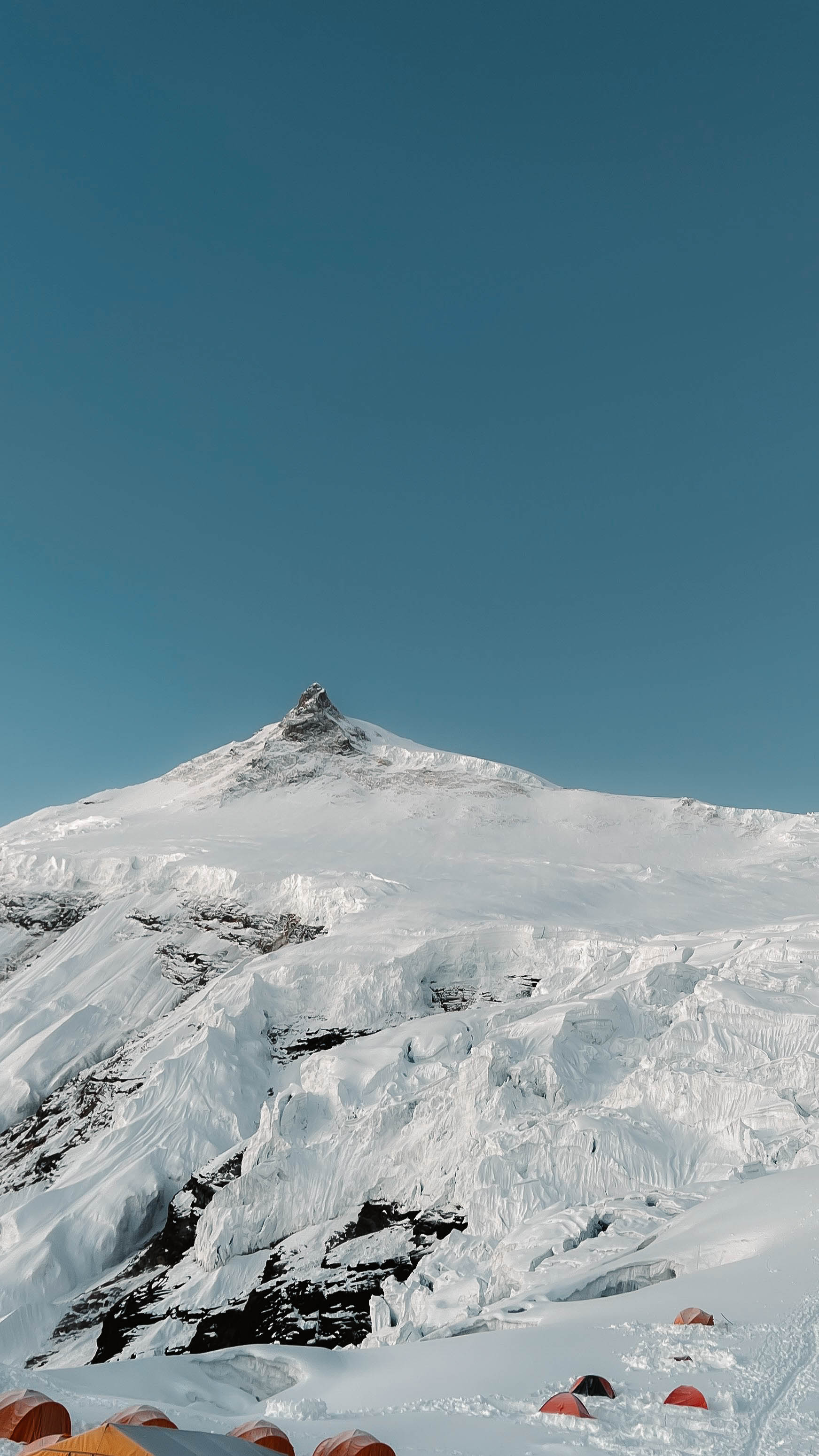
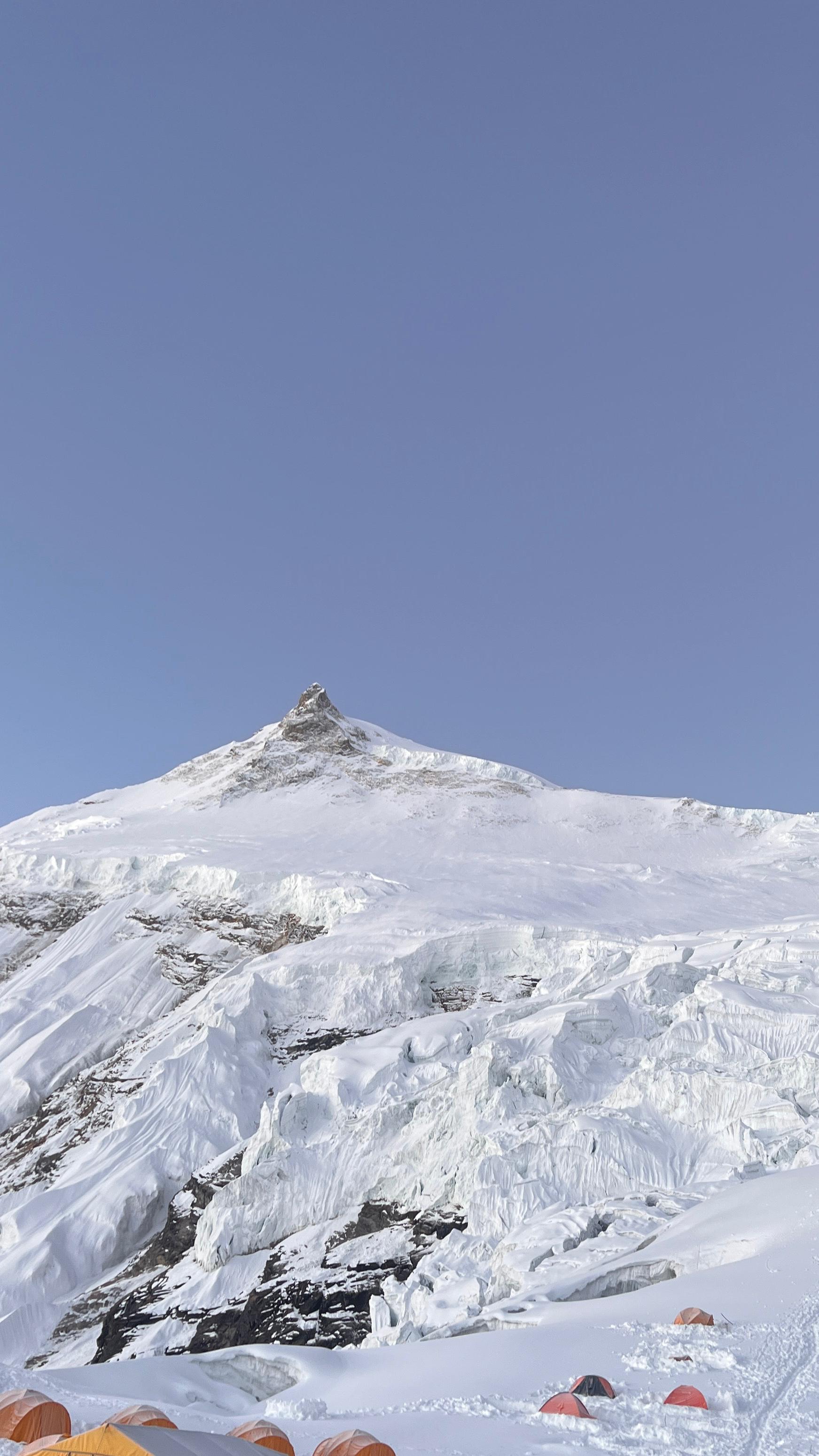
Explore stunning images from this expedition
Expedition Videos
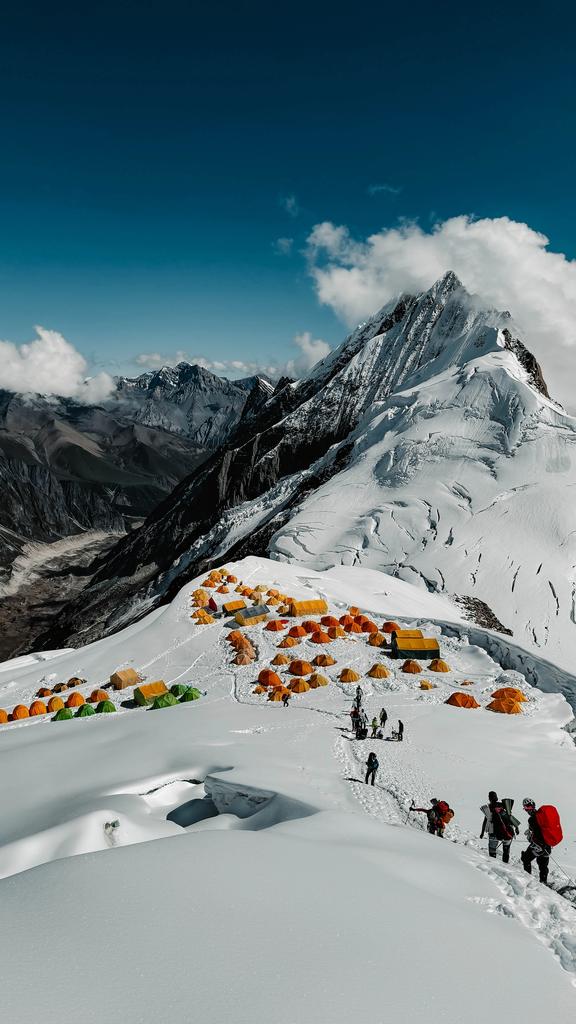
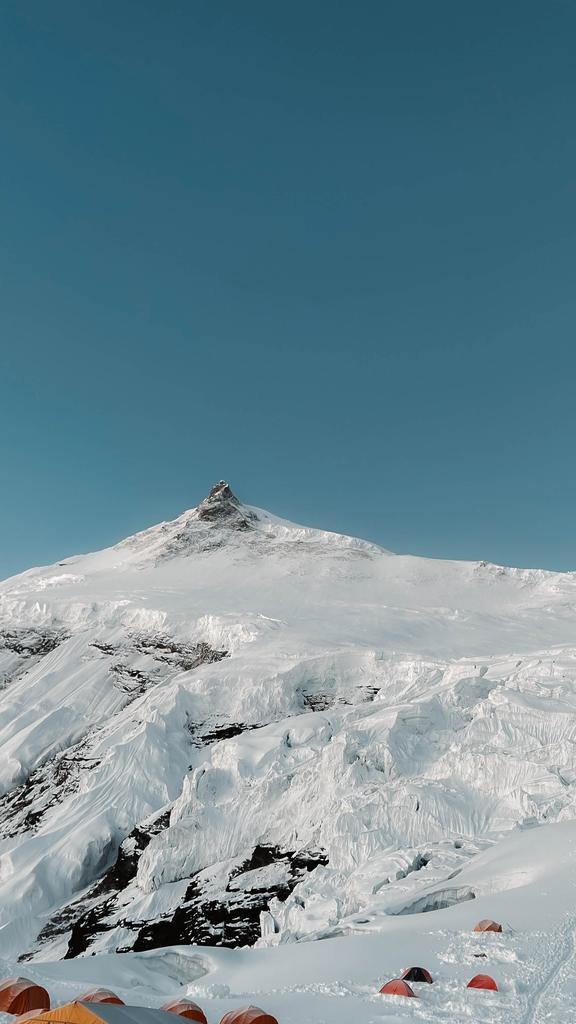
Watch highlights and experiences from the expedition
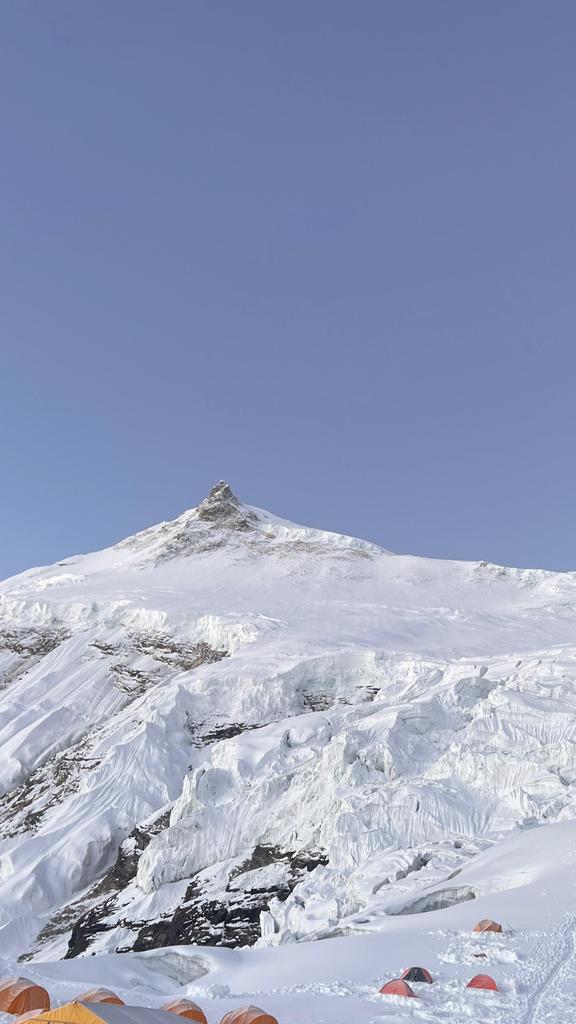
Frequently Asked Questions
Find answers to common questions about this expedition
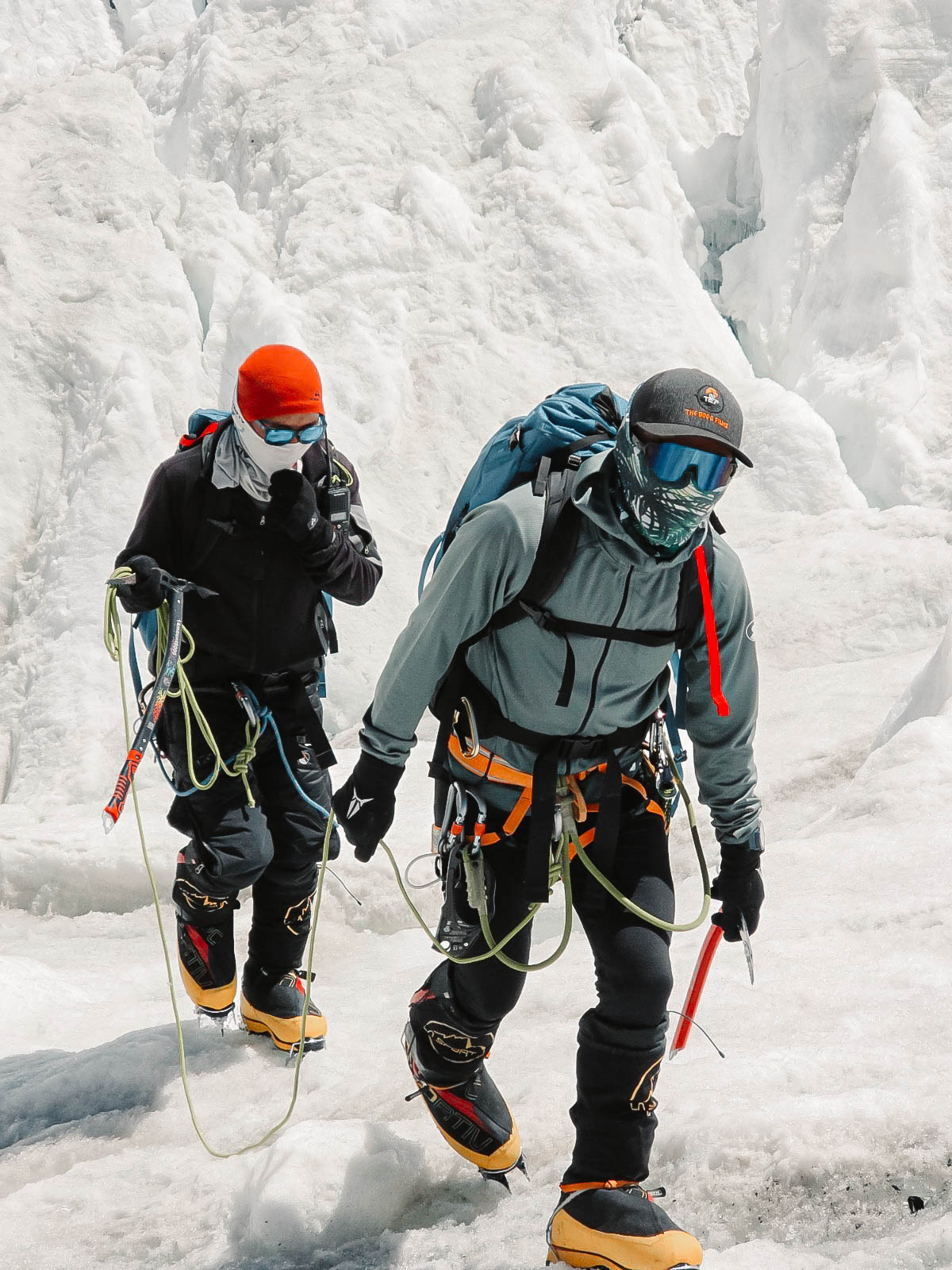
Yes. Every climber is paired with a dedicated, exclusive 1:1 Climbing Sherpa from the first rotation through the summit push and descent. Your Sherpa manages load-carrying, fixed-rope maintenance, and altitude monitoring, serving as your primary safety partner. We do not use "shared" Sherpa models to ensure maximum safety and success.
Manaslu is moderately difficult. It is more accessible than technical giants like Makalu or K2 but more demanding than Cho-Oyu. Technical challenges include steep snow sections above Camp I, crevasse navigation, and the avalanche-prone upper face. While the success rate is high, it remains a serious "Death Zone" peak requiring full physical and mental preparation.
The expedition duration is 50 days, starting September 1st. This comprehensive itinerary includes the Kathmandu briefing, a 10-day approach trek, three full acclimatization rotations, the summit window, and buffer days for weather or logistics.
The AltiPro Manaslu Expedition is a premium, full-board package. The cost covers 4-star Kathmandu accommodation, all transport, the full permit package (Climbing Royalty, MCAP, Restricted Area Permits), a 1:1 Sherpa ratio, 5 oxygen cylinders per climber, an on-site Expedition Doctor, and high-camp infrastructure. It does not include international flights, personal gear, or summit bonuses. For precise 2027 pricing and group discounts, please contact AltiPro Adventures directly.
Climbing Manaslu involves a complex regulatory process, which AltiPro manages entirely. The required licenses include:
- Manaslu Expedition Royalty: The official climbing permit from the Nepal Ministry of Tourism.
- Restricted Area Permit (RAP): Since the Manaslu region is a restricted zone, this special permit is mandatory for the Nubri Valley.
- MCAP & ACAP: Conservation area permits for the Manaslu and Annapurna regions.
Liaison Officer: A government official assigned to the team to ensure compliance with Nepal's mountaineering regulations.
AltiPro requires documented experience above 6,500m, ideally a 7,000m peak such as Baruntse, Himlung Himal, or Putha Hiunchuli. You must be proficient with fixed ropes, crampons on steep snow, and jumar techniques. If you lack 7,000m experience, we recommend attempting Cho-Oyu as a precursor.
Safety is our core operational priority. Our framework includes:
- Medical Excellence: An on-site Expedition Doctor at Base Camp and a comprehensive pharmacy at all high camps.
- Advanced Monitoring: Daily pulse oximeter checks and Oxygen Saturation (SpO2) monitoring for every climber.
- Risk Mitigation: Pre-dawn movement protocols to avoid avalanche-prone solar heating on the Northeast Face.
- Emergency Gear: High-altitude pressure bags (Gamow bags) and emergency oxygen cylinders pre-positioned at Camp III and Camp IV.
Redundant Comms: Satellite phones, Starlink internet at Base Camp, and 2-way radio sets for every climber/Sherpa pair.
Been on this expedition?
Your feedback helps other travelers plan their adventure of a lifetime. Share your experience with us!
 8000m
8000m
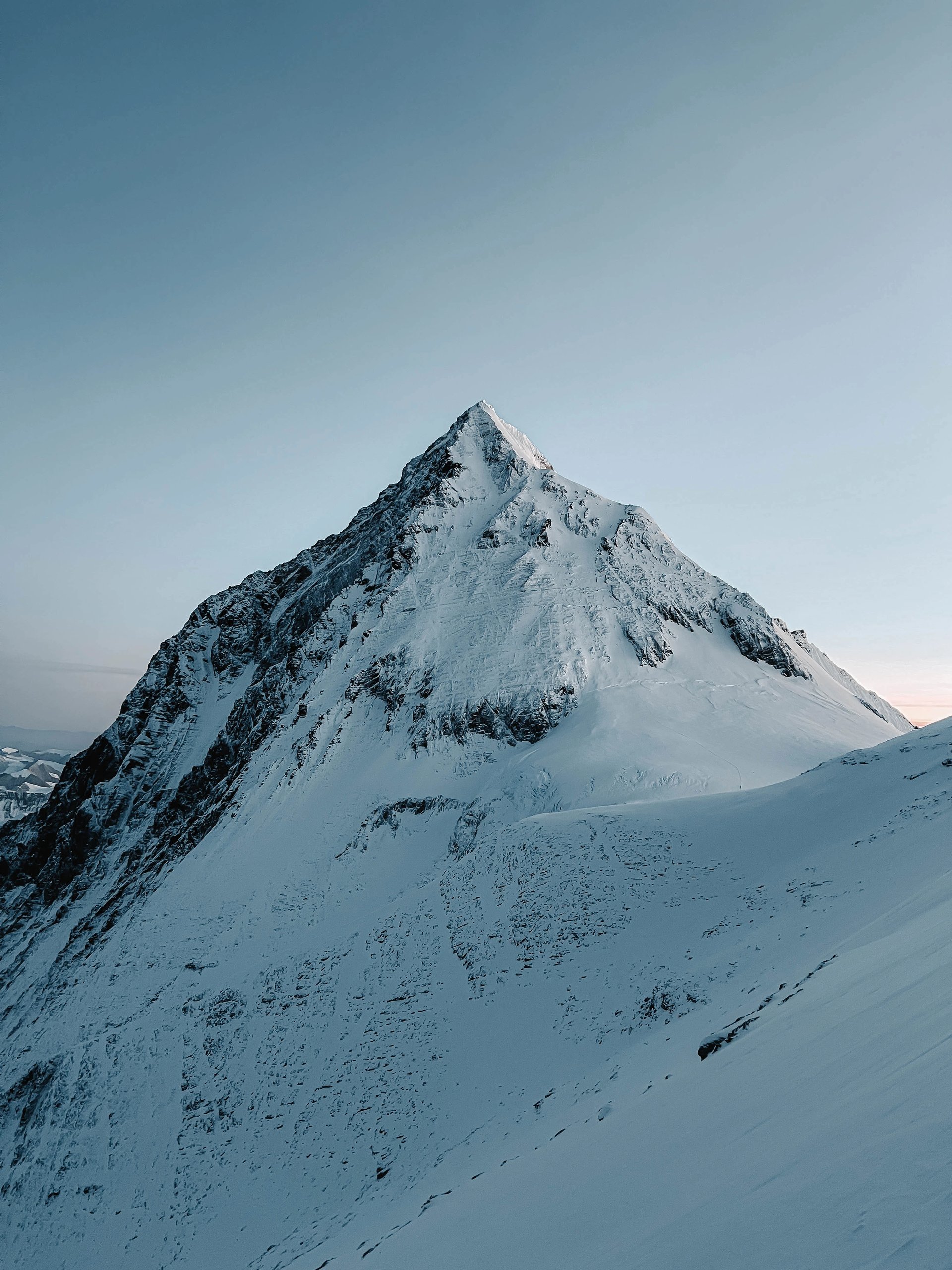
Everest Expedition
Book your Everest Expedition 2027 with expert Sherpa guides, proven itineraries, full permits, and professional high-altitude support.
 8000m
8000m
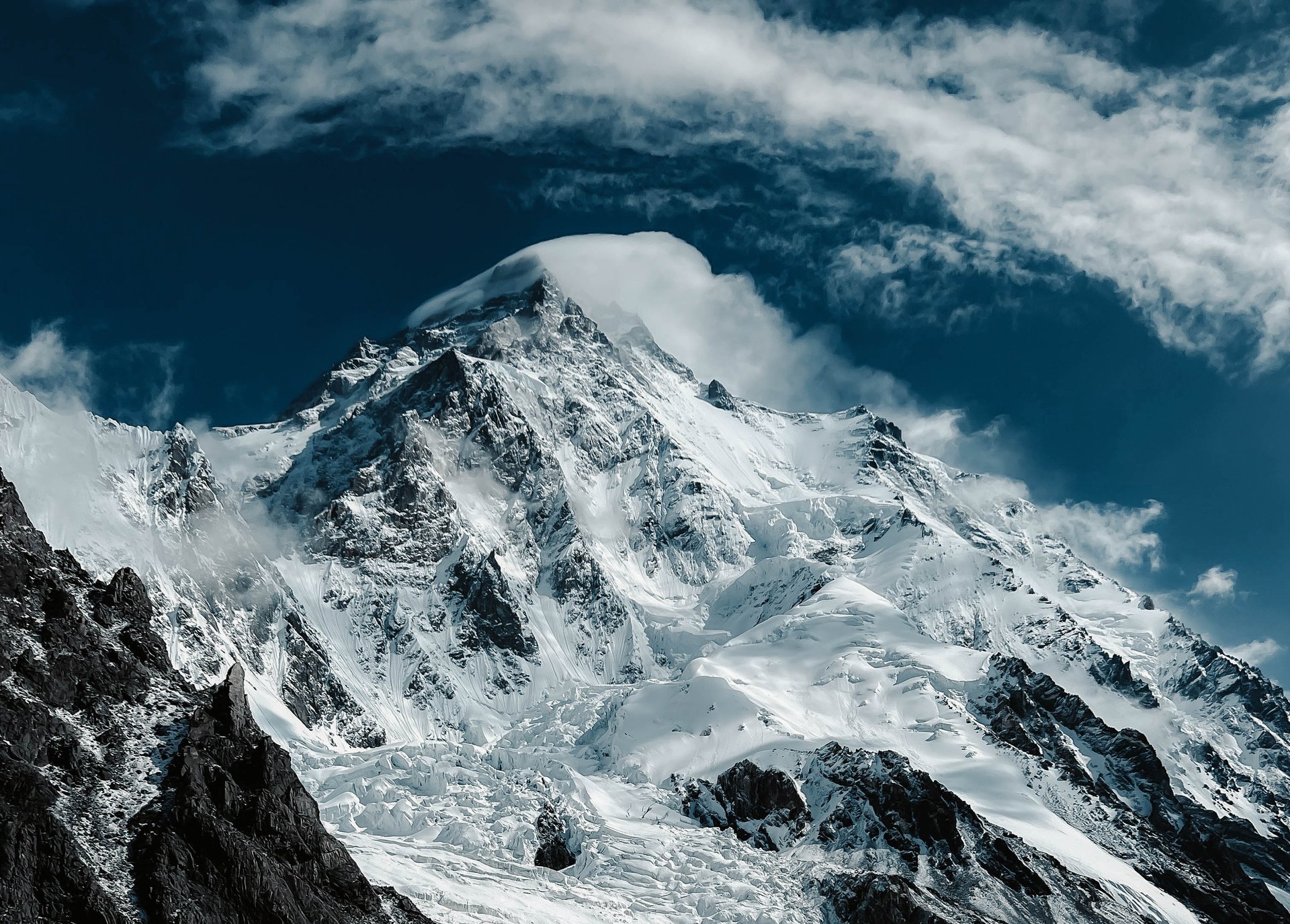
K2 Expedition
K2 — the savage mountain, ultimate test of skill and endurance.
 8000m
8000m
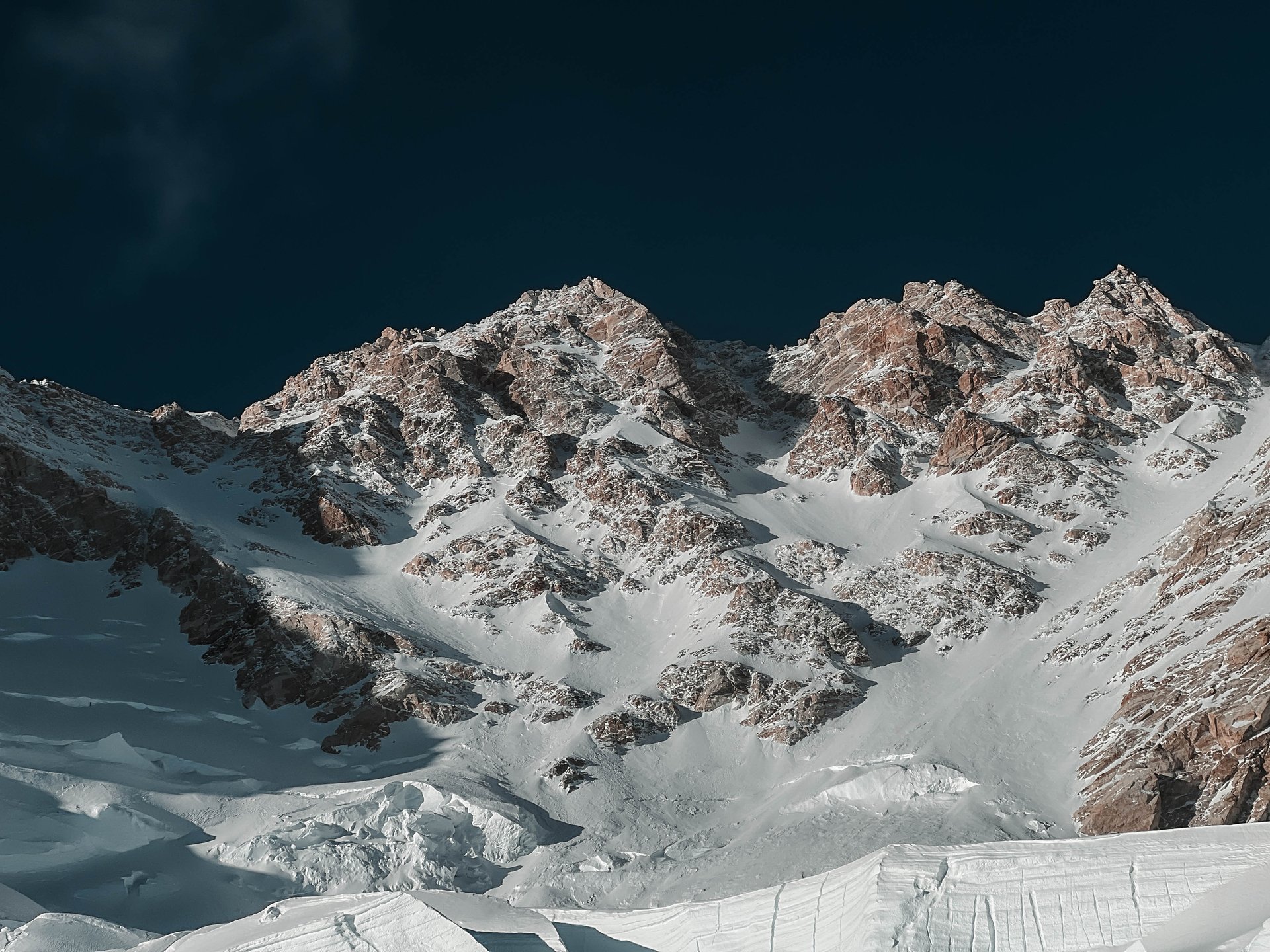
Kanchenjunga Expedition
The world’s third-highest peak, where beauty meets mystery.
 8000m
8000m
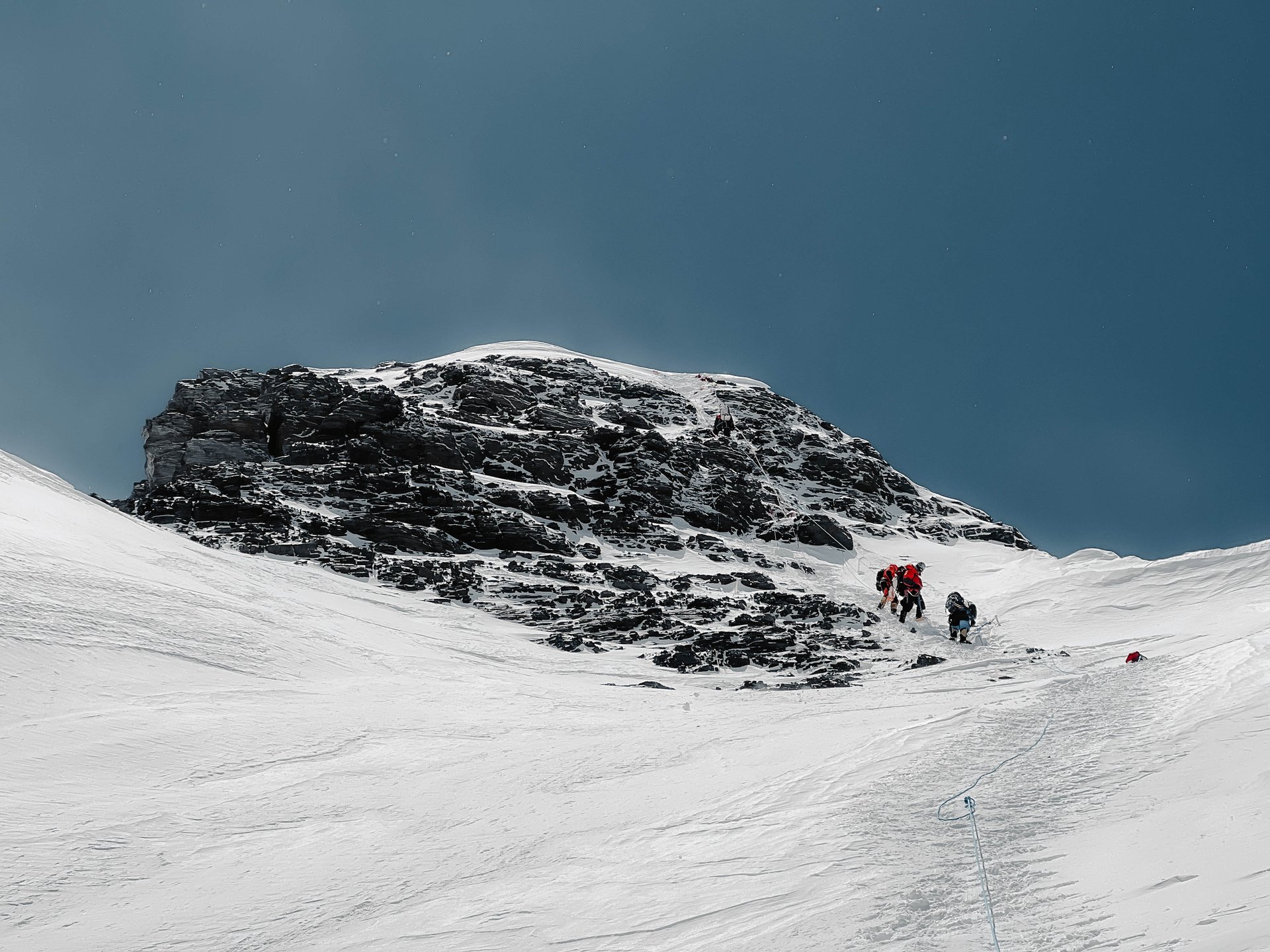
Lhotse Expedition
Lhotse — Everest’s towering neighbor and a Himalayan giant of challenge and beauty.
 8000m
8000m
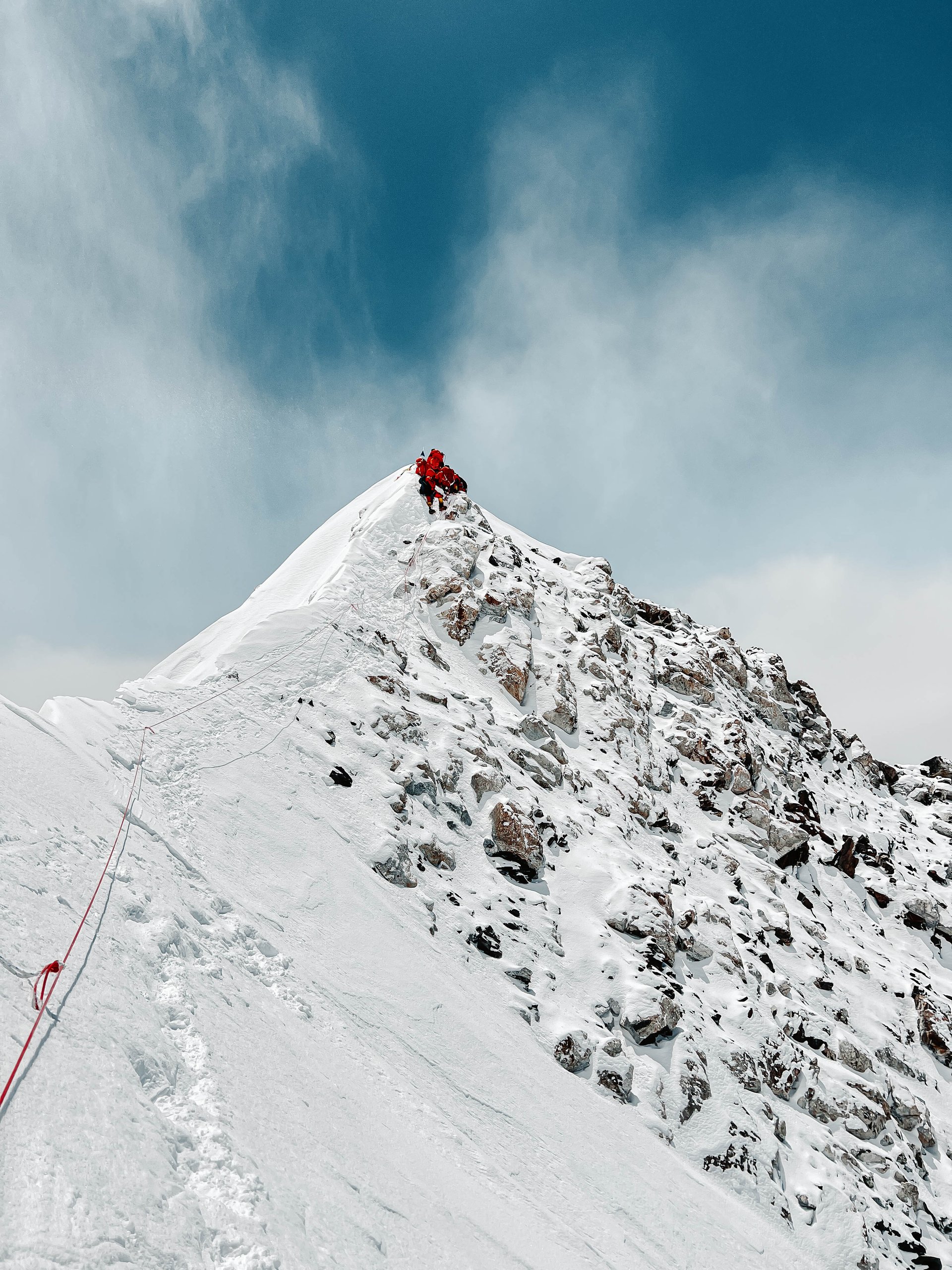
Makalu Expedition
Makalu — a fierce and elegant pyramid rising from the wild Himalayas.
 8000m
8000m
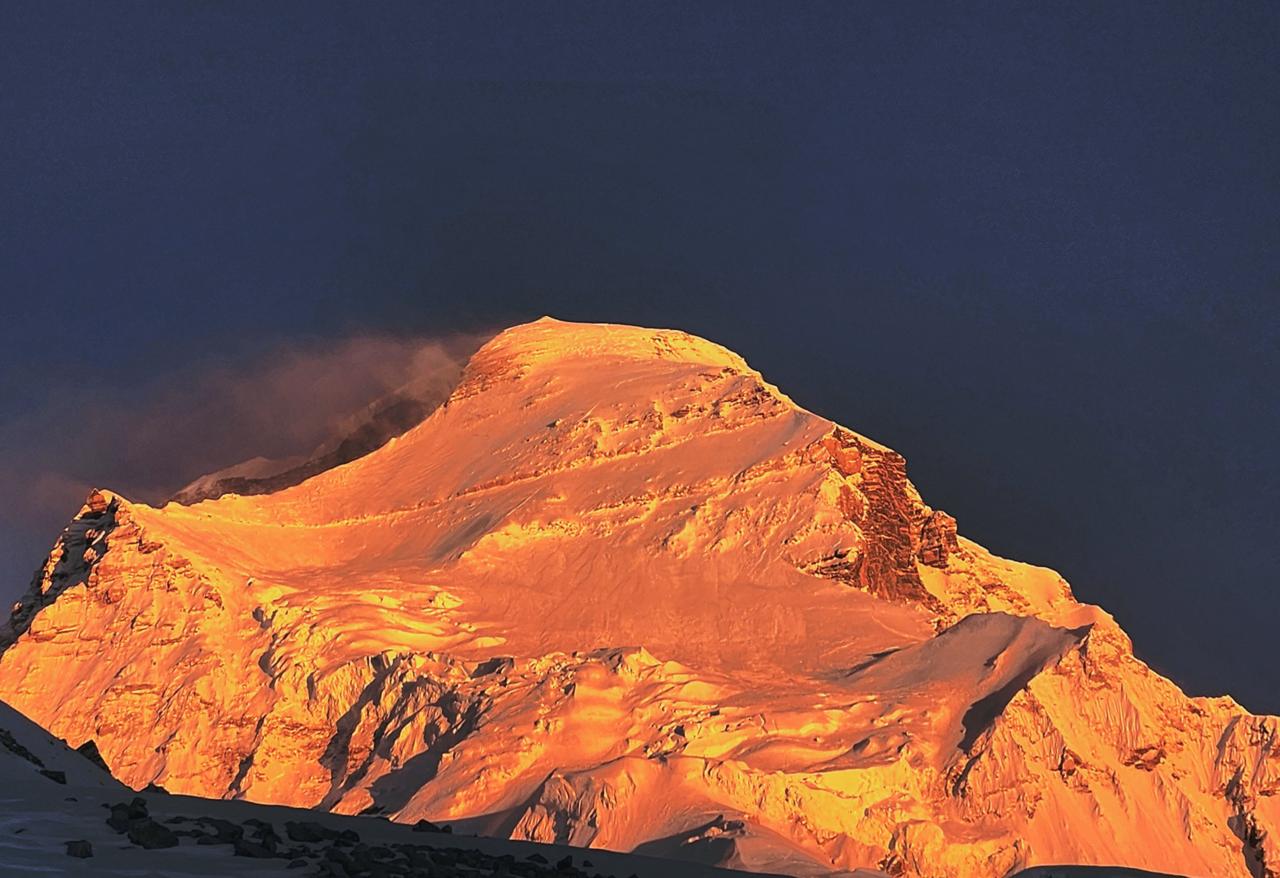
Cho-oyu Expedition
The majestic Cho Oyu — a climber’s gateway to the 8,000ers
 8000m
8000m
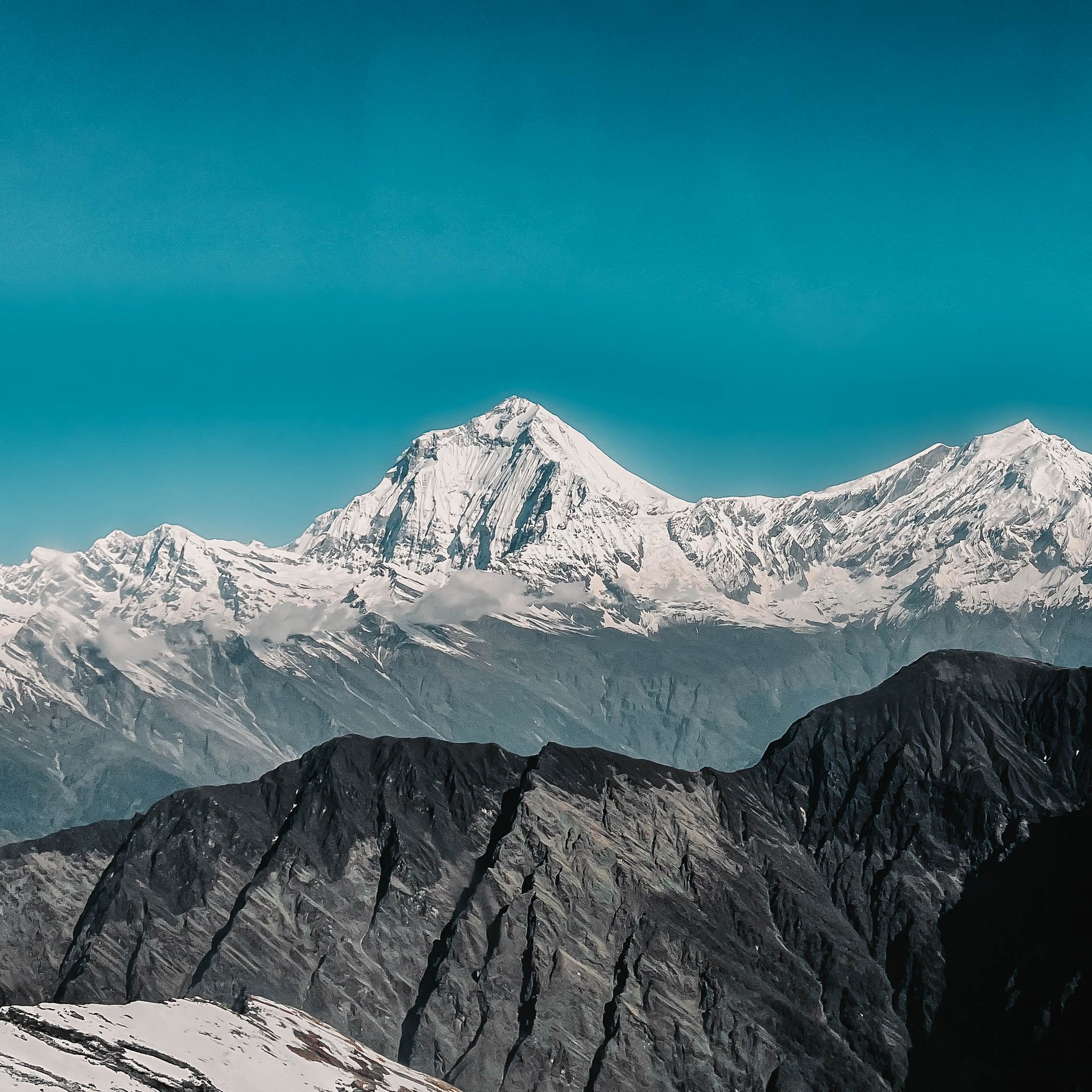
Dhaulagiri Expedition
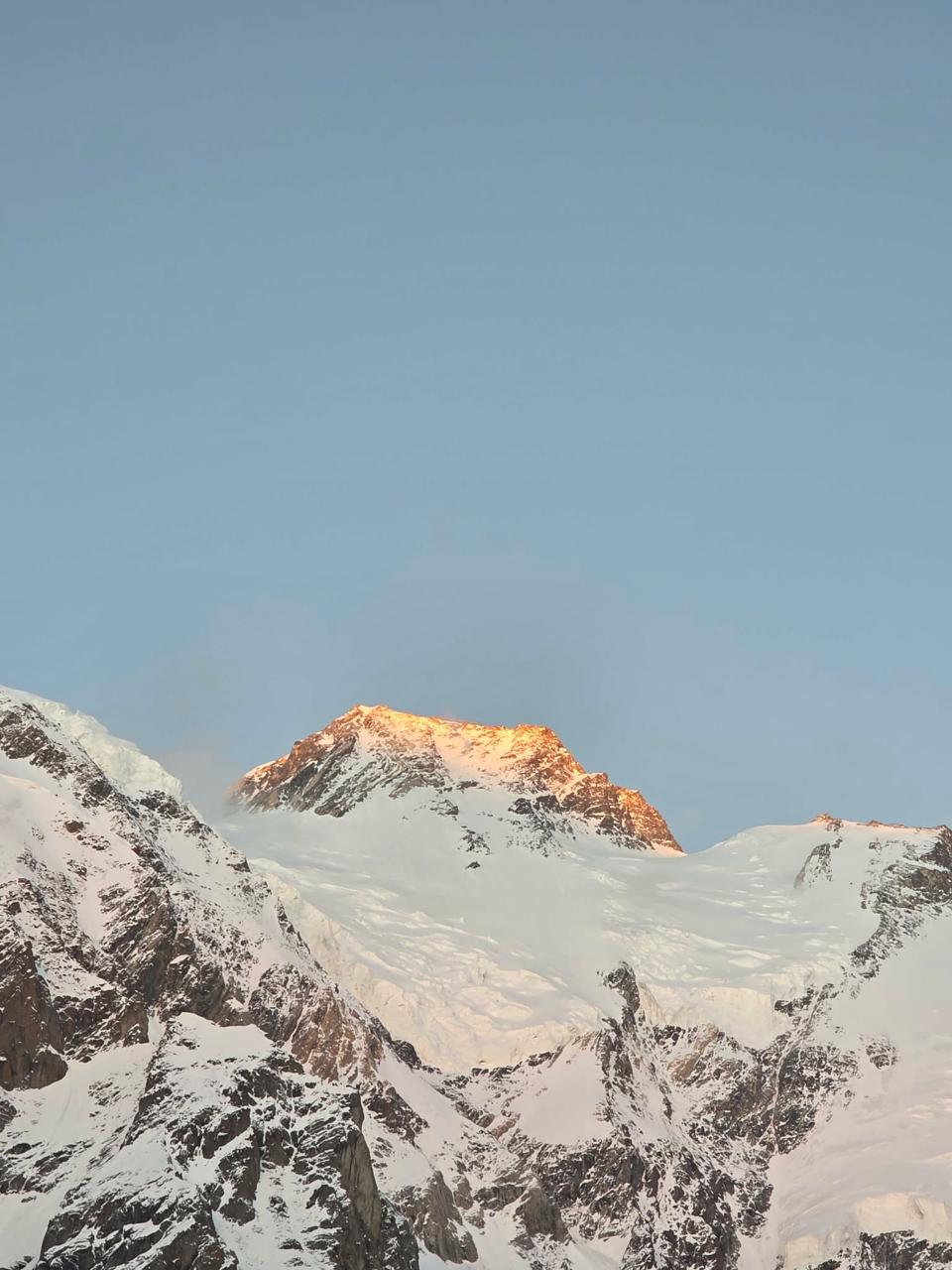
Dhaulagiri — the white giant of the Himalayas, majestic and formidable.
 8000m
8000m
Nanga Parbat Expedition
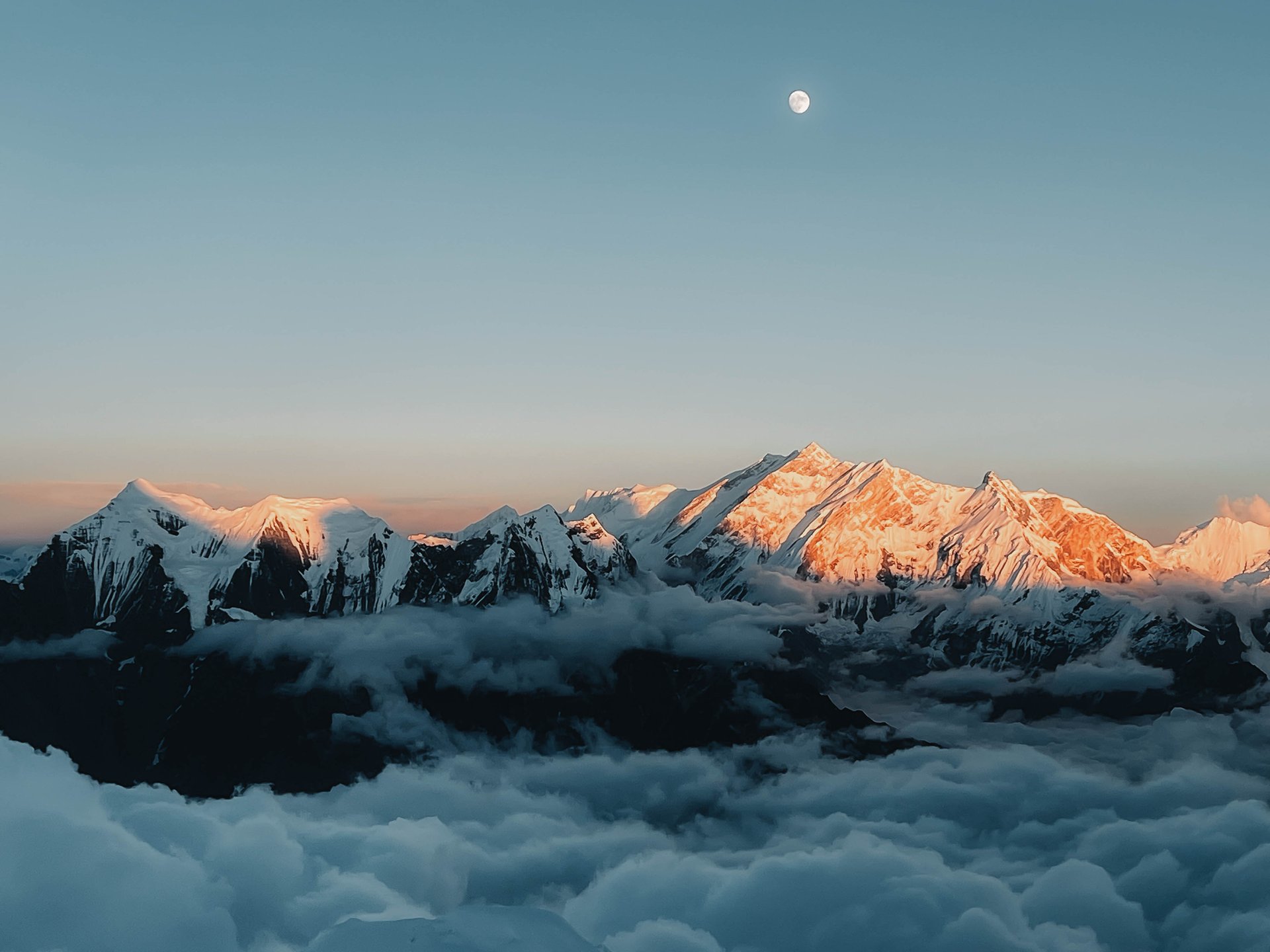
Nanga Parbat – the Killer Mountain, where raw power meets pure adventure.
 8000m
8000m
Annapurna I Expedition
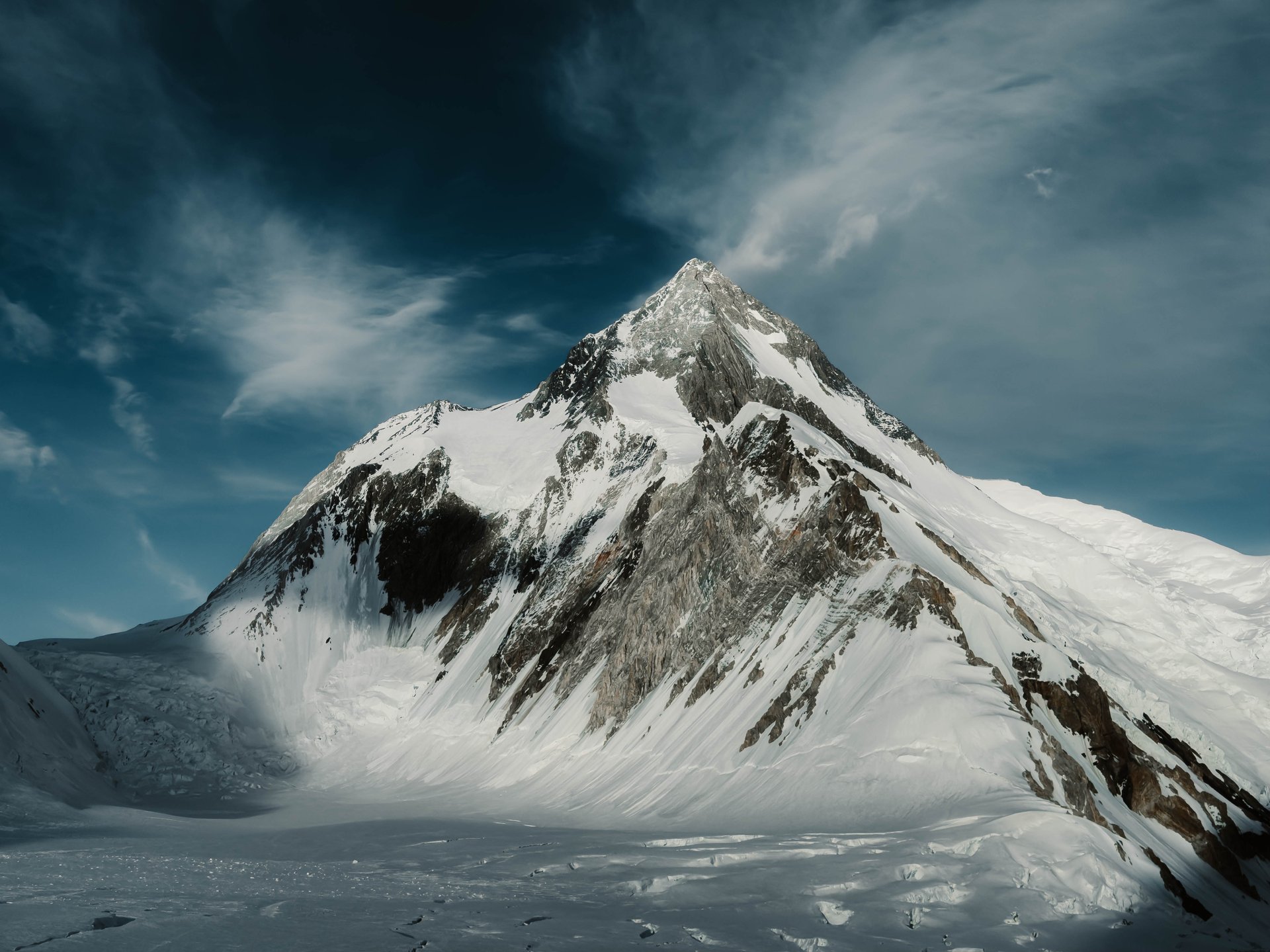
Annapurna I — where raw Himalayan power meets fearless ambition.
 8000m
8000m
Gasherbrum I Expedition
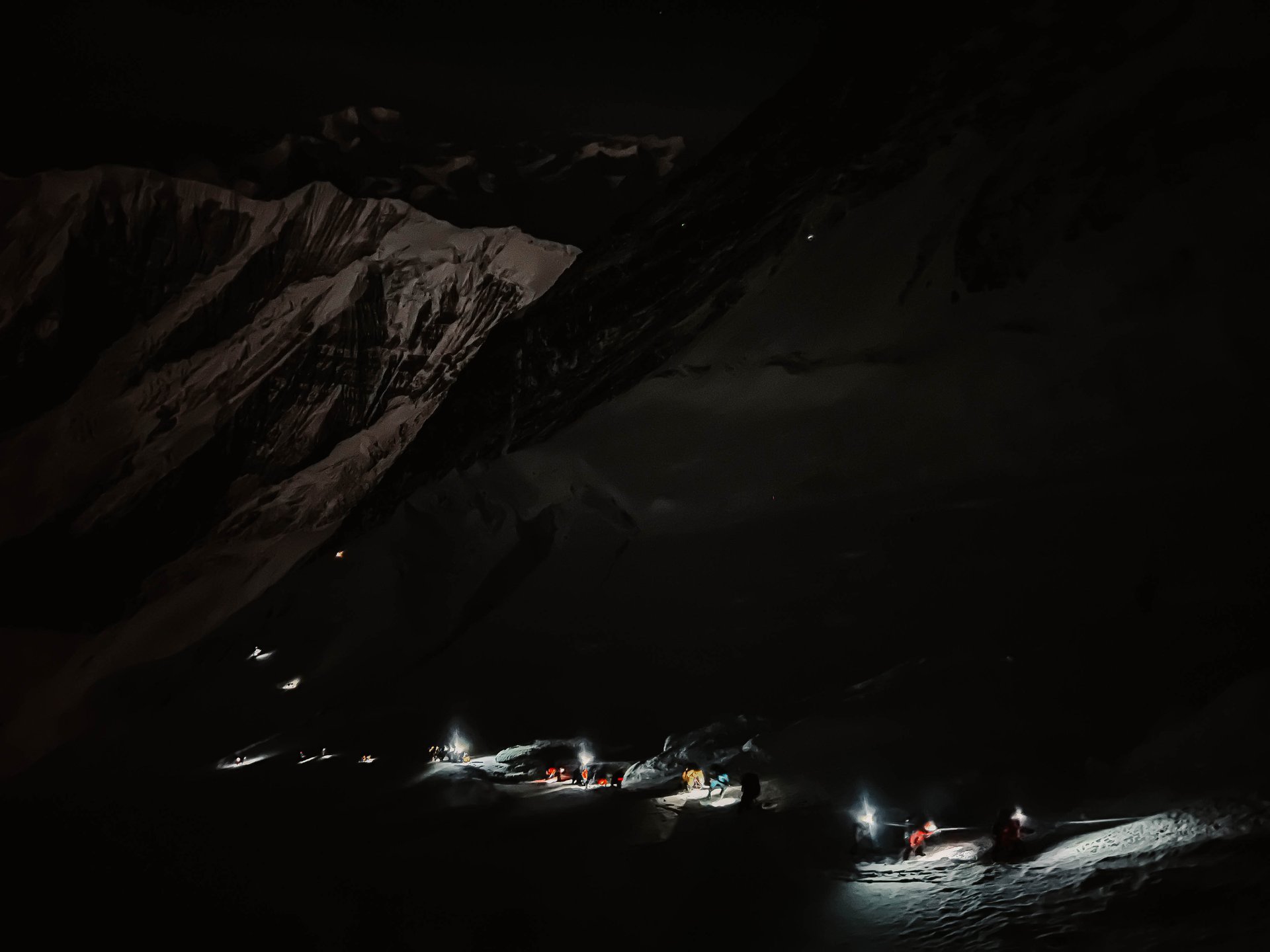
Gasherbrum I — the hidden giant of the Karakoram, challenging and majestic.
Ready to Start Your Adventure?
Contact us to book your expedition or get more information