
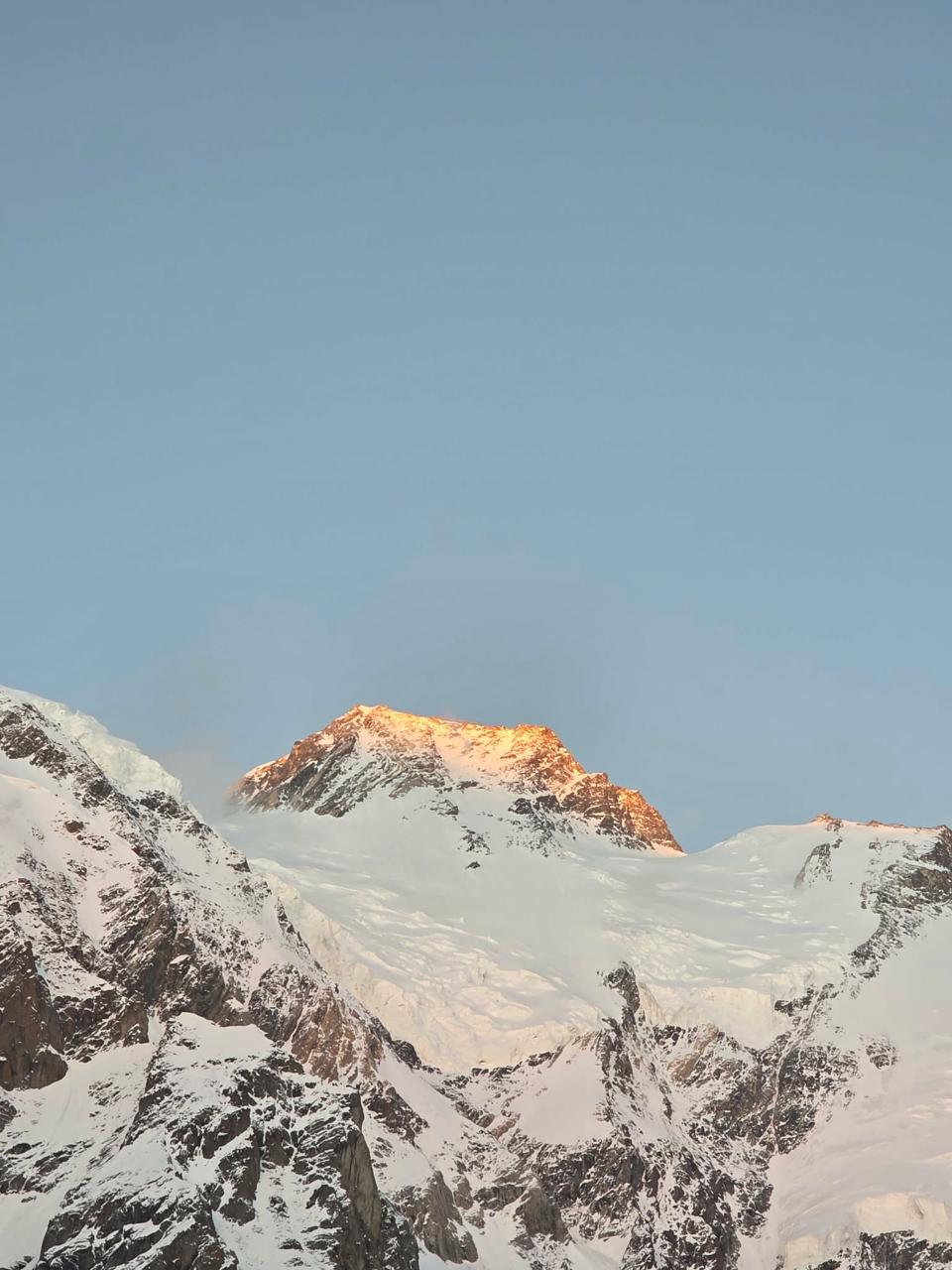
Nanga Parbat Expedition
Nanga Parbat – the Killer Mountain, where raw power meets pure adventure.
Expedition Overview
What is the Nanga Parbat Expedition?
Nanga Parbat stands at 8,125 metres, the ninth highest mountain on Earth and the westernmost of the world's eight-thousanders, rising above the Indus River gorge in the Gilgit-Baltistan region of Pakistan. The name translates from Urdu as "Naked Mountain," though the peak is known throughout mountaineering by a more ominous name: Killer Mountain. Nanga Parbat had one of the highest historic death rates of any 8,000m peak and defeated expedition after expedition before Hermann Buhl's legendary solo summit on 3 July 1953 - completing the ascent without oxygen in 17 hours, one of the finest achievements in Himalayan history.
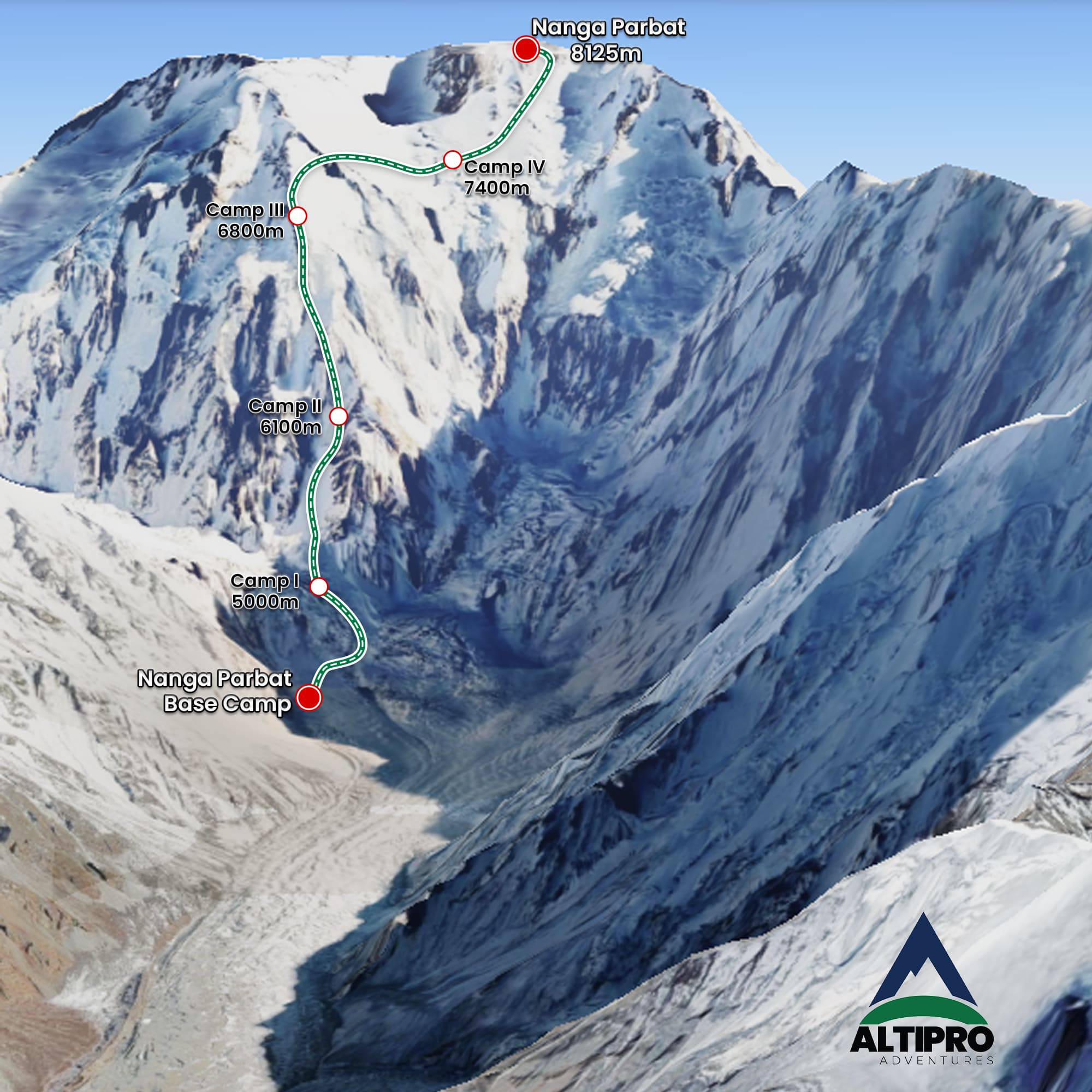
AltiPro's Nanga Parbat Expedition 2027 follows the Kinshofer Route on the Diamir Face, the standard line and the route of most modern ascents. The approach travels from Islamabad via the Raikot Bridge to Base Camp at 3,550m, with Advanced Base Camp at 4,100m and high camps at 5,900m (Camp 1), 6,600m (Camp 2), 7,100m (Camp 3), and 7,600m (Camp 4) before the summit push to 8,125m. Maximum 8 climbers, 1:1 high-altitude guide and Sherpa ratio, supplemental oxygen from Camp 3, and a Base Camp Doctor throughout the expedition.
Nanga Parbat is one of the most serious 8,000m objectives in the world. The Kinshofer Route involves mixed terrain on all sections above Base Camp, with the particularly demanding Kinshofer Wall between Camps 1 and 2 - a 700-metre section of steep ice and mixed rock that is the most technically challenging part of the standard route. AltiPro requires prior 8,000m summit experience before accepting applications for Nanga Parbat.
About Nanga Parbat - The Killer Mountain
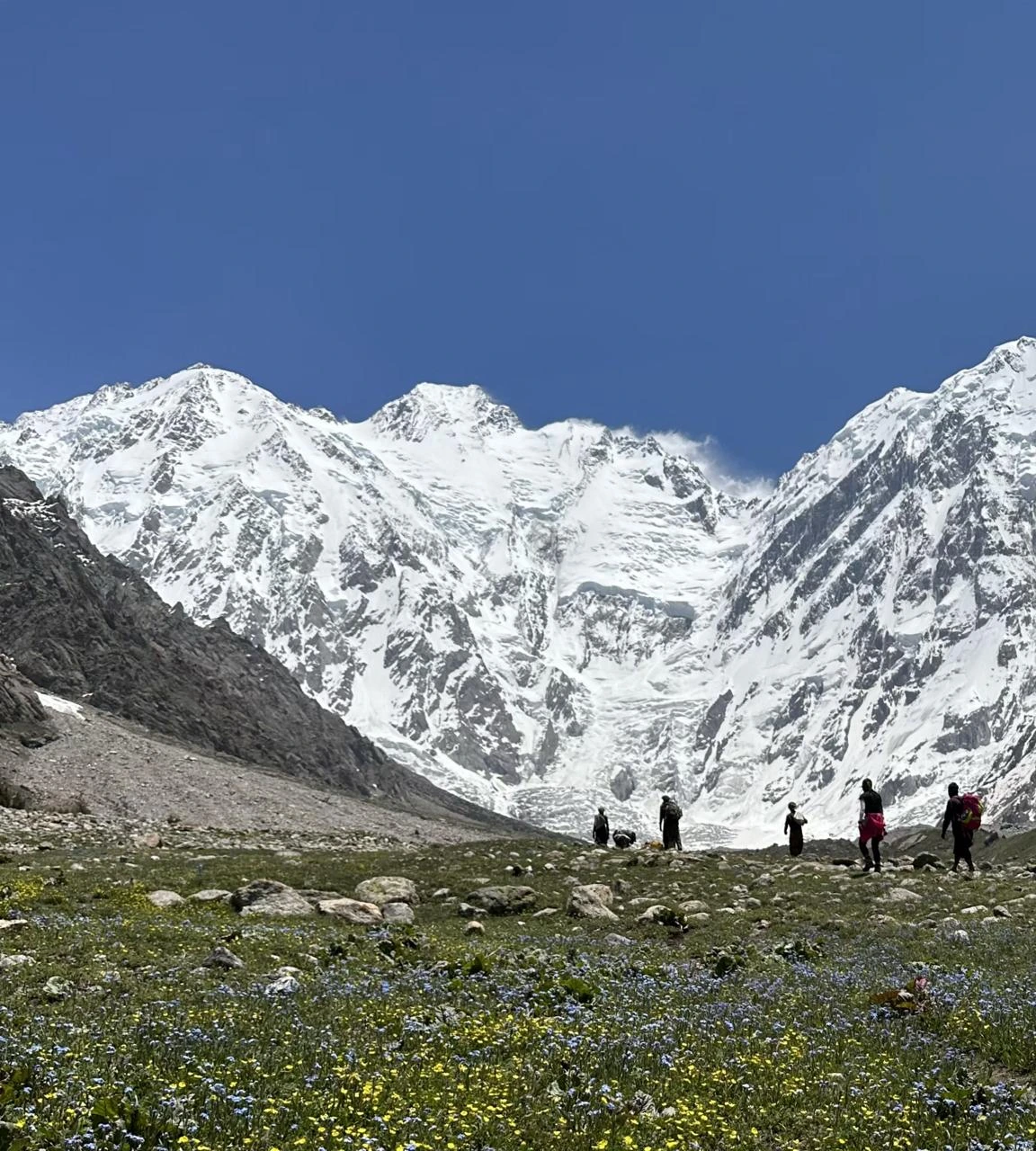
Nanga Parbat dominates the western end of the Himalayan arc, rising nearly 7,000 vertical metres above the Indus River in one of the greatest escarpments on Earth. The mountain's south face - the Rupal Face - is the highest rock and ice face in the world at over 4,500 metres of relief. The north side drops to the Rakhiot Glacier. The Diamir Face, from which the Kinshofer Route ascends, faces west and offers the most logical line from the Pakistan side.
Historically, Nanga Parbat was the most lethal of all 8,000m mountains. The 1934 and 1937 German expeditions suffered catastrophic losses to storm and avalanche. Hermann Buhl's 1953 solo summit - made without additional oxygen, without Sherpa support on the summit day, and completed in a 17-hour push and bivouac at 8,000m on descent - remains one of the most celebrated feats in mountaineering history. Modern expeditions benefit from fixed ropes, weather forecasting, and improved equipment, but Nanga Parbat remains among the most demanding and respected objectives in high-altitude mountaineering.
Why Choose AltiPro Adventures for Nanga Parbat?
Pakistan Expedition Logistics
Nanga Parbat requires Pakistan Alpine Club permits, liaison officer fees, and careful coordination of cross-border logistics. AltiPro's team manages the full permit process, Islamabad arrivals, and all ground logistics from Pakistan's capital to Base Camp and return.
Kinshofer Wall Preparation
The most technically demanding section of the Kinshofer Route is the 700-metre Kinshofer Wall above Camp 1. AltiPro's experienced high-altitude team fixes rope on the wall before team members attempt the section, with dedicated Sherpa support throughout.
Oxygen from Camp 3
All climbers receive supplemental oxygen from Camp 3 at 7,100m. Four cylinders are allocated per climber with dedicated carrier support above Camp 3. Reserve cylinders are pre-positioned at Camp 4 before the summit push.
Small Team Protocol
Eight climbers maximum with a 1:1 support ratio. On one of the world's most serious mountains, smaller teams maintain better safety margins, faster communication, and lower total exposure time on the technical upper sections.
Medical Doctor at Base Camp
An expedition physician with high altitude medicine experience is resident at Base Camp throughout the season. Gamow Bag, pulse oximetry, and satellite emergency communication are standard equipment on all AltiPro Nanga Parbat expeditions.
Expert High-Altitude Team
AltiPro selects guides and Sherpa climbers with verified technical high-altitude experience on comparable objectives. The team's competence on mixed terrain at extreme altitude is the most critical safety factor on Nanga Parbat.
The Kinshofer Route - Diamir Face (8,125 m)
The Kinshofer Route on the Diamir Face is the standard route on Nanga Parbat, completed in its modern form by a German team in 1962. The approach from Islamabad reaches Base Camp via the Raikot Bridge and Fairy Meadows, one of the most spectacular approach settings of any 8,000m expedition.
Islamabad to Base Camp (500m to 3,550m)
Drive from Islamabad to the Raikot Bridge, jeep track to Tato village, then a 2-day trek through Fairy Meadows to Base Camp at 3,550m beneath the Diamir Face. Advanced Base Camp is established at 4,100m for acclimatisation rotations.
ABC to Camp 1 - Kinshofer Glacier (4,100m to 5,900m)
From Advanced Base Camp the route climbs the lower Diamir Face via the Kinshofer Glacier to Camp 1 at 5,900m. Multiple acclimatisation rotations are completed here before the team moves to the Kinshofer Wall.
Camp 1 to Camp 2 - The Kinshofer Wall (5,900m to 6,600m)
The most technically demanding section of the route - a 700-metre wall of steep ice and mixed rock requiring sustained technical competence at altitude. Camp 2 is established above the wall at 6,600m.
Camp 2 to Camp 3 (6,600m to 7,100m)
Mixed terrain on the upper Diamir Face leads to Camp 3 at 7,100m. Supplemental oxygen begins here for the summit push. This section demands sustained effort at extreme altitude with increasing exposure on the upper face.
Camp 3 to Summit via Camp 4 (7,100m to 8,125m)
The final section climbs via Camp 4 at 7,600m and follows the exposed upper ridge to the summit at 8,125m. Weather on Nanga Parbat's upper mountain can change extremely rapidly and summit day planning requires careful monitoring of forecasts.
How Difficult is the Nanga Parbat Expedition?
Nanga Parbat is rated Extreme. The Kinshofer Wall between Camps 1 and 2 demands sustained technical ice and mixed climbing at altitude. The upper mountain above Camp 3 is exposed, route-finding is complex in poor visibility, and the mountain's weather patterns are among the most severe of any 8,000m peak. This is not suitable as a first or early 8,000m objective.
Best Season for the Nanga Parbat Expedition
Summer (June–July): The primary climbing season on Nanga Parbat, later than most 8,000m peaks due to the mountain's position at the western end of the Himalayan arc. Late June to mid-July offers the most settled weather above 7,000m. AltiPro targets this window for all Nanga Parbat expeditions.
Pre-monsoon (May): A brief window in May is occasionally viable, though conditions are less predictable than the main summer window. AltiPro plans summit attempts for June–July as the primary target.
Nanga Parbat Expedition Cost
Full-service Nanga Parbat expedition - Pakistan permits, Kinshofer Wall rope service, oxygen, and medical support included.
Includes all Pakistan Alpine Club permits, liaison officer fees, and Islamabad ground logistics, high camp equipment, supplemental oxygen from Camp 3 for all climbers, fixed rope service on the Kinshofer Wall and all technical sections, and a Base Camp Doctor. International flights and personal climbing equipment are not included. Contact AltiPro for a full cost breakdown.
Nanga Parbat Expedition - Frequently Asked Questions
Common questions about climbing Nanga Parbat with AltiPro Adventures.
What experience is required for Nanga Parbat?
AltiPro requires at least one prior 8,000m summit and strong mixed terrain competence above 7,000m before accepting applications. Nanga Parbat is not suitable as a first or early 8,000m objective.
What makes the Kinshofer Wall so challenging?
The Kinshofer Wall is a 700-metre section of steep ice and mixed rock between Camp 1 and Camp 2. At altitude above 5,900m it demands sustained technical competence in crampon technique, ice tool placement, and rope management.
Is supplemental oxygen provided?
Yes. All climbers receive supplemental oxygen from Camp 3 at 7,100m. Four cylinders per climber are allocated with dedicated carrier support above Camp 3, and reserve stockpiles are pre-positioned at Camp 4.
When does AltiPro operate Nanga Parbat?
AltiPro targets the late June to mid-July window, the most reliable weather period on Nanga Parbat due to the mountain's position at the western end of the Himalayan arc.
How long is the expedition?
The AltiPro Nanga Parbat Expedition 2027 runs 47 days from Islamabad departure to return, including the Fairy Meadows approach, all acclimatisation rotations, and the summit attempt.
What permits are required?
A Pakistan Alpine Club climbing permit, liaison officer, and route fees are required. AltiPro coordinates all permit applications from Kathmandu on behalf of the team.
Is there a doctor at Base Camp?
Yes. An expedition physician with high altitude medicine training is resident at Base Camp throughout the season, with Gamow Bag, pulse oximetry, and satellite emergency communication available.
Why is Nanga Parbat called the Killer Mountain?
Nanga Parbat recorded 31 fatalities before the first ascent in 1953, one of the highest pre-summit death tolls of any 8,000m peak. Improved technique, fixed ropes, supplemental oxygen, and weather forecasting have made the mountain significantly safer, but it remains one of the world's most serious mountaineering objectives.
Detailed Itinerary
Click on each day to view details
| Day | Program | Meals | Accom. | |||||||||||||||||||||||||||||||||||||||||||||||||||||||||||||||||||||||||||||||||||||||||||||||||||||||||||||||||||||||||||||||||||||||||||||||||||||||||||||||||||||||||||||||||||||||||||||||||||||||||||||||||||||||||||||||||||||||||||||||||||||||||||||||||||||||||||||||
|---|---|---|---|---|---|---|---|---|---|---|---|---|---|---|---|---|---|---|---|---|---|---|---|---|---|---|---|---|---|---|---|---|---|---|---|---|---|---|---|---|---|---|---|---|---|---|---|---|---|---|---|---|---|---|---|---|---|---|---|---|---|---|---|---|---|---|---|---|---|---|---|---|---|---|---|---|---|---|---|---|---|---|---|---|---|---|---|---|---|---|---|---|---|---|---|---|---|---|---|---|---|---|---|---|---|---|---|---|---|---|---|---|---|---|---|---|---|---|---|---|---|---|---|---|---|---|---|---|---|---|---|---|---|---|---|---|---|---|---|---|---|---|---|---|---|---|---|---|---|---|---|---|---|---|---|---|---|---|---|---|---|---|---|---|---|---|---|---|---|---|---|---|---|---|---|---|---|---|---|---|---|---|---|---|---|---|---|---|---|---|---|---|---|---|---|---|---|---|---|---|---|---|---|---|---|---|---|---|---|---|---|---|---|---|---|---|---|---|---|---|---|---|---|---|---|---|---|---|---|---|---|---|---|---|---|---|---|---|---|---|---|---|---|---|---|---|---|---|---|---|---|---|---|---|---|---|---|---|---|---|---|---|---|---|---|---|---|---|---|---|---|---|---|---|
| 1 | Arrival in Islamabad | Dinner | Hotel | |||||||||||||||||||||||||||||||||||||||||||||||||||||||||||||||||||||||||||||||||||||||||||||||||||||||||||||||||||||||||||||||||||||||||||||||||||||||||||||||||||||||||||||||||||||||||||||||||||||||||||||||||||||||||||||||||||||||||||||||||||||||||||||||||||||||||||||||
|
Arrive at Islamabad International Airport. Transfer to 4-star hotel, welcome dinner, and Nanga Parbat Expedition 2027 briefing.
2
|
Islamabad — Permit & Briefing Day |
Breakfast |
Hotel |
|
|
Briefing at the Ministry of Tourism Pakistan and Alpine Club of Pakistan. Permit collection, liaison officer assignment, and gear check.
3
|
Islamabad — Logistics & Rest Day |
Breakfast |
Hotel |
|
|
Last-minute gear purchases, team logistics, and equipment recheck. Rest day before the drive north.
4
|
Drive Islamabad → Chilas via Karakoram Highway |
Breakfast / Lunch / Dinner |
Hotel |
|
|
Full driving day (460 km, approx. 8–10 hrs) via Babusar Pass (4,173m) on the Karakoram Highway with sweeping Indus Valley views. Night in Chilas.
5
|
Drive Chilas → Halalay Bridge — Jeep Transfer |
Breakfast / Lunch / Dinner |
Lodge |
|
|
Jeep transfer (approx. 40 km) from Chilas through Bunar to Halalay Bridge (1,600m). Meet local crew and distribute loads for trekking porters.
6
|
Trek Halalay Bridge → Lower Diamir Valley (2,400m) |
Breakfast / Lunch / Dinner |
Tent |
|
|
Enter the Diamir Face approach corridor through wild gorge terrain with first glimpses of the Nanga Parbat northwest ridgeline.
7
|
Trek Lower Diamir Valley → Nanga Parbat Base Camp (4,100m) |
Breakfast / Lunch / Dinner |
Tent |
|
|
Arrive at the fully established AltiPro Base Camp with the first unobstructed view of the Kinshofer Route on the Diamir Face above.
8
|
Puja Ceremony & Base Camp Briefing |
Breakfast / Lunch / Dinner |
Tent |
|
|
Puja ceremony at Base Camp. Full route briefing, gear and oxygen checks, medical baseline SpO₂ readings, and 6-hourly summit forecast service begins.
9 – 10
|
Acclimatization at Base Camp (4,100m) |
Breakfast / Lunch / Dinner |
Tent |
|
|
Short hikes above Base Camp for altitude acclimatization. Medical review and route reconnaissance toward Camp I.
11 – 13
|
1st Rotation — BC → Camp I (4,600m) → BC |
Breakfast / Lunch / Dinner |
Tent |
|
|
First acclimatization rotation via the lower Diamir glacier with crevasse navigation. Overnight at Camp I, SpO₂ review on return to Base Camp.
14 – 15
|
Rest at Base Camp — Load Ferrying |
Breakfast / Lunch / Dinner |
Tent |
|
|
Rest and recovery at Base Camp. Expedition Doctor SpO₂ saturation review. Sherpa team ferries loads to Camp I and Camp II.
16 – 18
|
2nd Rotation — Camp I → Camp II (5,900m) → BC |
Breakfast / Lunch / Dinner |
Tent |
|
|
Technical rotation ascending the Kinshofer buttress (Grade V rock) and steep couloirs on fixed ropes through the Mummery Spur. Overnight at Camp II, then descend to Base Camp.
19 – 21
|
Full Rest at Base Camp — Route Assessment |
Breakfast / Lunch / Dinner |
Tent |
|
|
Full rest, medical checks, and weather monitoring. Lead Sherpa assesses route conditions on the Kinshofer buttress.
22 – 24
|
3rd Rotation — Camp II → Camp III (6,750m) → BC |
Breakfast / Lunch / Dinner |
Tent |
|
|
Final acclimatization rotation to the Death Zone threshold on the Bazhin Glacier. Overnight at Camp III with supplemental oxygen active. Individual summit clearance review on return.
25 – 27
|
Rest at Base Camp — Summit Window Tracking |
Breakfast / Lunch / Dinner |
Tent |
|
|
Full rest at Base Camp. Oxygen cache verified at Camps II, III, and IV. Summit weather window closely tracked via 6-hourly forecast service.
28
|
Summit Bid — Base Camp → Camp I (4,600m) |
Breakfast / Lunch / Dinner |
Tent |
|
|
Summit push begins. Move from Base Camp up to Camp I on the lower Diamir glacier.
29
|
Summit Bid — Camp I → Camp II (5,900m) |
Breakfast / Lunch / Dinner |
Tent |
|
|
Ascend the Kinshofer buttress on fixed ropes to Camp II. Rest and early sleep in preparation for the push above.
30
|
Summit Bid — Camp II → Camp III (6,750m) |
Breakfast / Lunch / Dinner |
Tent |
|
|
Cross the Bazhin Glacier terrain to Camp III. Supplemental oxygen activated. Pre-summit briefing with Lead Sherpa.
31
|
Summit Bid — Camp III → Camp IV (7,200m) |
Breakfast / Lunch / Dinner |
Tent |
|
|
Ascend to Camp IV below the Silver Saddle. Final high camp before the summit push. Rest and hydration.
32
|
Summit Day — Nanga Parbat (8,126m) |
Breakfast / Lunch / Dinner |
Tent |
|
|
Pre-midnight departure from Camp IV. Traverse the Silver Saddle (7,450m), descend to the Bazhin Gap, cross the Fore Peak, and summit Nanga Parbat at 8,126m. Descend to Camp III or Camp II.
33
|
Full Descent to Base Camp |
Breakfast / Lunch / Dinner |
Tent |
|
|
Descend fully from high camps to Nanga Parbat Base Camp. Post-summit celebration at the AltiPro Café.
34 – 35
|
Rest, Recovery & Base Camp Cleanup |
Breakfast / Lunch / Dinner |
Tent |
|
|
Rest and recovery at Base Camp. Equipment packed and prepared for porter transport to Halalay Bridge.
36
|
Trek Diamir Base Camp → Lower Diamir Valley (2,400m) |
Breakfast / Lunch / Dinner |
Tent |
|
|
Begin the return trek through the Diamir gorge, retracing the approach corridor back toward the valley.
37
|
Trek Lower Diamir Valley → Halalay Bridge — Jeep to Chilas |
Breakfast / Lunch / Dinner |
Hotel |
|
|
Final trekking day to Halalay Bridge (1,600m), then jeep transfer to Chilas for the night.
38
|
Drive Chilas → Islamabad via Karakoram Highway |
Breakfast |
Hotel |
|
|
Return drive (460 km) along the Karakoram Highway to Islamabad. Transfer to hotel on arrival.
39
|
Summit Certificate Presentation & Farewell Dinner |
Breakfast / Dinner |
Hotel |
|
|
Summit certificate presentation at the Alpine Club of Pakistan, expedition debrief, and farewell dinner in Islamabad.
40 – 55
|
Buffer Days — Weather or Logistics Reserve |
Breakfast |
Hotel |
|
|
Reserved buffer for weather delays, a second summit window, or road and transport disruptions on the Karakoram Highway route.
56
|
Final Departure from Islamabad |
Breakfast |
Hotel |
|
|
Transfer to Islamabad International Airport for international departure.
| ||||||||||||||||||||||||||||||||||||||||||||||||||||||||||||||||||||||||||||||||||||||||||||||||||||||||||||||||
Services
Includes
- ✅ Nanga Parbat Climbing Permit — issued by Ministry of Tourism, Government of Pakistan / Alpine Club of Pakistan (ACP)
- ✅ Ministry of Tourism Pakistan expedition registration and documentation
- ✅ Mandatory Government-appointed Liaison Officer (LO) — wages, accommodation, and insurance fully covered
- ✅ Satellite phone and walkie-talkie communication permits for all members and staff
- ✅ Garbage management and environmental deposit fee
- ✅ Pakistan government taxes and AltiPro company service charges
- ✅ AltiPro Sherpa Kinshofer Route rope-fixing contribution — no extra member charge
- ✅ Airport pick-up and drop for all international flights at Islamabad International Airport
- ✅ 3 nights 4-star hotel in Islamabad (BB) — 2 nights on arrival, 1 night on return
- ✅ Welcome dinner in Islamabad and farewell summit dinner on return
- ✅ Briefing coordination at Ministry of Tourism Pakistan and Alpine Club of Pakistan
- ✅ Road transport: Islamabad ↔ Chilas (via Karakoram Highway) — private vehicle, round trip
- ✅ Jeep transport: Chilas ↔ Halalay Bridge (Bunar approach) — round trip
- ✅ All expedition staff transport: Islamabad – Nanga Parbat Base Camp – Islamabad
- ✅ Porters and mules: Halalay Bridge to Nanga Parbat Base Camp and back — all expedition equipment
- ✅ Personal climbing equipment transfer: Islamabad – Nanga Parbat Base Camp – Islamabad (60 kg per member)
- ✅ Full board accommodation at lodges and campsites during the Diamir Valley approach and return
- ✅ Full expedition planning, coordination, and on-ground management in Pakistan
- ✅ Experienced Base Camp Manager and Head Sirdar on-site for the full season
- ✅ Pre-expedition briefing pack in Islamabad
- ✅ One walkie-talkie per Climbing Sherpa and Expedition Leader during all climbing phases
- ✅ Daily professional weather forecast — 6-hourly Nanga Parbat summit-specific updates throughout
- ✅ Satellite phone at Base Camp for emergency use (minimal per-call charge applies)
- ✅ Three freshly cooked meals per day (BLD) at Base Camp — Pakistani, continental, and international menu
- ✅ Fresh vegetables, meat, fruits, and juice restocked throughout the season
- ✅ Heated dining tent with tables and chairs at Base Camp
- ✅ AltiPro Café at Base Camp — coffee and bakery items served daily
- ✅ Private sleeping tent with mattress and pillow for every climber and staff member
- ✅ Generator for charging electronic devices at Base Camp
- ✅ Internet service at Base Camp (minimal charge)
- ✅ Expedition Doctor stationed at Nanga Parbat Base Camp for the full climbing season
- ✅ Gamow Bag (portable hyperbaric chamber) on standby at Base Camp
- ✅ Sleeping tents at all high camps — Camps I, II, III, IV (2 members per tent)
- ✅ High-altitude food at all camps: muesli, porridge, noodles, rice, soups, dry fruits, chocolate, and snacks
- ✅ MSR stoves, cooking sets, EPI gas, shovels, and extra ropes at all high camps
- ✅ Common climbing equipment: fixed ropes, rock anchors, ice screws, snow pickets, and anchoring hardware
- ✅ One dedicated Climbing Sherpa per climber — 1:1 ratio, guaranteed from Base Camp to summit and back
- ✅ All Climbing Sherpa, cook, kitchen helper, and Liaison Officer wages and allowances
- ✅ Insurance for all Climbing Sherpas, cooks, Liaison Officer, and local Diamir Valley porters
- ✅ Backup Sherpas on standby for substitution if required (extra charge if deployed)
- ✅ 5 oxygen cylinders (4-litre) per climber with personally fitted summit mask and regulator set
- ✅ 2 oxygen cylinders (4-litre) per Climbing Sherpa
- ✅ Emergency backup oxygen pre-positioned at Camp III and Camp IV before the summit push
- ✅ Helicopter and rescue team on standby — pre-arranged with Pakistan operators before departure from Islamabad
- ✅ Puja ceremony at Nanga Parbat Base Camp before climbing begins
- ✅ AltiPro expedition T-shirt and Nanga Parbat summit certificate issued by Alpine Club of Pakistan
Excludes
- ❌ International flight tickets to and from your home country
- ❌ Pakistan visa fee — required for all nationalities; obtainable in advance or on arrival depending on nationality
- ❌ Personal climbing gear, clothing, boots, and high-altitude equipment
- ❌ Personal satellite messenger device (Garmin inReach or similar)
- ❌ Meals in Islamabad beyond the included welcome and farewell dinners
- ❌ Personal expenses: drinks, laundry, telephone, and Wi-Fi
- ❌ Travel, medical, and high-altitude helicopter rescue insurance (minimum USD 100,000) — mandatory for all participants. Must cover evacuation from 8,000m+ altitude in Pakistan.
- ❌ Summit bonus: USD 2,000 per Climbing Sherpa and USD 500 for kitchen helpers — payable in cash at Base Camp after a successful Nanga Parbat summit
- ❌ Tips for local Diamir Valley porters and jeep drivers on the approach
- ❌ Extra costs due to personal baggage exceeding 60 kg
- ❌ Drone and special filming permit fees (Pakistan applies strict drone regulations)
- ❌ Costs incurred due to KKH road closures, landslides, helicopter disruptions, or political situations
Gear Lists & Useful Information
Route Map
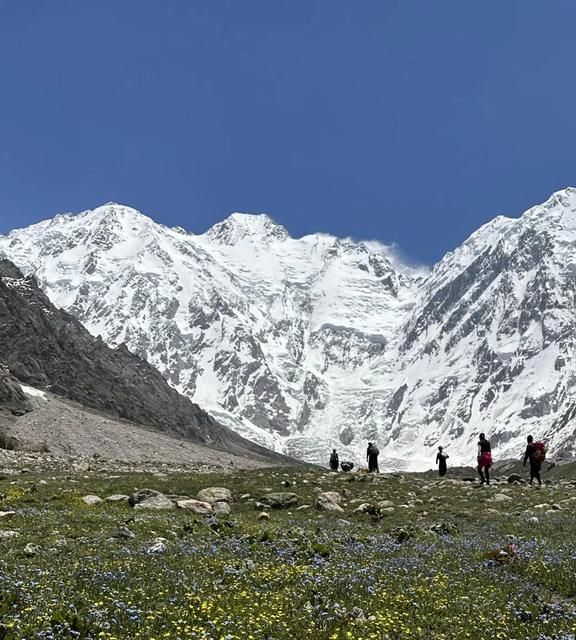
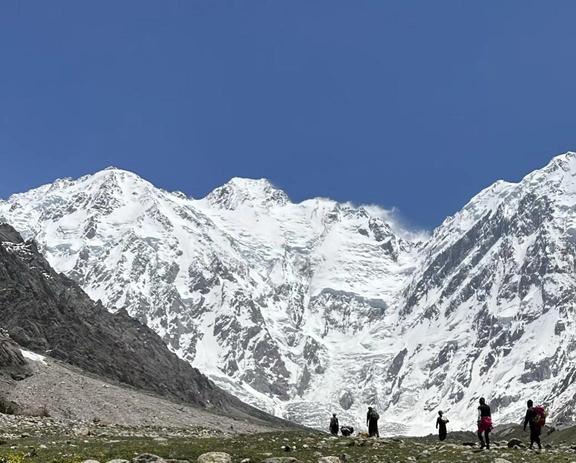
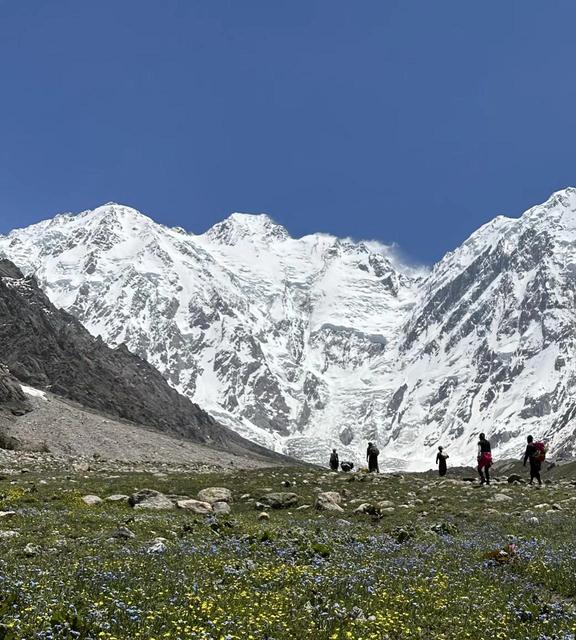
Expedition Gallery
Explore stunning images from this expedition
Been on this expedition?
Your feedback helps other travelers plan their adventure of a lifetime. Share your experience with us!
 8000m
8000m
Everest Expedition
Book your Everest Expedition 2027 with expert Sherpa guides, proven itineraries, full permits, and professional high-altitude support.
 8000m
8000m
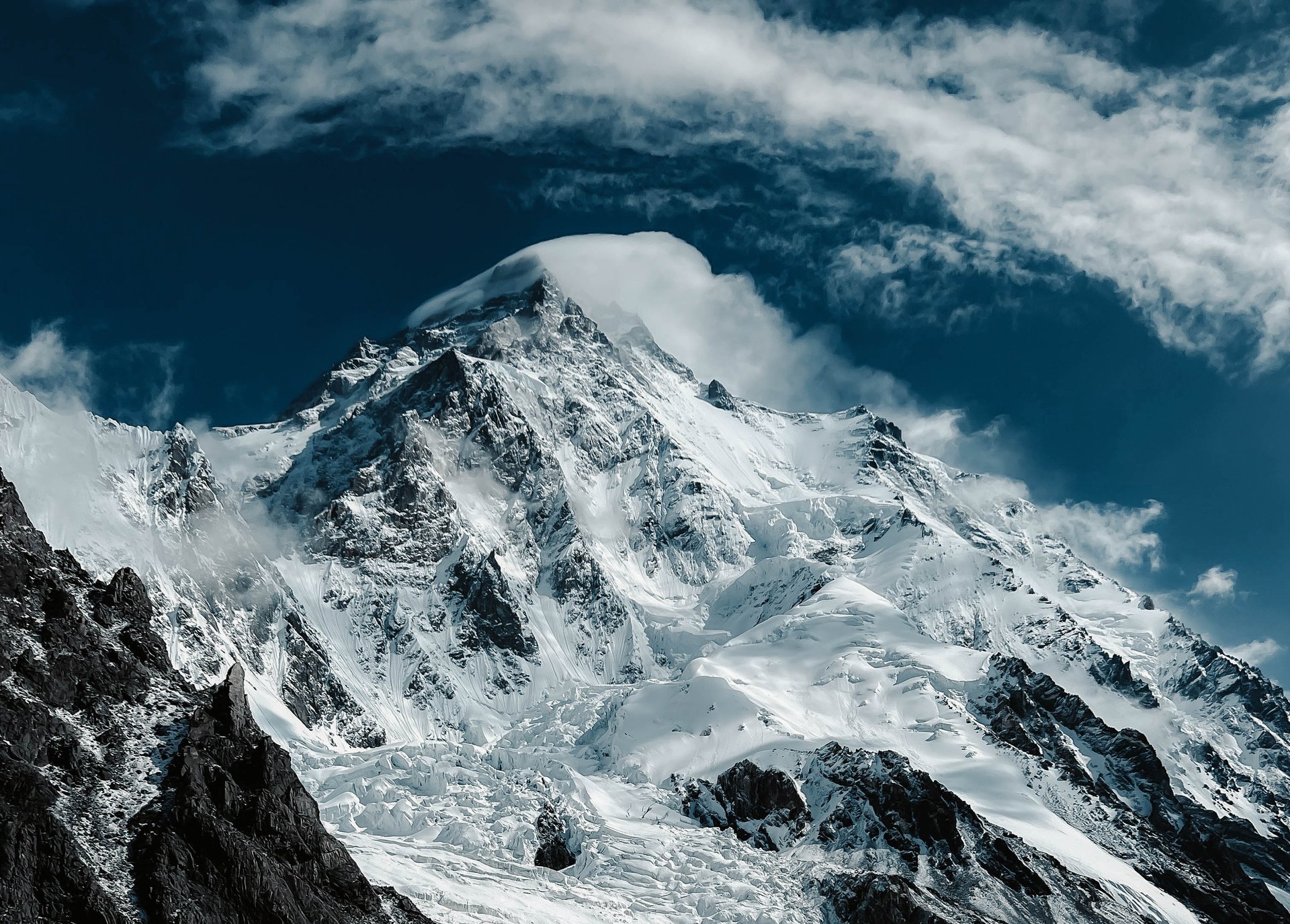
K2 Expedition
K2 — the savage mountain, ultimate test of skill and endurance.
 8000m
8000m
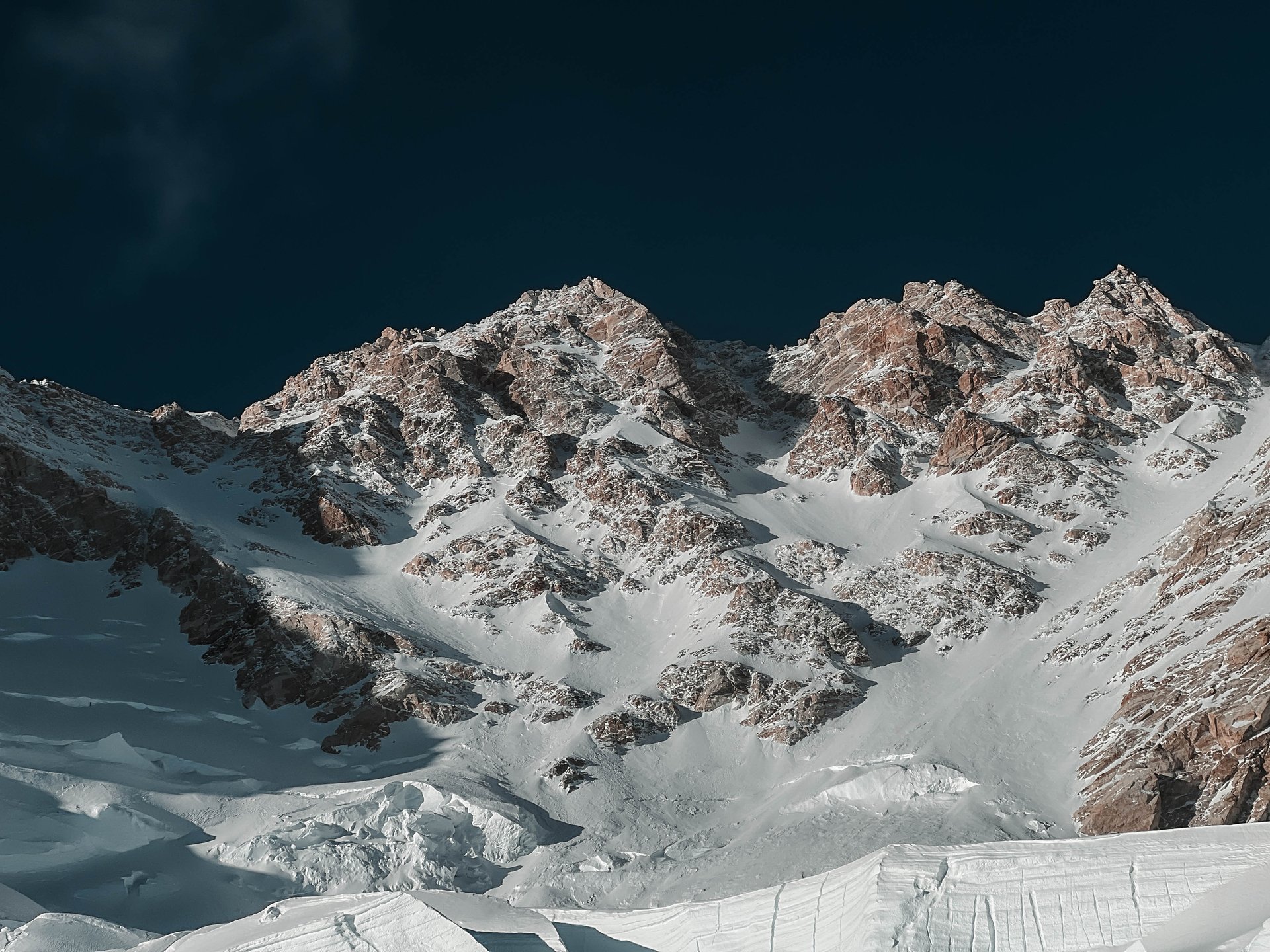
Kanchenjunga Expedition
The world’s third-highest peak, where beauty meets mystery.
 8000m
8000m
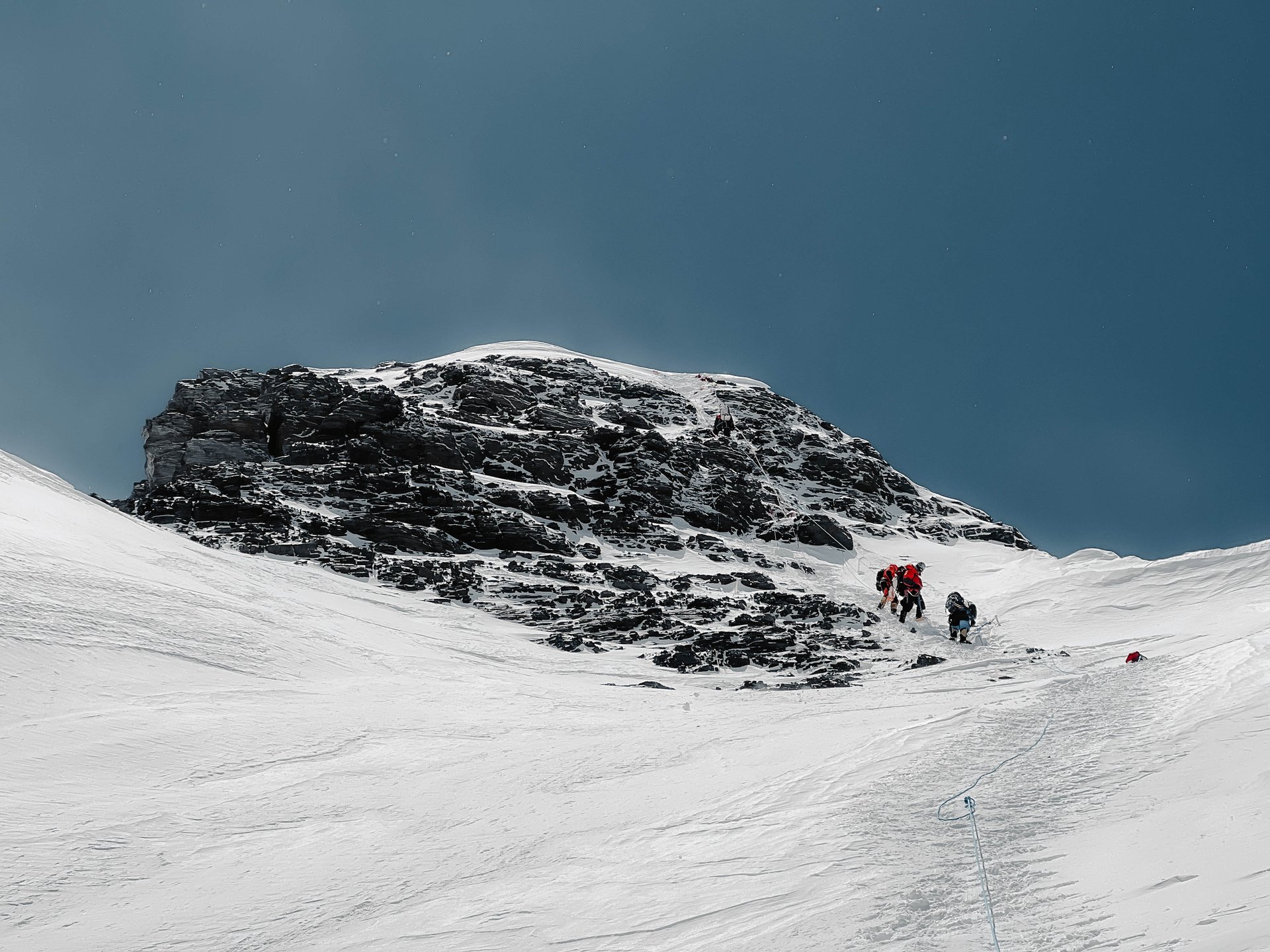
Lhotse Expedition
Lhotse — Everest’s towering neighbor and a Himalayan giant of challenge and beauty.
 8000m
8000m
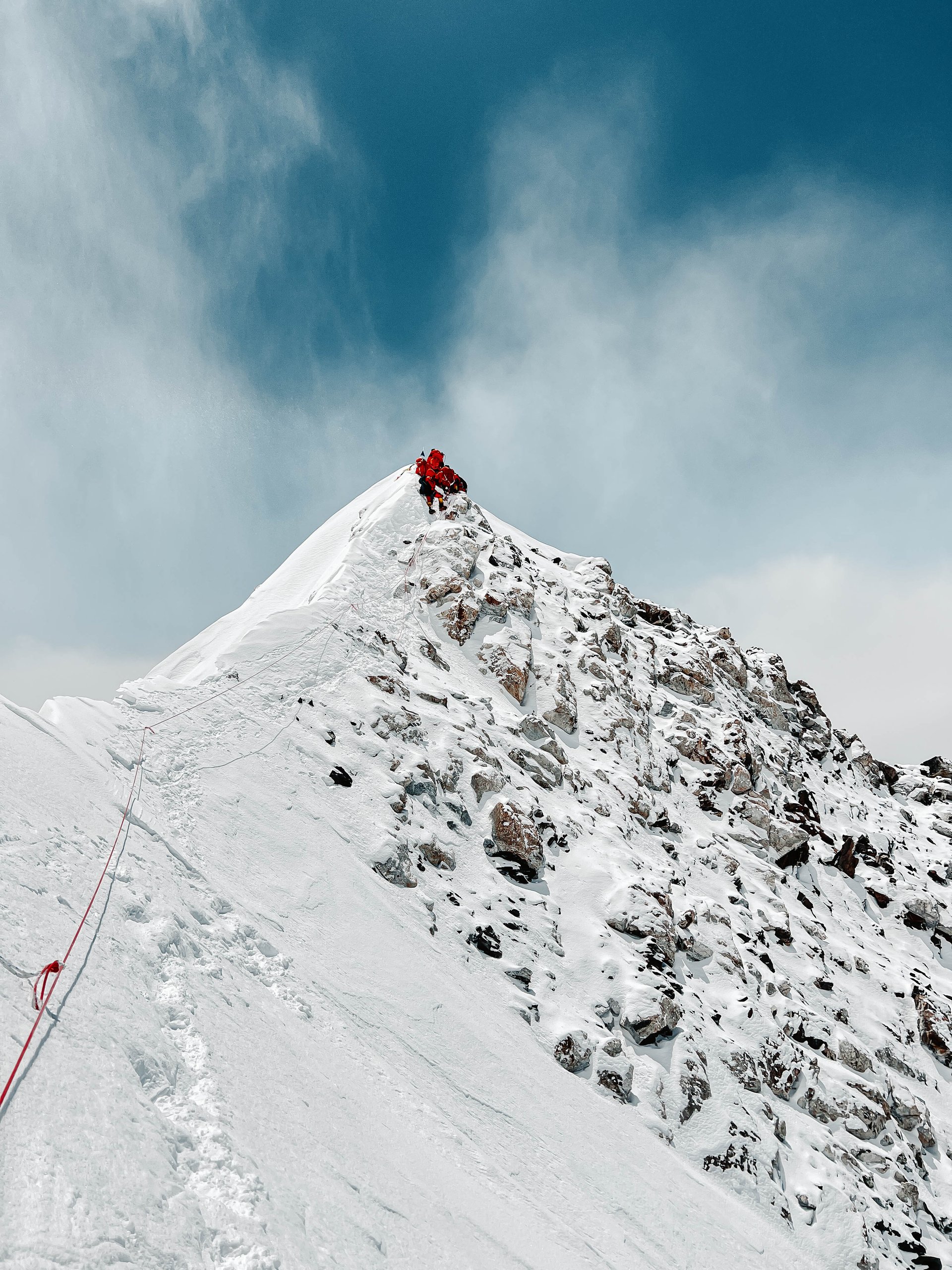
Makalu Expedition
Makalu — a fierce and elegant pyramid rising from the wild Himalayas.
 8000m
8000m
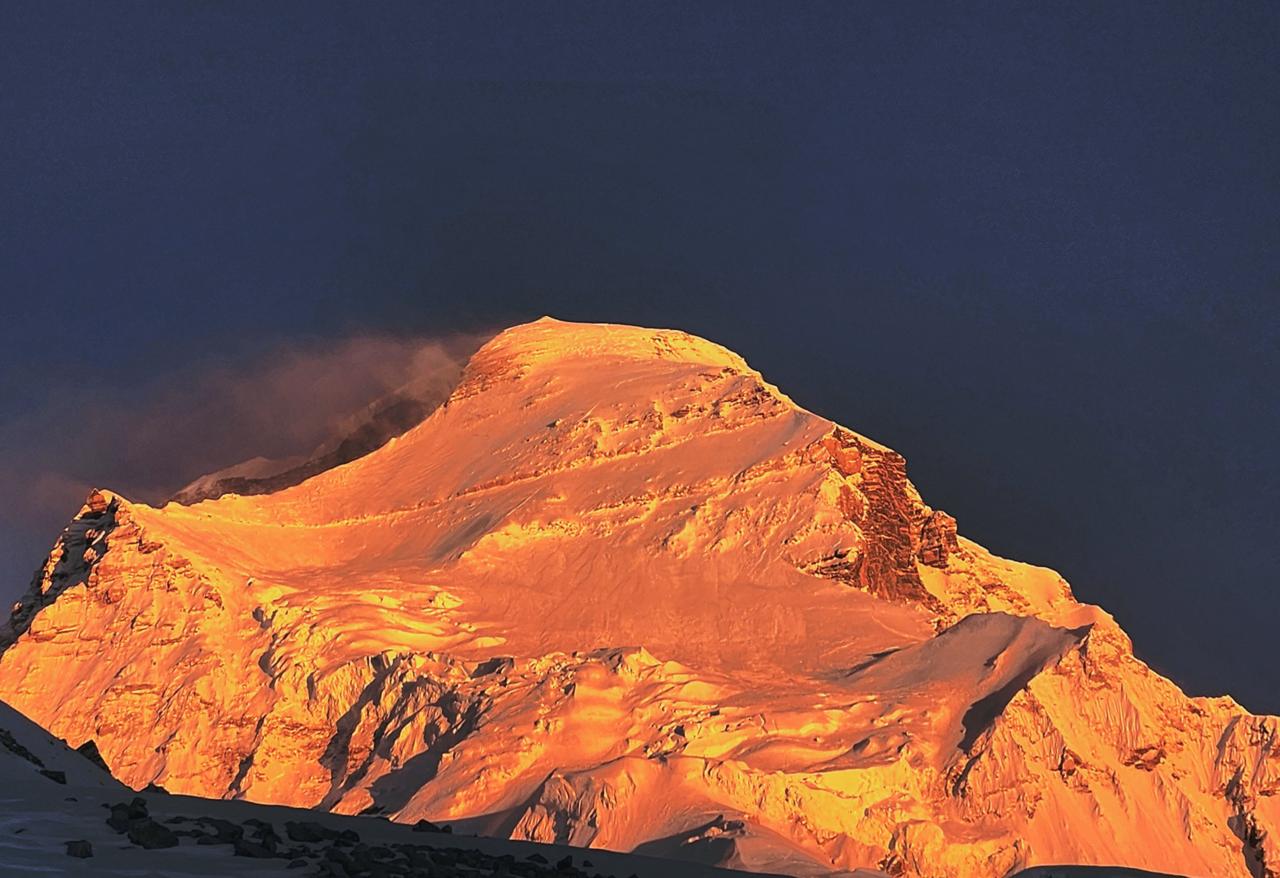
Cho-oyu Expedition
The majestic Cho Oyu — a climber’s gateway to the 8,000ers
 8000m
8000m
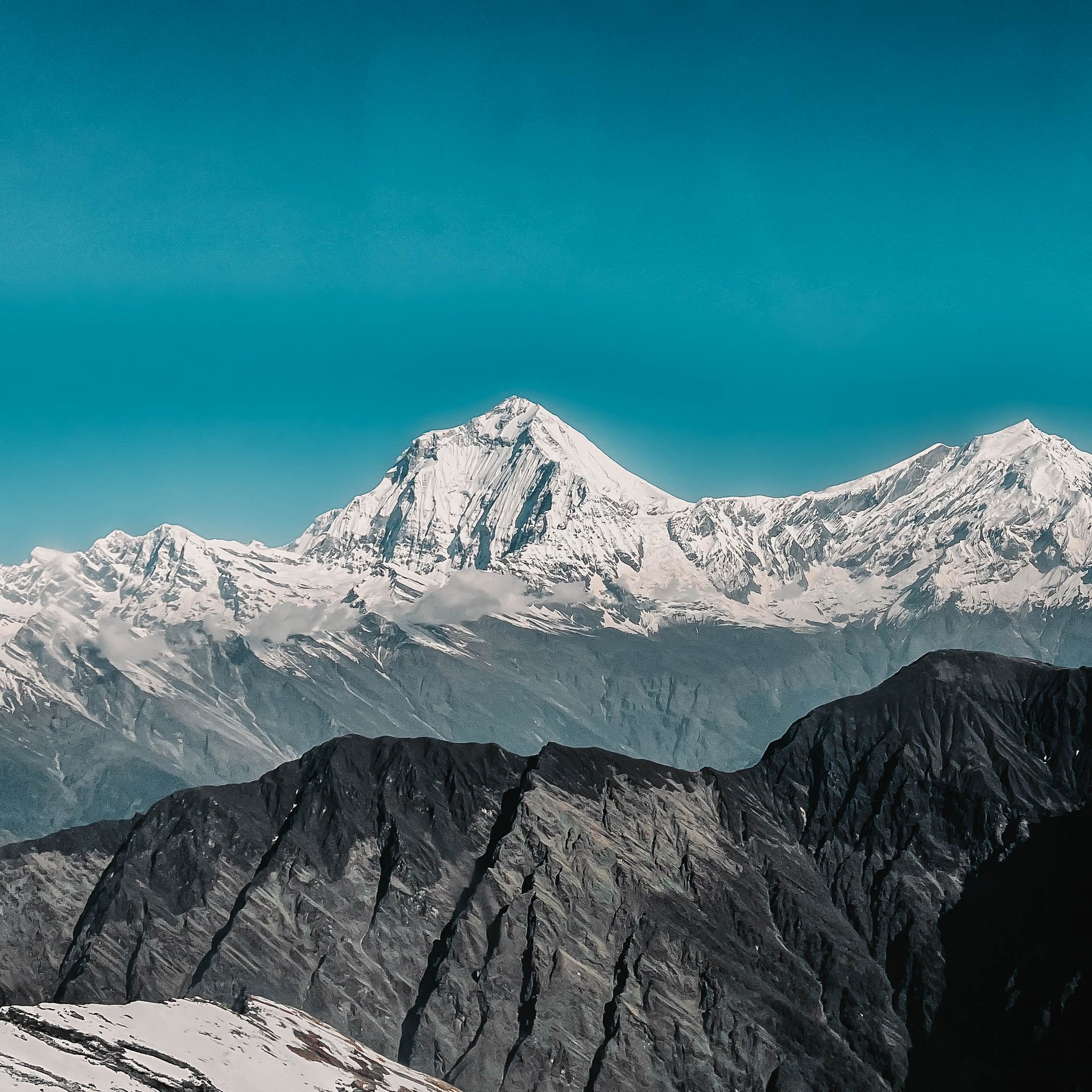
Dhaulagiri Expedition
Dhaulagiri — the white giant of the Himalayas, majestic and formidable.
 8000m
8000m
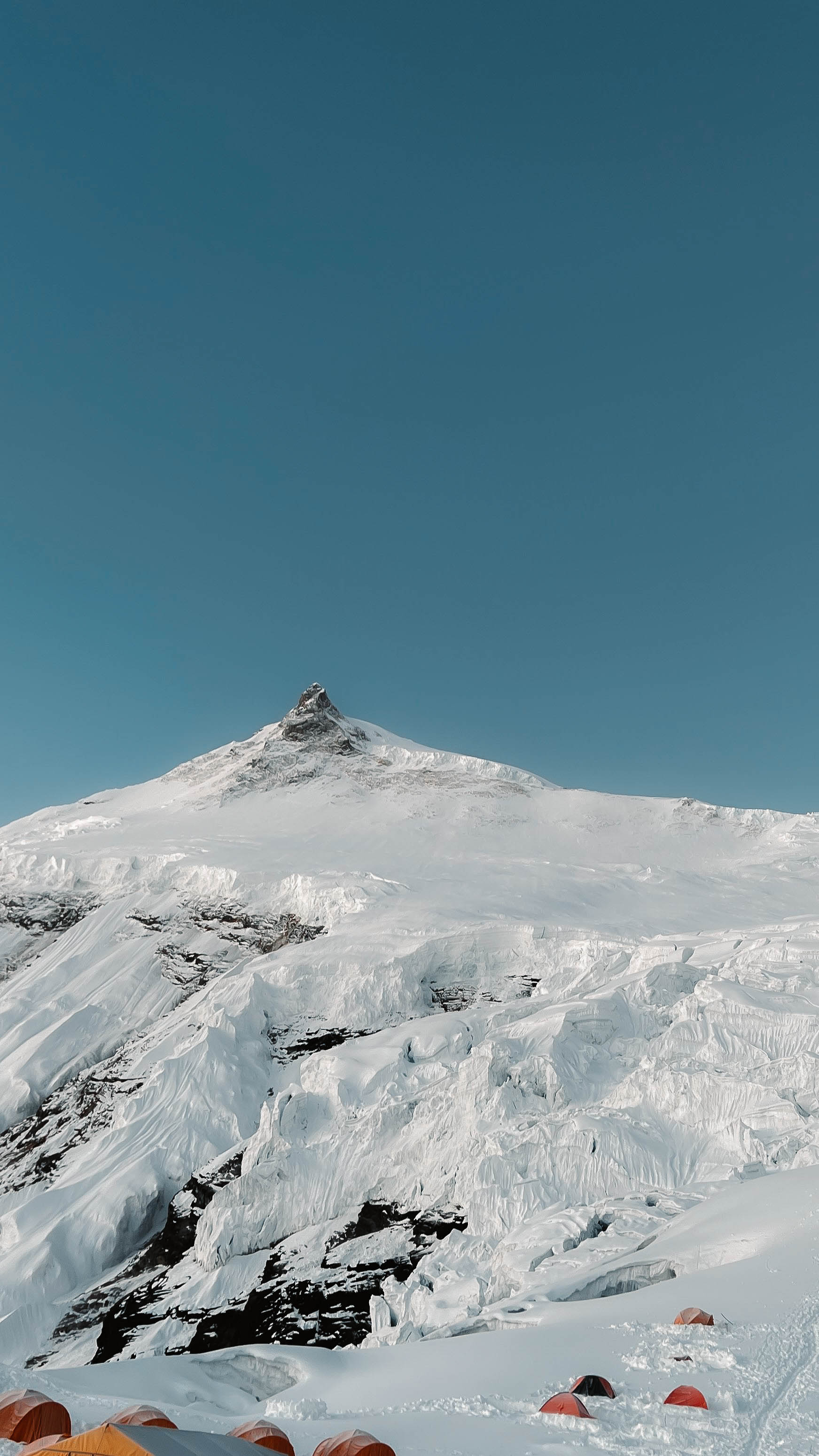
Manaslu Expedition
Book your Manaslu Expedition 2026 with expert Sherpa guides, proven itineraries, full permits, and professional high-altitude support.
 8000m
8000m
Annapurna I Expedition
Annapurna I — where raw Himalayan power meets fearless ambition.
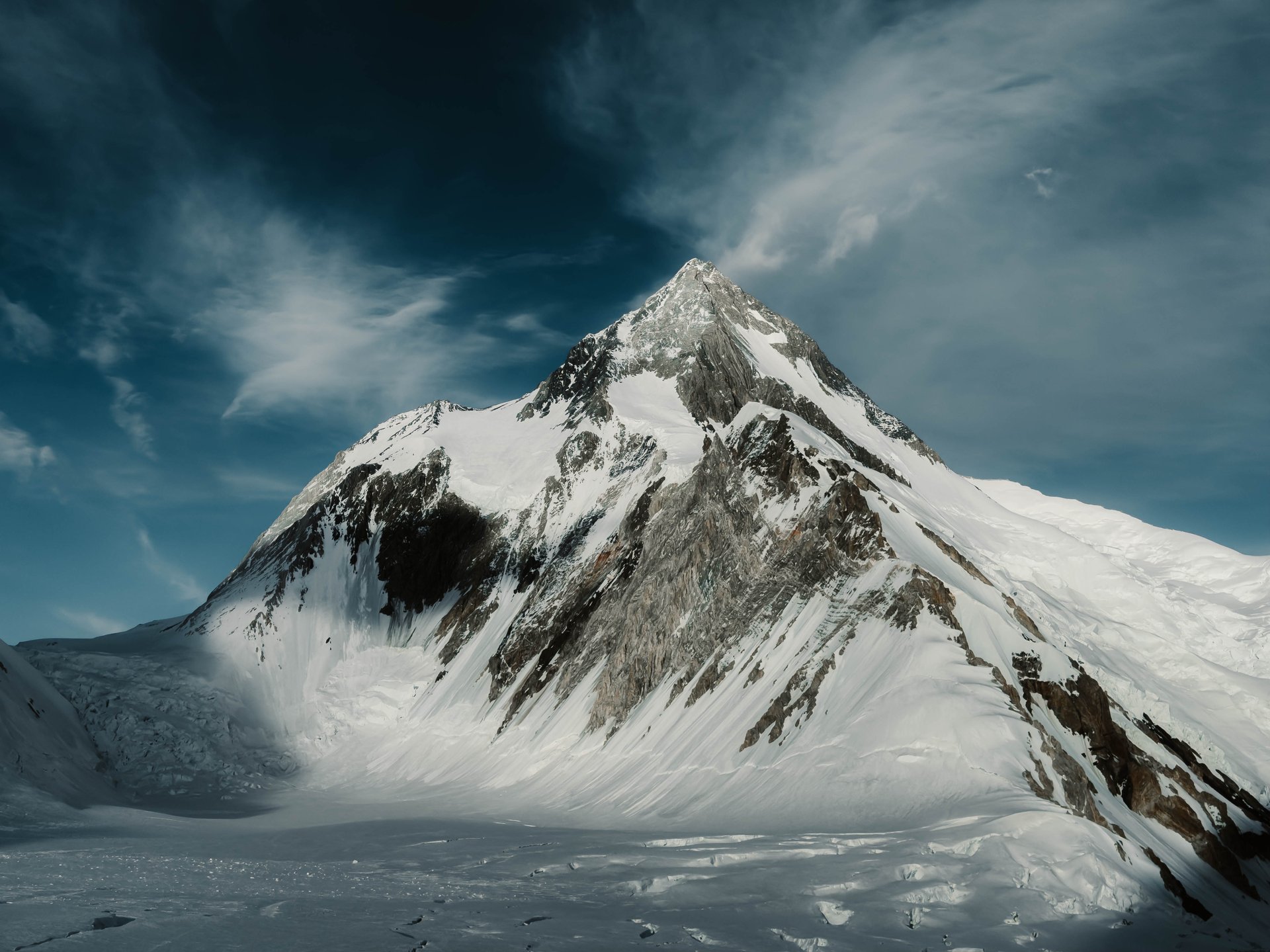 8000m
8000m
Gasherbrum I Expedition
Gasherbrum I — the hidden giant of the Karakoram, challenging and majestic.
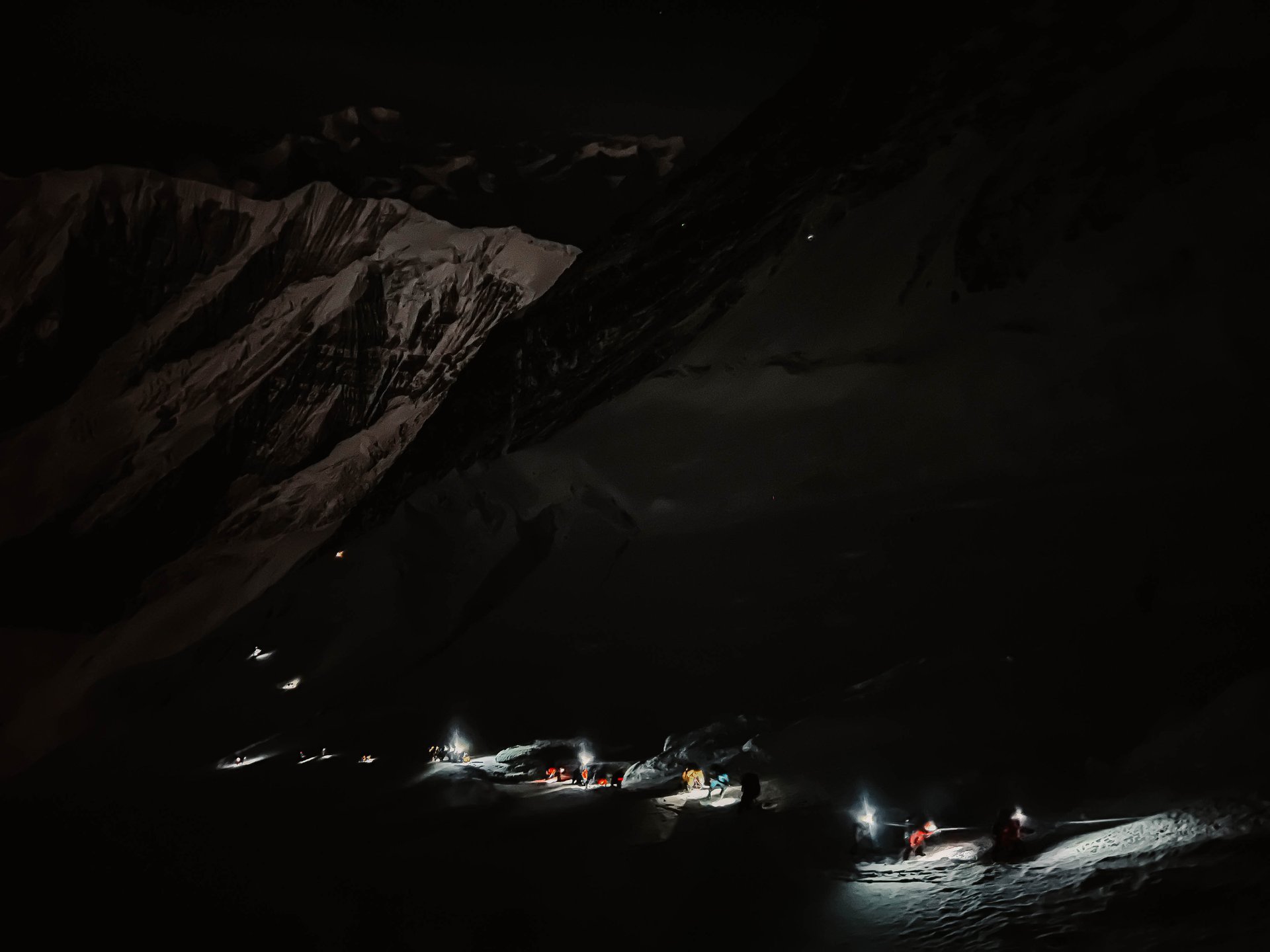
Ready to Start Your Adventure?
Contact us to book your expedition or get more information