
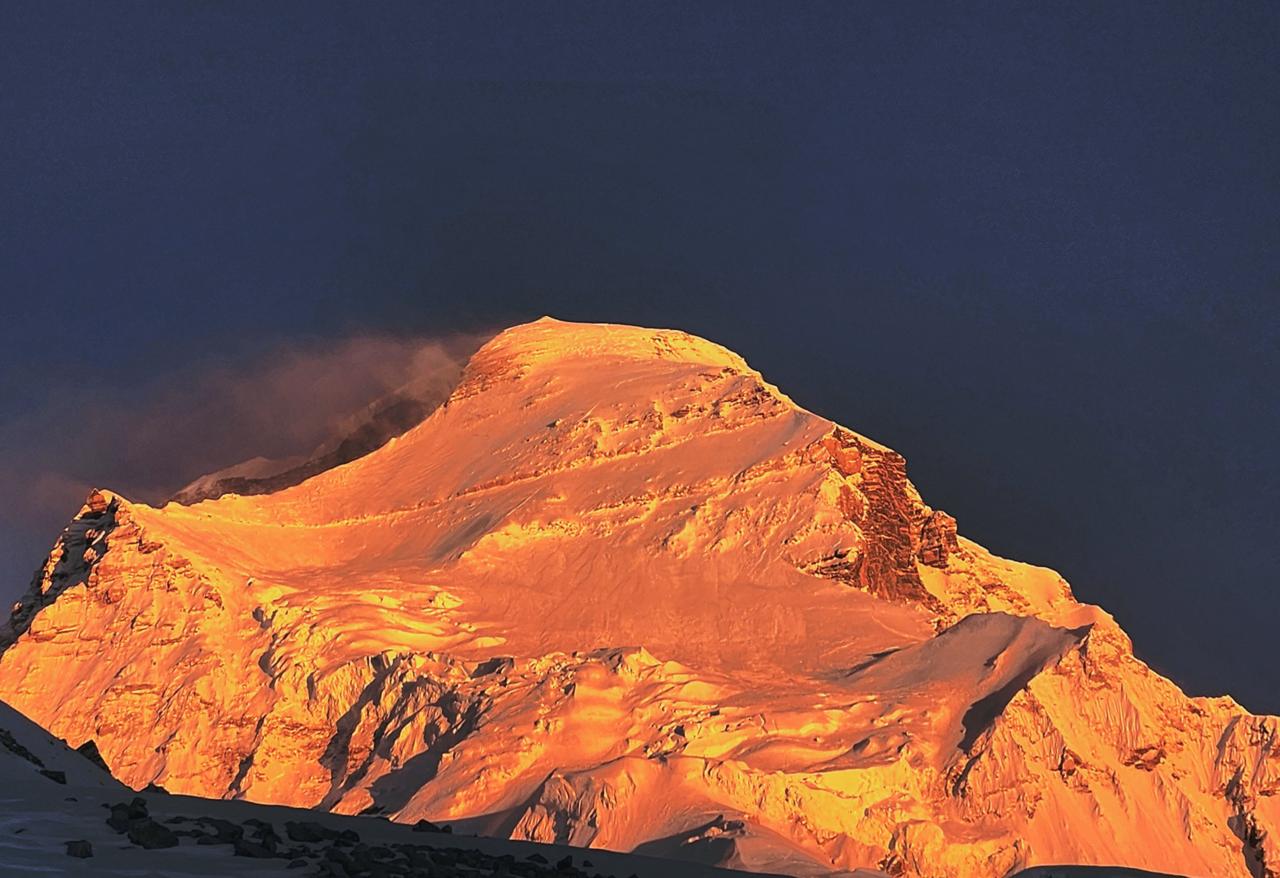
Expedition Overview
What is the Cho-oyu Expedition?
Cho-oyu stands at 8,188 metres, the sixth highest mountain on Earth. Located on the Nepal-Tibet border approximately 20 kilometres west of Everest in the Mahalangur Himalayas, its name translates from Tibetan as "Turquoise Goddess." First climbed on 19 October 1954 by Herbert Tichy, Sepp Jöchler, and Pasang Dawa Lama Sherpa of the Austrian Himalayan Expedition, Cho-oyu is widely considered the most accessible of all fourteen 8,000m peaks. That reputation reflects the moderate technical climbing demands of the standard route, not an absence of serious risk. All ascents are genuinely challenging on the broad northwest face at altitude above 8,000m and in extreme cold.
The AltiPro Cho-oyu Expedition 2027 is a 38-day spring expedition departing Kathmandu in late March. Rather than a lengthy trek approach, the team enters from Tibet through the ancient Nangpa La salt trade route, reaching Advanced Base Camp on the Gyabrag Glacier at 5,700m. Three high camps are established at 6,400m, 7,400m, and approximately 7,700m before the final push to the summit at 8,188m. A maximum of 8 climbers with a 1:1 Climbing Sherpa ratio, full fixed-rope support, and supplemental oxygen from Camp 2 at 7,400m.
Cho-oyu rises at the head of the Gokyo Valley with views across the Khumbu to Everest, Lhotse, and Makalu on clear days. The Gyabrag Glacier plateau gives the mountain its distinctive character - wide open snowfields at altitude, exposed to Tibetan plateau winds, without the sustained mixed rock-and-ice climbing of the more technical 8,000m peaks. For climbers with solid experience above 7,000m who are building toward higher and more demanding objectives, Cho-oyu is the natural stepping stone.
About Cho-oyu - The Turquoise Goddess
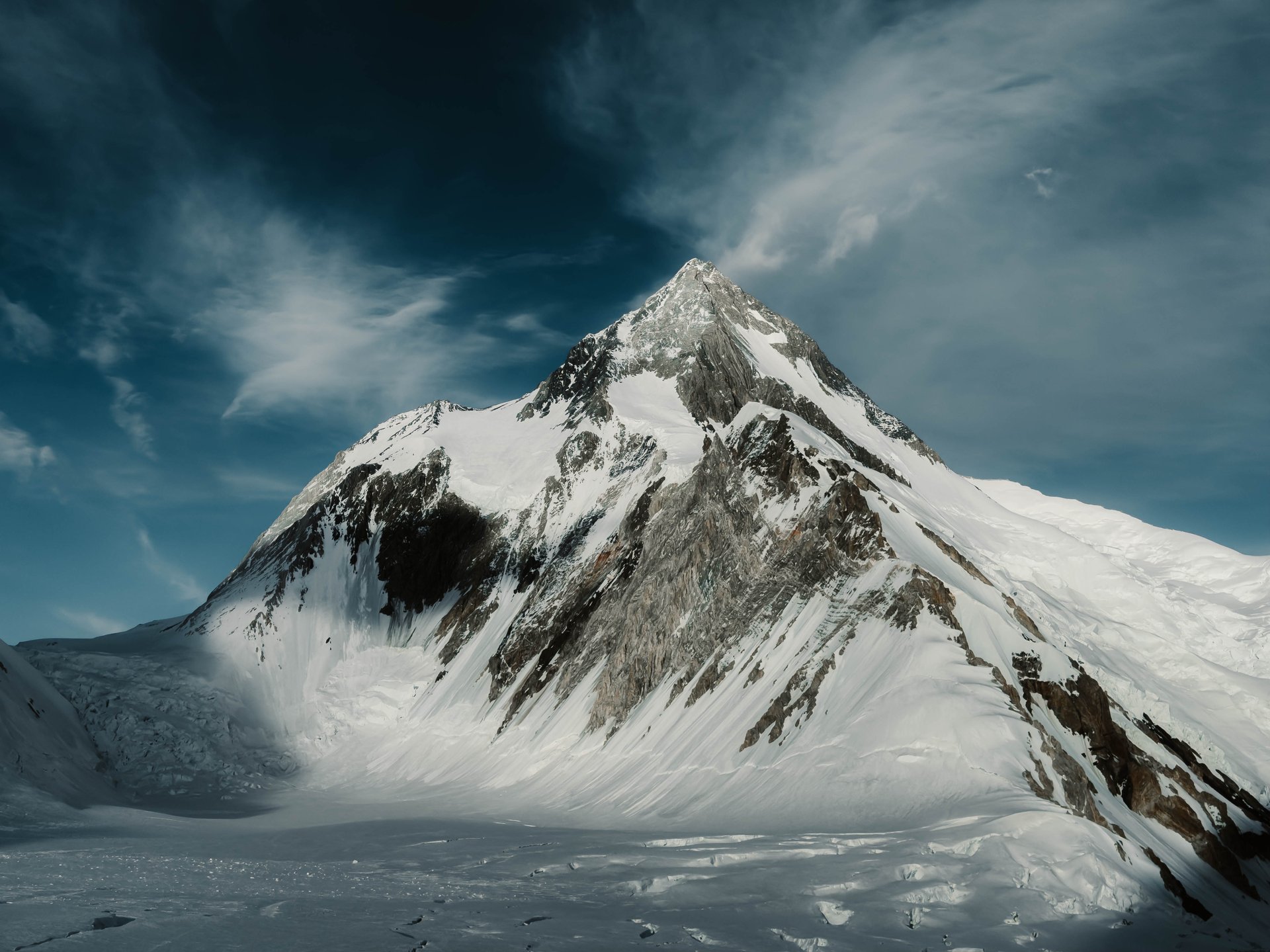
Cho-oyu occupies a distinctive position in Himalayan mountaineering. At 8,188m it is the sixth highest peak in the world, yet it sees more annual ascents than almost any other 8,000m peak outside Everest. The mountain sits at the Nepal-Tibet border at the head of Nepal's Gokyo Valley and approaches from the Tibetan plateau, making it the only major 8,000m peak whose standard route is primarily accessed from the north. The Gyabrag Glacier basin where Advanced Base Camp is established is a vast high-altitude plateau, exposed and remote, with the northwest face rising steeply above.
For the Himalayan climbing community, Cho-oyu represents the entry point to the 8,000m peaks. Its success rates are the highest of any 8,000m mountain and it has become the proving ground for climbers preparing for Everest, K2, or the more technical giants. AltiPro regards Cho-oyu as a serious and rewarding objective in its own right, and one that demands full preparation and respect - the death zone above 8,000m is equally unforgiving regardless of the route's technical grade.
Why Choose AltiPro Adventures for Cho-oyu?
Tibet Approach Logistics
Cho-oyu is accessed via Tibet, crossing from Nepal at Kodari and driving to Advanced Base Camp at 5,700m. AltiPro handles all Tibet permits, Chinese Mountaineering Association coordination, and cross-border logistics, eliminating the lengthy trek approach typical of Nepal-side 8,000m peaks.
Supplemental Oxygen for All
All team members receive supplemental oxygen from Camp 2 at 7,400m. Three cylinders per climber are allocated with a dedicated Sherpa oxygen carrier above Camp 2. Reserve cylinders are pre-positioned at the high camp ahead of summit day.
Expert Sherpa Team
AltiPro selects Climbing Sherpas with verified Cho-oyu summit experience. The 1:1 ratio guarantees dedicated support at every camp, while rope-fixing teams work ahead to prepare the route on all technical sections above 7,400m.
Small Team Protocol
Eight climbers maximum per expedition ensures faster decision-making, cleaner summit-day communication, and lower exposure time at extreme altitude. AltiPro does not combine private groups into larger commercial teams.
Medical Safety at ABC
A Base Camp Manager with high altitude emergency first aid certification is present at Advanced Base Camp throughout the season. Gamow Bag, pulse oximetry, and satellite phone communication with Kathmandu medical support are standard equipment on every AltiPro expedition.
Personalised Acclimatisation
AltiPro builds a structured rotation schedule - ABC to Camp 1, ABC to Camp 2, rest days at ABC, then summit push - paced to each climber's individual performance rather than a fixed commercial timetable.
The Northwest Route (8,188 m)
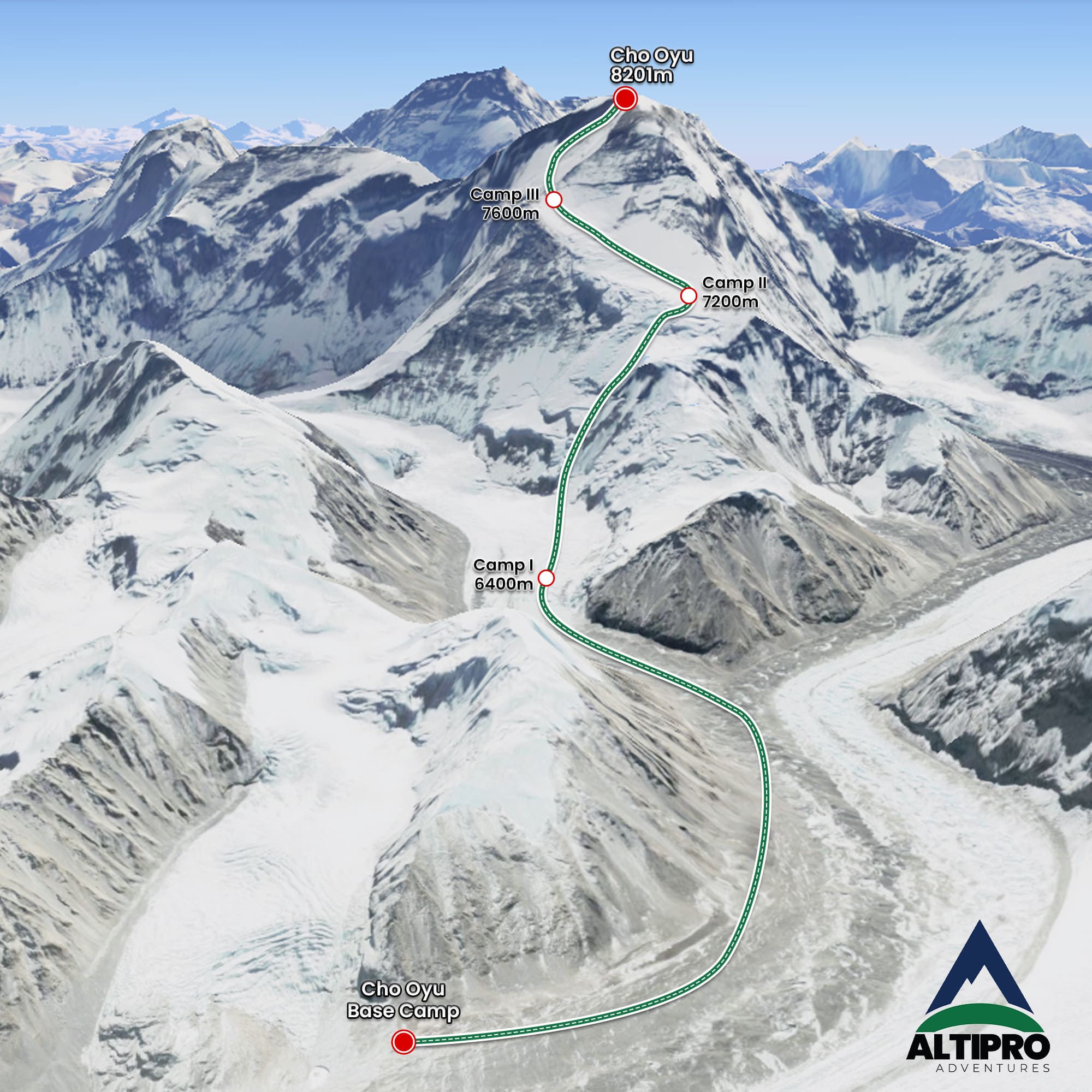
The Northwest Route ascends via the Gyabrag Glacier from Advanced Base Camp at 5,700m to the summit at 8,188m via three high camps. The approach from Kathmandu crosses into Tibet at Kodari, with a drive via Nyalam to the Cho-oyu staging area before walking in to ABC.
Kathmandu to Advanced Base Camp (1,400m to 5,700m)
The team crosses into Tibet at Kodari and drives via Nyalam to the Cho-oyu staging area, then walks in to Advanced Base Camp on the Gyabrag Glacier at 5,700m beneath the northwest face of Cho-oyu.
Advanced Base Camp to Camp 1 (5,700m to 6,400m)
The route crosses the Gyabrag Glacier and climbs moderate snow slopes to Camp 1 at 6,400m. Multiple acclimatisation rotations are completed on this section before the team moves higher.
Camp 1 to Camp 2 - Northwest Face (6,400m to 7,400m)
The route steepens considerably, ascending snow and ice fields across the broad northwest face to Camp 2 at 7,400m. Fixed ropes are in place throughout this section.
Camp 2 to Summit - Upper Ridge (7,400m to 8,188m)
A steep couloir above Camp 2 leads to a mixed rock-and-ice shoulder at approximately 7,700m before the final summit slopes. The summit is a broad plateau with views across the Khumbu to Everest, Lhotse, and Makalu.
How Difficult is the Cho-oyu Expedition?
Cho-oyu is the most technically accessible of all fourteen 8,000m peaks. The key challenges are physical endurance across high-altitude snowfields, sustained cold on the exposed northwest face, and the physiological demands of the death zone above 8,000m. AltiPro requires a prior summit above 6,500m and recommends at least one 7,000m summit and strong glacier technique before joining the expedition.
Best Season for the Cho-oyu Expedition
Spring (April–May): The primary climbing season. The summit window targets late April through mid-May before pre-monsoon cloud builds from late May. AltiPro operates Cho-oyu expeditions in spring only.
Autumn (September–October): A secondary window with drier conditions but stronger winds at altitude. AltiPro does not currently offer autumn Cho-oyu expeditions.
Cho-oyu Expedition Cost
Full-service Cho-oyu expedition - Tibet permits, CMA fees, oxygen, and Sherpa support included.
Includes all Tibet permits, China Mountaineering Association fees, cross-border transport, Sherpa wages, base camp and high camp equipment, fixed ropes on all technical sections, and supplemental oxygen from Camp 2 for all climbers. International flights and personal climbing equipment are not included. Contact AltiPro for a complete cost breakdown.
Cho-oyu Expedition - Frequently Asked Questions
Common questions about climbing Cho-oyu with AltiPro Adventures.
Is Cho-oyu a good first 8,000m peak?
Yes. The relatively moderate technical demands of the Northwest Route make it the most widely recommended first 8,000m objective. Prior experience above 6,500m is required; at least one 7,000m summit is strongly recommended.
What permits are required for Cho-oyu?
A Chinese Mountaineering Association (CMA) permit, Tibet Travel Permit, and cross-border documentation are required. AltiPro manages all permit applications from Kathmandu on behalf of the team.
Does the route require technical ice climbing?
No sustained technical ice climbing is required. The route involves glacier travel, snow slopes, and a mixed couloir section above Camp 2. Fixed ropes are placed on all sections steeper than 45 degrees.
When is the best time to climb Cho-oyu?
May is the optimal summit month in spring, with late April to mid-May offering the most reliable weather windows. AltiPro operates Cho-oyu expeditions in spring only.
How long is the expedition?
The AltiPro Cho-oyu Expedition 2027 runs 38 days from Kathmandu departure to return, including all acclimatisation rotations, summit attempt, and descent.
Is supplemental oxygen provided?
Yes. All climbers receive supplemental oxygen from Camp 2 at 7,400m. Three cylinders per climber are included, with reserve stockpiles pre-positioned at the high camp ahead of the summit push.
How many climbers are on the team?
AltiPro limits Cho-oyu teams to a maximum of 8 climbers with a 1:1 Climbing Sherpa ratio to ensure personalised support and the best possible safety margins on summit day.
What prior experience is required?
A summit above 6,500m is required. AltiPro recommends at least one 7,000m summit and strong glacier travel and crampon technique before joining the Cho-oyu expedition.
Detailed Itinerary
Click on each day to view details
| Day | Program | Meals | Accom. | |||||||||||||||||||||||||||||||||||||||||||||||||||||||||||||||||||||||||||||||||||||||||||||||||||||||||||||||||||||||||||||||||||||||||||||||||||||||||||||||||||||||||||||||||||||||||||||||||||||||||||||||||||||||||||||||||||||||||||||||||||||||||||||||||||||||||||||||||||||||||||||||||||||||||||||||||||||||||||||||||
|---|---|---|---|---|---|---|---|---|---|---|---|---|---|---|---|---|---|---|---|---|---|---|---|---|---|---|---|---|---|---|---|---|---|---|---|---|---|---|---|---|---|---|---|---|---|---|---|---|---|---|---|---|---|---|---|---|---|---|---|---|---|---|---|---|---|---|---|---|---|---|---|---|---|---|---|---|---|---|---|---|---|---|---|---|---|---|---|---|---|---|---|---|---|---|---|---|---|---|---|---|---|---|---|---|---|---|---|---|---|---|---|---|---|---|---|---|---|---|---|---|---|---|---|---|---|---|---|---|---|---|---|---|---|---|---|---|---|---|---|---|---|---|---|---|---|---|---|---|---|---|---|---|---|---|---|---|---|---|---|---|---|---|---|---|---|---|---|---|---|---|---|---|---|---|---|---|---|---|---|---|---|---|---|---|---|---|---|---|---|---|---|---|---|---|---|---|---|---|---|---|---|---|---|---|---|---|---|---|---|---|---|---|---|---|---|---|---|---|---|---|---|---|---|---|---|---|---|---|---|---|---|---|---|---|---|---|---|---|---|---|---|---|---|---|---|---|---|---|---|---|---|---|---|---|---|---|---|---|---|---|---|---|---|---|---|---|---|---|---|---|---|---|---|---|---|---|---|---|---|---|---|---|---|---|---|---|---|---|---|---|---|---|---|---|---|---|---|---|---|---|---|---|---|---|---|---|---|---|---|---|---|---|---|---|---|---|---|---|---|---|---|---|---|---|
| 1 | Arrival in Kathmandu (1,350m) | Dinner | Hotel | |||||||||||||||||||||||||||||||||||||||||||||||||||||||||||||||||||||||||||||||||||||||||||||||||||||||||||||||||||||||||||||||||||||||||||||||||||||||||||||||||||||||||||||||||||||||||||||||||||||||||||||||||||||||||||||||||||||||||||||||||||||||||||||||||||||||||||||||||||||||||||||||||||||||||||||||||||||||||||||||||
|
Arrive at Kathmandu Tribhuvan International Airport and transfer to a 4-star hotel. Welcome dinner and expedition briefing.
2 – 3
|
Kathmandu — Tibet Visa, CTMA Permits & Gear Check |
Breakfast |
Hotel |
|
|
Tibet visa processing, CTMA permit finalisation, full gear check, team briefing, and last-minute shopping in Thamel.
4
|
Fly Kathmandu → Lhasa (3,656m) |
Breakfast |
Hotel |
|
|
Flight to Lhasa and transfer to hotel. First acclimatization day on the Tibetan Plateau.
5
|
Lhasa Acclimatization — Potala Palace & Jokhang Temple |
Breakfast / Lunch / Dinner |
Hotel |
|
|
Easy acclimatization day in Lhasa (3,700m) visiting the Potala Palace, Barkhor Market, and Jokhang Temple.
6
|
Drive Lhasa → Shigatse (3,900m) |
Breakfast / Lunch / Dinner |
Hotel |
|
|
280 km drive to Shigatse with a visit to Tashilhunpo Monastery — the seat of the Panchen Lama.
7
|
Drive Shigatse → Tingri (4,390m) via Gyatso La Pass (5,236m) |
Breakfast / Lunch / Dinner |
Lodge |
|
|
350 km drive over Gyatso La Pass (5,236m) with the first views of Cho-Oyu appearing from the road.
8
|
Drive Tingri → Chinese Base Camp (4,900m) |
Breakfast / Lunch / Dinner |
Tent |
|
|
Drive via dirt road to Chinese Base Camp. Yak team hired and equipment loads organised.
9
|
Acclimatization at Chinese Base Camp (4,900m) |
Breakfast / Lunch / Dinner |
Tent |
|
|
Rest day at Chinese Base Camp for altitude adjustment and initial medical checks.
10
|
Trek Chinese Base Camp → Advanced Base Camp (5,650m) — Day 1 |
Breakfast / Lunch / Dinner |
Tent |
|
|
Ascend the Gyabrag Glacier moraine as dramatic views of Cho-Oyu's Northwest Face open ahead.
11
|
Arrive Advanced Base Camp (5,650m) — Puja Ceremony |
Breakfast / Lunch / Dinner |
Tent |
|
|
Arrive at ABC with full camp infrastructure already established by the AltiPro advance Sherpa team. Puja ceremony and route briefing.
12 – 13
|
Acclimatization at ABC |
Breakfast / Lunch / Dinner |
Tent |
|
|
Short acclimatization hikes toward Nangpa La (5,716m) and observation of yak caravans crossing the ancient Nepal-Tibet trade route.
14 – 16
|
1st Rotation — ABC to Camp I (6,400m) |
Breakfast / Lunch / Dinner |
Tent |
|
|
First rotation: ABC to Camp I overnight on the Northwest Ridge, then return to ABC. First full altitude exposure above 6,000m and initial serac zone assessment.
17 – 18
|
Rest at ABC |
Breakfast / Lunch / Dinner |
Tent |
|
|
Expedition Doctor O₂ saturation review. Daily 6-hourly Cho-Oyu summit forecast reviewed.
19 – 21
|
2nd Rotation — Camp I to Camp II (7,200m) |
Breakfast / Lunch / Dinner |
Tent |
|
|
Second rotation: cross the serac barrier on fixed ropes to Camp II overnight, then return to ABC. First time above 7,000m.
22 – 24
|
Full Rest at ABC |
Breakfast / Lunch / Dinner |
Tent |
|
|
Hydration, nutrition, and medical checks. Sherpa teams confirm all camp supplies are in place.
25 – 27
|
3rd Rotation (Optional) — Camp II to Camp III (7,550m) |
Breakfast / Lunch / Dinner |
Tent |
|
|
Optional third rotation: Camp II to Camp III overnight, then return to ABC. Upper ridge conditions assessed. Individual medical summit clearance begins.
28 – 30
|
Full Rest at ABC — Summit Window Monitoring |
Breakfast / Lunch / Dinner |
Tent |
|
|
Final gear and oxygen confirmation. Summit weather window closely monitored for a confirmed 48-hour stable period.
31
|
Summit Bid — ABC to Camp I (6,400m) |
Breakfast / Lunch / Dinner |
Tent |
|
|
Begin the summit push by moving from ABC to Camp I on the Northwest Ridge.
32
|
Summit Bid — Camp I to Camp II (7,200m) |
Breakfast / Lunch / Dinner |
Tent |
|
|
Move through the serac barrier on fixed ropes to Camp II. Rest and early sleep.
33
|
Summit Bid — Camp II to Camp III (7,550m) |
Breakfast / Lunch / Dinner |
Tent |
|
|
Move to Camp III. Supplemental oxygen begins. Pre-summit briefing and rest before the midnight departure.
34
|
Summit Day — Cho-Oyu (8,188m) |
Breakfast / Lunch / Dinner |
Tent |
|
|
Pre-midnight departure from Camp III up the Northwest Ridge via a short rock step to the summit plateau and true summit of Cho-Oyu (8,188m / 26,864ft). Descend to Camp II.
35
|
Descend Camp II → ABC — Summit Celebration |
Breakfast / Lunch / Dinner |
Tent |
|
|
Full descent to Advanced Base Camp. Post-summit celebration with the full Sherpa team at AltiPro Café.
36
|
Rest & Recovery at ABC |
Breakfast / Lunch / Dinner |
Tent |
|
|
Post-summit rest at Advanced Base Camp. Begin packing expedition equipment.
37 – 38
|
Clear High Camps & Pack Yak Loads |
Breakfast / Lunch / Dinner |
Tent |
|
|
All high camps cleared and equipment packed into yak loads. Farewell to the Gyabrag Glacier and Nangpa La landscape.
39
|
Trek ABC → Chinese Base Camp (4,900m) |
Breakfast / Lunch / Dinner |
Tent |
|
|
Trek back down the moraine to Chinese Base Camp. Yak team departs.
40
|
Drive Chinese Base Camp → Tingri (4,390m) |
Breakfast / Lunch / Dinner |
Lodge |
|
|
Begin the return drive across the Tibetan Plateau to Tingri.
41
|
Drive Tingri → Shigatse (3,900m) via Gyatso La |
Breakfast / Lunch / Dinner |
Hotel |
|
|
Final Tibetan Plateau crossing back over Gyatso La to Shigatse.
42
|
Drive Shigatse → Lhasa (3,656m) |
Breakfast / Lunch / Dinner |
Hotel |
|
|
Return drive to Lhasa for the final night in Tibet.
43
|
Rest in Lhasa — Final Tibet Debrief |
Breakfast |
Hotel |
|
|
Rest day in Lhasa with an optional visit to the Potala Palace. Final Tibet expedition debrief.
44
|
Fly Lhasa → Kathmandu (1,350m) |
Breakfast |
Hotel |
|
|
Return flight to Kathmandu and transfer to hotel for rest.
45
|
Farewell Dinner & Summit Certificate |
Breakfast / Dinner |
Hotel |
|
|
Cho-Oyu summit certificate presentation, farewell dinner, and full expedition debrief in Kathmandu.
46 – 49
|
Buffer Days — Weather & Flight Disruption Reserve |
Breakfast |
Hotel |
|
|
Buffer days held for weather delays, a second summit window, or Lhasa/Kathmandu flight disruptions.
50
|
Final Departure from Kathmandu |
Breakfast |
|
|
|
Transfer to Kathmandu Tribhuvan International Airport for onward international flights.
| ||||||||||||||||||||||||||||||||||||||||||||||||||||||||||||||||||||||||||||||||||||||||||||||||||||||||||||||||||||||||||||||||||||
Services
Includes
- ✅ Airport pick-up and drop for all international and domestic flights
- ✅ 4 nights 4-star hotel in Kathmandu (BB) — 2 nights pre-expedition, 2 nights post-expedition
- ✅ Welcome dinner and farewell dinner in Kathmandu
- ✅ Return flights: Kathmandu ↔ Lhasa (Tibet) for all team members and expedition staff
- ✅ All land transportation in Tibet: Lhasa → Shigatse → Tingri → Chinese BC → ABC and return (4WD vehicles)
- ✅ 1 night hotel in Lhasa and 1 night hotel in Shigatse on the approach and return
- ✅ All expedition staff transport: Kathmandu – Cho-Oyu ABC – Kathmandu
- ✅ Tibetan yak team: Chinese Base Camp to Advanced Base Camp (ABC) and back — all expedition equipment
- ✅ Full board accommodation at all hotels and camp sites during the Tibet approach and return
- ✅ Personal climbing equipment transfer: Kathmandu – Cho-Oyu ABC – Kathmandu (60 kg per member)
- ✅ Cho-Oyu expedition royalty fee — climbing permit issued by China Tibet Mountaineering Association (CTMA)
- ✅ Tibet Entry Visa fee and Tibet Tourism Bureau (TTB) travel permit
- ✅ Tibet Road Permit (Alien's Travel Permit for restricted areas)
- ✅ CTMA official Government Liaison Officer for the full expedition duration
- ✅ Garbage management and environmental deposit fee
- ✅ Nepal government taxes and company service charges
- ✅ Full expedition planning, coordination, and on-ground management in Nepal and Tibet
- ✅ Experienced Base Camp Sirdar (Head Sherpa) on-site for the full season
- ✅ Pre-expedition briefing pack in Kathmandu
- ✅ One walkie-talkie per Climbing Sherpa and Expedition Leader during all climbing phases
- ✅ Daily professional weather forecast service — 6-hourly Cho-Oyu summit-specific updates throughout
- ✅ Satellite phone at ABC for emergency use (minimal per-call charge applies)
- ✅ Three freshly cooked meals per day (BLD) at Chinese BC and Cho-Oyu ABC with hot drinks
- ✅ Fresh vegetables, meat, fruits, and juice restocked throughout the season
- ✅ Heated dining tent with tables and chairs at ABC
- ✅ AltiPro Café at ABC — coffee and bakery items served daily
- ✅ Private sleeping tent with mattress and pillow for every climber and staff member at ABC
- ✅ Generator for charging electronic devices at ABC
- ✅ Internet service at ABC (minimal charge)
- ✅ Sleeping tents at all high camps — Camps I, II, III (2 members per tent)
- ✅ High-altitude food at all camps: muesli, porridge, noodles, rice, soups, dry fruits, chocolate, and snacks
- ✅ MSR stoves, cooking sets, EPI gas, shovels, and extra ropes at all high camps
- ✅ Common climbing equipment: fixed ropes, ice screws, ice bars, snow pickets, and anchoring hardware
- ✅ Summit route fixing by AltiPro Sherpa team — no additional charge applied to members
- ✅ One dedicated Climbing Sherpa per climber — 1:1 ratio, guaranteed throughout
- ✅ All Climbing Sherpa, cook, kitchen helper, and Liaison Officer wages and allowances
- ✅ Insurance for all Climbing Sherpas, cooks, CTMA Liaison Officer, and Tibetan yak team
- ✅ Backup Sherpas on standby for substitution if required (extra charge if deployed)
- ✅ 5 oxygen cylinders (4-litre) per climber with summit mask and regulator set
- ✅ 2 oxygen cylinders (4-litre) per Climbing Sherpa
- ✅ Emergency backup oxygen pre-positioned at Camp II and Camp III before the summit push
- ✅ Expedition Doctor stationed at ABC for the full climbing season
- ✅ Gamow Bag (portable hyperbaric chamber) on standby at ABC
- ✅ Helicopter rescue arrangement on standby for the full expedition duration
- ✅ Puja ceremony at ABC before climbing begins
- ✅ AltiPro expedition T-shirt and Cho-Oyu summit certificate issued by CTMA
Excludes
- ❌ International flight tickets to and from your home country
- ❌ Nepal entry visa fee — obtainable on arrival at Kathmandu Tribhuvan International Airport
- ❌ Personal climbing gear, clothing, and footwear
- ❌ Personal satellite messenger device (Garmin inReach or similar)
- ❌ Lunch and dinner in Kathmandu except the included welcome and farewell dinners
- ❌ Personal expenses: drinks, laundry, telephone, and internet usage beyond the included base service
- ❌ Travel, medical, and high-altitude helicopter rescue insurance (Min. USD 100,000) — mandatory for all participants
- ❌ Summit bonus: USD 1,200 per Climbing Sherpa and USD 300 for kitchen helpers — to be paid in cash at ABC after a successful ascent
- ❌ Tips for expedition staff and Tibetan yak drivers
- ❌ Extra costs due to personal baggage exceeding 60 kg
- ❌ Drone and special filming permit fees
- ❌ Costs incurred due to flight delays, cancellations, political disruptions, or border closures affecting Tibet access
Gear Lists & Useful Information
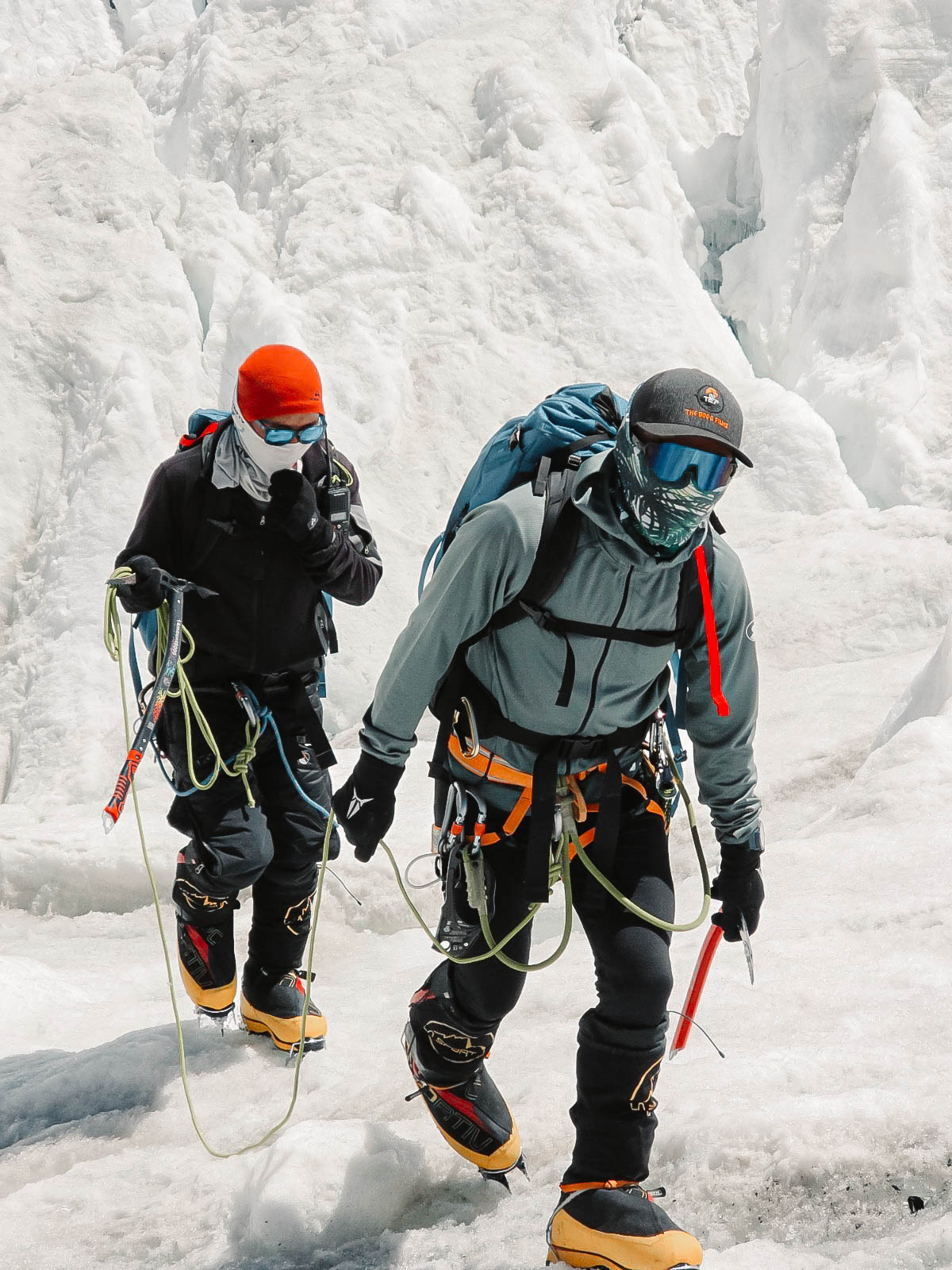
Route Map
Frequently Asked Questions
Find answers to common questions about this expedition
Yes, Sherpas are provided with the package and the ratio is 1:1. However, additional Sherpas can be provided as well based on the request.
The Cho-Oyu Expedition is a demanding 8,000m expedition. While the technical level is relatively lower, the extreme altitude, technical serac barrier, and harsh weather conditions make the climb difficult. However, at AltiPro Adventures, we ensure the best possible experience by ensuring safety, acclimatization, and expert Sherpa assistance.
The Cho-Oyu Expedition takes around 49 days in total, starting from the arrival in Kathmandu and ending with the return.
Cho-Oyu is considered the premier first 8,000m peak. It is suitable for prepared climbers who are technically proficient and possess prior experience on high-altitude mountains above 6,500m.
Yes, there is a requirement of prior climbing experience above an altitude of 6,500 meters. Skill in technical climbing, such as using crampons and ice axes on fixed ropes, is of extreme importance.
The major risks include altitude sickness, objective hazards at the serac barrier, extreme cold, snowstorms, exhaustion on the long summit plateau, and the challenges of the Death Zone.
The best time for a Cho-Oyu expedition is in the autumn season, around September and October. The route is typically fixed by late September, with the main summit windows generally appearing around mid-October.
Here are the main permit fees and required government permits if you want to climb Cho-Oyu from the Tibet (China) side:
1. Climbing Permit for Cho-Oyu (CTMA) This is the official license issued by the China Tibet Mountaineering Association.
- Autumn Season: ~$9,300 USD/person
- Note: The full Cho-Oyu Expedition 2027 is $28,500 USD, which includes this fee.
2. Tibet Entry Visa & Travel Permit Mandatory documentation for foreign nationals to enter the Tibet Autonomous Region.
- For Foreigners: ~$200 USD
3. Alien’s Travel & Road Permits Required for travel through restricted border zones and across the Tibetan Plateau.
- Cost: ~$100 USD
4. Environmental & Garbage Management Fee Mandatory fee for environmental protection and waste removal.
- Cost: ~$1,000 USD
The safety of our climbers and staff remains our top priority. We implement internationally recognized safety standards, including:
- 1:1 Sherpa Support: Every climber is paired with an experienced high-altitude Sherpa.
- Medical Support: An on-site Expedition Doctor at ABC for health monitoring and oxygen saturation tests.
- Careful Acclimatization: A structured rotation program and a gradual overland approach through Tibet.
- Fixed Ropes: Ropes are pre-installed in key sections, including the technical serac barrier.
- Supplemental Oxygen: 5 cylinders per climber with backup systems at high camps.
- Weather Monitoring: Professional summit-specific forecasts used to time summit attempts during 48-hour windows.
- Emergency Gear: Gamow Bag, medical kits, and satellite communications are operational at all times.
Been on this expedition?
Your feedback helps other travelers plan their adventure of a lifetime. Share your experience with us!
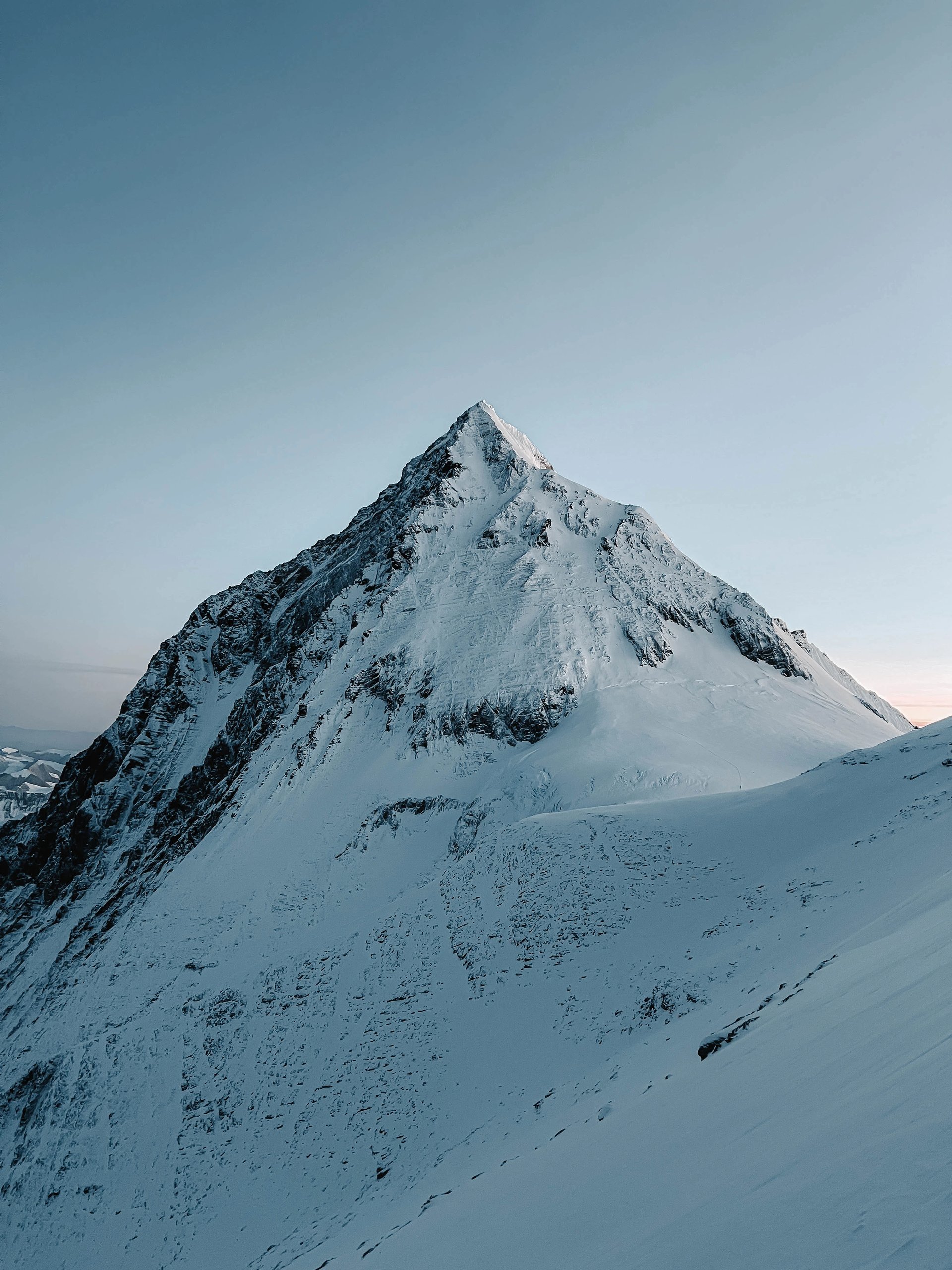 8000m
8000m
Everest Expedition
Book your Everest Expedition 2027 with expert Sherpa guides, proven itineraries, full permits, and professional high-altitude support.
 8000m
8000m
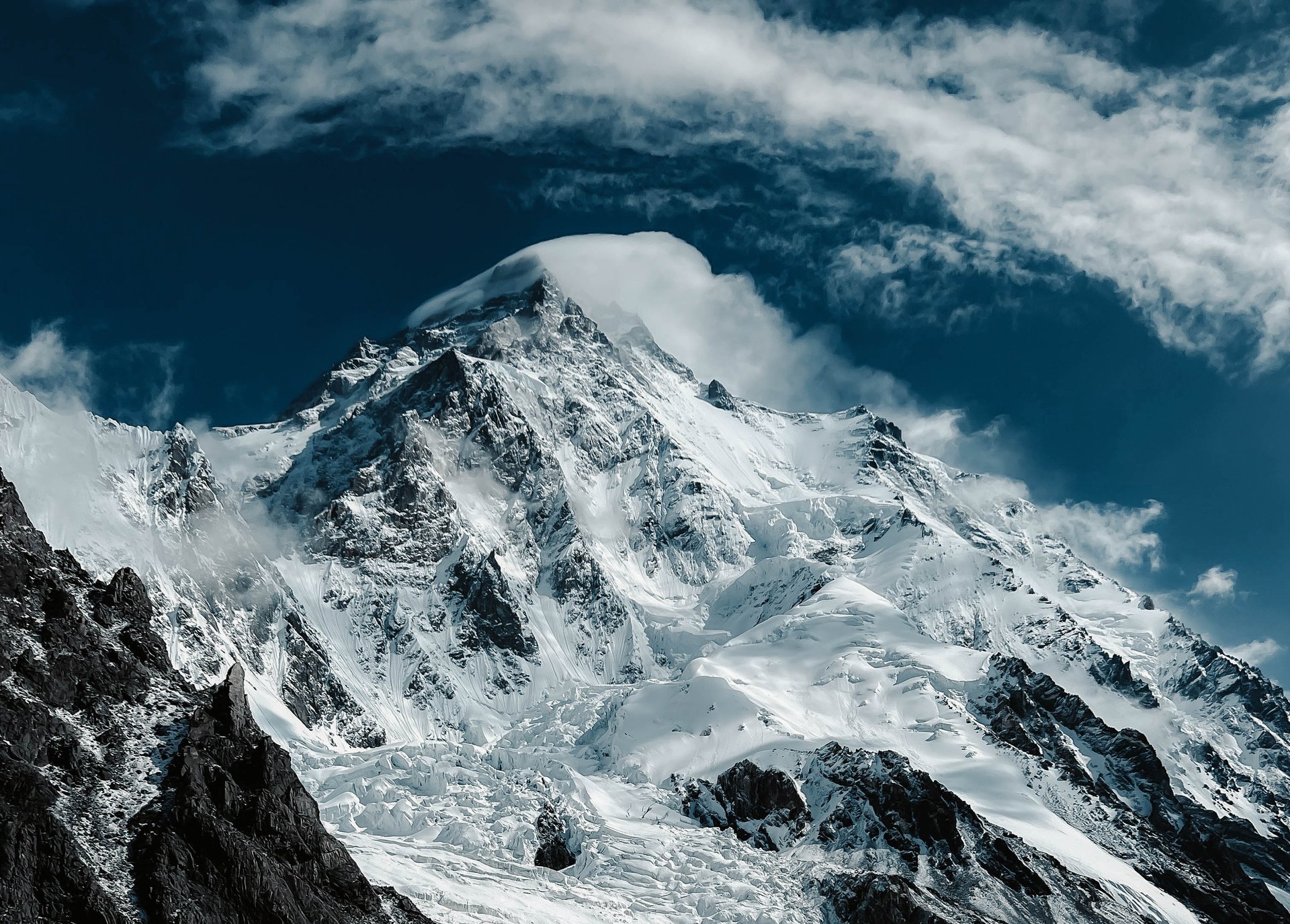
K2 Expedition
K2 — the savage mountain, ultimate test of skill and endurance.
 8000m
8000m
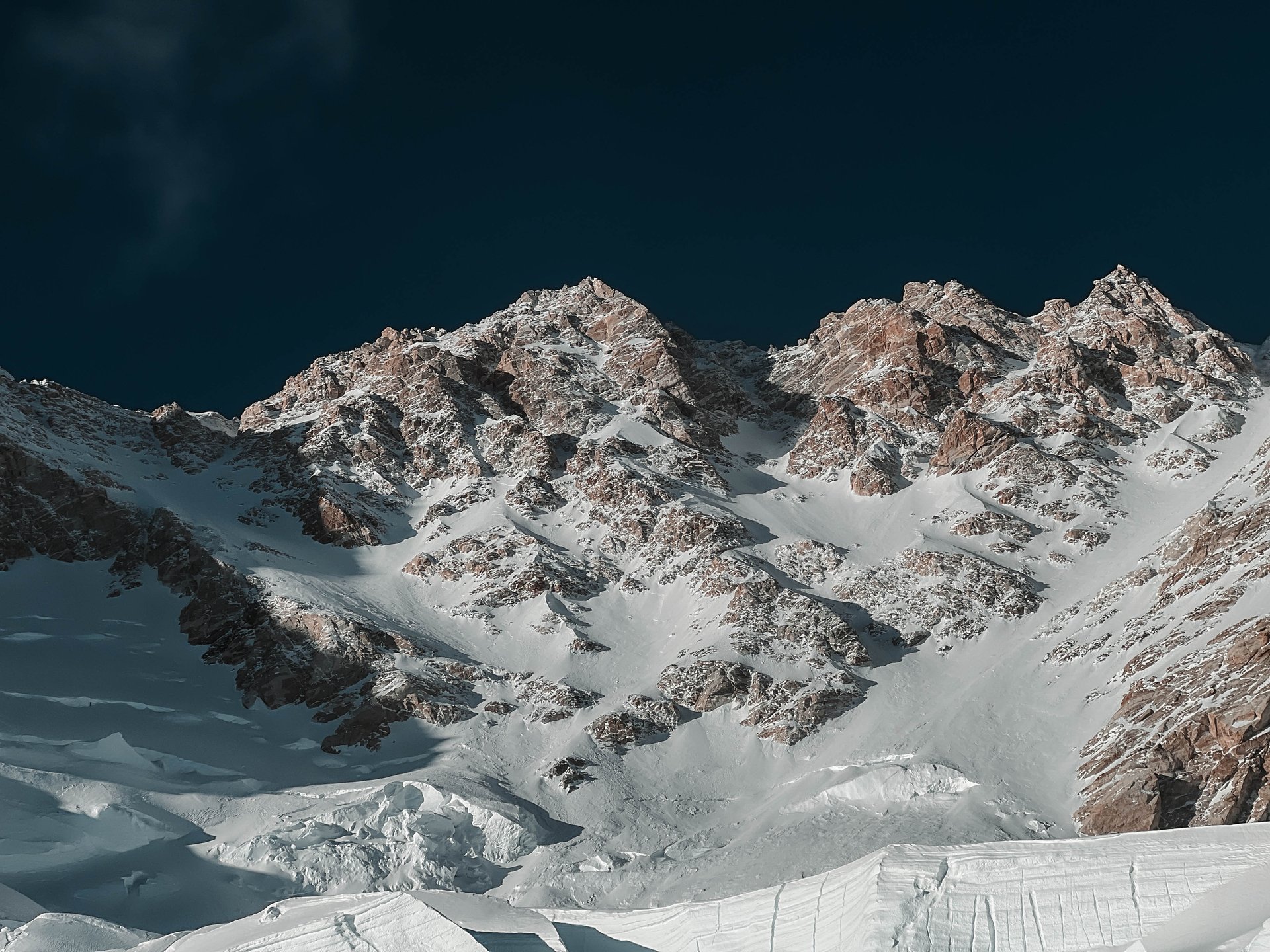
Kanchenjunga Expedition
The world’s third-highest peak, where beauty meets mystery.
 8000m
8000m
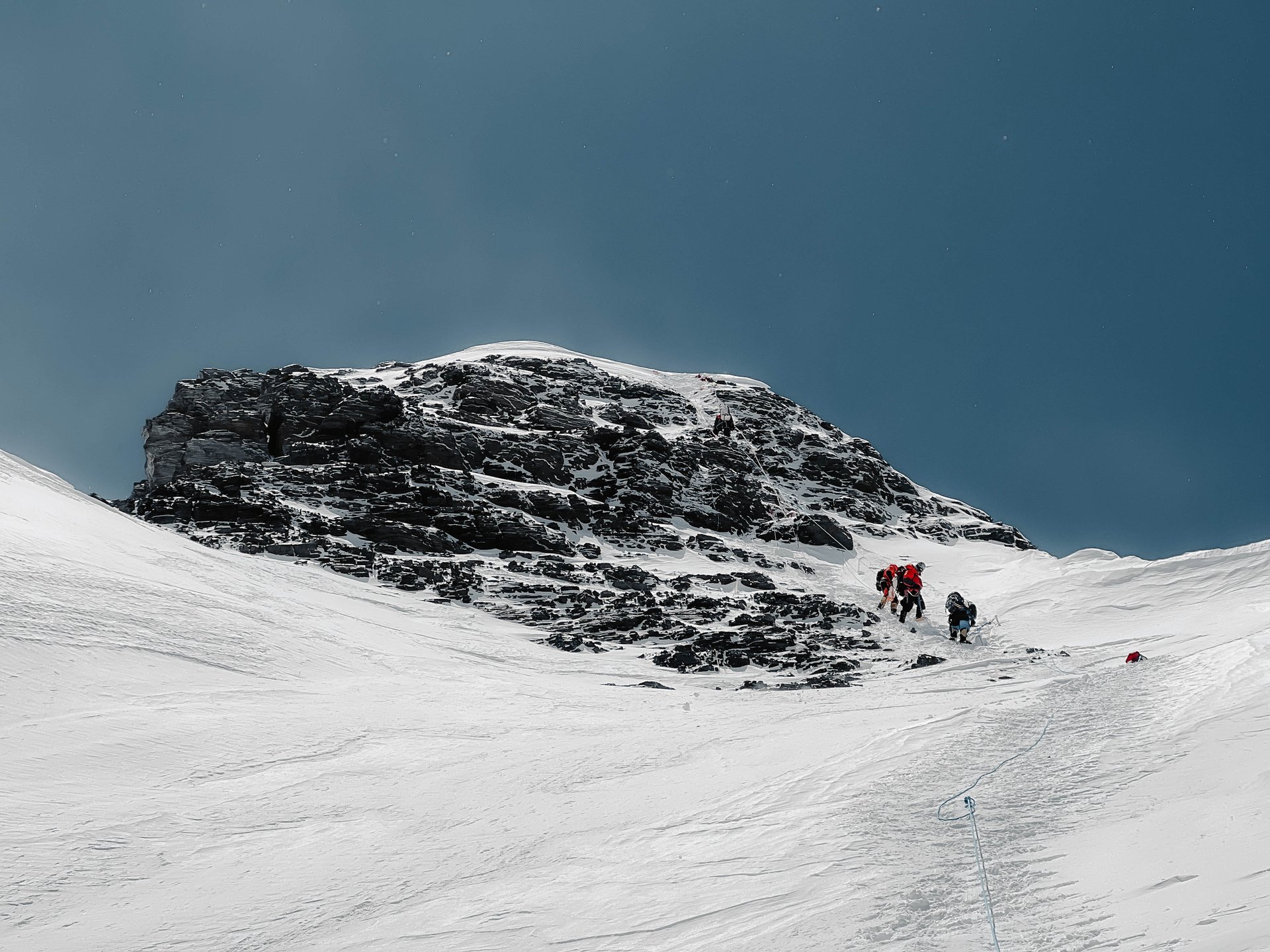
Lhotse Expedition
Lhotse — Everest’s towering neighbor and a Himalayan giant of challenge and beauty.
 8000m
8000m
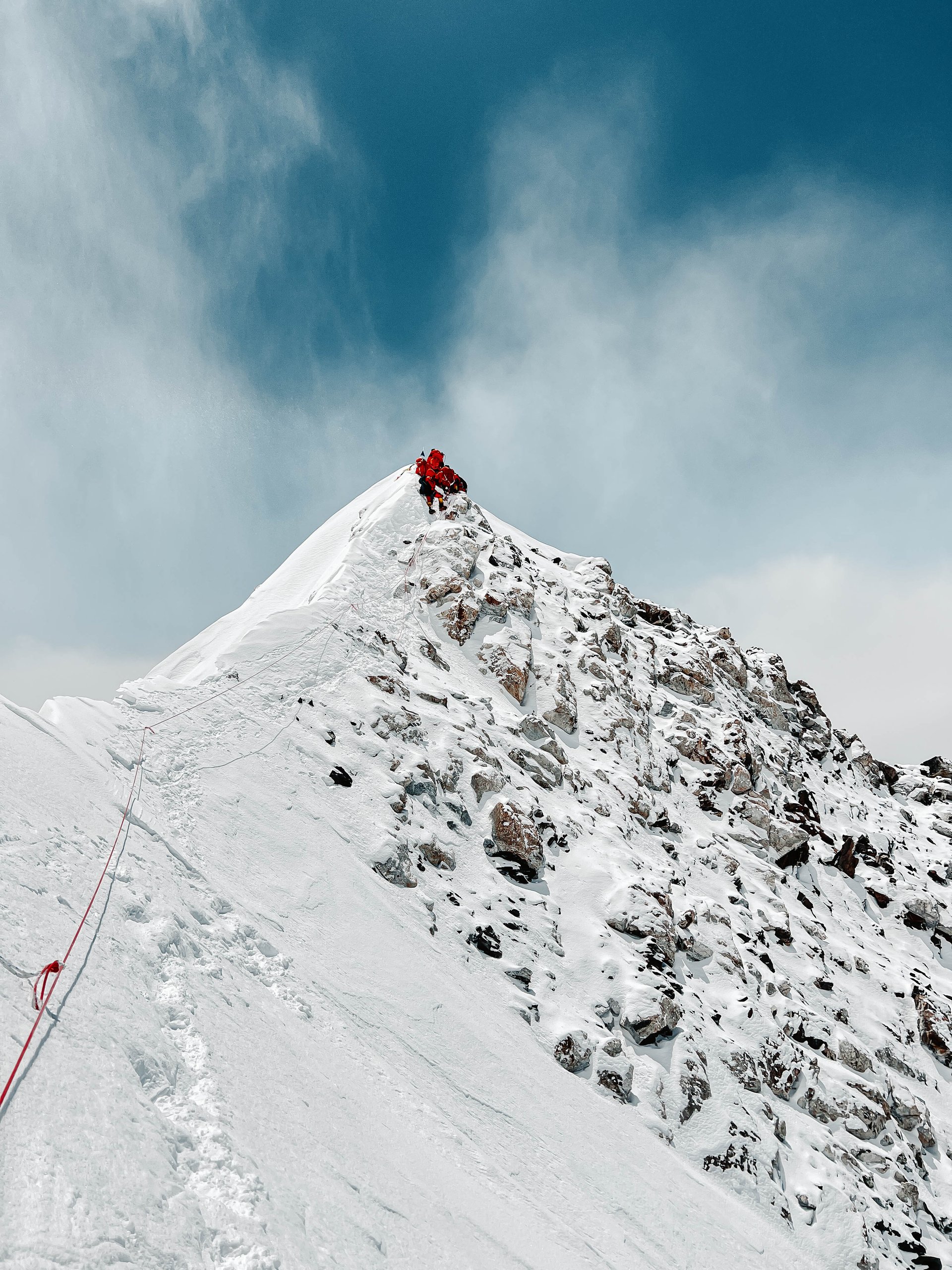
Makalu Expedition
Makalu — a fierce and elegant pyramid rising from the wild Himalayas.
 8000m
8000m
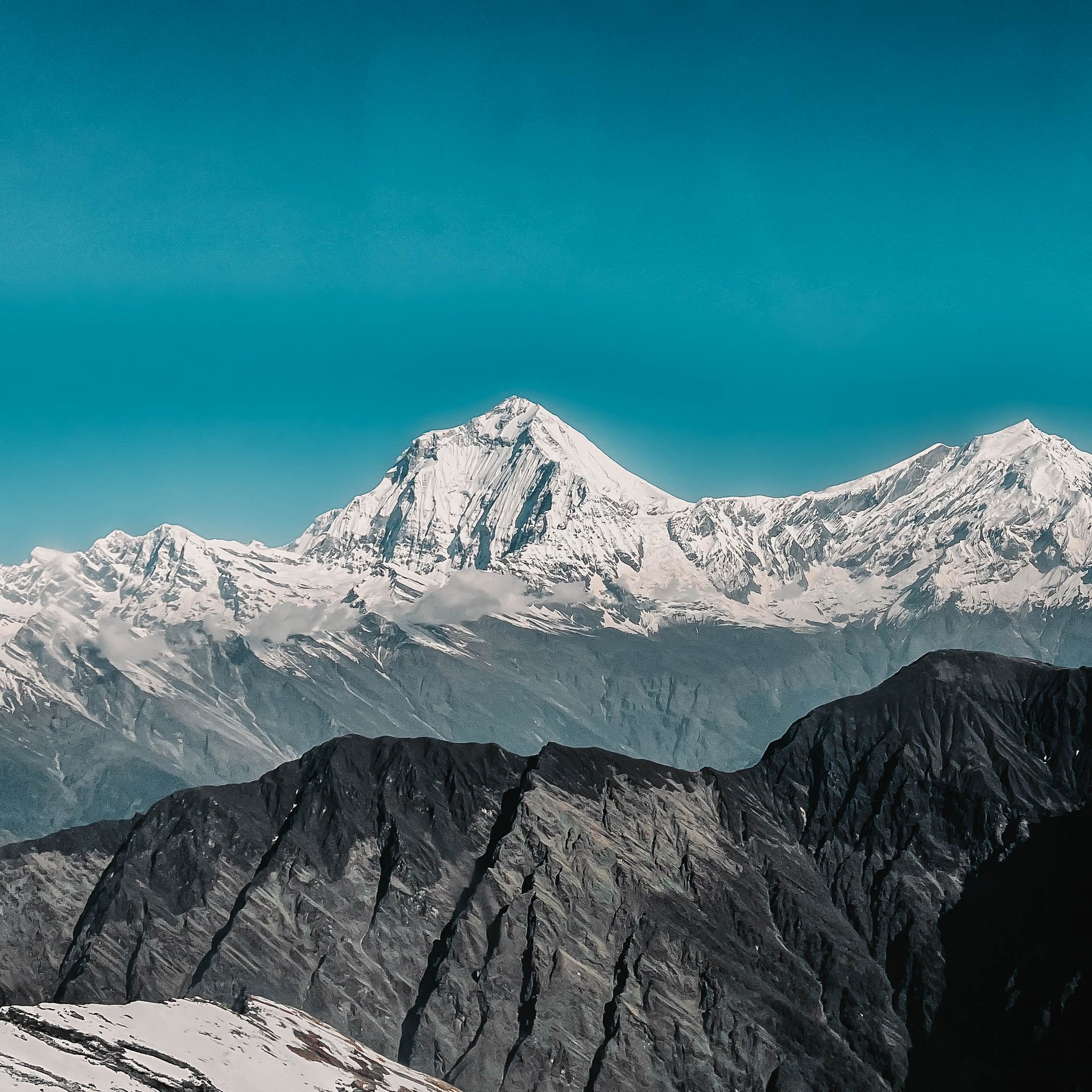
Dhaulagiri Expedition
Dhaulagiri — the white giant of the Himalayas, majestic and formidable.
 8000m
8000m
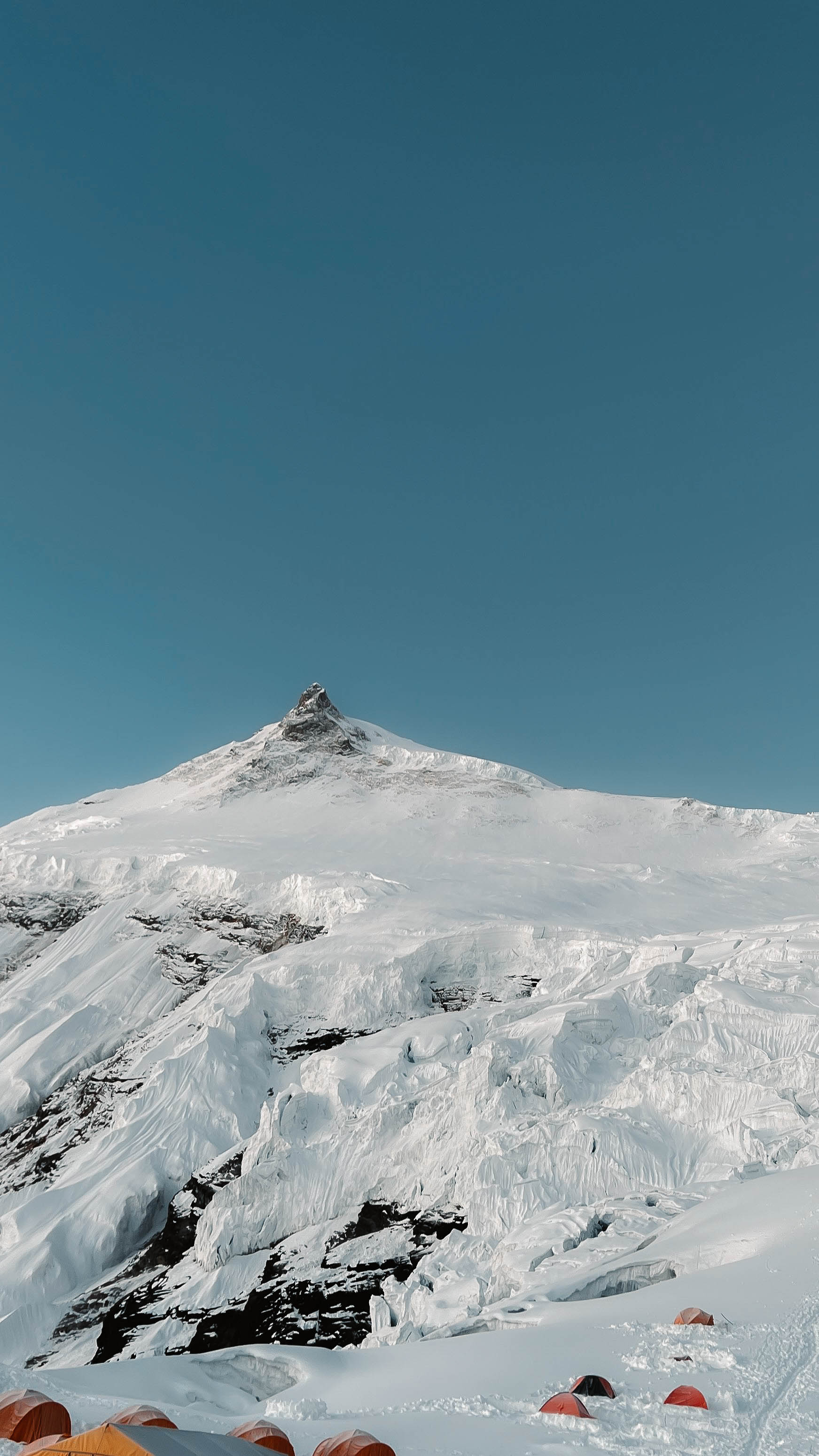
Manaslu Expedition
Book your Manaslu Expedition 2026 with expert Sherpa guides, proven itineraries, full permits, and professional high-altitude support.
 8000m
8000m
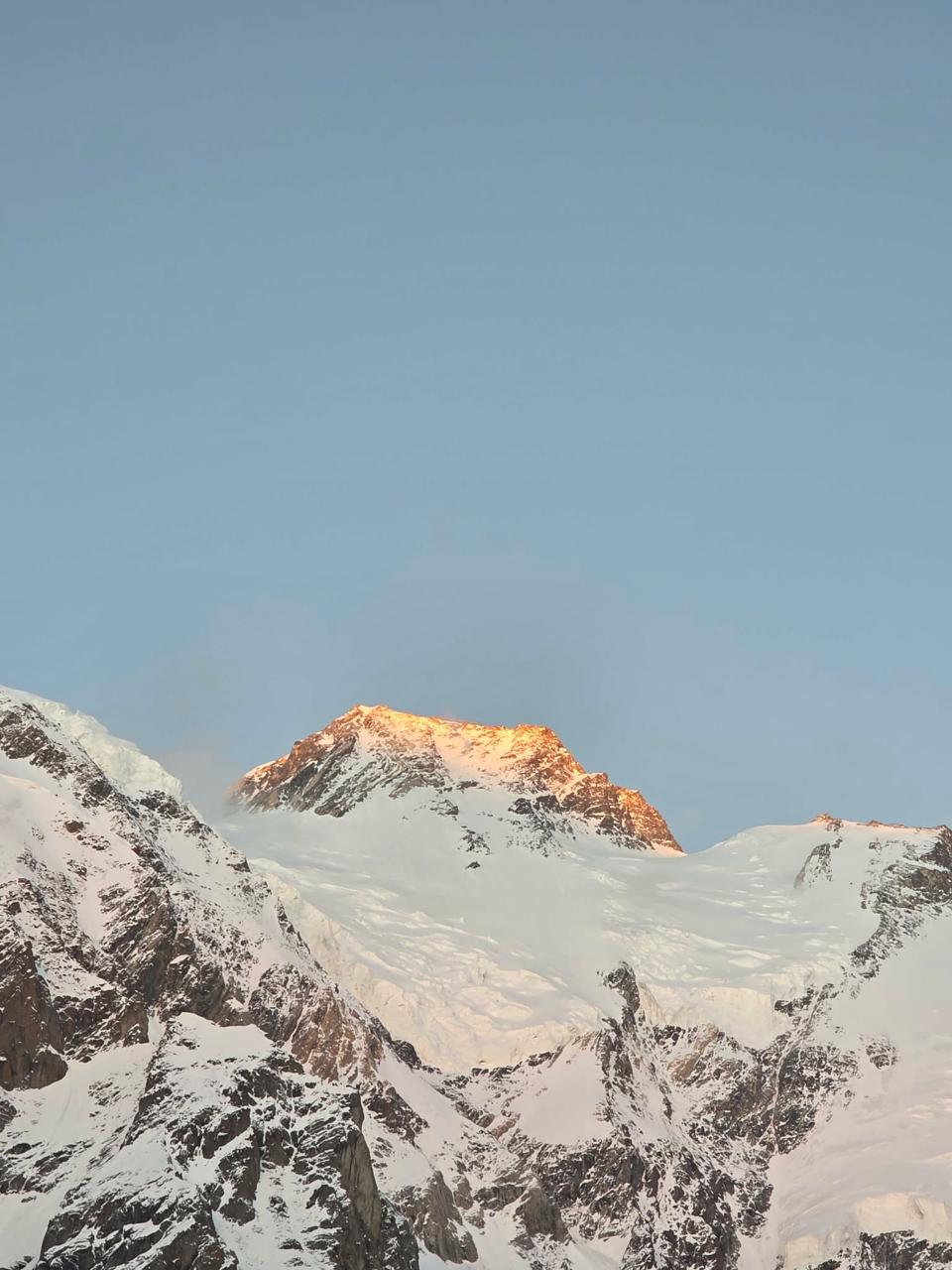
Nanga Parbat Expedition
Nanga Parbat – the Killer Mountain, where raw power meets pure adventure.
 8000m
8000m
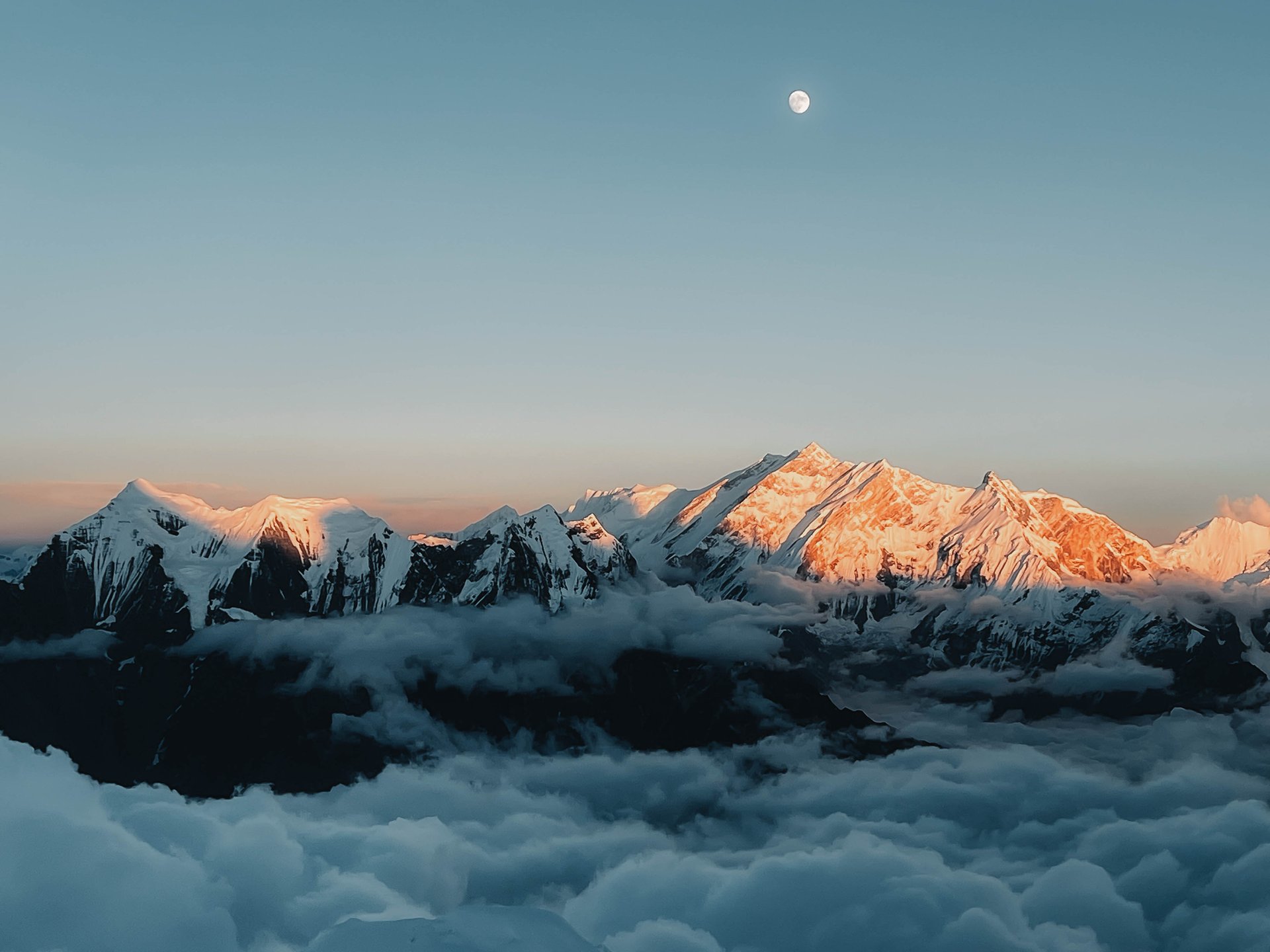
Annapurna I Expedition
Annapurna I — where raw Himalayan power meets fearless ambition.
 8000m
8000m
Gasherbrum I Expedition
Gasherbrum I — the hidden giant of the Karakoram, challenging and majestic.
Ready to Start Your Adventure?
Contact us to book your expedition or get more information