
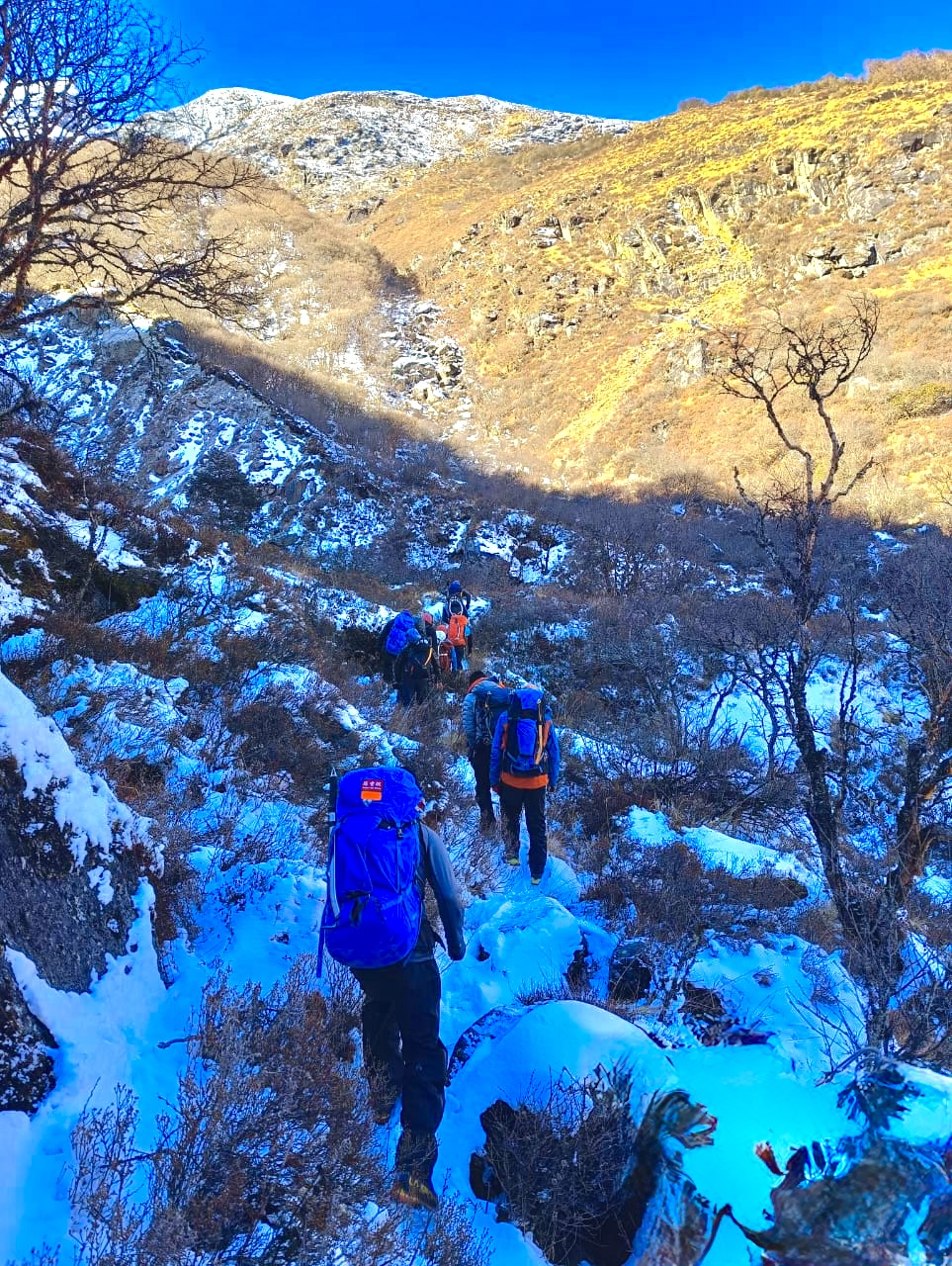
Langtang-Gosainkunda Extended Trek
Sacred Lakes & Glaciated Valley — Langtang–Gosainkunda Extended Trek, Nepal
Trek Overview
What is the Langtang–Gosainkunda Extended Trek?
The Langtang–Gosainkunda Extended Trek is one of Nepal's most beautiful multi-regional routes, weaving together the glaciated grandeur of the Langtang Valley (3,430 m / 11,253 ft), the sacred alpine lakes of Gosaikunda (4,380 m / 14,370 m), the traditional Tamang and Newar hillscapes of the Helambu region, and the ridge-top sunrise viewpoints of Nagarkot and the living Buddhist monastery complex at Namobuddha. The trek passes through Langtang National Park — the third largest in Nepal, whose northern border runs along Tibet — and Shivapuri National Park, which protects the watershed of Kathmandu Valley.
The journey begins at Syabrubesi (1,503 m / 4,930 ft) on the Bhote Koshi River, ascending through subtropical oak and rhododendron forests to Kyangjin Gompa (3,830 m / 12,566 ft), the highest permanent settlement in the valley — home to a centuries-old Buddhist monastery and a working yak-cheese factory. The optional but highly rewarding acclimatisation hike to Tserko Ri (4,984 m / 16,351 ft) is the highest viewpoint in the entire Langtang region. The route then descends south, turns through Thulo Syabru and Sing Gompa, climbs to the turquoise pilgrimage waters of Gosaikunda and the Laurebina La Pass (4,610 m / 15,124 ft), and completes the traverse through Helambu to Nagarkot and Namobuddha before returning to Kathmandu.
Three permits are required: Langtang National Park Entry Permit, Shivapuri National Park Entrance Permit and TIMS Card — all processed by AltiPro in Kathmandu. This is a genuine circuit with a rewarding cultural finish; no valley is repeated, and the route ends in Panauti near Kathmandu rather than retracing steps to Syabrubesi.
Why Trek the Langtang–Gosainkunda Extended Route with AltiPro?
Langtang Lirung at Close Range
Kyangjin Gompa sits directly below the ice walls of Langtang Lirung (7,227 m / 23,711 ft). At dawn the glacier above the village turns orange in the morning light — one of the closest approaches to a 7,000 m peak available to any trekker in Nepal without a climbing permit.
Tserko Ri — A 5,000 m View Day
From Kyangjin Gompa, an acclimatisation hike to Tserko Ri (4,984 m / 16,351 ft) — the highest point of the trek — delivers a full panorama of Gangchenpo, Yala Peak and the entire Langtang range sweeping across the horizon. One of the finest viewpoints in the Langtang region.
Sacred Gosaikunda Lake
Gosaikunda (4,380 m / 14,370 ft) is one of Nepal's most revered pilgrimage lakes — sacred to both Hindus and Buddhists, mythologically linked to Lord Shiva and the Pandavas. During the full moon of Janai Purnima in August, thousands of pilgrims make the ascent on foot to bathe in its waters.
Tamang Culture & Cheese
The Langtang Valley is the heartland of the Tamang people — a Tibetan-origin community with their own language, monastery traditions and pastoral culture. The Kyangjin cheese factory has produced yak-milk cheese since 1955, offering a tangible taste of high Himalayan life.
Red Panda Territory
The bamboo forests around Ghoretabela (3,005 m) and the sub-alpine zones of the lower trail are among the most reliable red panda habitats in Nepal. The biodiversity is equally rich at lower altitudes: langurs, Himalayan tahr, musk deer and yellow-throated martens share the forest with over 300 recorded bird species.
No Retracing — A True Circuit
This is a genuine traverse. Once Gosaikunda is reached, every subsequent day — through Chisapani, Nagarkot and the Namobuddha monastery — offers a completely different landscape. No out-and-back, no repeated valleys. The trail stays fresh from the first day to the last.
Langtang–Gosainkunda Trek Route & Approach
The trek starts at Syabrubesi (1,503 m) and finishes at Panauti near Kathmandu. The Langtang Valley trail runs up the Langtang River to Kyangjin Gompa (3,830 m), then turns south through Thulo Syabru and Sing Gompa to Gosaikunda lake (4,380 m) and the Laurebina La Pass (4,610 m). It then descends through the Helambu hills to Chisapani, Nagarkot and Namobuddha, returning to Kathmandu by road. All accommodation is teahouse-based and trails within Langtang and Shivapuri National Parks are well marked.
Langtang Valley Approach — Kathmandu → Syabrubesi → Lama Hotel → Kyangjin Gompa (3,830 m)
A 7–9 hour drive through Trishuli Bazaar and Dhunche to the Tibetan trading town of Syabrubesi. Three trekking days then ascend through the canyon-like Langtang gorge, bamboo and rhododendron forest and red panda habitat — past the rebuilt Langtang Village and Mundu — to the cultural hub of Kyangjin Gompa with its famous monastery and yak-cheese factory.
Tserko Ri Summit Day — Kyangjin Gompa → Tserko Ri (4,984 m) and return
The optional but highly recommended acclimatisation hike to Tserko Ri (4,984 m / 16,351 ft) from Kyangjin Gompa offers open alpine moraine views of Langtang Lirung, Gangchenpo, Dorje Lakpa and Yala Peak — the finest panorama in the entire Langtang region.
Gosaikunda & Laurebina La — Thulo Syabru → Sing Gompa → Gosaikunda → Pass (4,610 m) → Ghopte
Descend the valley to Thulo Syabru, then climb through dense rhododendron forest to Sing Gompa and over ridge-tops to Gosaikunda lake (4,380 m). The most demanding day crosses Laurebina La Pass (4,610 m) with its prayer flags and stupa, then descends through juniper scrub and waterfalls to Ghopte.
Helambu Circuit — Tharepati → Kutumsang → Chisapani → Nagarkot → Namobuddha → Panauti → Kathmandu
A four-day ridge walk through the Helambu hill country: sunset views from Chisapani, the full Himalayan arc at sunrise from Nagarkot (Dhaulagiri to Kanchenjunga), an overnight at the living monastery of Namobuddha, and a gentle walk through medieval Panauti before driving back to Kathmandu.
How Difficult is the Langtang–Gosainkunda Extended Trek?
The Langtang–Gosainkunda Extended Trek is a moderate to challenging route suitable for trekkers with reasonable fitness but no previous Himalayan experience, provided they follow proper acclimatisation procedures. The route is not technically difficult — no ropes, no glacier travel — but the 16+ trekking days, the Gosaikunda nights at 4,380 m, the Laurebina La crossing at 4,610 m, and several long ascents of over 1,000 m in a day demand consistent physical preparation.
Best Season for the Langtang–Gosainkunda Extended Trek
Spring (March–May): The most stable and visually rewarding window. Mid-altitude rhododendron forests between Syabrubesi and Lama Hotel turn scarlet and pink as temperatures rise, and the high passes carry good firm snow rather than the loose crust of shoulder seasons. April is ideal — Laurebina La is clear, the forest is in full bloom and morning visibility from Tserko Ri is at its finest. AltiPro spring departures fill quickly.
Autumn (October–November): Post-monsoon clarity produces outstanding mountain views across the Langtang region. The trail above Gosaikunda is firm and dry in October and November, and the panoramas from Chisapani and Nagarkot stretch unobstructed across the entire Himalayan arc. By November nights at Gosaikunda are very cold — a -15°C sleeping bag is essential. September is possible but leech-active and wet along the lower trail.
Langtang–Gosainkunda Extended Trek Cost
Full 18-day circuit from Kathmandu — three permits, guide, porter, full board teahouse & return transport included.
AltiPro packages cover all core logistics: airport transfers, welcome and farewell dinners, Langtang NP, Shivapuri NP & TIMS permits, bus/jeep to Syabrubesi and private vehicle return from Panauti, licensed English-speaking guide, porter support (20 kg), and full board teahouse accommodation. Pricing varies by group size and departure season. Request a personalised quote.
Langtang–Gosainkunda Extended Trek — FAQs
Find answers to the most common questions about the Langtang–Gosainkunda Extended Trek.
How difficult is the Langtang–Gosainkunda Extended Trek?
It is a moderate to challenging trek. The main demands are sustained altitude — nights at Gosaikunda (4,380 m), Laurebina La Pass (4,610 m), and the optional Tserko Ri summit (4,984 m) — combined with 16+ consecutive trekking days and several long daily ascents. The route has no technical sections (no ropes, no glacier travel) but requires solid cardiovascular fitness and commitment. Prior Himalayan experience is useful but not essential with proper preparation.
How many days does the Langtang–Gosainkunda Extended Trek take?
The AltiPro itinerary is 18 days from Kathmandu to Kathmandu, including the Langtang Valley approach, Tserko Ri summit day, Gosaikunda visit, Laurebina La crossing, Helambu ridge walk, Nagarkot sunrise and overnight at Namobuddha. A shorter 15-day option exists (exiting via Sundarijal from Helambu) but the extended finish through Nagarkot and Namobuddha is far more rewarding.
What is the maximum altitude on the Langtang–Gosainkunda Extended Trek?
The highest point is the summit of Tserko Ri at 4,984 m / 16,351 ft — optional but strongly recommended. The mandatory high point is Laurebina La Pass at 4,610 m / 15,124 ft, which must be crossed between Gosaikunda and Ghopte. The highest overnight point is Gosaikunda lake at 4,380 m / 14,370 ft.
What permits are required for the Langtang–Gosainkunda Trek?
Three permits are required: Langtang National Park Entry Permit, Shivapuri National Park Entrance Permit (for the Helambu section), and the TIMS Card (Trekkers' Information Management System). All three are processed by AltiPro on Day 2 in Kathmandu. Permit fees vary by nationality and season.
What is the best time for the Langtang–Gosainkunda Extended Trek?
Spring (April and May) is the primary season — stable weather, blooming rhododendrons between Syabrubesi and Lama Hotel, and reliable conditions on Tserko Ri and Laurebina La. Autumn (October and November) offers the clearest mountain views and excellent trail conditions above 3,000 m. Monsoon (June–August) and winter (December–February) are not recommended — the pass is either waterlogged or snowbound.
Is the Langtang–Gosainkunda Trek suitable for beginners?
The trek is suitable for physically fit trekkers with no previous Himalayan experience, provided proper acclimatisation is followed. The trail is not technically difficult but the length (16+ days), altitude at Gosaikunda (4,380 m) and Laurebina La (4,610 m), and consecutive trekking days require thorough physical preparation. AltiPro recommends completing the Langtang Valley Trek as a standalone first if you have no prior mountain experience.
What is the spiritual significance of Gosaikunda Lake?
Gosaikunda (4,380 m) is one of Nepal's most sacred pilgrimage sites for both Hindus and Buddhists. Hindu tradition links it to Lord Shiva, who is said to have struck the hillside with his trident to create the lake after churning the ocean of the world. Buddhist tradition associates it with Padmasambhava. During the full moon of Janai Purnima (generally in August), thousands of pilgrims make the nocturnal ascent on foot to bathe in its waters in a ritual centuries old.
What wildlife might I encounter on the Langtang–Gosainkunda Trek?
The forests between Syabrubesi and Ghoretabela are among the most accessible red panda habitats in Nepal. Langurs, Himalayan tahr, barking deer, musk deer and yellow-throated martens are regularly seen on the lower trail. Snow leopard tracks have been spotted above 4,000 m near the Gosaikunda ridge. Langtang National Park hosts over 300 bird species including the Himalayan monal pheasant, lammergeiers and various laughingthrush species.
What accommodation is available on the Langtang–Gosainkunda Extended Trek?
The entire trek is teahouse-based. Well-established lodges with good facilities exist at Syabrubesi, Lama Hotel, Langtang Village and Kyangjin Gompa. Above 3,500 m — at Sing Gompa, Gosaikunda, Ghopte and Tharepati — teahouses are more basic with limited food selection and shared facilities. Gosaikunda teahouses are busy in spring; advance booking is recommended. Rooms are typically twin-share; private rooms are available for an additional fee.
Highlights
- Langtang Lirung (7,227 m) at Close Range
- Tserko Ri Summit (4,984 m) — Finest Langtang Viewpoint
- Sacred Gosaikunda Lake (4,380 m) — Himalayan Pilgrimage Site
- Laurebina La Pass (4,610 m) — Highest Crossing
- Red Panda Territory in Langtang Gorge
- Nagarkot Sunrise — Dhaulagiri to Kanchenjunga
Detailed Itinerary
Click on each day to view details
| Day | Program | Meals | Accom. | |||||||||||||||||||||||||||||||||||||||||||||||||||||||||||||||||||||||||||||||||||||||||||||||||||||||||||||||||||||||||||||||||||||||||||||||||||||||||||||||||||||||||||
|---|---|---|---|---|---|---|---|---|---|---|---|---|---|---|---|---|---|---|---|---|---|---|---|---|---|---|---|---|---|---|---|---|---|---|---|---|---|---|---|---|---|---|---|---|---|---|---|---|---|---|---|---|---|---|---|---|---|---|---|---|---|---|---|---|---|---|---|---|---|---|---|---|---|---|---|---|---|---|---|---|---|---|---|---|---|---|---|---|---|---|---|---|---|---|---|---|---|---|---|---|---|---|---|---|---|---|---|---|---|---|---|---|---|---|---|---|---|---|---|---|---|---|---|---|---|---|---|---|---|---|---|---|---|---|---|---|---|---|---|---|---|---|---|---|---|---|---|---|---|---|---|---|---|---|---|---|---|---|---|---|---|---|---|---|---|---|---|---|---|---|---|---|---|---|
| 1 | Arrival in Kathmandu (1,350 m / 4,429 ft) | Dinner | Hotel | |||||||||||||||||||||||||||||||||||||||||||||||||||||||||||||||||||||||||||||||||||||||||||||||||||||||||||||||||||||||||||||||||||||||||||||||||||||||||||||||||||||||||||
|
Arrive at Tribhuvan International Airport, Kathmandu. Private airport transfer to hotel. Welcome briefing and trek orientation with your AltiPro guide.
2
|
Kathmandu — Permits & Sightseeing |
B / D |
Hotel |
|
| Process Langtang National Park Entry Permit, Shivapuri National Park Entrance Permit and TIMS Card at the Nepal Tourism Board office in Kathmandu. Kathmandu sightseeing by private vehicle and guide. Final gear check and route briefing.
3
|
Drive Kathmandu → Syabrubesi (1,503 m / 4,930 ft) |
B / L / D |
Lodge |
|
| Scenic 7–9 hour drive via Trishuli Bazaar and Dhunche to Syabrubesi — the Tibetan trading town on the Bhote Koshi River that serves as the gateway to the Langtang Valley. First views of the dramatic gorge country of the Langtang corridor.
4
|
Trek Syabrubesi → Lama Hotel (2,380 m / 7,808 ft) |
B / L / D |
Lodge |
|
| The trail enters the Langtang River gorge, ascending through bamboo, rhododendron and oak forest via Bamboo village and Rimche — one of the most reliable red panda habitats in Nepal. The canyon-like walls of the gorge narrow and tower above the trail. 6–7 hours.
5
|
Trek Lama Hotel → Langtang Village (3,430 m) → Mundu (3,543 m / 11,621 ft) |
B / L / D |
Lodge |
|
| The valley opens and the great wall of Langtang Lirung (7,227 m) comes into full view as the trail passes the restored Langtang Village — devastated by the 2015 earthquake and beautifully rebuilt — and the traditional Tibetan-style settlement of Mundu. First Himalayan panoramas. 6–7 hours.
6
|
Trek Mundu → Kyangjin Gompa (3,830 m / 12,566 ft) |
B / L / D |
Lodge |
|
| A short but atmospheric walking day to Kyangjin Gompa — the highest permanent settlement in the Langtang Valley. Explore the centuries-old Buddhist gompa and visit the Kyangjin cheese factory, producing yak-milk cheese since 1955. The glacier wall of Langtang Lirung fills the entire northern horizon. 2–3 hours.
7
|
TSERKO RI SUMMIT DAY — Tserko Ri (4,984 m / 16,351 ft) and return to Kyangjin |
B / L / D |
Lodge |
|
| An early start for the optional but highly recommended ascent of Tserko Ri (4,984 m / 16,351 ft), the highest point of the trek and the finest viewpoint in the Langtang region. Wide-ranging vistas from alpine moraines sweep across Langtang Lirung, Gangchenpo, Dorje Lakpa and Yala Peak. Return to Kyangjin Gompa for the afternoon. 6–8 hours round trip.
8
|
Trek Kyangjin Gompa → Lama Hotel (2,380 m) |
B / L / D |
Lodge |
|
| A long descent retracing the Langtang Valley floor to Lama Hotel — the same trail as the ascent but different in character as the valley is seen from the opposite direction. The altitude loss is significant and welcome after the high days at Kyangjin. 5–6 hours.
9
|
Trek Lama Hotel → Thulo Syabru (2,200 m / 7,218 ft) |
B / L / D |
Lodge |
|
| The route branches south from the main Langtang trail, descending briefly before climbing to the large Tamang village of Thulo Syabru through rhododendron, pine and bamboo forest. This junction marks the beginning of the southern leg of the circuit. 5–7 hours.
10
|
Trek Thulo Syabru → Sing Gompa (3,330 m / 10,925 ft) |
B / L / D |
Lodge |
|
| Climb through dense cloud forest and rhododendron jungle to the Tibetan monastery settlement of Sing Gompa (3,330 m), which sits on a high ridge with growing views of Ganesh Himal and the Manaslu massif. A quiet, atmospheric stop before the high-altitude push to Gosaikunda. 3–5 hours.
11
|
Trek Sing Gompa → Gosaikunda (4,380 m / 14,370 ft) |
B / L / D |
Lodge |
|
| The trail climbs steeply through Cholangpati and Laurebina, passing a series of smaller sacred lakes before arriving at the turquoise waters of Gosaikunda — one of Nepal's most venerated pilgrimage sites, sacred to both Hindus and Buddhists. The setting, at 4,380 m with glaciated peaks all around, is extraordinary. 5–7 hours.
12
|
LAUREBINA LA PASS DAY — Gosaikunda → Ghopte (3,440 m / 11,286 ft) via Laurebina La (4,610 m / 15,124 ft) |
B / L / D |
Lodge |
|
| The most demanding day of the trek. A pre-dawn start to cross Laurebina La (4,610 m / 15,124 ft) — a high col marked by prayer flags and a stupa with panoramic views before the long descent to Ghopte through juniper scrub, waterfalls and open alpine meadows. The track down to Ghopte can be icy — careful footing required. 7–8 hours.
13
|
Trek Ghopte → Kutumsang (2,470 m / 8,103 ft) via Tharepati (3,690 m) |
B / L / D |
Lodge |
|
| The trail climbs from Ghopte to Tharepati (3,690 m) — a junction with wide Himalayan ridge views — then descends through forest and alpine meadow to the Helambu village of Kutumsang. The character of the landscape shifts from high alpine to the gentler Helambu hills. 6–7 hours.
14
|
Trek Kutumsang → Chisapani (2,165 m / 7,103 ft) via Gul Bhanjyang |
B / L / D |
Lodge |
|
| A ridge walk through the Helambu hill country past mani stone walls, traditional Tamang and Sherpa villages and high pastures with cloud views. Chisapani sits on a prominent ridge with outstanding sunset views west across the Kathmandu Valley. 7–8 hours.
15
|
Trek Chisapani → Nagarkot (2,175 m / 7,136 ft) |
B / L / D |
Hotel |
|
| Continue along the ridge to Nagarkot — the most famous sunrise viewpoint near Kathmandu, where the full Himalayan arc from Dhaulagiri to Kanchenjunga is visible in clear conditions. An overnight here ensures the best chance of catching the dawn panorama before the final leg to Namobuddha. 6–7 hours.
16
|
Trek / Drive Nagarkot → Namobuddha (1,750 m / 5,741 ft) |
B / L / D |
Hotel |
|
| Descend from Nagarkot to the living Tibetan Buddhist monastery complex of Namobuddha — a major pilgrimage site where the Buddha is said to have offered his body to a starving tigress — for an overnight stay in the monastery guesthouse. 6–7 hours walk or partial jeep transfer.
17
|
Trek Namobuddha → Panauti → Drive to Kathmandu |
B / L / D |
Hotel |
|
| A 3-hour walk through farmland and forest to medieval Panauti (1,504 m / 4,934 ft) — one of Nepal's best-preserved ancient Newari towns — followed by a 1.5-hour drive back to Kathmandu. Farewell dinner in Kathmandu. AltiPro trek completion certificate presented.
18
|
Final Departure from Kathmandu |
Breakfast |
— |
|
| Airport transfer for your onward international flight. End of AltiPro Adventures service. | ||||||||||||||||||||||||||||||||||||||||||||||||||||||||||||||||||||||||
Services
Includes
- ✅ Langtang National Park Entry Permit — applicable season rate
- ✅ Shivapuri National Park Entrance Permit
- ✅ TIMS Card — Trekkers' Information Management System
- ✅ Nepal government taxes and company service charges
- ✅ Airport pick-up and drop-off — private vehicle
- ✅ 2 nights hotel in Kathmandu (BB) — single room
- ✅ Welcome dinner and farewell dinner in Kathmandu
- ✅ Kathmandu sightseeing on permit day — private vehicle and guide
- ✅ Trekking map, route briefing document, and one AltiPro Adventures duffle bag
- ✅ Bus/jeep: Kathmandu → Syabrubesi (local bus, approx. 7–9 hours)
- ✅ Private vehicle: Panauti → Kathmandu on final day
- ✅ Porter support — up to 20 kg per trekker throughout
- ✅ All Nepalese staff wages, meals, accommodation, insurance, and equipment
- ✅ Experienced licensed English-speaking trekking guide for the full duration
- ✅ Full board teahouse accommodation throughout — breakfast, lunch, dinner
- ✅ Tea and coffee included with all meals on trek
- ✅ 6-hourly weather forecast service during the trek
- ✅ Government-licensed, English-speaking trek guide
- ✅ All guide and porter insurance, permits, and protective equipment
- ✅ Comprehensive first-aid medical kit and altitude management protocol
- ✅ Pulse oximeter for daily oxygen saturation monitoring
- ✅ Satellite communication device for emergency contact
- ✅ Emergency helicopter evacuation coordination — standby pre-arranged from Kathmandu
Excludes
- ❌ International airfare to and from Kathmandu
- ❌ Nepal entry visa fee — USD 25 (15 days) / USD 40 (30 days) / USD 100 (90 days)
- ❌ Personal trekking gear, clothing, boots, and sleeping bag
- ❌ Lunch and dinner in Kathmandu outside of included welcome and farewell meals
- ❌ Extra accommodation in Kathmandu for early arrival or late departure
- ❌ Beverages, soft drinks, alcohol, hot shower, laundry, and battery recharge fees
- ❌ Travel, medical, and high-altitude helicopter rescue insurance — mandatory for all participants
- ❌ Tips for trekking guide — recommended minimum USD 100–150 per guide
- ❌ Tips for porter — recommended minimum USD 60–80 per porter
- ❌ Special filming, photography, and drone permit fees
- ❌ Costs arising from flight delays, weather hold-ups, or route changes outside AltiPro's control
- ❌ Any services not listed in the Includes section above
Gear Lists & Useful Information
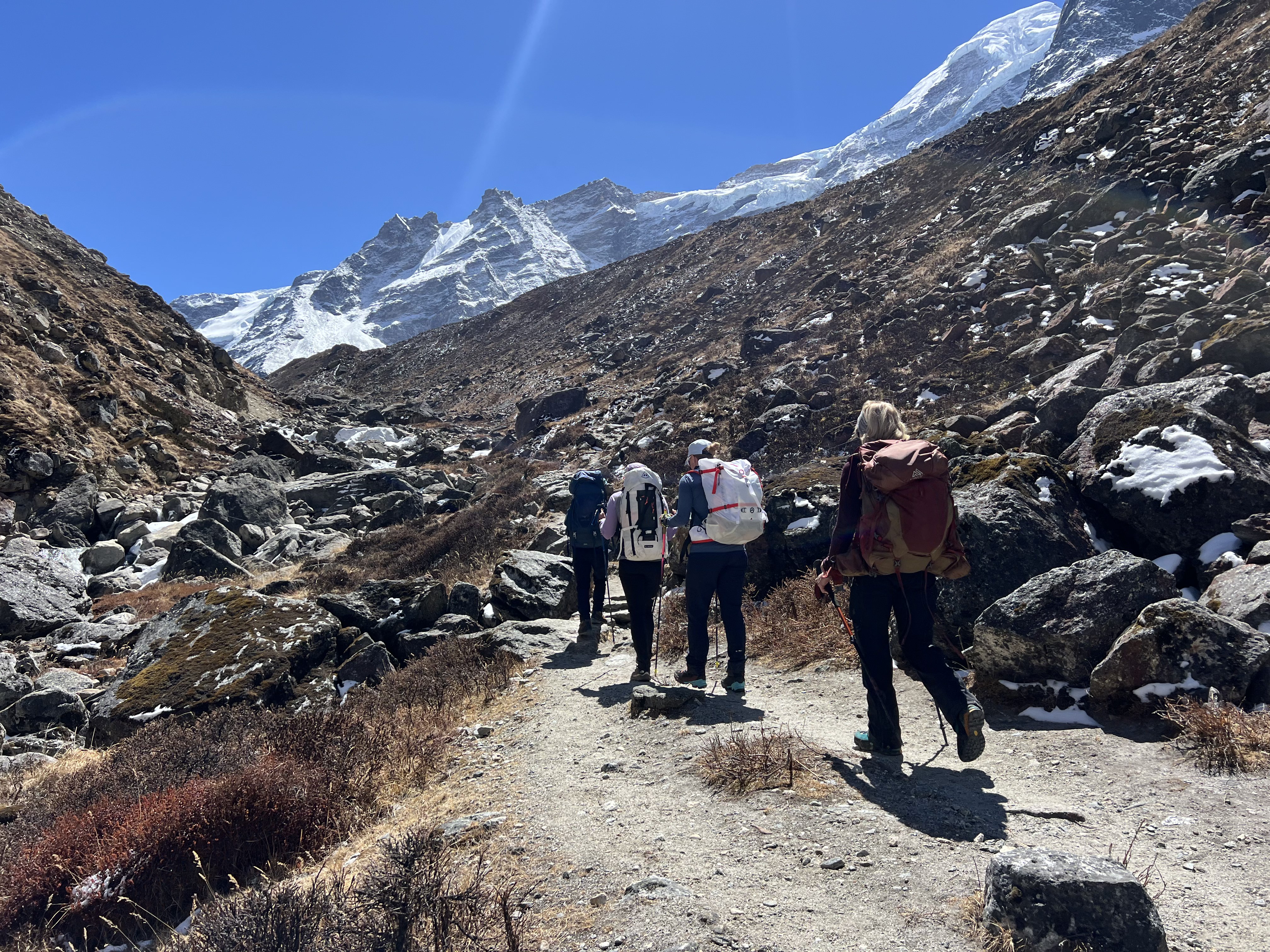
Been on this trek?
Your feedback helps other travelers plan their adventure of a lifetime. Share your experience with us!
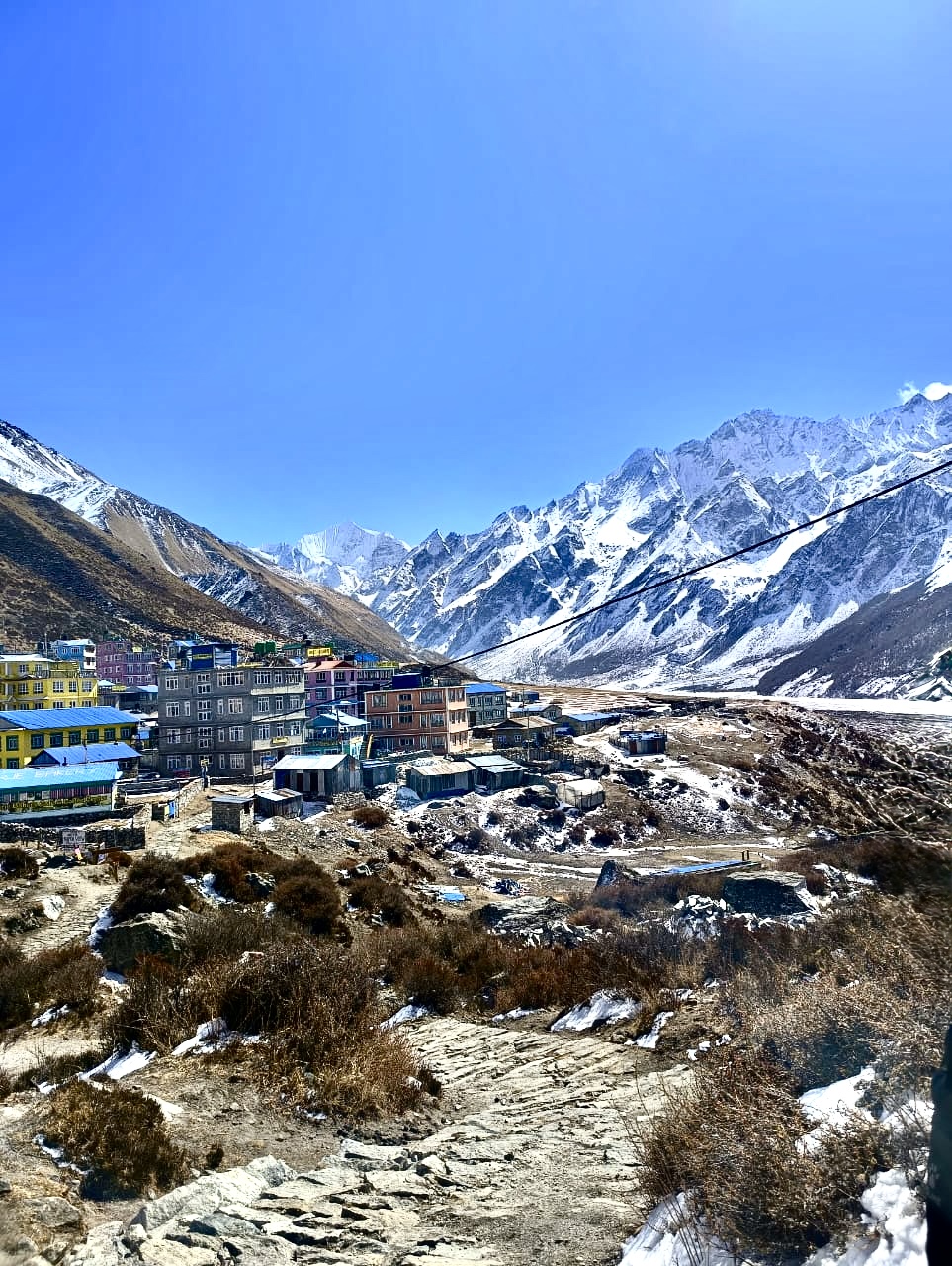
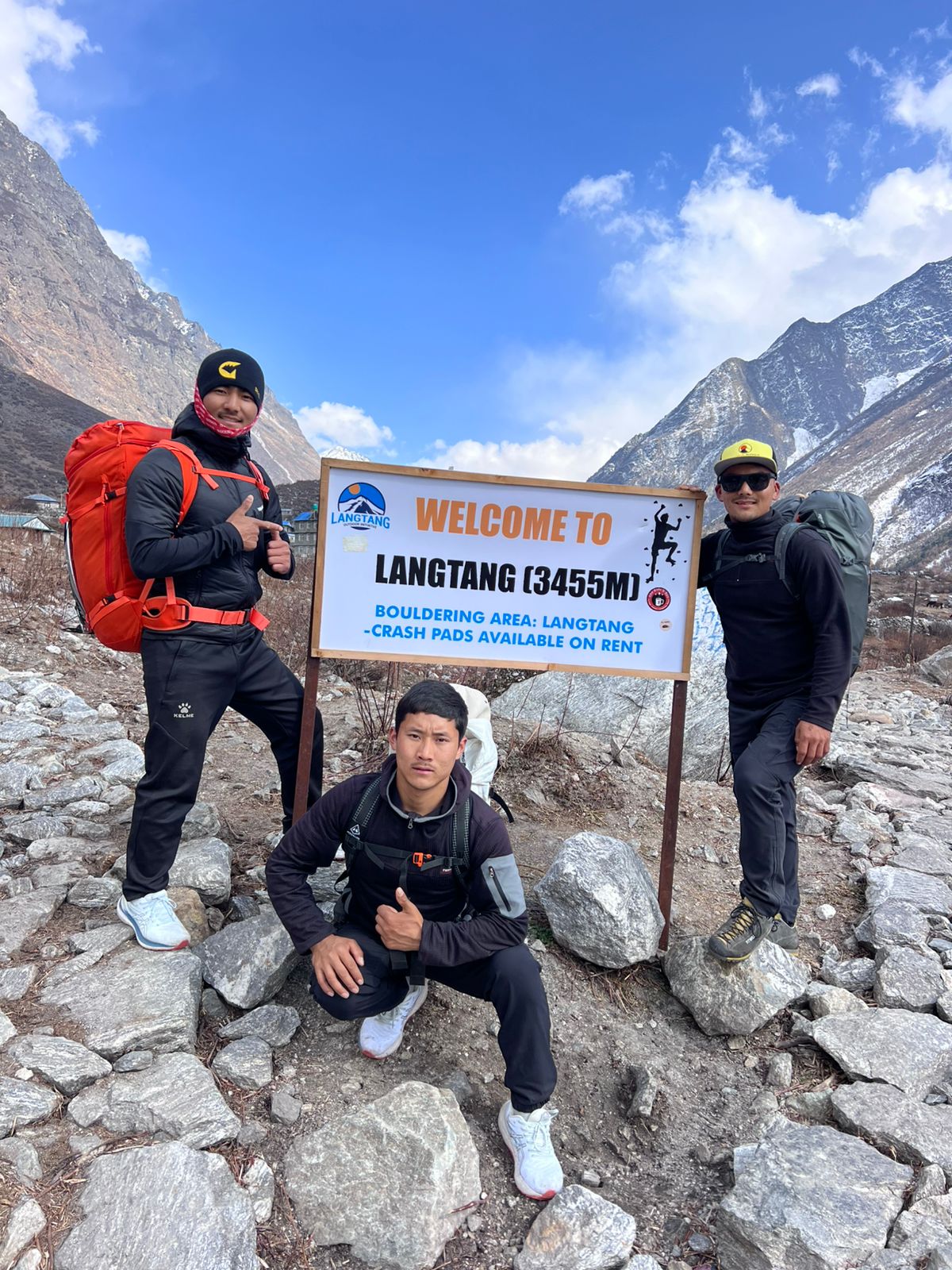
Ready to Start Your Trekking Adventure?
Contact us to book your trek or get more information