
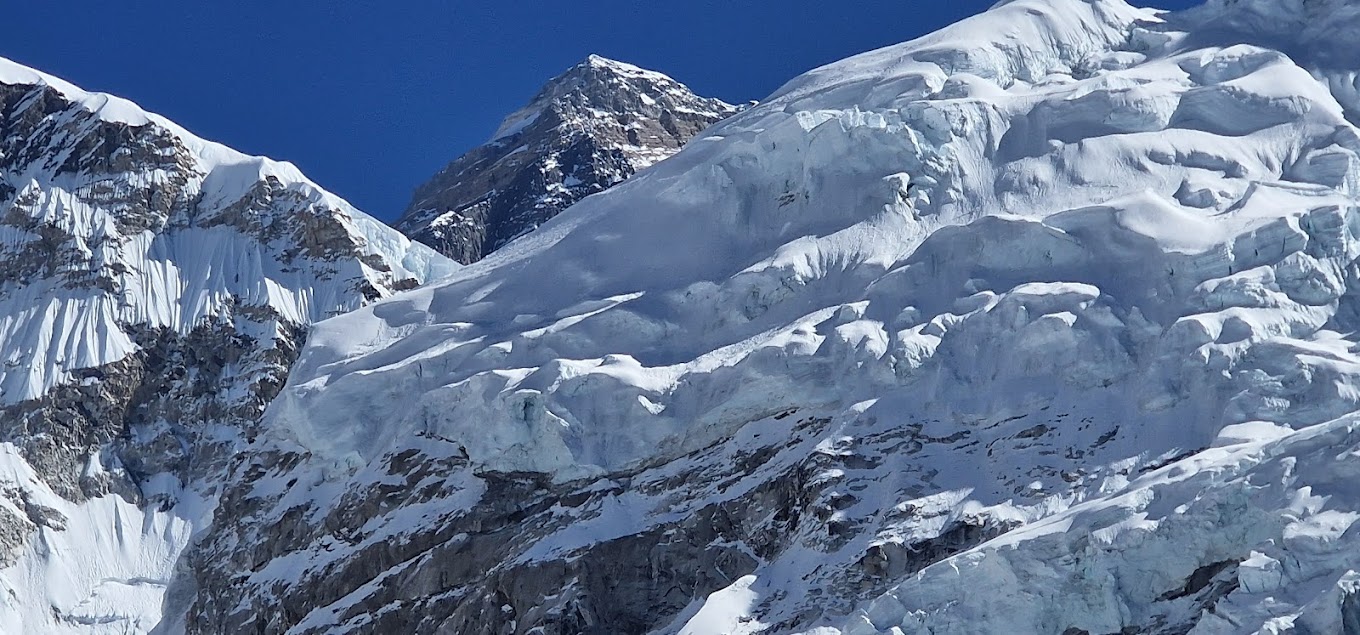
Pisang Peak Expedition
Pisang Peak (6,091m) — a striking trekking peak in the Annapurna region, rising above the Manang Valley with panoramic views of Annapurna II, III, IV, and Gangapurna.
Expedition Overview
What is the Pisang Peak Expedition?
Pisang Peak stands at 6,091 metres in the Manang district of Nepal, accessed from the Annapurna Circuit near the village of Pisang. One of Nepal's most popular trekking peaks, Pisang Peak can be combined with the classic Annapurna Circuit trek, making it a natural addition for trekkers already planning the region. First climbed in 1955 by Herbert Tichy and Sepp Jöchler of an Austrian expedition, Pisang Peak offers a relatively straightforward summit route for its altitude, combining snow, ice, and mixed sections on the Southeast Ridge.
AltiPro's Pisang Peak Expedition follows the Southeast Ridge, the standard route on the mountain. Base Camp is established at approximately 4,300m near Pisang village, with High Camp at around 5,400m before the summit push to 6,091m. The 16-day itinerary from Kathmandu includes the Marsyangdi valley approach trek and all acclimatisation days. Maximum 8 climbers with a 1:1 Sherpa ratio throughout.
Pisang Peak is rated Moderate — accessible to trekkers with good fitness who are new to technical high-altitude climbing. AltiPro's Sherpa guides introduce all necessary crampon and rope techniques before the technical sections. Prior trekking experience to altitude above 4,000m is recommended.
About Pisang Peak — The Annapurna Circuit's Classic Summit
Pisang Peak rises dramatically above the village of Pisang in the Marsyangdi valley, visible from the Annapurna Circuit path below as a prominent triangular peak. The mountain sits at the gateway to the Manang valley with the Annapurna and Pisang massifs forming a spectacular backdrop. Upper Pisang village — one of the most scenic traditional villages on the Annapurna Circuit, with its ancient gompa overlooking the valley — sits just below Base Camp.
The Annapurna Circuit approach from Besisahar passes through a remarkable diversity of landscapes: subtropical forest in the lower valley, terraced farmland in the middle elevations, and the dramatic high desert of the Manang district above 3,000m. This variety makes the approach one of the most visually engaging mountain treks in Nepal, with Pisang Peak serving as its outstanding high-altitude summit objective.
Why Choose AltiPro Adventures for Pisang Peak?
Perfect Annapurna Circuit Add-On
Pisang Peak is the natural high-altitude extension for trekkers doing the Annapurna Circuit. AltiPro can arrange a combined itinerary covering both the Circuit and the Pisang Peak summit in a single expedition without additional travel overhead.
Ideal First Technical Peak
Pisang Peak's Southeast Ridge combines snow, ice, and mixed terrain at a manageable altitude — an excellent introduction to technical climbing. AltiPro's Sherpa guides provide instruction in crampon use, ice axe technique, and basic rope skills during the approach and before summit day.
Dramatic Manang Valley Setting
Base Camp and High Camp positions offer extraordinary views of the Annapurna massif, Gangapurna, and Tilicho Peak with the high desert plateau of Manang below. The summit panorama extends across the entire Annapurna and Dhaulagiri ranges.
Full Sherpa Support and Equipment
All technical equipment for summit day — crampons, harness, ice axe, and rope — is provided by AltiPro. A 1:1 Sherpa ratio ensures personal coaching and close safety monitoring on every technical section of the Southeast Ridge.
Medical Support
A full medical kit at High Camp and satellite communication for emergency coordination. Manang village below Base Camp has a Himalayan Rescue Association clinic open during the trekking seasons, providing an additional medical resource close to camp.
Spring and Autumn Options
AltiPro operates Pisang Peak in both spring (April–May) and autumn (October–November), the two most reliable seasons for stable weather in the Manang district and optimal visibility on summit day.
The Southeast Ridge Route (6,091 m)
The Southeast Ridge is the standard route on Pisang Peak. The approach from Kathmandu via Besisahar and the Marsyangdi valley reaches Pisang village in approximately 4 to 5 days of trekking along the classic lower Annapurna Circuit route.
-
Kathmandu to Pisang Base Camp via Besisahar (1,400m to 4,300m)
Drive from Kathmandu to Besisahar, then trek along the Marsyangdi valley via Chame, Lower Pisang, and Upper Pisang to Base Camp at approximately 4,300m — following the classic lower Annapurna Circuit route through its most varied and scenic section.
-
Base Camp to High Camp (4,300m to 5,400m)
The route climbs steeply from Base Camp toward the Southeast Ridge to High Camp at approximately 5,400m. The terrain is rocky lower down, transitioning to snow above 5,000m. Acclimatisation rotations are completed before the summit push.
-
High Camp to Summit (5,400m to 6,091m)
The final summit push follows the upper Southeast Ridge to the summit at 6,091m. The terrain includes mixed rock and snow sections requiring crampons and basic rope technique. The summit delivers panoramic views of Annapurna I, II, III and IV, Gangapurna, Tilicho Peak, and the high desert plateau of the Manang valley.
How Difficult is the Pisang Peak Expedition?
Pisang Peak is rated Moderate. The Southeast Ridge involves mixed snow, ice, and rock at a manageable altitude, with no sections of extreme technical demand. The main challenges are the physical effort of the steep approach and the altitude on summit day. An excellent choice for a first technical peak in the Nepal Himalaya.
Best Season for the Pisang Peak Expedition
Spring (April–May): Stable pre-monsoon conditions with excellent visibility for the Annapurna panorama on summit day. Early May is considered the optimal spring window.
Autumn (October–November): Crisp post-monsoon conditions with clear skies. October is the ideal autumn month. AltiPro operates both seasons — contact for current dates.
Pisang Peak Expedition Cost
Full-service Pisang Peak expedition — Annapurna Circuit approach, all technical summit equipment, and full Sherpa support included.
Includes NMA trekking peak permit, ACAP and TIMS fees, Annapurna Circuit approach trek, full Sherpa support to summit, all technical equipment for summit day (crampons, harness, rope, ice axe), High Camp cook service, and a complete medical kit. International flights and personal trekking equipment are not included. Contact AltiPro for a complete cost breakdown.
Pisang Peak Expedition — Frequently Asked Questions
Common questions about climbing Pisang Peak with AltiPro Adventures.
Is Pisang Peak suitable for beginners?
Yes. Pisang Peak is one of Nepal's most accessible first technical peaks. Good trekking fitness and prior experience to altitude above 4,000m is recommended. No prior technical climbing experience is required — AltiPro's Sherpa guides introduce all necessary skills during the expedition.
Can Pisang Peak be combined with the Annapurna Circuit?
Yes. Pisang Peak is perfectly positioned on the Annapurna Circuit near Pisang village. AltiPro can arrange a combined itinerary that includes both the full Circuit trek and the Pisang Peak summit.
What technical skills are needed?
Basic crampon and ice axe technique is introduced by AltiPro's Sherpa guides before the technical sections. All technical equipment — crampons, harness, rope, and ice axe — is provided by AltiPro. No prior climbing experience is required.
How long is the expedition?
16 days from Kathmandu to return, including the Marsyangdi valley approach trek, acclimatisation at Base Camp and High Camp, and the summit attempt on Pisang Peak (6,091m).
When does AltiPro operate Pisang Peak?
Both spring (April–May) and autumn (October–November). October and early May are the optimal summit months. Contact AltiPro for current season dates and availability.
What are the summit views like?
The summit at 6,091m provides panoramic views of Annapurna I, II, III and IV, Gangapurna, Tilicho Peak, and the high desert plateau of the Manang valley — one of the most varied summit panoramas of any trekking peak in Nepal.
What permits are required?
Nepal Mountaineering Association (NMA) trekking peak permit plus TIMS and Annapurna Conservation Area Project (ACAP) fee. AltiPro manages all permit applications from Kathmandu.
Is there medical support?
AltiPro carries a full medical kit at High Camp with satellite communication for emergencies. Manang village below Base Camp has a Himalayan Rescue Association clinic open during the trekking seasons — an additional medical resource close to camp.
Detailed Itinerary
Click on each day to view details
| Day | Program | Meals | Accom. | |||||||||||||||||||||||||||||||||||||||||||||||||||||||||||||||||||||||||||||||||||||||||||||||||||||||||||||||||||||||||||||||||||||||||||||||||||||||||||||||||
|---|---|---|---|---|---|---|---|---|---|---|---|---|---|---|---|---|---|---|---|---|---|---|---|---|---|---|---|---|---|---|---|---|---|---|---|---|---|---|---|---|---|---|---|---|---|---|---|---|---|---|---|---|---|---|---|---|---|---|---|---|---|---|---|---|---|---|---|---|---|---|---|---|---|---|---|---|---|---|---|---|---|---|---|---|---|---|---|---|---|---|---|---|---|---|---|---|---|---|---|---|---|---|---|---|---|---|---|---|---|---|---|---|---|---|---|---|---|---|---|---|---|---|---|---|---|---|---|---|---|---|---|---|---|---|---|---|---|---|---|---|---|---|---|---|---|---|---|---|---|---|---|---|---|---|---|---|---|---|---|---|---|---|---|---|
| 1 | Arrival in Kathmandu | Dinner | Hotel | |||||||||||||||||||||||||||||||||||||||||||||||||||||||||||||||||||||||||||||||||||||||||||||||||||||||||||||||||||||||||||||||||||||||||||||||||||||||||||||||||
|
Arrive at Kathmandu Tribhuvan International Airport. Transfer to hotel, welcome dinner, and expedition briefing.
2
|
Kathmandu — Permit Processing & Gear Check |
Breakfast / Dinner |
Hotel |
|
|
Process NMA climbing permit and ACAP, gear check, and sightseeing in Kathmandu.
3
|
Drive Kathmandu → Besisahar → Ngadi (930m) |
Breakfast / Lunch / Dinner |
Lodge |
|
|
Drive via the Prithvi Highway along the Marsyangdi River to Ngadi (approx. 7–8 hrs). Start of the classic Annapurna Circuit approach.
4
|
Trek Ngadi → Jagat (1,314m) |
Breakfast / Lunch / Dinner |
Lodge |
|
|
Trek through subtropical forest and the lower Marsyangdi gorge to Jagat.
5
|
Trek Jagat → Dharapani → Chame (2,670m) |
Breakfast / Lunch / Dinner |
Lodge |
|
|
Valley widens as the route continues to Chame. Lamjung Himal and Annapurna II come into view.
6
|
Trek Chame → Upper Pisang (3,300m) |
Breakfast / Lunch / Dinner |
Lodge |
|
|
Trek through pine forest and apple orchards to Upper Pisang, with the first clear view of Pisang Peak above the village.
7
|
Acclimatization Day at Upper Pisang (3,300m) |
Breakfast / Lunch / Dinner |
Lodge |
|
|
Rest and acclimatization day with a short hike to Ghyaru (3,673m) for altitude adaptation. Gear issue and crampon briefing.
8
|
Trek Upper Pisang → Pisang Peak Base Camp (4,380m) |
Breakfast / Lunch / Dinner |
Tent |
|
|
Ascend through sparse forest and yak pasture to the Kharka and establish Base Camp at 4,380m.
9
|
Rest & Acclimatization at Base Camp |
Breakfast / Lunch / Dinner |
Tent |
|
|
Rest day at Base Camp with a short carry toward High Camp. Climbing Sherpa route briefing and rope and crampon practice.
10
|
Trek Base Camp → High Camp (5,400m) |
Breakfast / Lunch / Dinner |
Tent |
|
|
Ascend via the South-West Ridge to High Camp at 5,400m. Rocky trail steepens with a spectacular Annapurna panorama opening above.
11
|
Summit Day — Pisang Peak (6,091m) |
Breakfast / Lunch / Dinner |
Tent |
|
|
Pre-dawn departure from High Camp. Ascend the Southwest Ridge and 55-degree final snow and ice slope to the summit at 6,091m, then descend to Base Camp.
12
|
Buffer / Second Summit Window Day |
Breakfast / Lunch / Dinner |
Tent |
|
|
Rest at Base Camp or second summit attempt if Day 11 conditions were not suitable.
13
|
Trek Base Camp → Ghyaru → Ngawal → Manang (3,540m) |
Breakfast / Lunch / Dinner |
Lodge |
|
|
Descend from Base Camp through Ghyaru and Ngawal to rejoin the Annapurna Circuit trail at Manang.
14
|
Trek Manang → Yak Kharka (4,350m) |
Breakfast / Lunch / Dinner |
Lodge |
|
|
Continue along the Annapurna Circuit to Yak Kharka. Optional: continue across Thorong La (5,416m) to Muktinath and Pokhara for full circuit completion.
15
|
Drive / Fly Pokhara → Kathmandu |
Breakfast / Dinner |
Hotel |
|
|
Travel from Pokhara or trek end point to Kathmandu. Transfer to hotel, farewell dinner, and Pisang Peak climbing certificate presented.
16 – 17
|
Buffer Days — Weather or Logistics Reserve |
Breakfast |
Hotel |
|
|
Reserved buffer for weather delays, a second summit window, or road disruptions.
18
|
Final Departure from Kathmandu |
Breakfast |
|
|
|
Transfer to Kathmandu Tribhuvan International Airport for international departure.
| ||||||||||||||||||||||||||||||||||||||||||||||||||||||||||||||||||||
Services
Includes
- ✅ Pisang Peak Climbing Permit — Nepal Mountaineering Association (NMA)
- ✅ Annapurna Conservation Area Permit (ACAP)
- ✅ TIMS Card — Trekkers' Information Management System
- ✅ 1 Government Liaison Officer — full salary, equipment, and accommodation
- ✅ Nepal government taxes and company service charges
- ✅ Airport pick-up and drop — private vehicle
- ✅ 4 nights 5-star hotel in Kathmandu (BB) — single room
- ✅ Welcome dinner and farewell dinner in Kathmandu
- ✅ Trekking and expedition map. One AltiPro Adventures duffle bag.
- ✅ Private jeep / vehicle: Kathmandu to Besisahar and return
- ✅ Full board teahouse / lodge accommodation throughout the approach and return trek
- ✅ Porter support — up to 30 kg per member, Besisahar to Base Camp and return
- ✅ All Nepalese staff and porter daily wages, salary, equipment, food, and clothing
- ✅ Experienced Base Camp Manager and climbing guide for the full expedition
- ✅ 3 meals per day at Base Camp (BLD) — freshly prepared at tented camp
- ✅ Individual tent with mattress and sleeping gear at Base Camp
- ✅ Dining tent, kitchen tent, toilet tent, and store tent at Base Camp
- ✅ 6-hourly summit-specific weather forecast throughout the expedition
- ✅ Satellite phone for emergency use (per-call charge for personal use)
- ✅ Walkie-talkies: Base Camp to High Camp communication throughout
- ✅ Comprehensive first aid medical kit for members and staff
- ✅ High-altitude tents at High Camp (5,400m) — 2 members per tent
- ✅ High-altitude food and hot drinks at High Camp and on summit day
- ✅ EPI gas, cooking equipment, fixed ropes, and anchor hardware for the route
- ✅ Route fixing on the 55-degree upper snow and ice section
- ✅ 1 certified climbing Sherpa per member during the full climbing phase
- ✅ Climbing Sherpa salary, equipment, food, clothing, and insurance
- ✅ Carry bonus and route-fixing charges included
- ✅ Helicopter rescue standby pre-arranged from Kathmandu before expedition departure
- ✅ Puja ceremony at Pisang Peak Base Camp before climbing begins
- ✅ Pisang Peak climbing certificate on successful summit
Excludes
- ❌ International flight airfare (from and to Kathmandu)
- ❌ Nepalese Visa fee — USD 125 for 90 days
- ❌ Personal trekking and climbing gear, clothing, and equipment
- ❌ Soaps, shampoos, toilet paper, and personal hygiene items
- ❌ Lunch and dinner in Kathmandu except included welcome and farewell dinners
- ❌ Extra accommodation in Kathmandu for early arrival or late departure
- ❌ Telephone, internet, battery recharge, hot shower, laundry, and alcoholic beverages
- ❌ Travel, medical, and high-altitude helicopter rescue insurance — mandatory for all participants
- ❌ Summit bonus for Climbing Sherpa — minimum USD 150 per member
- ❌ Tips for trekking guide and porters — minimum USD 80–100 per porter
- ❌ Gratuities for kitchen and support staff
- ❌ Special filming, camera, and drone permit fees
- ❌ Costs due to flight cancellations, road disruptions, or unforeseen situations
- ❌ Any other services not listed in the Includes section above
Gear Lists & Useful Information
Been on this expedition?
Your feedback helps other travelers plan their adventure of a lifetime. Share your experience with us!
Cholatse Expedition
Cholatse Peak (6,440m) — a striking technical summit in Nepal’s Khumbu region, rising above the Dudh Koshi Valley and surrounded by the dramatic peaks of Everest, Ama Dablam, Taboche, and Lobuche.
Chulu East Expedition
Chulu East (6,584m) — a remote Annapurna summit above the Manang Valley, ringed by Annapurna II, III, IV, and Gangapurna.
Chulu West Expedition
Chulu West (6,419m) — an ice wall and glacier ridge above the Annapurna Circuit, paired with a classic Thorong La crossing.
Dhampus peak expedition
Dhampus Peak (6,012m) — also known as Thapa Peak, a two-pass Himalayan crossing linking Mustang to the Annapurna Circuit.
Hiunchuli Peak Expedition
Hiunchuli (6,441m) — guardian of the Annapurna Sanctuary, one of Nepal's most serious trekking peaks.
Island Peak Expedition
Island Peak (6,189m) — Imja Tse, the Khumbu's classic training summit, ringed by Lhotse, Nuptse, and Ama Dablam.
Kyajo Ri Expedition
Kyajo Ri (6,186m) — one of the Khumbu's quietest summits, a technical step up hidden in an isolated valley off the main trails.
Larkya Peak Expedition
Larkya Peak (6,249m) — Manaslu's quiet neighbour above the Larkya La, a natural warm-up for the big mountain itself.
 6000m
6000m
Lobuche East Expedition
Lobuche East (6,119m) — the Khumbu's most technical trekking peak, rising above the Everest Base Camp trail.
Lobuche West Expedition
Lobuche West (6,145m) — the higher, far less climbed of Lobuche's two summits, a serious expedition-grade South Ridge.
Ready to Start Your Adventure?
Contact us to book your expedition or get more information