
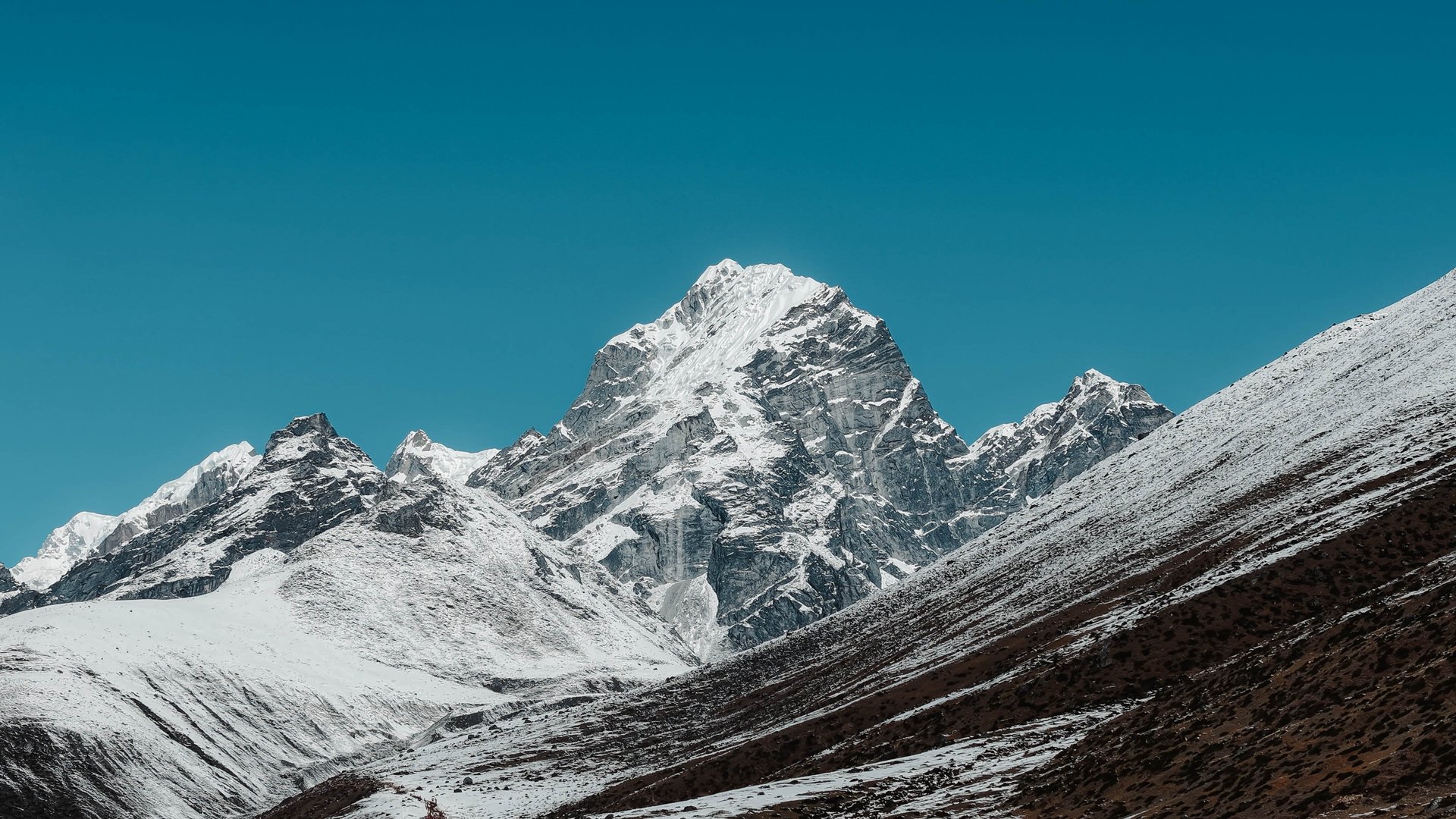
Lobuche East Expedition
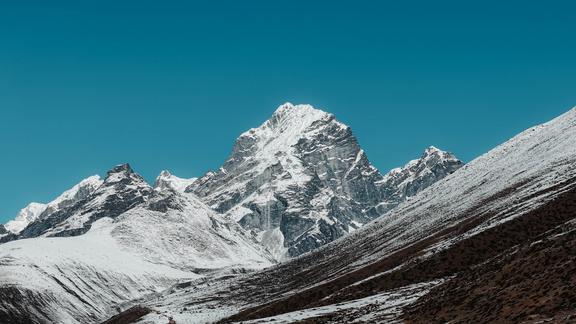
Lobuche East (6,119m) — the Khumbu's most technical trekking peak, rising above the Everest Base Camp trail.
Expedition Overview
What is the Lobuche East Expedition?
Lobuche East stands at 6,119 metres and is the officially designated NMA trekking peak on Lobuche Mountain, in the Khumbu Valley of the Everest region. It is distinct from Lobuche West (6,145m), a harder mountaineering-grade summit requiring its own separate expedition permit and not offered as a standard trekking-peak climb. When people refer to climbing “Lobuche Peak,” they are almost always referring to Lobuche East; it is the summit reached by every standard Lobuche expedition in Nepal, including this one.
Lobuche East sits directly above Lobuche village, roughly 7.5km before Everest Base Camp itself, which is why the Lobuche East climb shares its approach with the Everest Base Camp trail and is so often combined with an EBC trek. The route is graded PD+ on the Alpine scale, a genuinely technical trekking peak, with a summit day noticeably harder than Island Peak or Mera Peak despite the lower altitude.
AltiPro's Lobuche East Expedition follows the classic Everest Base Camp trail through Namche Bazaar, Tengboche, and Dingboche before branching to Lobuche village and Base Camp at approximately 5,200m. High Camp is established at around 5,400–5,600m for the summit push. The final section is a sustained 45–50° snow and ice headwall fixed with rope, followed by a narrow, exposed summit ridge, with a well-known false summit along the way, to the true summit at 6,119m. The expedition spans 18 days from Kathmandu to return.
About Lobuche East — The Khumbu's Technical Trekking Peak
Lobuche East rises directly above the Khumbu and Lobuche glaciers, in the heart of the Everest region, making it one of the most accessible 6,000m peaks in Nepal in terms of approach. Because the route follows the same trail used for the Everest Base Camp trek, teahouse lodges are available almost all the way to Base Camp, a rare comfort at this altitude, and the reason so many climbers plan a Lobuche East to EBC itinerary rather than treating the two as separate trips.
Lobuche East is one of two summits on the mountain. Lobuche West (6,145m), slightly higher but considerably more technical, requires a full mountaineering expedition permit rather than a trekking-peak permit and sits outside the scope of a standard climb. Lobuche East is the peak permitted under the Nepal Mountaineering Association's trekking-peak system, and the objective of every AltiPro Lobuche expedition.
From the Lobuche East summit ridge, climbers are rewarded with one of the finest close-range panoramas in the Khumbu; Everest, Lhotse, Nuptse, and Pumori rise directly across the valley, with Cho Oyu and Makalu visible further along the horizon.
Why Choose AltiPro Adventures for Lobuche East?
The Ideal Everest Acclimatisation Climb
Lobuche East is widely used by climbers as a training and acclimatisation objective ahead of an Everest, Lhotse, or Ama Dablam attempt. AltiPro's Sherpa guides use the climb to sharpen crampon technique, jumar and fixed-rope skills, and ridge-walking confidence before bigger objectives.
Combine with Everest Base Camp
Because the approach shares the Everest Base Camp trail, Lobuche East is easy to combine into a single trip. AltiPro regularly arranges the climb alongside a Lobuche East to EBC itinerary or as part of a broader EBC and Island Peak or Gokyo Lakes and Cho La Pass circuit.
A Genuinely Technical Trekking Peak
The summit headwall, a sustained 45–50° snow and ice slope leading to a narrow, exposed ridge, makes the Lobuche East climb noticeably harder than Island Peak or Mera Peak. AltiPro's 1:1 Sherpa ratio on summit day ensures fixed ropes, anchors, and pacing are managed by experienced climbing Sherpas throughout.
Full Sherpa Support and Equipment
All technical summit equipment is provided by AltiPro: crampons, harness, ice axe, helmet, and rope, along with cook staff at Base Camp and High Camp. Climbers do not need to own or bring technical climbing gear.
Medical Support
A full medical kit at Base Camp and High Camp, with satellite communication for emergency coordination. The well-established Khumbu helicopter evacuation network provides rapid access to Lukla or Kathmandu if required.
Spring and Autumn Options
AltiPro operates Lobuche East in both spring (March–May) and autumn (September–November), the two stable weather windows for the Khumbu Valley and summit ridge.
The Lobuche East Ridge Route (6,119 m)
The standard route on Lobuche East follows the classic Khumbu approach before turning onto the mountain's southeast ridge for the technical summit push, one of the most well-trodden and reliably logistics-supported high-altitude routes in Nepal.
Kathmandu to Namche Bazaar via Lukla (1,400m to 3,440m)
Flight from Kathmandu to Lukla, then trek through Phakding to Namche Bazaar, the Sherpa capital of the Khumbu, with a rest day for acclimatisation.
Namche to Dingboche via Tengboche (3,440m to 4,410m)
The trail climbs through Tengboche monastery and the Imja Valley to Dingboche, with a second acclimatisation day before continuing to higher altitude.
Dingboche to Lobuche Village and Base Camp (4,410m to 5,200m)
The route follows the Khumbu glacier moraine to Lobuche village, then branches off the main Everest Base Camp trail to Lobuche East Base Camp at approximately 5,200m, where climbing gear is checked, and technical training begins.
Base Camp to High Camp (5,200m to 5,600m)
A short but steep climb over rock and scree leads to High Camp, positioned on a rocky shoulder below the summit headwall, used for the final Lobuche East summit push.
High Camp to Summit (5,600m to 6,119m)
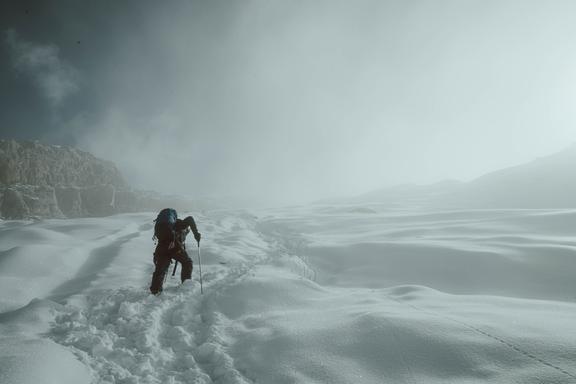
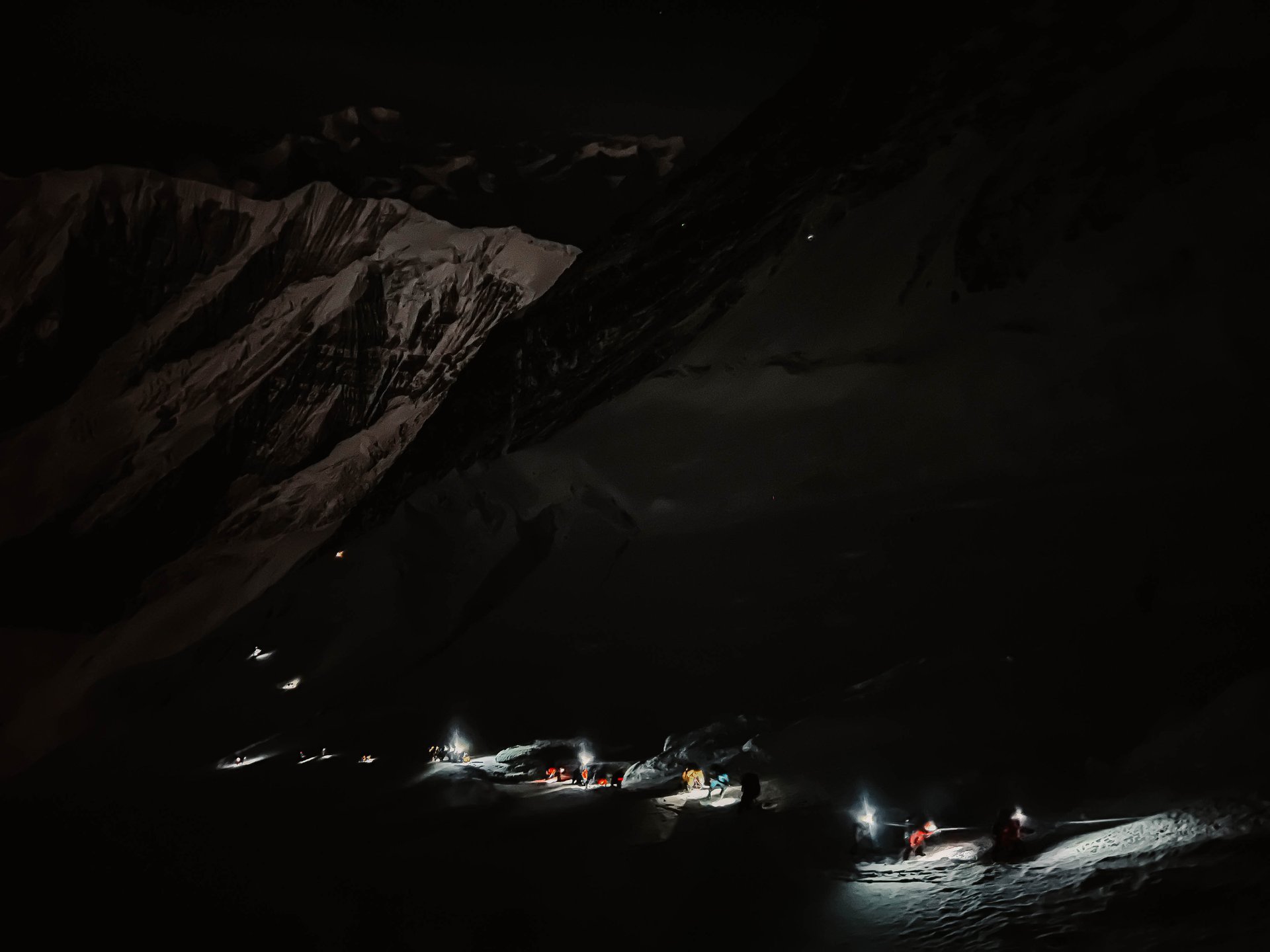
Summit day begins with an early departure onto the glacier, followed by the crux of the Lobuche East climb, a sustained 45–50° fixed-rope snow and ice headwall leading to a narrow, corniced summit ridge. This final section is the reason Lobuche East is considered more technical than most Nepal trekking peaks, and the reward is one of the closest, most dramatic views of Everest, Lhotse, and Nuptse available from any trekking peak summit.
How Difficult is the Lobuche East Expedition?
Lobuche East peak difficulty sits above Mera Peak and Island Peak on the Nepal trekking-peak scale, graded PD+ on the Alpine system. The approach itself is straightforward and well-supported, but the final summit headwall, steep fixed-rope snow and ice climbing, followed by an exposed ridge with a well-known false summit, makes climbing Lobuche East a genuinely technical undertaking rather than a walk-up.
Best Season for the Lobuche East Expedition
Spring (March–May): Stable pre-monsoon conditions with clear ridge views. This is peak season on the Everest Base Camp trail, so expect busier teahouses along the approach.
Autumn (September–November): Crisp post-monsoon conditions with excellent visibility on the summit headwall. October and November are considered the ideal months for the Lobuche East summit. AltiPro operates both seasons; contact for current dates.
Lobuche East Expedition Cost
Full-service Lobuche East expedition — Lukla flights, Everest Base Camp trail approach, all technical summit equipment, and full Sherpa support included.
Includes NMA trekking peak permit, Lukla domestic flights, Sagarmatha National Park entry, full Sherpa support to summit, all technical equipment for summit day (crampons, harness, rope, ice axe, helmet), Base Camp and High Camp cook service, and a complete medical kit. International flights and personal trekking equipment are not included. Contact AltiPro for a complete Lobuche East climbing cost breakdown.
Lobuche East Expedition — Frequently Asked Questions
Common questions about climbing Lobuche East with AltiPro Adventures.
What is the difference between Lobuche East and Lobuche West?
Lobuche East (6,119m) is the officially permitted NMA trekking peak and the objective of this expedition. Lobuche West (6,145m), though slightly higher, is a considerably harder mountaineering-grade summit requiring its own separate expedition permit and is not offered as a standard trekking-peak package.
How difficult is Lobuche East?
Lobuche East is graded PD+ and considered moderate to challenging, more technical than Mera Peak or Island Peak. The approach is straightforward, but summit day involves a sustained 45–50° fixed-rope snow and ice headwall and an exposed ridge to the true summit.
What is the Lobuche East climbing cost?
AltiPro's full-service package includes permits, Lukla flights, Sherpa support, all technical summit equipment, and Base Camp/High Camp services. Contact AltiPro for a current, detailed cost breakdown.
Can Lobuche East be combined with the Everest Base Camp trek?
Yes. Since the approach follows the same trail, going from Lobuche East to EBC is one of the most popular combinations in the Khumbu. AltiPro offers this as a dedicated Lobuche East and EBC itinerary, and can also combine the climb with Island Peak or a wider Mera, Island, and Lobuche East multi-peak expedition.
What technical skills are needed for the Lobuche East climb?
Basic crampon technique, jumar/fixed-rope ascent, and comfort with exposure are essential. AltiPro's Sherpa guides run technical training at Base Camp before the summit push, but prior high-altitude trekking experience is strongly recommended.
How long is the Lobuche East expedition?
18 days from Kathmandu to return, including the Lukla flight, the Everest Base Camp trail approach through Namche and Dingboche, and the summit attempt on Lobuche East (6,119m).
What are the summit views like from Lobuche East?
The Lobuche East summit ridge delivers one of the closest panoramas of Everest, Lhotse, Nuptse, and Pumori available from any trekking peak in Nepal, with Cho Oyu and Makalu visible along the horizon.
What permits are required to climb Lobuche East?
A Nepal Mountaineering Association (NMA) trekking peak permit plus Sagarmatha National Park entry and TIMS fees for the Khumbu approach. AltiPro manages all permit applications from Kathmandu.
Detailed Itinerary
Click on each day to view details
| Day | Program | Meals | Accom. | |||||||||||||||||||||||||||||||||||||||||||||||||||||||||||||||||||||||||||||||||||||||||||||||||||||||||||||||||||||||||||||||||||||||||||||||||||||||||||||||||||||||||||
|---|---|---|---|---|---|---|---|---|---|---|---|---|---|---|---|---|---|---|---|---|---|---|---|---|---|---|---|---|---|---|---|---|---|---|---|---|---|---|---|---|---|---|---|---|---|---|---|---|---|---|---|---|---|---|---|---|---|---|---|---|---|---|---|---|---|---|---|---|---|---|---|---|---|---|---|---|---|---|---|---|---|---|---|---|---|---|---|---|---|---|---|---|---|---|---|---|---|---|---|---|---|---|---|---|---|---|---|---|---|---|---|---|---|---|---|---|---|---|---|---|---|---|---|---|---|---|---|---|---|---|---|---|---|---|---|---|---|---|---|---|---|---|---|---|---|---|---|---|---|---|---|---|---|---|---|---|---|---|---|---|---|---|---|---|---|---|---|---|---|---|---|---|---|---|
| 1 | Arrival in Kathmandu | Dinner | Hotel | |||||||||||||||||||||||||||||||||||||||||||||||||||||||||||||||||||||||||||||||||||||||||||||||||||||||||||||||||||||||||||||||||||||||||||||||||||||||||||||||||||||||||||
|
Arrive at Kathmandu Tribhuvan International Airport. Transfer to hotel, welcome dinner, and Lobuche East Expedition briefing.
2
|
Kathmandu – Permit Processing & Expedition Briefing |
Breakfast / Dinner |
Hotel |
|
|
Process NMA climbing permit and Sagarmatha National Park entry, gear check, and expedition briefing.
3
|
Fly Kathmandu → Lukla (2,840m) – Trek to Phakding (2,610m) |
Breakfast / Lunch / Dinner |
Lodge |
|
|
35-minute mountain flight to Lukla. Meet the climbing team and trek down the Dudh Koshi valley to Phakding.
4
|
Trek Phakding → Namche Bazaar (3,440m) |
Breakfast / Lunch / Dinner |
Lodge |
|
|
Cross the Dudh Koshi on suspension bridges and climb steadily into Sagarmatha National Park to the Sherpa capital, Namche Bazaar.
5
|
Acclimatization Day at Namche Bazaar (3,440m) |
Breakfast / Lunch / Dinner |
Lodge |
|
|
Rest day with an acclimatization hike to Everest View Hotel (3,880m) for first views of Everest, Lhotse, and Ama Dablam.
6
|
Trek Namche → Tengboche (3,860m) |
Breakfast / Lunch / Dinner |
Lodge |
|
|
Follow the Everest Base Camp trail through rhododendron forest to Tengboche, home to the Khumbu's largest monastery.
7
|
Trek Tengboche → Dingboche (4,410m) |
Breakfast / Lunch / Dinner |
Lodge |
|
|
Descend through Deboche and climb the Imja Valley to Dingboche, entering drier, high-altitude terrain.
8
|
Acclimatization Day at Dingboche (4,410m) |
Breakfast / Lunch / Dinner |
Lodge |
|
|
Rest day with an acclimatization hike toward Nangkartshang Hill (5,083m) for panoramic views of Makalu and Ama Dablam.
9
|
Trek Dingboche → Lobuche Village (4,940m) |
Breakfast / Lunch / Dinner |
Lodge |
|
|
Follow the Khumbu glacier moraine past memorials to Everest mountaineers, arriving at Lobuche village.
10
|
Trek Lobuche Village → Lobuche East Base Camp (5,200m) |
Breakfast / Lunch / Dinner |
Lodge/Tent |
|
|
Leave the main Everest Base Camp trail and climb to AltiPro's established camp at Lobuche East Base Camp.
11
|
Acclimatization & Climbing Training at Base Camp (5,200m) |
Breakfast / Lunch / Dinner |
Tent |
|
|
Rest and altitude adaptation at Base Camp, with climbing Sherpa route briefing, crampon fitting, and fixed-rope and jumar training.
12
|
Trek Base Camp → High Camp (5,600m) |
Breakfast / Lunch / Dinner |
Tent |
|
|
Ascend steep rock and scree to High Camp, positioned below the summit headwall for the following day's push.
13
|
Summit Day – Lobuche East (6,119m) |
Breakfast / Lunch / Dinner |
Tent |
|
|
Pre-dawn departure from High Camp. Ascend the fixed-rope snow and ice headwall to the summit ridge and reach Lobuche East at 6,119m, then descend fully to Base Camp.
14
|
Trek Base Camp → Dingboche (4,410m) |
Breakfast / Lunch / Dinner |
Lodge |
|
|
Descend from Base Camp back through Lobuche village to Dingboche. Post-summit rest and celebration.
15
|
Trek Dingboche → Namche Bazaar (3,440m) |
Breakfast / Lunch / Dinner |
Lodge |
|
|
Retrace the trail through Tengboche and Deboche, descending to Namche Bazaar.
16
|
Trek Namche Bazaar → Lukla (2,840m) |
Breakfast / Lunch / Dinner |
Lodge |
|
|
Final descent day, following the Dudh Koshi valley back to Lukla.
17
|
Fly Lukla → Kathmandu |
Breakfast / Dinner |
Hotel |
|
|
Fly from Lukla to Kathmandu. Transfer to hotel, farewell dinner, and Lobuche East climbing certificate presented.
18
|
Final Departure from Kathmandu |
Breakfast |
|
|
|
Transfer to Kathmandu Tribhuvan International Airport for international departure.
| ||||||||||||||||||||||||||||||||||||||||||||||||||||||||||||||||||||||||
Services
Includes
Excludes
Gear Lists & Useful Information
No Gear Lists Available
Gear lists and additional information for this expedition will be available soon.
Expedition Gallery
Explore stunning images from this expedition
Been on this expedition?
Your feedback helps other travelers plan their adventure of a lifetime. Share your experience with us!
Ready to Start Your Adventure?
Contact us to book your expedition or get more information