
Combined Peak Trek – Mera + Island + Lobuche East
Combined Peak Trek – Mera + Island + Lobuche East
Trek Overview
What is the Combined Peak Trek – Mera + Island + Lobuche East?
The Combined Peak Trek is AltiPro's flagship mountaineering itinerary, linking three of Nepal's most celebrated 6,000m trekking peaks in a single 26-day expedition: Mera Peak (6,476m), the highest trekking peak in Nepal; Island Peak (Imja Tse, 6,189m), the most climbed 6,000m summit in the Khumbu; and Lobuche East (6,119m), a technical rock-and-ice ridge above the Khumbu Glacier. The route begins in the remote Hinku Valley, crosses the Amphu Lapcha Pass (5,845m) into the heart of the Khumbu, and finishes on the classic Everest trekking corridor via Chhukung and Lobuche.
Fully guided by an experienced high-altitude climbing guide with technical expertise on all three summits, supported by climbing Sherpas at a 1:3 ratio on summit days and a personal porter for each trekker. All Sagarmatha National Park, Pasang Lhamu Rural Municipality, and NMA climbing permits for Mera Peak, Island Peak, and Lobuche East, teahouse and high-camp accommodation and meals, and Lukla flights included. Maximum 10 participants. Rated Very Difficult — three separate 6,000m summits, glacier travel, fixed-rope climbing, and the technical Amphu Lapcha Pass crossing.
About the Combined Peak Trek — Three Summits, One Expedition
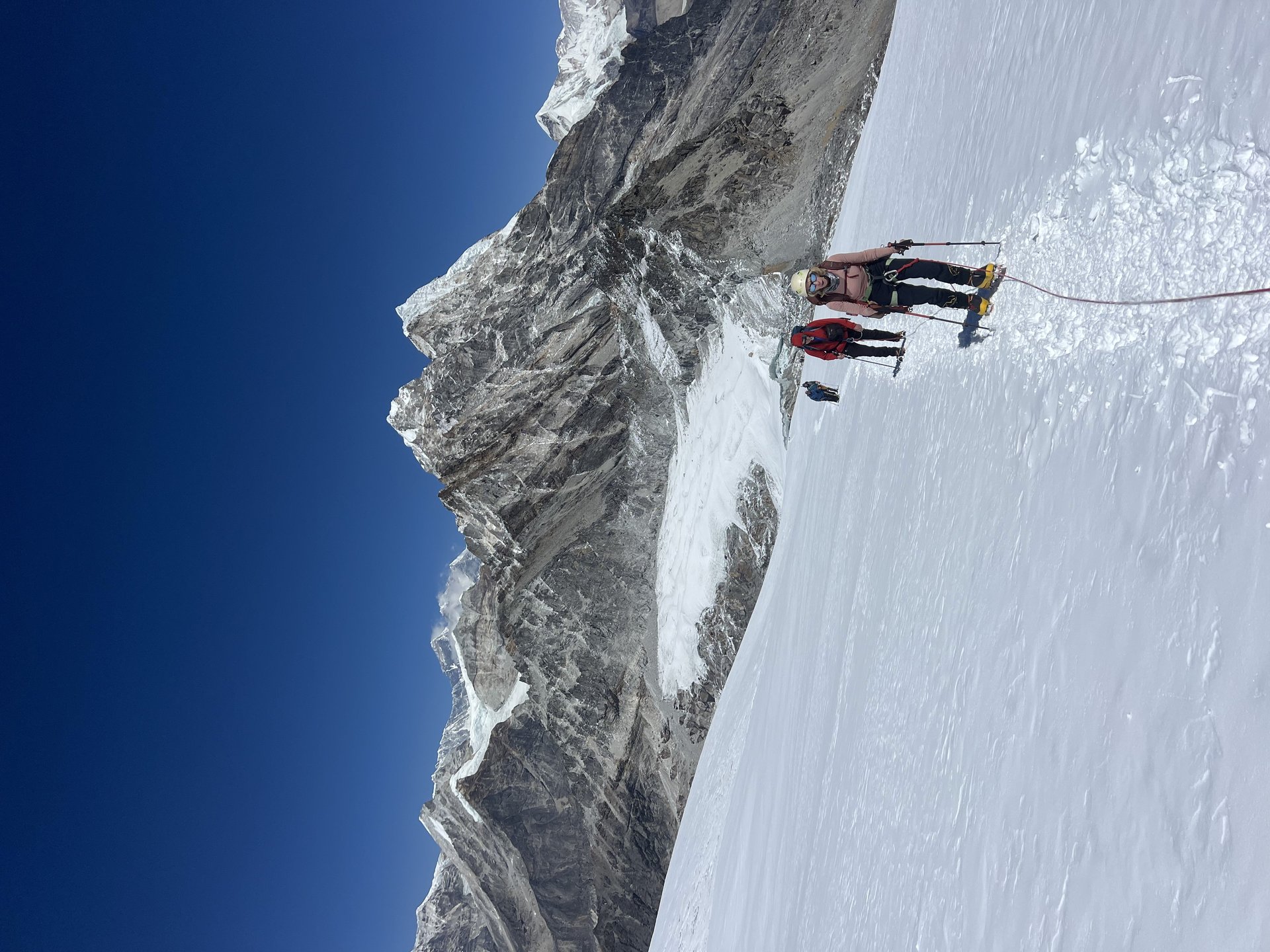
The Combined Peak Trek opens with a quiet approach through the Hinku Valley, one of the least-visited corners of the Everest region, climbing past Chutanga and over the Zatrwa La to the high pastures beneath Mera Peak. Mera's summit, the highest trekking peak in Nepal, delivers a five-8,000m panorama — Everest, Lhotse, Makalu, Kanchenjunga, and Cho Oyu all visible from a single point.
From Mera, the route continues east through the remote Hunku Valley beneath Chamlang to the Amphu Lapcha Pass (5,845m) — a technical mountaineering pass requiring a roped descent on the far side — before dropping into Chhukung and the main Khumbu trekking corridor. Island Peak follows, with its snow-and-ice headwall above the Chhukung valley, then a final push to Lobuche East, whose dark rock ridge rises directly above the Khumbu Glacier opposite Everest Base Camp.
Why Choose AltiPro Adventures for the Combined Peak Trek
Three-Summit Technical Expertise
AltiPro's Combined Peak Trek guide team holds specific technical experience on Mera, Island Peak, and Lobuche East, including the Amphu Lapcha Pass crossing. Fixed ropes, ice axes, crampons, and high-camp tents are provided and managed by AltiPro's expedition crew throughout.
Proven Three-Peak Acclimatisation Schedule
The 26-day itinerary builds altitude exposure progressively across all three summits, with dedicated rest days at Chutanga, Khare, and Chhukung, and a full technical training day at Khare before the Mera Peak summit push.
On-Site Technical Training
No prior technical climbing qualification is required. AltiPro provides full crampon, ice axe, jumar, and fixed-rope instruction at Khare before Mera Peak, with refresher training ahead of Island Peak and Lobuche East.
1:3 Sherpa-to-Climber Ratio
Every summit push — Mera, the Amphu Lapcha Pass, Island Peak, and Lobuche East, is supported at a 1:3 climbing Sherpa ratio, giving each climber close, direct support on the most demanding days of the expedition.
Small Group Size
Maximum 10 participants per departure, reflecting the technical and logistical demands of a three-summit, high-camp itinerary spanning two remote valleys and the main Khumbu corridor.
Complete Summit Package
All Sagarmatha National Park, Pasang Lhamu Rural Municipality, and NMA permits for all three peaks, Lukla return flights, teahouse and high-camp accommodation and meals, climbing guide and Sherpa support, personal porter, and all technical summit equipment — completely included.
Combined Peak Trek — 26-Day Route Overview
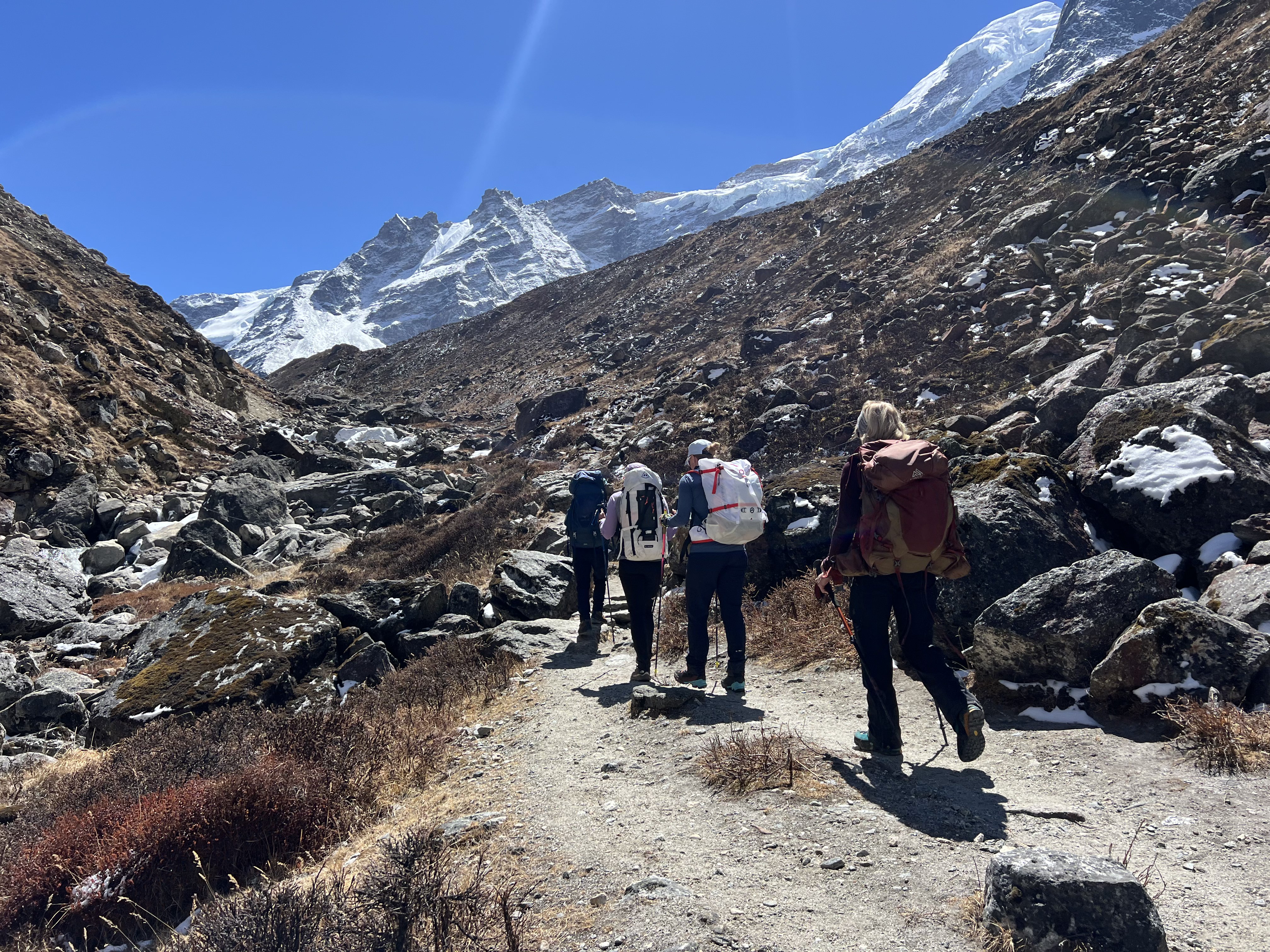
The route climbs through the Hinku Valley to Mera Peak, crosses the technical Amphu Lapcha Pass into the Khumbu, then summits Island Peak and Lobuche East before returning via Namche and Lukla.
Days 1–5: Kathmandu → Lukla (2,860m) → Chutanga → Khare (4,950m)
Flight to Lukla and a quiet approach through Chutanga and over the Zatrwa La Pass (4,610m) into the Hinku Valley, following the ridgelines above Kothe and Thangnak to Khare, Mera Peak's base camp village and the expedition's first technical training stop.
Days 6–8: Khare Training → Mera High Camp → Mera Peak Summit (6,476m)
A full day of crampon, ice axe, and rope training at Khare, followed by the move to Mera Peak Base Camp and High Camp. Summit day crosses the glacier to Mera's summit for the five-8,000m panorama, then descends to Kongma Dingma.
Days 9–13: Hunku Valley → Amphu Lapcha Base Camp → Amphu Lapcha Pass (5,845m) → Chhukung (4,730m)
A remote traverse beneath Chamlang to Seto Pokhari and Amphu Lapcha Base Camp, followed by a technical roped crossing of the Amphu Lapcha Pass and a long descent into the main Khumbu valley at Chhukung.
Days 14–16: Island Peak Base Camp (4,970m) → Island Peak Summit (6,189m)
Refresher technical training at Chhukung, then the move to Island Peak Base Camp for the second summit push — fixed ropes on the ice headwall deliver the classic Lhotse-Makalu-Ama Dablam panorama.
Days 17–21: Dingboche → Lobuche Village (4,900m) → Lobuche High Camp (5,200m) → Lobuche East Summit (6,119m)
The route rejoins the classic Everest corridor at Dingboche before climbing to Lobuche village and High Camp. The third and final summit push tackles Lobuche East's mixed rock-and-ice ridge above the Khumbu Glacier.
Days 22–26: Thukla → Namche Bazaar → Lukla → Kathmandu
A four-day descent through Tengboche and Namche Bazaar back to Lukla for the return flight to Kathmandu, closing out the 26-day traverse of three of Nepal's finest trekking peak summits.
How Difficult is the Combined Peak Trek?
The Combined Peak Trek is rated Very Difficult. Climbers face three separate 6,000m summit pushes, glacier travel, fixed-rope and jumar technique, and the technical roped descent of the Amphu Lapcha Pass — the most demanding element of the itinerary. Prior experience with crampons, ice axe, and high-altitude trekking above 5,000m is strongly recommended. No formal mountaineering qualification is required, but a strong base of trekking fitness is essential.
Best Season for the Combined Peak Trek
Spring (April–May): The primary season — stable pre-monsoon weather windows align across all three summits and the Amphu Lapcha Pass crossing. The best overall success rates.
Autumn (October–November): Clear post-monsoon conditions with excellent visibility on all three peaks, though early-season snow can affect the Amphu Lapcha Pass in early October.
Combined Peak Trek Cost
Complete three-summit expedition — Mera Peak, Island Peak, and Lobuche East, all permits, Lukla flights, accommodation, meals, climbing guide, Sherpa support, and technical equipment included.
Includes Sagarmatha National Park permit, Pasang Lhamu Rural Municipality permit, and NMA climbing permits for Mera Peak, Island Peak, and Lobuche East, Lukla return flights, all teahouse and high-camp accommodation and meals, licensed climbing guide, 1:3 climbing Sherpa support on summit days, personal porter, and all technical equipment (crampons, ice axes, harnesses, fixed ropes). International flights and personal gear are not included. Contact AltiPro for full pricing.
Enquire NowCombined Peak Trek — Frequently Asked Questions
Common questions about the Combined Peak Trek – Mera + Island + Lobuche East with AltiPro Adventures.
Do I need technical climbing experience for this trek?
No formal qualification is required, but participants must be comfortable on steep snow and ice with crampons and ice axe, and confident using fixed ropes and a jumar. AltiPro provides full technical instruction at Khare before the Mera Peak summit, with refresher sessions before Island Peak and Lobuche East.
How high are the three summits?
Mera Peak is the highest at 6,476m, followed by Island Peak at 6,189m and Lobuche East at 6,119m. The Amphu Lapcha Pass, crossed between Mera and Island Peak, reaches 5,845m and is the most technical section of the route.
How long is the Combined Peak Trek?
26 days with AltiPro from Kathmandu return, including all trekking, three summit attempts, the Amphu Lapcha Pass crossing, and Lukla flight days.
When is the best time for the Combined Peak Trek?
April and May for the most stable weather across all three summits and the pass crossing. October and November offer excellent post-monsoon visibility, though early October can see residual snow on the Amphu Lapcha.
What technical equipment does AltiPro provide?
Crampons, ice axes, harnesses, jumars, and fixed ropes on all three peaks and the Amphu Lapcha Pass are provided by AltiPro. Personal summit boots, high-altitude layers, and sleeping bags should be brought by climbers.
Is summiting all three peaks guaranteed?
No summit is guaranteed in the high Himalayas, and completing three separate 6,000m peaks in one expedition adds cumulative risk from fatigue and weather. AltiPro's guide team and acclimatisation schedule maximise success on all three, but individual conditions and weather always play a role.
Can I do individual peaks without the full combination?
Yes, AltiPro offers Mera Peak, Island Peak, and Lobuche East as standalone climbs. The Combined Peak Trek uses the cumulative acclimatisation from each earlier summit to improve success rates on the peaks that follow.
What fitness level is required?
Very strong cardiovascular fitness is essential, along with prior trekking experience above 5,000m. AltiPro recommends at least 4 months of dedicated training, including cardio, load-carrying, and where possible some prior crampon and ice axe practice before departure.

Highlights
- Mera Peak Summit (6,476 m)
- Island Peak Summit (6,189 m)
- Lobuche East Summit (6,119 m)
- Nepal's Highest Trekking Peak
- Amphu Lapcha Pass (5,845 m)
- Technical Roped Crossing
- Rock-and-Ice Ridge Above the Khumbu Glacier
- Five-8,000m Panorama from Mera: Everest, Lhotse, Makalu, Kanchenjunga, Cho Oyu
- Remote Hinku & Hunku Valleys
- Off the Main Everest Trekking Corridor
- Tengboche Monastery & Namche Bazaar on the Return
Detailed Itinerary
Click on each day to view details
| Day | Program | Meals | Accom. | |||||||||||||||||||||||||||||||||||||||||||||||||||||||||||||||||||||||||||||||||||||||||||||||||||||||||||||||||||||||||||||||||||||||||||||||||||||||||||||||||||||||||||||||||||||||||||||||||||||||||||||||||||||||||||||||||||||||||||||||||
|---|---|---|---|---|---|---|---|---|---|---|---|---|---|---|---|---|---|---|---|---|---|---|---|---|---|---|---|---|---|---|---|---|---|---|---|---|---|---|---|---|---|---|---|---|---|---|---|---|---|---|---|---|---|---|---|---|---|---|---|---|---|---|---|---|---|---|---|---|---|---|---|---|---|---|---|---|---|---|---|---|---|---|---|---|---|---|---|---|---|---|---|---|---|---|---|---|---|---|---|---|---|---|---|---|---|---|---|---|---|---|---|---|---|---|---|---|---|---|---|---|---|---|---|---|---|---|---|---|---|---|---|---|---|---|---|---|---|---|---|---|---|---|---|---|---|---|---|---|---|---|---|---|---|---|---|---|---|---|---|---|---|---|---|---|---|---|---|---|---|---|---|---|---|---|---|---|---|---|---|---|---|---|---|---|---|---|---|---|---|---|---|---|---|---|---|---|---|---|---|---|---|---|---|---|---|---|---|---|---|---|---|---|---|---|---|---|---|---|---|---|---|---|---|---|---|---|---|---|---|---|---|---|---|---|---|---|---|---|---|---|---|---|---|---|
| 1 | Arrival in Kathmandu (1,350m), briefing and preparation | B/D | Hotel | |||||||||||||||||||||||||||||||||||||||||||||||||||||||||||||||||||||||||||||||||||||||||||||||||||||||||||||||||||||||||||||||||||||||||||||||||||||||||||||||||||||||||||||||||||||||||||||||||||||||||||||||||||||||||||||||||||||||||||||||||
|
Arrival in Kathmandu (1,350m), briefing and preparation
2
|
Rest and preparation for the peaks |
Breakfast |
Hotel |
|
| Rest and preparation for the peaks
3
|
Fly from Kathmandu to Lukla, trek to Paiya (2,860m) |
B/L/D |
Lodge |
|
| Fly from Kathmandu to Lukla, trek to Paiya (2,860m)
4
|
Trek from Paiya to Panggom (3,000m) |
B/L/D |
Lodge |
|
| Trek from Paiya to Panggom (3,000m)
5
|
Trek from Panggom to Ramailo (3,250m) |
B/L/D |
Lodge |
|
| Trek from Panggom to Ramailo (3,250m)
6
|
Trek from Ramailo to Chhatra Khola (3,500m) |
B/L/D |
Lodge |
|
| Trek from Ramailo to Chhatra Khola (3,500m)
7
|
Trek from Chhatra Khola to Kothe (3,700m) |
B/L/D |
Lodge |
|
| Trek from Chhatra Khola to Kothe (3,700m)
8
|
Trek from Kothe to Thagnak (4,350m) |
B/L/D |
Lodge |
|
| Trek from Kothe to Thagnak (4,350m)
9
|
Trek from Thagnak to Khare (5,050m) |
B/L/D |
Lodge |
|
| Trek from Thagnak to Khare (5,050m)
10
|
Acclimatization and training day at Khare |
B/L/D |
Lodge |
|
| Acclimatization and training day at Khare
11
|
Trek from Khare to High Camp Mera Peak (5,600m) |
B/L/D |
Tent |
|
| Trek from Khare to High Camp Mera Peak (5,600m)
12
|
Summit Mera Peak (6,476m) and descend to Khare (5,050m) |
B/L/D |
Lodge |
|
| Summit Mera Peak (6,476m) and descend to Khare (5,050m)
13
|
Trek from Khare to Seto Pokhari and Amphu Laptsa approach (5,200m) |
B/L/D |
Tent |
|
| Trek from Khare to Seto Pokhari and Amphu Laptsa approach (5,200m)
14
|
Cross Amphu Laptsa Pass and trek to Island Peak Base Camp (5,100m) |
B/L/D |
Tent |
|
| Cross Amphu Laptsa Pass and trek to Island Peak Base Camp (5,100m)
15
|
Preparation day at Island Peak Base Camp |
B/L/D |
Tent |
|
| Preparation day at Island Peak Base Camp
16
|
Summit Island Peak (6,189m) and descend to Chhukung (4,730m) |
B/L/D |
Lodge |
|
| Summit Island Peak (6,189m) and descend to Chhukung (4,730m)
17
|
Trek from Chhukung to Dingboche (4,410m) |
B/L/D |
Lodge |
|
| Trek from Chhukung to Dingboche (4,410m)
18
|
Trek from Dingboche to Lobuche (4,940m) |
B/L/D |
Lodge |
|
| Trek from Dingboche to Lobuche (4,940m)
19
|
Lobuche East Base Camp preparation |
B/L/D |
Tent |
|
| Lobuche East Base Camp preparation
20
|
Summit Lobuche East (6,119m) and descend to Thukla (4,500m) |
B/L/D |
Lodge |
|
| Summit Lobuche East (6,119m) and descend to Thukla (4,500m)
21
|
Trek from Thukla to Namche Bazaar (3,440m) |
B/L/D |
Lodge |
|
| Trek from Thukla to Namche Bazaar (3,440m)
22
|
Trek from Namche Bazaar to Lukla (2,860m) |
B/L/D |
Lodge |
|
| Trek from Namche Bazaar to Lukla (2,860m)
23
|
Buffer / rest day in Lukla (2,860m) |
B/L/D |
Lodge |
|
| Buffer / rest day in Lukla (2,860m)
24
|
Fly from Lukla to Kathmandu (1,350m) |
B/L |
Hotel |
|
| Fly from Lukla to Kathmandu (1,350m)
25
|
Final departure from Kathmandu (1,350m) |
Breakfast |
..... |
|
| Final departure from Kathmandu (1,350m) | ||||||||||||||||||||||||||||||||||||||||||||||||||||||||||||||||||||||||||||||||||||||||||||||||||||
Services
Includes
Airport - Hotel transfers – Airport (Pick Up and Drop), by private vehicle.
3 nights hotel in Kathmandu (4-star category) - single room on bed and breakfast plan.
One Welcome Dinner in a tourist standard restaurant in Kathmandu with Office Staff.
Assistance for cargo clearance in Nepal’s Customs, clearance cost is subject to a charge.
Expedition Royalty and a permit fee of Nepal Mountaineering Association (NMA) to climb Lobuche Peak, Sagarmatha National Park, and Pasang Lhamu Rural Municipality entry permit and fee.
Stool Shipment Transfer & Garbage Deposit fees.
Medical & Emergency rescue Insurance for all involved Nepalese staff during the trek and expedition.
Trekking and climbing map.
One Treks’ Duffle Bag.
(Domestic Flight) Fly from Kathmandu – Lukla and while returning Lukla - Kathmandu, as per itinerary.
All necessary expedition equipment transportation for all Members and Staff from Kathmandu to Lukla (by air cargo) and Base camp (by Porters / Yak) – While returning: Base camp to Lukla (by porters / Yak) and Lukla to Kathmandu (by air cargo).
Up to 25 Kg per member as personal baggage during the trek to be carried by porters.
3 meals a day (breakfast, lunch, and dinner; including tea and coffee) along with accessible accommodation at Hotel/Lodge/Tent during the trek and at the Basecamp.
Per day 2 Liters of boiled water per member to carry on the thermos.
Porters per member up to the Base camp and from the Basecamp (both ways).
1 veteran and government-licensed climbing Sherpa per member (1 Member: 1 Sherpa), during the entire climb from Basecamp to the summit and back.
Climbing Sherpa to assist in carrying your gear to the high camps.
Climbing Sherpa’s Salary, Equipment, Food, and Clothing.
Oxygen bottles will be in stock at base camp in case of an emergency (with an appropriate charge).
1 Set of Summit Oxygen masks will be in base camp in case of an emergency.
High Altitude Tent, Lights, Necessary cooking EPI gas, cooking pot, High food for a member, Sherpa, and other crews. Group climbing gears, fixed and dynamic rope during the climbing period as required.
Members will share tents in high camps (2 members: 1 tent).
Weather forecast report during the entire expedition.
Local government licensed Guide (English speaking) during the trek and sightseeing in Kathmandu valley.
Sightseeing in Kathmandu Valley [Swoyambu (Monkey temple) and Kathmandu Durbar Square] by a professional guide.
Comprehensive Medical kit for members and staff.
Lobuche Peak climbing certificate issued by NMA (after climbing Lobuche peak successfully).
Excludes
International flight airfare (from and to Kathmandu).
Nepalese Visa fee is $ 50 USD for 30 Days.
Lunch & dinner during the stay in Kathmandu (also in case of early return from Trekking / Expedition than the scheduled itinerary).
Extra nights’ accommodation in Kathmandu. In case of early arrival or late departure, early return from Trekking / Expedition, or domestic flight cancellation (due to any other reason) than the scheduled itinerary.
Insurance covering both medical and high-altitude evacuation costs (for the trip cancellation, interruption, high-altitude rescue, air evacuation, medical treatment, repatriation, etc.) *Mandatory
Telephone Calls, Internet, Toiletries, battery recharge, hot shower, hot/bottled/mineral water, laundry, soft drinks, beers, and any Alcoholic beverages.
Clothing, Packing Items, Bags, Personal Medical Kit, and all kinds of Personal Trekking Gear.
Soaps, shampoos, toilet and tissue papers, toothpaste, and other items used to keep yourself clean.
Special Filming, Camera, and Drone permit fee.
Not included during the trek and the expedition.
$30 USD for an extra porter per day (If an extra porter is requested).
Each member needs to contribute a minimum of $200 USD as tips to be distributed among the porters, guide, and other staff involved. (Check the details below).
Any other services or activities, which are not mentioned in the itinerary and other items not listed in the “Cost Includes” section.
Gear Lists & Useful Information
Route Map
Been on this trek?
Your feedback helps other travelers plan their adventure of a lifetime. Share your experience with us!
 Khumbu Region
EBC + Island Peak Trek & Climb
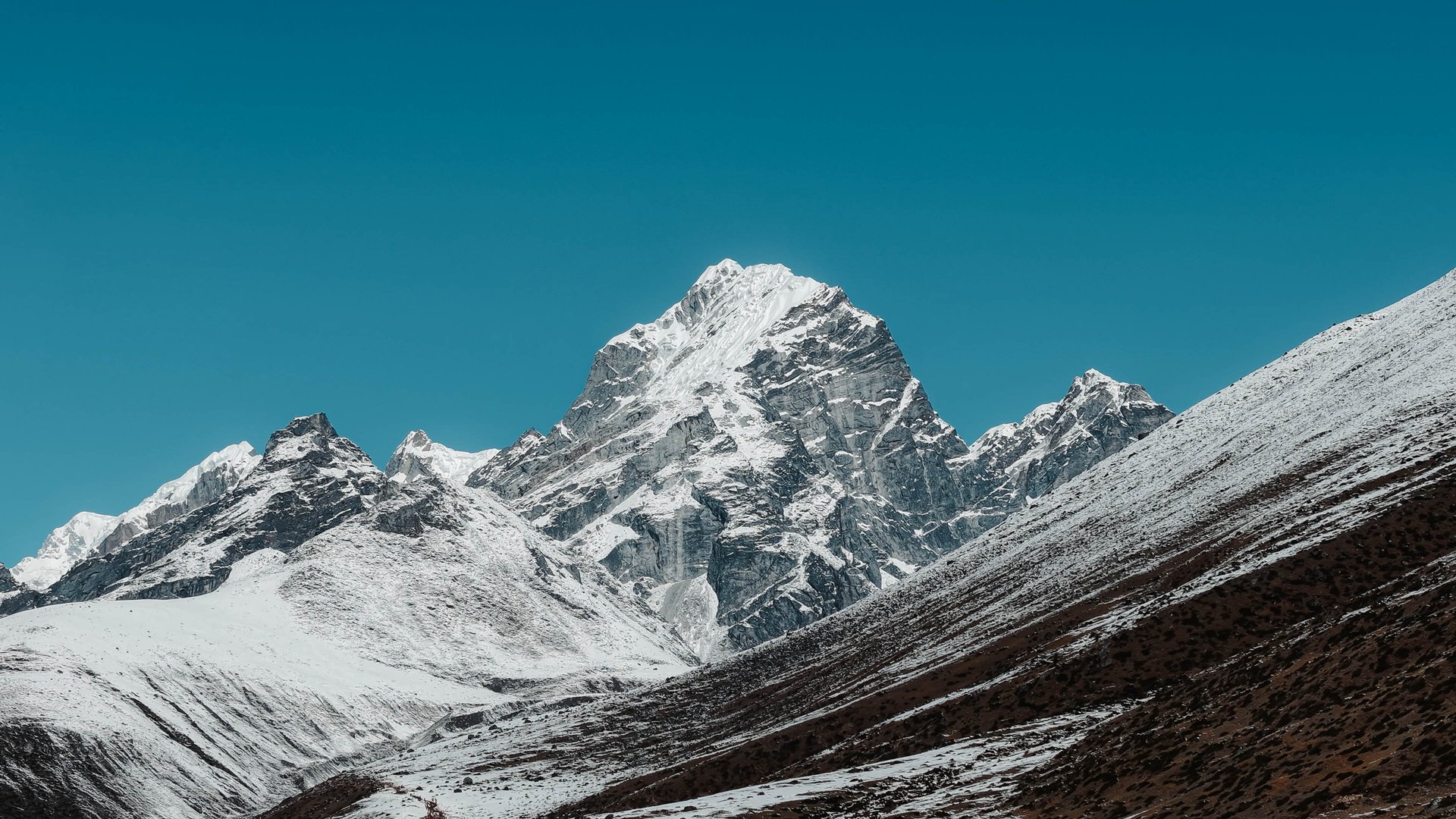
Trek to Everest Base Camp then climb Island Peak (6,189 m) — the Khumbu's definitive two-summit adventure.
 Khumbu Region
EBC + Lobuche East Trek
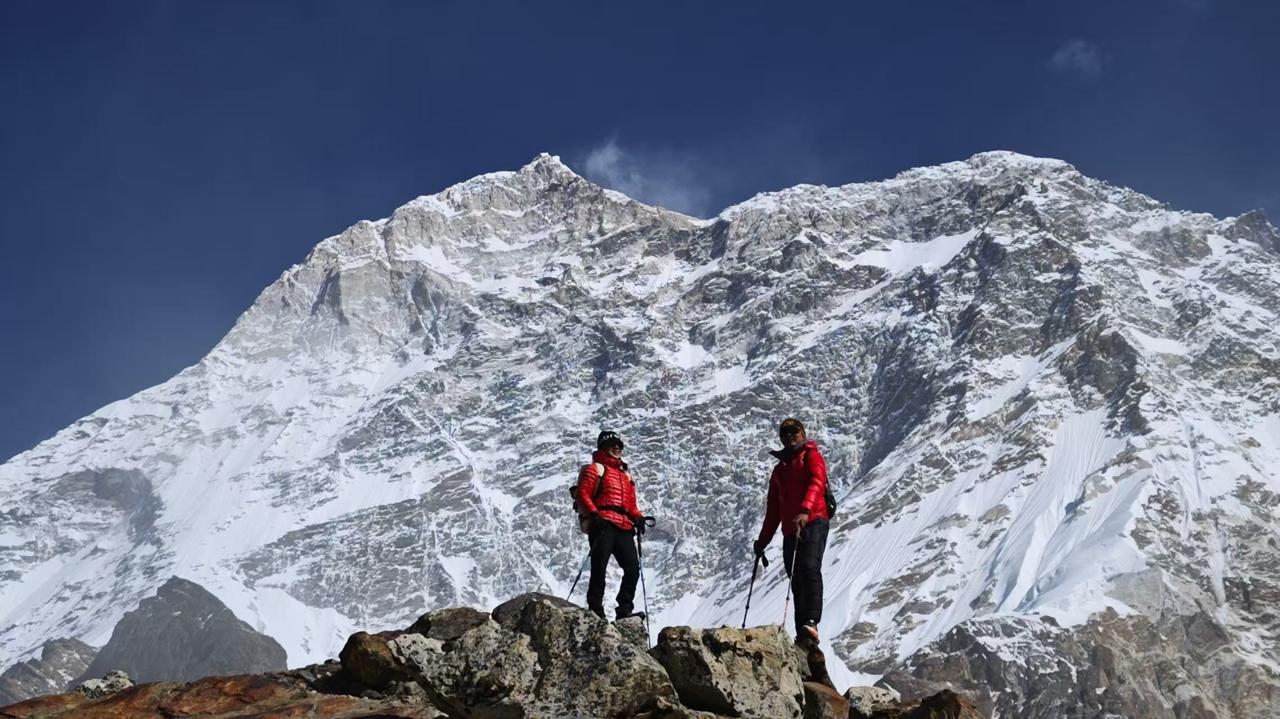
Trek to Everest Base Camp and summit Lobuche East for the ultimate Himalayan adventure through legendary trails, towering glaciers, and breathtaking alpine landscapes.
 Khumbu Region
Makalu Base Camp + Amphu Laptsa Extended Trek
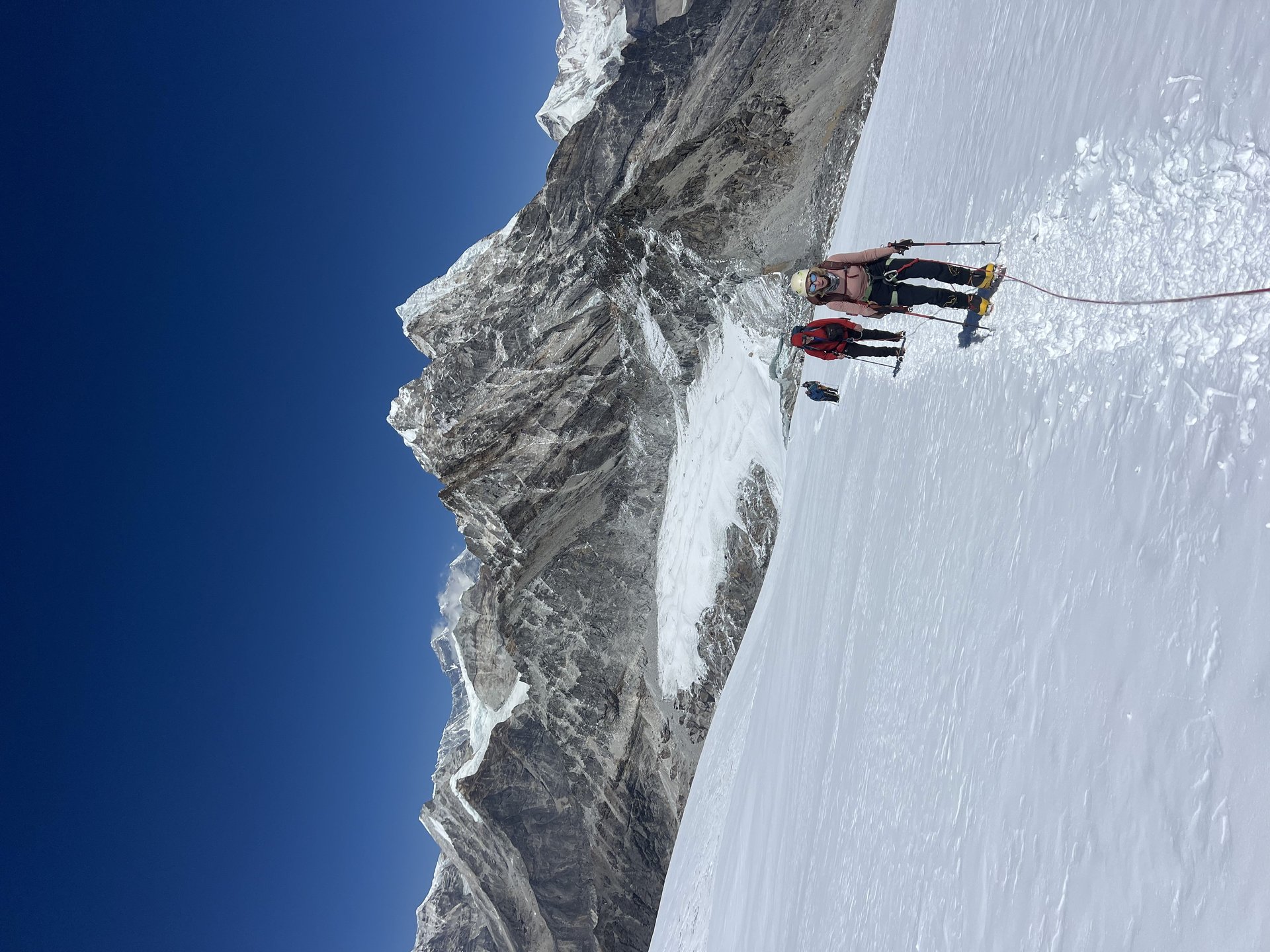
Journey across Nepal's most remote Himalayan wilderness from Makalu Base Camp to the technical Amphu Laptsa Pass, where glaciers, towering peaks, and an unforgettable traverse into the Khumbu await.
 Khumbu Region
Mera Peak + Amphu Laptsa + Island Peak
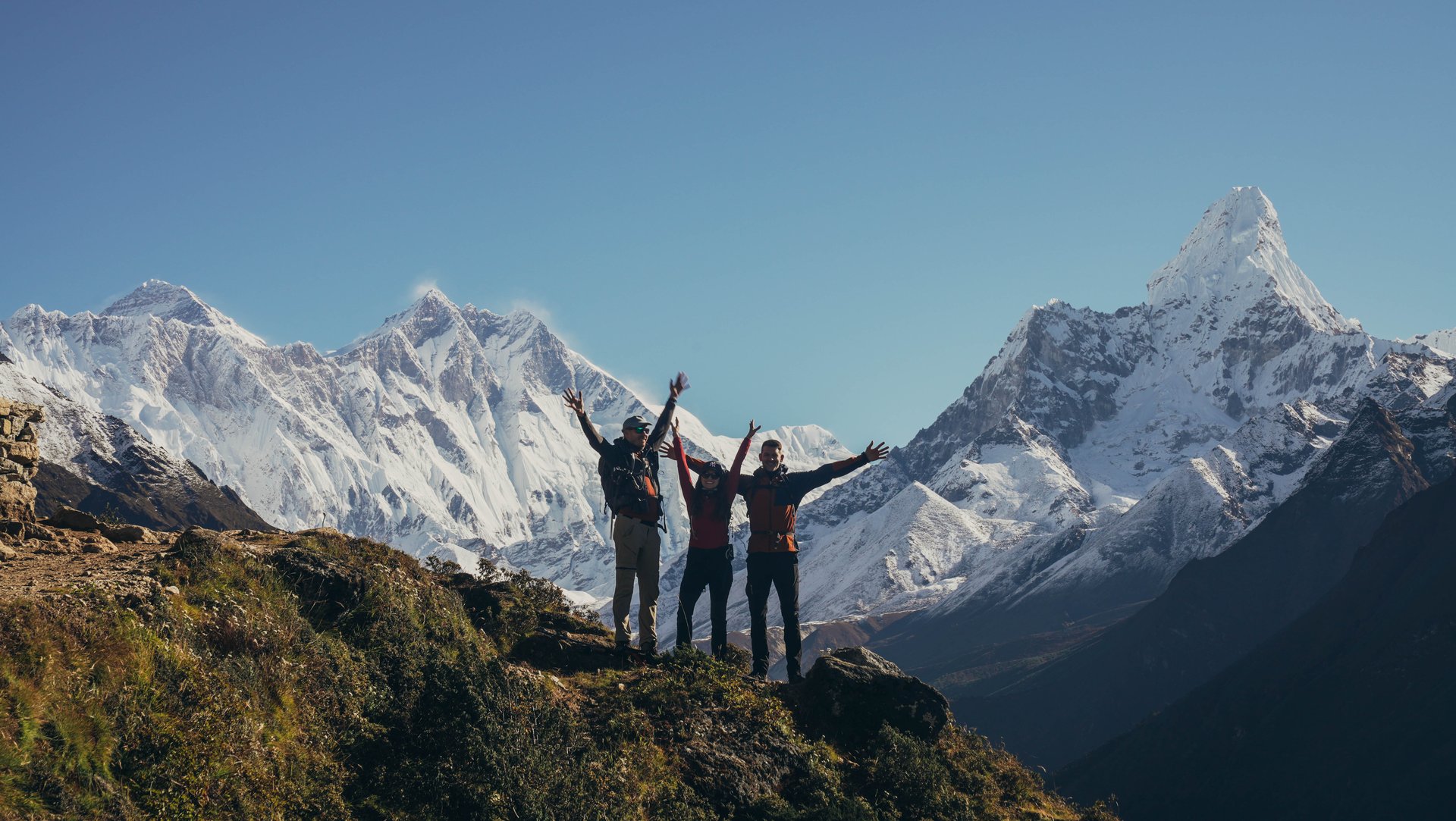
Take on Nepal's ultimate alpine traverse by climbing Mera Peak and Island Peak while crossing the technical Amphu Laptsa Pass through glaciers, remote valleys, and the heart of the Himalayas.
 Khumbu Region
Everest Base Camp Trek
Everest Base Camp Trek — Khumbu Glacier & Kala Patthar (5,545 m)
 Khumbu Region
Gokyo Lakes + Cho La Pass + Everest Base Camp Trek
Three High Points of Khumbu in One Trek — Gokyo Lakes, Cho La Pass & Everest Base Camp
Ready to Start Your Trekking Adventure?
Contact us to book your trek or get more information