
Mera Peak + Amphu Laptsa + Island Peak
Take on Nepal's ultimate alpine traverse by climbing Mera Peak and Island Peak while crossing the technical Amphu Laptsa Pass through glaciers, remote valleys, and the heart of the Himalayas.
Trek Overview
What is the Mera Peak + Amphu Laptsa + Island Peak Expedition?
The Mera Peak + Amphu Laptsa + Island Peak Expedition is one of Nepal's most demanding trekking peak traverses, combining the ascent of Mera Peak (6,476m), the technical crossing of Amphu Laptsa Pass (5,845m), and the climb of Island Peak (6,189m). The journey links the remote Hinku Valley with the upper Khumbu region, offering an exceptional combination of high-altitude trekking, glacier travel, and mountaineering beneath some of the world's highest mountains.
AltiPro's 22-day itinerary begins in Kathmandu before flying to Lukla and trekking through the Hinku Valley to Mera Peak Base Camp. After summiting Mera Peak, the expedition crosses the glaciated Amphu Laptsa Pass using fixed ropes before entering the Chhukung Valley. The adventure concludes with the ascent of Island Peak before trekking through Dingboche, Namche Bazaar, and returning to Lukla. Along the route, climbers experience pristine wilderness, high alpine glaciers, remote camps, and spectacular Himalayan panoramas.
Fully guided by experienced climbing guides with extensive knowledge of high-altitude mountaineering, supported by porters and climbing staff throughout the expedition. All climbing permits, Sagarmatha National Park Permit, Khumbu Pasang Lhamu Rural Municipality Permit, accommodation, meals during the trek and expedition, and domestic flights are included. Maximum 8 participants. Rated Very Challenging due to the high altitude, technical glacier travel, fixed rope climbing, and the crossing of Amphu Laptsa Pass.
Mera Peak + Amphu Laptsa + Island Peak — Nepal's Ultimate High-Altitude Traverse
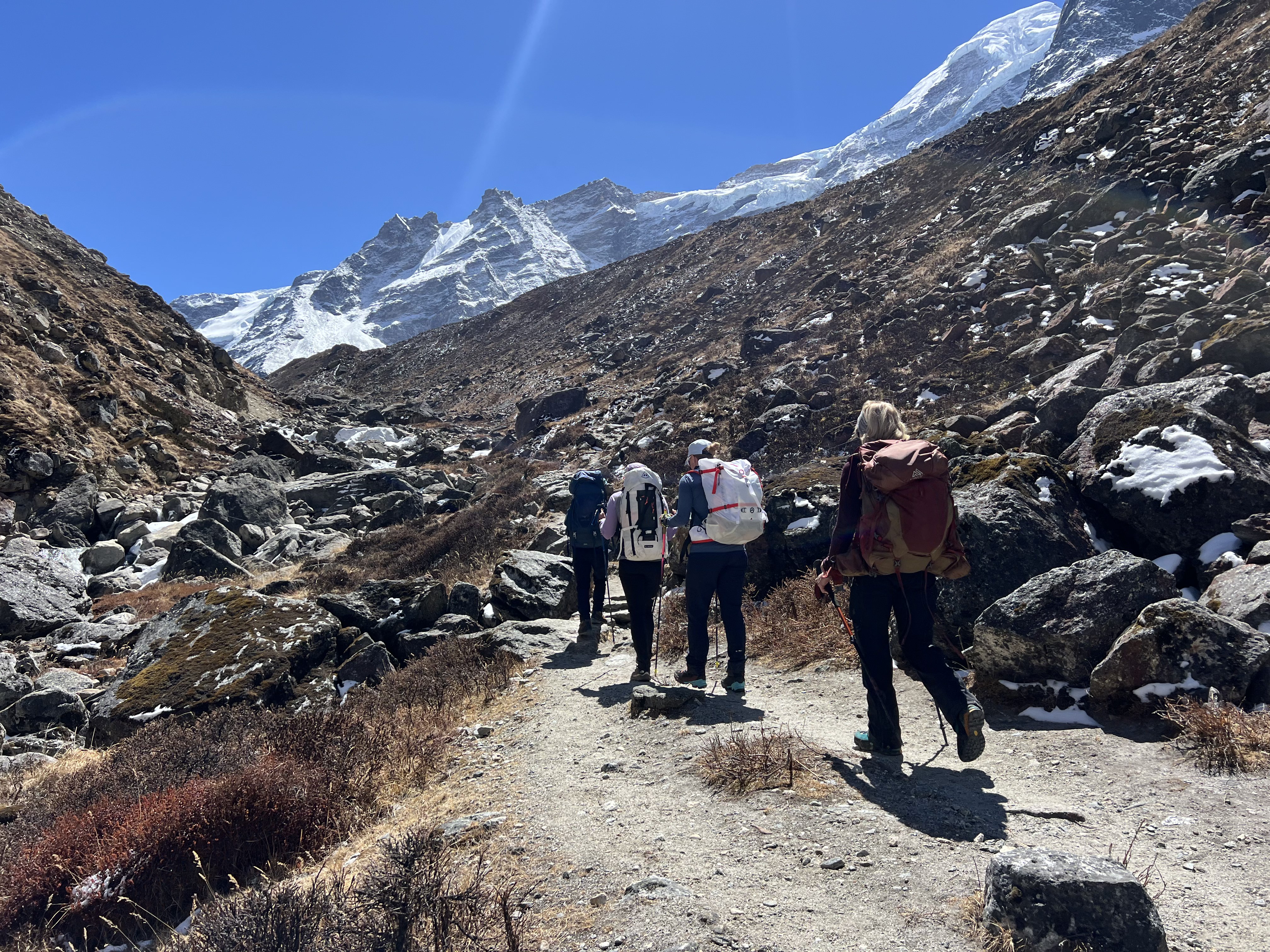
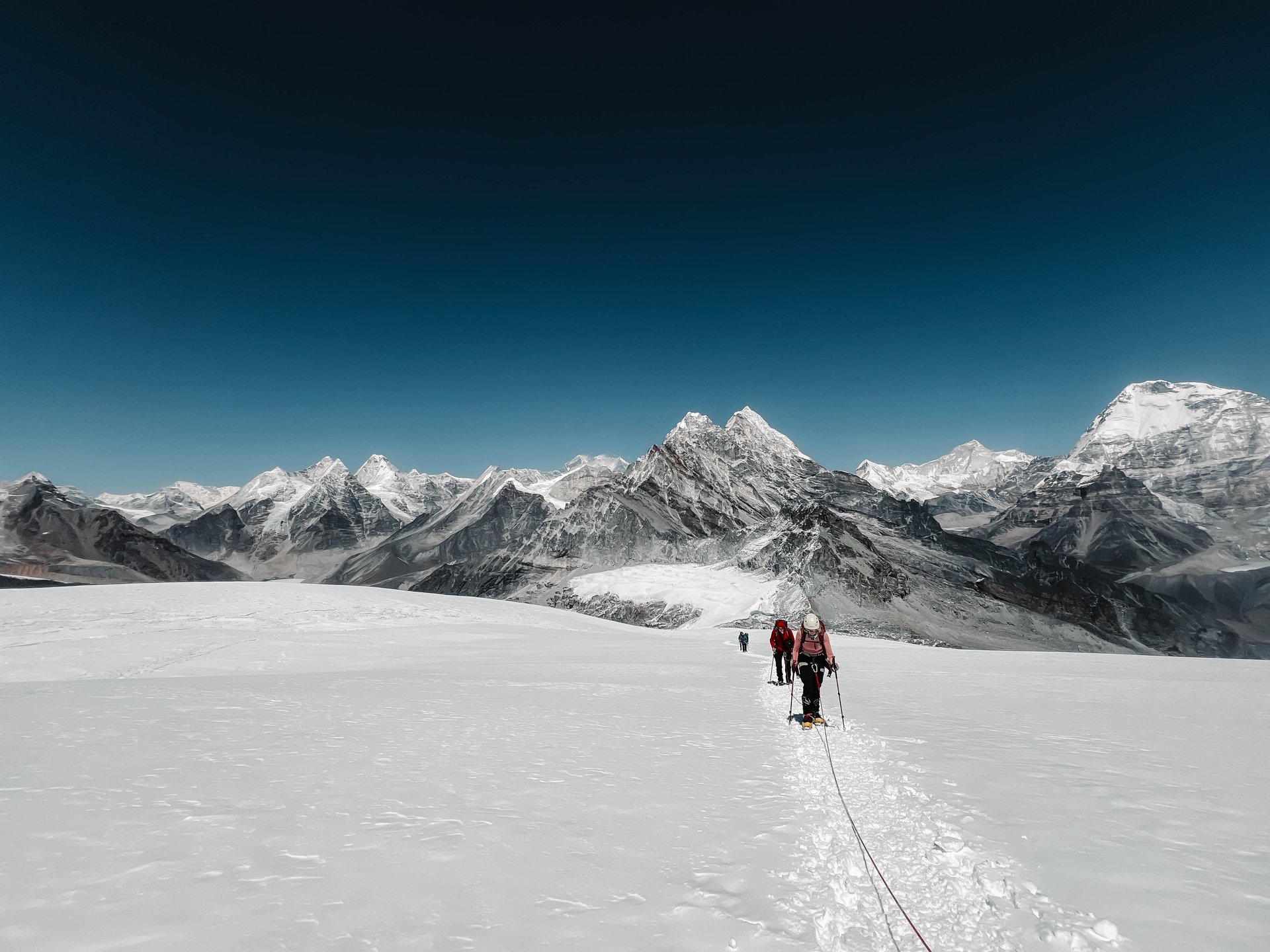
This expedition begins by leaving the busy Everest trails behind and entering the remote Hinku Valley, where forests gradually give way to alpine meadows, glacial moraines, and expansive snowfields. The route ascends Mera Peak, Nepal's highest trekking peak, renowned for its outstanding summit panorama that includes Everest, Lhotse, Makalu, Cho Oyu, and Kanchenjunga.
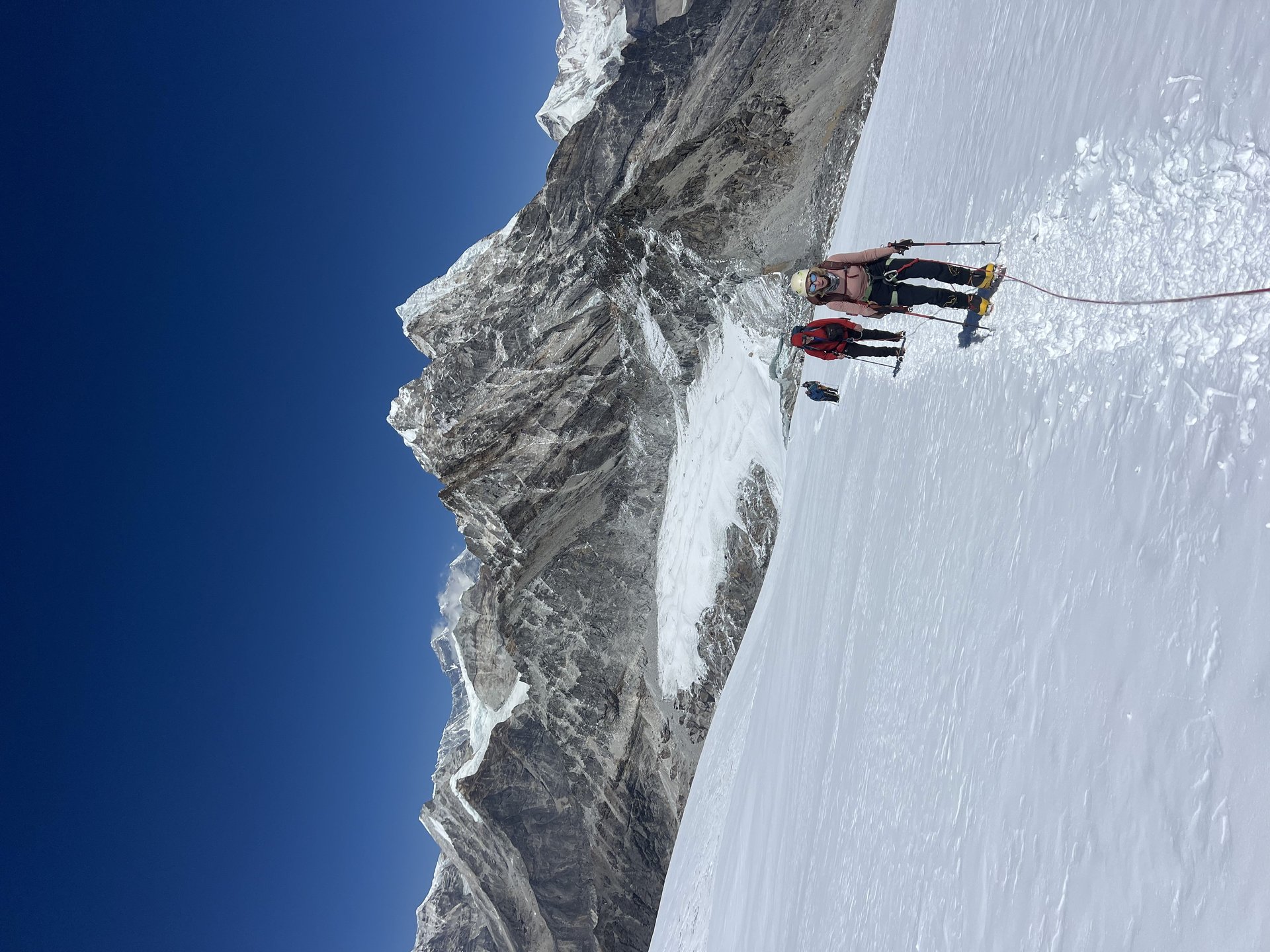
After descending from Mera Peak, the expedition enters increasingly technical terrain while crossing Amphu Laptsa Pass (5,845m), one of Nepal's most demanding high mountain passes. Fixed ropes are commonly used on the steep icy sections before descending into the Khumbu Valley. The final objective is Island Peak (6,189m), whose glaciated summit climb provides an excellent introduction to Himalayan mountaineering before returning through Dingboche, Namche Bazaar, and Lukla.
Why Choose AltiPro Adventures for the Mera Peak + Amphu Laptsa + Island Peak Expedition?
Experienced Climbing Guides
AltiPro's professional climbing guides have extensive experience leading technical trekking peak expeditions, glacier travel, and fixed rope climbing throughout the Everest region.
Progressive Acclimatisation
The itinerary is carefully designed with gradual altitude gain, dedicated acclimatisation days, and a logical climbing sequence that maximises safety before attempting both summits and Amphu Laptsa Pass.
Complete Mountaineering Support
The expedition includes experienced climbing staff, porter support, technical climbing equipment where applicable, fixed rope management during Amphu Laptsa, accommodation, meals, domestic flights, and all required permits.
Two Summits in One Expedition
Climbers successfully summit both Mera Peak and Island Peak while completing one of Nepal's finest alpine traverses across Amphu Laptsa Pass.
Small Group Size
Maximum 8 participants per departure allows close supervision during technical climbing sections, personalised instruction, and safer decision-making throughout the expedition.
Best Seasonal Departures
AltiPro operates departures during spring (March to May) and autumn (September to November), when weather conditions are generally most favourable for both trekking peaks and the Amphu Laptsa crossing.
Mera Peak + Amphu Laptsa + Island Peak — 22-Day Route Overview
The expedition ascends Mera Peak through the Hinku Valley before crossing Amphu Laptsa Pass into the Khumbu and finishing with the ascent of Island Peak.
Days 1–5: Kathmandu → Lukla → Khare (5,045m)
Fly to Lukla before trekking through Paiya, Panggom, Ningsow, Chhatra Khola, Kothe, Thangnak, and Khare while gradually ascending the remote Hinku Valley.
Days 6–9: Khare → Mera Peak Summit (6,476m) → Khongma Dingma
Complete climbing training before ascending Mera Peak via High Camp. Following the summit, descend into the upper Hinku Valley towards Khongma Dingma while preparing for the Amphu Laptsa crossing.
Days 10–13: Amphu Laptsa Pass (5,845m) → Chhukung (4,730m)
Cross the technical Amphu Laptsa Pass using fixed ropes where required before descending glaciers into the Chhukung Valley beneath Lhotse's towering south face.
Days 14–17: Island Peak Summit (6,189m) → Dingboche (4,410m)
Move to Island Peak Base Camp before climbing the glacier, fixed rope sections, and summit ridge to reach the summit of Island Peak. Descend safely to Dingboche after the climb.
Days 18–22: Dingboche → Namche Bazaar → Lukla → Kathmandu
Follow the classic Everest Base Camp trail through Tengboche, Namche Bazaar, and Lukla before flying back to Kathmandu, completing one of Nepal's premier alpine traverses.
How Difficult is the Mera Peak + Amphu Laptsa + Island Peak Expedition?
The Mera Peak + Amphu Laptsa + Island Peak Expedition is rated Very Challenging. Climbers reach a maximum altitude of 6,476 metres while completing two trekking peaks and crossing the technical Amphu Laptsa Pass. Previous high-altitude trekking experience is strongly recommended. Basic mountaineering skills, including the use of crampons, harnesses, ascenders, ice axe, and fixed ropes, are required or should be learned during the expedition.
Best Season for the Mera Peak + Amphu Laptsa + Island Peak Expedition
Spring (March–May): Stable weather, warmer temperatures, and generally reliable snow conditions make spring the most popular season for climbing both peaks and crossing Amphu Laptsa.
Autumn (September–November): Clear skies, dry weather, and excellent Himalayan visibility provide outstanding climbing conditions after the monsoon.
Mera Peak + Amphu Laptsa + Island Peak Expedition Cost
Complete expedition package including Mera Peak Climbing Permit, Island Peak Climbing Permit, Sagarmatha National Park Permit, Khumbu Pasang Lhamu Rural Municipality Permit, accommodation, meals during the trek and climb, experienced climbing guides, porter support, domestic flights, and all required group climbing equipment.
International flights, Nepal visa, travel insurance with helicopter evacuation coverage, personal climbing equipment, and personal expenses are not included. Contact AltiPro for full pricing.
Mera Peak + Amphu Laptsa + Island Peak Expedition — Frequently Asked Questions
Do I need climbing experience?
Previous high-altitude trekking experience is strongly recommended. Basic mountaineering experience is beneficial because the expedition includes glacier travel, fixed rope climbing, and technical terrain on Amphu Laptsa and Island Peak.
How high is Mera Peak?
Mera Peak stands at 6,476 metres, making it the highest trekking peak in Nepal.
How high is Amphu Laptsa Pass?
Amphu Laptsa Pass reaches 5,845 metres and is regarded as one of Nepal's most technical high mountain passes.
How high is Island Peak?
Island Peak stands at 6,189 metres, making it one of Nepal's most popular trekking peaks.
How long is the expedition?
AltiPro's complete itinerary is 22 days from Kathmandu return, including domestic flights, acclimatisation, both summit attempts, and the Amphu Laptsa crossing.
When is the best time for the expedition?
March to May and September to November provide the most stable weather, favourable snow conditions, and the safest opportunities for climbing both peaks.
Is Amphu Laptsa technically difficult?
Yes. Amphu Laptsa involves steep snow and ice slopes where fixed ropes are normally used. It is significantly more technical than standard trekking routes and requires careful guidance from experienced climbing guides.
What fitness level is required?
Participants should be capable of trekking and climbing for 7 to 10 hours daily over rugged mountain terrain while carrying a daypack. Several months of endurance, strength, and cardiovascular training are strongly recommended before departure.
Is this expedition suitable for beginners?
No. Although Mera Peak is considered a non-technical trekking peak under normal conditions, combining it with Amphu Laptsa Pass and Island Peak creates a demanding mountaineering expedition best suited to experienced high-altitude trekkers with good physical fitness and a willingness to learn technical climbing skills.
Highlights
- Mera Peak Summit (6,476 m / 21,247 ft)
- Island Peak Summit (6,189 m / 20,305 ft)
- Amphu Laptsa Pass (5,845 m / 19,177 ft)
- Remote Hinku Valley
- Chhukung Valley (4,730 m)
- Mera Glacier & High Alpine Glaciers
- Everest, Makalu, Lhotse, Cho Oyu & Kanchenjunga Views
- Technical Glacier & Fixed Rope Climbing
- Sagarmatha National Park
- Two Trekking Peaks in One Expedition
Detailed Itinerary
Click on each day to view details
| Day | Program | Meals | Accom. | |||||||||||||||||||||||||||||||||||||||||||||||||||||||||||||||||||||||||||||||||||||||||||||||||||||||||||||||||||||||||||||||||||||||||||||||||||||||||||||||||||||||||||||||||||||||||||||||||||||||||||||||||||||||||||||
|---|---|---|---|---|---|---|---|---|---|---|---|---|---|---|---|---|---|---|---|---|---|---|---|---|---|---|---|---|---|---|---|---|---|---|---|---|---|---|---|---|---|---|---|---|---|---|---|---|---|---|---|---|---|---|---|---|---|---|---|---|---|---|---|---|---|---|---|---|---|---|---|---|---|---|---|---|---|---|---|---|---|---|---|---|---|---|---|---|---|---|---|---|---|---|---|---|---|---|---|---|---|---|---|---|---|---|---|---|---|---|---|---|---|---|---|---|---|---|---|---|---|---|---|---|---|---|---|---|---|---|---|---|---|---|---|---|---|---|---|---|---|---|---|---|---|---|---|---|---|---|---|---|---|---|---|---|---|---|---|---|---|---|---|---|---|---|---|---|---|---|---|---|---|---|---|---|---|---|---|---|---|---|---|---|---|---|---|---|---|---|---|---|---|---|---|---|---|---|---|---|---|---|---|---|---|---|---|---|---|---|---|---|---|---|---|---|---|---|---|---|---|---|---|---|
| 1 | Arrival in Kathmandu (1,350m), briefing and preparation | B/D | Hotel | |||||||||||||||||||||||||||||||||||||||||||||||||||||||||||||||||||||||||||||||||||||||||||||||||||||||||||||||||||||||||||||||||||||||||||||||||||||||||||||||||||||||||||||||||||||||||||||||||||||||||||||||||||||||||||||
|
Arrival in Kathmandu (1,350m), briefing and preparation
2
|
Kathmandu – permits processing and gear check |
Breakfast |
Hotel |
|
| Kathmandu – permits processing and gear check
3
|
Fly from Kathmandu to Lukla, trek to Paiya (2,860m) |
B/L/D |
Lodge |
|
| Fly from Kathmandu to Lukla, trek to Paiya (2,860m)
4
|
Trek from Paiya to Panggom (3,000m) |
B/L/D |
Lodge |
|
| Trek from Paiya to Panggom (3,000m)
5
|
Trek from Panggom to Ramailo (3,250m) |
B/L/D |
Lodge |
|
| Trek from Panggom to Ramailo (3,250m)
6
|
Trek from Ramailo to Chhatra Khola (3,500m) |
B/L/D |
Lodge |
|
| Trek from Ramailo to Chhatra Khola (3,500m)
7
|
Trek from Chhatra Khola to Kothe (3,700m) |
B/L/D |
Lodge |
|
| Trek from Chhatra Khola to Kothe (3,700m)
8
|
Trek from Kothe to Thagnak (4,350m) |
B/L/D |
Lodge |
|
| Trek from Kothe to Thagnak (4,350m)
9
|
Trek from Thagnak to Khare (5,050m) |
B/L/D |
Lodge |
|
| Trek from Thagnak to Khare (5,050m)
10
|
Acclimatization and climbing training in Khare |
B/L/D |
Lodge |
|
| Acclimatization and climbing training in Khare
11
|
Trek from Khare to Mera Peak High Camp (5,600m) |
B/L/D |
Tent |
|
| Trek from Khare to Mera Peak High Camp (5,600m)
12
|
Summit Mera Peak (6,476m) and descend to Khare (5,050m) |
B/L/D |
Lodge |
|
| Summit Mera Peak (6,476m) and descend to Khare (5,050m)
13
|
Trek from Khare to Seto Pokhari and Amphu Laptsa approach (5,200m) |
B/L/D |
Tent |
|
| Trek from Khare to Seto Pokhari and Amphu Laptsa approach (5,200m)
14
|
Cross Amphu Laptsa Pass and continue to Island Peak Base Camp approach (5,100m) |
B/L/D |
Tent |
|
| Cross Amphu Laptsa Pass and continue to Island Peak Base Camp approach (5,100m)
15
|
Preparation and training at Island Peak Base Camp |
B/L/D |
Tent |
|
| Preparation and training at Island Peak Base Camp
16
|
Summit Island Peak (6,189m) and descend to Chhukung (4,730m) |
B/L/D |
Lodge |
|
| Summit Island Peak (6,189m) and descend to Chhukung (4,730m)
17
|
Trek from Chhukung to Tengboche (3,860m) |
B/L/D |
Lodge |
|
| Trek from Chhukung to Tengboche (3,860m)
18
|
Trek from Tengboche to Namche Bazaar (3,440m) |
B/L/D |
Lodge |
|
| Trek from Tengboche to Namche Bazaar (3,440m)
19
|
Trek from Namche Bazaar to Lukla (2,860m) |
B/L/D |
Lodge |
|
| Trek from Namche Bazaar to Lukla (2,860m)
20
|
Rest / buffer day in Lukla (2,860m) |
B/L/D |
Lodge |
|
| Rest / buffer day in Lukla (2,860m)
21
|
Fly from Lukla to Kathmandu (1,350m) |
B/L |
Hotel |
|
| Fly from Lukla to Kathmandu (1,350m)
22
|
Buffer / rest day in Kathmandu (1,350m) |
Breakfast |
Hotel |
|
| Buffer / rest day in Kathmandu (1,350m)
23
|
Final departure from Kathmandu |
Breakfast |
..... |
|
| Final departure from Kathmandu | ||||||||||||||||||||||||||||||||||||||||||||||||||||||||||||||||||||||||||||||||||||||||||||
Services
Includes
Airport - Hotel transfer – Airport (Pick Up and Drop).
3 nights sharing a twin bedroom at the hotel (3 Star category) in Kathmandu on a bed & breakfast basis.
One Welcome Dinner in a tourist standard restaurant in Kathmandu with Office’s Staff.
All necessary paper works: Makalu Barun and Sagarmatha National Park permit, TIMS CARD & Pasang Lhamu Rural Municipality entry fee.
Insurance for all involved Nepalese staff during the trek.
Everest Region Trekking map.
Air Transportation: (Domestic Flight) Fly from Kathmandu – to Tumlingtar and while returning Lukla - Kathmandu, with Guide as per itinerary. Land Transportation: Drive from Tumlingtar to Num.
Up to 15 Kg of personal baggage per member during the trek carried by porters.
3 meals a day (BLD; including tea and coffee) along with accessible accommodation sharing a twin bedroom at Hotel/Lodge during the trek.
All necessary camping equipment and stuff during the trek.
2 liters of boiled water to carry on thermos per day per member.
Government licensed Guide (English speaking) during the trek and sightseeing in Kathmandu valley.
Porters (2 trekkers: 1 porter) during the trek.
All Nepalese staff & porter's daily wages, salary, equipment, food & clothing.
Sightseeing in Kathmandu Valley [Swoyambu (Monkey temple) and Kathmandu Durbar Square] by a professional guide.
Comprehensive Medical kit.
Excludes
International flight airfare (from and to Kathmandu).
Nepali Visa fee is US$ 40 per person for 30 days (to be applied for 60 days (USD$ 100).
Lunch & dinner during the stay in Kathmandu (also in case of early return from Trekking than the scheduled itinerary).
Extra nights' accommodation in Kathmandu. In case of early arrival or late departure, early return from Trekking (due to any reason) than the scheduled itinerary.
Travel and high altitude insurance, accident, medical & emergency evacuation.
Medical Insurance and emergency rescue evacuation cost if required. (Rescue, Repatriation, Medication, Medical Tests, and Hospitalization costs.)
Telephone calls, Internet, Toiletries, battery recharge, hot shower, laundry, soft drinks, beer, and any alcoholic beverages.
Clothing, Packing Items or Bags, Personal Medical Kit, Personal Trekking Gears, etc.
Soaps, shampoos, toilet and tissue papers, toothpaste, and other items used to keep yourself clean.
Special Filming, Camera, and Drone permit fee.
Internet facility during the trek is not included.
$25 USD for an extra porter per day (If an extra porter is demanded).
Tips for Guide, porters, and staff.
Any other services or activities not mentioned in the itinerary. Any other item not listed in the “Cost Includes” section.
Gear Lists & Useful Information
Been on this trek?
Your feedback helps other travelers plan their adventure of a lifetime. Share your experience with us!
 Khumbu Region
Combined Peak Trek – Mera + Island + Lobuche East
Combined Peak Trek – Mera + Island + Lobuche East
 Khumbu Region
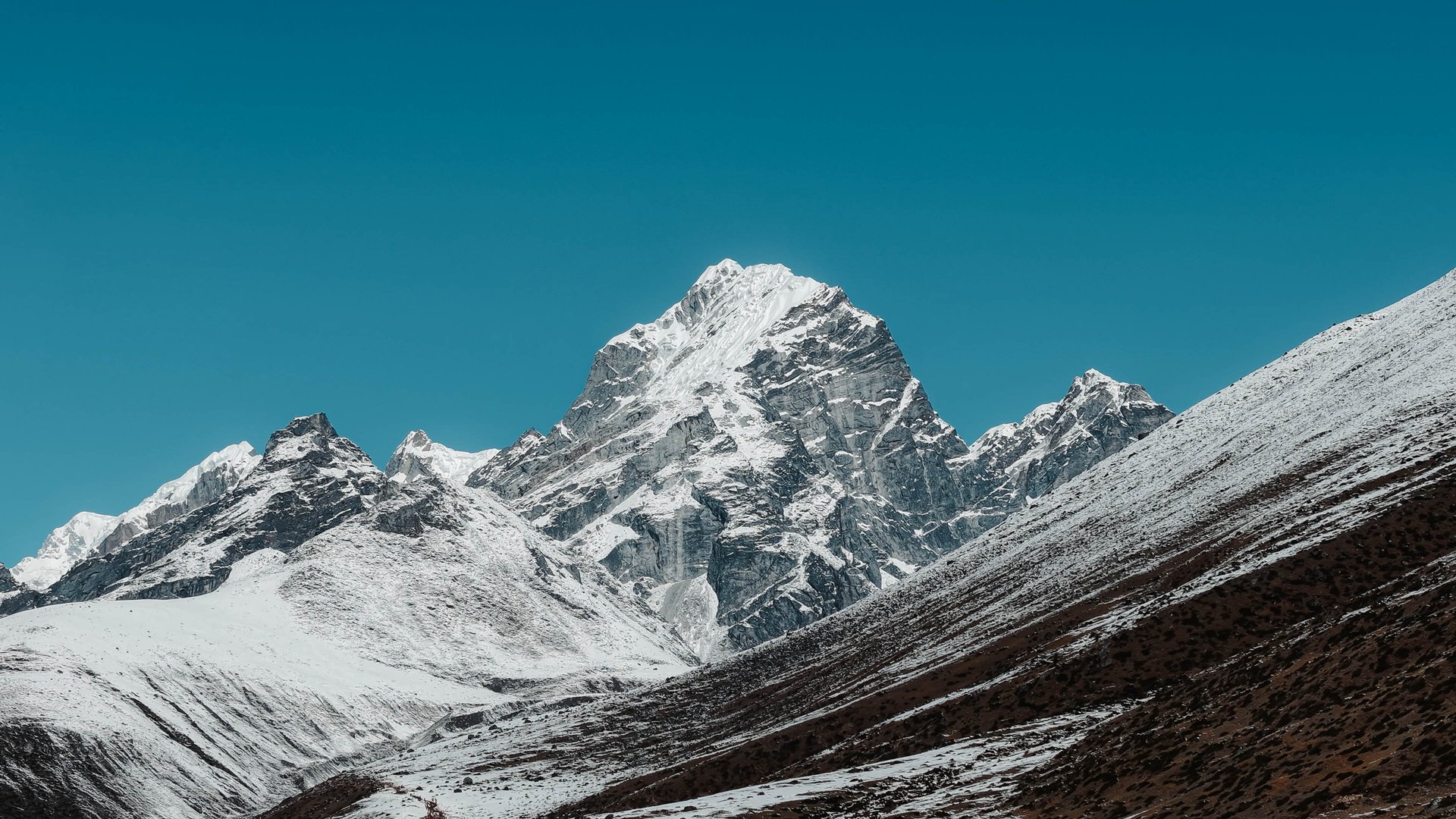
EBC + Island Peak Trek & Climb
Trek to Everest Base Camp then climb Island Peak (6,189 m) — the Khumbu's definitive two-summit adventure.
 Khumbu Region
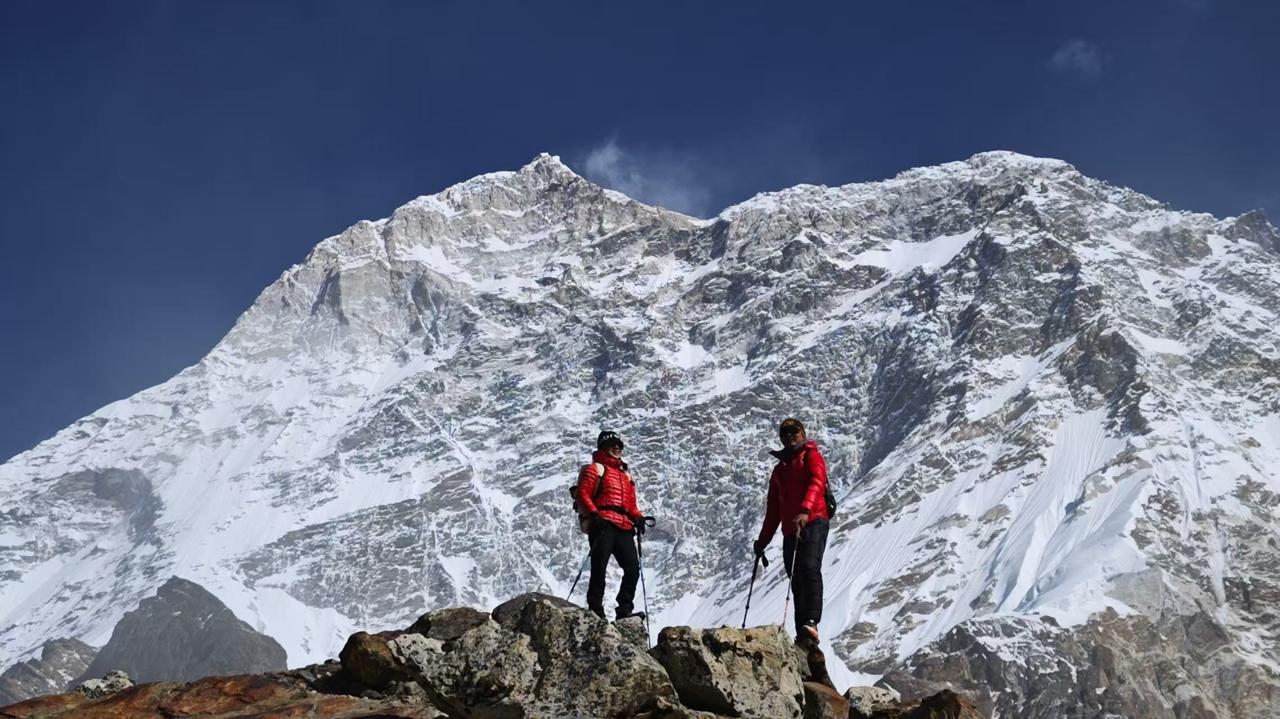
EBC + Lobuche East Trek
Trek to Everest Base Camp and summit Lobuche East for the ultimate Himalayan adventure through legendary trails, towering glaciers, and breathtaking alpine landscapes.
 Khumbu Region
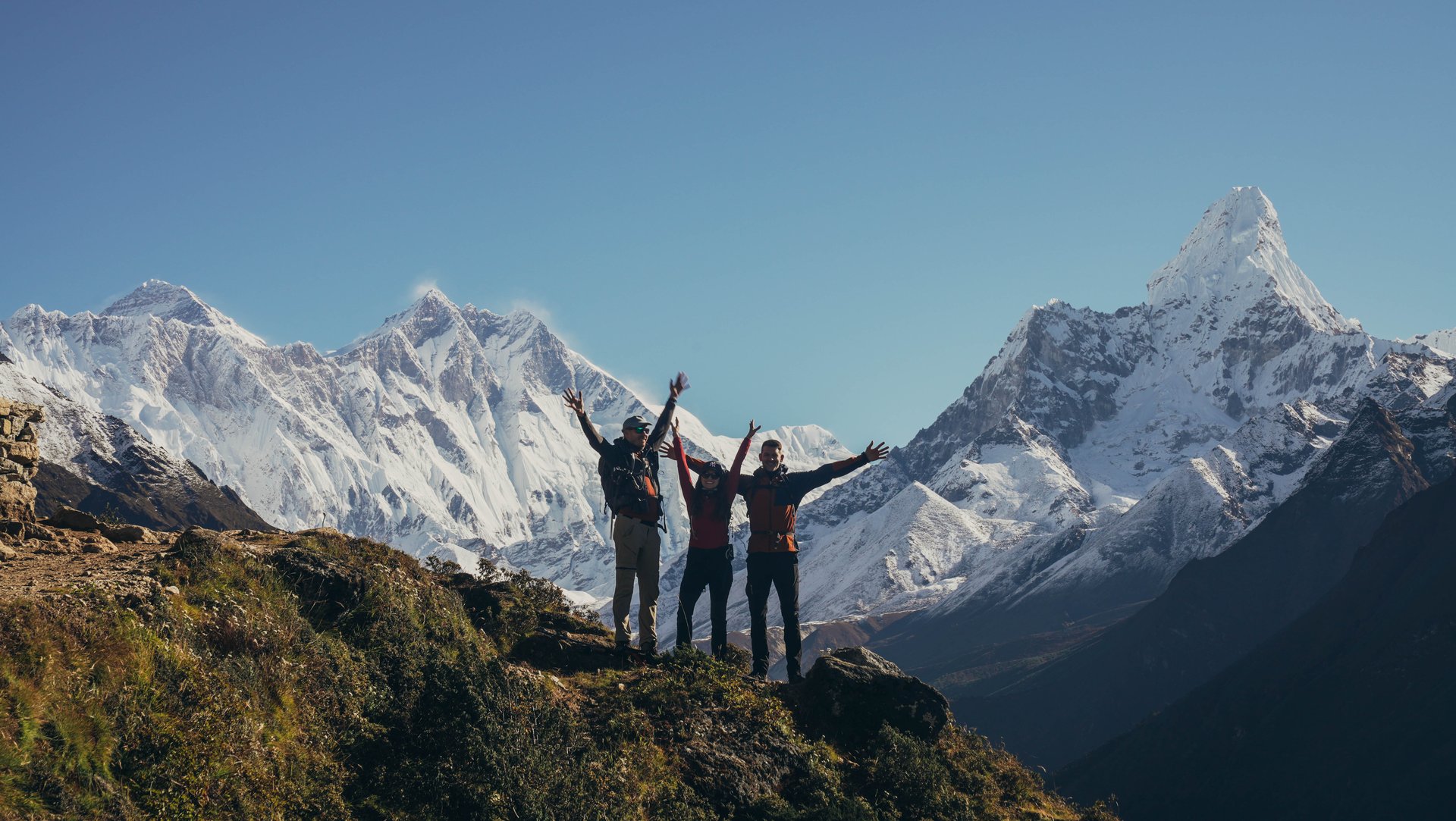
Makalu Base Camp + Amphu Laptsa Extended Trek
Journey across Nepal's most remote Himalayan wilderness from Makalu Base Camp to the technical Amphu Laptsa Pass, where glaciers, towering peaks, and an unforgettable traverse into the Khumbu await.
 Khumbu Region
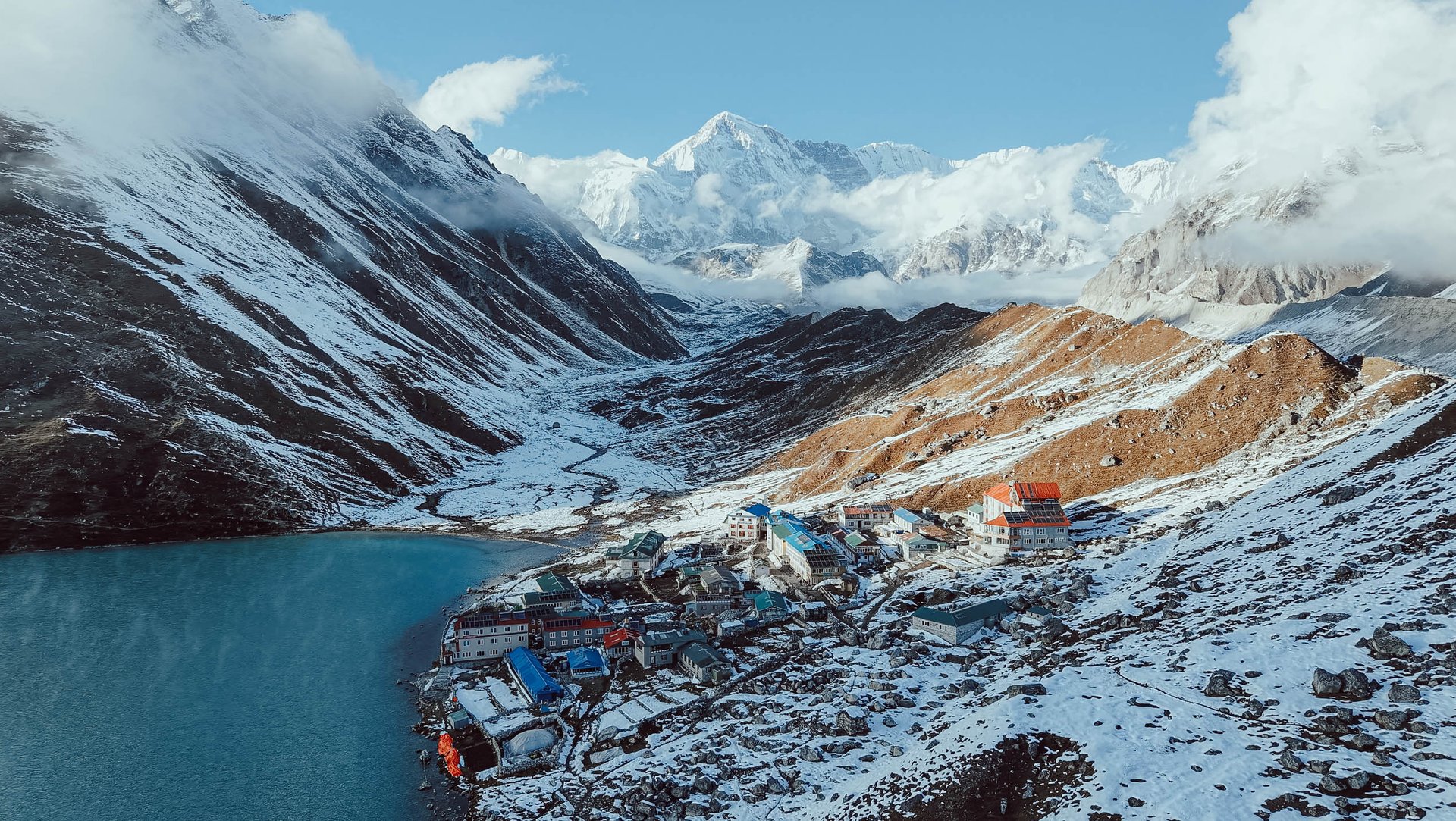
Everest Base Camp Trek
Everest Base Camp Trek — Khumbu Glacier & Kala Patthar (5,545 m)
 Khumbu Region
Gokyo Lakes + Cho La Pass + Everest Base Camp Trek
Three High Points of Khumbu in One Trek — Gokyo Lakes, Cho La Pass & Everest Base Camp
Ready to Start Your Trekking Adventure?
Contact us to book your trek or get more information