
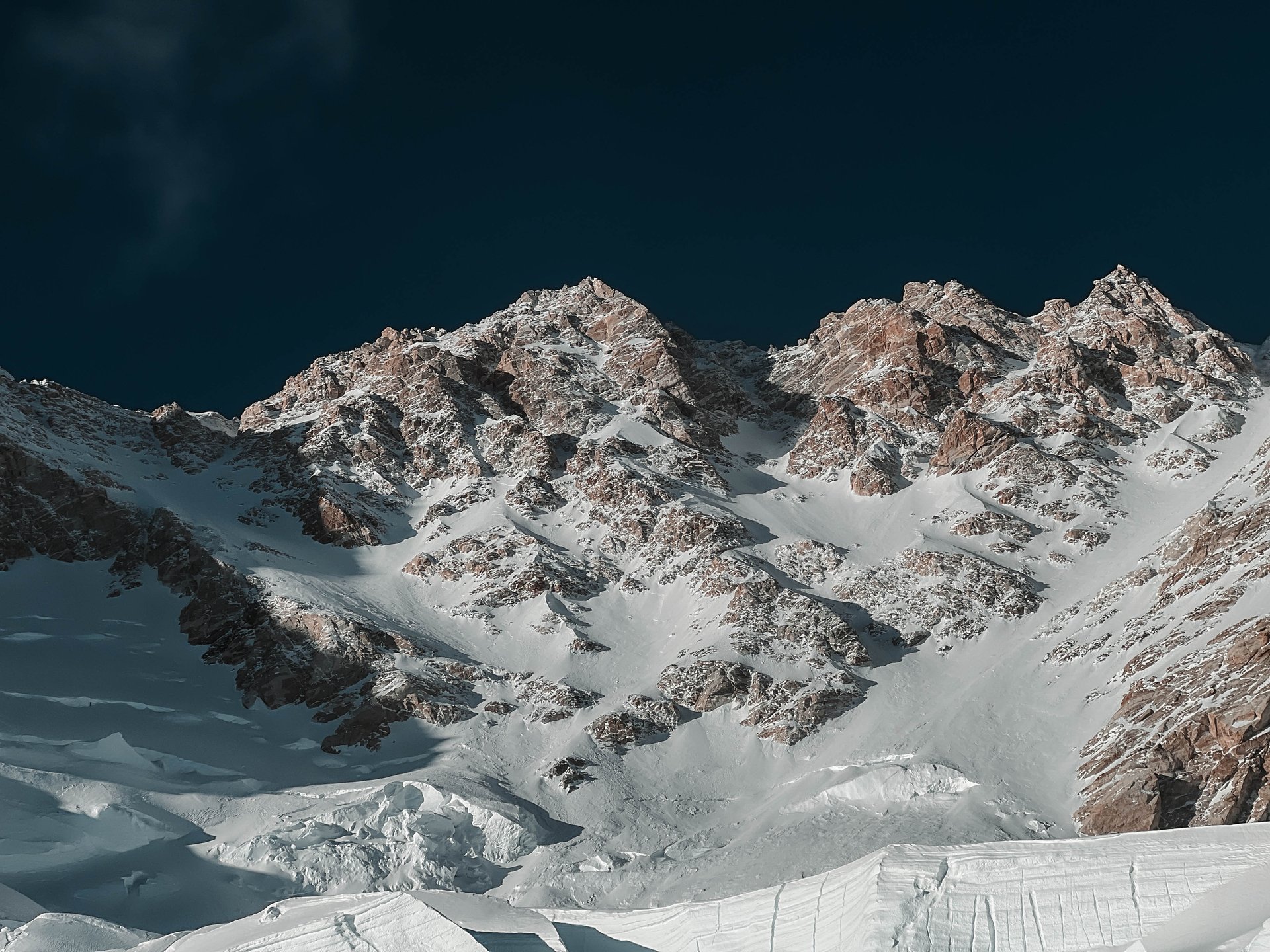
Expedition Overview
What is the Kanchenjunga Expedition?
Kanchenjunga (8,586 m / 28,169 ft) is the third highest peak in the world, located in eastern Nepal across the border with the Indian state of Sikkim. It is called the Five Treasures of Snow in Tibetan, in reference to its five summits and the glaciers between them. It is one of the most remote and rarely climbed of the fourteen 8,000m peaks - first summited by George Band and Joe Brown of the British Kangchenjunga Expedition on 25 May 1955. Fewer climbers have stood on Kanchenjunga than on any other 8,000m peak except Annapurna, a testament to its remoteness, difficulty, and the limited number of permits issued each year.
The AltiPro Kanchenjunga Expedition follows the most established and successful line on the mountain - the Northwest Face Route, approaching via the Kanchenjunga Glacier on the Nepal side and climbing through high camps at 6,000m, 7,200m and 7,800m to the Main Summit at 8,586m. By tradition respected by all expeditions since the first ascent, climbers stop just short of the true summit in reverence for the Sikkimese belief that the mountain is sacred.
The AltiPro Kanchenjunga Expedition 2027 is a 55-day spring expedition departing Kathmandu in late March 2027, trekking to Base Camp at 5,100m via the Ghunsa Valley. A maximum of 8 climbers is accepted with a 1:1 Climbing Sherpa ratio, supplemental oxygen for all climbers above Camp 3, and an Expedition Doctor at Base Camp throughout the season. Prior experience on 7,000m or 8,000m peaks is required.
About Kanchenjunga - Five Treasures of Snow
Kanchenjunga is one of the least commercialised of all 8,000m peaks. Nepal issues very few permits each year, and the remote approach through the Ghunsa Valley in far eastern Nepal means teams rarely encounter other expeditions on the mountain. The result is an adventure that is truly wild and exploratory - far removed from the crowded south-side Everest experience.
The mountain's five summits - the Main Summit at 8,586m, Central Summit at 8,482m, South Summit at 8,476m, Kangbachen at 7,903m, and Yalung Kang at 8,505m - offer some of the most sweeping views in the Himalayas, stretching across Nepal, Sikkim and into Tibet on clear days. The surrounding Kanchenjunga Conservation Area is one of the most biodiverse zones in the range, with red pandas, snow leopards, and endangered orchid species found along the approach trek.
Why Choose AltiPro Adventures for Kanchenjunga?
Early Permit Allocation
AltiPro secures Kanchenjunga permits early in the season to guarantee team places on the mountain. All permit logistics in Nepal and coordination with Sikkimese authorities are handled entirely by our team.
Fully Equipped Remote Base Camp
Base Camp at 5,100m is set up with expedition tents, a cook tent, a dining tent, and a fully equipped medical facility. The 12-day approach trek from Taplejung through the Ghunsa Valley is guided by our experienced trek leadership team.
Maximum Oxygen Coverage
All climbers receive supplemental oxygen from Camp 3 (7,200m) onwards. Four cylinders are allocated per climber with a dedicated Sherpa oxygen carrier. Summit Sherpas carry additional reserve cylinders to the upper mountain.
Small, Managed Teams
A maximum of 8 climbers keeps team size manageable on a mountain with limited fixed rope infrastructure. Sherpas are assigned 1:1 from Camp 1 onwards, providing close personal support at every stage of the climb.
Safety and Medical Support
An Expedition Doctor with high altitude medicine experience is resident at Base Camp for the full season. Daily health checks and a satellite-linked weather forecast service keep the team informed and safe throughout.
The Ghunsa Valley Approach
The 12-day trek to Base Camp through the Ghunsa Valley is one of the finest wilderness treks in Nepal, passing rhododendron forests, yak pastures, and Buddhist monasteries before opening into the Kanchenjunga Glacier basin.
The Northwest Face Route (8,586 m)
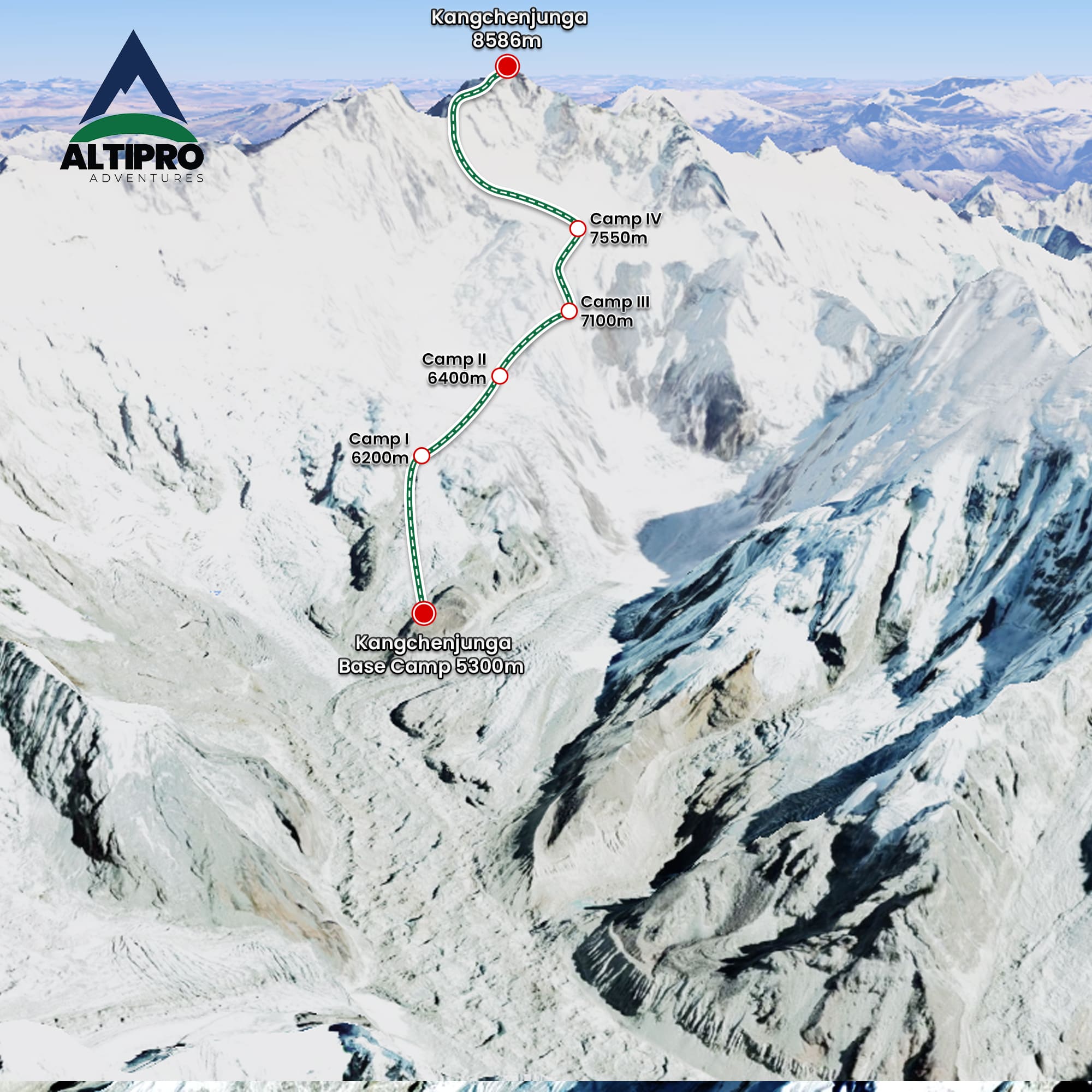
The Northwest Face is the standard route on Kanchenjunga, ascending via the Kanchenjunga Glacier from the Nepal side. The route gains approximately 3,486 vertical metres from Base Camp at 5,100m to the summit at 8,586m through three high camps.
Ghunsa Valley Approach - Taplejung to Base Camp (1,820m to 5,100m)
A 12-day approach trek from Taplejung passes through Ghunsa, Kambachen and Lhonak before reaching the Kanchenjunga Glacier. The route offers outstanding views of Jannu (7,710m), Kanchenjunga's north face, and the Yalung Kang satellite peak.
Base Camp to Camp 1 - Northwest Face Snow Slopes (5,100m to 6,000m)
The route crosses the upper Kanchenjunga Glacier and ascends the Northwest Face snow slopes to Camp 1 at 6,000m. This section involves glacier travel and the first technical snow and ice of the route, fully protected by fixed ropes.
Camp 1 to Camp 2 - Mixed Snow and Ice Terrain (6,000m to 7,200m)
A sustained section of steep snow and ice through mixed terrain leads to Camp 2 on a sheltered snow terrace at 7,200m. This is the longest section of the route and requires thorough acclimatisation before committing to the upper mountain.
Camp 2 to Camp 3 - Technical Mixed Ground (7,200m to 7,800m)
The route steepens significantly above Camp 2, ascending mixed rock and ice terrain to Camp 3 at 7,800m. Supplemental oxygen use begins here. This is the most technically demanding section of the entire route.
Camp 3 to Summit - Upper Snowfields and Summit Ridge (7,800m to 8,586m)
The summit push crosses the upper snowfields and the final summit ridge to the Main Summit at 8,586m. By tradition, climbers stop a few metres short of the true summit in respect for the Sikkimese belief that Kanchenjunga's peak should remain untouched.
How Difficult is the Kanchenjunga Expedition?
Kanchenjunga is rated Extreme. It is less technically demanding than K2 or Annapurna but far more committing than Cho Oyu or Manaslu due to its remoteness, the length of the route, and the sustained nature of the upper sections above Camp 2. Route-finding on the upper mountain requires genuine experience on mixed high-altitude terrain. AltiPro requires climbers to have prior experience on peaks above 7,000m, and preferably at least one 8,000m summit. The primary challenges are extreme remoteness, the length of the approach and ascent, and unpredictable weather on the Nepal–Sikkim border where no neighbouring expedition traffic provides additional fixed rope support.
Best Season for the Kanchenjunga Expedition
Spring (April–May): The only reliable season for a summit attempt. Base Camp is established and the first acclimatisation rotations are completed in late April. The main summit window opens in early May and closes by late May as monsoon cloud systems begin building over Sikkim and eastern Nepal.
Why not autumn: Unlike most other 8,000m peaks, Kanchenjunga is not realistically climbed in autumn. Monsoon precipitation leaves the upper mountain heavily loaded with snow well into October, and the Ghunsa Valley approach becomes increasingly unstable. Spring is the only window AltiPro operates on this peak.
Kanchenjunga Expedition Cost
Full-service Kanchenjunga expedition - permits, logistics, oxygen and full Sherpa support included.
Includes all ground logistics from Kathmandu to Base Camp and back, government permit fees, trekking and climbing Sherpa wages, base camp and high camp equipment, supplemental oxygen for all climbers from Camp 3, a 1:1 Climbing Sherpa ratio, and an on-site Expedition Doctor. International flights, personal climbing equipment, and summit bonuses are not included. Contact AltiPro for a full cost breakdown and package details.
Kanchenjunga Expedition - Frequently Asked Questions
Common questions about climbing Kanchenjunga with AltiPro Adventures.
What climbing experience is required for the Kanchenjunga Expedition?
AltiPro requires climbers to have prior experience on peaks above 7,000m. Experience on an 8,000m peak is strongly preferred given the remoteness and length of the route. Climbers new to 8,000m peaks should consider our Manaslu or Cho Oyu expeditions first.
Is supplemental oxygen used on the Kanchenjunga Expedition?
Yes. All climbers receive supplemental oxygen from Camp 3 at 7,200m onwards. Four cylinders are allocated per climber, with Sherpa support carrying additional reserve cylinders to the upper camps.
How remote is the Kanchenjunga Base Camp approach?
The approach trek takes 12 days from Taplejung via the Ghunsa Valley. The region sees very few trekkers compared to the Everest or Annapurna circuits. There is no road access beyond Taplejung, and the trail passes through some of the most pristine mountain wilderness in Nepal.
Why do climbers stop short of the true summit?
By tradition respected since the first ascent in 1955, all expeditions stop a few metres short of the true summit in honour of the Sikkimese belief that Kanchenjunga is sacred and its peak should remain untouched by humans.
What is the maximum team size?
AltiPro limits Kanchenjunga teams to a maximum of 8 climbers with a 1:1 Climbing Sherpa ratio. The smaller team size is appropriate for a mountain with limited fixed rope infrastructure and restricted rescue access.
What is included in the expedition cost?
The cost covers all ground logistics from Kathmandu, permit fees, trekking and climbing Sherpa support, base camp and high camp equipment, supplemental oxygen from Camp 3, and the Expedition Doctor. International flights, personal gear, and summit bonuses are excluded.
When does the Kanchenjunga Expedition 2027 depart?
The AltiPro Kanchenjunga Expedition 2027 departs Kathmandu in late March 2027, beginning the approach trek in early April and targeting the summit window in early to mid-May.
Is there medical support at Base Camp?
Yes. An Expedition Doctor with high altitude medicine experience is resident at Base Camp for the full season. Daily health checks, Gamow Bag availability, and satellite communication with evacuation services are standard on all AltiPro expeditions.
Detailed Itinerary
Click on each day to view details
| Day | Program | Meals | Accom. | |||||||||||||||||||||||||||||||||||||||||||||||||||||||||||||||||||||||||||||||||||||||||||||||||||||||||||||||||||||||||||||||||||||||||||||||||||||||||||||||||||||||||||||||||||||||||||||||||||||||||||||||||||||||||||||||||||||||||||||||||||||||||||||||||||||||||||||||||||||||||||||||||||||||||||||||||||||||||||||||||||||||||||
|---|---|---|---|---|---|---|---|---|---|---|---|---|---|---|---|---|---|---|---|---|---|---|---|---|---|---|---|---|---|---|---|---|---|---|---|---|---|---|---|---|---|---|---|---|---|---|---|---|---|---|---|---|---|---|---|---|---|---|---|---|---|---|---|---|---|---|---|---|---|---|---|---|---|---|---|---|---|---|---|---|---|---|---|---|---|---|---|---|---|---|---|---|---|---|---|---|---|---|---|---|---|---|---|---|---|---|---|---|---|---|---|---|---|---|---|---|---|---|---|---|---|---|---|---|---|---|---|---|---|---|---|---|---|---|---|---|---|---|---|---|---|---|---|---|---|---|---|---|---|---|---|---|---|---|---|---|---|---|---|---|---|---|---|---|---|---|---|---|---|---|---|---|---|---|---|---|---|---|---|---|---|---|---|---|---|---|---|---|---|---|---|---|---|---|---|---|---|---|---|---|---|---|---|---|---|---|---|---|---|---|---|---|---|---|---|---|---|---|---|---|---|---|---|---|---|---|---|---|---|---|---|---|---|---|---|---|---|---|---|---|---|---|---|---|---|---|---|---|---|---|---|---|---|---|---|---|---|---|---|---|---|---|---|---|---|---|---|---|---|---|---|---|---|---|---|---|---|---|---|---|---|---|---|---|---|---|---|---|---|---|---|---|---|---|---|---|---|---|---|---|---|---|---|---|---|---|---|---|---|---|---|---|---|---|---|---|---|---|---|---|---|---|---|---|---|---|---|---|---|---|---|---|---|---|
| 1 | Arrival in Kathmandu (1,350m) | Breakfast | Hotel | |||||||||||||||||||||||||||||||||||||||||||||||||||||||||||||||||||||||||||||||||||||||||||||||||||||||||||||||||||||||||||||||||||||||||||||||||||||||||||||||||||||||||||||||||||||||||||||||||||||||||||||||||||||||||||||||||||||||||||||||||||||||||||||||||||||||||||||||||||||||||||||||||||||||||||||||||||||||||||||||||||||||||||
|
Arrive at Kathmandu Tribhuvan International Airport and transfer to hotel.
2 – 3
|
Kathmandu — Briefing, Permits & Gear Check |
Breakfast |
Hotel |
|
|
Expedition briefing, official permit processing, full gear check, and last-minute shopping in Kathmandu.
4
|
Fly Kathmandu → Bhadrapur, Drive to Taplejung (1,820m) |
Breakfast / Lunch / Dinner |
Lodge |
|
|
Approximately 45-minute domestic flight to Bhadrapur (94m), followed by a drive to Taplejung.
5
|
Drive Taplejung → Sekathum (1,650m) |
Breakfast / Lunch / Dinner |
Lodge |
|
|
Drive to Sekathum and enter the Kanchenjunga Conservation Area.
6
|
Trek Sekathum → Amjilosa (2,498m) |
Breakfast / Lunch / Dinner |
Lodge |
|
|
Cross the Ghunsa Khola and gain the first views of high peaks on the approach.
7
|
Trek Amjilosa → Gyabla (2,725m) |
Breakfast / Lunch / Dinner |
Lodge |
|
|
Trek through rhododendron forests as Tibetan culture begins to appear along the trail.
8
|
Trek Gyabla → Ghunsa (3,415m) |
Breakfast / Lunch / Dinner |
Lodge |
|
|
Arrive at Ghunsa, home to a Buddhist monastery and the last major village on the route.
9
|
Acclimatization Day at Ghunsa (3,415m) |
Breakfast / Lunch / Dinner |
Lodge |
|
|
Rest day at Ghunsa with a short acclimatization hike above the village.
10
|
Trek Ghunsa → Khambachen (4,050m) |
Breakfast / Lunch / Dinner |
Lodge |
|
|
Trek to Khambachen with massive views of Jannu (Kumbhakarna, 7,711m) dominating the horizon.
11
|
Trek Khambachen → Lhonak (4,792m) |
Breakfast / Lunch / Dinner |
Tent |
|
|
High alpine terrain with expanding Kanchenjunga glacier views on the approach to Lhonak.
12
|
Trek Lhonak → Pangpema / North Base Camp (5,143m) & Return |
Breakfast / Lunch / Dinner |
Tent |
|
|
Day excursion to Pangpema North Base Camp viewpoint (5,143m) for acclimatization, then return to Lhonak.
13
|
Trek Back to Ghunsa (3,415m) |
Breakfast / Lunch / Dinner |
Lodge |
|
|
Descend to Ghunsa, consolidating acclimatization from the high-altitude viewpoint visit.
14
|
Trek Ghunsa → Tseram (3,870m) via Three Passes |
Breakfast / Lunch / Dinner |
Tent |
|
|
Cross Sele La, Mirgin La, and Sinion La passes to reach Tseram on the southern approach to the Yalung Glacier.
15
|
Trek Tseram → Ramche (4,610m) |
Breakfast / Lunch / Dinner |
Tent |
|
|
Trek along the Yalung Glacier approach to Ramche.
16
|
Trek to South Base Camp Viewpoint (Oktang, 4,730m) & Return |
Breakfast / Lunch / Dinner |
Tent |
|
|
Day excursion to the Oktang South Base Camp viewpoint and return to Tseram.
17
|
Trek Tseram → Yalung Base Camp (4,840m) |
Breakfast / Lunch / Dinner |
Tent |
|
|
Arrive at Yalung Base Camp, pre-established and ready by the AltiPro advance Sherpa team.
18
|
Puja Ceremony & Technical Briefing |
Breakfast / Lunch / Dinner |
Tent |
|
|
Puja ceremony at Base Camp followed by a full rope-fixing briefing and technical gear inspection.
19 – 20
|
1st Rotation — Base Camp to Camp I (6,200m) |
Breakfast / Lunch / Dinner |
Tent |
|
|
First acclimatization rotation: Base Camp to Camp I overnight on the Southwest Face, then descend to Base Camp. First serious glacier navigation and initial 6,000m+ exposure.
21 – 22
|
Rest & Recovery at Base Camp |
Breakfast / Lunch / Dinner |
Tent |
|
|
Rest days with Expedition Doctor O₂ saturation checks and ongoing summit weather monitoring.
23 – 25
|
2nd Rotation — Camp I to Camp II (6,400m) |
Breakfast / Lunch / Dinner |
Tent |
|
|
Second rotation: Camp I to Camp II overnight on the Southwest Face, then descend to Base Camp. Full acclimatization response locks in.
26 – 28
|
Rest Days at Base Camp — Summit Window Monitoring |
Breakfast / Lunch / Dinner |
Tent |
|
|
Full rest at Base Camp with 6-hourly weather forecasts and confirmation of a 48-hour stable summit window.
29
|
Summit Bid — Base Camp to Camp I (6,200m) |
Breakfast / Lunch / Dinner |
Tent |
|
|
Begin the summit push by moving from Yalung Base Camp to Camp I on the Southwest Face.
30
|
Summit Bid — Camp I to Camp II (6,400m) |
Breakfast / Lunch / Dinner |
Tent |
|
|
Move from Camp I to Camp II. Rest and prepare for the upper mountain.
31
|
Summit Bid — Camp II to Camp III (7,000m) |
Breakfast / Lunch / Dinner |
Tent |
|
|
Move to Camp III on the Great Shelf. Supplemental oxygen begins here for all climbers.
32
|
Summit Bid — Camp III to Camp IV (7,550m) |
Breakfast / Lunch / Dinner |
Tent |
|
|
Move to the final high camp above the Great Shelf. Rest and prepare for the pre-dawn summit departure.
33
|
Summit Day — Kanchenjunga (8,586m) |
Breakfast / Lunch / Dinner |
Tent |
|
|
Pre-dawn departure from Camp IV up the Southwest Face to the summit of Kanchenjunga (8,586m / 28,169ft). Descend to Camp II or Camp III.
34
|
Descend to Base Camp — Summit Celebration |
Breakfast / Lunch / Dinner |
Tent |
|
|
Full descent from Camp II to Yalung Base Camp followed by a post-summit celebration with the Sherpa team.
35
|
Base Camp Cleanup & Departure Preparation |
Breakfast / Lunch / Dinner |
Tent |
|
|
Base Camp cleanup and packing of all expedition equipment in preparation for the descent.
36 – 38
|
Trek Descent — Base Camp to Tseram to Tortong (2,995m) |
Breakfast / Lunch / Dinner |
Lodge |
|
|
Multi-day descent from Yalung Base Camp through Tseram to Tortong as the body recovers at lower altitude.
39 – 41
|
Trek Yamphudin → Taplejung via Lali Kharka |
Breakfast / Lunch / Dinner |
Lodge |
|
|
Multi-day trek from Yamphudin (2,080m) to Taplejung via Lali Kharka and Kande Bhanjyang, completing the approach circuit.
42
|
Drive Taplejung → Bhadrapur, Fly to Kathmandu |
Breakfast / Lunch / Dinner |
Hotel |
|
|
Drive to Bhadrapur (94m) and fly back to Kathmandu (1,350m).
43
|
Celebration Day in Kathmandu |
Breakfast / Lunch / Dinner |
Hotel |
|
|
Summit certificates presented and farewell dinner with the full expedition team in Kathmandu.
44 – 54
|
Buffer Days — Weather & Summit Window Reserve |
Breakfast / Lunch / Dinner |
Hotel |
|
|
Buffer days held for weather delays, a second summit window, or recovery time.
55
|
Final Departure from Kathmandu |
Breakfast |
|
|
|
Transfer to Kathmandu Tribhuvan International Airport for onward international flights.
| ||||||||||||||||||||||||||||||||||||||||||||||||||||||||||||||||||||||||||||||||||||||||||||||||||||||||||||||||||||||||||||||||||||||||
Services
Includes
- ✅ Airport pick-up and drop for all international and domestic flights
- ✅ 4 nights 4-star hotel in Kathmandu (BB) — 2 nights pre-expedition, 2 nights post-expedition
- ✅ Welcome dinner and farewell dinner in Kathmandu
- ✅ Domestic flights: Kathmandu ↔ Bhadrapur for all team members and expedition staff
- ✅ Drive Bhadrapur → Taplejung → Sekathum and return by private vehicle with guide
- ✅ Porters from Sekathum to Yalung Base Camp and back — all expedition equipment
- ✅ Full board accommodation at all lodges and teahouses during the trek to and from Base Camp
- ✅ All expedition staff transport: Kathmandu – Base Camp – Kathmandu
- ✅ Personal climbing equipment transfer: Kathmandu – Kanchenjunga Base Camp – Kathmandu (60 kg per member)
- ✅ Kanchenjunga expedition royalty fee and all official Nepal government documentation
- ✅ Kanchenjunga Conservation Area Permit (KCAP)
- ✅ Kanchenjunga Restricted Area Permit (RAP)
- ✅ Garbage management and environmental deposit fee
- ✅ One official Nepal Government Liaison Officer for the full expedition duration
- ✅ Nepal government taxes and company service charges
- ✅ Full expedition planning, coordination, and on-ground management
- ✅ Experienced Base Camp Manager on-site for the full season
- ✅ Pre-expedition briefing pack in Kathmandu
- ✅ One walkie-talkie per Climbing Sherpa and Expedition Leader during all climbing phases
- ✅ Daily professional weather forecast service — 6-hourly summit-specific updates throughout the expedition
- ✅ Satellite phone at Base Camp for emergency use (minimal per-call charge applies)
- ✅ Three freshly cooked meals per day (BLD) at Kanchenjunga Base Camp with hot drinks — tea and coffee
- ✅ Fresh vegetables, meat, fruits, and juice restocked throughout the season
- ✅ Heated dining tent with tables and chairs at Base Camp
- ✅ AltiPro Café at Base Camp — coffee and bakery items served daily
- ✅ Private sleeping tent with mattress and pillow for every climber and staff member
- ✅ Generator for charging electronic devices at Base Camp
- ✅ Internet service at Base Camp (minimal charge)
- ✅ Sleeping tents at all high camps — Camps I, II, III, IV (2 members per tent)
- ✅ High-altitude food at all camps: muesli, porridge, noodles, rice, soups, dry fruits, chocolate and snacks
- ✅ MSR stoves, cooking sets, EPI gas, shovels, and extra ropes at all high camps
- ✅ Common climbing equipment: fixed ropes, ice screws, ice bars, and anchoring hardware
- ✅ Rope-fixing Sherpa team — all costs included, no extra charge for full-board members
- ✅ One dedicated Climbing Sherpa per climber — 1:1 ratio, guaranteed throughout
- ✅ All Climbing Sherpa, cook, kitchen helper, and Liaison Officer wages and allowances
- ✅ Insurance for all Climbing Sherpas, cooks, Liaison Officer, and local porters
- ✅ Backup Sherpas on standby for substitution if required (extra charge if deployed)
- ✅ 5 oxygen cylinders (4-litre) per climber
- ✅ 2 oxygen cylinders (4-litre) per Climbing Sherpa
- ✅ Summit mask and regulator set for every climber and Climbing Sherpa
- ✅ Emergency oxygen at Base Camp and all high camps (extra charge if usage exceeds allocation)
- ✅ Gamow Bag (portable hyperbaric chamber) on standby at Base Camp
- ✅ Expedition Doctor stationed at Base Camp for the full climbing season
- ✅ Helicopter and rescue team on standby for the full expedition duration
- ✅ Puja ceremony at Base Camp before climbing begins
- ✅ AltiPro expedition T-shirt and Kanchenjunga summit certificate
Excludes
- ❌ International flight tickets to and from your home country
- ❌ Nepal entry visa fee — obtainable on arrival at Kathmandu Tribhuvan International Airport
- ❌ Personal climbing gear, clothing, and footwear
- ❌ Personal satellite messenger device (Garmin inReach or similar)
- ❌ Lunch and dinner in Kathmandu (except the included welcome and farewell dinners)
- ❌ Personal expenses: drinks, laundry, telephone, and Wi-Fi at lodges
- ❌ Travel, medical, and high-altitude helicopter rescue insurance (Min. USD 100,000) — mandatory for all participants
- ❌ Summit bonus: USD 2,000 per Climbing Sherpa and USD 500 for kitchen helpers — to be paid in cash at Base Camp after a successful ascent
- ❌ Tips for trek guides and porters
- ❌ Extra costs due to personal baggage exceeding 60 kg
- ❌ Drone and special filming permit fees
- ❌ Costs incurred due to flight delays, cancellations, or political disruptions
Departure
From
Apr 03, 2026
To
Jun 25, 2026
Gear Lists & Useful Information
Route Map
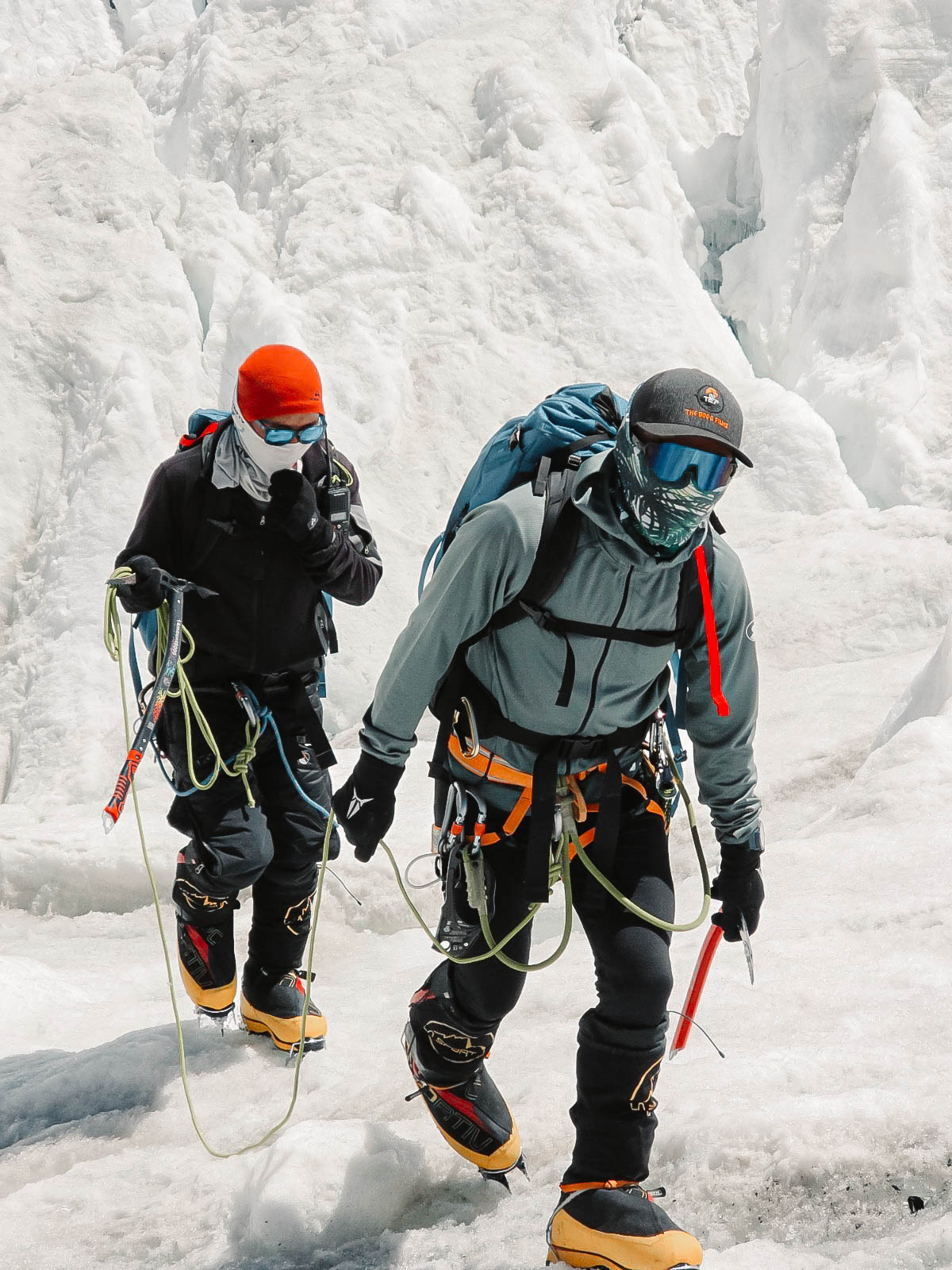
Expedition Gallery
Explore stunning images from this expedition
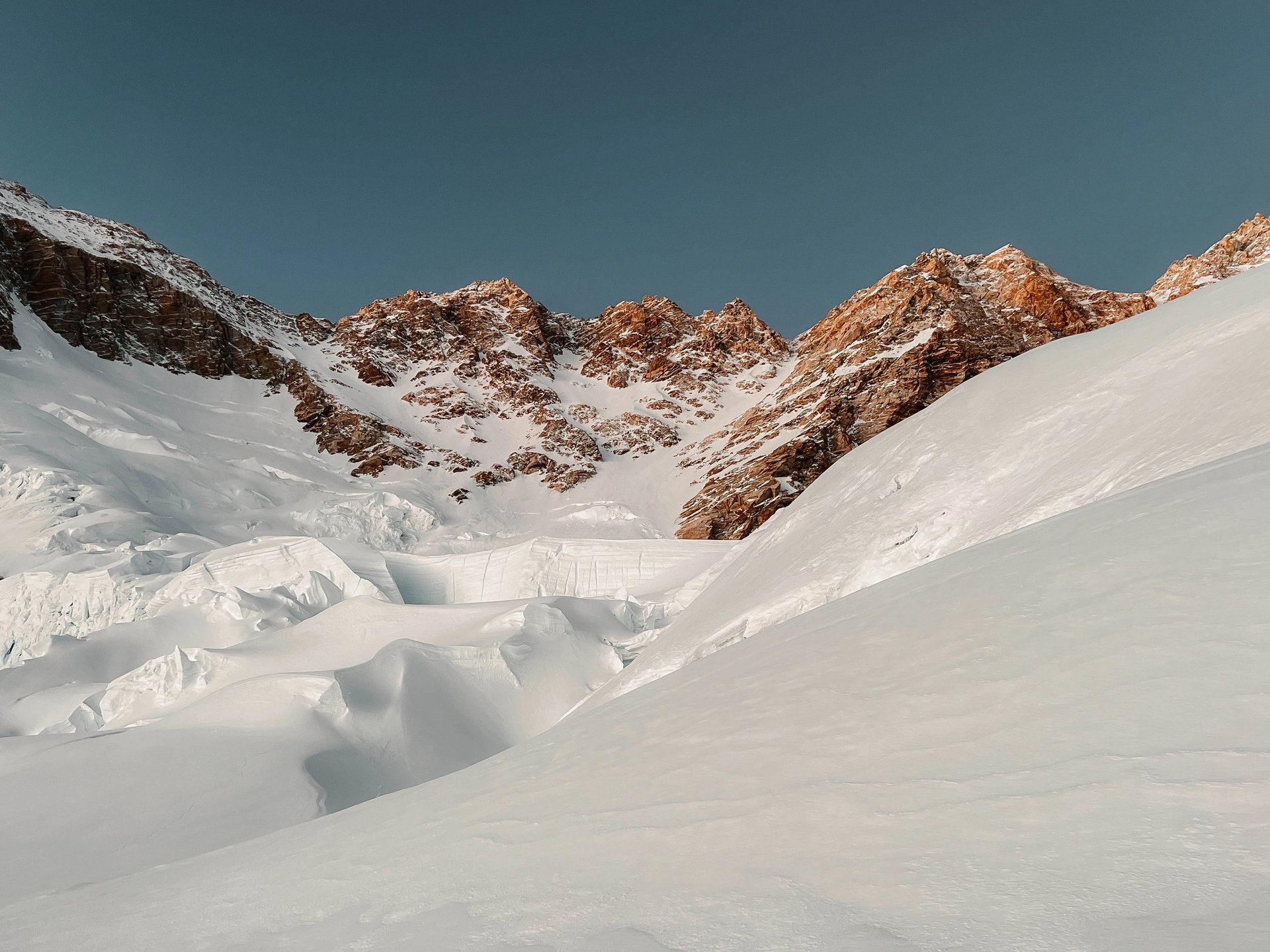
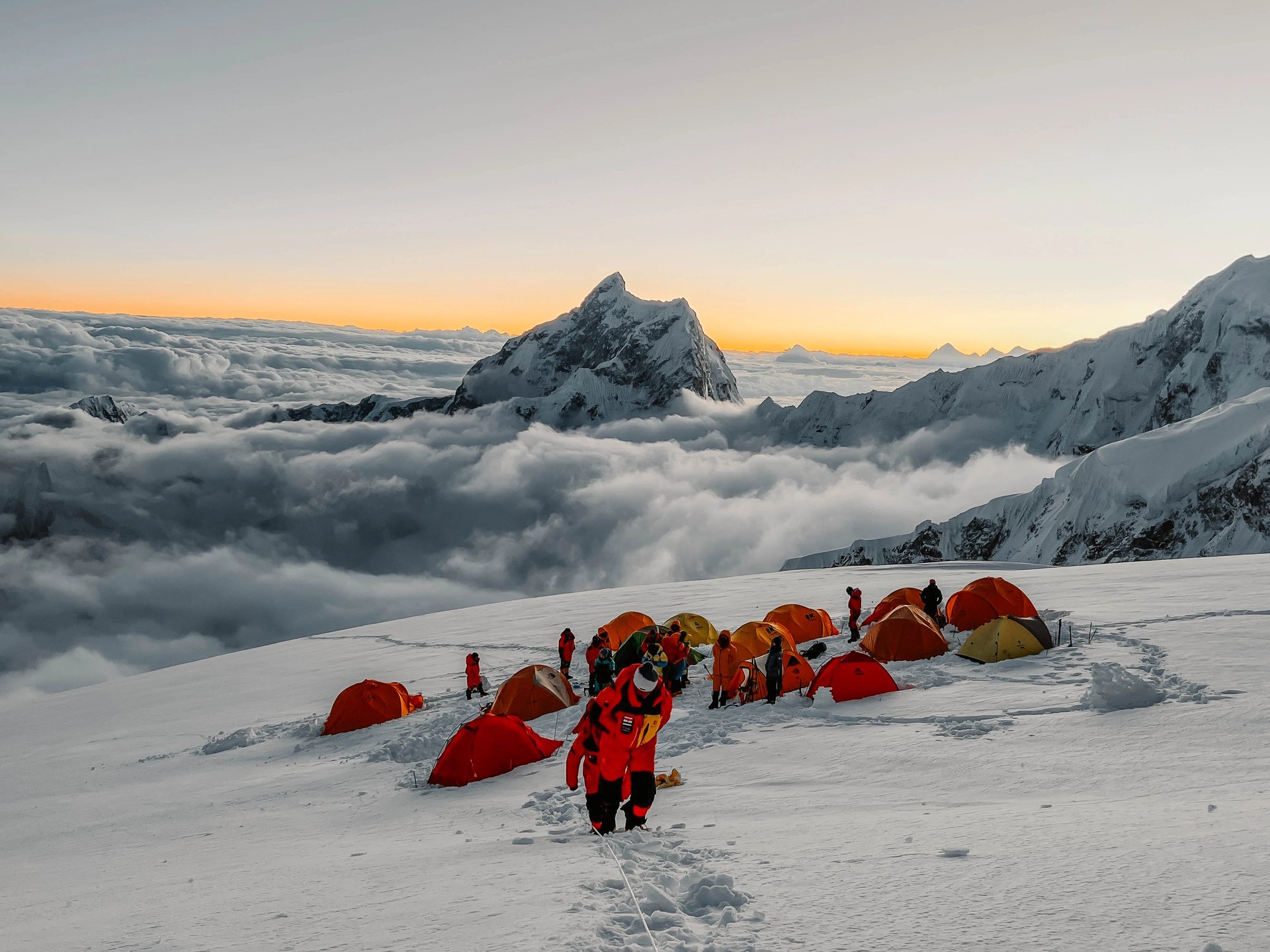
Frequently Asked Questions
Find answers to common questions about this expedition
Yes, Sherpas are provided with the package at a guaranteed 1:1 ratio throughout the expedition. Additional Sherpas can also be arranged upon request.
The Kanchenjunga Expedition is an extreme and technical undertaking requiring high-level physical fitness and mental strength. The technical terrain, extreme altitude, and isolation make it one of the world's most demanding objectives. AltiPro ensures the best possible experience by prioritizing safety, acclimatization, and expert Sherpa assistance .
The Kanchenjunga Expedition takes 55 days in total, starting from your arrival in Nepal to your final departure.
Kanchenjunga is generally not recommended as a first 8,000m peak due to its technical complexity and remoteness. It is best suited for prepared climbers with an exceptionally strong record on technical high-altitude mountains.
Yes, AltiPro requires documented high-altitude experience, ideally including at least one successful 8,000m summit or strong technical 7,000m+ peaks. Skill in technical climbing with crampons, ice axes, and fixed-rope navigation is essential.
Major risks include altitude sickness, serac hazards, avalanches, extreme cold, and exhaustion. Due to its remoteness, rescue and medical support are heavily dependent on our internal safety systems and coordination.
The best time for the Kanchenjunga expedition is the spring season, specifically April and May. We time the summit push for mid-to-late May to maximize the chances of a stable 48-hour weather window.
Here are the main permit fees and required government permits if you want to climb Kanchenjunga from Nepal:
- Climbing Permit for Kanchenjunga This is the official permit issued by the Nepal Government to climb Kanchenjunga. Permit fee for foreign climbers:
- Spring Season (March to May): ~$1,800 USD/person
- Autumn Season (Sept to Nov): ~$900 USD/person
- Winter/Monsoon Season: ~$450 USD/person
- Kanchenjunga Conservation Area Permit (KCAP) This permit is required for entry into the protected conservation zone.
- For Foreigners: NPR 3,000 (~$30 USD)
- SAARC Citizens: NPR 1,000 (~$10 USD)
- Restricted Area Permit (RAP) A mandatory permit for all foreign nationals entering the restricted zone.
- Cost: USD 20 per person per week (for the first 4 weeks)
The safety and security of our climbers and staff remain our top priority. Some of the safety measures we implement include:
- Experienced Leadership & Sherpa Support: Led by veteran 8,000m leaders with a guaranteed 1:1 Climbing Sherpa ratio.
- Careful Acclimatization Schedule: A non-compressible two-rotation program to Camp I (6,200m) and Camp II (6,400m).
- Health Monitoring & Medical Support: A qualified Expedition Doctor is stationed at Base Camp for the season with daily oxygen saturation tests.
- Fixed Ropes & Route Preparation: High-quality ropes are installed on technical sections, including the serac wall and upper slopes, before rotations begin.
- Supplemental Oxygen & Backup Systems: 5 oxygen cylinders (4-litre) per member starting at Camp III (7,000m), plus backups at all high camps.
- Weather Monitoring & Summit Timing: Six-hourly summit-specific forecasts; attempts are made only during 48-hour stable windows.
- Emergency & Evacuation Planning: Pre-arranged helicopter coordination and an on-site Gamow Bag at Base Camp.
- Strict Climbing Protocols: Technical briefings and glacier safety training are mandatory; safety always takes precedence over the summit.
Been on this expedition?
Your feedback helps other travelers plan their adventure of a lifetime. Share your experience with us!
 8000m
8000m
Everest Expedition
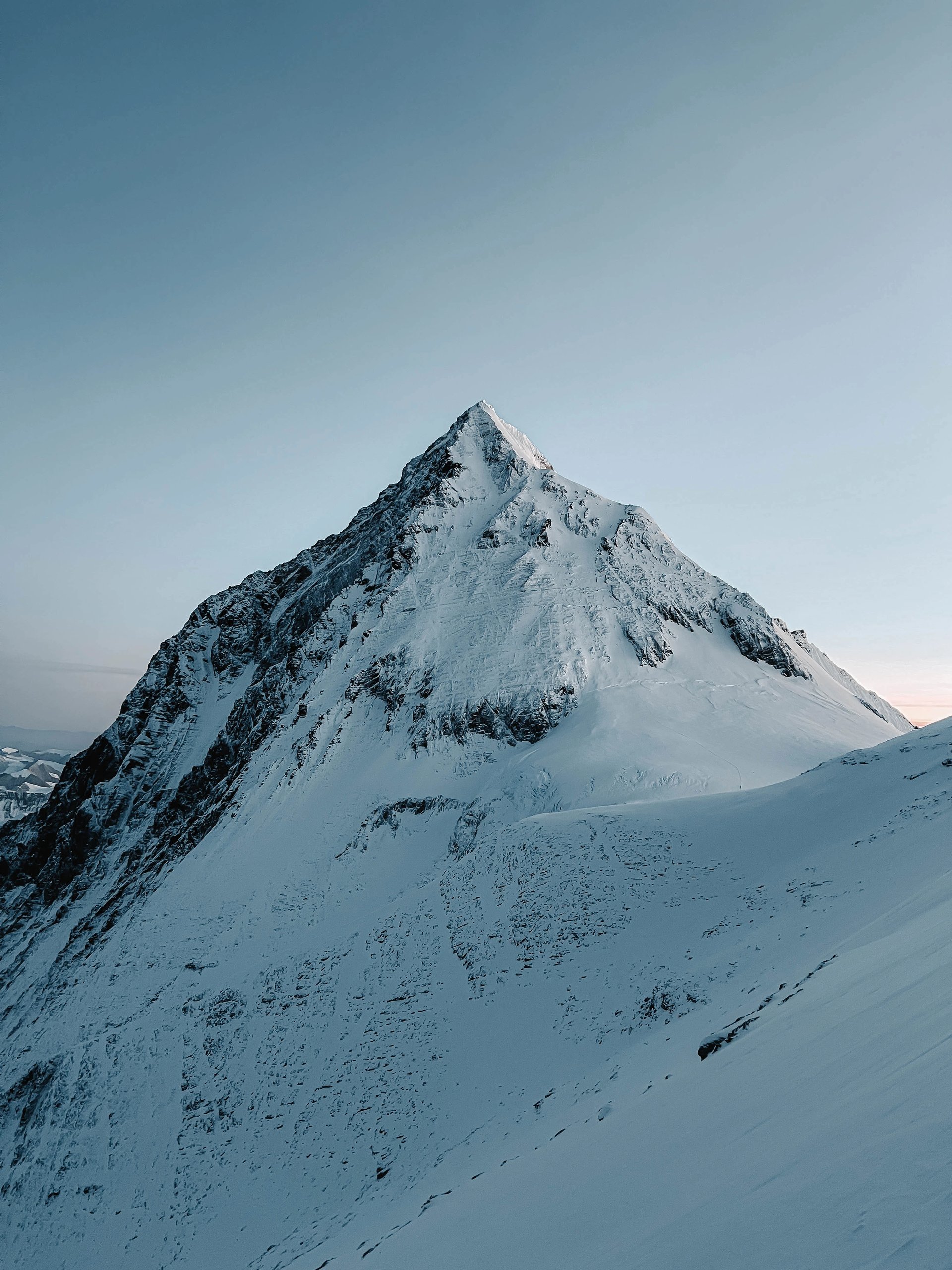
Book your Everest Expedition 2027 with expert Sherpa guides, proven itineraries, full permits, and professional high-altitude support.
 8000m
8000m
K2 Expedition
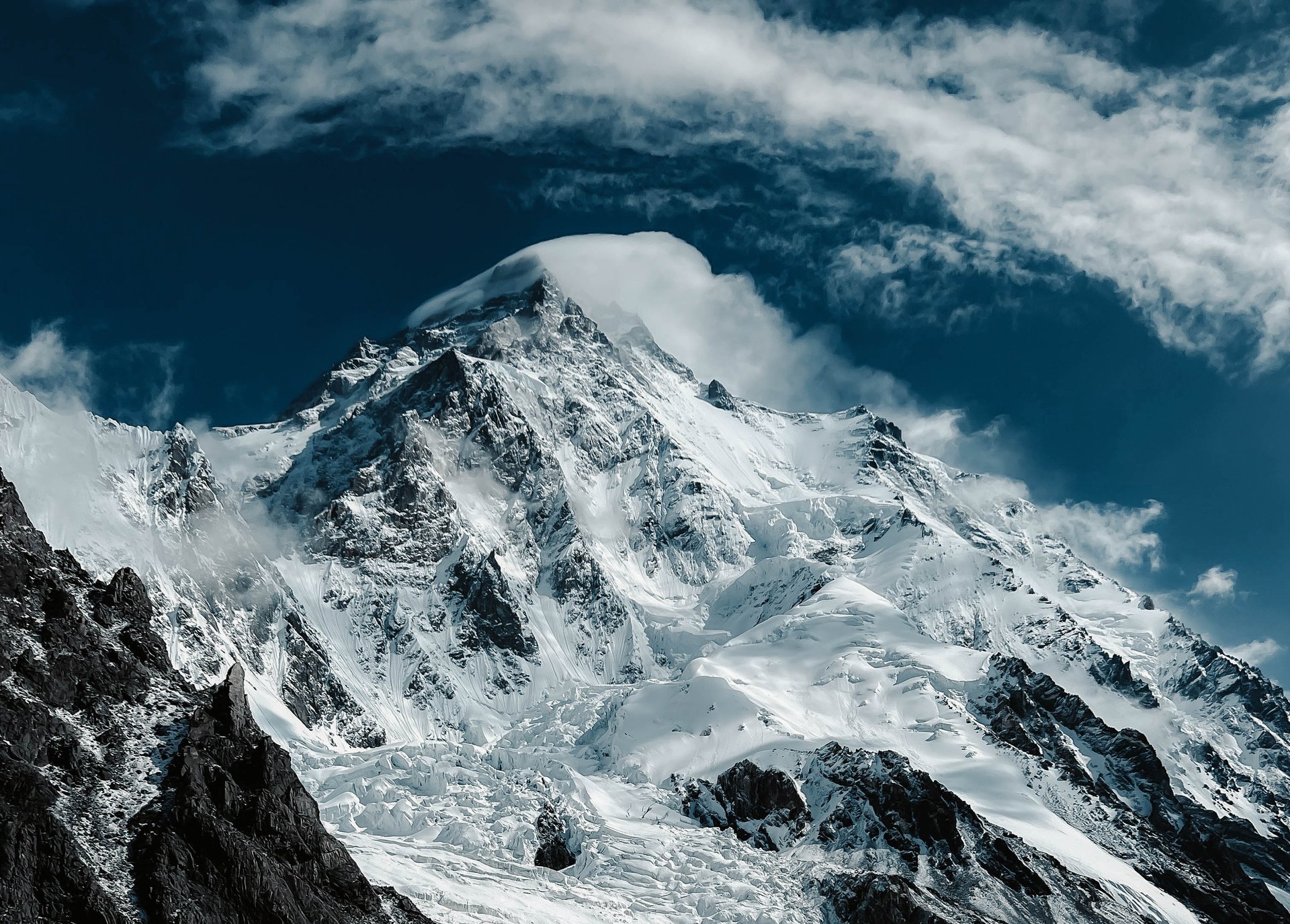
K2 — the savage mountain, ultimate test of skill and endurance.
 8000m
8000m
Lhotse Expedition
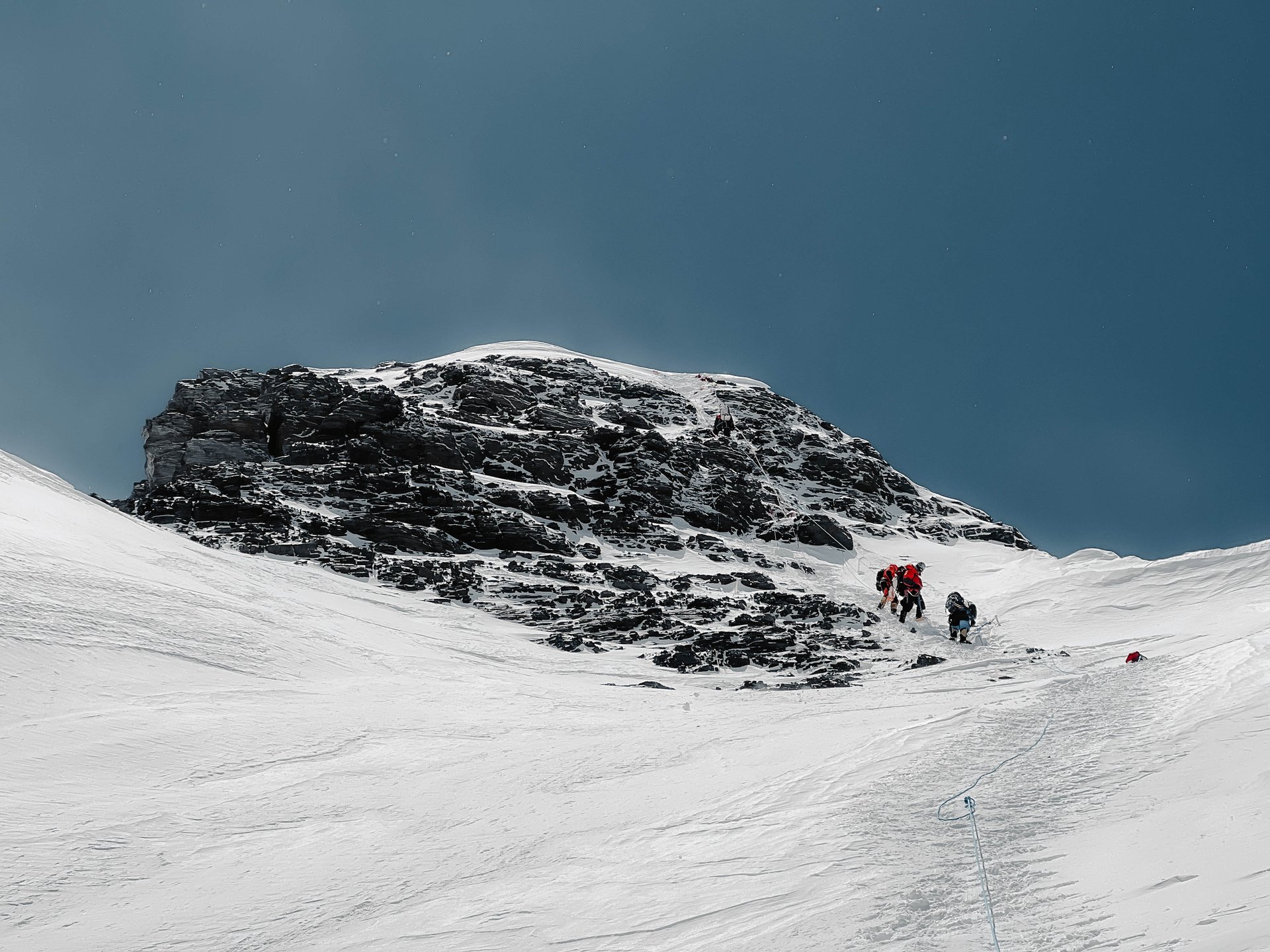
Lhotse — Everest’s towering neighbor and a Himalayan giant of challenge and beauty.
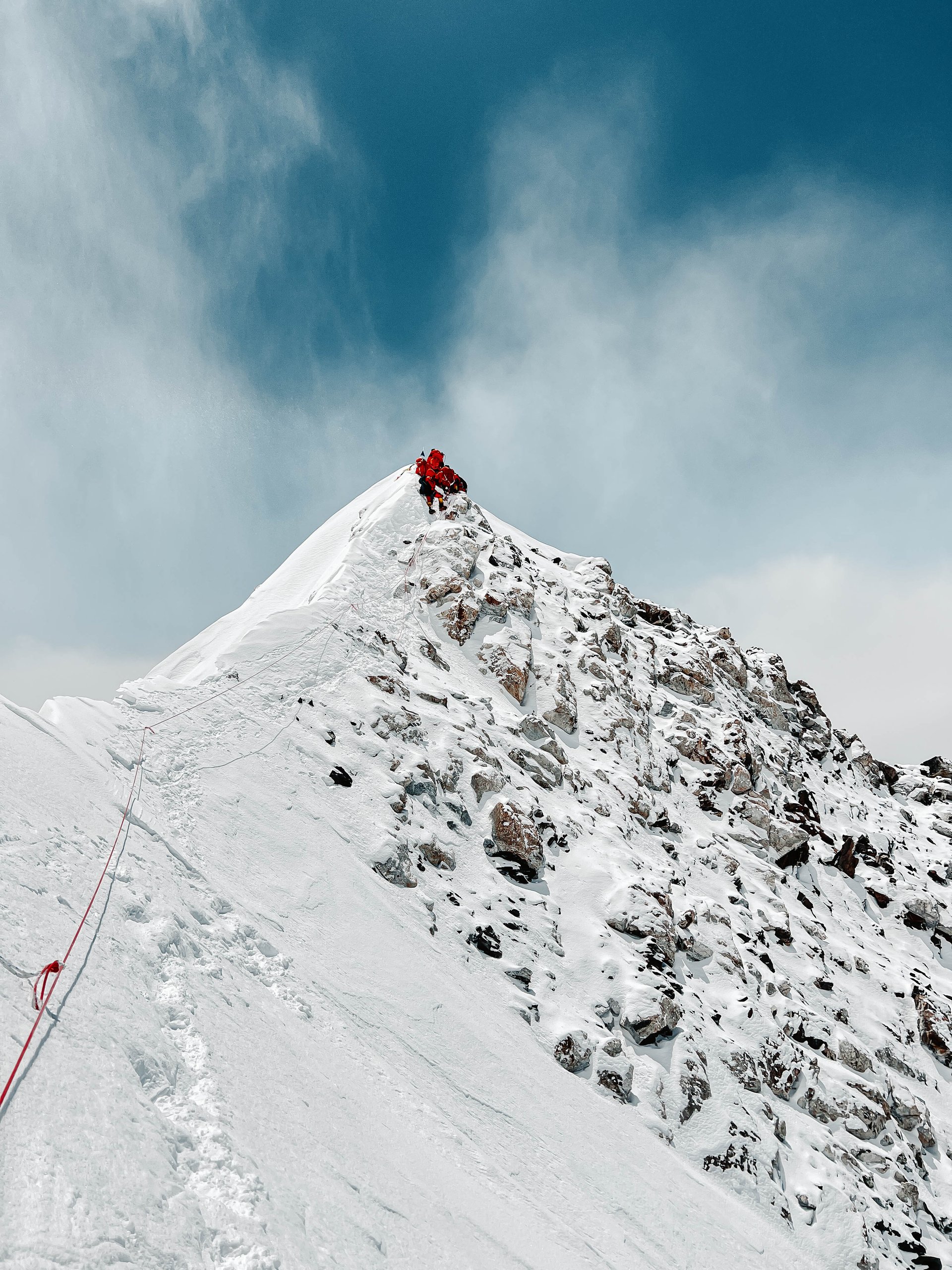 8000m
8000m
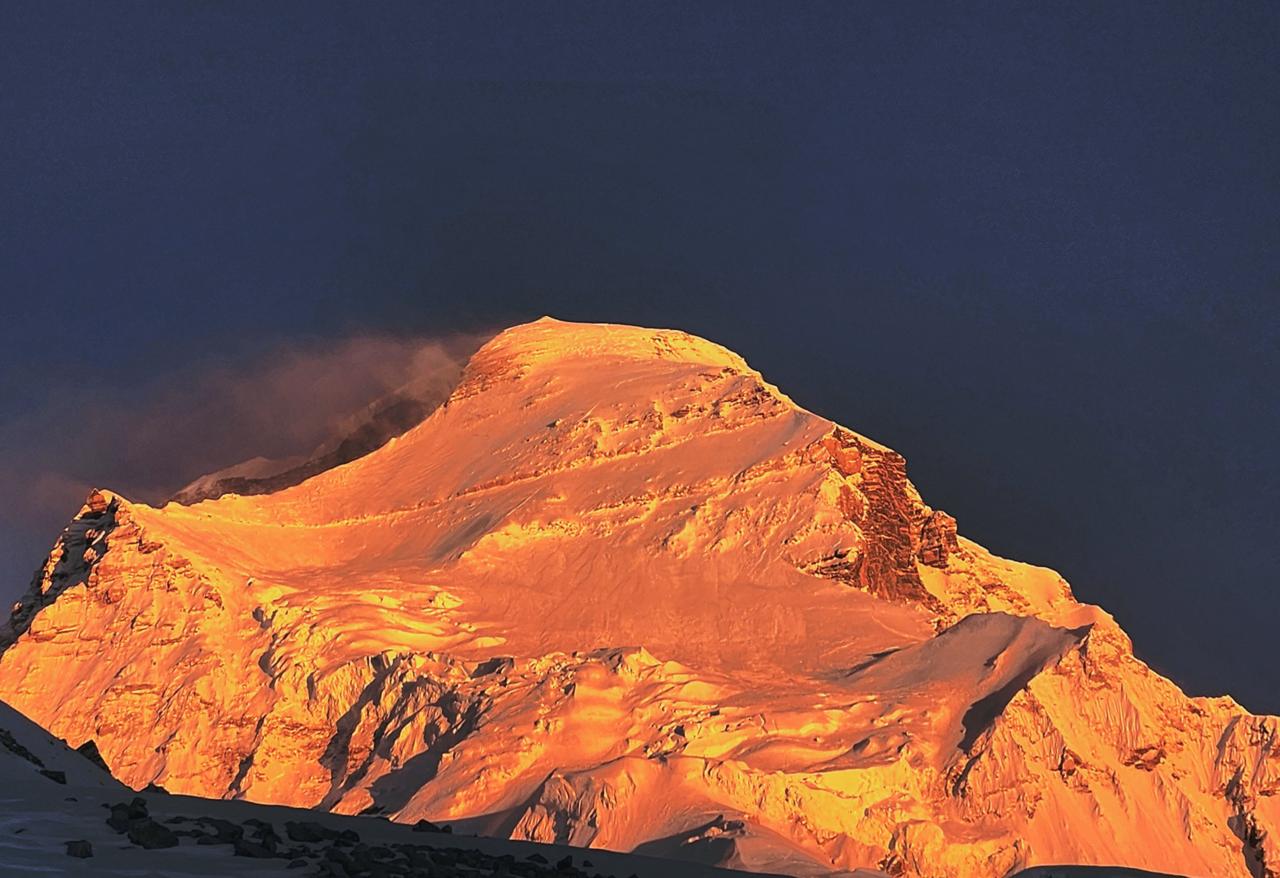
Makalu Expedition
Makalu — a fierce and elegant pyramid rising from the wild Himalayas.
 8000m
8000m
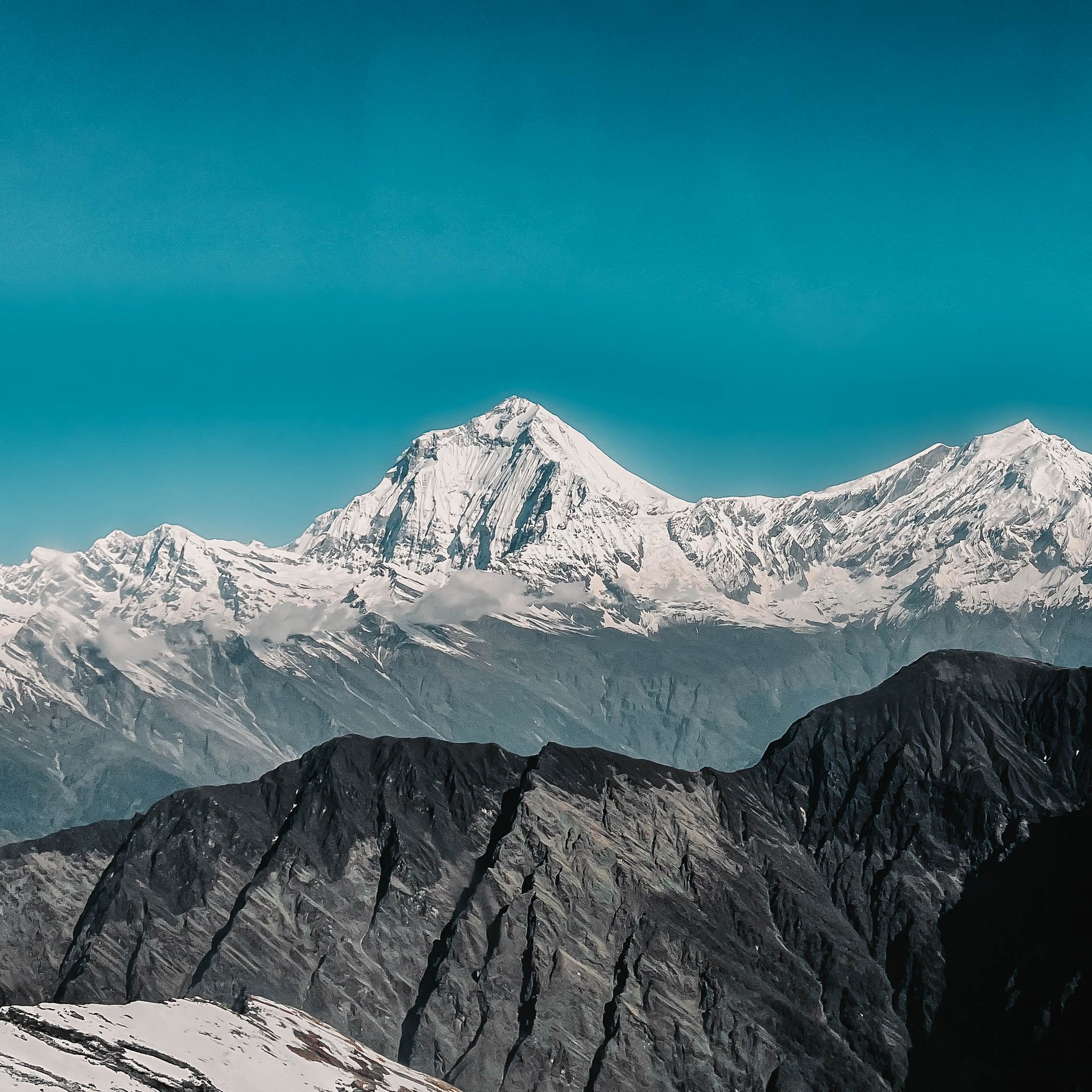
Cho-oyu Expedition
The majestic Cho Oyu — a climber’s gateway to the 8,000ers
 8000m
8000m
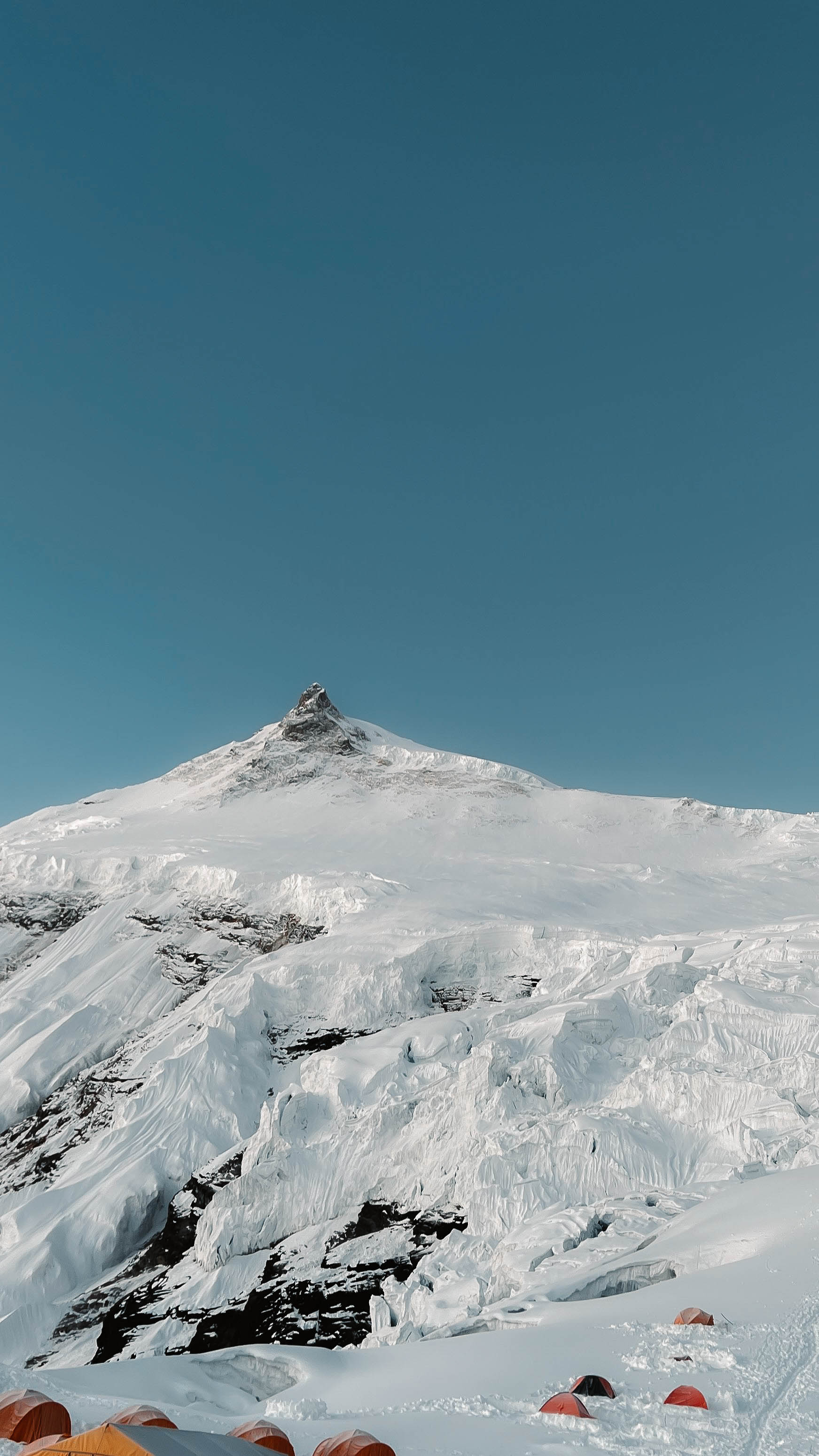
Dhaulagiri Expedition
Dhaulagiri — the white giant of the Himalayas, majestic and formidable.
 8000m
8000m
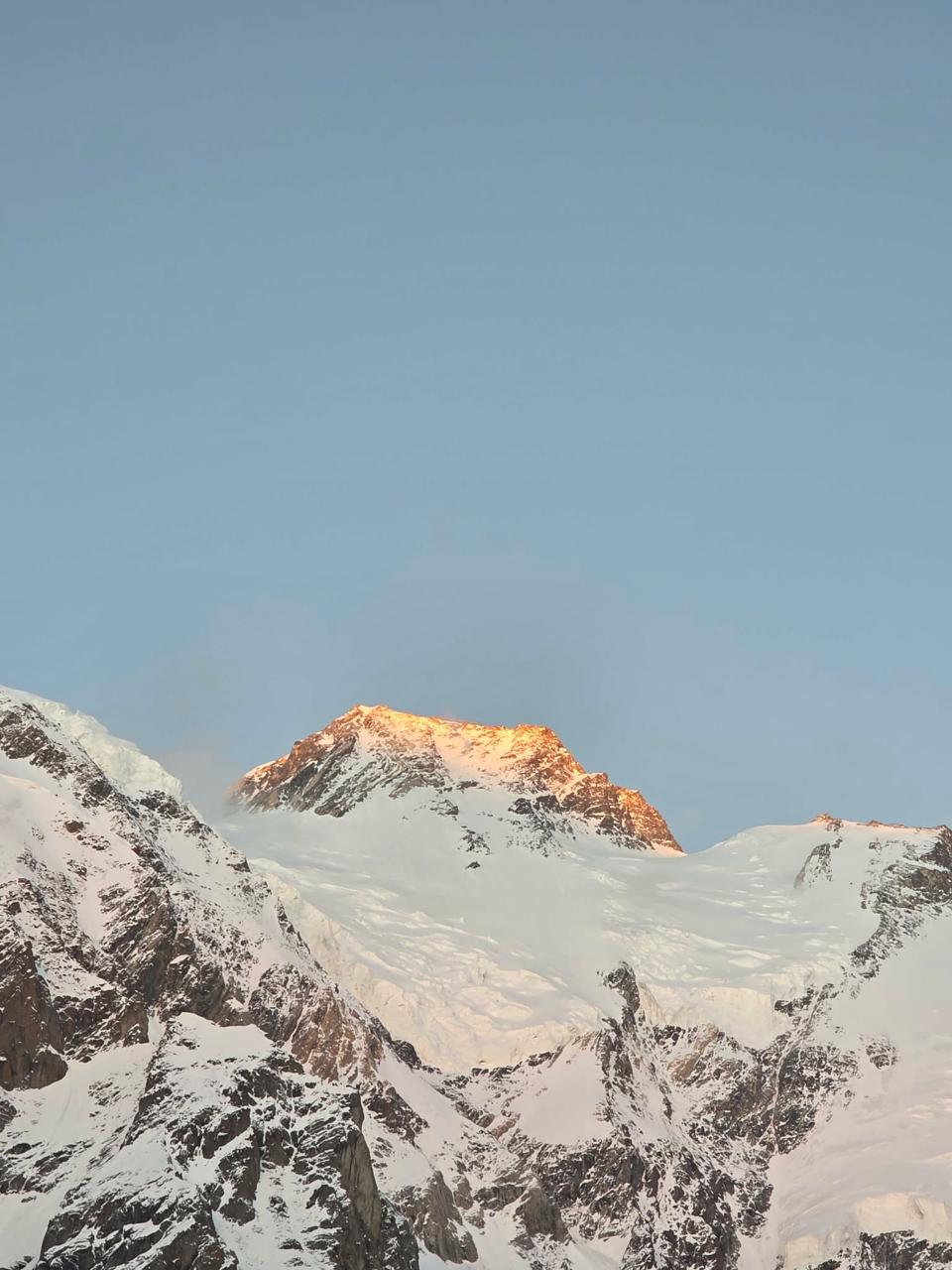
Manaslu Expedition
Book your Manaslu Expedition 2026 with expert Sherpa guides, proven itineraries, full permits, and professional high-altitude support.
 8000m
8000m
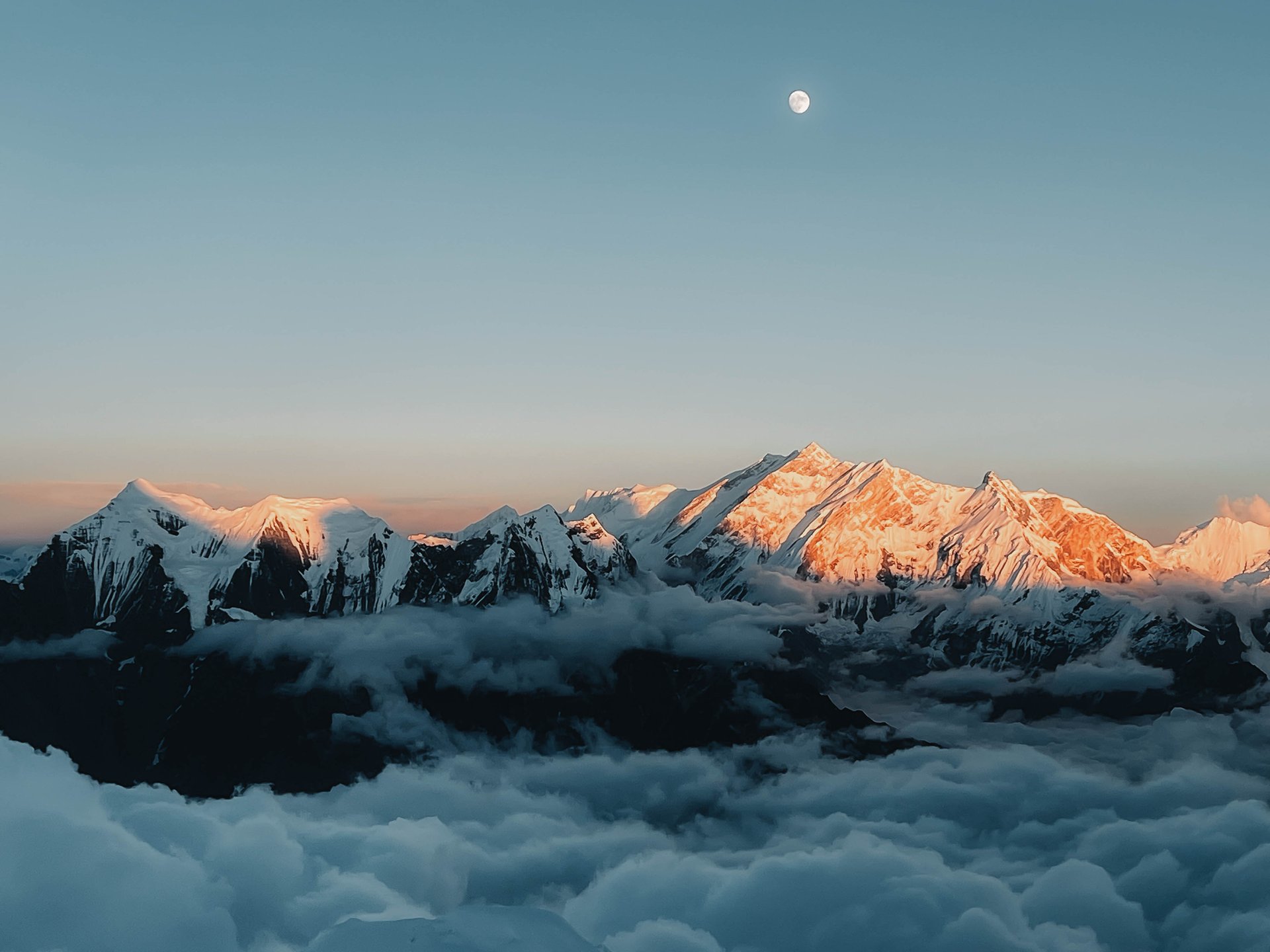
Nanga Parbat Expedition
Nanga Parbat – the Killer Mountain, where raw power meets pure adventure.
 8000m
8000m
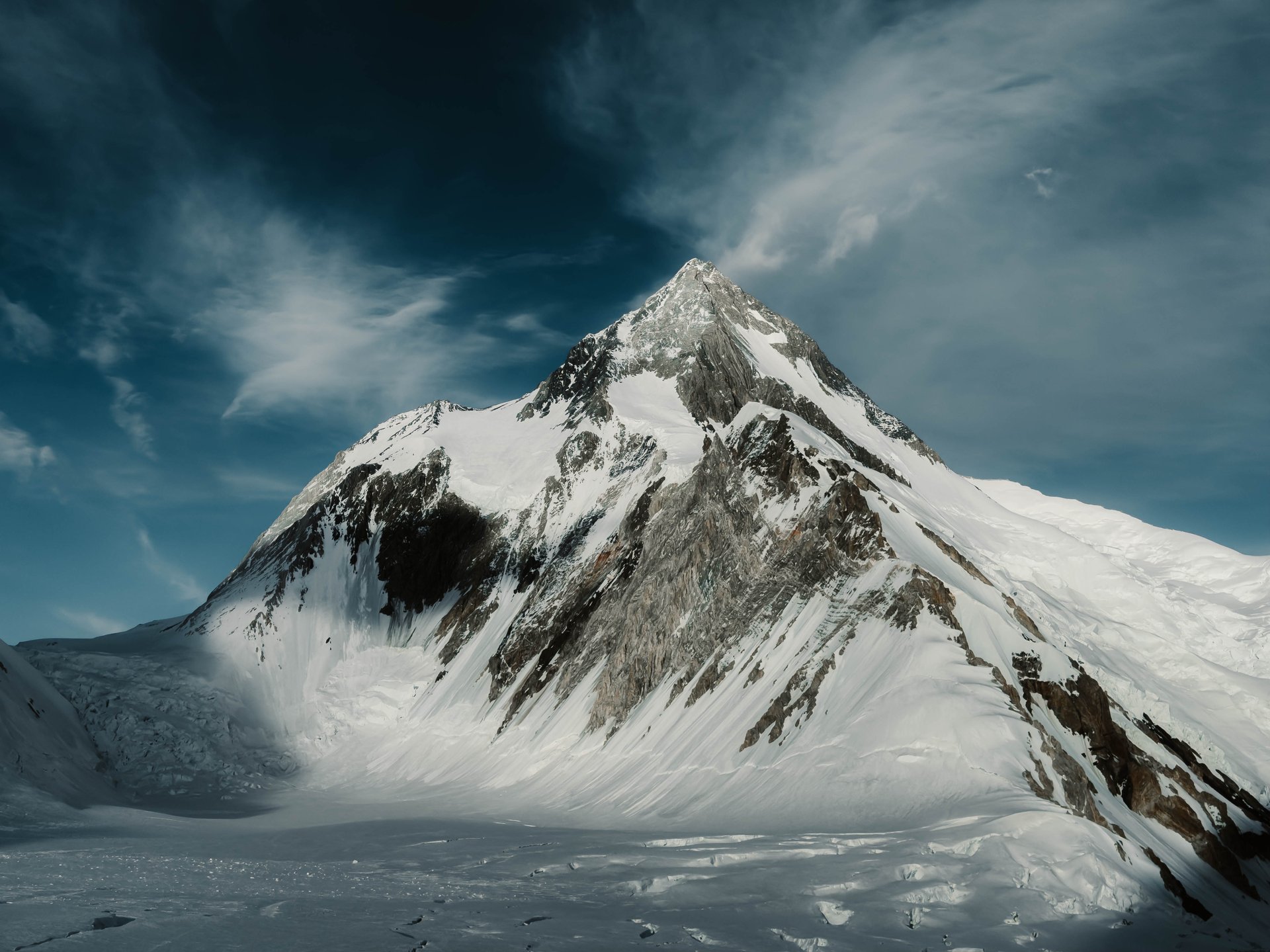
Annapurna I Expedition
Annapurna I — where raw Himalayan power meets fearless ambition.
 8000m
8000m
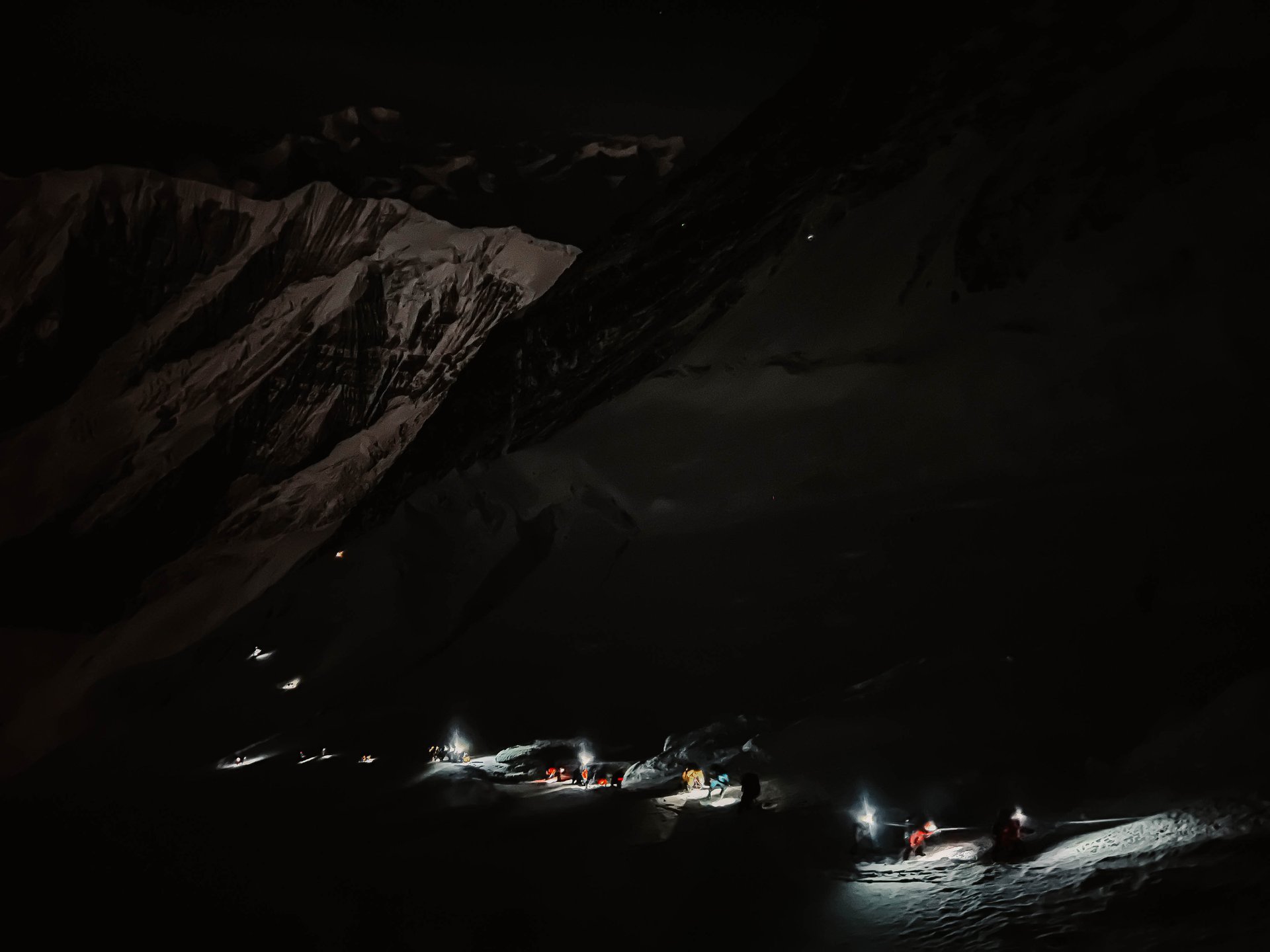
Gasherbrum I Expedition
Gasherbrum I — the hidden giant of the Karakoram, challenging and majestic.
Ready to Start Your Adventure?
Contact us to book your expedition or get more information