
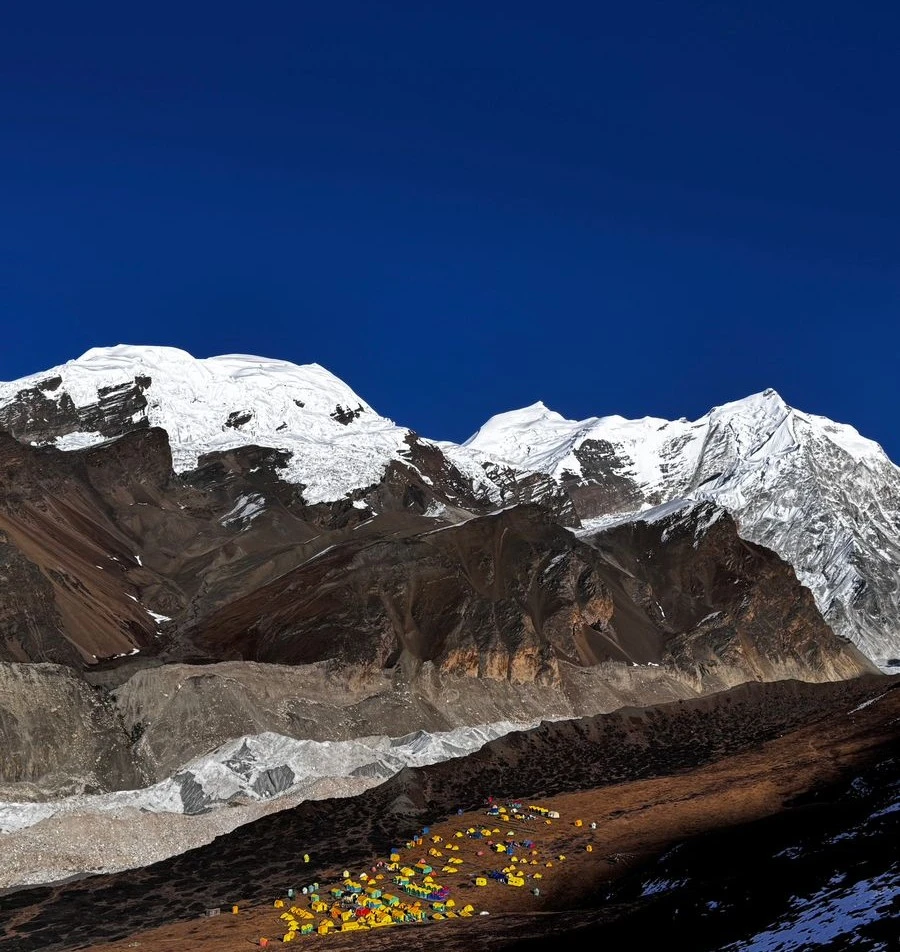
Himlung Himal Expedition
Expedition Overview
What is the Himlung Himal Expedition?
The Himlung Himal Expedition takes climbers to the 7,126 metre summit of Himlung Himal, a striking peak in the Peri Himal range of Nepal's Manaslu region, reached through the remote and restricted Nar-Phu Valley north of the Manaslu Circuit. First climbed by a Japanese expedition in 1992, Himlung Himal has earned a reputation as one of the most rewarding moderate-grade 7,000m expeditions in Nepal, pairing a spectacular high-altitude environment with a technically accessible standard route. The approach through the Nar-Phu Valley, one of the most scenically stunning and culturally preserved valleys in the Himalaya, is itself a major part of the experience.
AltiPro's Himlung Himal Expedition follows the Northeast Ridge, the standard and most frequently climbed route on the mountain. Base Camp is established at approximately 5,200m in the Nar-Phu Valley, with camps at 5,700m (Camp 1) and 6,400m (Camp 2) before the summit push to 7,126m. Each Himlung Himal Expedition team is limited to 8 climbers with a 1:1 guide and Sherpa ratio, and the full expedition runs approximately 32 days from Kathmandu to return.
Himlung Himal is rated Moderate to Challenging. The summit route is primarily snow and glacier travel, which makes the Himlung Himal Expedition a popular choice for climbers attempting their first 7,000m peak. The remoteness of the Nar-Phu Valley and the sustained altitude above 6,400m call for solid high-altitude conditioning, and AltiPro recommends prior experience above 5,500m for all applicants.
About the Himlung Himal Expedition — Gateway to the Nar-Phu Valley
Himlung Himal rises at the head of the Nar-Phu Valley, one of Nepal's most scenically and culturally remarkable restricted valleys. The communities of Nar and Phu retain an extraordinary traditional Tibetan Buddhist culture, and the approach trek passes through an ancient landscape of chortens, gompas, and high-altitude settlements that have changed little over centuries. Every Himlung Himal Expedition is surrounded by a constellation of 6,000m and 7,000m peaks that make for exceptional summit panoramas across the Manaslu and Peri Himal ranges.
The Nar-Phu Valley requires a restricted area permit in addition to the standard Himlung climbing permit, limiting the number of visitors allowed each year. This restriction preserves both the cultural authenticity of the valley communities and the wilderness character of the approach, a quality that sets the Himlung Himal Expedition apart from more frequented high-altitude destinations in the Manaslu region.
Why Choose AltiPro for the Himlung Himal Expedition?
Nar-Phu Valley Expertise
AltiPro's team has extensive experience managing expeditions through the restricted Nar-Phu Valley. All restricted area permits, liaison officer coordination, and approach logistics from Kathmandu via Jagat and Koto are managed by AltiPro from start to finish.
Ideal First 7,000m Expedition
Himlung Himal's Northeast Ridge is one of the most accessible 7,000m summit routes in Nepal, with primarily snow and glacier terrain and moderate technical demands, making the Himlung Himal Expedition an excellent stepping stone for climbers building toward an 8,000m objective. Climbers comparing routes can also look at AltiPro's other 7,000m expeditions, including the Pisang Peak Expedition.
Combined with Manaslu Circuit
AltiPro can arrange a combined itinerary pairing the Himlung Himal Expedition with a Manaslu Circuit trek for team members or partners, sharing the approach as far as Koto before the Nar-Phu diversion.
Full Sherpa and Guiding Team
A 1:1 guide and Sherpa support ratio runs throughout every Himlung Himal Expedition, with fixed rope installation on key technical sections, load carry to all high camps, and full Base Camp cook tent and kitchen service.
Medical Support
A complete high-altitude medical kit including a Gamow Bag and pulse oximetry is maintained at Base Camp, with satellite communication for emergency response coordination throughout the expedition.
Small Team Protocol
Eight climbers maximum ensures personalised guiding attention and rapid decision-making in this remote and culturally sensitive valley environment.
Himlung Himal Expedition Route & Approach
The Northeast Ridge is the standard route on every Himlung Himal Expedition. The approach from Kathmandu via Besisahar and the Nar-Phu Valley is one of the most spectacular approach treks in the Nepal Himalaya, passing through restricted high-altitude communities en route to Base Camp at 5,200m.
Kathmandu to Base Camp via Nar-Phu Valley (1,400m to 5,200m)
Drive from Kathmandu to Jagat or Koto, then enter the restricted Nar-Phu Valley via the Nar Village approach. The multi-day trek passes through Nar and Phu villages before reaching Base Camp at approximately 5,200m, a culturally immersive and scenically extraordinary journey.
Base Camp to Camp 1 (5,200m to 5,700m)
The route climbs from Base Camp onto the lower Northeast Ridge via snow and glacier terrain to Camp 1 at 5,700m. Multiple acclimatisation rotations are completed before higher camps are established.
Camp 1 to Camp 2 (5,700m to 6,400m)
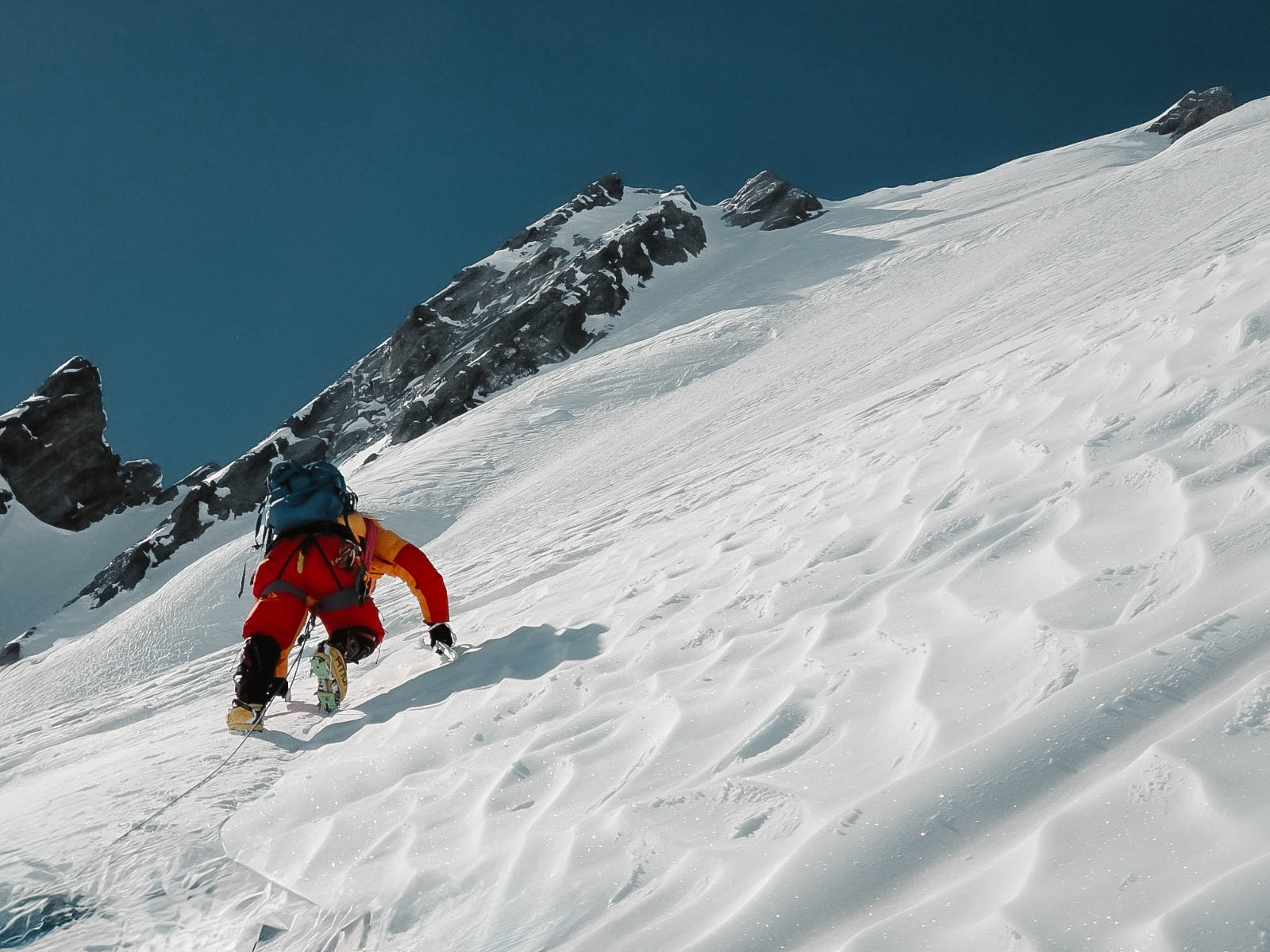
The route continues up the Northeast Ridge to Camp 2 at 6,400m, primarily snow with some mixed sections requiring crampons and rope management. Views of Manaslu and the Peri Himal expand dramatically on this section.
Camp 2 to Summit (6,400m to 7,126m)
The final summit push follows the upper Northeast Ridge to the summit at 7,126m. The terrain above 6,800m becomes more exposed, requiring careful navigation of the summit slopes. The summit of the Himlung Himal Expedition delivers panoramic views of Manaslu, Annapurna, and the remote peaks of the Nar-Phu region.
How Difficult is the Himlung Himal Expedition?
Himlung Himal is rated Moderate to Challenging. The Northeast Ridge is primarily snow and glacier terrain, technically accessible by 7,000m standards, but the sustained altitude above 6,400m, the remoteness of the Nar-Phu Valley, and the demands of the extended approach require solid conditioning. This makes the Himlung Himal Expedition one of the more approachable first 7,000m expeditions in the Nepal Himalaya.
Best Season for the Himlung Himal Expedition
Spring (April–May): The primary season with the most settled conditions developing from mid-April. AltiPro targets the May window for Himlung Himal Expedition summit attempts.
Autumn (September–October): A reliable secondary season offering crisp clear days on the upper ridge. AltiPro operates the Himlung Himal Expedition in both spring and autumn — contact for current season dates.
Himlung Himal Expedition Cost
The full-service Himlung Himal Expedition includes Nar-Phu Valley permits, approach logistics, a full Sherpa team, and medical support.
Includes the Nar-Phu Valley restricted area permit, NMA climbing permit, approach trek logistics, full Sherpa and guiding team, fixed rope service, load carry to all high camps, Base Camp cook tent and kitchen staff, and a complete high-altitude medical kit. International flights and personal climbing equipment are not included. Contact AltiPro for a complete cost breakdown of the Himlung Himal Expedition.
Himlung Himal Expedition — Frequently Asked Questions
Is Himlung Himal a good first 7,000m peak?
Yes. The Himlung Himal Expedition follows the Northeast Ridge, one of the most technically accessible 7,000m routes in Nepal, making it a popular choice for climbers attempting their first serious high-altitude expedition. Prior experience above 5,500m is recommended. Climbers wanting a comparison point can also review AltiPro's Pisang Peak Expedition.
What is the Nar-Phu Valley?
A restricted side valley north of the Manaslu Circuit in Nepal's Manaslu region, requiring a special restricted area permit. Home to the traditional Tibetan Buddhist communities of Nar and Phu, it is one of the most culturally preserved and scenically spectacular approach environments in the Nepal Himalaya, and forms the entire approach for the Himlung Himal Expedition.
What permits are required for the Himlung Himal Expedition?
Nepal Mountaineering Association (NMA) climbing permit plus a Nar-Phu Valley restricted area permit. AltiPro manages all permit applications from Kathmandu.
How long is the Himlung Himal Expedition?
Approximately 32 days from Kathmandu to return, including the approach trek through the Nar-Phu Valley, all acclimatisation rotations, and the summit attempt.
When does AltiPro operate the Himlung Himal Expedition?
Both spring (April–May) and autumn (late September–October). Contact AltiPro for current season dates and availability.
Is supplemental oxygen used on the Himlung Himal Expedition?
No. At 7,126m supplemental oxygen is not standard. AltiPro carries emergency oxygen and a Gamow Bag at Base Camp for altitude illness response.
Can the Himlung Himal Expedition be combined with the Manaslu Circuit?
Yes. AltiPro can arrange a combined itinerary for team members or partners to complete the Manaslu Circuit while the climbing team diverts into the Nar-Phu Valley from Koto.
Is there medical support at Base Camp during the Himlung Himal Expedition?
AltiPro carries a full high-altitude medical kit including a Gamow Bag, pulse oximetry, and satellite communication at Base Camp throughout the expedition.
Detailed Itinerary
Click on each day to view details
| Day | Program | Meals | Accom. | |||||||||||||||||||||||||||||||||||||||||||||||||||||||||||||||||||||||||||||||||||||||||||||||||||||||||||||||||||||||||||||||||||||||||||||||||||||||||||||||||
|---|---|---|---|---|---|---|---|---|---|---|---|---|---|---|---|---|---|---|---|---|---|---|---|---|---|---|---|---|---|---|---|---|---|---|---|---|---|---|---|---|---|---|---|---|---|---|---|---|---|---|---|---|---|---|---|---|---|---|---|---|---|---|---|---|---|---|---|---|---|---|---|---|---|---|---|---|---|---|---|---|---|---|---|---|---|---|---|---|---|---|---|---|---|---|---|---|---|---|---|---|---|---|---|---|---|---|---|---|---|---|---|---|---|---|---|---|---|---|---|---|---|---|---|---|---|---|---|---|---|---|---|---|---|---|---|---|---|---|---|---|---|---|---|---|---|---|---|---|---|---|---|---|---|---|---|---|---|---|---|---|---|---|---|---|
| 1 | Arrival in Kathmandu (1,400m or 4,593 ft) & hotel transfer | Breakfast | Hotel | |||||||||||||||||||||||||||||||||||||||||||||||||||||||||||||||||||||||||||||||||||||||||||||||||||||||||||||||||||||||||||||||||||||||||||||||||||||||||||||||||
|
Arrive in Kathmandu, transfer to hotel, enjoy welcome dinner with expedition team.
2
|
Rest and preparation, expedition briefing, and climbing gear check |
B/D |
Hotel |
|
| Rest, prepare, attend expedition briefing, and inspect climbing gear for safety.
3
|
Drive from Kathmandu to Besi Shahar (760m or 2,493 ft) |
B/L/D |
Lodge |
|
| Travel by road from Kathmandu to Besi Sahar at 760 metres (2,493 ft) elevation.
4
|
Drive from Besi Shahar to Koto (2,600m or 8,530 ft)) |
B/L/D |
Lodge |
|
| Drive from Besi Shahar, ascending to Koto at 2,600 metres (8,530 ft) elevation.
5
|
Trek from Koto to Meta (3,560m or 11,680 ft) |
B/L/D |
Tent |
|
| Trek uphill from Koto to Meta, reaching 3,560 metres (11,680 ft) altitude.
6
|
Trek from Meta to Kyang (3,840m or 12,598 ft) |
B/L/D |
Tent |
|
| Trek from Meta, ascending to Kyang, situated at 3,840 metres (12,598 ft) elevation.
7
|
Trek from Kyang to Phu Gaun (3,900m or 12,795 ft) |
B/L/D |
Tent |
|
| Trek from Kyang to Phu Gaun, gradually gaining altitude to 3,900 metres (12,795 ft).
8
|
Acclimatization day at Phu Gaun with short hikes |
B/L/D |
Tent |
|
| Rest and acclimatize at Phu Gaun, including short hikes for adjustment.
9
|
Trek from Phu Gaun to Himlung Base Camp (4,900m or 16,076 ft) and set up camp |
B/L/D |
Tent |
|
| Trek from Phu Gaun to Himlung Base Camp at 4,900m (16,076 ft) and camp.
10 - 20
|
Acclimatization rotations from Base Camp to Camp I and Camp II and back |
B/L/D |
Tent |
|
| Perform acclimatization rotations from Base Camp to Camps I and II, then return.
21 - 26
|
Summit window – Climb from Base Camp to Camp I, Camp II, summit (7,126m), and return to Base Camp |
B/L/D |
Tent |
|
| Climb from Base Camp through Camps I and II to summit, then descend safely.
27
|
Trek from Base Camp to Meta (3,560m or 11,6780 ft) |
B/L/D |
Tent |
|
| Descend from Base Camp, trekking back to Meta at 3,560 metres (11,680 ft) elevation.
28
|
Trek from Meta to Koto (2,600m or 8,530 ft) |
B/L/D |
Lodge |
|
| Trek downhill from Meta, reaching Koto at 2,600 metres (8530 ft) altitude.
29
|
Drive from Koto to Besi Shahar (760m or 2,493 ft) |
B/L/D |
Lodge |
|
| Drive from Koto descending to Besi Shahar at 760 metres (2,493 ft) elevation.
30
|
Drive from Besi Shahar to Kathmandu |
B/L |
Hotel |
|
| Drive from Besi Shahar returning to Kathmandu, completing the expedition journey.
31
|
Leisure day in Kathmandu for sightseeing and rest |
Breakfast |
Hotel |
|
| Spend a relaxing day in Kathmandu exploring sights and resting comfortably.
32
|
Departure and transfer to the international airport |
Breakfast |
... |
|
| Transfer from hotel to international airport for departure flight home. | ||||||||||||||||||||||||||||||||||||||||||||||||||||||||||||||||||||
Services
Includes
-
✅ Assistance for cargo clearance in Nepal’s Customs, clearance cost is subject to a charge.
-
✅ Expedition Royalty and permit fee from the Nepal Government to climb Himlung Himal, Conservation Area entry permit and fee.
-
✅ Restricted area permit fee.
-
✅1 Government Liaison officer with full equipment, salary, and accommodation.
-
✅ Stool Shipment Transfer & Garbage Deposit fees.
-
✅ Walkie-talkie permit for all members and staff.
-
Trekking and Expedition map.
-
One Altipro Adventures Duffle Bag.
-
✅ Drive from Kathmandu – Besi Shahar – Koto and while returning, Koto – Besi Shahar – Kathmandu by a tourist jeep, as per itinerary.
-
✅ All necessary expedition equipment transportation for all Members and Staff from Kathmandu to Koto (by jeep) and to Base Camp (by Porters / Mules) – While returning: Base Camp to Koto (by porters/mules) and Koto to Kathmandu (by Jeep). Based on the Condition, different transportation variants may be adopted.
-
✅ Up to 60 Kg per member as personal baggage during the trek to be carried by porters or mules.
-
✅ All necessary logistic arrangements for Camping during the trek.
-
✅ All Nepalese staff and porter’s daily wages, salary, equipment, food, and clothing.
-
✅ Weather forecast report during the entire expedition.
-
✅ Airport – Hotel transfers – Airport (Pick Up and Drop), by private vehicle.
-
✅ 4 nights’ hotel in Kathmandu (5-star category) – single room on bed and breakfast plan.
-
✅ One Welcome Dinner in a tourist standard restaurant in Kathmandu with the Office Staff.
-
✅ Three (3) meals a day (breakfast, lunch, and dinner), including tea, coffee, and hot water during the trek in sharing basis. Hygienic foods will be served throughout the trek.
-
✅ Three (3) meals a day (breakfast, lunch, and dinner), including tea, coffee, juice, soft drinks, etc., will be provided at Base Camp. Additionally, a comfortable box tent will be provided for accommodation. Hygienic and fresh food facilitated by helicopter flights. Well-managed Base Camp setup including dining tent, kitchen tent, toilet, and shower tent for members & staff.
-
✅ Porters per member up to the Base Camp and from Base Camp (both ways).
-
✅ Experienced and well-trained Base Camp Cook and kitchen Helpers as required.
-
✅ Each member will have an individual tent (4-person tents) in Base Camp.
-
✅ Single Tent, foam mattresses and pillow per member, 1 dining Tent, 1 Kitchen Tent, 1 Communication tent, 1 Toilet & 1 Shower Tent, 1 staff tent, 1 Tent for Nepalese base camp staff, Store tent, Tables & chairs & all necessary cooking gears.
-
✅ Heater at base camp in each Dining and in other necessary camps.
-
✅ 1 Solar panel and Generator for lights at base camp, for battery charges, laptop, and other electronic devices.
-
✅ High Altitude Tent, Necessary cooking EPI gas, cooking pot, High food for a member, Sherpa, and other crews at (C1), (C2), and (C3 – optional).
-
✅ Group climbing gears, fixed and dynamic rope during the climbing period as required.
-
✅Members will share tents in high camps (2 members: 1 tent).
-
✅ The team of experienced Sherpas will fix the rope and the route.
-
✅ Oxygen, Mask Regulator, Ice wall, and gear training at Base Camp by an experienced Sherpa Guide.
-
✅1 veteran and government-licensed climbing Sherpa per member (1 Member: 1 Sherpa) during the entire climb from Base Camp to the summit and back, and on each rotation.
-
✅ Climbing Sherpa to assist in carrying your gear to the high camps.
-
✅ Climbing Sherpa Salary, Equipment, Food, and Clothing.
-
✅ Carry Bonus of Sherpas and Route Fixing Charges.
-
✅ Back up Oxygen Cylinder, mask, and regulator.
-
✅ Himlung Himal climbing certificate (after climbing Himlung successfully).
-
✅ Satellite Phone for emergency communication carried by Sherpa, also available for members with an appropriate charge.
-
✅ Walkie–Talkie for communicating from Base Camp to Mountain and Mountain to Base Camp.
-
✅ Comprehensive Medical kit for members and staff.
Excludes
-
❌ International flight airfare (from and to Kathmandu).
-
❌ Nepalese Visa fee is $125 USD for 90 Days.
-
❌ Insurance covering both medical and high-altitude evacuation costs (for trip cancellation, interruption, high-altitude rescue & air evacuation, medical treatment, repatriation, etc.).
-
❌ Personal Medical Kit (included under personal equipment but also relevant for medical coverage).
-
❌ Clothing, Packing Items, Bags, Personal Medical Kit, and all kinds of Personal Trekking / Climbing Gear.
-
❌ Soaps, shampoos, toilet and tissue papers, toothpaste, and other items used to keep yourself clean.
-
❌ Lunch & dinner during the stay in Kathmandu (also in case of early return from Trekking / Expedition than the scheduled itinerary).
-
❌ Extra nights’ accommodation in Kathmandu (in case of early arrival or late departure, early return from Trekking / Expedition, domestic flight cancellation than scheduled itinerary).
-
❌ Telephone Calls, Internet, Toiletries, battery recharge, hot shower, laundry, soft drinks, beers, and any Alcoholic beverages (during the trek and in Kathmandu; soft drinks provided at base camp).
-
❌ Special Filming, Camera, and Drone permit fee.
-
❌ Summit bonus for climbing Sherpa – Minimum $800 USD.
-
❌Calculate tips for porters $100 USD each, basecamp and high camp staff – Minimum $400 USD.
-
❌ Any other services or activities not mentioned in the itinerary or not listed in the “Cost Includes” section.
Gear Lists & Useful Information
Expedition Gallery
Explore stunning images from this expedition
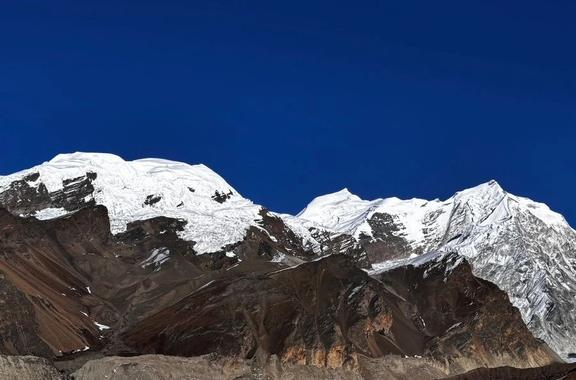
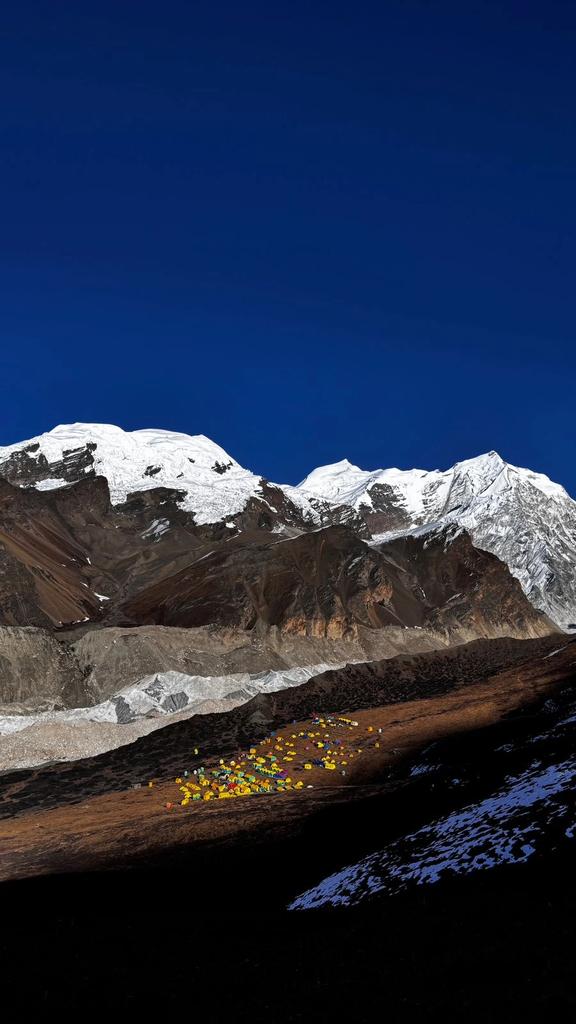
Frequently Asked Questions
Find answers to common questions about this expedition
Most climbers do not use supplemental oxygen on the climb because the peak is below 8,000 meters. However, the expedition team should have emergency oxygen available at the base camp as a precautionary measure.
The temperatures can get quite chilly, especially at the higher camps. The temperatures can range as follows:
- Base Camp: -5°C to -15°C
- High Camps: -20°C to -30°C
- Summit Day: -25°C to -35°C
The difficulty level of Himlung Himal is moderate for a 7000-meter mountain. However, climbers can use crampons and ice axes for glacier travel and fixed ropes for some parts of the mountain. Additionally, climbers can use crampons and ice axes for glacier travel and fixed ropes for some parts of the mountain.
The Himlung Himal Expedition usually takes between 30 to 35 days. However, this allows for sufficient time for acclimatization before attempting to climb the 7,126-meter mountain. Additionally, climbers can use this period to prepare for the climb.
Yes. Himlung Himal is a good first 7000m peak since it is a 7,126-meter mountain. However, climbers should have experience in climbing 6,000-meter peaks and understand how to use crampons, ice axes, harnesses, and fixed ropes.
The mountain is a good test for climbers before attempting other peaks in Nepal. Many climbers use Himlung Himal as a test before attempting to climb other peaks in Nepal.
While climbing any mountain above 7000m has its own risks and hazards, Himlung Himal is considered one of the safest to climb in comparison to other Himalayan giants in Nepal. The mountain has a relatively stable climbing route with fewer avalanche risks.
The chances of success in climbing Himlung Himal are high if proper acclimatization techniques are followed with favorable weather and experienced guidance.
Yes, it is suitable as a practice climb for 8000m peaks such as Mt. Everest and Mt. Manaslu. The trek provides climbers with valuable experience in the following areas:
- High-altitude acclimatization
- Running a multi-camp expedition
- Glacier walking and fixed rope work
The best time to climb Himlung Himal can be divided into two seasons:
Spring Season: April-May
Autumn Season: September-October
The autumn season is considered to be one of the best times to climb Himlung Himal by many climbers due to clear skies and favorable weather.
The climber should be in good physical shape to climb the peak successfully. A good physical training regimen should include the following:
- Long distance hiking with heavy backpacks
- Cardiovascular training
- Mountaineering practice on 6000m peaks
Being in good physical shape greatly improves the chances of successfully reaching the summit of the peak.
Himlung Himal has gained popularity among climbers due to the following reasons:
- One of the highest success rates in comparison to other 7000m+ mountains in Nepal.
- The climb to the summit is moderately technical.
- The mountain offers breathtaking views of other Himalayan peaks.
- The trek to the mountain through the Nar Phu valley is in a remote location.
- The above factors make it one of the best Himalayan climbing destinations for any mountain enthusiast planning to take up extreme altitude mountain climbing.
Been on this expedition?
Your feedback helps other travelers plan their adventure of a lifetime. Share your experience with us!
Annapurna IV Expedition
Annapurna IV – The Quiet Fourth, a technical wall of ice and ridgeline standing watch in the shadow of giants.
Baruntse Expedition
Baruntse – Sentinel Between Giants, where ice ridges and hidden glaciers guard the silence between Everest and Makalu.
 7000m
7000m
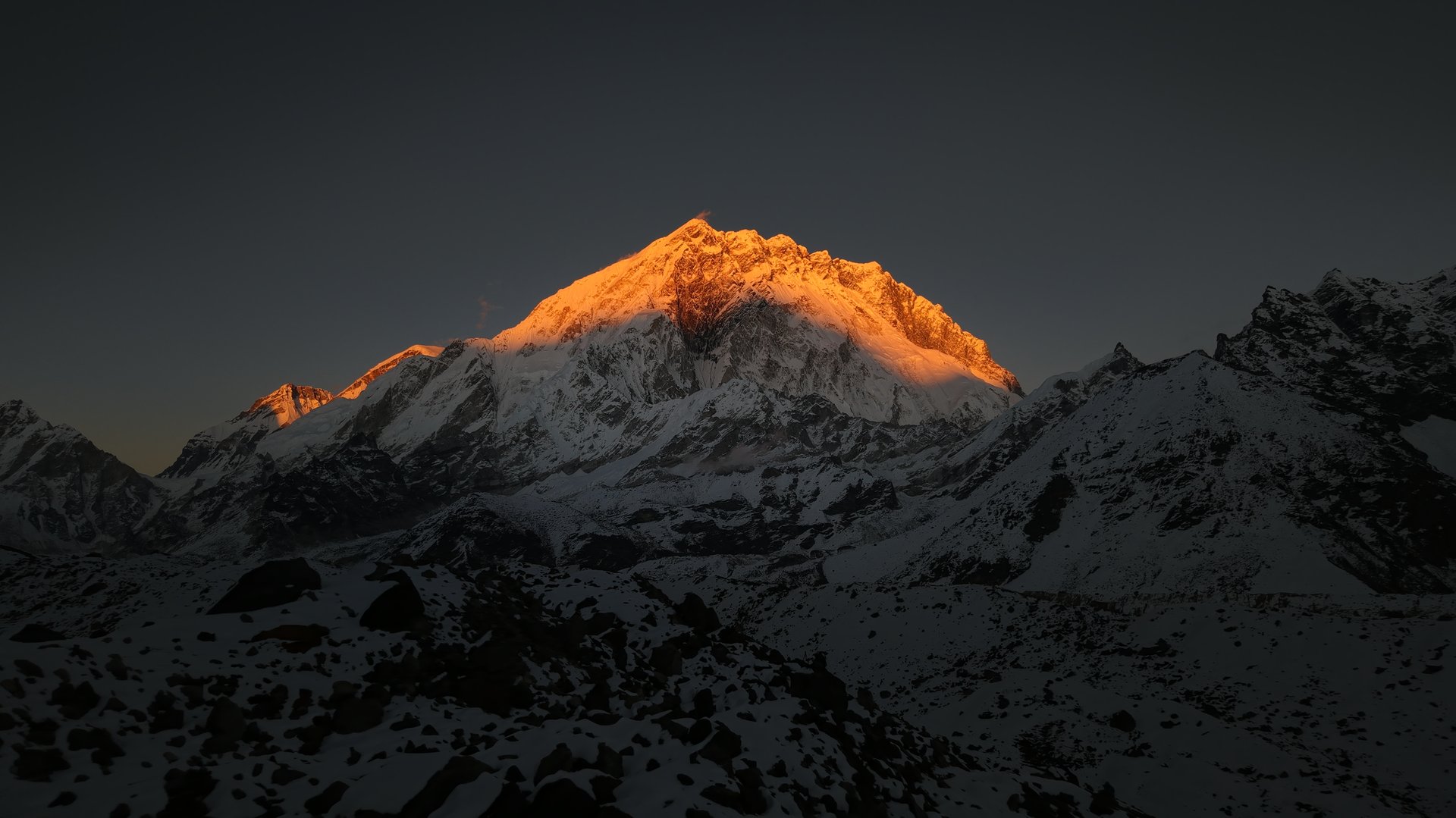
Nuptse Expedition
Nuptse – the Silent Guardian of Everest, where jagged spires meet untamed wilderness.
 7000m
7000m
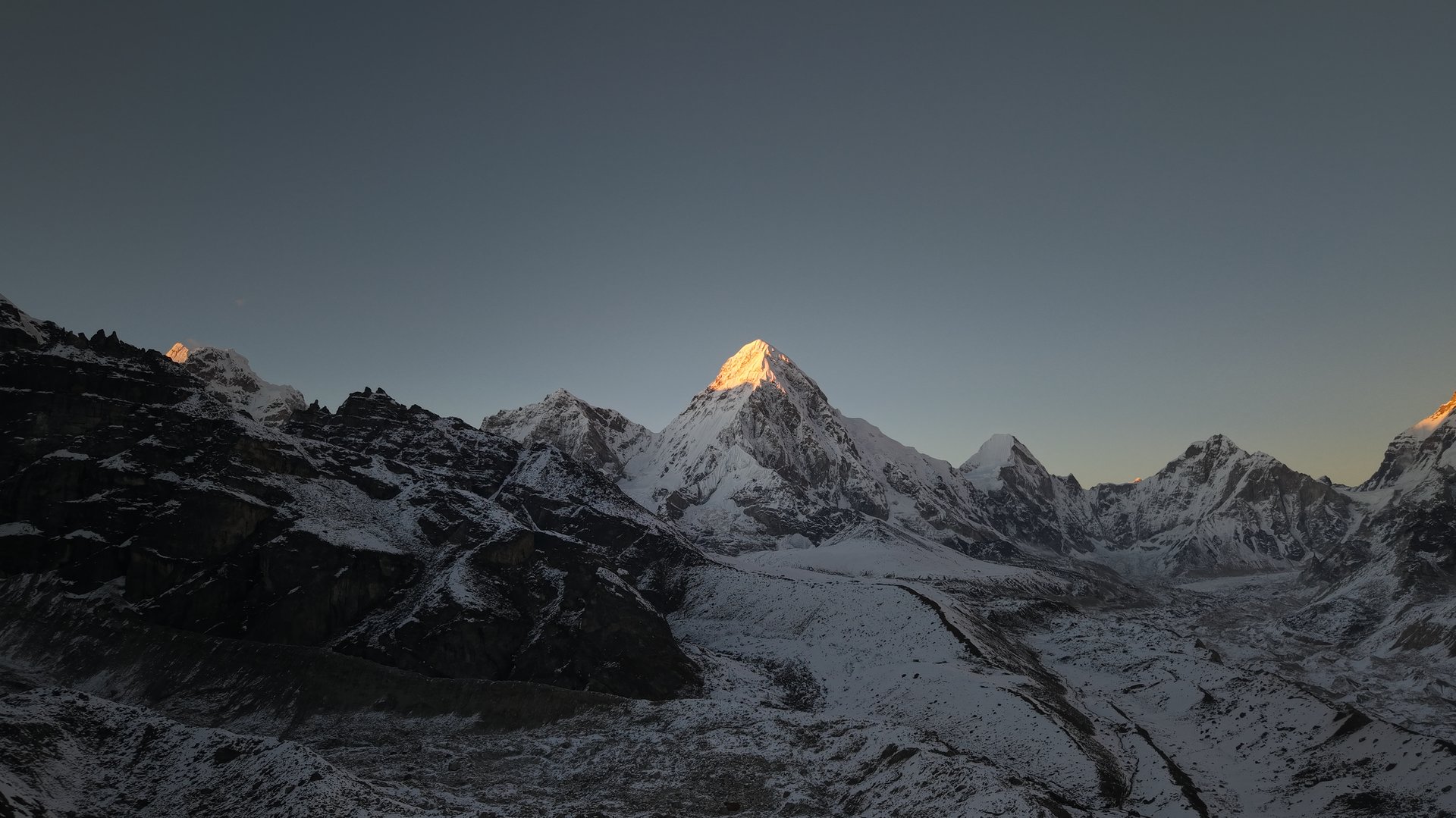
Pumori Expedition
Pumori – Everest's Daughter, where a graceful pyramid keeps quiet watch over the roof of the world.
Tilicho Peak Expedition
Tilicho Peak – Crown of the Great Barrier, standing watch over the world's highest lake in silent, windswept solitude.
Putha Hiunchuli Expedition
Ready to Start Your Adventure?
Contact us to book your expedition or get more information