
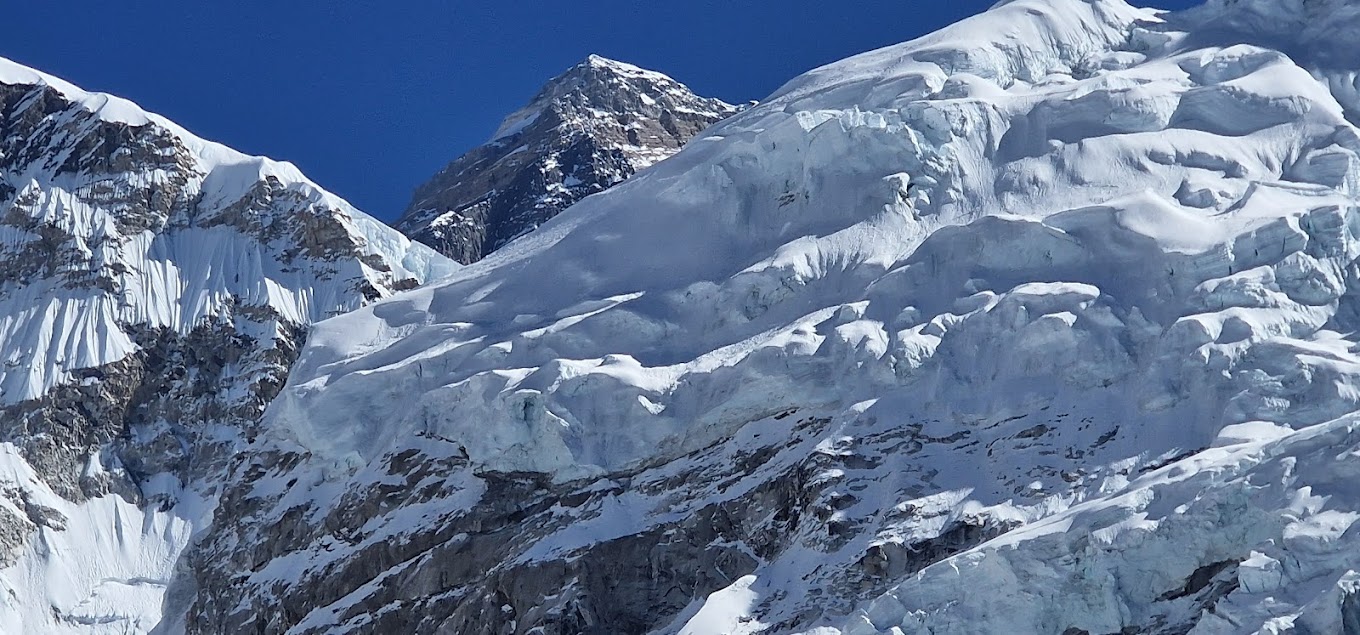
Putha Hiunchuli Expedition
Expedition Overview
What is the Putha Hiunchuli Expedition?
Putha Hiunchuli is the tallest peak in the Dhaulagiri Himal outside the Dhaulagiri massif, standing at 7,246 metres. Also known as Bhadra Shikhar, it sits in the remote western corner of Nepal near the Dhorpatan Hunting Reserve — a demanding high-altitude climb in one of the least-visited regions of the Nepal Himalaya. First climbed by an Austrian expedition in 1954, the peak is most commonly accessed via a flight from Kathmandu to Juphal in Dolpa, followed by a multi-day trek to Base Camp.
AltiPro's Putha Hiunchuli Expedition follows the Northeast Ridge, the standard route on the mountain. Base Camp is established at approximately 4,800m, with camps at 5,400m (Camp 1) and 6,100m (Camp 2) before the summit push to 7,246m. Maximum 8 climbers with a 1:1 guide and Sherpa ratio throughout. The expedition spans 28 to 30 days from Kathmandu to return.
Putha Hiunchuli is rated Challenging — demanding for its altitude, remoteness, and mixed terrain on the upper Northeast Ridge, but more accessible than the neighbouring Dhaulagiri giants. AltiPro recommends prior experience above 6,000m for all applicants.
About Putha Hiunchuli — Remote Jewel of the Dhaulagiri Himal
Putha Hiunchuli dominates the remote valleys of the Dolpa district in western Nepal's Dhaulagiri Himal. The Dhorpatan plateau and the wild terrain around the peak offer a genuine wilderness experience — this is not a trekking corridor but a true remote expedition environment with wildlife, high pasturelands, and few other climbers. The peak's position in the Dhaulagiri range gives it exceptional views of Dhaulagiri I (8,167m) and the surrounding massif to the north.
The approach from Juphal passes through the upper Barbung Khola valley and the remote settlements of the Dolpa region, offering an authentic glimpse of trans-Himalayan culture and landscape that is absent from the more frequented Khumbu or Annapurna approaches.
Why Choose AltiPro Adventures for Putha Hiunchuli?
Remote Dhaulagiri Himal Access
AltiPro's logistics team manages the complete journey from Kathmandu via Juphal flight and multi-day trek to Base Camp in one of Nepal's most remote high-altitude regions. Ground logistics in Dolpa require specialist experience and established contacts.
Outstanding Acclimatisation Objective
At 7,246m, Putha Hiunchuli is an excellent acclimatisation and training peak for climbers building toward an 8,000m objective. The Northeast Ridge provides genuine high-altitude mixed experience at serious elevation without the extreme commitment of a full 8,000m expedition.
Full Sherpa and Guiding Team
A 1:1 guide and Sherpa support ratio throughout the expedition, with fixed rope installation on key technical sections, load carry support to all high camps, and full Base Camp service including cook tent and kitchen staff.
Efficient Summit Approach
Putha Hiunchuli's compact route structure means acclimatisation rotations are efficient and the final summit push is manageable within a 28 to 30 day expedition window — ideal for climbers with limited time.
Medical Support
AltiPro carries a full high-altitude medical kit including Gamow Bag and pulse oximetry at Base Camp. Satellite communication enables emergency response coordination throughout the expedition in this remote location.
Small Team Protocol
Eight climbers maximum with personalised guiding attention, enabling rapid decisions and close monitoring of each team member's condition in this remote and demanding environment.
The Northeast Ridge Route (7,246 m)
The Northeast Ridge is the standard route on Putha Hiunchuli. The approach from Kathmandu via Juphal flight and the Barbung Khola valley is remote and immersive, passing through the classic landscapes of the Dolpa region before Base Camp at 4,800m.
Kathmandu to Base Camp via Juphal (1,400m to 4,800m)
Flight from Kathmandu to Juphal in Dolpa, then a multi-day trek through the Barbung Khola valley to Base Camp at approximately 4,800m. The approach passes through high pastoral settlements and classic Dolpa terrain.
Base Camp to Camp 1 (4,800m to 5,400m)
The route climbs glaciated terrain and snow slopes below the Northeast Ridge to Camp 1 at 5,400m. Multiple acclimatisation rotations are completed before committing to higher camps.
Camp 1 to Camp 2 (5,400m to 6,100m)
The ridge steepens above Camp 1 with moderate mixed terrain leading to Camp 2 at 6,100m. Fixed ropes are installed on key sections. Extraordinary views of Dhaulagiri I and the surrounding Dhaulagiri Himal open up on this section.
Camp 2 to Summit (6,100m to 7,246m)
The final summit section follows the upper Northeast Ridge to the summit at 7,246m. The terrain is demanding at altitude with exposed mixed ground requiring crampons and rope technique. The summit delivers sweeping views across the Dhaulagiri massif and the remote valleys of western Nepal.
How Difficult is the Putha Hiunchuli Expedition?
Putha Hiunchuli is rated Challenging. The Northeast Ridge is a genuine high-altitude mixed route at serious elevation, but without the extreme technical demands of the great 8,000m peaks. The remoteness of the Dolpa location, limited emergency evacuation options, and sustained climbing above 6,000m make it a committing expedition.
Best Season for the Putha Hiunchuli Expedition
Spring (April–May): The primary season, with the most stable conditions developing from mid-April through late May. AltiPro targets this window for summit attempts.
Autumn (September–October): A viable secondary season, though conditions on the upper ridge can be colder and windier than spring. Shorter summit windows than the spring period.
Putha Hiunchuli Expedition Cost
Full-service Putha Hiunchuli expedition — Juphal flights, Dolpa approach logistics, full Sherpa support, and medical kit included.
Includes Juphal domestic flights, Dolpa approach logistics, NMA climbing permit, full Sherpa and guiding team, fixed rope service, load carry to all high camps, Base Camp cook and kitchen staff, and a complete high-altitude medical kit. International flights and personal climbing equipment are not included. Contact AltiPro for a full cost breakdown.
Putha Hiunchuli Expedition — Frequently Asked Questions
Common questions about climbing Putha Hiunchuli with AltiPro Adventures.
Why climb Putha Hiunchuli?
Putha Hiunchuli is one of the finest acclimatisation and experience-building peaks in Nepal for climbers targeting 8,000m objectives. At 7,246m on a genuine mixed high-altitude route, it provides real preparation for Dhaulagiri or other Himalayan giants while offering a completely remote and uncrowded expedition experience.
How do you approach Putha Hiunchuli?
Via a flight from Kathmandu to Juphal in Dolpa, followed by a multi-day trek through the Barbung Khola valley to Base Camp at approximately 4,800m. AltiPro manages all ground logistics and permits for the Dolpa approach.
What experience is required?
AltiPro recommends prior high-altitude experience above 6,000m. Previous glacier and mixed terrain experience on a technical peak is beneficial for the upper Northeast Ridge sections.
Is supplemental oxygen used on Putha Hiunchuli?
No. At 7,246m supplemental oxygen is not standard practice. AltiPro carries emergency oxygen and a Gamow Bag at Base Camp for altitude illness response.
When does AltiPro operate the expedition?
AltiPro targets the spring season from late March through late May, with summit attempts planned for the April to May stable weather window.
How long is the expedition?
28 to 30 days from Kathmandu departure to return, including the Juphal flight approach, all acclimatisation rotations, and the summit attempt.
What permits are required?
Nepal Mountaineering Association (NMA) climbing permit plus any applicable Dolpa restricted area permits. AltiPro manages all permit applications from Kathmandu.
Is there medical support at Base Camp?
AltiPro carries a full high-altitude medical kit including Gamow Bag, pulse oximetry, and satellite communication at Base Camp. A designated team member with emergency medicine training accompanies every expedition.
Detailed Itinerary
Click on each day to view details
| Day | Program | Meals | Accom. | |||||||||||||||||||||||||||||||||||||||||||||||||||||||||||||||||||||||||||||||||||||||||||||||||||||||||||||||||||||||||||||||||||||||||||||||||||||||||||||||||||||||||||||||||||||||||||||||||||||||||||||||||||||||||||||||||||||||||||||||||||||||||||||||||||||||||||||||||||||||||||||||||||||||||||||||||||||||
|---|---|---|---|---|---|---|---|---|---|---|---|---|---|---|---|---|---|---|---|---|---|---|---|---|---|---|---|---|---|---|---|---|---|---|---|---|---|---|---|---|---|---|---|---|---|---|---|---|---|---|---|---|---|---|---|---|---|---|---|---|---|---|---|---|---|---|---|---|---|---|---|---|---|---|---|---|---|---|---|---|---|---|---|---|---|---|---|---|---|---|---|---|---|---|---|---|---|---|---|---|---|---|---|---|---|---|---|---|---|---|---|---|---|---|---|---|---|---|---|---|---|---|---|---|---|---|---|---|---|---|---|---|---|---|---|---|---|---|---|---|---|---|---|---|---|---|---|---|---|---|---|---|---|---|---|---|---|---|---|---|---|---|---|---|---|---|---|---|---|---|---|---|---|---|---|---|---|---|---|---|---|---|---|---|---|---|---|---|---|---|---|---|---|---|---|---|---|---|---|---|---|---|---|---|---|---|---|---|---|---|---|---|---|---|---|---|---|---|---|---|---|---|---|---|---|---|---|---|---|---|---|---|---|---|---|---|---|---|---|---|---|---|---|---|---|---|---|---|---|---|---|---|---|---|---|---|---|---|---|---|---|---|---|---|---|---|---|---|---|---|---|---|---|---|---|---|---|---|---|---|---|---|---|---|---|---|---|---|---|---|---|---|---|---|---|---|---|---|---|---|---|---|---|---|---|---|---|---|---|---|---|---|---|---|
| 1 | Arrival in Kathmandu (1,350m) | Breakfast | Hotel | |||||||||||||||||||||||||||||||||||||||||||||||||||||||||||||||||||||||||||||||||||||||||||||||||||||||||||||||||||||||||||||||||||||||||||||||||||||||||||||||||||||||||||||||||||||||||||||||||||||||||||||||||||||||||||||||||||||||||||||||||||||||||||||||||||||||||||||||||||||||||||||||||||||||||||||||||||||||
|
Arrive at Kathmandu Tribhuvan International Airport and transfer to hotel.
2
|
Kathmandu — Briefing, Permits & Gear Check |
Breakfast |
Hotel |
|
|
Expedition briefing, full gear check, official permit processing, and last-minute shopping in Kathmandu.
3
|
Fly Kathmandu → Nepalgunj (154m) |
Breakfast / Lunch / Dinner |
Hotel |
|
|
50-minute flight to Nepalgunj. Transfer and overnight in Nepalgunj.
4
|
Fly Nepalgunj → Juphal (2,475m) & Trek to Dunai (2,140m) |
Breakfast / Lunch / Dinner |
Lodge |
|
|
Scenic 40-minute mountain flight over the Dolpo foothills to Juphal, then trek down to Dunai.
5
|
Trek Dunai → Tarakot (2,540m) |
Breakfast / Lunch / Dinner |
Camp |
|
|
Follow the Bheri River valley through traditional Dolpo villages and over suspension bridges.
6
|
Trek Tarakot → Musi Khola (2,875m) |
Breakfast / Lunch / Dinner |
Camp |
|
|
Trek through deep gorges, narrow canyon paths, and forested ridgelines.
7
|
Trek Musi Khola → Kakot (3,020m) |
Breakfast / Lunch / Dinner |
Camp |
|
|
First views of Putha Hiunchuli's summit ridge and the Dhaulagiri chain appear on this stage.
8
|
Trek Kakot → Panjing (4,200m) |
Breakfast / Lunch / Dinner |
Camp |
|
|
Altitude rises steeply into the upper Dolpo highland plateau.
9
|
Acclimatization Day at Panjing (4,200m) |
Breakfast / Lunch / Dinner |
Camp |
|
|
Short altitude hike with Expedition Doctor O₂ saturation check and medical review.
10
|
Trek Panjing → German Base Camp (4,525m) |
Breakfast / Lunch / Dinner |
Tent |
|
|
Two mountain pass crossings with the full Dhaulagiri chain panorama opening up.
11
|
Trek German Base Camp → Putha Hiunchuli Base Camp (4,900m) |
Breakfast / Lunch / Dinner |
Tent |
|
|
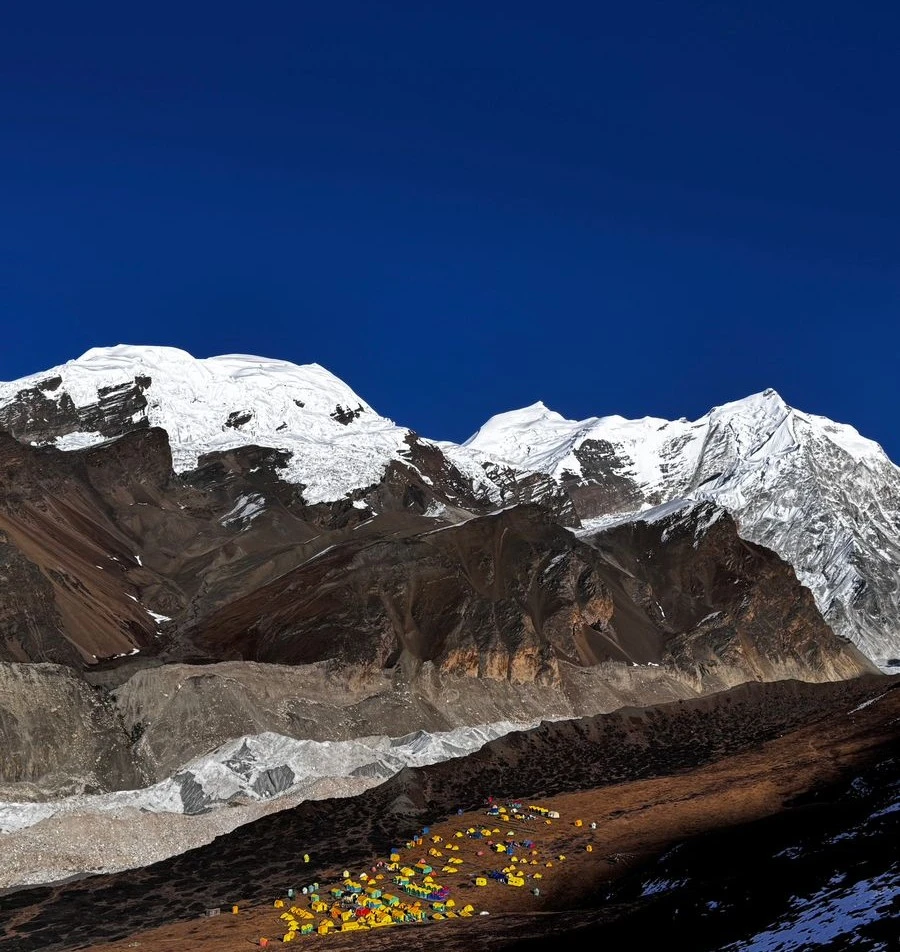
Arrive at Base Camp on the moraine plateau with the Northeast Face rising directly above.
12
|
Puja Ceremony & Climbing Training |
Breakfast / Lunch / Dinner |
Tent |
|
|
Puja ceremony at Base Camp followed by rope-fixing briefing, climbing training, and final gear check.
13
|
Rest & Acclimatization at Base Camp (4,900m) |
Breakfast / Lunch / Dinner |
Tent |
|
|
Full team medical review and altitude adaptation at 4,900m.
14 – 15
|
1st Rotation — Base Camp to Camp I (5,500m) |
Breakfast / Lunch / Dinner |
Tent |
|
|
First rotation: climb the lower Northeast Face snow slopes to Camp I overnight, then descend to Base Camp. Initial fixed-rope navigation confirmed.
16 – 17
|
Rest & Recovery at Base Camp |
Breakfast / Lunch / Dinner |
Tent |
|
|
Expedition Doctor O₂ saturation review and ongoing weather forecast monitoring.
18 – 19
|
2nd Rotation — Camp I to Camp II (6,150m) |
Breakfast / Lunch / Dinner |
Tent |
|
|
Second rotation: Camp I to Camp II overnight on the mid-Northeast Face, then return to Base Camp. First overnight above 6,000m.
20 – 21
|
Rest at Base Camp — High Camp Preparations |
Breakfast / Lunch / Dinner |
Tent |
|
|
Final high camp preparation with oxygen allocation confirmed at Camps II and III.
22 – 23
|
3rd Rotation — Camp II to Camp III (6,350m) |
Breakfast / Lunch / Dinner |
Tent |
|
|
Third rotation: Camp II to Camp III overnight on the upper North Ridge, then return to Base Camp. Supplemental oxygen typically begins. Final medical clearance issued.
24 – 25
|
Full Rest at Base Camp — Summit Window Assessment |
Breakfast / Lunch / Dinner |
Tent |
|
|
6-hourly forecasts reviewed and medical clearance confirmed. Summit weather window closely monitored.
26
|
Summit Bid — Base Camp to Camp I (5,500m) |
Breakfast / Lunch / Dinner |
Tent |
|
|
Begin the summit push. Oxygen systems final check before moving to Camp I.
27
|
Summit Bid — Camp I to Camp II (6,150m) |
Breakfast / Lunch / Dinner |
Tent |
|
|
Move from Camp I to Camp II. Rest, hydration, and summit preparation.
28
|
Summit Bid — Camp II to Camp III (6,350m) |
Breakfast / Lunch / Dinner |
Tent |
|
|
Move to Camp III on the upper North Ridge. Final rest before the pre-dawn summit push.
29
|
Summit Day — Putha Hiunchuli (7,246m) |
Breakfast / Lunch / Dinner |
Tent |
|
|
Pre-dawn departure from Camp III along the North Ridge to the summit of Putha Hiunchuli (7,246m / 23,773ft). Descend to Camp II.
30
|
Descend to Base Camp — Summit Celebration |
Breakfast / Lunch / Dinner |
Tent |
|
|
Full descent from Camp II to Base Camp. Post-summit celebration with the full Sherpa team.
31
|
Base Camp Cleanup & Equipment Packing |
Breakfast / Lunch / Dinner |
Tent |
|
|
Base Camp cleanup and breakdown of all expedition equipment for the return journey.
32
|
Trek Base Camp → German Base Camp (4,525m) |
Breakfast / Lunch / Dinner |
Tent |
|
|
Begin the return through the Dolpo wilderness, descending to German Base Camp.
33
|
Trek German Base Camp → Panjing → Kakot (3,020m) |
Breakfast / Lunch / Dinner |
Camp |
|
|
Return crossing of mountain passes from German Base Camp back down to Kakot.
34
|
Trek Kakot → Tarakot → Dunai (2,140m) |
Breakfast / Lunch / Dinner |
Lodge |
|
|
Return along the Bheri River valley route to Dunai.
35
|
Trek Dunai → Juphal, Fly Juphal → Nepalgunj → Kathmandu |
Breakfast / Lunch / Dinner |
Hotel |
|
|
Trek to Juphal then fly back to Kathmandu via Nepalgunj. Transfer to hotel.
36
|
Celebration Day — Summit Certificates & Farewell Dinner |
Breakfast / Lunch / Dinner |
Hotel |
|
|
Putha Hiunchuli summit certificates presented and farewell dinner in Kathmandu.
37 – 41
|
Buffer Days — Weather & Flight Disruption Reserve |
Breakfast / Lunch / Dinner |
Hotel |
|
|
Buffer days held for weather delays, a second summit window, or domestic flight disruptions in Dolpo.
42
|
Final Departure from Kathmandu |
Breakfast |
|
|
|
Transfer to Kathmandu Tribhuvan International Airport for onward international flights.
| ||||||||||||||||||||||||||||||||||||||||||||||||||||||||||||||||||||||||||||||||||||||||||||||||||||||||||||||||||||||||||||||||
Services
Includes
- ✅ Airport pick-up and drop for all international and domestic flights
- ✅ 4 nights 4-star hotel in Kathmandu (BB) — 2 nights pre-expedition, 2 nights post-expedition
- ✅ Welcome dinner and farewell dinner in Kathmandu
- ✅ Domestic flights: Kathmandu ↔ Nepalgunj ↔ Juphal (round trip) for all team members and expedition staff
- ✅ All expedition staff transport: Kathmandu – Putha Hiunchuli Base Camp – Kathmandu
- ✅ Porters and mules / yaks: Juphal to Base Camp and back — all expedition equipment
- ✅ Full board accommodation and meals at all teahouses, lodges and camps during the approach trek and return
- ✅ Personal climbing equipment transfer: Kathmandu – Putha Hiunchuli Base Camp – Kathmandu (60 kg per member)
- ✅ Putha Hiunchuli expedition royalty fee and all official Nepal government climbing documentation
- ✅ Dhorpatan Hunting Reserve entry permit
- ✅ TIMS (Trekkers' Information Management System) card
- ✅ Garbage management and environmental deposit fee
- ✅ One official Nepal Government Liaison Officer for the full expedition duration — salary, accommodation, equipment and insurance fully included
- ✅ Nepal government taxes and company service charges
- ✅ Full expedition planning, coordination, and on-ground management
- ✅ Experienced Base Camp Manager on-site for the full climbing season
- ✅ Pre-expedition briefing pack in Kathmandu
- ✅ One walkie-talkie per Climbing Sherpa and Expedition Leader during all climbing phases
- ✅ Daily professional weather forecast service — 6-hourly Putha Hiunchuli summit-specific updates throughout
- ✅ Satellite phone at Base Camp for emergency use (minimal per-call charge applies)
- ✅ Three freshly cooked meals per day (BLD) at Putha Hiunchuli Base Camp with hot drinks — tea and coffee
- ✅ Fresh vegetables, meat, fruits, and juice restocked throughout the season
- ✅ Heated dining tent with tables and chairs at Base Camp
- ✅ AltiPro Café at Base Camp — coffee and bakery items served daily
- ✅ Private sleeping tent with mattress and pillow for every climber and staff member
- ✅ Generator for charging electronic devices at Base Camp
- ✅ Internet service at Base Camp (minimal charge)
- ✅ Sleeping tents at all high camps — Camps I, II, III (2 members per tent)
- ✅ High-altitude food at all camps: muesli, porridge, noodles, rice, soups, dry fruits, chocolate and snacks
- ✅ MSR stoves, cooking sets, EPI gas, shovels, and extra ropes at all high camps
- ✅ Common climbing equipment: fixed ropes, ice screws, ice bars, and anchoring hardware as required
- ✅ Experienced Sherpa rope-fixing team — route fully fixed to the summit before the summit push begins
- ✅ One dedicated Climbing Sherpa per climber — 1:1 ratio, guaranteed throughout
- ✅ All Climbing Sherpa, cook, kitchen helper, high-altitude porter, and Liaison Officer wages and allowances
- ✅ Insurance for all Climbing Sherpas, cooks, Liaison Officer, porters, and high-altitude staff
- ✅ Backup Sherpas on standby for substitution if required (extra charge if deployed)
- ✅ Supplemental oxygen cylinders per climber for summit push (4-litre bottles)
- ✅ Oxygen cylinders for each Climbing Sherpa (summit day)
- ✅ Summit mask and regulator set for every climber and Climbing Sherpa
- ✅ Emergency oxygen at Base Camp and all high camps
- ✅ Gamow Bag (portable hyperbaric chamber) on standby at Base Camp
- ✅ Expedition Doctor stationed at Base Camp for the full climbing season
- ✅ Helicopter and rescue team on standby for the full expedition duration
- ✅ Puja ceremony at Base Camp before climbing begins
- ✅ AltiPro expedition T-shirt and Putha Hiunchuli summit certificate (issued by MoCTCA after successful summit)
Excludes
- ❌ International flight tickets to and from your home country
- ❌ Nepal entry visa fee — obtainable on arrival at Kathmandu Tribhuvan International Airport
- ❌ Personal climbing gear, clothing, and footwear
- ❌ Personal satellite messenger device (Garmin inReach or similar)
- ❌ Lunch and dinner in Kathmandu and Nepalgunj (except the included welcome and farewell dinners)
- ❌ Personal expenses: drinks, laundry, telephone, and Wi-Fi at lodges
- ❌ Travel, medical, and high-altitude helicopter rescue insurance (Min. USD 50,000) — mandatory for all participants
- ❌ Summit bonus: USD 700 per Climbing Sherpa and USD 250 for kitchen helpers — to be paid in cash at Base Camp after a successful ascent
- ❌ Tips for trek guides, porters, and mule/yak handlers along the approach
- ❌ Extra costs due to personal baggage exceeding 60 kg
- ❌ Ski or snowboard permit fees (available on request for those wishing to ski the northern slopes — pre-booking required)
- ❌ Drone and special filming permit fees
- ❌ Costs incurred due to flight delays, cancellations, or political disruptions
Gear Lists & Useful Information
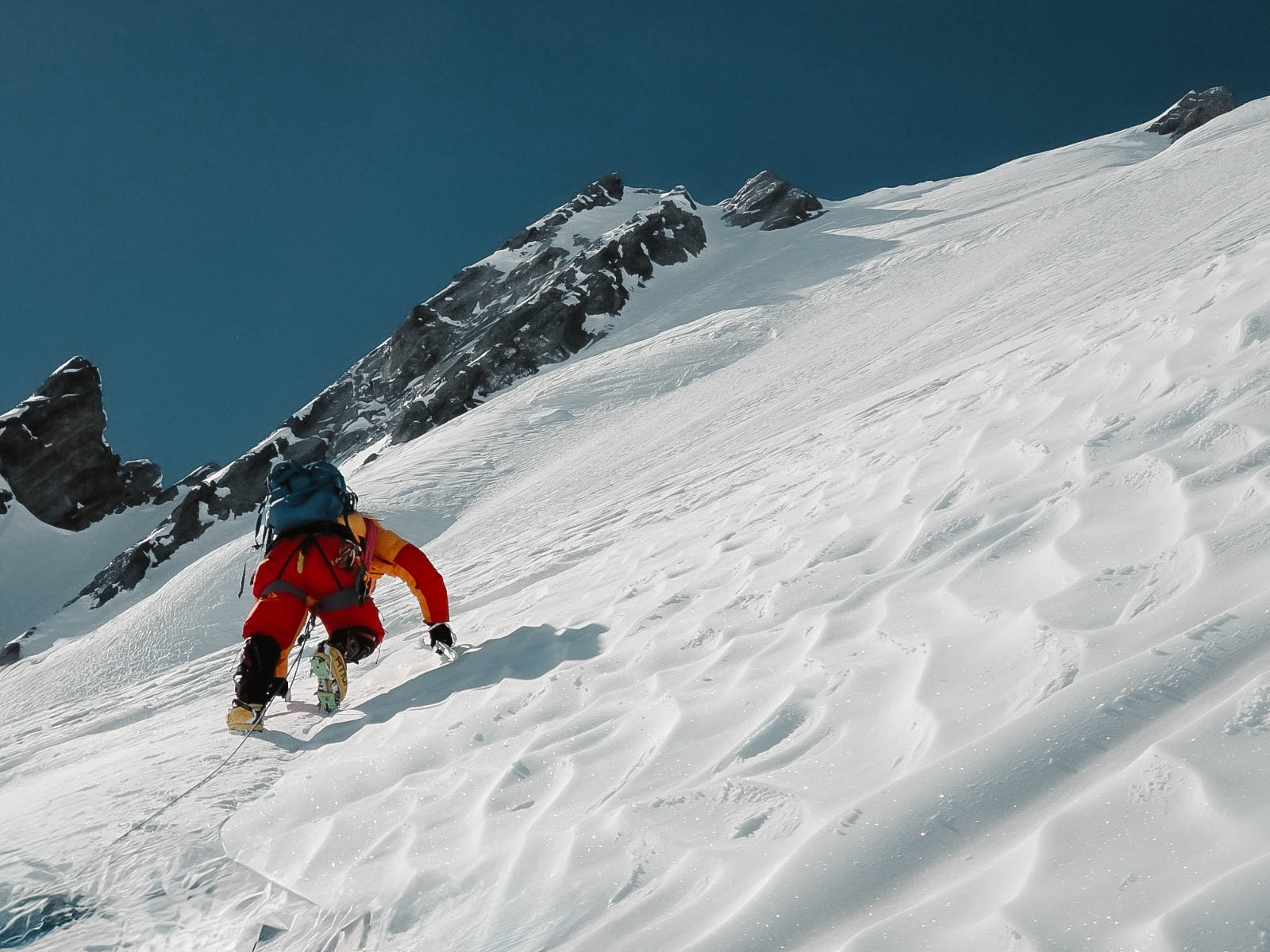
Frequently Asked Questions
Find answers to common questions about this expedition
Yes, Sherpas are provided with the package and the ratio is 1:1. However, additional Sherpas can be provided as well based on the request.
Putha Hiunchuli is graded PD+ and is a high-altitude expedition featuring sustained snow and ice slopes of 35–40 degrees. While the technical climbing is moderate compared to 8,000m peaks, the altitude above 7,000m and the remote Dolpo approach present significant challenges. It is an ideal objective for climbers stepping up from 6,000m peaks.
The Putha Hiunchuli Expedition takes around 35 days in total, starting from the arrival in Kathmandu and ending with the return.
Yes, it is one of the most recommended first 7,000m objectives in Nepal. The Northeast Face is technically accessible for those with solid 6,000m experience, offering a genuine high-altitude challenge without the extreme technical demands of mountains like K2 or Lhotse.
Yes, we require documented experience above 5,500 meters. Proficiency on fixed ropes and crampon technique on 35–40 degree snow is essential. While no prior 7,000m experience is required, a strong background on peaks like Island Peak or Mera Peak is preferred.
Major risks include altitude sickness, avalanches on the Northeast Face, crevasse hazards on the glacier, and extreme cold on the upper ridge. The remote Dolpo location also means helicopter response times can be longer than in more central regions.
The best time is the autumn season, from September to October. The post-monsoon weather consolidates the snow on the Northeast Face and provides the clearest visibility for the stunning Dolpo landscape.
Here are the main permit fees and required government permits if you want to climb Putha Hiunchuli from Nepal:
- Climbing Permit for Putha Hiunchuli This is the official royalty issued by the Nepal Government (MoCTCA). Permit fee for foreign climbers:
- Autumn Season (Sept to Nov): ~$500 USD/person
- Spring Season (March to May): ~$1,000 USD/person Please note: The permit fee is only a license to climb; additional costs apply for the full expedition.
- Dhorpatan Hunting Reserve Entry Permit Required for entering the protected conservation area through which the approach passes.
- TIMS Card & Local Permits Required for the approach trek through the remote Dolpo and Rukum regions.
Safety is our top priority. We implement internationally recognized standards to minimize risks:
- Experienced Leadership & 1:1 Support: Veteran 7,000m leaders and a guaranteed 1:1 Climbing Sherpa ratio.
- Three-Rotation Acclimatization: A structured program to allow your body to adapt gradually before the summit push.
- Health Monitoring & Medical Support: An on-site Expedition Doctor at Base Camp with daily oxygen saturation checks.
- Fixed Ropes & Route Security: Our team pre-installs ropes on all technical sections of the Northeast Face before rotations begin.
- Supplemental Oxygen & Backup Systems: Emergency oxygen is pre-positioned at Camp II and Camp III for summit attempts or medical needs.
- Precision Weather Monitoring: Six-hourly summit-specific forecasts to identify stable 48-hour windows.
- Emergency Planning: Pre-arranged helicopter rescue coordination and an on-site Gamow Bag at Base Camp.
Been on this expedition?
Your feedback helps other travelers plan their adventure of a lifetime. Share your experience with us!
Annapurna IV Expedition
Annapurna IV – The Quiet Fourth, a technical wall of ice and ridgeline standing watch in the shadow of giants.
Baruntse Expedition
Baruntse – Sentinel Between Giants, where ice ridges and hidden glaciers guard the silence between Everest and Makalu.
 7000m
7000m
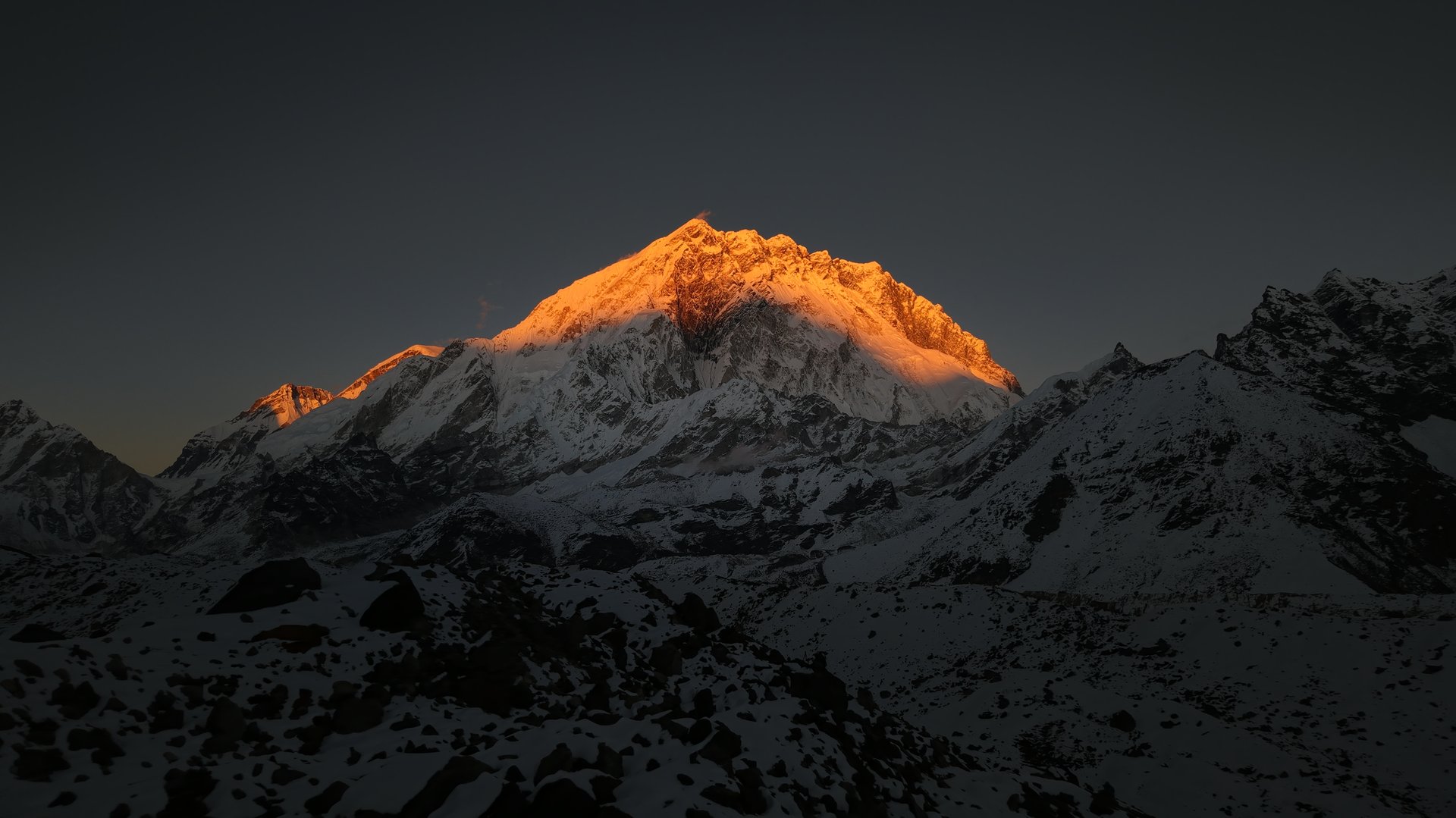
Nuptse Expedition
Nuptse – the Silent Guardian of Everest, where jagged spires meet untamed wilderness.
 7000m
7000m
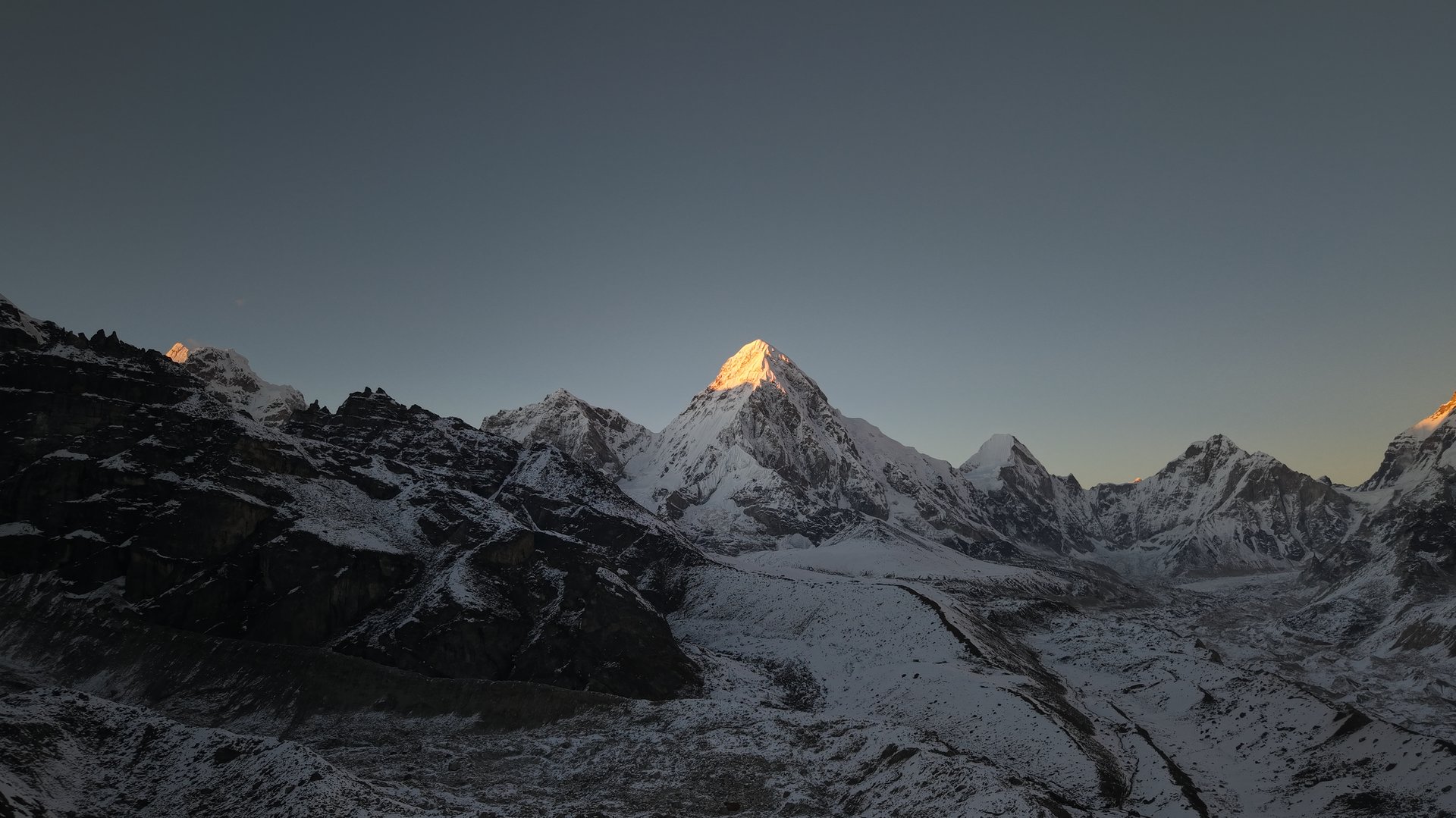
Pumori Expedition
Pumori – Everest's Daughter, where a graceful pyramid keeps quiet watch over the roof of the world.
Tilicho Peak Expedition
Tilicho Peak – Crown of the Great Barrier, standing watch over the world's highest lake in silent, windswept solitude.
 7000m
7000m
Himlung Himal Expedition
Ready to Start Your Adventure?
Contact us to book your expedition or get more information