
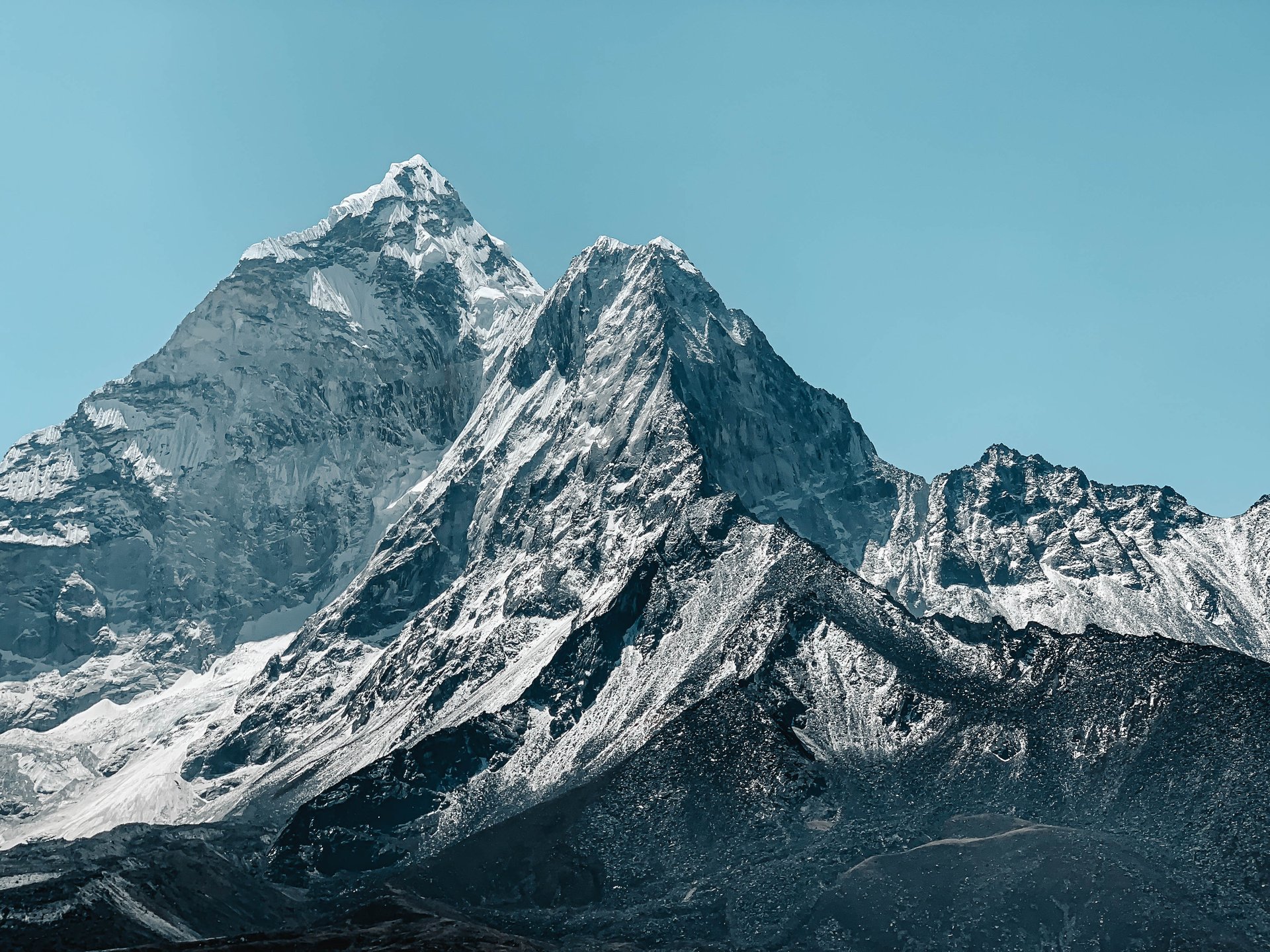
Amadablam Expedition
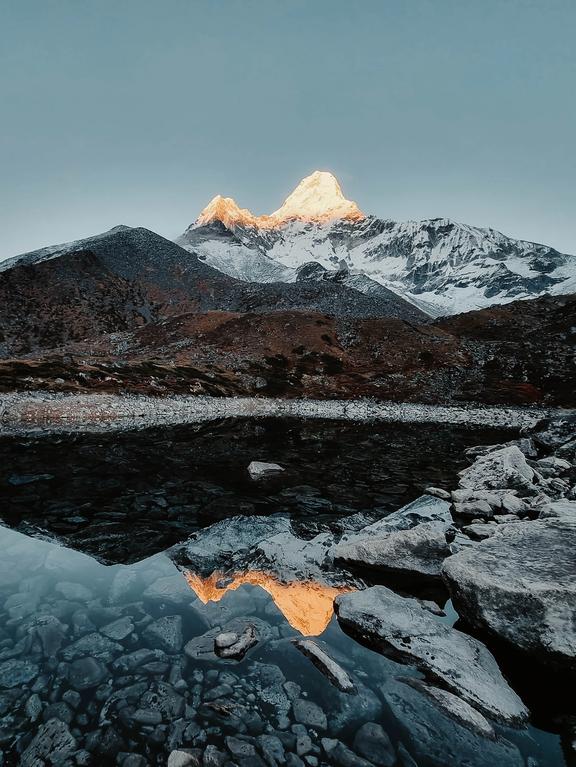
Ama Dablam — the jewel of the Himalayas, steep, stunning, and unforgettable.
Expedition Overview
What is the Ama Dablam Expedition?
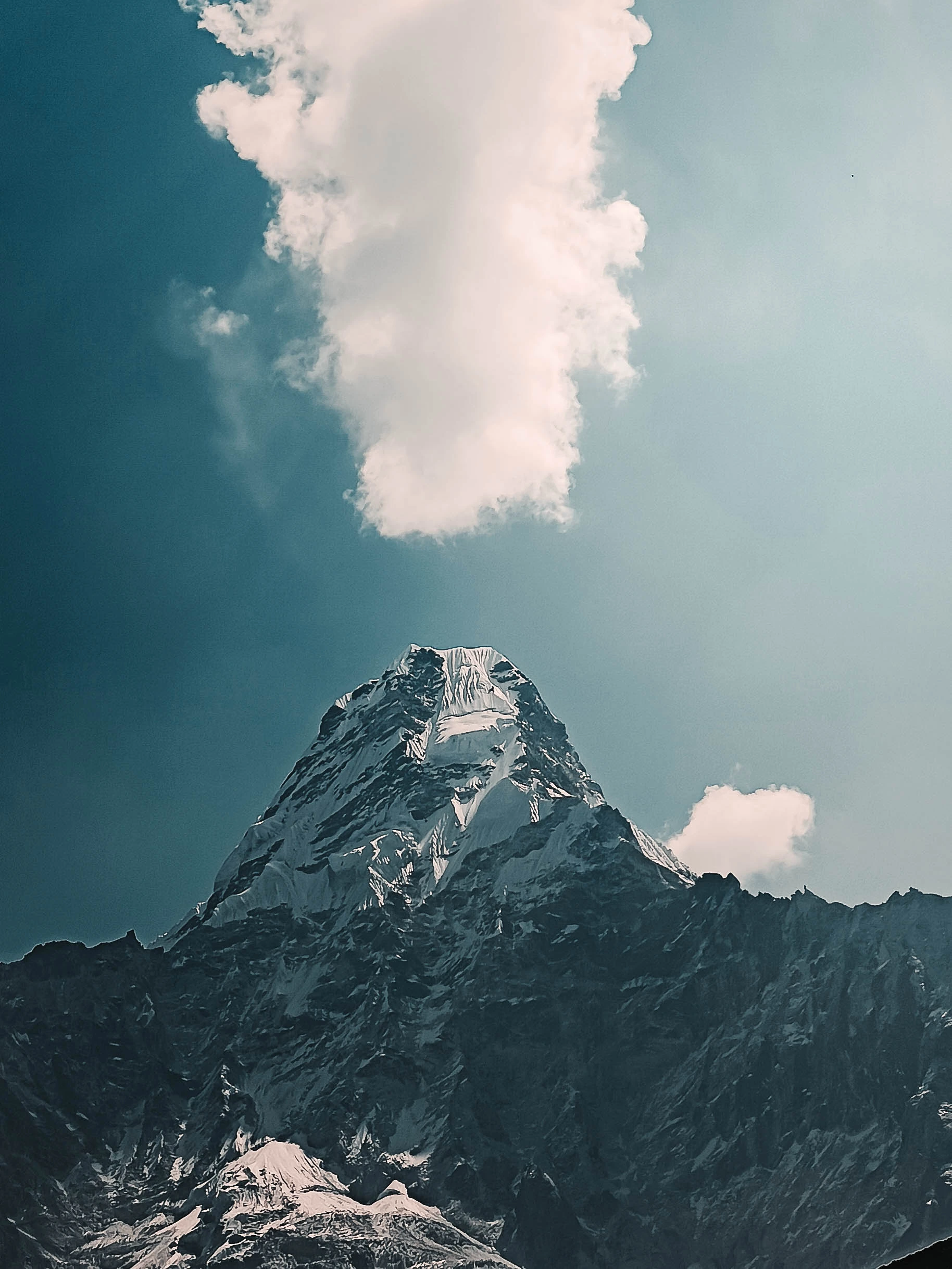
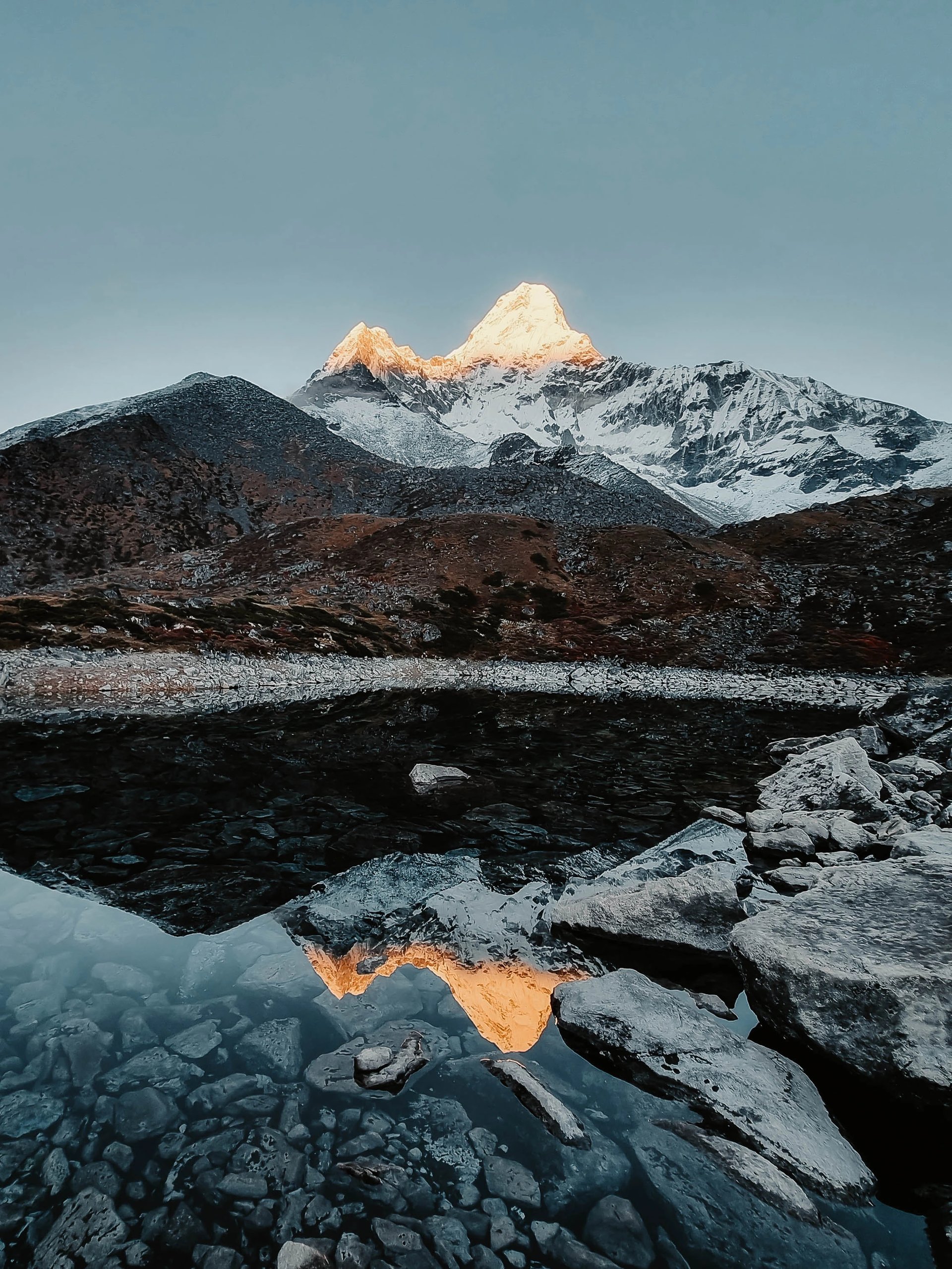
Located in the Khumbu region of Nepal, Ama Dablam stands at 6,812 metres and is widely regarded as one of the most beautiful mountains in the world. The distinctive hanging glacier on the southwest face — the Dablam, meaning "mother's necklace" in Sherpa — is visible from almost everywhere along the Everest Base Camp trek and gives the mountain its name. First climbed on 13 March 1961 by a New Zealand and American team including Barry Bishop, Mike Gill, Wally Romanes, and Mike Ward, Ama Dablam has since become one of the most coveted technical objectives in the Nepal Himalaya.
AltiPro's Ama Dablam Expedition follows the Southwest Ridge, the standard route on the mountain, establishing camps at 5,800m (Camp 1), 6,020m (Camp 2), and 6,400m (Camp 3) before the summit push to 6,812m. The approach from Lukla via the classic Everest Base Camp route reaches Ama Dablam Base Camp at approximately 4,570m after 6 to 7 days of trekking through the Khumbu valley. Maximum 8 climbers with a 1:1 guiding ratio, 28 to 32 days from Kathmandu to return.
Ama Dablam is rated Difficult. The Southwest Ridge demands genuine technical competence on rock, snow, and mixed terrain, with several exposed and committing sections between Camp 2 and Camp 3. AltiPro requires prior experience on technical rock and mixed terrain above 5,500m for all applicants.
About Ama Dablam — The Most Beautiful Mountain in Nepal
Ama Dablam is arguably the most photographed mountain in Nepal. Its pyramidal summit tower dominates the Khumbu skyline and is visible for weeks along the Everest Base Camp approach — appearing most dramatically above Tengboche Monastery, where it frames the horizon with Everest and Lhotse rising behind it. The Southwest Ridge route delivers a genuinely varied technical climbing experience: steep rock slabs in the lower sections, mixed snow and ice on the upper ridge, and an exposed summit tower requiring confident ropework throughout.
The Khumbu approach via Namche Bazaar, Tengboche, and the Imja Khola valley is one of the world's great trekking routes, with outstanding views of Everest, Lhotse, Nuptse, and the entire range of Khumbu peaks during the journey to Base Camp — acclimatisation and adventure combined in a single approach.
Why Choose AltiPro Adventures for Ama Dablam?
Technical Guiding Excellence
Ama Dablam's Southwest Ridge requires experienced guiding on mixed and rock terrain throughout. AltiPro's team brings extensive Ama Dablam ascent experience, managing fixed rope installation, route-finding, and individual technique coaching at every stage of the climb.
Small Team, Close Attention
Maximum 8 climbers with a 1:1 guide and Sherpa ratio. Ama Dablam is not a mountain for large guided groups — the technical terrain demands close personal attention at every stage and personalised coaching on the key crux sections.
Classic Khumbu Approach
The 6 to 7 day approach from Lukla via Namche, Tengboche, and the Imja Khola valley passes through the heart of Khumbu — an extraordinary mountain landscape that doubles as a natural acclimatisation programme before Base Camp.
Autumn and Spring Options
AltiPro operates Ama Dablam in both the primary autumn season (October–November) and the spring season (April–May), giving climbers flexibility to choose the expedition timing that best fits their schedule and experience.
Medical Support
A full high-altitude medical kit including Gamow Bag and pulse oximetry at Base Camp, with satellite communication for emergency coordination. The proximity of Namche Bazaar — with its clinic and helicopter evacuation capability — provides an additional safety layer during the Khumbu season.
Summit Tower Focus
AltiPro's pre-climb technical briefings focus specifically on the Ama Dablam summit tower — the crux section between Camp 2 and Camp 3 where confident rock and mixed technique is essential for safe progress.
The Southwest Ridge Route (6,812 m)
The Southwest Ridge is the standard route on Ama Dablam, approached via the classic Khumbu trekking route from Lukla. The climb combines rock, snow, and mixed terrain throughout, with increasing technical demand on the upper section above Camp 2.
Kathmandu to Ama Dablam Base Camp via Lukla (1,400m to 4,570m)
Flight from Kathmandu to Lukla, then 6 to 7 days trekking via Namche Bazaar, Tengboche, and the Imja Khola valley to Ama Dablam Base Camp at approximately 4,570m. One of the world's great mountain approach treks.
Base Camp to Camp 1 (4,570m to 5,800m)
Steep moraine and rock slabs on the lower Southwest Ridge lead from Base Camp to Camp 1 at 5,800m. The terrain is rocky and requires confident scrambling on exposed sections from early in the route.
Camp 1 to Camp 2 (5,800m to 6,020m)
The most technical section of the lower route — mixed rock and snow climbing over the Southwest Ridge crest to Camp 2 at 6,020m. Fixed ropes are installed on the key technical sections by the lead team.
Camp 2 to Camp 3 (6,020m to 6,400m)
The upper Southwest Ridge — the most challenging and exposed section on the route. The Yellow Tower at approximately 6,100m is a section of steep rock requiring confident climbing technique. Camp 3 is perched on a narrow snow terrace below the summit tower.
Camp 3 to Summit (6,400m to 6,812m)
The final summit push involves steep mixed terrain on the summit tower with spectacular exposure. The summit of Ama Dablam delivers extraordinary panoramic views of Everest, Lhotse, Makalu, Cho-oyu, and the entire Khumbu region spread out below.
How Difficult is the Ama Dablam Expedition?
Ama Dablam is rated Difficult. The Southwest Ridge is a genuinely technical mixed route requiring competence on rock, snow, and ice throughout. The Yellow Tower and the summit tower sections demand confident technique on exposed terrain. Prior technical climbing experience is essential — this is not a trekking peak.
Best Season for the Ama Dablam Expedition
Autumn (October–November): The primary season for Ama Dablam, with stable post-monsoon conditions delivering the best weather windows on the upper ridge. October is widely considered the optimal month.
Spring (April–May): A viable secondary season, though conditions on the technical sections can be more variable than autumn. AltiPro operates both seasons — contact for current dates.
Ama Dablam Expedition Cost
Full-service Ama Dablam expedition — NMA permit, Lukla flights, technical guiding throughout, and Base Camp medical support included.
Includes NMA climbing permit, Lukla domestic flights, Khumbu approach trek, technical guiding and fixed rope installation on all route sections, load carry to all high camps, Base Camp cook tent and kitchen staff, and a complete high-altitude medical kit. International flights and personal climbing equipment are not included. Contact AltiPro for a full cost breakdown.
Ama Dablam Expedition — Frequently Asked Questions
Common questions about climbing Ama Dablam with AltiPro Adventures.
How technical is Ama Dablam?
Ama Dablam's Southwest Ridge is a genuinely technical mixed route. The Yellow Tower and summit tower sections demand solid rock and mixed climbing technique — this is not a trekking peak. Prior technical climbing experience above 5,500m on rock and mixed terrain is required.
Is prior high-altitude experience required?
Yes. AltiPro requires prior technical climbing experience on rock and mixed terrain above 5,500m. Ama Dablam is not appropriate as a first high-altitude objective.
What is the approach to Ama Dablam?
The classic Everest Base Camp approach from Lukla — 6 to 7 days trekking via Namche Bazaar and Tengboche to Ama Dablam Base Camp at 4,570m. One of the world's great mountain approach treks.
When does AltiPro operate Ama Dablam?
Autumn (October–November) as the primary season, with spring (April–May) as a secondary option. Contact AltiPro for current season dates and availability.
How long is the expedition?
28 to 32 days from Kathmandu to return, including the Lukla approach trek, all acclimatisation rotations and load carries, and the summit attempt.
What permits are required?
Nepal Mountaineering Association (NMA) climbing permit plus TIMS and Sagarmatha National Park fees for the Khumbu approach. AltiPro manages all permit applications from Kathmandu.
Is supplemental oxygen used on Ama Dablam?
No. At 6,812m supplemental oxygen is not standard practice. AltiPro carries emergency oxygen and a Gamow Bag at Base Camp for altitude illness response.
Is there medical support at Base Camp?
AltiPro carries a full high-altitude medical kit at Base Camp including Gamow Bag and pulse oximetry. The proximity of Namche Bazaar — with its medical clinic and helicopter evacuation access — provides an additional emergency response option during the Khumbu climbing season.
Detailed Itinerary
Click on each day to view details
| Day | Program | Meals | Accom. | |||||||||||||||||||||||||||||||||||||||||||||||||||||||||||||||||||||||||||||||||||||||||||||||||||||||||||||||||||||||||||||||||||||||||||||||||||||||||||||||||
|---|---|---|---|---|---|---|---|---|---|---|---|---|---|---|---|---|---|---|---|---|---|---|---|---|---|---|---|---|---|---|---|---|---|---|---|---|---|---|---|---|---|---|---|---|---|---|---|---|---|---|---|---|---|---|---|---|---|---|---|---|---|---|---|---|---|---|---|---|---|---|---|---|---|---|---|---|---|---|---|---|---|---|---|---|---|---|---|---|---|---|---|---|---|---|---|---|---|---|---|---|---|---|---|---|---|---|---|---|---|---|---|---|---|---|---|---|---|---|---|---|---|---|---|---|---|---|---|---|---|---|---|---|---|---|---|---|---|---|---|---|---|---|---|---|---|---|---|---|---|---|---|---|---|---|---|---|---|---|---|---|---|---|---|---|
| 1 | Arrival in Kathmandu | Dinner | Hotel | |||||||||||||||||||||||||||||||||||||||||||||||||||||||||||||||||||||||||||||||||||||||||||||||||||||||||||||||||||||||||||||||||||||||||||||||||||||||||||||||||
|
Arrive in Kathmandu (1,350m / 4,429ft). Transfer to hotel, welcome dinner, and expedition briefing.
2
|
Permit Processing and Gear Check |
Breakfast / Dinner |
Hotel |
|
|
Complete expedition permit processing, climbing gear inspection, and final briefing in Kathmandu.
3
|
Fly Kathmandu → Lukla and Trek to Phakding |
Breakfast / Lunch / Dinner |
Lodge |
|
|
Fly to Lukla (2,840m / 9,317ft) and begin the Khumbu approach trek to Phakding (2,610m / 8,563ft).
4
|
Trek Phakding → Namche Bazaar |
Breakfast / Lunch / Dinner |
Lodge |
|
|
Cross suspension bridges over the Dudh Koshi River and ascend to Namche Bazaar (3,440m / 11,286ft).
5
|
Acclimatization at Namche Bazaar |
Breakfast / Lunch / Dinner |
Lodge |
|
|
Acclimatization hike above Namche Bazaar with panoramic Everest region views before returning to Namche.
6
|
Trek Namche Bazaar → Tengboche |
Breakfast / Lunch / Dinner |
Lodge |
|
|
Trek through rhododendron forests to Tengboche Monastery (3,860m / 12,664ft) beneath Ama Dablam.
7
|
Trek Tengboche → Dingboche |
Breakfast / Lunch / Dinner |
Lodge |
|
|
Continue through Pangboche village and ascend into the upper Imja Valley toward Dingboche (4,360m / 14,304ft).
8
|
Trek Dingboche → Ama Dablam Base Camp |
Breakfast / Lunch / Dinner |
Tent |
|
|
Leave the Everest trail and ascend to Ama Dablam Base Camp (4,600m / 15,091ft).
9 – 11
|
Climbing Training and Rotation Preparation |
Breakfast / Lunch / Dinner |
Tent |
|
|
Complete fixed rope training, glacier movement practice, and acclimatization hikes around Base Camp before rotations begin.
12 – 15
|
First Rotation — Camp I |
Breakfast / Lunch / Dinner |
Tent |
|
|
Ascend the Southwest Ridge to Camp I (5,600m / 18,373ft) for the first acclimatization rotation before descending to Base Camp.
16 – 18
|
Rest and Recovery at Base Camp |
Breakfast / Lunch / Dinner |
Tent |
|
|
Recovery period at Base Camp with medical monitoring, weather planning, and preparation for the second rotation.
19 – 22
|
Second Rotation — Camp II |
Breakfast / Lunch / Dinner |
Tent |
|
|
Climb through the exposed rock traverses and mixed terrain to Camp II (5,900m / 19,357ft) before descending to Base Camp.
23 – 25
|
Summit Push Preparation |
Breakfast / Lunch / Dinner |
Tent |
|
|
Rest, monitor weather forecasts, and finalize summit logistics at Ama Dablam Base Camp.
26 – 29
|
Summit Rotation — Ama Dablam |
Breakfast / Lunch / Dinner |
Tent |
|
|
Ascend through Camps I, II, and III before attempting the summit of Ama Dablam (6,812m / 22,349ft) and descending to Base Camp.
30
|
Trek Ama Dablam Base Camp → Namche Bazaar |
Breakfast / Lunch / Dinner |
Lodge |
|
|
Descend from Base Camp through Pangboche and Tengboche to Namche Bazaar.
31
|
Trek Namche Bazaar → Lukla |
Breakfast / Lunch / Dinner |
Lodge |
|
|
Final trekking day descending alongside the Dudh Koshi River back to Lukla.
32
|
Fly Lukla → Kathmandu and Departure Preparation |
Breakfast / Dinner |
Hotel |
|
|
Morning flight to Kathmandu followed by expedition debriefing and farewell dinner.
| ||||||||||||||||||||||||||||||||||||||||||||||||||||||||||||||||||||
Services
Includes
- ✅ High-altitude tents at Camps I, II, and III — 2 members per tent
- ✅ High-altitude food at all camps: EPI gas, cooking pots, stoves, and group equipment
- ✅ Fixed and dynamic ropes throughout the Southwest Ridge route
- ✅ 1 veteran, government-licensed Climbing Sherpa per member (1:1 ratio) — Base Camp to summit and back, on every rotation
- ✅ Climbing Sherpa salary, equipment, food, clothing, and insurance
- ✅ Carry bonus of Sherpas and route-fixing charges included
- ✅ Backup oxygen cylinder, mask, and regulator on standby at Base Camp
- ✅ Oxygen, mask, and regulator training at Base Camp before climbing begins
- ✅ Helicopter rescue standby pre-arranged from Kathmandu before expedition departure
- ✅ Puja ceremony at Ama Dablam Base Camp before climbing begins
- ✅ Ama Dablam summit certificate on successful summit
Excludes
- ❌ International flight airfare (from and to Kathmandu)
- ❌ Nepalese Visa fee — USD 125 for 90 days
- ❌ Clothing, personal trekking and climbing gear, and personal medical kit
- ❌ Soaps, shampoos, toilet paper, and personal hygiene items
- ❌ Lunch and dinner in Kathmandu (except included welcome and farewell dinners)
- ❌ Extra accommodation in Kathmandu for early arrival or late departure
- ❌ Telephone, internet, battery recharge, hot shower, laundry, and alcoholic beverages
- ❌ Travel, medical, and high-altitude helicopter rescue insurance — mandatory for all participants (trip cancellation, interruption, medical treatment, repatriation)
- ❌ Summit bonus for Climbing Sherpa — minimum USD 800
- ❌ Tips for porters — minimum USD 100 each
- ❌ Gratuities for Base Camp and high camp staff — minimum USD 400
- ❌ Special filming, camera, and drone permit fees
- ❌ Costs due to flight cancellations, road disruptions, or unforeseen situations
- ❌ Any other services not listed in the Includes section above
Departure
From
Apr 20, 2026
To
Jun 01, 2026
Gear Lists & Useful Information
Gear List & Equipment
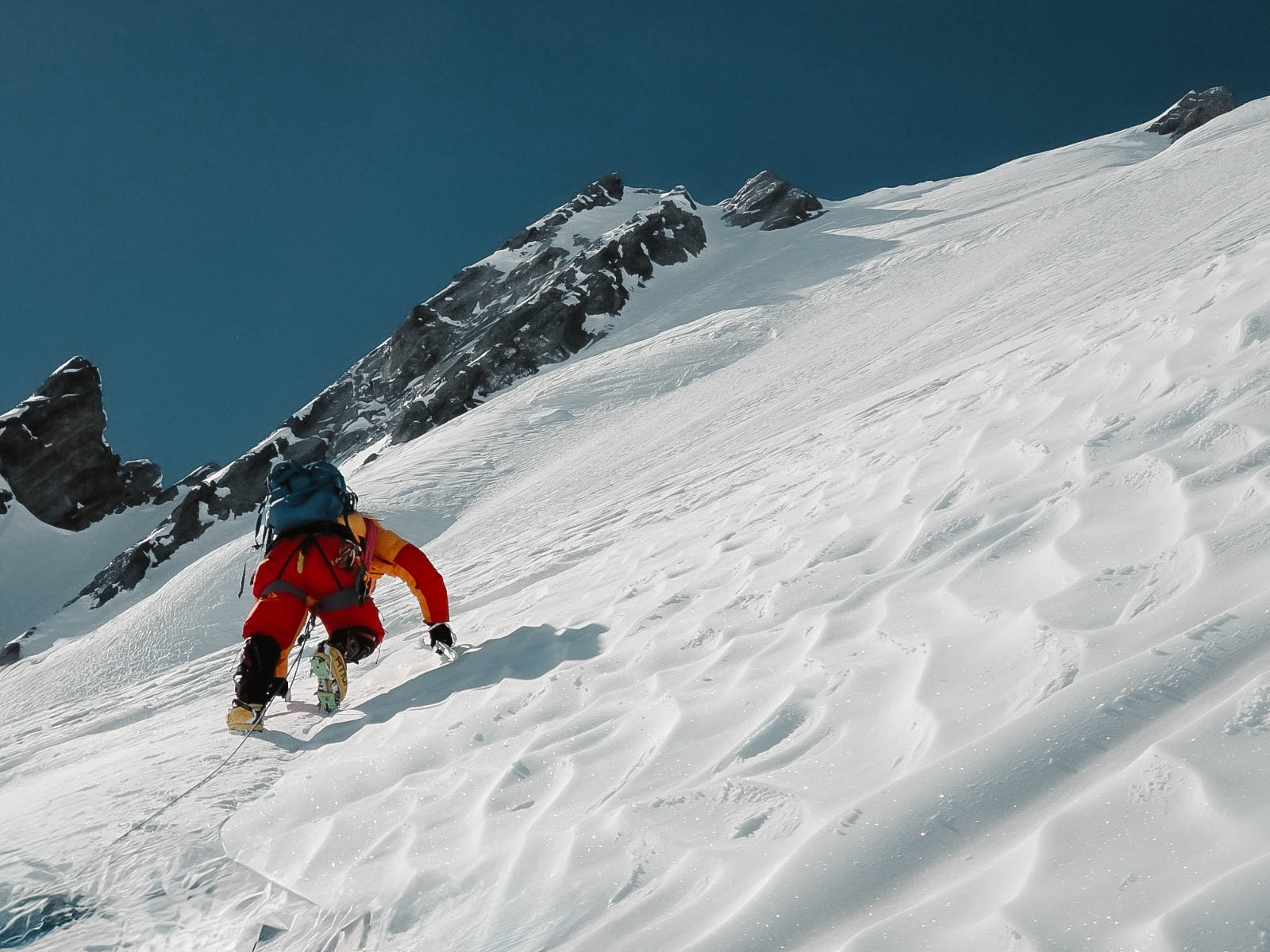
Gear List for 7000ers
Gear List for 7000ers
Essential 7000m climbing gear list for Himalayan expeditions. Explore high-altitude gears, equipment, and safety essentials by AltiPro Adventures.
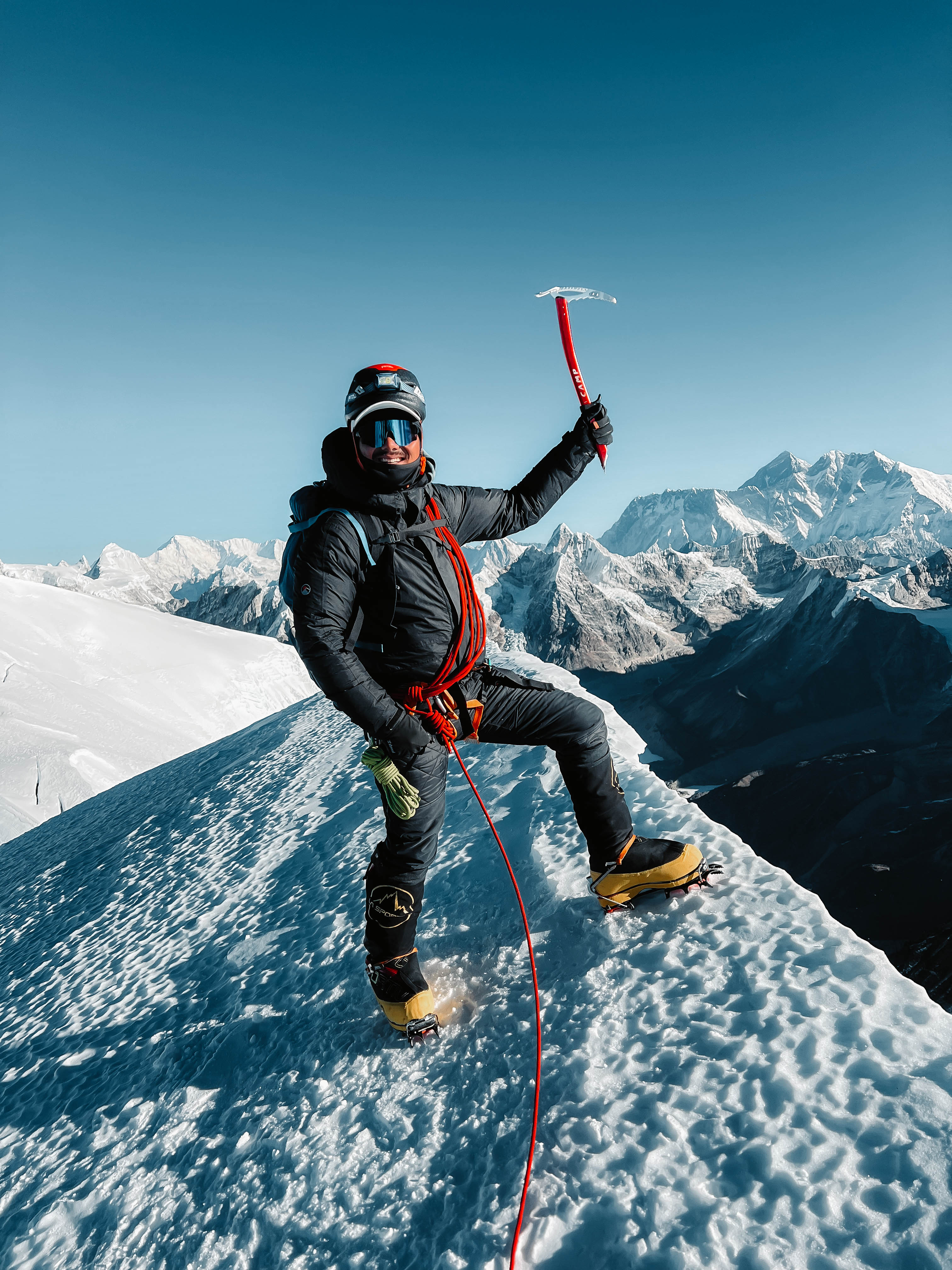
Gear List for 6000ers
Gear List for 6000ers
Essential 6000m climbing gear list for Himalayan expeditions. Explore high-altitude gears, equipment, and safety essentials by AltiPro Adventures.
Expedition Gallery
Explore stunning images from this expedition
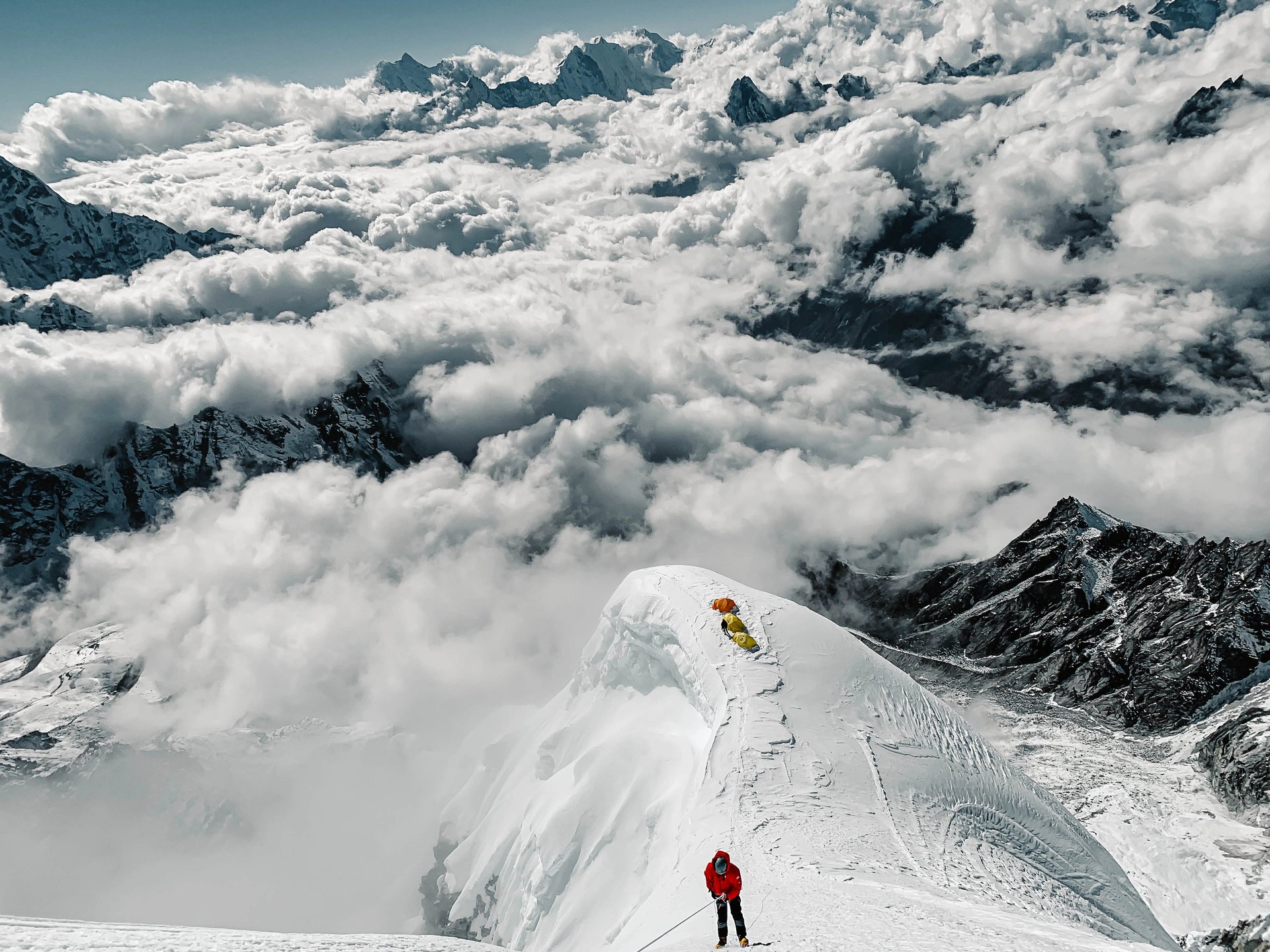
Expedition Videos
Watch highlights and experiences from the expedition
Been on this expedition?
Your feedback helps other travelers plan their adventure of a lifetime. Share your experience with us!
Cholatse Expedition
Cholatse Peak (6,440m) — a striking technical summit in Nepal’s Khumbu region, rising above the Dudh Koshi Valley and surrounded by the dramatic peaks of Everest, Ama Dablam, Taboche, and Lobuche.
Chulu East Expedition
Chulu East (6,584m) — a remote Annapurna summit above the Manang Valley, ringed by Annapurna II, III, IV, and Gangapurna.
Chulu West Expedition
Chulu West (6,419m) — an ice wall and glacier ridge above the Annapurna Circuit, paired with a classic Thorong La crossing.
Dhampus peak expedition
Dhampus Peak (6,012m) — also known as Thapa Peak, a two-pass Himalayan crossing linking Mustang to the Annapurna Circuit.
Hiunchuli Peak Expedition
Hiunchuli (6,441m) — guardian of the Annapurna Sanctuary, one of Nepal's most serious trekking peaks.
Island Peak Expedition
Island Peak (6,189m) — Imja Tse, the Khumbu's classic training summit, ringed by Lhotse, Nuptse, and Ama Dablam.
Kyajo Ri Expedition
Kyajo Ri (6,186m) — one of the Khumbu's quietest summits, a technical step up hidden in an isolated valley off the main trails.
Larkya Peak Expedition
Larkya Peak (6,249m) — Manaslu's quiet neighbour above the Larkya La, a natural warm-up for the big mountain itself.
 6000m
6000m
Lobuche East Expedition
Lobuche East (6,119m) — the Khumbu's most technical trekking peak, rising above the Everest Base Camp trail.
Lobuche West Expedition
Lobuche West (6,145m) — the higher, far less climbed of Lobuche's two summits, a serious expedition-grade South Ridge.
Ready to Start Your Adventure?
Contact us to book your expedition or get more information