
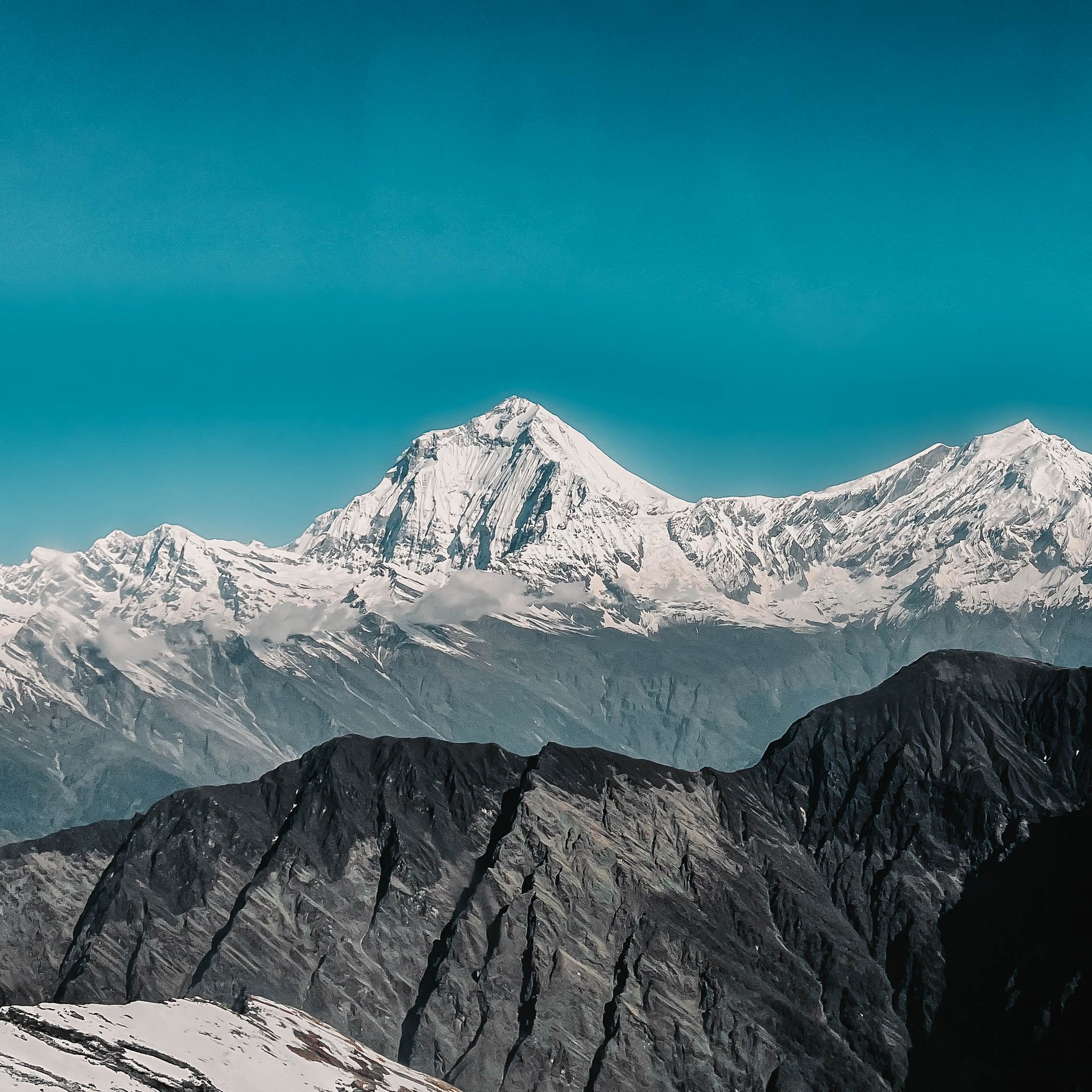
Dhaulagiri Expedition
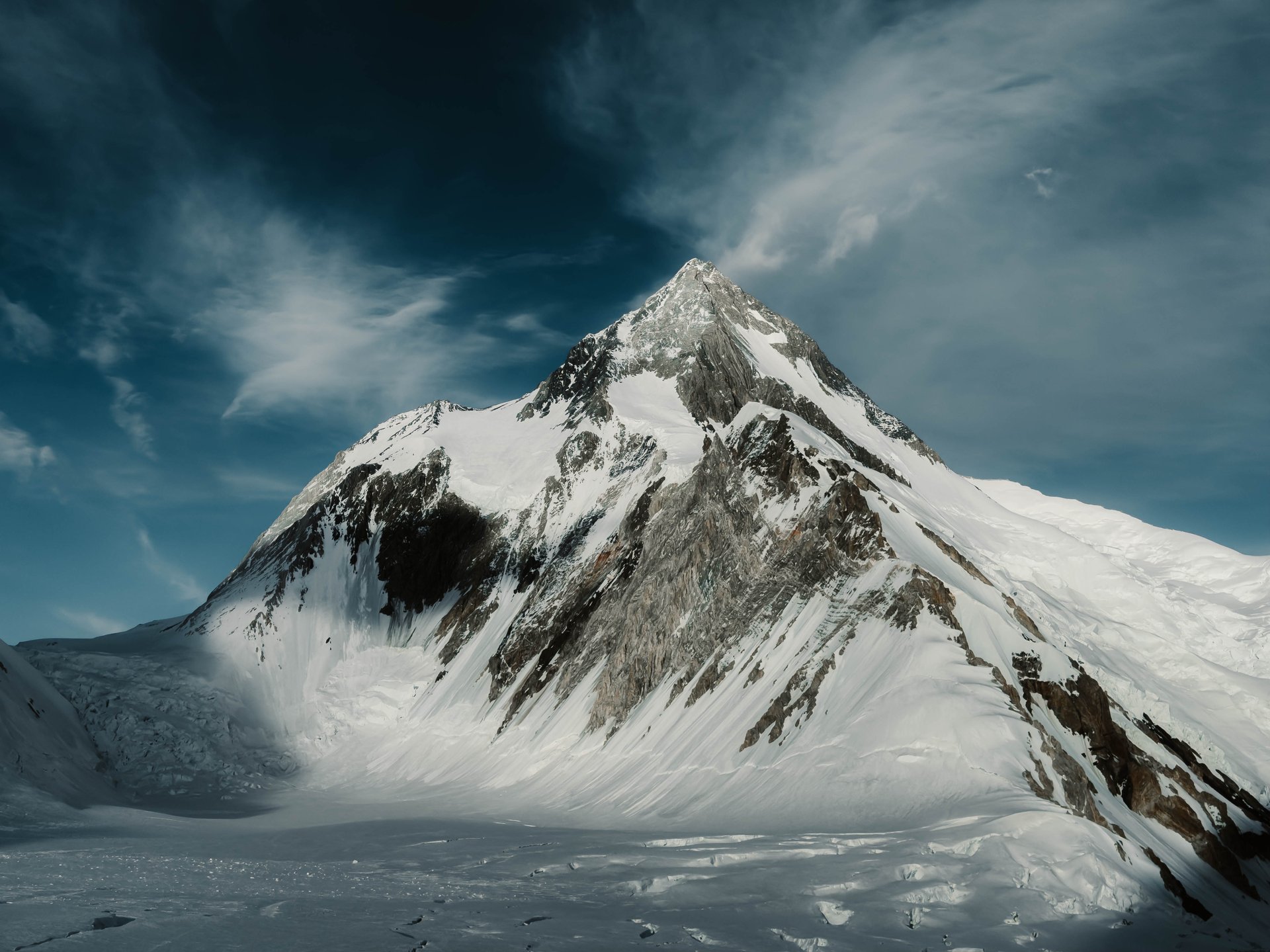
Dhaulagiri — the white giant of the Himalayas, majestic and formidable.
Expedition Overview
What is the Dhaulagiri Expedition?
Dhaulagiri stands at 8,167 metres, the seventh highest mountain on Earth and situated entirely within Nepal. The name means "White Mountain" in Sanskrit, and the peak earns that title - its sweeping white faces rise dramatically above the Kali Gandaki Valley, making Dhaulagiri one of the most visually spectacular mountains in the Himalayas. First climbed on 13 May 1960 by Peter Diener, Ernst Forrer, Albin Schelbert, Kurt Diemberger, Nawang Dorje, and Nyima Dorje of the Swiss-Austrian expedition, Dhaulagiri was one of the last 8,000m peaks to be climbed and carries a well-founded reputation as one of the most technically demanding. Its isolation in the Dhaulagiri Himal, far from the main trekking corridors, gives every ascent a remote and genuinely expedition character.
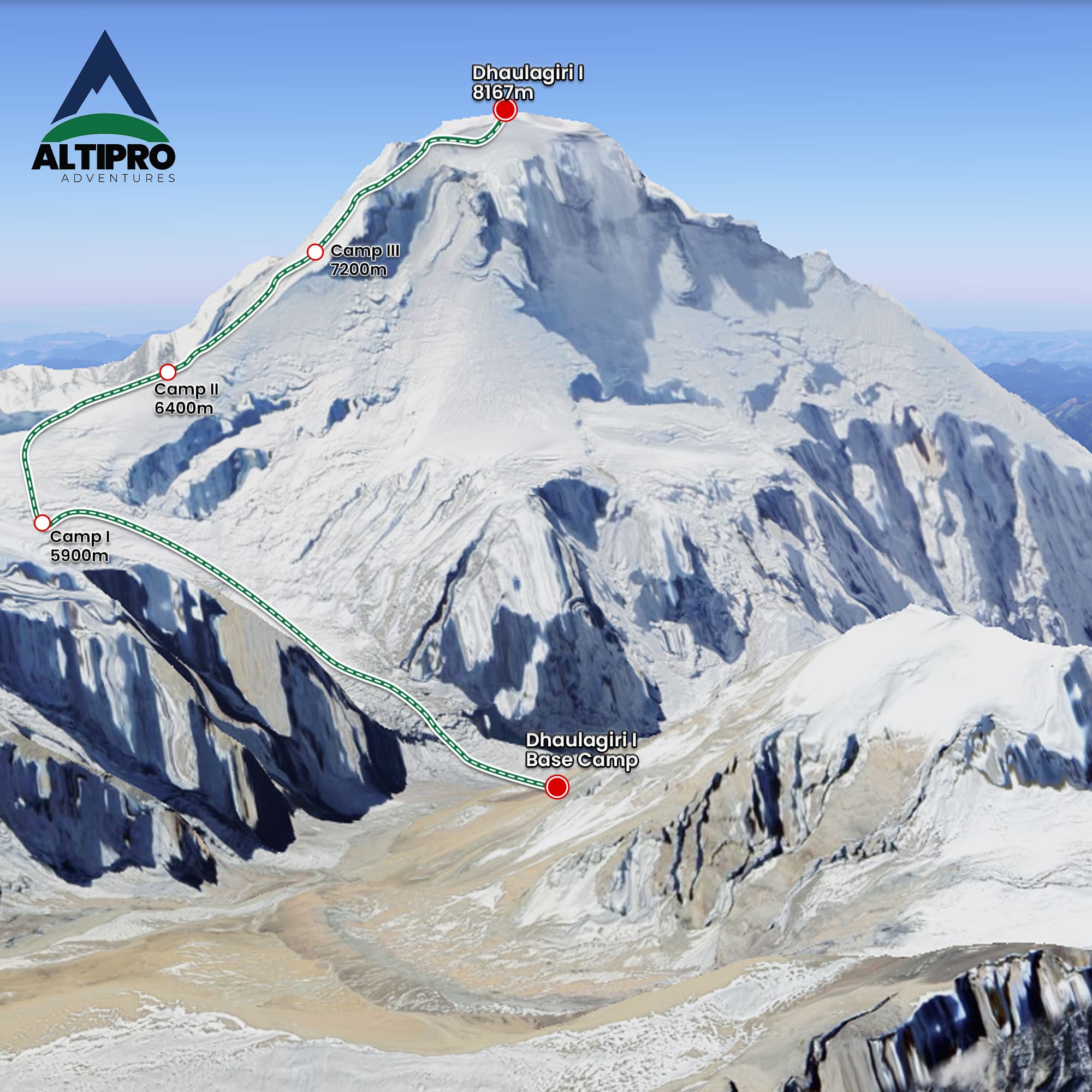
The AltiPro Dhaulagiri Expedition 2027 is a 38-day spring expedition. The approach flies to Pokhara and drives to Beni before trekking through the hidden valley to Base Camp at 4,750m beneath the Northeast Ridge. The team establishes camps at 5,900m (Camp 1), 6,900m (Camp 2), and 7,400m (Camp 3) before the summit push on the Northeast Ridge to 8,167m. Maximum 8 climbers, 1:1 Climbing Sherpa ratio, fixed ropes on all technical sections, supplemental oxygen from Camp 2, and an Expedition Doctor at Base Camp throughout the season.
Dhaulagiri is one of the most serious 8,000m objectives in Nepal. The Northeast Ridge involves sustained technical terrain above Camp 1, including the rock band between Camps 1 and 2 and the mixed ground approaching Camp 3. The summit is a narrow, exposed pinnacle requiring precise movement in often extreme conditions. AltiPro requires prior 8,000m summit experience before accepting applications for Dhaulagiri.
About Dhaulagiri - The White Mountain
Dhaulagiri dominates the skyline above the Kali Gandaki Gorge, one of the deepest gorges on Earth. The mountain's position in the Dhaulagiri Himal, separated from the Annapurna massif by the gorge, makes it one of the most geographically isolated of all Nepal's high peaks. Historically, Dhaulagiri defied every attempted first ascent for over a decade - Swiss, Argentine, Austrian, and Argentinian expeditions all failed before the 1960 Austrian-Swiss team finally reached the summit via the Northeast Ridge.
The mountain's reputation for seriousness is well justified. Its success rate is among the lowest of all 8,000m peaks, and weather conditions on the summit ridge can deteriorate faster and more severely than on more sheltered mountains. For climbers who have already completed one or more 8,000m peaks and are looking for a genuine technical challenge, Dhaulagiri represents one of the most rewarding - and demanding - objectives in the Himalayas.
Why Choose AltiPro Adventures for Dhaulagiri?
Remote Expedition Management
The hidden valley approach to Dhaulagiri is logistically complex, requiring careful porter management, acclimatisation scheduling, and supply chain planning in a region with very limited infrastructure. AltiPro's operations team has direct experience managing the Dhaulagiri approach.
Technical Climbing Team
Dhaulagiri demands competence on mixed rock and ice above 7,000m. AltiPro selects Climbing Sherpas specifically for their technical ability and prior Dhaulagiri or comparable summit experience. Route preparation above Camp 2 is handled by experienced technical Sherpas.
Oxygen From Camp 2
All climbers receive supplemental oxygen from Camp 2 at 6,900m. Four cylinders are allocated per climber with a dedicated Sherpa oxygen carrier. Reserve cylinders are pre-positioned at Camp 3 ahead of the summit push.
Small Team Discipline
Eight climbers maximum per expedition. On a technically serious and remote mountain with limited evacuation options, smaller team sizes directly reduce risk by improving communication, reducing time on technical terrain, and maintaining higher safety margins throughout.
Medical Support at Base Camp
An Expedition Doctor with high altitude medicine experience is resident at Base Camp throughout the season. Daily health checks, Gamow Bag, and satellite communication with emergency evacuation services are standard on all AltiPro Dhaulagiri expeditions.
Full Fixed Rope Service
AltiPro's Sherpa team fixes rope on all technical sections of the Northeast Ridge from Camp 1 to Camp 3. Ropes are inspected and replaced before each summit attempt window to ensure the safest possible ascent conditions.
The Northeast Ridge Route (8,167 m)
The Northeast Ridge is the standard and most climbed route on Dhaulagiri. The approach from Pokhara through the hidden valley via Beni and Darbang is one of the most remote approach treks of any major Nepal expedition, passing through little-visited country beneath the mountain's eastern faces.
Kathmandu to Base Camp (1,400m to 4,750m)
Flight to Pokhara, drive to Beni, then a 6 to 8 day trek via the hidden valley to Dhaulagiri Base Camp at 4,750m beneath the Northeast Ridge. The approach passes through some of the most remote terrain in western Nepal.
Base Camp to Camp 1 (4,750m to 5,900m)
The route climbs through the lower Northeast Ridge glacier to Camp 1 at 5,900m. The terrain is moderately technical with glacier travel and steepening snow slopes used for multiple acclimatisation rotations.
Camp 1 to Camp 2 - The Rock Band (5,900m to 6,900m)
The key technical section of the Northeast Ridge, involving a sustained rock band above Camp 1 requiring mixed climbing competence and rope management at altitude. Camp 2 is established at 6,900m above the main technical difficulties.
Camp 2 to Camp 3 (6,900m to 7,400m)
Sustained mixed terrain on the upper Northeast Ridge leads to Camp 3 at 7,400m. Supplemental oxygen is maintained from Camp 2 throughout this section and for the summit push.
Camp 3 to Summit - Upper Ridge (7,400m to 8,167m)
The summit push from Camp 3 crosses the exposed upper ridge to the summit at 8,167m. The summit pinnacle is narrow and exposed, with extreme conditions expected. Summit day typically runs 10 to 14 hours from Camp 3.
How Difficult is the Dhaulagiri Expedition?
Dhaulagiri is rated Extreme - one of the most technically demanding of all 8,000m peaks, with a success rate significantly lower than Cho Oyu, Manaslu, or Everest. The rock band between Camps 1 and 2, the sustained mixed terrain above Camp 2, and the exposed summit ridge combine to create a route demanding genuine technical competence throughout. AltiPro requires a prior 8,000m summit before accepting applications for this expedition.
Best Season for the Dhaulagiri Expedition
Spring (April–May): The only viable climbing season on Dhaulagiri. The northeast-facing standard route means winter conditions persist into late March. The pre-monsoon weather window opens in mid-April, with the summit window running from late April through mid-May. AltiPro targets the second and third weeks of May for summit day.
Why spring only: Dhaulagiri's exposed northeast face makes autumn conditions more unpredictable than on many other 8,000m peaks. AltiPro operates Dhaulagiri expeditions in spring only.
Dhaulagiri Expedition Cost
Full-service Dhaulagiri expedition - all permits, logistics, oxygen, and medical support included.
Includes all government permits, Dhaulagiri Conservation Area fees, trekking and climbing Sherpa wages, base camp and high camp equipment, fixed rope service on all technical sections, supplemental oxygen from Camp 2 for all climbers, and an on-site Expedition Doctor. International flights, personal climbing equipment, and summit bonuses are not included. Contact AltiPro for a full cost breakdown.
Dhaulagiri Expedition - Frequently Asked Questions
Common questions about climbing Dhaulagiri with AltiPro Adventures.
What experience is required for Dhaulagiri?
AltiPro requires at least one prior 8,000m summit and strong mixed terrain competence above 7,000m before accepting applications for Dhaulagiri. It is not suitable as a first or second 8,000m objective.
Is supplemental oxygen provided?
Yes. All climbers receive supplemental oxygen from Camp 2 at 6,900m. Four cylinders per climber are included, with a dedicated Sherpa oxygen carrier and reserve stockpiles pre-positioned at Camp 3.
How remote is the Dhaulagiri approach?
The hidden valley approach via Beni and Darbang is one of the most remote of any Nepal 8,000m expedition. The region has very limited infrastructure and the approach trek itself takes 6 to 8 days from Beni.
What makes the Northeast Ridge technically demanding?
The route includes a sustained rock band between Camp 1 and Camp 2 requiring mixed climbing competence, and the upper ridge above Camp 2 involves exposed mixed terrain at altitudes above 7,000m in extreme conditions.
When is the summit window?
Late April through mid-May offers the most reliable weather windows on Dhaulagiri. AltiPro targets the second and third weeks of May for summit day.
How long is the expedition?
The AltiPro Dhaulagiri Expedition 2027 runs 38 days from Kathmandu departure to return, including the hidden valley approach, all acclimatisation rotations, and summit attempt.
What is included in the expedition cost?
All permits, Dhaulagiri Conservation Area fees, Sherpa wages, base camp and high camp equipment, supplemental oxygen from Camp 2, fixed ropes on all technical sections, and the Expedition Doctor. International flights and personal equipment are not included.
Is there a medical doctor at Base Camp?
Yes. An Expedition Doctor qualified in high altitude medicine is resident at Base Camp throughout the season, with Gamow Bag, pulse oximetry, and satellite emergency communication available.
Detailed Itinerary
Click on each day to view details
| Day | Program | Meals | Accom. | |||||||||||||||||||||||||||||||||||||||||||||||||||||||||||||||||||||||||||||||||||||||||||||||||||||||||||||||||||||||||||||||||||||||||||||||||||||||||||||||||||||||||||||||||||||||||||||||||||||||||||||||||||
|---|---|---|---|---|---|---|---|---|---|---|---|---|---|---|---|---|---|---|---|---|---|---|---|---|---|---|---|---|---|---|---|---|---|---|---|---|---|---|---|---|---|---|---|---|---|---|---|---|---|---|---|---|---|---|---|---|---|---|---|---|---|---|---|---|---|---|---|---|---|---|---|---|---|---|---|---|---|---|---|---|---|---|---|---|---|---|---|---|---|---|---|---|---|---|---|---|---|---|---|---|---|---|---|---|---|---|---|---|---|---|---|---|---|---|---|---|---|---|---|---|---|---|---|---|---|---|---|---|---|---|---|---|---|---|---|---|---|---|---|---|---|---|---|---|---|---|---|---|---|---|---|---|---|---|---|---|---|---|---|---|---|---|---|---|---|---|---|---|---|---|---|---|---|---|---|---|---|---|---|---|---|---|---|---|---|---|---|---|---|---|---|---|---|---|---|---|---|---|---|---|---|---|---|---|---|---|---|---|---|---|---|---|---|---|
| 1 | Arrival in Kathmandu (1,350m) | Dinner | 4-Star Hotel | |||||||||||||||||||||||||||||||||||||||||||||||||||||||||||||||||||||||||||||||||||||||||||||||||||||||||||||||||||||||||||||||||||||||||||||||||||||||||||||||||||||||||||||||||||||||||||||||||||||||||||||||||||
|
Arrive at Tribhuvan International Airport in Kathmandu. Meet the AltiPro Adventures team and transfer to the hotel.
2
|
Expedition Briefing & Preparation in Kathmandu (1,350m) |
Breakfast |
4-Star Hotel |
|
|
Attend the official expedition briefing, complete a detailed gear check, and purchase any last-minute climbing equipment and personal supplies.
3
|
Fly Kathmandu → Pokhara (822m) |
Breakfast / Lunch / Dinner |
Hotel |
|
|
Take a scenic domestic flight from Kathmandu to Pokhara and make final preparations for the overland journey into the Dhaulagiri region.
4
|
Drive Pokhara → Marpha (2,670m) & Acclimatization |
Breakfast / Lunch / Dinner |
Lodge |
|
|
Drive from Pokhara to the traditional Thakali village of Marpha. Rest and acclimatize after arriving in the Kali Gandaki Valley.
5
|
Trek Marpha → Yak Kharka |
Breakfast / Lunch / Dinner |
Tent |
|
|
Begin the trek from Marpha and climb through alpine terrain toward Yak Kharka, enjoying expansive views across the Kali Gandaki Valley.
6
|
Trek Yak Kharka → Hidden Valley via Dhampus Pass |
Breakfast / Lunch / Dinner |
Tent |
|
|
Cross the high Dhampus Pass and continue through remote alpine terrain to Hidden Valley, surrounded by the Dhaulagiri and Nilgiri ranges.
7
|
Trek Hidden Valley → Dhaulagiri Base Camp via French Pass (4,748m) |
Breakfast / Lunch / Dinner |
Tent |
|
|
Cross the French Pass and trek through rugged glacial terrain to Dhaulagiri Base Camp, situated beneath the immense north face of Dhaulagiri I.
8-9
|
Rest, Acclimatization & Puja Ceremony at Base Camp (4,748m) |
Breakfast / Lunch / Dinner |
Tent |
|
|
Rest and acclimatize at Dhaulagiri Base Camp. Participate in the traditional puja ceremony and prepare climbing equipment for the first rotation.
10-12
|
First Acclimatization Rotation – Base Camp to Camp II |
Breakfast / Lunch / Dinner |
Tent |
|
|
Climb from Base Camp to Camp I and continue to Camp II for altitude acclimatization and route familiarization before descending to Base Camp.
13-16
|
Rest at Base Camp & Wait for Summit Weather Window |
Breakfast / Lunch / Dinner |
Tent |
|
|
Rest and recover at Base Camp while the expedition team monitors summit forecasts and waits for a suitable weather window.
17
|
Climb Base Camp → Camp I (5,900m) |
Breakfast / Lunch / Dinner |
High-Altitude Tent |
|
|
Begin the summit rotation by climbing from Dhaulagiri Base Camp to Camp I. Settle into the high-altitude camp and prepare for the next stage.
18
|
Climb Camp I → Camp II (6,400m) |
Breakfast / Lunch / Dinner |
High-Altitude Tent |
|
|
Continue climbing along the Northeast Ridge from Camp I to Camp II and settle into camp for overnight rest.
19
|
Climb Camp II → Camp III & Begin Summit Push |
Breakfast / Lunch / Dinner |
High-Altitude Tent |
|
|
Climb from Camp II to Camp III. Rest, hydrate, and prepare before beginning the final summit push during the early evening.
20
|
Summit Day – Dhaulagiri I (8,167m) & Descend to Camp II |
Breakfast / Lunch / Dinner |
High-Altitude Tent |
|
|
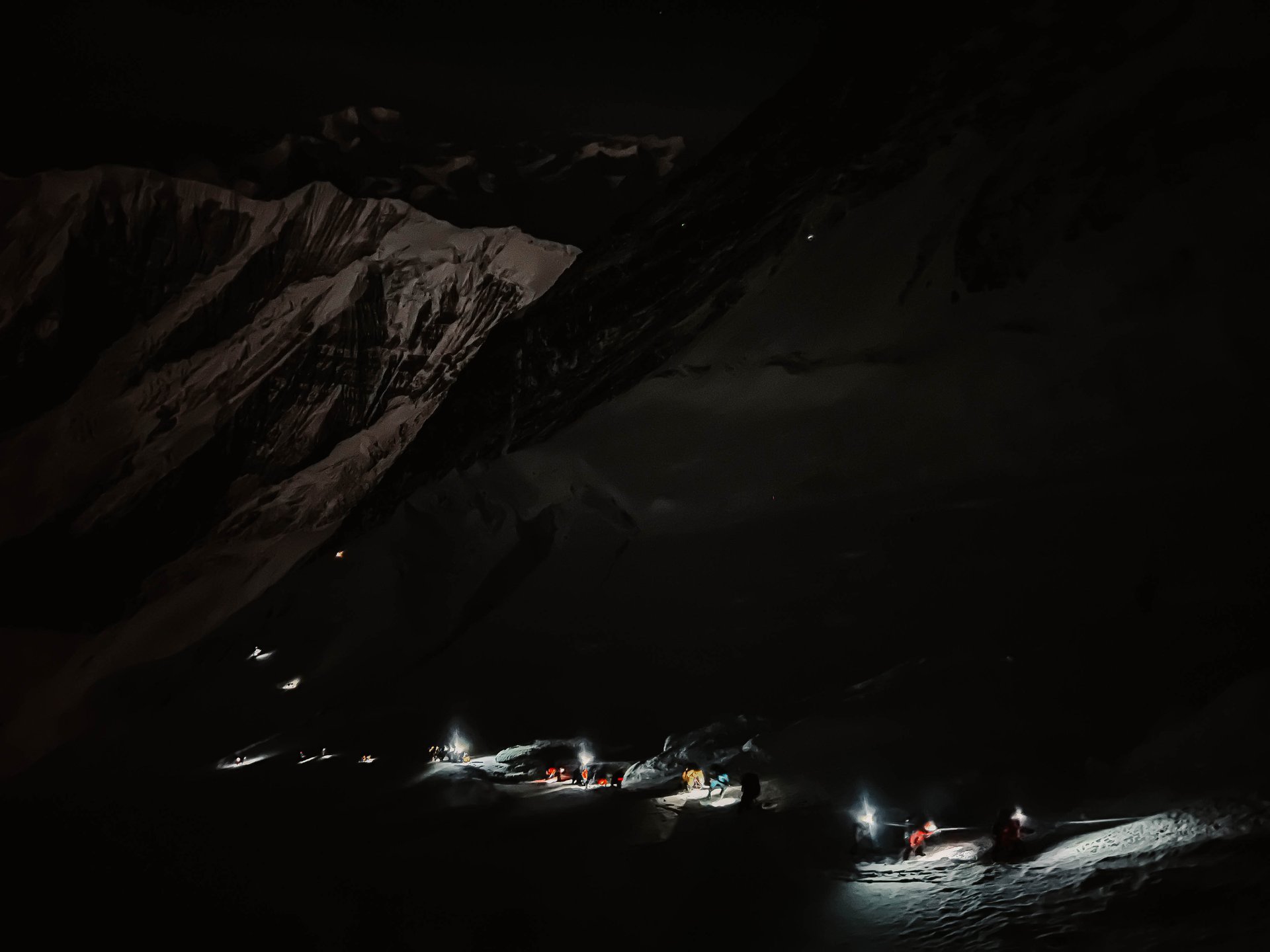
Climb through the night toward the summit of Dhaulagiri I at 8,167 metres. After reaching the summit, carefully descend to Camp II for overnight rest.
21
|
Descend Camp II → Dhaulagiri Base Camp (4,748m) |
Breakfast / Lunch / Dinner |
Tent |
|
|
Descend safely from Camp II through Camp I to Dhaulagiri Base Camp and reunite with the expedition support team.
22
|
Base Camp Cleanup & Rest Day |
Breakfast / Lunch / Dinner |
Tent |
|
|
Rest and recover at Base Camp while the expedition team removes equipment, manages waste, and completes the official camp cleanup.
23
|
Trek Dhaulagiri Base Camp → Marpha (2,670m) |
Breakfast / Lunch / Dinner |
Lodge |
|
|
Leave Dhaulagiri Base Camp and trek back toward Marpha, descending from the high alpine environment to the Kali Gandaki Valley.
24
|
Drive Marpha → Pokhara (822m) |
Breakfast / Lunch / Dinner |
Hotel |
|
|
Travel by road from Marpha to Pokhara. Check into the hotel and enjoy a well-earned rest after completing the mountain journey.
25
|
Fly Pokhara → Kathmandu (1,350m) |
Breakfast |
4-Star Hotel |
|
|
Take a domestic flight from Pokhara to Kathmandu and transfer to the hotel.
26
|
Celebration Day in Kathmandu |
Breakfast / Dinner |
4-Star Hotel |
|
|
Enjoy a free day in Kathmandu followed by a farewell dinner and expedition celebration with the AltiPro Adventures team.
27
|
Buffer Day – Weather or Logistics Reserve |
Breakfast |
Hotel |
|
|
Reserved as a contingency day for weather delays, summit schedule changes, domestic flight disruptions, or other expedition logistics.
28
|
Final Departure from Kathmandu |
Breakfast |
|
|
|
Transfer to Tribhuvan International Airport for the final international departure.
| ||||||||||||||||||||||||||||||||||||||||||||||||||||||||||||||||||||||||||||||||||||||||
Services
Includes
Excludes
Departure
From
Apr 10, 2027
To
May 29, 2027
Gear Lists & Useful Information
Route Map
Expedition Videos
Watch highlights and experiences from the expedition
Frequently Asked Questions
Find answers to common questions about this expedition
Yes, every climber on the Dhaulagiri Expedition is provided with a dedicated Climbing Sherpa, maintaining a strict 1:1 ratio. These Sherpas are not shared with other clients at any point. Additional Sherpa support can be arranged upon request to further personalize your expedition experience.
Dhaulagiri is graded D (Difficult) and is an extremely demanding undertaking. It is significantly more technical than Manaslu or Cho-Oyu. The route involves steep ice on the Northeast Col approach, sustained technical ridge work between Camps II and III, and an exposed, corniced summit ridge. Its notorious weather patterns often create very narrow and rapidly shifting summit windows, requiring elite mental and physical resilience
Dhaulagiri is significantly more technical than Manaslu. It serves as an excellent "stepping-stone" for Everest; the technical ridge work and sustained duration in the Death Zone develop the specific skills and resilience required for the Everest South Col route.
The Dhaulagiri Expedition takes approximately 50 days in total. This includes arrival in Kathmandu, the 5-day natural acclimatization trek through the Kali Gandaki Valley, three structured rotations on the mountain, the summit push, and the scenic exit via the Hidden Valley and Dhampus Pass
Yes. We require documented climbing experience above 7,000 meters, ideally including a successful 8,000m summit. Proficiency in fixed-rope management on steep ice, advanced crampon technique, and the ability to operate in a remote, high-altitude environment is essential for this expedition.
The major risks include high objective avalanche hazards on the Northeast Ridge, technical fall risks on sustained steep sections, extreme cold, and unpredictable weather patterns. Dhaulagiri's historical death rate is nearly double the Nepal 8,000m average, making precision timing and safety protocols critical.
The best time is the Spring season (April and May). We target the summit push for the second half of May when post-winter snow has consolidated and the jet stream moves north, providing the most stable 48-hour weather windows.
Here are the main permit fees and required government permits if you want to climb Dhaulagiri:
- Climbing Permit for Dhaulagiri: Official royalty issued by the Nepal Government (MoCTCA). Fees for foreign climbers are approximately $1,800 USD in Spring and $900 USD in Autumn.
- Annapurna Conservation Area Permit (ACAP): Required for the approach through the Kali Gandaki Valley ~$25 USD .
- TIMS Card: Mandatory for trekking through the Beni–Jomsom corridor ~$15 USD .
Liaison Officer: A government-appointed official who accompanies the team to ensure adherence to regulations.
Safety is our core priority. We implement international standards to minimize risks:
- Elite Leadership & Sherpa Support: 1:1 dedicated Climbing Sherpa ratio for every member.
- Pre-Dawn Movement Protocol: Transitions above Camp II are scheduled for pre-dawn hours to mitigate solar-induced avalanche risks.
- Expert Medical Support: An on-site Expedition Doctor at Base Camp with daily SpO2 monitoring.
- Advanced Weather Tracking: 6-hourly summit-specific forecasts to identify precise 48-hour windows.
- Redundant Safety Systems: 5 oxygen cylinders per climber, emergency oxygen pre-positioned at Camps III and IV, Gamow bags at Base Camp, and pre-arranged helicopter rescue standby.
Been on this expedition?
Your feedback helps other travelers plan their adventure of a lifetime. Share your experience with us!
 8000m
8000m
Everest Expedition
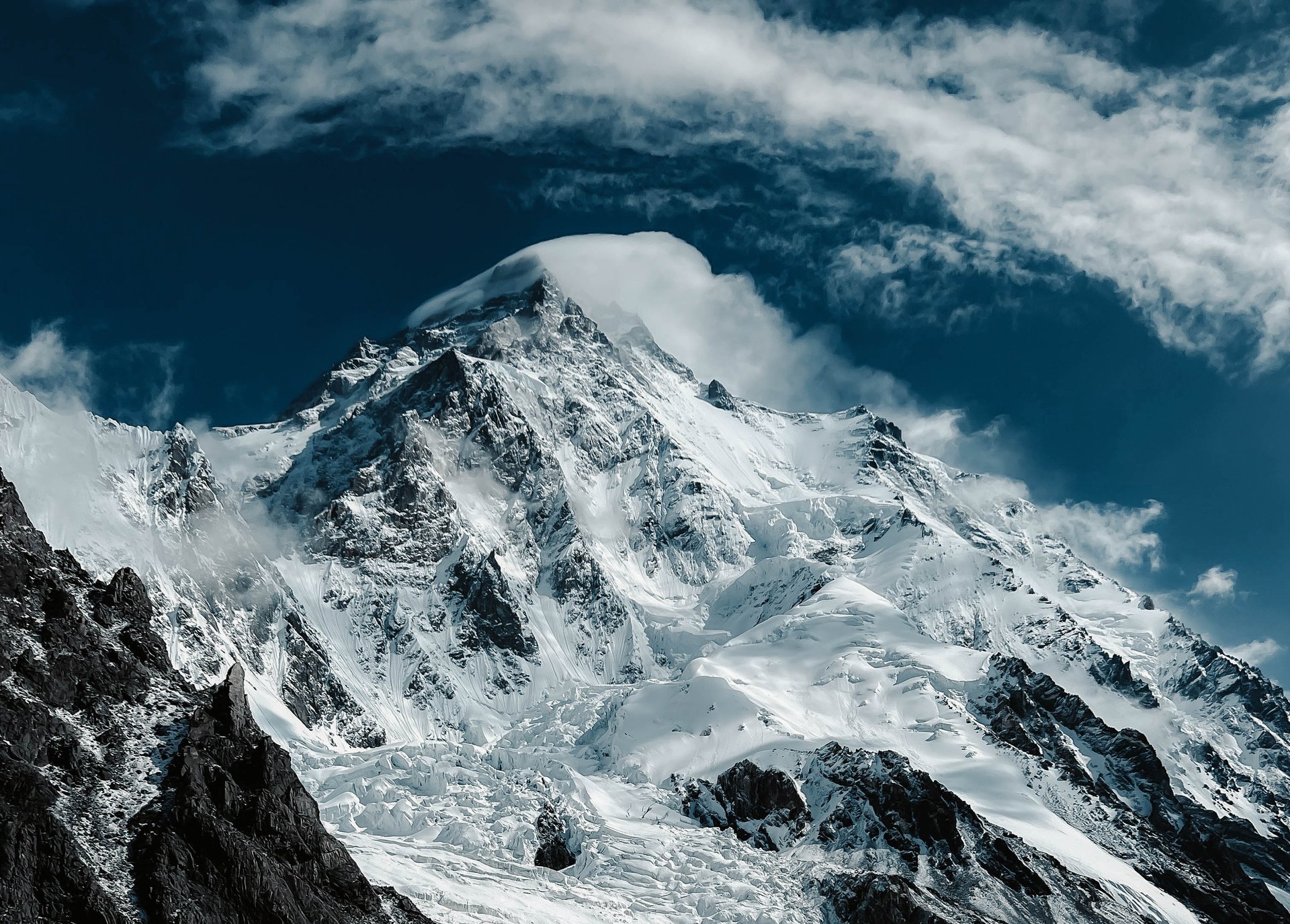
Book your Everest Expedition 2027 with expert Sherpa guides, proven itineraries, full permits, and professional high-altitude support.
 8000m
8000m
K2 Expedition
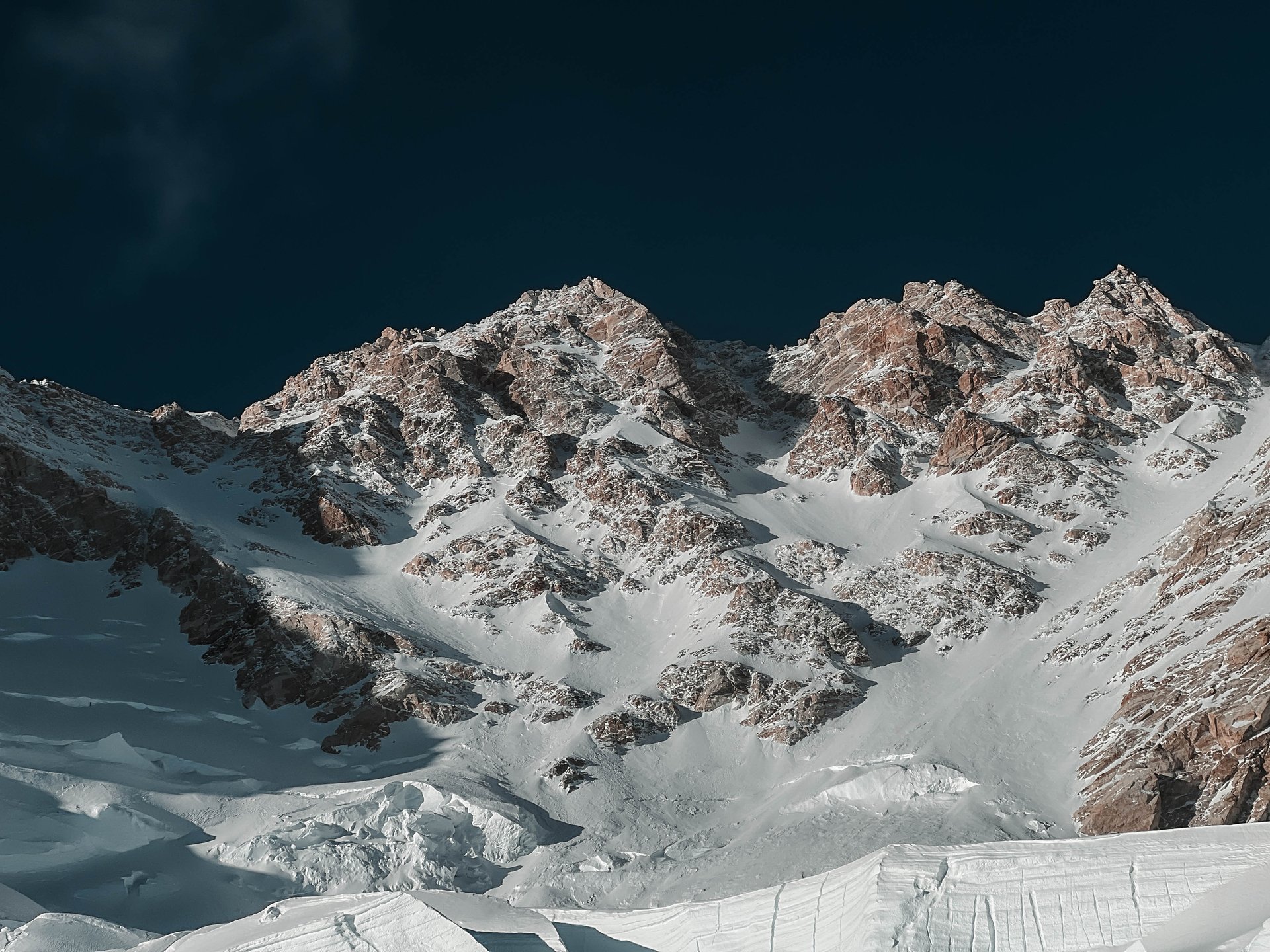
K2 — the savage mountain, ultimate test of skill and endurance.
 8000m
8000m
Kanchenjunga Expedition
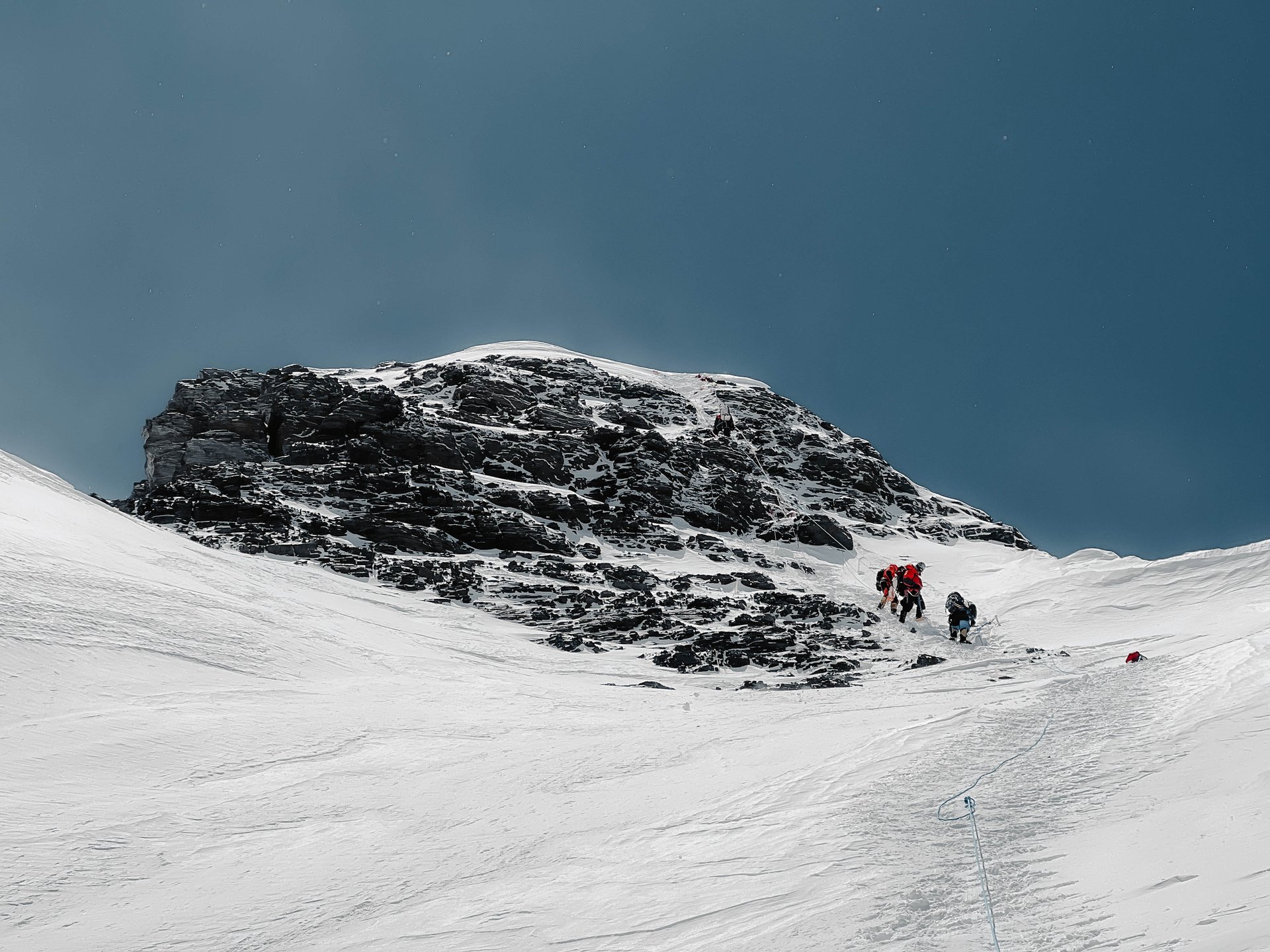
The world’s third-highest peak, where beauty meets mystery.
 8000m
8000m
Lhotse Expedition
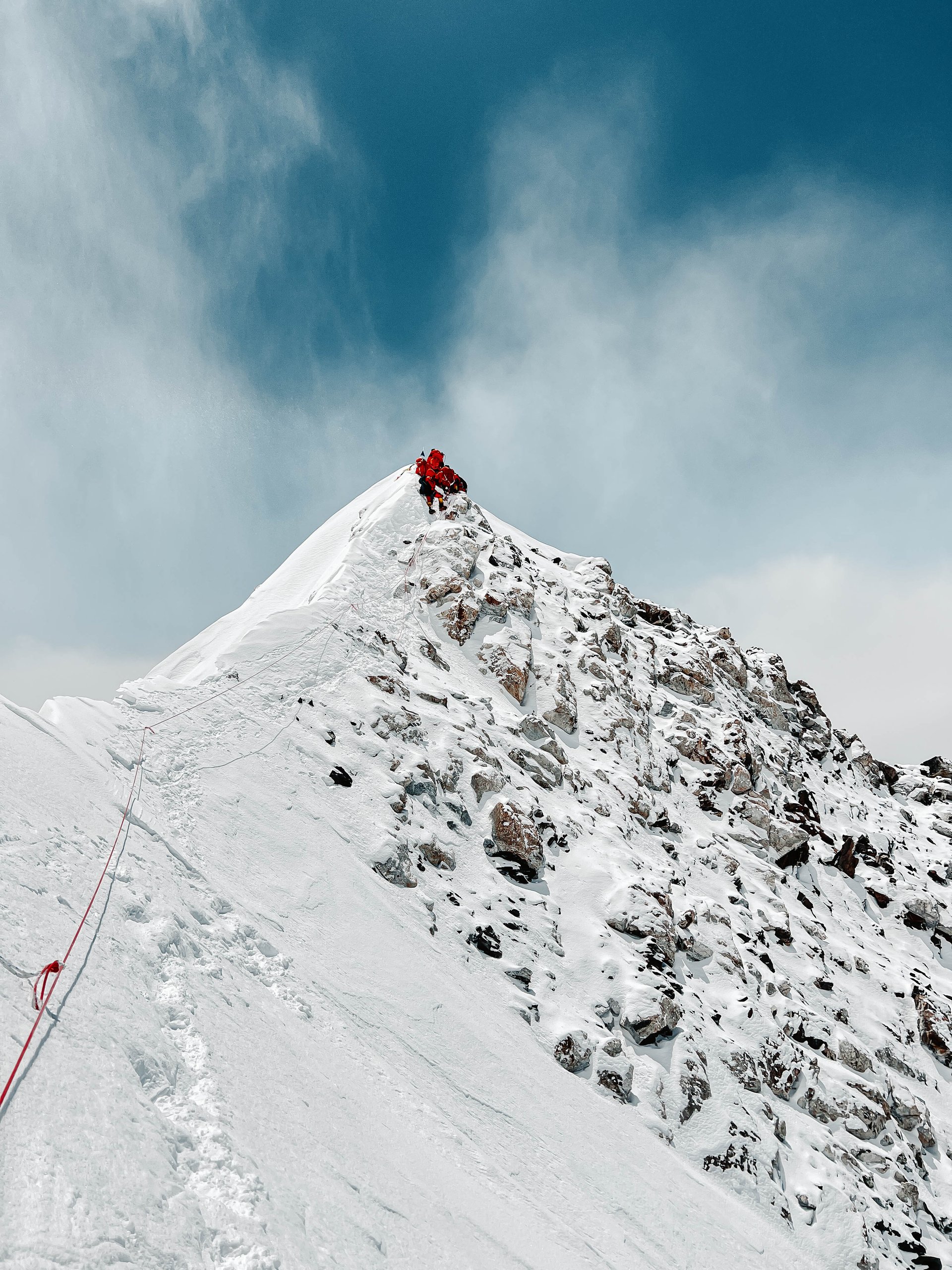
Lhotse — Everest’s towering neighbor and a Himalayan giant of challenge and beauty.
 8000m
8000m
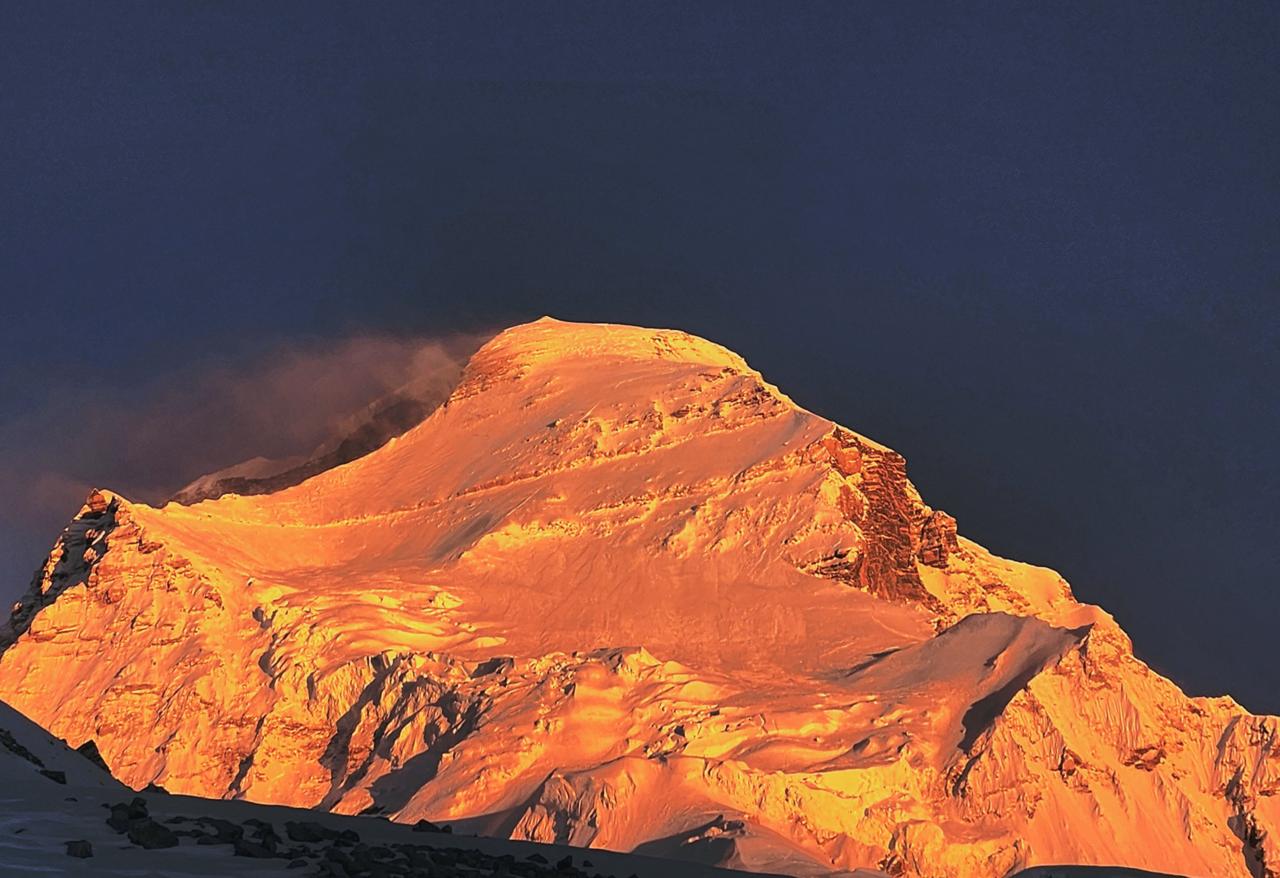
Makalu Expedition
Makalu — a fierce and elegant pyramid rising from the wild Himalayas.
 8000m
8000m
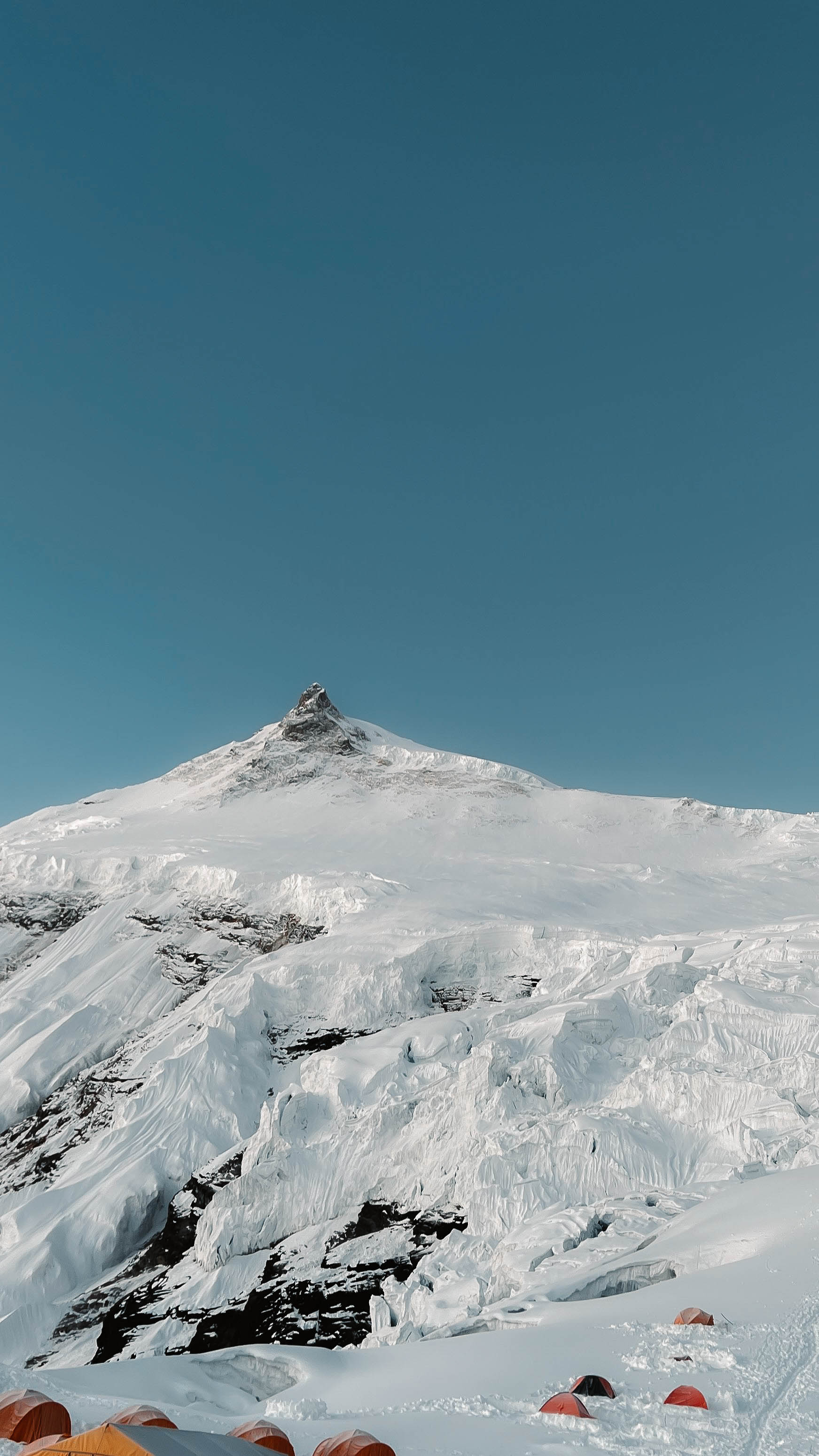
Cho-oyu Expedition
The majestic Cho Oyu — a climber’s gateway to the 8,000ers
 8000m
8000m
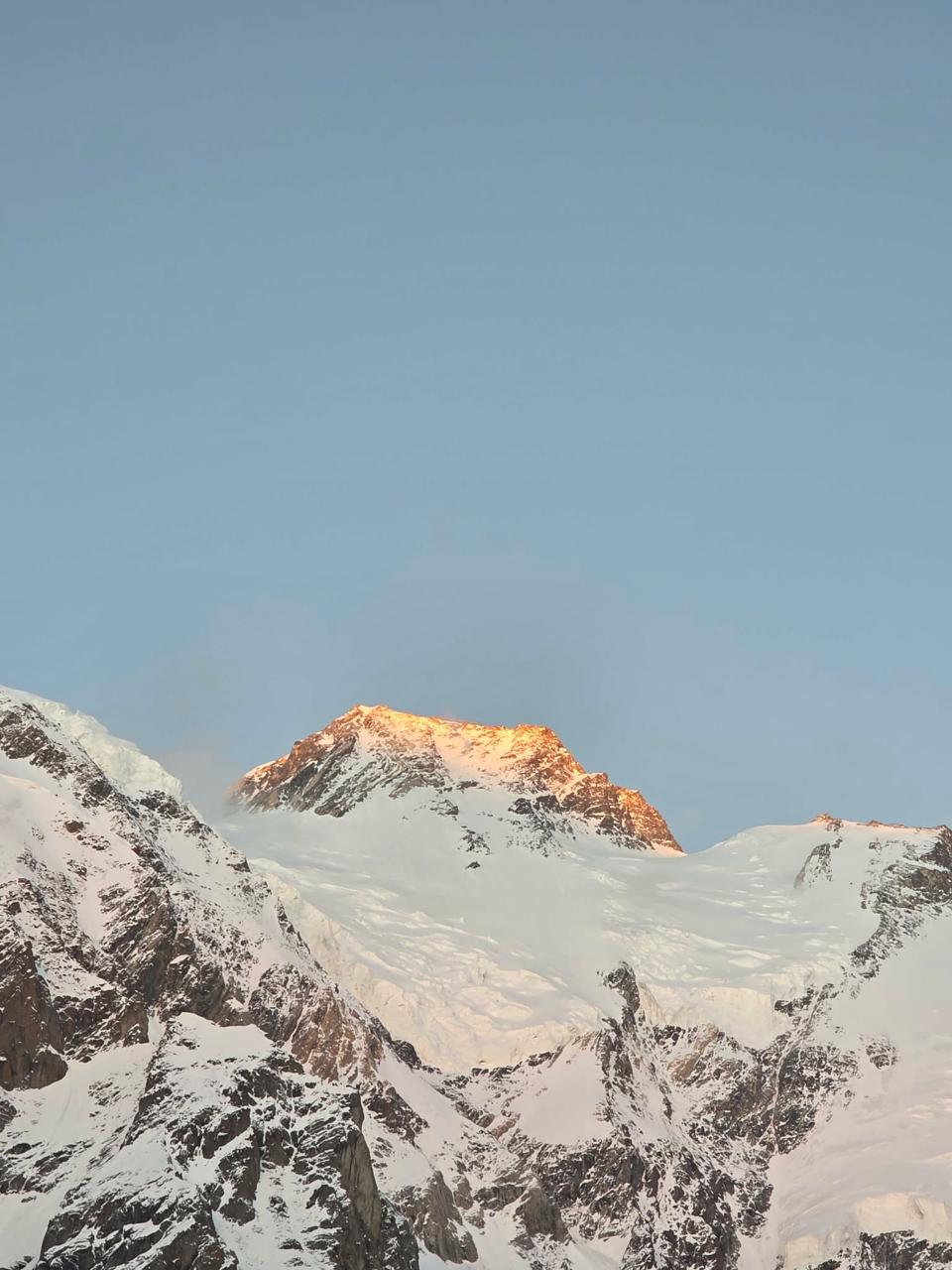
Manaslu Expedition
Book your Manaslu Expedition 2026 with expert Sherpa guides, proven itineraries, full permits, and professional high-altitude support.
 8000m
8000m
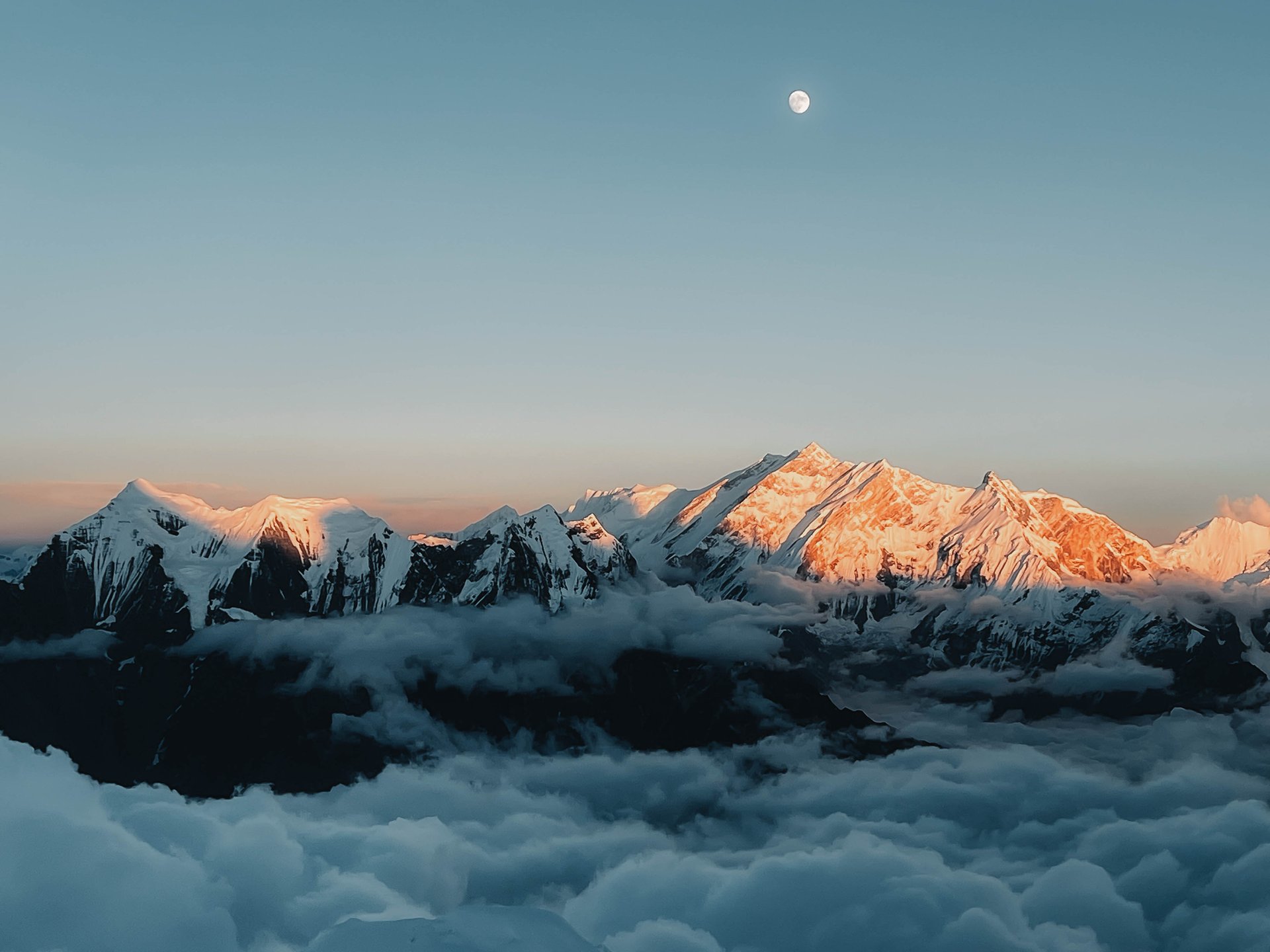
Nanga Parbat Expedition
Nanga Parbat – the Killer Mountain, where raw power meets pure adventure.
 8000m
8000m
Annapurna I Expedition
Annapurna I — where raw Himalayan power meets fearless ambition.
 8000m
8000m
Gasherbrum I Expedition
Gasherbrum I — the hidden giant of the Karakoram, challenging and majestic.
Ready to Start Your Adventure?
Contact us to book your expedition or get more information