
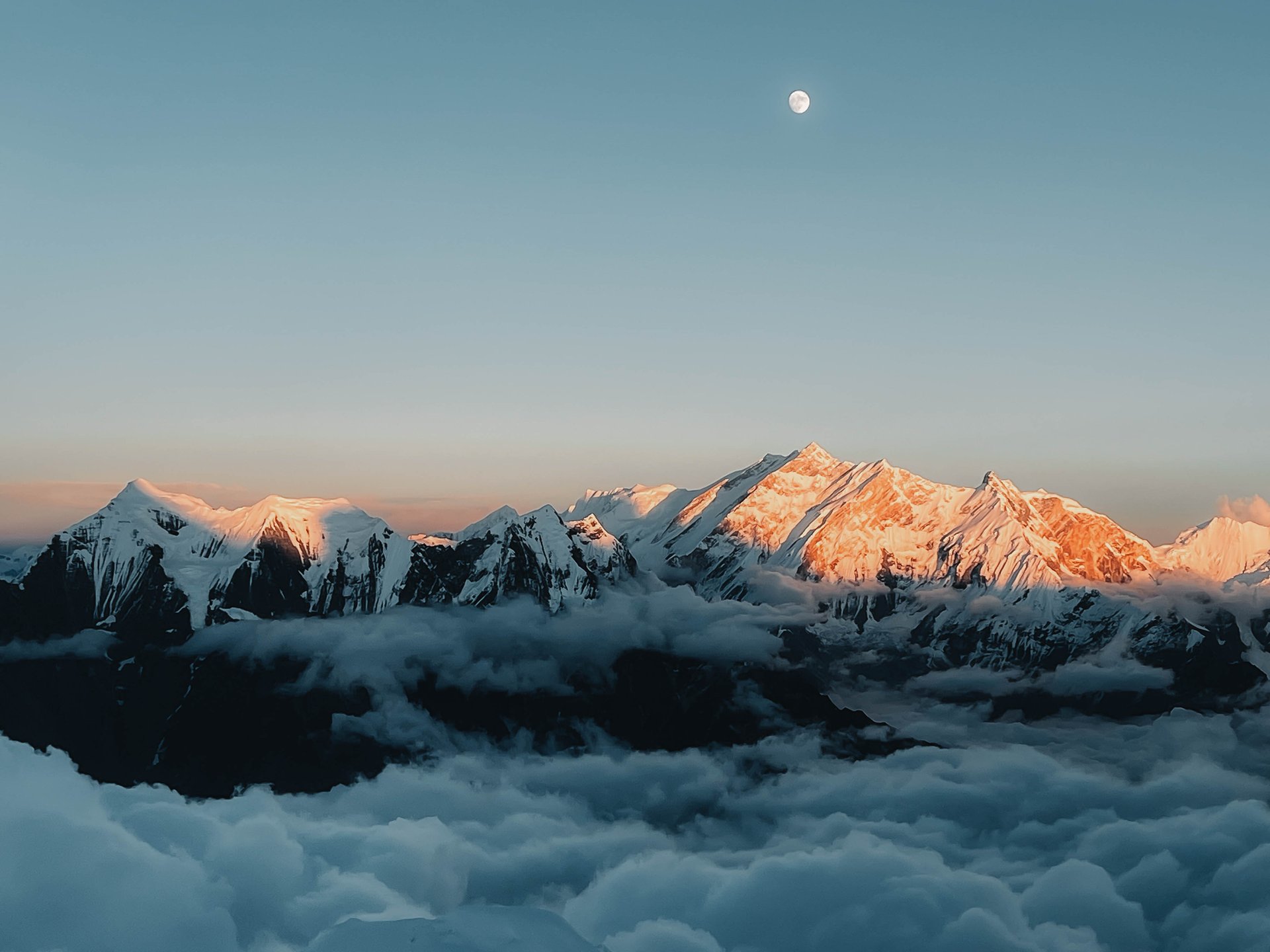
Expedition Overview
What is the Annapurna Expedition?
Imagine breathing in the air at 8,091 metres (26,545 feet) from the peak that revolutionized mountaineering - the first 8,000-metre peak ever successfully climbed, proving that the human body can withstand such heights and make the journey back down safely. It is Annapurna I, "the Goddess of the Harvest," and climbing it makes you part of fewer than four hundred people who have ever achieved this feat. Over twelve thousand summits on Everest. Fewer than four hundred on Annapurna.
Annapurna is the tenth highest mountain on Earth and the deadliest of the fourteen 8,000-metre peaks. When Herzog and Lachenal made their descent in 1950, they lost fingers and toes to frostbite, and no climber dared attempt the peak again for twenty years. The route crosses avalanche-prone corridors and glacier crevasses before a summit ridge that pushes technical skill to its limit. This is a mountain for climbers who have already stood above 8,000m and are ready for something that genuinely demands their best.
AltiPro's Annapurna Expedition 2027 follows the North Face (Standard Route), the line first climbed by the French expedition in 1950. The approach travels through the Kali Gandaki Gorge - the world's deepest canyon - to Base Camp at 4,200m on the North Annapurna Glacier. The team establishes four high camps before the summit push to 8,091m. Maximum 8 climbers, 1:1 Climbing Sherpa ratio, three structured acclimatisation rotations, supplemental oxygen from Camp III, and a Base Camp Doctor for the full season. Participation is limited to climbers with a documented summit of at least one other 8,000m peak.
About Annapurna I - The Goddess of the Harvest
Annapurna I reaches 8,091 metres (26,545 feet) in Gandaki Province, central Nepal, the highest point of the fifty-five-kilometre Annapurna range and the tenth-tallest mountain on Earth. The range's six major summits sit within the Annapurna Conservation Area, home to some of Nepal's most popular trekking trails, including the Annapurna Circuit and Annapurna Sanctuary Trek.
On 3 June 1950, French mountaineers Maurice Herzog and Louis Lachenal became the first people to summit Annapurna I - the first ascent of any 8,000-metre peak in history. Despite this legacy, Annapurna carries the highest fatality rate of all fourteen 8,000m mountains at 13.42%, making it widely considered the most dangerous mountain in the world.
Why Choose AltiPro Adventures for the Annapurna Expedition?
Spring 2027 - The Best Season for Annapurna Climbing
AltiPro organizes Annapurna expeditions exclusively in spring (April–May), when the North Face carries a lower avalanche risk than the fresh monsoon snow of autumn. Post-winter glacier snow is more consolidated, and by May the jet stream shifts north, opening narrow but realistic summit windows our Sherpa teams know how to capitalize on.
Sharper Weather Planning
We commission summit-specific forecasting every six hours from a dedicated high-altitude weather service. AltiPro waits for a consistent 48-hour forecast window before committing to the climb, rather than attempting the North Face in unpredictable conditions.
Advanced Oxygen Support
Each climber receives five 4-litre oxygen cylinders, a custom-fitted summit mask, and a regulator. Oxygen use typically begins at Camp III (7,300m) and continues through the summit and descent, with backup bottles pre-positioned at Camps III and IV ahead of the midnight push.
Smaller, More Focused Climbing Teams
The 2027 expedition is capped at 8 climbers, each with one-on-one attention from a Climbing Sherpa from Base Camp to the summit. Smaller teams move faster through the avalanche-prone ground between Camps I and II and reduce congestion in the icy corridors.
Safety-Forward Climbing Structure
A climbing doctor is stationed at Annapurna Base Camp (4,200m) for the full season, with daily oxygen-saturation monitoring and a Hyperbaric Chamber Bag always on standby. All movement through avalanche zones is scheduled for the colder pre-dawn hours, with risk assessed continuously on what is widely regarded as the world's most dangerous 8,000m mountain.
North Face Route - Standard Route (8,091m)
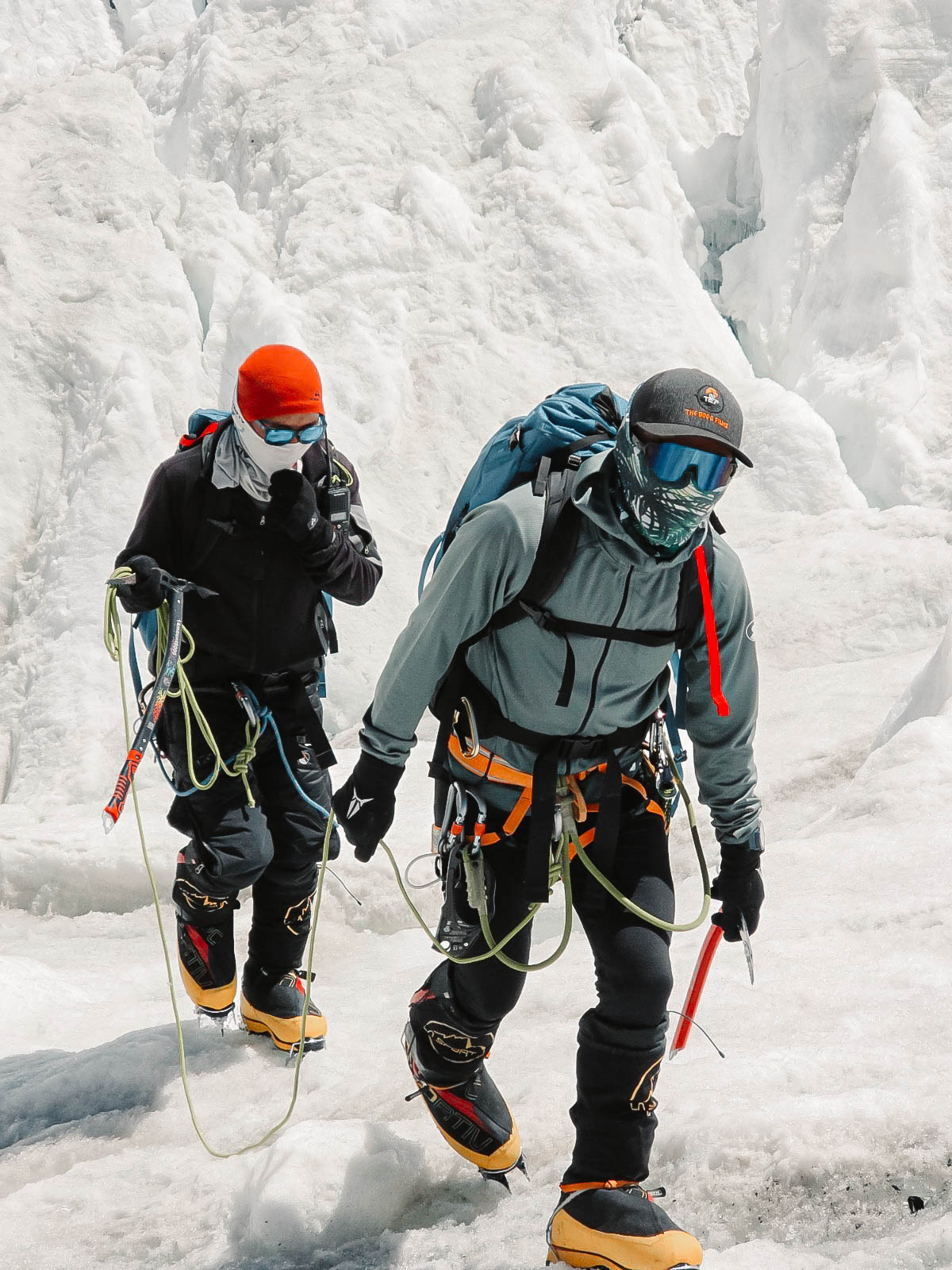
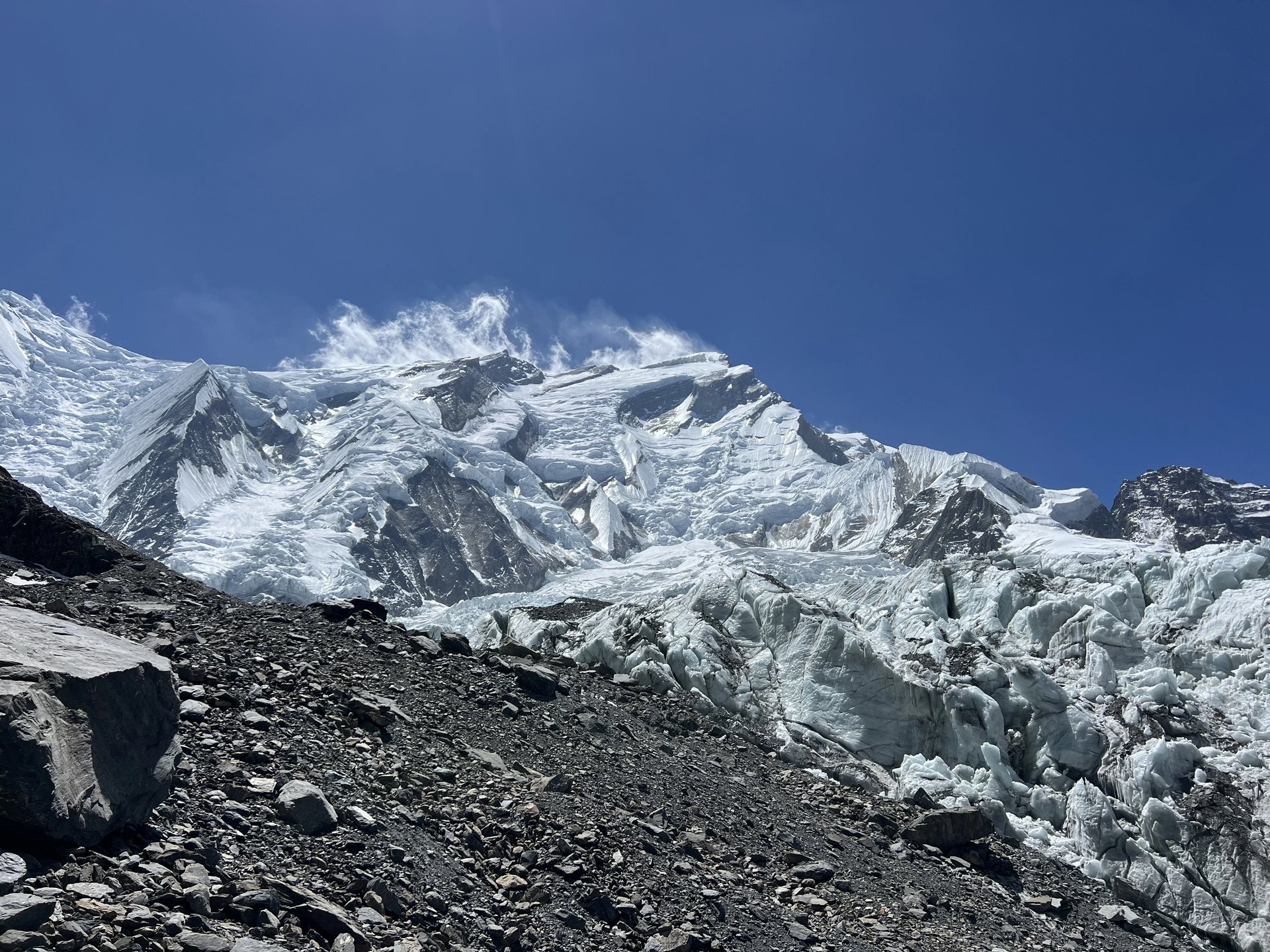
The North Face is the route first climbed by the French expedition in 1950 and remains the only practical line for a guide-supported ascent, direct but high-consequence. The key difficulty lies in the serac-filled ground between Camps I and II, where over 1,000m of fixed rope is required.
Approach - The Kali Gandaki Gorge (820m to 4,200m)
The five-day approach follows the Kali Gandaki Gorge, the world's deepest, running between Dhaulagiri and Annapurna I. After leaving the main Annapurna Circuit trail at Hum Khola, the route continues north through the wild Miristi Khola gorge to Base Camp, allowing proper acclimatisation before the climb begins.
Base Camp to Camp I - North Annapurna Glacier (4,200m to 5,500m)
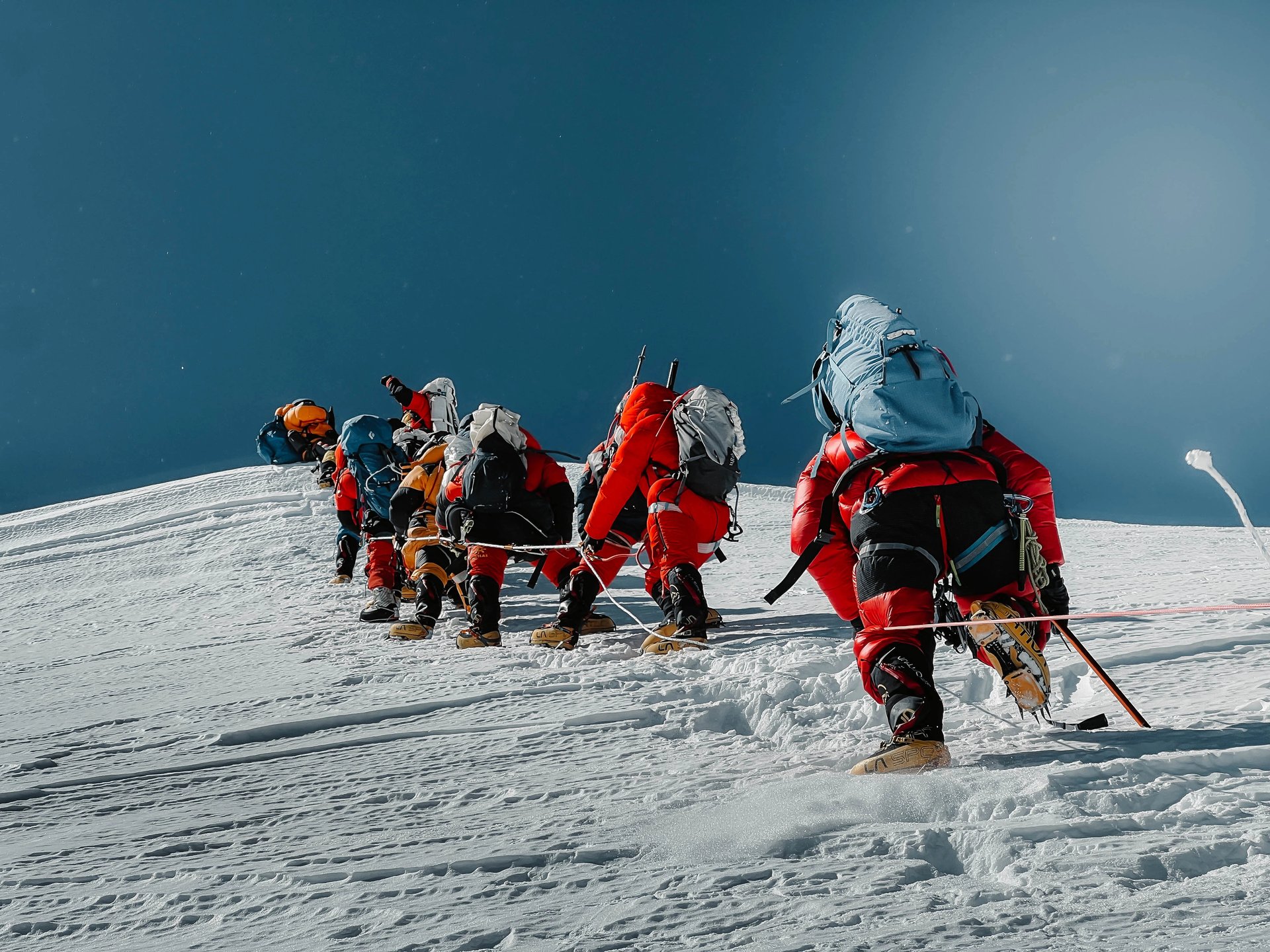
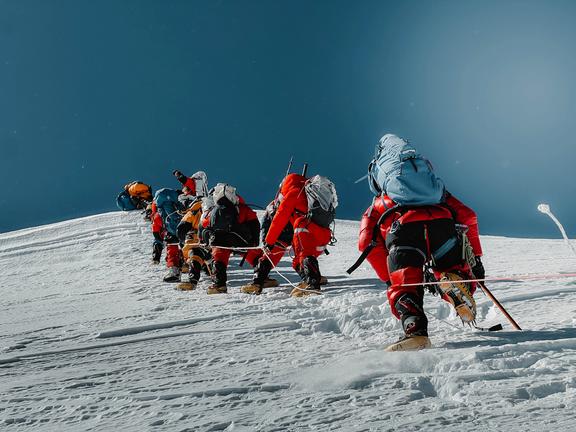
The route crosses the tricky terrain of the North Annapurna Glacier, including crevassed sections and a threatening serac-covered corridor. Fixed ropes are used throughout, and all risky passages are negotiated between 3:00am and 6:00am for colder, more stable snow conditions.
Camp I to Camp II - Above the Serac Zone (5,500m to 6,500m)
The climb crosses the expedition's most hazardous ground, the critical serac and crevasse zone, in full expedition mode. Camp II serves as the operational base for the upper mountain, with a proper kitchen and dining setup above the most dangerous section of the route.
Camp II to Camp III - Upper Switchback Snowfields (6,500m to 7,300m)
A strenuous traverse of snowfields around the upper glacier seracs marks the entry into the Death Zone, where supplemental oxygen becomes necessary. This is the final rotation before individual summit clearance is granted.
Camp III to Summit via Camp IV (7,300m to 8,091m)
From Camp IV (7,800m), the launching point for the final attempt, the summit push begins around midnight. The free ascent of the summit ridge demands the full range of technical skill built up over the expedition. Reaching 8,091m marks the same elevation as the first-ever ascent of any 8,000m peak, in 1950. Descent takes 10–14 hours with continuous supplemental oxygen.
Acclimatization Rotations
The programme includes three progressive rotations before the summit bid. The team may adapt the sequence to conditions and individual recovery.
1st Rotation - ABC to Camp I
ABC (4,900m) → Camp I (5,500m) overnight → return to Base Camp. Initial glacier crossing on fixed ropes and confirmation of pre-dawn timing protocols.
2nd Rotation - Camp I to Camp II
Camp I → Camp II (6,500m) overnight → return to Base Camp. Crossing the critical serac and crevasse zone in full expedition mode - the first overnight stay above 6,000m.
3rd Rotation - Camp II to Camp III
Camp II → Camp III (7,300m) overnight → return to Base Camp. First Death Zone exposure, with supplemental oxygen available ahead of final medical clearance for the summit push.
Camp Breakdown
Camp I - Lower North Face Glacier (5,500m)
An introductory first night on the mountain away from Base Camp, sited above the lower glacier after initial exposure to crevassed terrain - a first look at how challenging and exciting the climbing ahead will be.
Camp II - Above the Serac Zone (6,500m)
The operational base for the upper mountain, with a proper kitchen and dining area for resting. Positioned above the most hazardous section of the expedition, it offers a full view of the upper mountain.
Camp III - Upper Switchback Snowfields (7,300m)
A strenuous climb through snowfield traverses around the upper glacier seracs. Arriving here means entering the Death Zone, where supplemental oxygen becomes necessary.
Camp IV - High Camp (7,800m)
The launching point for the final summit attempt, at the start of the summit ridge. Climbers spend only a few hours here preparing and drinking fluids before heading out into the night.
Final Summit Attempt (8,091m)
The ascent begins around midnight. A free ascent of the summit ridge requires the full range of technical skill built over the expedition. Descent takes 10–14 hours with continuous supplemental oxygen.
How Difficult is the Annapurna Expedition?
Annapurna I is widely considered the most dangerous 8,000m peak in the world, carrying the highest fatality rate of any mountain in that category at 13.42%. Its difficulty lies less in pure technical grade and more in extreme objective hazard: the North Face crosses a high-risk serac and avalanche corridor between Camps I and II that demands constant, disciplined risk management rather than raw climbing ability alone.
Best Season for the Annapurna Expedition
Spring (April–May): AltiPro operates the Annapurna Expedition exclusively in spring. Post-winter snow on the glacier is more consolidated and stable than the fresh monsoon snow of autumn, giving the North Face a lower avalanche risk. The summit push is targeted for the second half of May, when the jet stream shifts north and weather windows become most reliable.
Why not autumn: Fresh monsoon snow raises avalanche risk significantly on the North Face during the post-monsoon window, which is why AltiPro does not run Annapurna expeditions outside spring.
Annapurna Expedition Cost
Full-board Annapurna expedition - permits, dedicated 1:1 Sherpa support, oxygen, and full-season Base Camp medical support.
Includes the Annapurna Climbing Royalty, ACAP and TIMS permits, Kathmandu and Pokhara accommodation, all approach and expedition transport, 1:1 Climbing Sherpa ratio, five oxygen cylinders per climber, fixed rope service on the North Face, and a full-season Base Camp Doctor. International flights, personal climbing equipment, mandatory rescue insurance, and Sherpa summit bonuses are not included. Contact AltiPro for a full cost breakdown.
Annapurna Expedition - Frequently Asked Questions
Does AltiPro Adventures offer Sherpas for the Annapurna Expedition?
Yes, Sherpas are provided with the package at a 1:1 ratio. Additional Sherpas can be arranged on request.
How difficult is the Annapurna Expedition?
Annapurna I is widely considered the most dangerous 8,000m peak in the world. While technically demanding, its primary difficulty lies in extreme objective hazards - the North Face crosses a high-risk serac and avalanche corridor between Camps I and II. With fewer than 400 total summits in history, it is reserved for the most disciplined and experienced high-altitude mountaineers.
How long does the Annapurna Expedition take?
The expedition spans approximately 50 days, including the Kathmandu briefing, a 5-day remote approach through the Kali Gandaki and Miristi Khola gorge, three acclimatisation rotations, the summit window, and the return journey.
Is the Annapurna Expedition suitable for first-timers climbing 8,000m peaks?
No. Annapurna I is never recommended as a first 8,000m objective. Due to the extreme avalanche risk and technical demands, AltiPro requires a documented success on at least one other 8,000m peak, such as Manaslu or Cho Oyu, before an application is considered.
Is prior climbing experience required to be eligible?
Yes. Applicants must provide a climbing resume showing at least one successful 8,000m summit. Proficiency in technical glacier travel, fixed-rope management, and Death Zone physiology is mandatory. Every climber's history is reviewed to ensure they can handle the rapid decision-making the North Face demands.
What are the major risks of the Annapurna Expedition?
The defining risk is avalanche exposure, specifically in the glacier corridor between Camp I and Camp II. Other risks include active serac fall, extreme high-altitude weather, and technical free-climbing sections near the summit. AltiPro manages these through strict pre-dawn movement protocols and condition-based decision-making.
What is the best time for an Annapurna Expedition with AltiPro Adventures?
The only season we operate is spring (April–May). Post-winter snow is more consolidated and stable than post-monsoon autumn snow, and we target the summit push for the second half of May, when the jet stream moves north and weather windows are most reliable.
What licensing/permits are required for the Annapurna Expedition in Nepal?
AltiPro manages the entire regulatory process. Mandatory permits and fees for foreign climbers include: the Annapurna I Climbing Royalty (~$1,800 USD in spring, ~$900 USD in autumn); the Annapurna Conservation Area Permit, ~$25 USD; the TIMS Card, ~$15 USD; a legally mandated Liaison Officer, with salary, equipment, and insurance covered by AltiPro; and a $3,000 USD garbage management deposit, refundable upon verified waste removal.
What safety measures are taken on the Annapurna Expedition?
A dedicated Climbing Sherpa for every member; an on-site Expedition Doctor at Base Camp for the full season; all high-risk glacier crossings timed for the coldest pre-dawn hours to avoid solar-induced avalanches; 6-hourly summit-specific weather forecasts and daily SpO2 checks; and pre-arranged helicopter rescue with Gamow bags on standby at Base Camp.
How does the Annapurna Expedition compare to the Everest or Dhaulagiri Expeditions?
Annapurna I is more exclusive and carries higher objective risk than Everest. While Dhaulagiri is technically challenging, Annapurna's avalanche profile makes it a pinnacle objective - the ultimate test for climbers who have already mastered other 8,000m peaks and want to stand where the history of 8,000m mountaineering began in 1950.
Detailed Itinerary
Click on each day to view details
| Day | Program | Meals | Accom. | |||||||||||||||||||||||||||||||||||||||||||||||||||||||||||||||||||||||||||||||||||||||||||||||||||||||||||||||||||||||||||||||||||||||||||||||||||||||||||||||||||||||||||||||||||||||||||||||||||||||||||||||||||||||||||||||||||||||||||||||||||||||||||||||||||||||||||||||||||||||||||||||||||
|---|---|---|---|---|---|---|---|---|---|---|---|---|---|---|---|---|---|---|---|---|---|---|---|---|---|---|---|---|---|---|---|---|---|---|---|---|---|---|---|---|---|---|---|---|---|---|---|---|---|---|---|---|---|---|---|---|---|---|---|---|---|---|---|---|---|---|---|---|---|---|---|---|---|---|---|---|---|---|---|---|---|---|---|---|---|---|---|---|---|---|---|---|---|---|---|---|---|---|---|---|---|---|---|---|---|---|---|---|---|---|---|---|---|---|---|---|---|---|---|---|---|---|---|---|---|---|---|---|---|---|---|---|---|---|---|---|---|---|---|---|---|---|---|---|---|---|---|---|---|---|---|---|---|---|---|---|---|---|---|---|---|---|---|---|---|---|---|---|---|---|---|---|---|---|---|---|---|---|---|---|---|---|---|---|---|---|---|---|---|---|---|---|---|---|---|---|---|---|---|---|---|---|---|---|---|---|---|---|---|---|---|---|---|---|---|---|---|---|---|---|---|---|---|---|---|---|---|---|---|---|---|---|---|---|---|---|---|---|---|---|---|---|---|---|---|---|---|---|---|---|---|---|---|---|---|---|---|---|---|---|---|---|---|---|---|---|---|---|---|---|---|---|---|---|---|---|---|---|---|---|---|---|---|---|---|---|---|---|---|---|---|---|---|---|
| 1 | Arrival in Kathmandu (1,350m) | Dinner | Hotel | |||||||||||||||||||||||||||||||||||||||||||||||||||||||||||||||||||||||||||||||||||||||||||||||||||||||||||||||||||||||||||||||||||||||||||||||||||||||||||||||||||||||||||||||||||||||||||||||||||||||||||||||||||||||||||||||||||||||||||||||||||||||||||||||||||||||||||||||||||||||||||||||||||
|
Arrive at Kathmandu Tribhuvan International Airport and transfer to a 4-star hotel. Welcome dinner and Annapurna Expedition 2027 briefing.
2
|
Kathmandu — Permits & Gear Check |
Breakfast |
Hotel |
|
|
Permit processing covering the Annapurna Climbing Royalty, ACAP, and TIMS Card, alongside a full gear check and last-minute shopping in Thamel.
3
|
Drive Kathmandu → Pokhara (820m) |
Breakfast / Dinner |
Hotel |
|
|
Approximately 6–7-hour drive to Pokhara. Hotel check-in beside Phewa Lake and evening team briefing.
4
|
Drive Pokhara → Beni → Tatopani (1,189m) |
Breakfast / Lunch / Dinner |
Lodge |
|
|
Drive through Beni to Tatopani (3 hrs) and enter the Kali Gandaki Gorge. Hot springs at Tatopani.
5
|
Trek Tatopani → Ghasa (2,010m) |
Breakfast / Lunch / Dinner |
Lodge |
|
|
Follow the Kali Gandaki Gorge — the world's deepest canyon — between Dhaulagiri and Annapurna. Approximately 5–6 hours of trekking.
6
|
Trek Ghasa → Dana → Hum Khola (2,060m) |
Breakfast / Lunch / Dinner |
Camp |
|
|
Leave the main Annapurna Circuit trail at Hum Khola and enter the remote North Face approach corridor.
7
|
Trek Hum Khola → Miristi Khola (2,600m) |
Breakfast / Lunch / Dinner |
Camp |
|
|
The gorge narrows dramatically and the Annapurna North Face opens in full view for the first time. Approximately 6 hours.
8
|
Trek Miristi Khola → Annapurna Base Camp (4,200m) |
Breakfast / Lunch / Dinner |
Tent |
|
|
Arrive at the fully established AltiPro Base Camp on the North Annapurna Glacier moraine.
9
|
Puja Ceremony & Route Briefing |
Breakfast / Lunch / Dinner |
Tent |
|
|
Puja ceremony at Annapurna Base Camp followed by a full route briefing, gear and oxygen checks, and O₂ baseline medical readings.
10
|
Acclimatization at Base Camp (4,200m) |
Breakfast / Lunch / Dinner |
Tent |
|
|
Short acclimatization hike toward the glacier approach and the start of daily medical reviews.
11
|
Move Base Camp → Advanced Base Camp (4,900m) |
Breakfast / Lunch / Dinner |
Tent |
|
|
Establish at Advanced Base Camp on the North Annapurna Glacier as the Sherpa team completes final camp infrastructure.
12 – 14
|
1st Rotation — ABC to Camp I (5,500m) |
Breakfast / Lunch / Dinner |
Tent |
|
|
First acclimatization rotation: ABC to Camp I overnight on the North Face glacier, then return to ABC. First crevassed glacier section and serac zone assessment. O₂ review on return.
15 – 16
|
Rest at Base Camp / ABC |
Breakfast / Lunch / Dinner |
Tent |
|
|
Expedition Doctor O₂ saturation review for all members. Sherpa teams ferry loads to Camps I and II.
17 – 19
|
2nd Rotation — Camp I to Camp II (6,500m) |
Breakfast / Lunch / Dinner |
Tent |
|
|
Second rotation: navigate the serac and broken-glacier zone to Camp II overnight, then return to ABC. First 6,000m+ overnight. Avalanche timing strictly managed.
20 – 22
|
Full Rest at Base Camp |
Breakfast / Lunch / Dinner |
Tent |
|
|
Medical checks and route condition assessment above Camp II. Summit weather pattern closely monitored.
23 – 25
|
3rd Rotation — Camp II to Camp III (7,300m) |
Breakfast / Lunch / Dinner |
Tent |
|
|
Third rotation: Camp II to Camp III overnight on the upper switchback snowfield, then return to ABC. Death Zone threshold crossed. Individual summit clearance begins.
26 – 28
|
Full Rest at Base Camp — Summit Window Monitoring |
Breakfast / Lunch / Dinner |
Tent |
|
|
Oxygen cache confirmed at Camps II, III, and IV. 48-hour summit weather window tracking begins.
29
|
Summit Bid — Base Camp to Camp I (5,500m) |
Breakfast / Lunch / Dinner |
Tent |
|
|
Begin the summit push. Pre-dawn glacier section timed for cold temperatures.
30
|
Summit Bid — Camp I to Camp II (6,500m) |
Breakfast / Lunch / Dinner |
Tent |
|
|
Move through the serac zone to Camp II. Rest and early sleep.
31
|
Summit Bid — Camp II to Camp III (7,300m) |
Breakfast / Lunch / Dinner |
Tent |
|
|
Climb the upper switchback snowfield to Camp III. Supplemental oxygen active. Pre-summit briefing.
32
|
Summit Bid — Camp III to Camp IV (7,800m) |
Breakfast / Lunch / Dinner |
Tent |
|
|
Move to the final high camp at the start of the summit ridge. Full oxygen in use. Pre-midnight rest.
33
|
Summit Day — Annapurna I (8,091m) |
Breakfast / Lunch / Dinner |
Tent |
|
|
Pre-midnight departure from Camp IV up the North Face upper ridge to the summit of Annapurna I (8,091m / 26,545ft). Descend to Camp III or Camp II.
34
|
Descend to Base Camp — Summit Celebration |
Breakfast / Lunch / Dinner |
Tent |
|
|
Full descent to Annapurna Base Camp. Post-summit celebration at AltiPro Café.
35 – 36
|
Rest, Recovery & Base Camp Cleanup |
Breakfast / Lunch / Dinner |
Tent |
|
|
Rest and recovery days at Base Camp. Expedition equipment packed for the return journey.
37
|
Trek / Helicopter Base Camp → Tatopani or Hum Khola |
Breakfast / Lunch / Dinner |
Camp |
|
|
Return journey begins — either by trekking or helicopter depending on operational conditions.
38
|
Trek or Drive to Pokhara (820m) |
Breakfast / Lunch / Dinner |
Hotel |
|
|
Arrive in Pokhara. First hot shower and return to civilisation after weeks on the mountain.
39
|
Drive / Fly Pokhara → Kathmandu (1,350m) |
Breakfast |
Hotel |
|
|
Return to Kathmandu and transfer to hotel.
40
|
Farewell Dinner & Summit Certificate |
Breakfast / Dinner |
Hotel |
|
|
Annapurna I summit certificate presentation, farewell dinner, and full expedition debrief in Kathmandu.
41 – 50
|
Buffer Days — Weather & Logistics Reserve |
Breakfast |
Hotel |
|
|
Buffer days held for weather delays, a second summit window, or road and helicopter disruptions.
51
|
Final Departure from Kathmandu |
Breakfast |
|
|
|
Transfer to Kathmandu Tribhuvan International Airport for onward international flights.
| ||||||||||||||||||||||||||||||||||||||||||||||||||||||||||||||||||||||||||||||||||||||||||||||||||||||||||||||||||||||||
Services
Includes
- ✅ Annapurna I Climbing Royalty / Expedition Permit — issued by Ministry of Culture, Tourism and Civil Aviation (MoCTCA), Nepal
- ✅ Annapurna Conservation Area Permit (ACAP) — required for the Kali Gandaki Valley and North Face approach corridor
- ✅ TIMS Card (Trekker's Information Management System) — for the Beni–Tatopani approach corridor
- ✅ Garbage management and environmental deposit fee
- ✅ One official Nepal Government Liaison Officer for the full expedition duration
- ✅ Nepal government taxes and company service charges
- ✅ AltiPro Sherpa rope-fixing contribution — North Face route (C1–C3 fixed rope sections), no extra member charge
- ✅ Airport pick-up and drop for all international and domestic flights
- ✅ 4 nights 4-star hotel in Kathmandu (BB) — 2 nights pre-expedition, 2 nights post-expedition
- ✅ 1 night hotel in Pokhara (approach direction)
- ✅ Welcome dinner and farewell dinner in Kathmandu
- ✅ Road transport: Kathmandu ↔ Pokhara ↔ Beni (round trip) for all team members and expedition staff
- ✅ All expedition staff transport: Kathmandu – Annapurna Base Camp – Kathmandu
- ✅ Local porters: Beni to Annapurna Base Camp and back — all expedition loads
- ✅ Personal climbing equipment transfer: Kathmandu – Annapurna Base Camp – Kathmandu (60 kg per member)
- ✅ Full board accommodation at all teahouses and campsites during the approach and return
- ✅ Helicopter evacuation from Base Camp to Tatopani/Pokhara on return (if operationally required — included)
- ✅ Full expedition planning, coordination, and on-ground management
- ✅ Experienced Base Camp Manager and Head Sirdar on-site for the full season
- ✅ Pre-expedition briefing pack in Kathmandu
- ✅ One walkie-talkie per Climbing Sherpa and Expedition Leader during all climbing phases
- ✅ Daily professional weather forecast — 6-hourly Annapurna I summit-specific updates throughout
- ✅ Satellite phone at Annapurna Base Camp for emergency use (minimal per-call charge applies)
- ✅ Three freshly cooked meals per day (BLD) at Annapurna Base Camp — continental, Nepali, and international menu
- ✅ Fresh vegetables, meat, fruits, and juice restocked throughout the season
- ✅ Heated dining tent with tables and chairs at Base Camp
- ✅ AltiPro Café at Base Camp — coffee and bakery items served daily
- ✅ Private sleeping tent with mattress and pillow for every climber and staff member
- ✅ Generator for charging electronic devices at Base Camp
- ✅ Internet service at Base Camp (minimal charge)
- ✅ Expedition Doctor stationed at Annapurna Base Camp for the full climbing season
- ✅ Gamow Bag (portable hyperbaric chamber) on standby at Base Camp
- ✅ Sleeping tents at Advanced Base Camp and all high camps — Camps I, II, III, IV (2 members per tent)
- ✅ High-altitude food at all camps: muesli, porridge, noodles, rice, soups, dry fruits, chocolate, and snacks
- ✅ MSR stoves, cooking sets, EPI gas, shovels, and extra ropes at all high camps
- ✅ Common climbing equipment: fixed ropes (1,000m C1–C2 + 1,000m C2–C3), ice screws, snow pickets, and anchors
- ✅ One dedicated Climbing Sherpa per climber — 1:1 ratio, guaranteed from Base Camp to summit and back
- ✅ All Climbing Sherpa, cook, kitchen helper, and Liaison Officer wages and allowances
- ✅ Insurance for all Climbing Sherpas, cooks, Liaison Officer, and local porters
- ✅ Backup Sherpas on standby for substitution if required (extra charge if deployed)
- ✅ 5 oxygen cylinders (4-litre) per climber with personally fitted summit mask and regulator set
- ✅ 2 oxygen cylinders (4-litre) per Climbing Sherpa
- ✅ Emergency backup oxygen pre-positioned at Camp III and Camp IV before the summit push begins
- ✅ Helicopter and rescue team on standby — pre-arranged before departure from Kathmandu
- ✅ Puja ceremony at Annapurna Base Camp before climbing begins
- ✅ AltiPro expedition T-shirt and Annapurna I summit certificate
Excludes
- ❌ International flight tickets to and from your home country
- ❌ Nepal entry visa fee — obtainable on arrival at Kathmandu Tribhuvan International Airport
- ❌ Personal climbing gear, clothing, boots, and high-altitude equipment
- ❌ Personal satellite messenger device (Garmin inReach or similar)
- ❌ Lunch and dinner in Kathmandu and Pokhara except the included welcome and farewell dinners
- ❌ Personal expenses: drinks, laundry, telephone, and Wi-Fi at teahouses
- ❌ Travel, medical, and high-altitude helicopter rescue insurance (Min. USD 100,000) — mandatory for all participants
- ❌ Summit bonus: USD 2,000 per Climbing Sherpa and USD 500 for kitchen helpers — payable in cash at Base Camp after a successful Annapurna summit
- ❌ Tips for trekking guides and porters on the Kali Gandaki approach
- ❌ Extra costs due to personal baggage exceeding 60 kg
- ❌ Drone and special filming permit fees
- ❌ Costs incurred due to road delays, landslides, helicopter disruptions, or political situations
Gear Lists & Useful Information
Route Map
Expedition Gallery
Explore stunning images from this expedition
Expedition Videos
Watch highlights and experiences from the expedition
Frequently Asked Questions
Find answers to common questions about this expedition
Yes, Sherpas are provided with the package and the ratio is 1:1. However, additional Sherpas can be provided based on the request.
Annapurna I is widely considered the most dangerous 8,000m peak in the world. While technically graded as demanding, its primary difficulty lies in extreme objective hazards. The North Face involves crossing a high-risk serac and avalanche corridor between Camps I and II. With fewer than 400 total summits in history, it is a peak reserved for the most disciplined and experienced high-altitude mountaineers.
Annapurna I is more exclusive and carries higher objective risk than Everest. While Dhaulagiri is technically challenging, Annapurna’s avalanche profile makes it a pinnacle objective. It is the ultimate test for climbers who have already mastered other 8,000m peaks and seek to stand where the history of 8,000m mountaineering began in 1950.
The expedition spans approximately 50 days. This includes the Kathmandu briefing, a 5-day remote approach through the Kali Gandaki and Miristi Khola gorge, three meticulous acclimatization rotations, the summit window, and the return journey.
No. Annapurna I is never recommended as a first 8,000m objective. Due to the extreme avalanche risk and technical demands, AltiPro requires documented success on at least one other 8,000m peak (such as Manaslu or Cho-Oyu) before an application is considered.
Yes. Applicants must provide a climbing resume showing at least one successful 8,000m summit. Proficiency in technical glacier travel, fixed-rope management, and "Death Zone" physiology is mandatory. We review every climber’s history to ensure they can handle the rapid decision-making required on the North Face.
The defining risk is avalanche exposure, specifically in the glacier corridor between Camp I and Camp II. Other risks include active serac fall, extreme high-altitude weather, and technical free-climbing sections near the summit. AltiPro manages these through strict pre-dawn movement protocols and condition-based decision-making.
The best and only time we operate is the Spring season (April–May). Post-winter snow is more consolidated and stable than post-monsoon autumn snow. We target the summit push for the second half of May when the jet stream moves north and weather windows are most reliable.
AltiPro manages the entire complex regulatory process. Mandatory permits and government fees for foreign climbers include:
- Annapurna I Climbing Royalty: The official summit permit from the Nepal Government (MoCTCA).
- Spring Season: ~$1,800 USD
- Autumn Season: ~$900 USD
- Annapurna Conservation Area Permit (ACAP): Required for the approach corridor.
- Cost: ~$25 USD
- TIMS Card: Mandatory safety tracking for the trekking sections.
- Cost: ~$15 USD
- Liaison Officer (LO): A legally mandated official. AltiPro covers all LO salary, equipment, and insurance costs.
Garbage Management Deposit: A mandatory environmental fee of $3,000 USD (refundable upon verified waste removal).
Safety is our absolute priority on this high-consequence peak:
- Elite 1:1 Support: Dedicated Climbing Sherpa for every member.
- Medical Excellence: On-site Expedition Doctor at Base Camp for the full season.
- Pre-Dawn Protocol: All high-risk glacier crossings are timed for the coldest hours to avoid solar-induced avalanches.
- Advanced Monitoring: 6-hourly summit-specific weather forecasts and daily SpO2 checks.
- Evacuation Readiness: Pre-arranged helicopter rescue and Gamow bags on standby at Base Camp.
Been on this expedition?
Your feedback helps other travelers plan their adventure of a lifetime. Share your experience with us!
 8000m
8000m
Everest Expedition
Book your Everest Expedition 2027 with expert Sherpa guides, proven itineraries, full permits, and professional high-altitude support.
 8000m
8000m
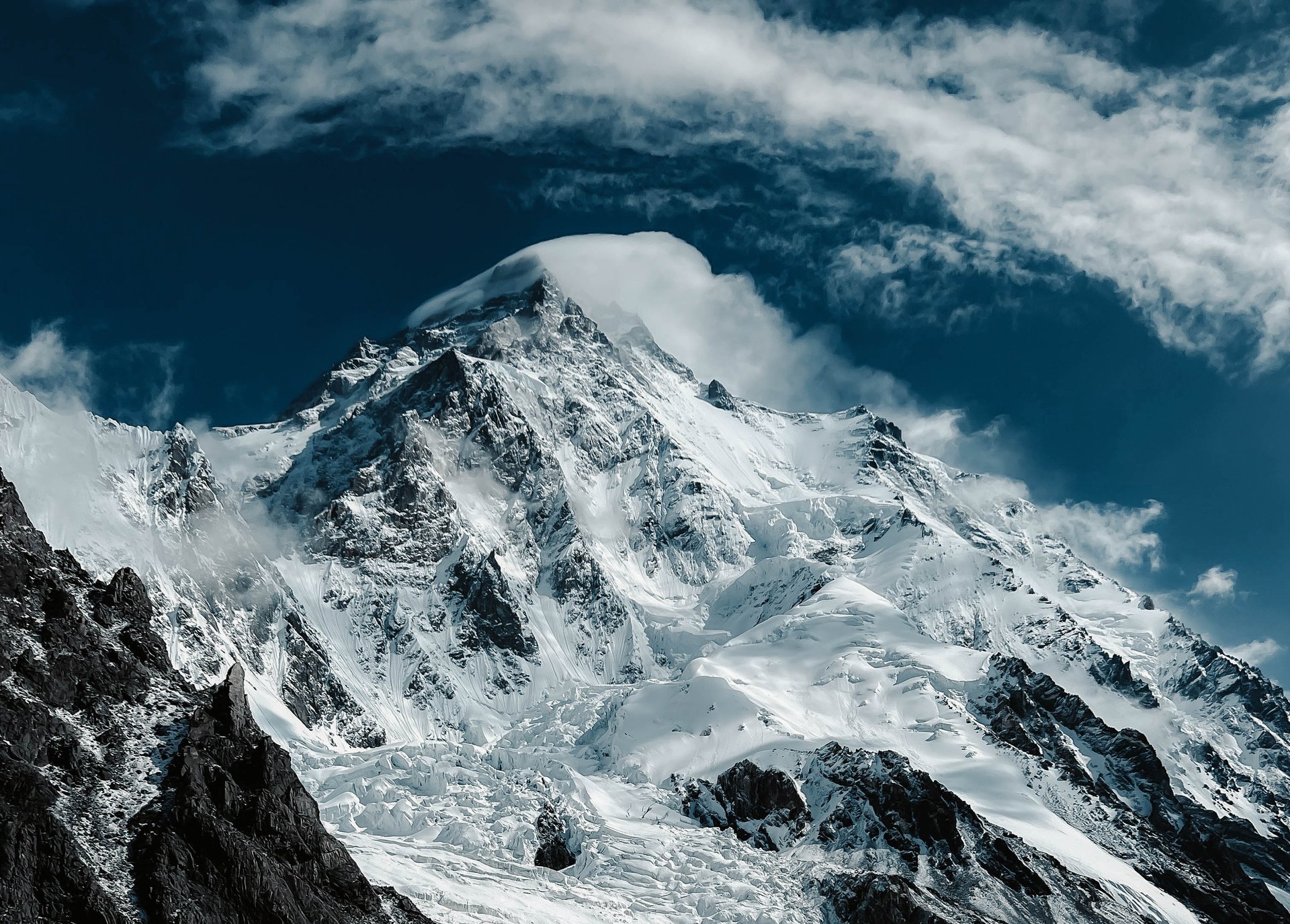
K2 Expedition
K2 — the savage mountain, ultimate test of skill and endurance.
 8000m
8000m
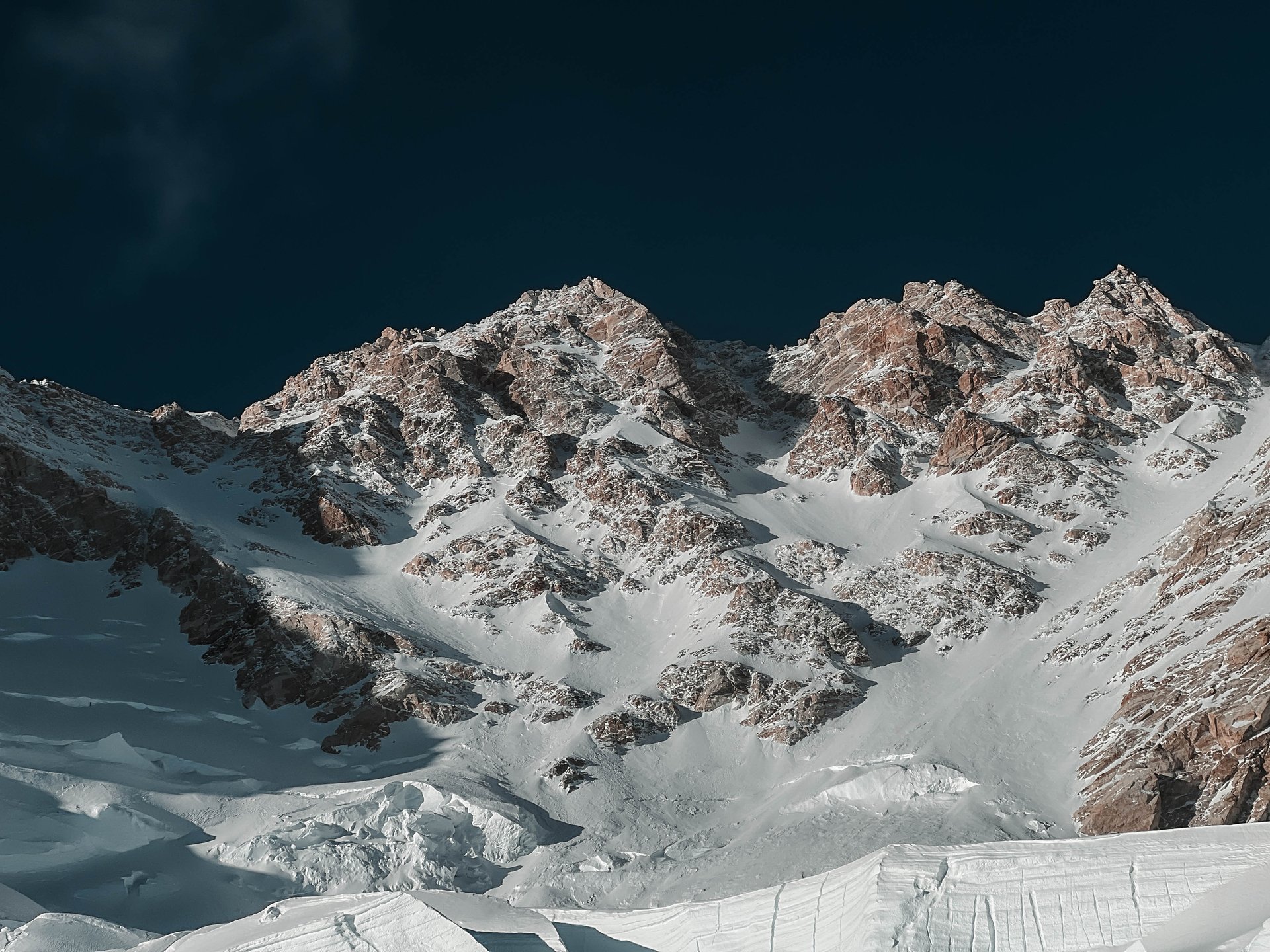
Kanchenjunga Expedition
The world’s third-highest peak, where beauty meets mystery.
 8000m
8000m
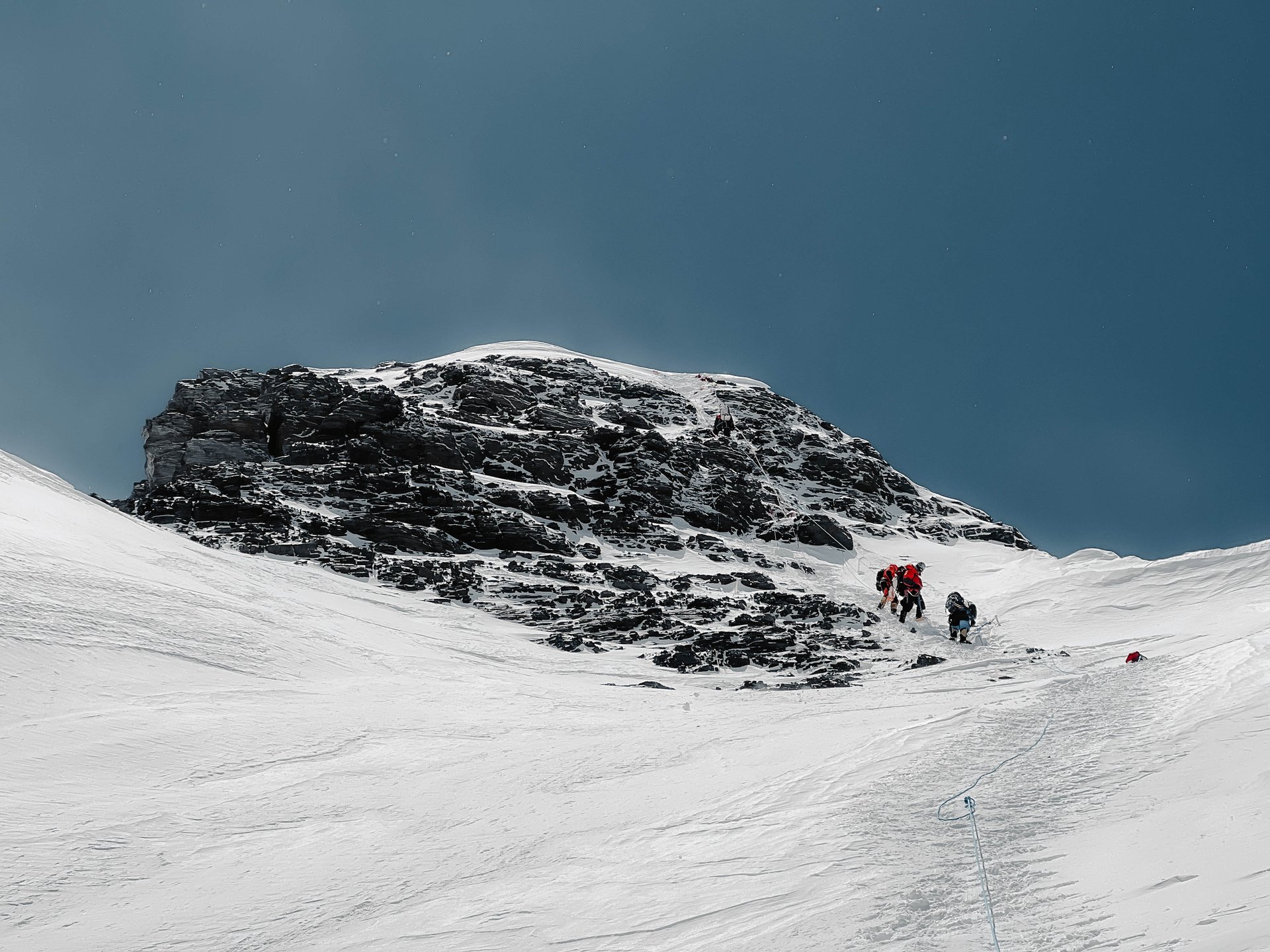
Lhotse Expedition
Lhotse — Everest’s towering neighbor and a Himalayan giant of challenge and beauty.
 8000m
8000m
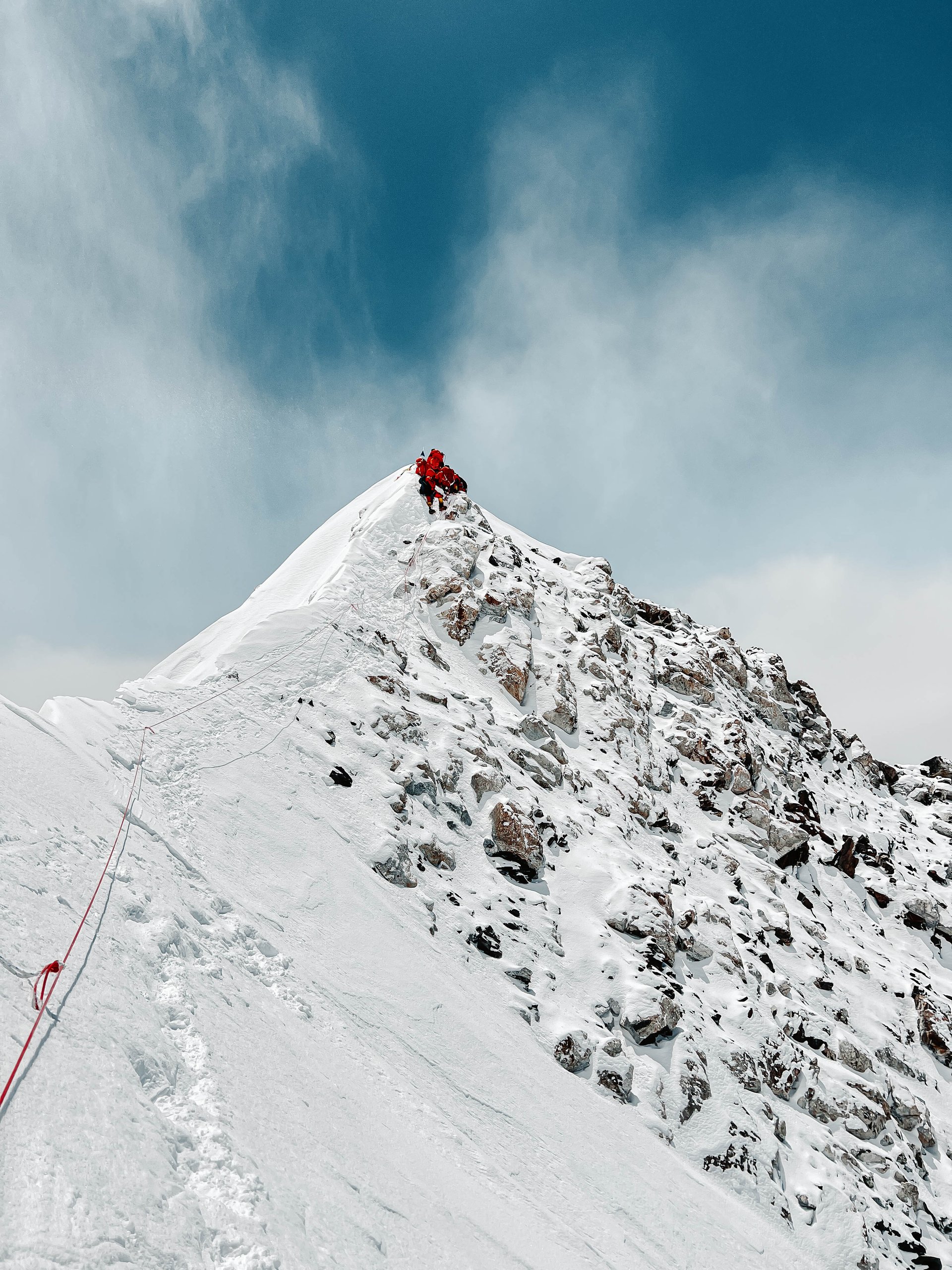
Makalu Expedition
Makalu — a fierce and elegant pyramid rising from the wild Himalayas.
 8000m
8000m
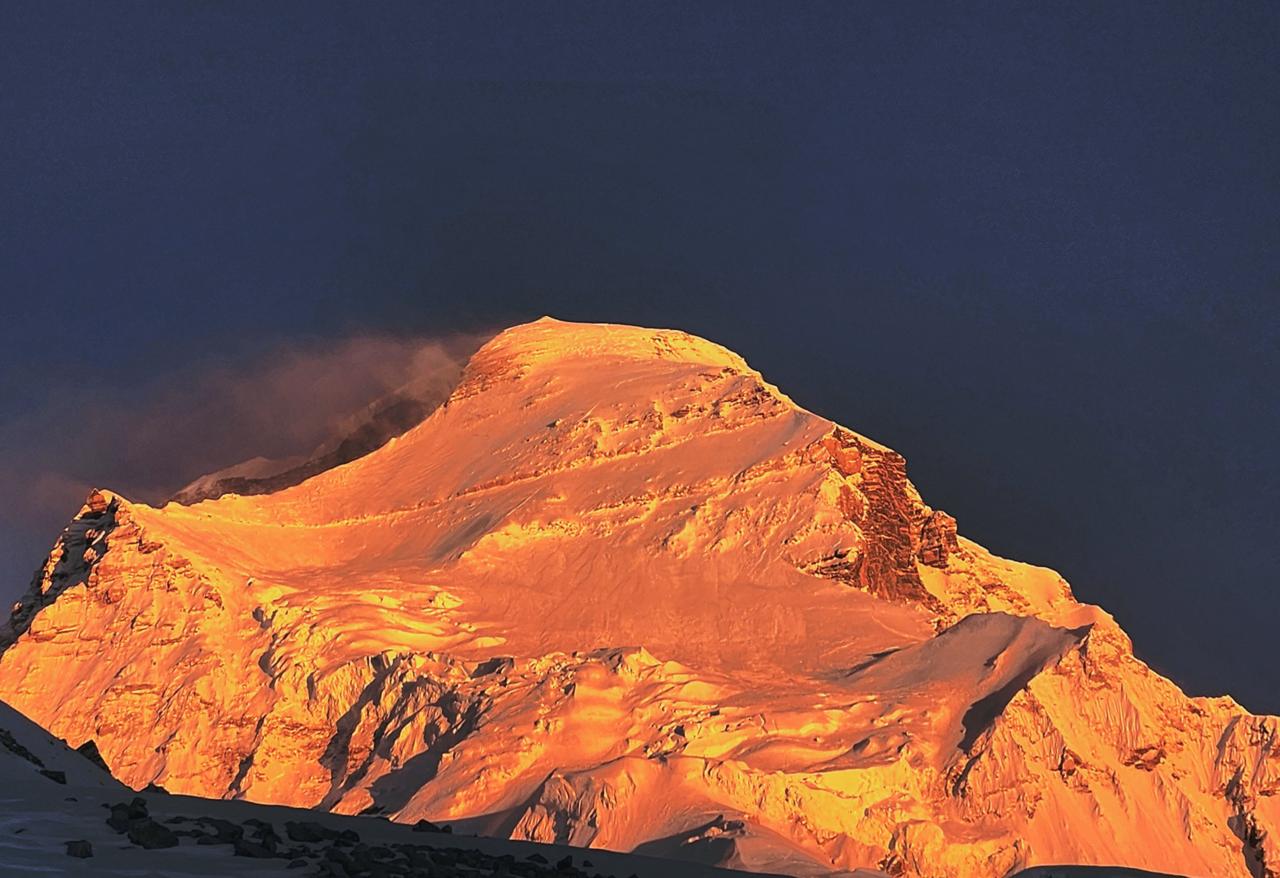
Cho-oyu Expedition
The majestic Cho Oyu — a climber’s gateway to the 8,000ers
 8000m
8000m
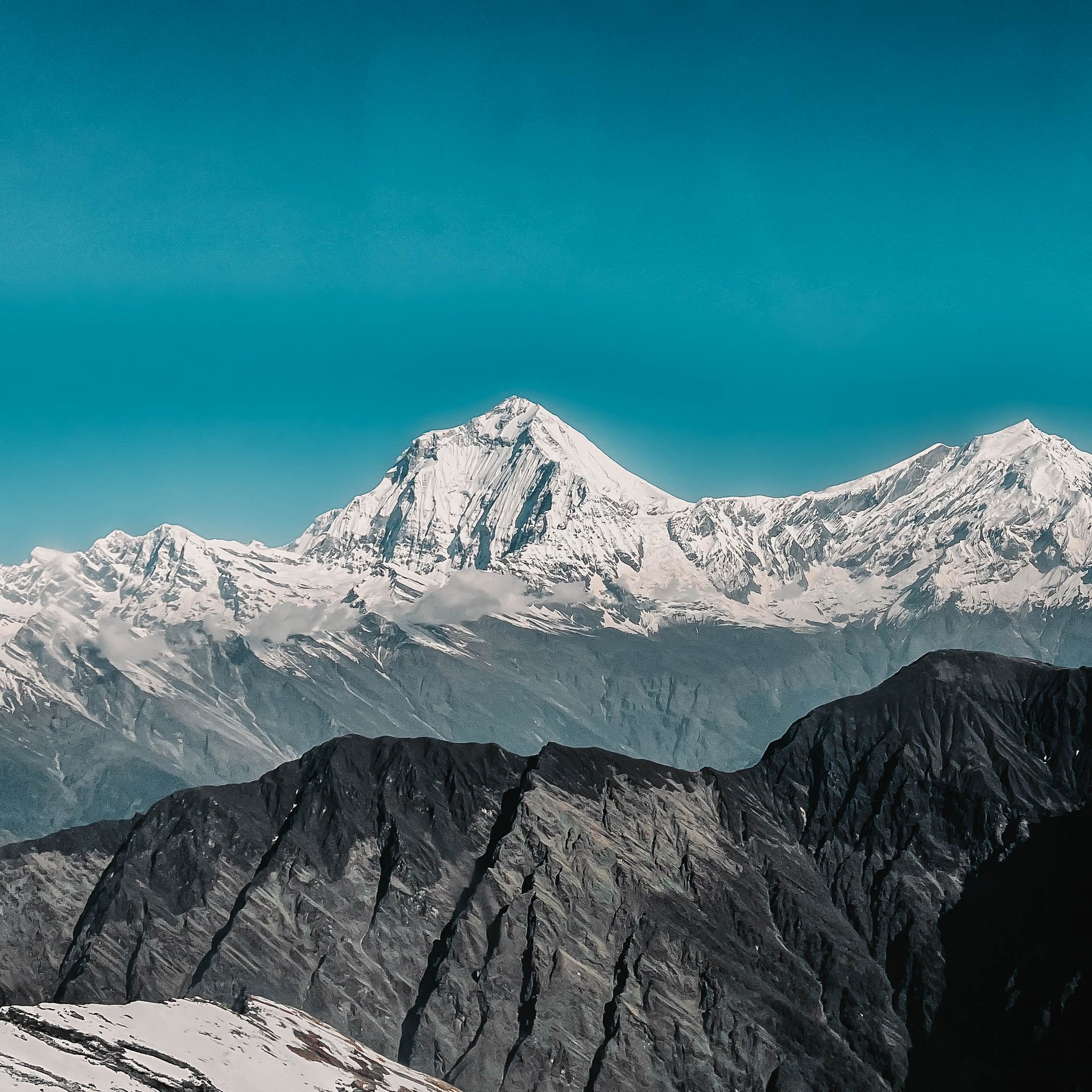
Dhaulagiri Expedition
Dhaulagiri — the white giant of the Himalayas, majestic and formidable.
 8000m
8000m
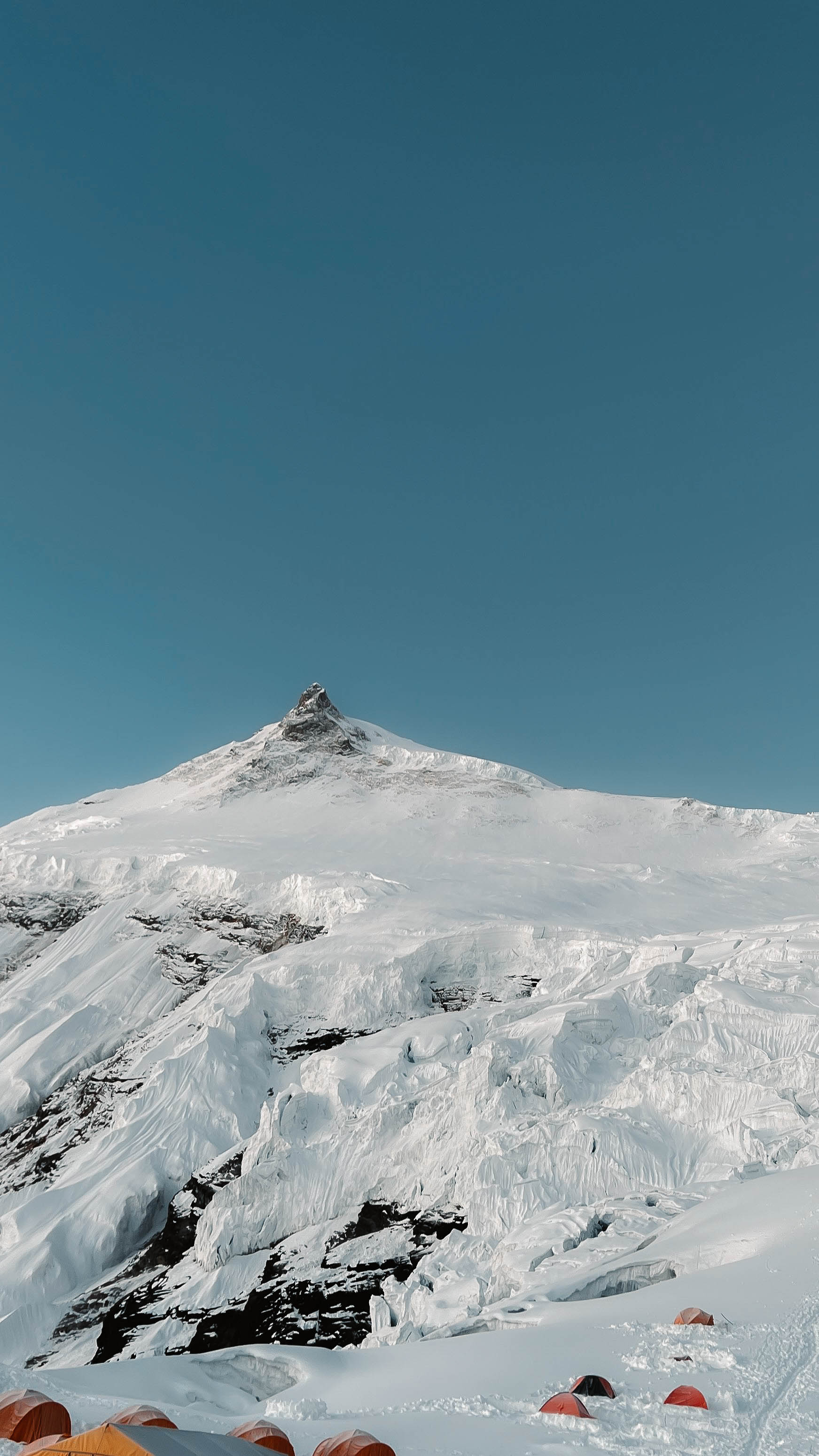
Manaslu Expedition
Book your Manaslu Expedition 2026 with expert Sherpa guides, proven itineraries, full permits, and professional high-altitude support.
 8000m
8000m
Nanga Parbat Expedition
Nanga Parbat – the Killer Mountain, where raw power meets pure adventure.
 8000m
8000m
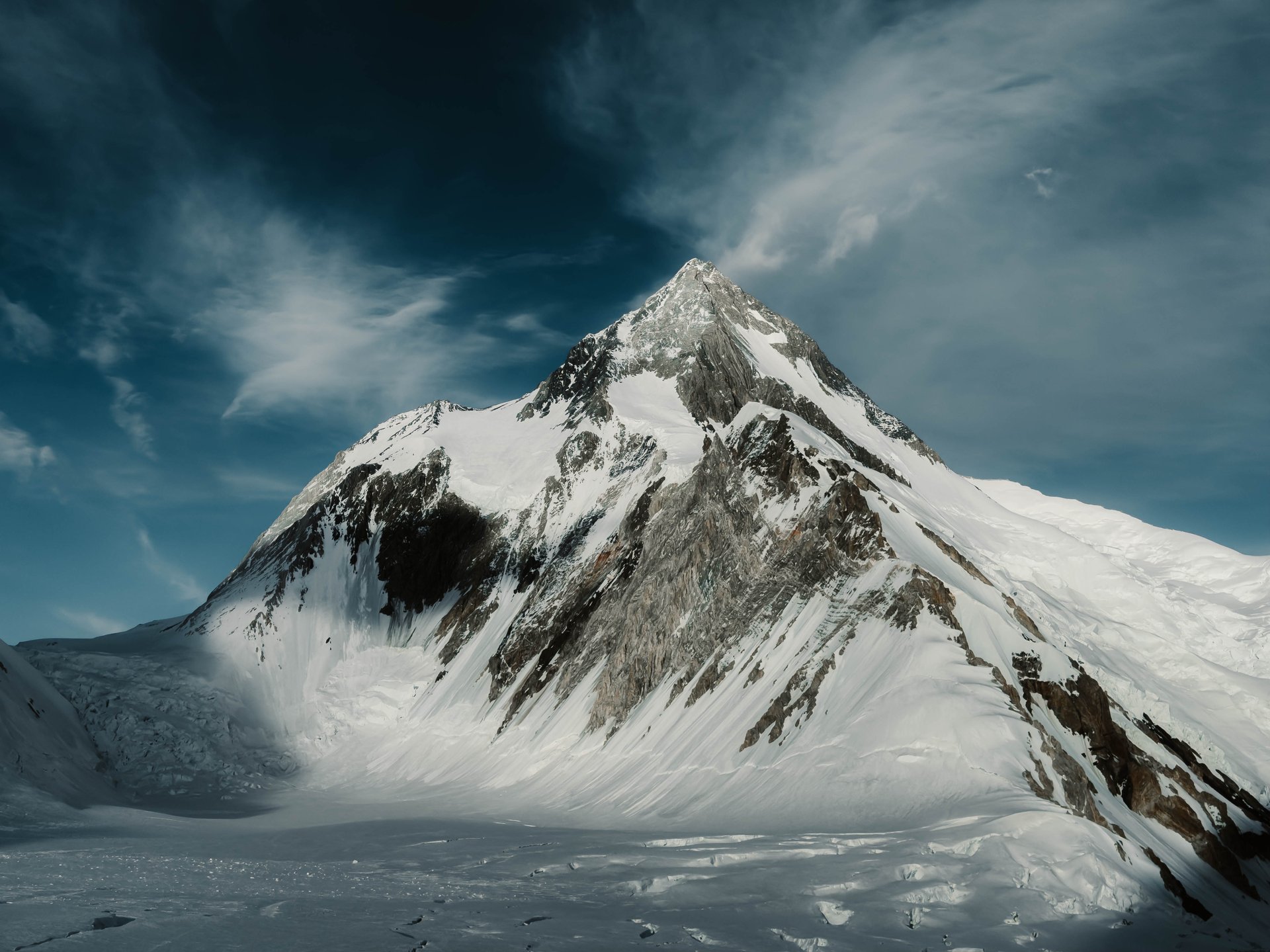
Gasherbrum I Expedition
Gasherbrum I — the hidden giant of the Karakoram, challenging and majestic.
Ready to Start Your Adventure?
Contact us to book your expedition or get more information