
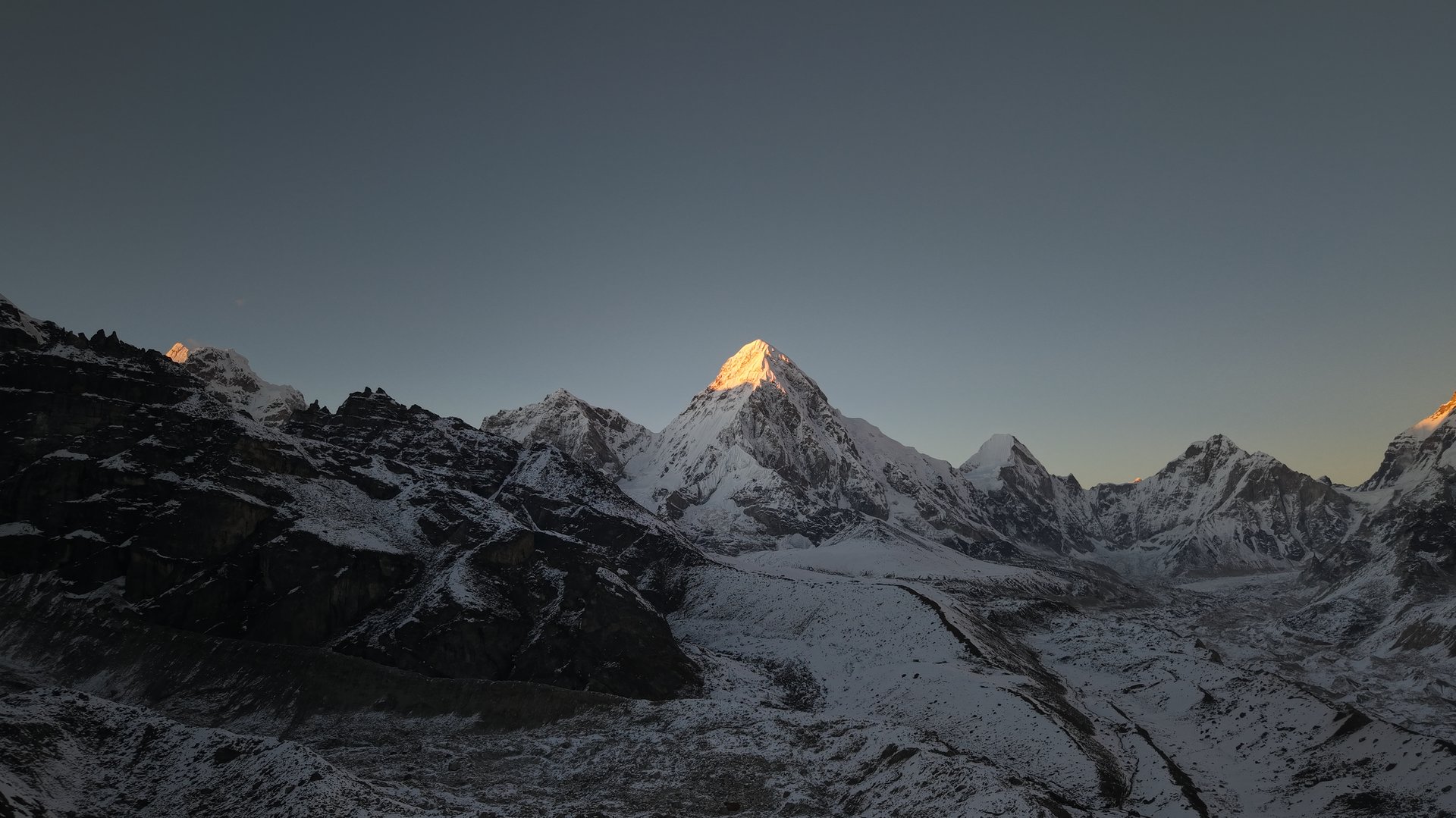
Pumori Expedition
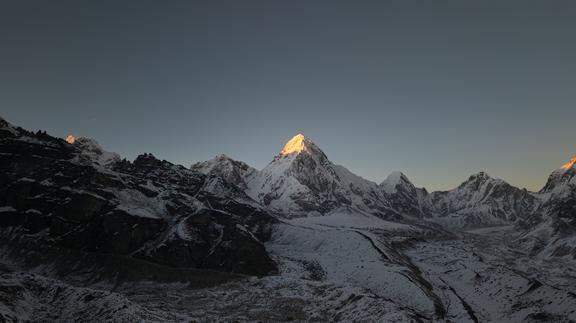
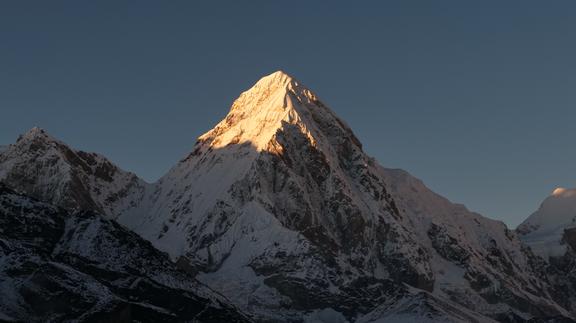
Pumori – Everest's Daughter, where a graceful pyramid keeps quiet watch over the roof of the world.
Expedition Overview
What is the Pumori Expedition?
Pumori (7,161 m / 23,494 ft) sits just 8 kilometres west of Mount Everest in the Mahalangur Himal, straddling the Nepal-China border. Its name means "Unmarried Daughter" in Sherpa, a title given by George Mallory during the 1921 British Reconnaissance Expedition for the graceful pyramid he saw standing beside the giant of Everest. This makes it one of the most photographed peaks in the Everest region, visible from Kala Patthar and much of the approach to Everest Base Camp. Gerhard Lenser made the first ascent on 17 May 1962, summiting alone via the Southeast Ridge as part of a German-Swiss expedition led by Dr. Herbert Tichy after altitude sickness turned back the rest of the team.
The Southeast Ridge route begins at Pumori Base Camp (5,300 m), reached via the same approach as the Everest Base Camp trek as far as Gorakshep, before the path splits toward Pumori's own glacial terrain. Three high camps lead up steep snow and ice slopes of 40 to 70 degrees to the summit. Pumori is widely used as a technical proving ground by climbers preparing for an Everest Expedition or another 8,000m objective.
AltiPro Adventures runs the Pumori Expedition, a full-board Spring departure from Kathmandu. Groups are capped at a small number of climbers, each supported by a dedicated 1:1 Climbing Sherpa, with a personalised support structure throughout.
Why Climb Pumori?
Pumori offers world-class views of Everest, Lhotse, Nuptse, Makalu, and Cho Oyu, all from a peak technical enough to genuinely test climbing skill. For those who have completed a Mera Peak climb or an Island Peak Expedition and want the next step up, Pumori is one of the most respected training grounds in the Khumbu.
Sharper Weather Planning
A dedicated high-altitude weather service delivers summit-specific forecasts throughout the climb. AltiPro waits for a confirmed stable weather window before beginning the push, not risking the exposed upper ridge in uncertain conditions.
A Proven Training Ground for 8,000m Peaks
Steep ice slopes of 40 to 70 degrees, sustained fixed-rope climbing, and high-camp exposure make Pumori one of the best preparation climbs before attempting Everest or another 8,000m peak.
Smaller, More Focused Climbing Teams
AltiPro's model centres on a safety-first approach, a cohesive climbing team, and a personalised Sherpa support structure, with a hard cap on climbers per group.
Safety-Forward Climbing Structure
An on-site Expedition Doctor supports the climbing season. Oxygen saturation is monitored daily and emergency protocols are in place at every camp throughout the expedition.
Everest's Daughter
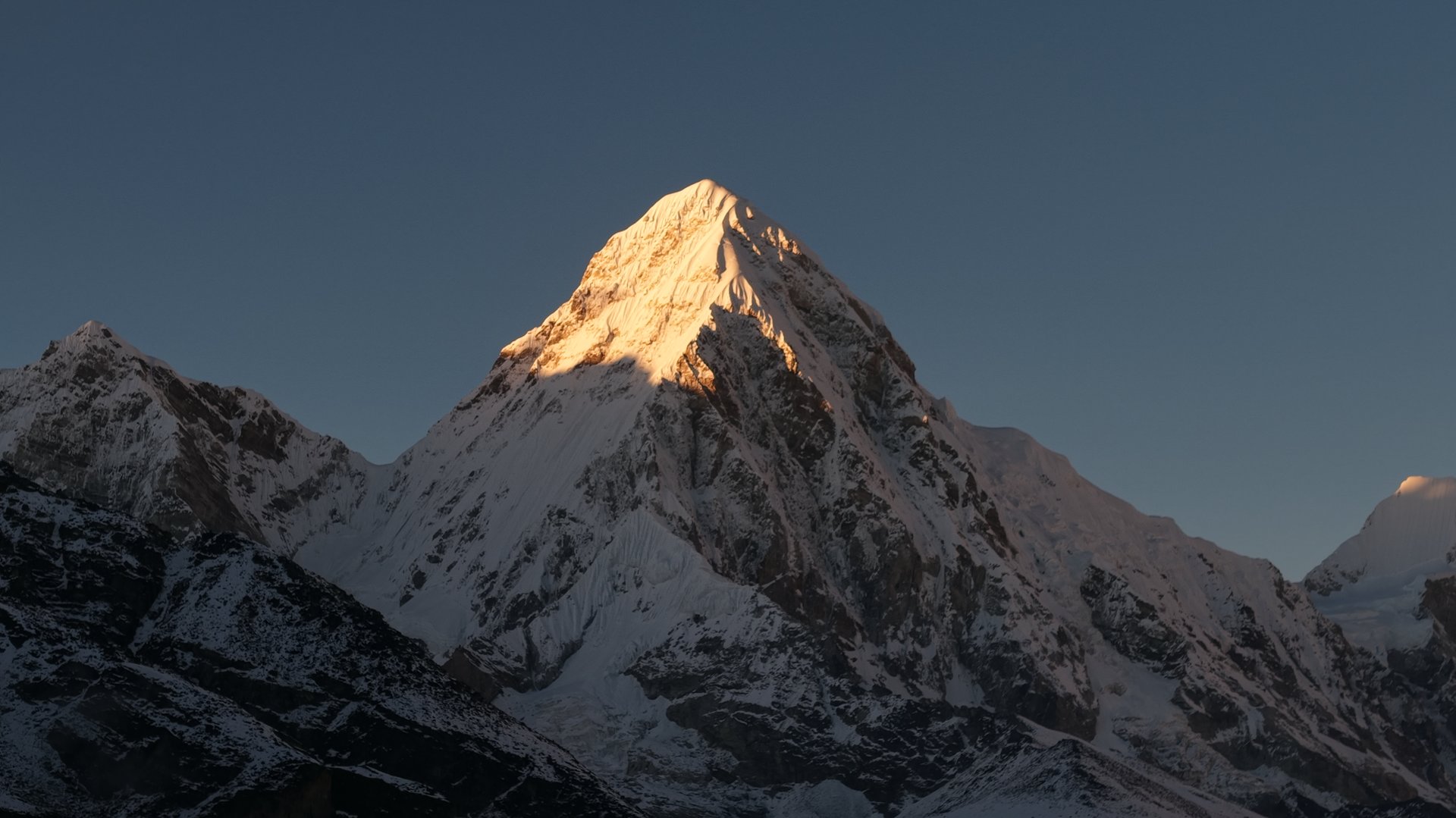
Seen from Kala Patthar or Gorakshep, Pumori's pyramid form is one of the most iconic sights in the Khumbu. Standing on its summit places you at eye level with the giants that surround it, Everest, Lhotse, and Nuptse among them.
Southeast Ridge Route (7,161 m)
The Southeast Ridge is the classic and most established line on Pumori, first climbed by Gerhard Lenser in 1962 and still the standard expedition route today. Starting at Pumori Base Camp (5,300 m), the route crosses glacial terrain to three high camps before a final push up steep ice to the summit at 7,161 m.
Base Camp to Camp I (5,300 m → approx. 5,700 m)
The route crosses glacial and moraine terrain onto 40 to 50 degree snow slopes, with fixed rope on the steeper sections. Camp I sits on a small ridge offering a relatively sheltered rest point.
Camp I to Camp II (approx. 5,700 m → 6,200 m)
A sustained climb above a crevasse zone on ice up to 55 degrees. Camp II is placed on a narrow ledge, requiring careful tent placement and fixed anchors.
Camp II to Camp III (6,200 m → approx. 6,480 m)
The most demanding stage of the climb, ascending roughly 1,000 metres of glacial blue ice at 50 to 70 degrees. Camp III is the final staging point before the summit push.
Summit Push — Camp III to Pumori (approx. 6,480 m → 7,161 m)
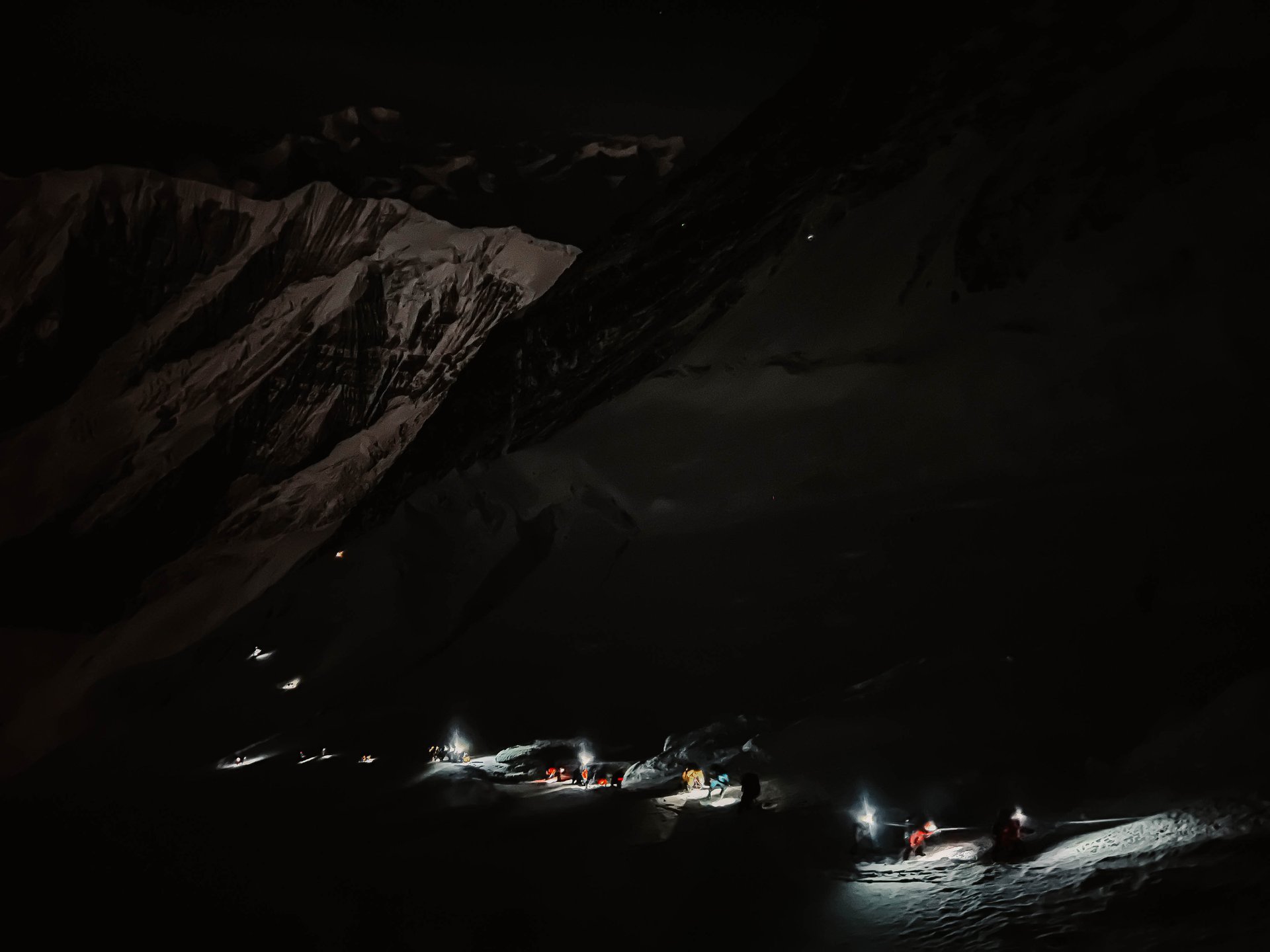
Departure in the early morning hours for a summit arrival around sunrise. The final ridge is narrow and exposed to strong winds, demanding careful rope work and steady conditions before the descent back to Base Camp.
Acclimatization Rotations
The approach trek from Lukla to Base Camp follows the same trail as the Everest Base Camp trek, with acclimatization days at Namche Bazaar and Dingboche, before the route splits toward Pumori at Gorakshep. Structured rotations above Base Camp then build progressive altitude exposure ahead of the summit push.
1st Rotation – up to Camp I / Camp II
Base Camp → Camp I → Camp II → Base Camp
Climbers move up the glacial lower slopes to Camp I, continue to Camp II above the crevasse zone, then descend to Base Camp for recovery.
2nd Rotation – up to Camp III
Camp I → Camp II → Camp III → Base Camp
Climbers push higher onto the steep ice wall to touch Camp III, gaining exposure to the summit day terrain before returning to Base Camp for full recovery ahead of the push.
How Difficult is the Pumori Expedition?
Pumori is graded as a technically demanding climb, with steep rock and mixed ice sections, exposed ridgelines, and avalanche-prone slopes, particularly after fresh snowfall. Sustained 40 to 70 degree ice on the upper mountain and a narrow, wind-battered summit ridge make strong technical skill and fixed-rope competency essential. AltiPro requires documented high-altitude experience, ideally including a Mera Peak Expedition or similar climb, before accepting any application.
Best Season for the Pumori Expedition
Spring (April–May) and Autumn (September–November) both offer viable windows for Pumori, unlike the Spring-only pattern on Everest. Stable weather and manageable avalanche risk are the deciding factors each season, so AltiPro monitors conditions closely before committing to a summit push.
Spring (April–May): The primary window, offering the most stable pre-monsoon weather for the technical ice sections above Camp II.
Autumn (September–November): A strong secondary window after the monsoon withdraws, with generally clear skies though colder temperatures on the upper mountain.
Pumori Expedition Cost
Premium full-board package – all permits, 1:1 Sherpas, and Expedition Doctor included.
The AltiPro Pumori Expedition covers 4-star Kathmandu accommodation, all transport including Ramechhap–Lukla flights, the full permit package, a 1:1 Climbing Sherpa ratio, an on-site Expedition Doctor, and complete high-camp infrastructure. International flights, personal gear, and summit bonuses are not included. Contact us to discuss availability and pricing.
Pumori Expedition – FAQs
Common questions about the Pumori Expedition with AltiPro Adventures.
How long is the Pumori Expedition?
The Pumori Expedition typically runs around 33 to 36 days, including the approach trek, acclimatization rotations, summit window, and descent.
What experience is required?
AltiPro requires documented high-altitude mountaineering experience before accepting any application. Prior experience on 6,000m peaks, such as Mera Peak or Island Peak, is strongly recommended. Contact us to discuss your background.
What permits are included?
The package covers the climbing permit, Sagarmatha National Park entry permit, and all liaison officer arrangements required for the expedition.
Is Pumori a good preparation climb for Everest?
Yes. Pumori's steep ice, fixed-rope sections, and high-camp exposure make it one of the most respected training climbs in the Khumbu ahead of an Everest Expedition or another 8,000m peak.
What is the Climbing Sherpa ratio?
AltiPro guarantees a 1:1 Climbing Sherpa ratio, one dedicated Sherpa per climber, for the entire expedition from Base Camp through the summit push and descent.
When is the best time to climb Pumori?
Both Spring (April–May) and Autumn (September–November) offer viable summit windows, with Spring generally providing the most stable conditions on the technical upper sections.
What is not included in the package?
International flights, personal climbing gear, travel insurance, personal expenses, and Sherpa summit bonuses are not included. A full equipment list is provided upon booking confirmation.
Detailed Itinerary
Click on each day to view details
| Day | Program | Meals | Accom. | |||||||||||||||||||||||||||||||||||||||||||||||||||||||||||||||||||||||||||||||||||||||||||||||||||||||||||||||||||||||||||||||||||||||||||||||||||||||||||||||||||||||||||||||||||||||||||||||||||||||||||||||||||||||||||||||||||||||||||||||||||||||||||||||||||||||||||||||||||||||||||||||||||||||||||||
|---|---|---|---|---|---|---|---|---|---|---|---|---|---|---|---|---|---|---|---|---|---|---|---|---|---|---|---|---|---|---|---|---|---|---|---|---|---|---|---|---|---|---|---|---|---|---|---|---|---|---|---|---|---|---|---|---|---|---|---|---|---|---|---|---|---|---|---|---|---|---|---|---|---|---|---|---|---|---|---|---|---|---|---|---|---|---|---|---|---|---|---|---|---|---|---|---|---|---|---|---|---|---|---|---|---|---|---|---|---|---|---|---|---|---|---|---|---|---|---|---|---|---|---|---|---|---|---|---|---|---|---|---|---|---|---|---|---|---|---|---|---|---|---|---|---|---|---|---|---|---|---|---|---|---|---|---|---|---|---|---|---|---|---|---|---|---|---|---|---|---|---|---|---|---|---|---|---|---|---|---|---|---|---|---|---|---|---|---|---|---|---|---|---|---|---|---|---|---|---|---|---|---|---|---|---|---|---|---|---|---|---|---|---|---|---|---|---|---|---|---|---|---|---|---|---|---|---|---|---|---|---|---|---|---|---|---|---|---|---|---|---|---|---|---|---|---|---|---|---|---|---|---|---|---|---|---|---|---|---|---|---|---|---|---|---|---|---|---|---|---|---|---|---|---|---|---|---|---|---|---|---|---|---|---|---|---|---|---|---|---|---|---|---|---|---|---|---|---|---|---|---|---|---|---|
| 1 | Arrival in Kathmandu (1,350m) | Dinner | Hotel | |||||||||||||||||||||||||||||||||||||||||||||||||||||||||||||||||||||||||||||||||||||||||||||||||||||||||||||||||||||||||||||||||||||||||||||||||||||||||||||||||||||||||||||||||||||||||||||||||||||||||||||||||||||||||||||||||||||||||||||||||||||||||||||||||||||||||||||||||||||||||||||||||||||||||||||
|
Transfer to 4-star hotel. Welcome dinner and Pumori Expedition briefing.
2 – 3
|
Kathmandu — Permits & Gear Check |
Breakfast |
Hotel |
|
|
Permit processing (Pumori royalty, Sagarmatha NP permit), gear check, and last-minute shopping in Thamel.
4
|
Fly to Lukla & Trek to Phakding (2,610m) |
Breakfast / Lunch / Dinner |
Lodge |
|
|
Flight from Kathmandu to Lukla (2,840m), then trek into the Khumbu Valley to Phakding.
5
|
Trek to Namche Bazaar (3,440m) |
Breakfast / Lunch / Dinner |
Lodge |
|
|
Trek from Phakding to Namche Bazaar, crossing the Hillary Suspension Bridge and the Sagarmatha National Park checkpoint.
6
|
Acclimatization Day at Namche Bazaar (3,440m) |
Breakfast / Lunch / Dinner |
Lodge |
|
|
Rest and acclimatization day with a hike to Everest View Hotel and Khumjung village.
7
|
Trek to Tengboche (3,860m) |
Breakfast / Lunch / Dinner |
Lodge |
|
|
Trek from Namche to Tengboche, home to the region's most iconic monastery with views of Ama Dablam.
8
|
Trek to Dingboche (4,360m) |
Breakfast / Lunch / Dinner |
Lodge |
|
|
Trek from Tengboche to Dingboche, entering the upper Imja Khola valley.
9
|
Acclimatization Day at Dingboche (4,360m) |
Breakfast / Lunch / Dinner |
Lodge |
|
|
Rest and acclimatization day with a hike toward Nangkartshang ridge (4,750m) for altitude gain.
10
|
Trek to Lobuche (4,940m) |
Breakfast / Lunch / Dinner |
Lodge |
|
|
Trek from Dingboche to Lobuche via Thukla Pass and the Khumbu memorial ridge.
11
|
Trek to Gorakshep & Pumori Base Camp (5,300m) |
Breakfast / Lunch / Dinner |
Tent |
|
|
Trek from Lobuche through Gorakshep (5,164m) to Pumori Base Camp, set just above Gorakshep at the foot of Kala Patthar.
12
|
Puja Ceremony & Route Briefing |
Breakfast / Lunch / Dinner |
Tent |
|
|
Puja ceremony at Base Camp, route briefing, gear check, and medical O2 baseline.
13
|
Acclimatization & Technical Training |
Breakfast / Lunch / Dinner |
Tent |
|
|
Crampon technique, ice axe use, and rope management training on the glacier below Base Camp.
14 – 15
|
1st Rotation — Base Camp to Camp I (5,700m) |
Breakfast / Lunch / Dinner |
Tent |
|
|
First rotation: climb through the Khumbu Glacier's crevasse field to Camp I for an overnight stay, then descend to Base Camp.
16
|
Rest & Recovery at Base Camp |
Breakfast / Lunch / Dinner |
Tent |
|
|
Rest and recovery day with a doctor check and O2 saturation review.
17
|
Rest Day at Base Camp |
Breakfast / Lunch / Dinner |
Tent |
|
|
Rest day with weather monitoring and final gear checks.
18 – 19
|
2nd Rotation — Camp I to Camp II (6,200m) |
Breakfast / Lunch / Dinner |
Tent |
|
|
Second rotation: climb the 40–60° snow wall from Camp I to Camp II for an overnight stay, then return to Base Camp.
20 – 22
|
Rest Days at Base Camp — Weather Window Monitoring |
Breakfast / Lunch / Dinner |
Tent |
|
|
Rest days at Base Camp (5,300m) as a summit weather window is confirmed.
23
|
Summit Bid — Base Camp to Camp I (5,700m) |
Breakfast / Lunch / Dinner |
Tent |
|
|
Begin the summit push, climbing from Base Camp to Camp I.
24
|
Summit Bid — Camp I to Camp II (6,200m) |
Breakfast / Lunch / Dinner |
Tent |
|
|
Climb from Camp I to Camp II to rest and prepare for the final push.
25
|
Summit Bid — Camp II to Camp III (6,480m) |
Breakfast / Lunch / Dinner |
Tent |
|
|
Climb from Camp II through ice walls and crevasses to Camp III, the final camp before the summit.
26
|
SUMMIT DAY — Pumori (7,161m) |
Breakfast / Lunch / Dinner |
Tent |
|
|
Pre-dawn start via the Southeast Ridge to the summit of Pumori. Descend to Camp I or Base Camp.
27
|
Descend to Pumori Base Camp |
Breakfast / Lunch / Dinner |
Tent |
|
|
Full descent to Base Camp followed by a post-summit celebration with the Sherpa team.
28
|
Base Camp Cleanup & Departure Preparation |
Breakfast / Lunch / Dinner |
Tent |
|
|
Base Camp cleanup and preparation for departure.
29
|
Trek to Dingboche (4,360m) |
Breakfast / Lunch / Dinner |
Lodge |
|
|
Trek from Base Camp through Lobuche to Dingboche, descending as recovery begins.
30
|
Trek to Tengboche (3,860m) |
Breakfast / Lunch / Dinner |
Lodge |
|
|
Trek from Dingboche to Tengboche via Pangboche.
31
|
Trek to Namche Bazaar (3,440m) |
Breakfast / Lunch / Dinner |
Lodge |
|
|
Trek from Tengboche back to Namche Bazaar, the Sherpa capital.
32
|
Trek to Lukla (2,840m) |
Breakfast / Lunch / Dinner |
Lodge |
|
|
Final trekking day of the expedition, descending from Namche Bazaar to Lukla.
33
|
Fly Back to Kathmandu (1,350m) |
Breakfast |
Hotel |
|
|
Flight from Lukla back to Kathmandu, transfer to hotel, and rest.
34
|
Celebration Day |
Breakfast / Dinner |
Hotel |
|
|
Summit certificates presented, followed by a farewell dinner.
35 – 36
|
Buffer Days — Weather & Logistics Reserve |
Breakfast |
Hotel |
|
|
Buffer days held for weather delays, a second summit window, or Lukla flight disruptions.
37
|
Final Departure from Kathmandu |
Breakfast |
|
|
|
Transfer to Kathmandu Tribhuvan International Airport for onward international flights.
| ||||||||||||||||||||||||||||||||||||||||||||||||||||||||||||||||||||||||||||||||||||||||||||||||||||||||||||||||||||||||||||
Services
Includes
Excludes
Gear Lists & Useful Information
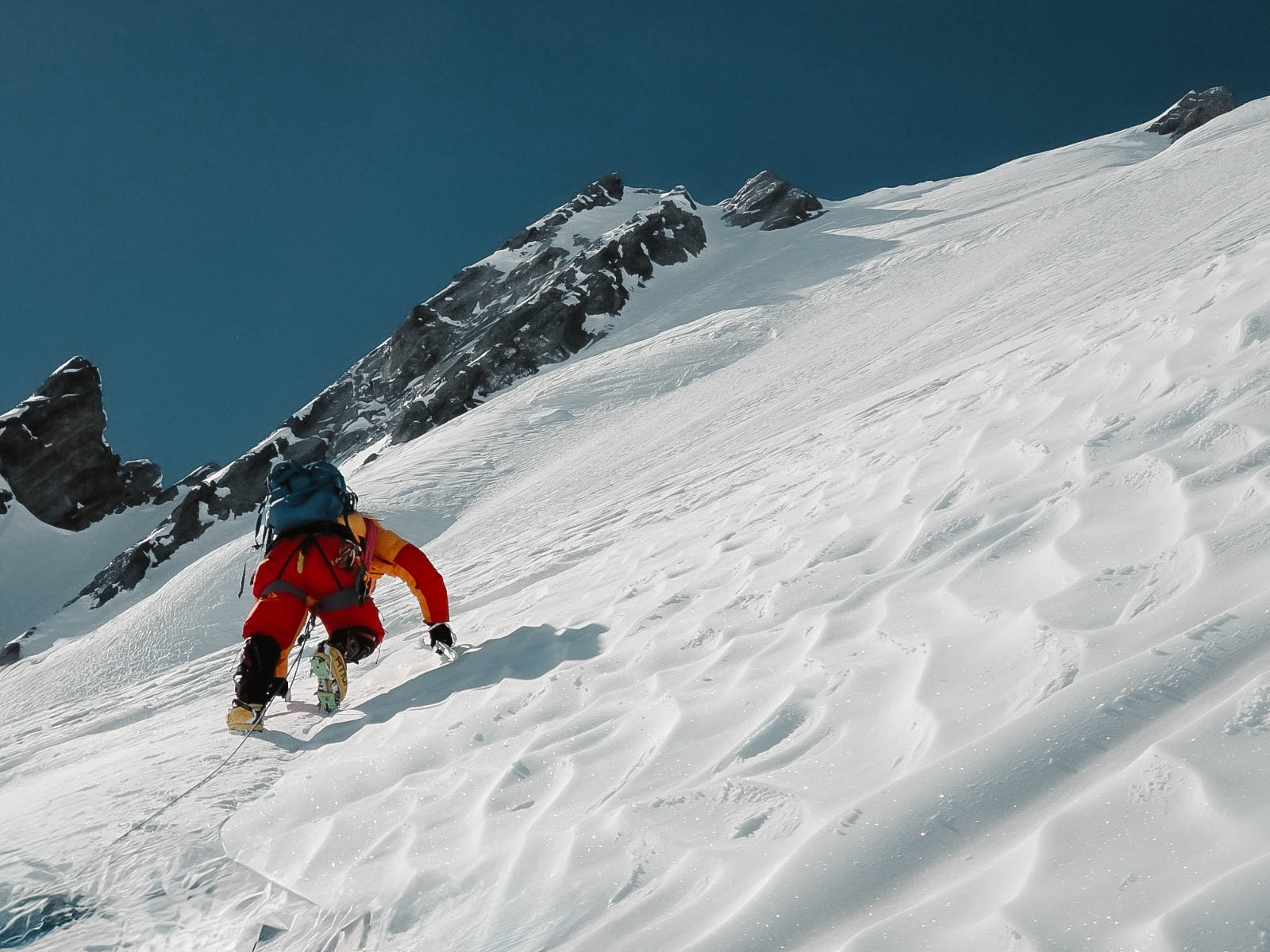
Expedition Gallery
Explore stunning images from this expedition
Been on this expedition?
Your feedback helps other travelers plan their adventure of a lifetime. Share your experience with us!
Annapurna IV Expedition
Annapurna IV – The Quiet Fourth, a technical wall of ice and ridgeline standing watch in the shadow of giants.
Baruntse Expedition
Baruntse – Sentinel Between Giants, where ice ridges and hidden glaciers guard the silence between Everest and Makalu.
 7000m
7000m
Nuptse Expedition
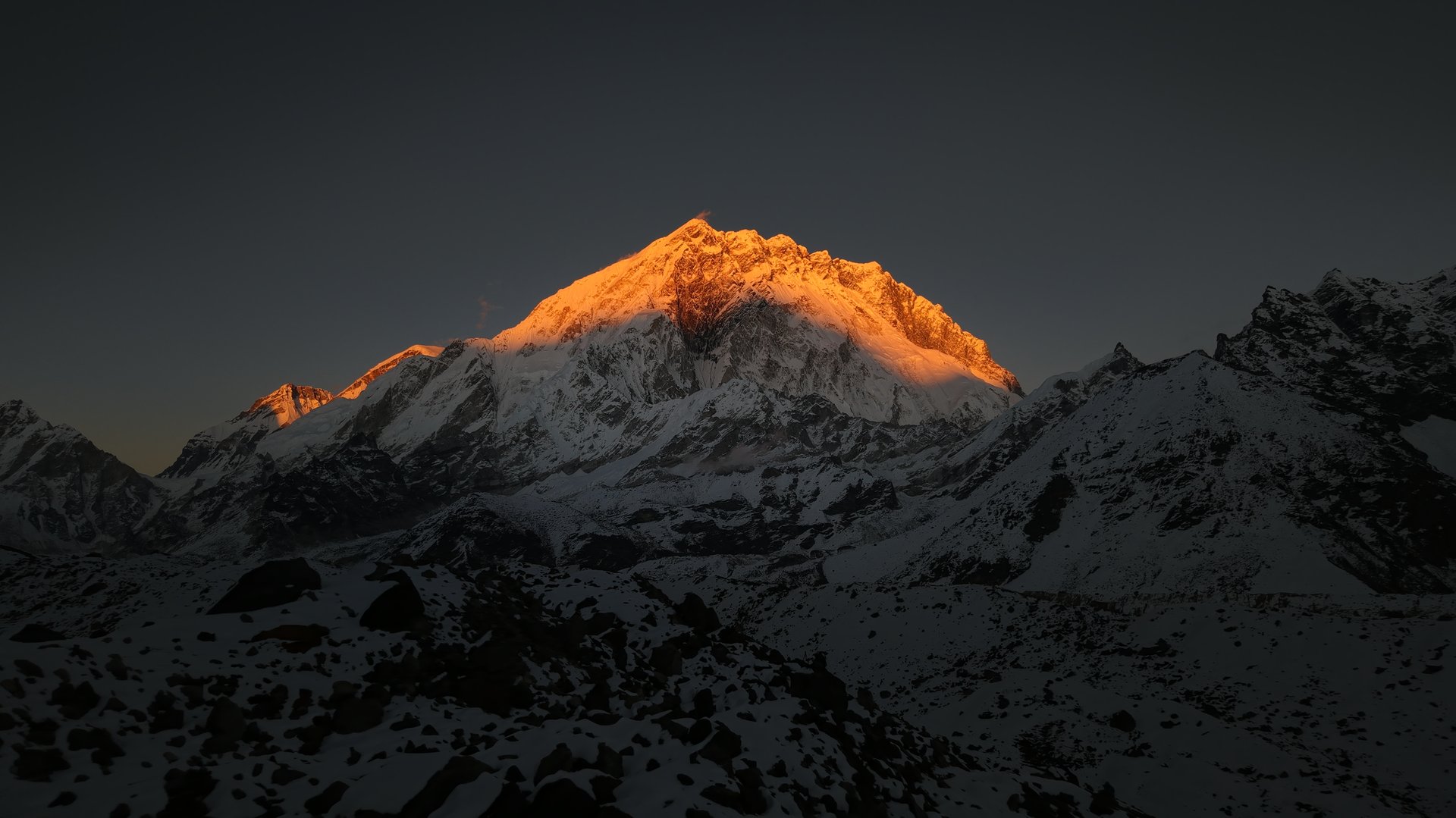
Nuptse – the Silent Guardian of Everest, where jagged spires meet untamed wilderness.
Tilicho Peak Expedition
Tilicho Peak – Crown of the Great Barrier, standing watch over the world's highest lake in silent, windswept solitude.
Putha Hiunchuli Expedition
 7000m
7000m
Himlung Himal Expedition
Ready to Start Your Adventure?
Contact us to book your expedition or get more information