
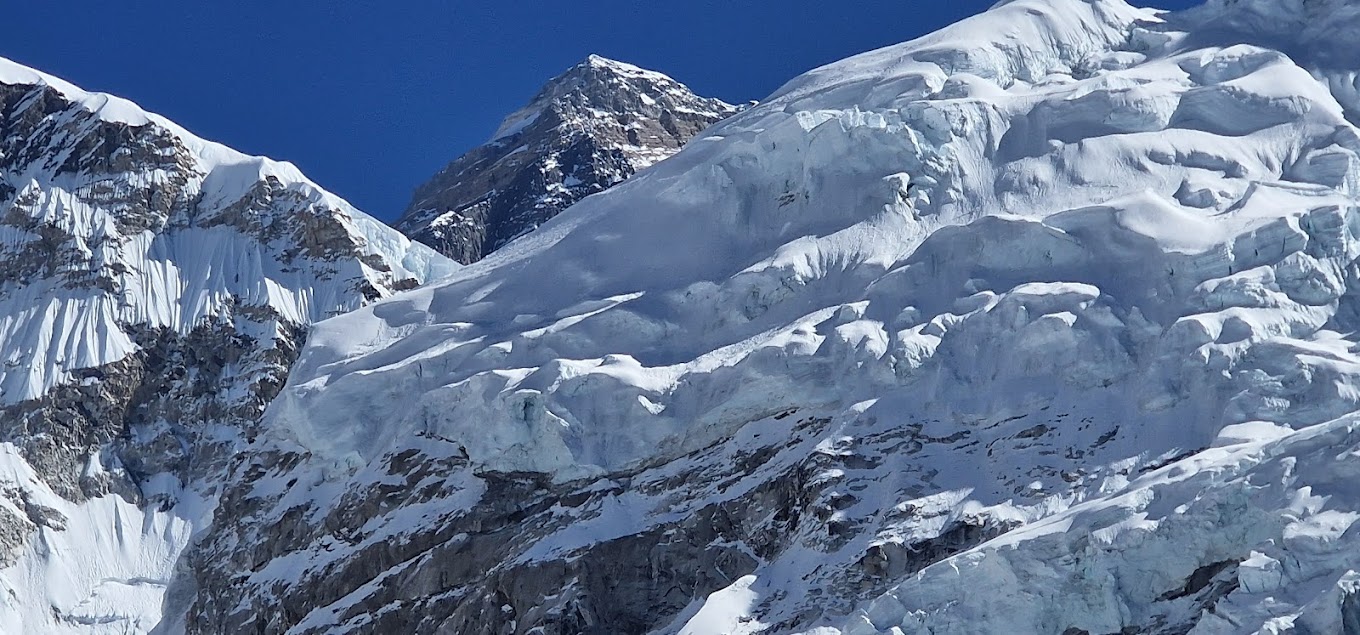
Annapurna IV Expedition
Annapurna IV – The Quiet Fourth, a technical wall of ice and ridgeline standing watch in the shadow of giants.
Expedition Overview
What is the Annapurna IV Expedition?
Annapurna IV (7,525 m / 24,688 ft) is the fourth-highest peak of the Annapurna massif, rising in the Annapurna region alongside its taller neighbour Annapurna II, from which it is separated by the col of Sabje La. A German expedition led by Heinz Steinmetz made the first ascent on 30 May 1955 via the North Face and Northwest Ridge, with Steinmetz summiting alongside Harald Biller and Jürgen Wellenkamp – a route that follows ground first scouted by H.W. Tilman's 1950 reconnaissance party and remains the standard line today.
Graded AD+ (Assez Difficile) on the alpine scale, Annapurna IV is a genuinely technical 7,000m objective – a demanding mix of steep snow and ice slopes, exposed ridge sections, and sustained fixed-rope climbing. It is considered one of the more “trouble-free” peaks within the Annapurna range when set against Annapurna I, lacking the extreme serac and avalanche exposure of its infamous higher neighbour, though wind and altitude remain constant challenges.
AltiPro Adventures runs the Annapurna IV Expedition, a full-board departure combining the classic Annapurna Circuit approach through the Marsyangdi Valley with a dedicated 1:1 Climbing Sherpa ratio and a personalised support structure throughout.
Why Climb Annapurna IV?
Annapurna IV offers a serious, technically rewarding 7,000m climb without the extreme objective danger that defines its higher neighbours in the massif. For climbers who have completed a Baruntse Expedition or a Tilicho Peak Expedition and are ready for a harder technical objective, Annapurna IV is a natural progression.
Genuine Technical Climbing
Steep snow and ice slopes reaching 65–70 degrees, exposed ridge traverses, and sustained fixed-rope pitches make Annapurna IV a serious test of alpine technique, well beyond a straightforward snow trudge.
Lower Objective Danger Than Annapurna I
Unlike Annapurna I, Annapurna IV is largely free of major serac collapse risk, with the route's main hazards – localised avalanche and rockfall zones between Camp I and Camp II – well understood and carefully managed.
The Marsyangdi Valley Approach
The trek to Base Camp follows the classic Annapurna Circuit through Chame and Manang before branching toward Humde, offering rich acclimatization terrain and sweeping views of Annapurna II, III, and Gangapurna along the way.
Safety-Forward Climbing Structure
An Expedition Doctor, daily oxygen saturation monitoring, and a Hyperbaric Chamber Bag on standby are maintained at Base Camp throughout the climbing period, with every safety protocol implemented and maintained.
A Quiet, Lesser-Climbed Peak
Annapurna IV sees far fewer expeditions each season than its neighbours, offering climbers a secluded mountain experience and a more personal, focused ascent within one of Nepal's most storied ranges.
Northwest Ridge Route (7,525 m)
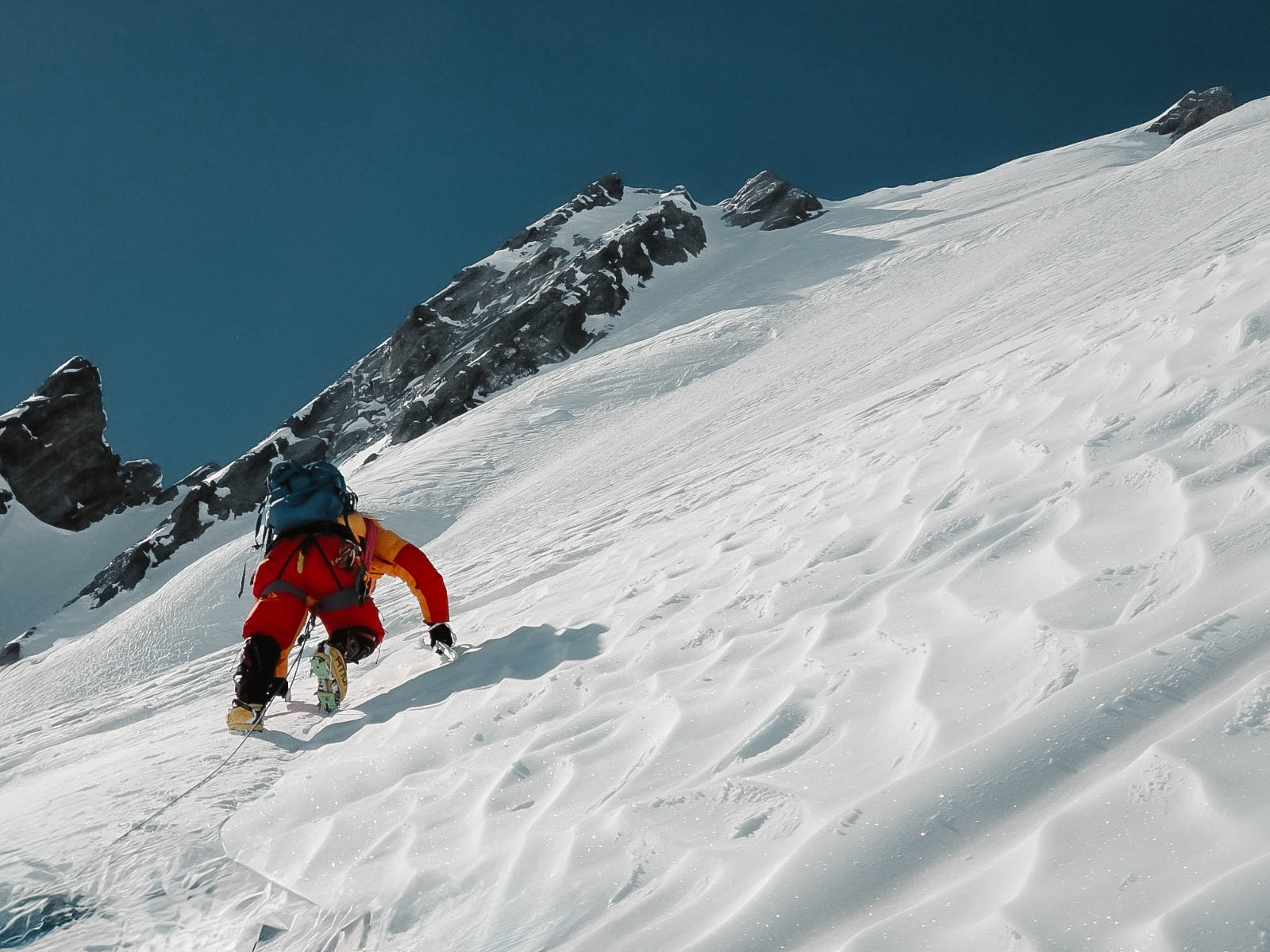
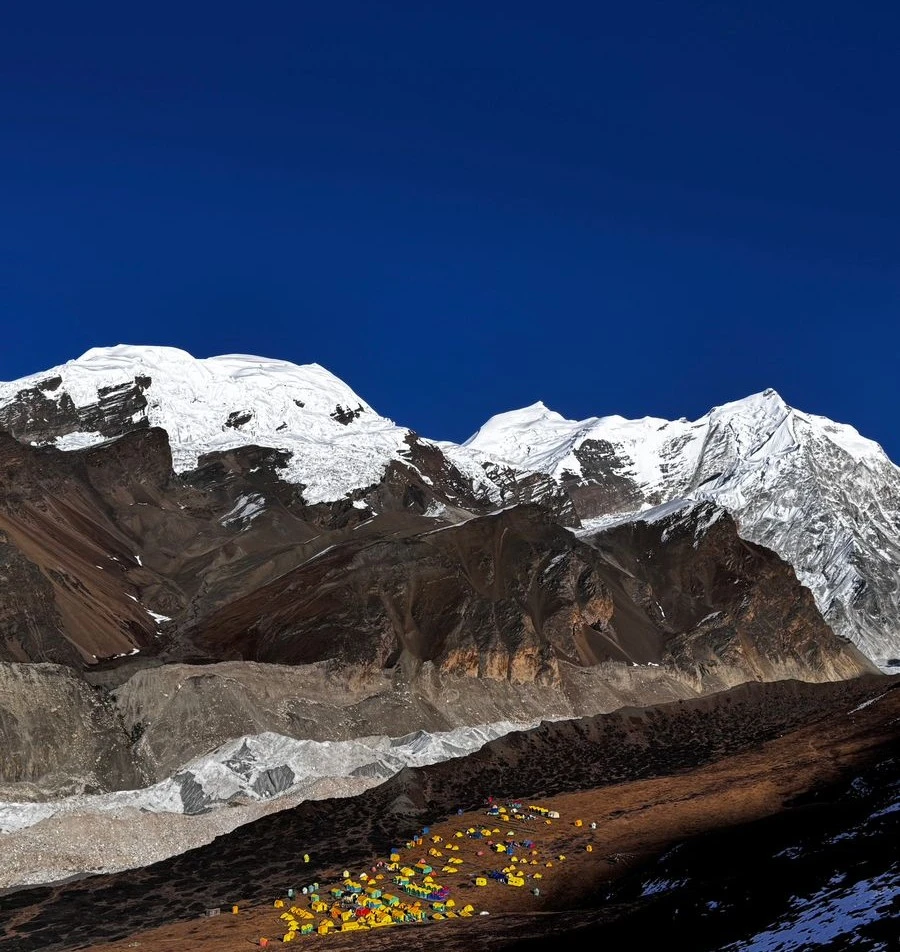
The Northwest Ridge, approached via the North Face, is the standard and historic line on Annapurna IV, first climbed by Heinz Steinmetz's German expedition in 1955. Base Camp sits at around 4,800 m, reached via a steep hike through pine forest and moraine above Humde on the Annapurna Circuit. From Base Camp, the route establishes three high camps along the ridge, working through steep ice, exposed traverses, and a broad zigzagging upper ridge to the summit.
Base Camp to Camp I – North Face (4,800 m → approx. 5,500 m)
A steep 500-metre section of 65–70 degree climbing on fixed ropes leads onto the lower North Face, the first serious technical test of the route and the main avalanche-prone zone on the mountain.
Camp I to Camp II – Northwest Ridge (approx. 5,500 m → 6,100 m)
Around 1,000 metres of fixed rope carries climbers along an exposed ridge with steep intermediate sections, gaining the crest of the Northwest Ridge proper before reaching Camp II.
Camp II to Camp III – Broad Upper Ridge (6,100 m → approx. 6,400 m)
A comparatively easier zigzagging climb up a broad section of ridge, offering a brief respite before the terrain steepens again toward the summit plateau. A Camp IV near 6,850 m may be established depending on conditions.
Summit Push – Camp III to Annapurna IV (approx. 6,400 m → 7,525 m)
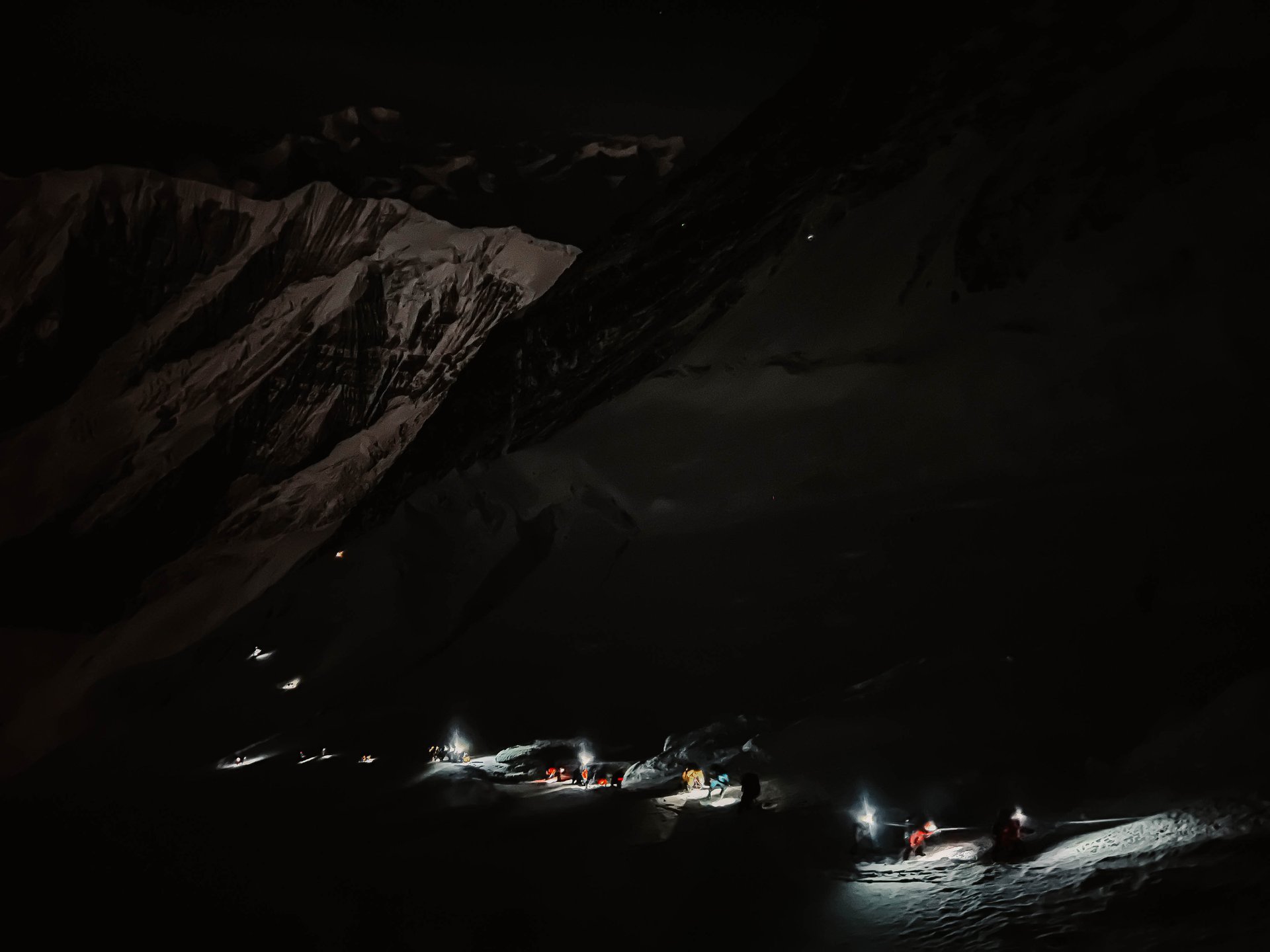
A demanding push through mixed rock and ice terrain and a final exposed section onto the summit plateau, typically begun in the early hours to manage snow conditions and the mountain's notoriously strong winds. The descent retraces the same fixed lines back to Camp I and Base Camp.
Acclimatization Rotations
The Annapurna Circuit approach through Chame and Manang builds altitude exposure gradually before any technical climbing begins, with a recommended acclimatization stop in Manang (3,519 m) providing the foundation ahead of the push to Base Camp.
1st Rotation – up to 6,100 m
Base Camp → Camp I → Camp II → Base Camp. Climb the steep lower North Face to Camp I, advance along the fixed lines of the Northwest Ridge to Camp II, then descend to Base Camp for recovery.
2nd Rotation – up to 6,400 m+
Camp I → Camp II → Camp III → Base Camp. Advance onto the broad upper ridge to establish Camp III, gaining exposure to the summit-plateau terrain before returning to Base Camp for full recovery ahead of the summit push.
How Difficult is the Annapurna IV Expedition?
Annapurna IV is graded AD+ (Assez Difficile Plus / Technical Difficile Plus) – a genuinely technical 7,000m peak demanding proficiency in mixed rock and ice climbing, efficient use of fixed ropes and crampons, and comfort on exposed, corniced terrain. While it lacks the extreme serac danger of Annapurna I, sustained steep climbing, localised avalanche zones, and ferocious ridge winds make this a serious undertaking. AltiPro requires documented technical mountaineering experience, ideally including a Tilicho Peak Expedition or similar TD-grade climb, before accepting any application.
Best Season for the Annapurna IV Expedition
Spring (April–May) and Autumn (October–November) both offer viable climbing windows on Annapurna IV, in line with fair-weather patterns across the Annapurna massif. AltiPro selects departure dates around the most settled weather in either season, with wind speed on the Northwest Ridge and summit plateau the primary factor in timing the push.
Spring (April–May): The primary window, with April covering the Annapurna Circuit approach and early acclimatization, and May offering the most stable conditions for the technical climbing above Camp I.
Autumn (October–November): A well-established secondary window, with clear post-monsoon skies, though high winds on the upper ridge can shorten the available summit days.
Annapurna IV Expedition Cost
Full-board package – all permits, 1:1 Sherpas, and Expedition Doctor included.
The AltiPro Annapurna IV Expedition covers 4-star Kathmandu accommodation, all ground transport along the Annapurna Circuit, the full permit package (Climbing Royalty, Annapurna Conservation Area Project permit, liaison officer fees), a 1:1 Climbing Sherpa ratio, an on-site Expedition Doctor, and complete high-camp infrastructure. International flights, personal gear, and summit bonuses are not included. Contact us to discuss availability and pricing.
Annapurna IV Expedition – FAQs
Common questions about the Annapurna IV Expedition with AltiPro Adventures.
How long is the Annapurna IV Expedition?
The AltiPro Annapurna IV Expedition runs approximately 24–28 days, including the Annapurna Circuit approach, acclimatization rotations, the summit push, and return to Kathmandu.
What experience is required?
AltiPro requires documented technical mountaineering experience, ideally including a Tilicho Peak Expedition or similar TD-grade climb, before accepting any application. Contact us to discuss your background.
What permits are included?
The package covers the Climbing Royalty (Nepal government summit permit), the Annapurna Conservation Area Project (ACAP) permit, and all liaison officer arrangements.
Is Annapurna IV as dangerous as Annapurna I?
No. Annapurna IV lacks the extreme serac collapse risk that makes Annapurna I one of the most hazardous 8,000m peaks. Its main risks are localised avalanche zones between Camp I and Camp II, high winds, and the general altitude and technical demands common to any 7,000m expedition.
What is the Climbing Sherpa ratio?
AltiPro guarantees a 1:1 Climbing Sherpa ratio – one dedicated Sherpa per climber – for the entire expedition from Base Camp through the summit push and descent.
When is the best time to climb Annapurna IV?
Both Spring (April–May) and Autumn (October–November) offer viable climbing windows, with wind speed on the upper ridge the main factor AltiPro monitors when timing the summit push.
What is not included in the package?
International flights, personal climbing gear, travel insurance, personal expenses, and Sherpa summit bonuses are not included. A full equipment list is provided upon booking confirmation.
Detailed Itinerary
Click on each day to view details
| Day | Program | Meals | Accom. | |||||||||||||||||||||||||||||||||||||||||||||||||||||||||||||||||||||||||||||||||||||||||||||||||||||||||||||||||||||||||||||||||||||||||||||||||||||||||||||||||||||||||||||||||||||||||||||||||||||||||||||||||||||||||||||||||||||||||||||||||||||||||||||||||||||
|---|---|---|---|---|---|---|---|---|---|---|---|---|---|---|---|---|---|---|---|---|---|---|---|---|---|---|---|---|---|---|---|---|---|---|---|---|---|---|---|---|---|---|---|---|---|---|---|---|---|---|---|---|---|---|---|---|---|---|---|---|---|---|---|---|---|---|---|---|---|---|---|---|---|---|---|---|---|---|---|---|---|---|---|---|---|---|---|---|---|---|---|---|---|---|---|---|---|---|---|---|---|---|---|---|---|---|---|---|---|---|---|---|---|---|---|---|---|---|---|---|---|---|---|---|---|---|---|---|---|---|---|---|---|---|---|---|---|---|---|---|---|---|---|---|---|---|---|---|---|---|---|---|---|---|---|---|---|---|---|---|---|---|---|---|---|---|---|---|---|---|---|---|---|---|---|---|---|---|---|---|---|---|---|---|---|---|---|---|---|---|---|---|---|---|---|---|---|---|---|---|---|---|---|---|---|---|---|---|---|---|---|---|---|---|---|---|---|---|---|---|---|---|---|---|---|---|---|---|---|---|---|---|---|---|---|---|---|---|---|---|---|---|---|---|---|---|---|---|---|---|---|---|---|---|---|---|---|---|---|---|---|---|---|---|
| 1 | Arrival in Kathmandu (1,350m) | Breakfast | Hotel | |||||||||||||||||||||||||||||||||||||||||||||||||||||||||||||||||||||||||||||||||||||||||||||||||||||||||||||||||||||||||||||||||||||||||||||||||||||||||||||||||||||||||||||||||||||||||||||||||||||||||||||||||||||||||||||||||||||||||||||||||||||||||||||||||||||
|
Transfer to hotel.
2 – 3
|
Kathmandu — Briefing & Permits |
Breakfast |
Hotel |
|
|
Expedition briefing, gear check, permit collection and last-minute shopping.
4
|
Drive to Besisahar (823m) |
Breakfast / Lunch / Dinner |
Lodge |
|
|
Drive from Kathmandu to Besisahar, approximately 4–5 hours by private vehicle.
5
|
Drive to Chame (2,710m) |
Breakfast / Lunch / Dinner |
Lodge |
|
|
Drive from Besisahar to Chame through the Marshyangdi valley, 7–8 hours.
6
|
Trek/Drive to Pisang (3,200m) |
Breakfast / Lunch / Dinner |
Lodge |
|
|
Trek or drive from Chame to Pisang, following the Annapurna Circuit trail.
7
|
Trek to Humde (3,300m) |
Breakfast / Lunch / Dinner |
Lodge |
|
|
Trek from Pisang to Humde, below the north faces of Annapurna IV and II.
8
|
Trek to Sabje Kholagaon (3,900m) |
Breakfast / Lunch / Dinner |
Lodge |
|
|
Trek from Humde to Sabje Kholagaon, leaving the main circuit trail.
9
|
Trek to Annapurna IV Base Camp (4,800m) |
Breakfast / Lunch / Dinner |
Tent |
|
|
Trek from Sabje Kholagaon to Annapurna IV Base Camp.
10
|
Puja Ceremony & Safety Training |
Breakfast / Lunch / Dinner |
Tent |
|
|
Puja ceremony at Base Camp, gear setup, team briefing, and glacier safety training.
11
|
Acclimatization & Technical Training |
Breakfast / Lunch / Dinner |
Tent |
|
|
Crampon technique, ice axe use, and rope management training on the glacier.
12 – 13
|
1st Rotation — Base Camp to Camp I (5,500m) |
Breakfast / Lunch / Dinner |
Tent |
|
|
First rotation: trek from Base Camp to Camp I for an overnight stay, then descend to Base Camp.
14
|
Rest & Recovery at Base Camp |
Breakfast / Lunch / Dinner |
Tent |
|
|
Rest and recovery day with a doctor check and O2 saturation review.
15
|
Rest Day at Base Camp |
Breakfast / Lunch / Dinner |
Tent |
|
|
Rest day with weather monitoring and final gear checks.
16 – 17
|
2nd Rotation — Camp I to Camp II (6,200m) |
Breakfast / Lunch / Dinner |
Tent |
|
|
Second rotation: climb from Camp I to Camp II for an overnight stay, then return to Base Camp.
18 – 21
|
Rest Days at Base Camp — Weather Window Monitoring |
Breakfast / Lunch / Dinner |
Tent |
|
|
Rest days at Base Camp (4,800m) as a 48-hour weather window is confirmed.
22
|
Summit Bid — Base Camp to Camp I (5,500m) |
Breakfast / Lunch / Dinner |
Tent |
|
|
Begin the summit push by climbing from Base Camp to Camp I.
23
|
Summit Bid — Camp I to Camp II (6,200m) |
Breakfast / Lunch / Dinner |
Tent |
|
|
Climb from Camp I to Camp II to rest and prepare.
24
|
Summit Bid — Camp II to Camp III (6,600m) |
Breakfast / Lunch / Dinner |
Tent |
|
|
Climb from Camp II to Camp III, the final camp before the summit.
25
|
Summit Day — Annapurna IV (7,525m) |
Breakfast / Lunch / Dinner |
Tent |
|
|
Pre-dawn start for the summit push. Descend to Camp I or Base Camp.
26
|
Descend to Annapurna IV Base Camp |
Breakfast / Lunch / Dinner |
Tent |
|
|
Descend to Base Camp for a post-summit celebration with the Sherpa team.
27
|
Base Camp Cleanup & Departure Preparation |
Breakfast / Lunch / Dinner |
Tent |
|
|
Base Camp cleanup and preparation for departure.
28
|
Trek to Sabje Kholagaon (3,900m) |
Breakfast / Lunch / Dinner |
Lodge |
|
|
Trek from Base Camp to Sabje Kholagaon, approximately 4 hours.
29
|
Trek to Humde & Drive to Besisahar (823m) |
Breakfast / Lunch / Dinner |
Lodge |
|
|
Trek from Sabje Kholagaon to Humde, then drive to Besisahar.
30
|
Drive to Kathmandu (1,350m) |
Breakfast / Lunch / Dinner |
Hotel |
|
|
Drive from Besisahar to Kathmandu, 5–6 hours.
31
|
Celebration Day |
Breakfast / Lunch / Dinner |
Hotel |
|
|
Summit certificates presented, followed by a farewell dinner.
32 – 33
|
Buffer Days — Weather & Logistics Reserve |
Breakfast / Lunch / Dinner |
Hotel |
|
|
Buffer days held for weather delays or a second summit window.
34
|
Final Departure from Kathmandu |
Breakfast |
|
|
|
Transfer to Kathmandu Tribhuvan International Airport for onward international flights.
| ||||||||||||||||||||||||||||||||||||||||||||||||||||||||||||||||||||||||||||||||||||||||||||||||||||||||||||
Services
Includes
Excludes
Gear Lists & Useful Information
Been on this expedition?
Your feedback helps other travelers plan their adventure of a lifetime. Share your experience with us!
Baruntse Expedition
Baruntse – Sentinel Between Giants, where ice ridges and hidden glaciers guard the silence between Everest and Makalu.
 7000m
7000m
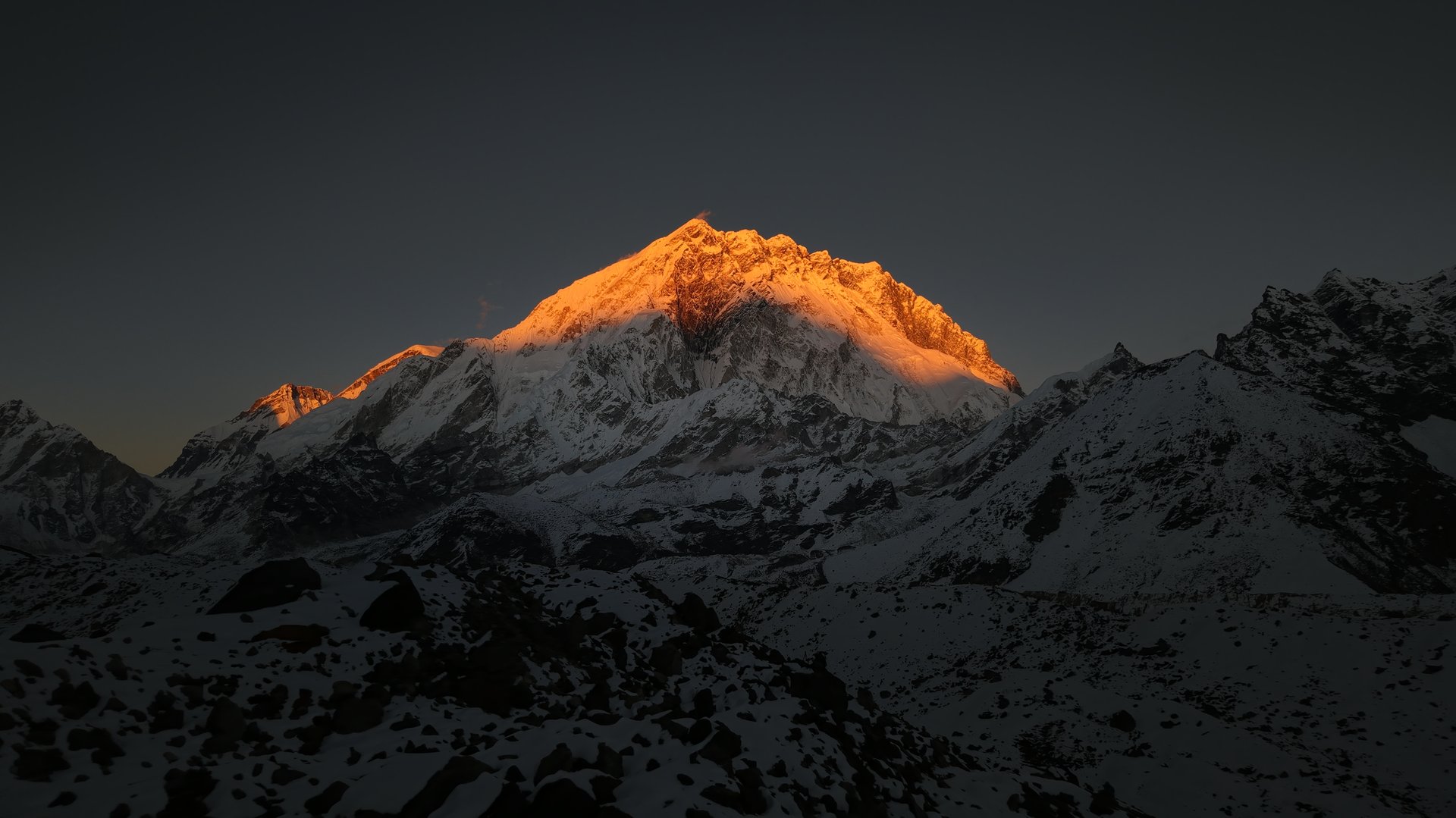
Nuptse Expedition
Nuptse – the Silent Guardian of Everest, where jagged spires meet untamed wilderness.
 7000m
7000m
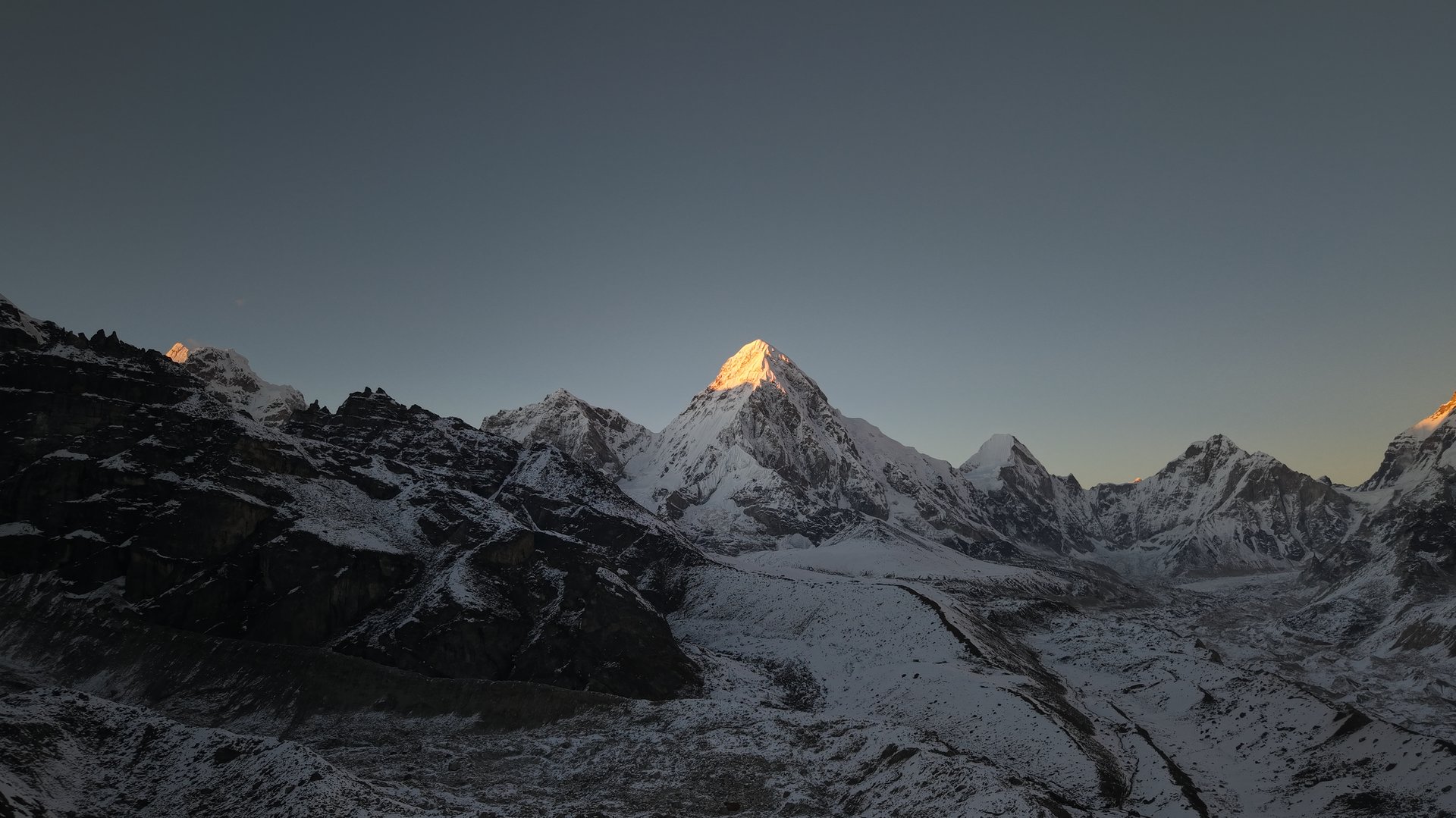
Pumori Expedition
Pumori – Everest's Daughter, where a graceful pyramid keeps quiet watch over the roof of the world.
Tilicho Peak Expedition
Tilicho Peak – Crown of the Great Barrier, standing watch over the world's highest lake in silent, windswept solitude.
Putha Hiunchuli Expedition
 7000m
7000m
Himlung Himal Expedition
Ready to Start Your Adventure?
Contact us to book your expedition or get more information