
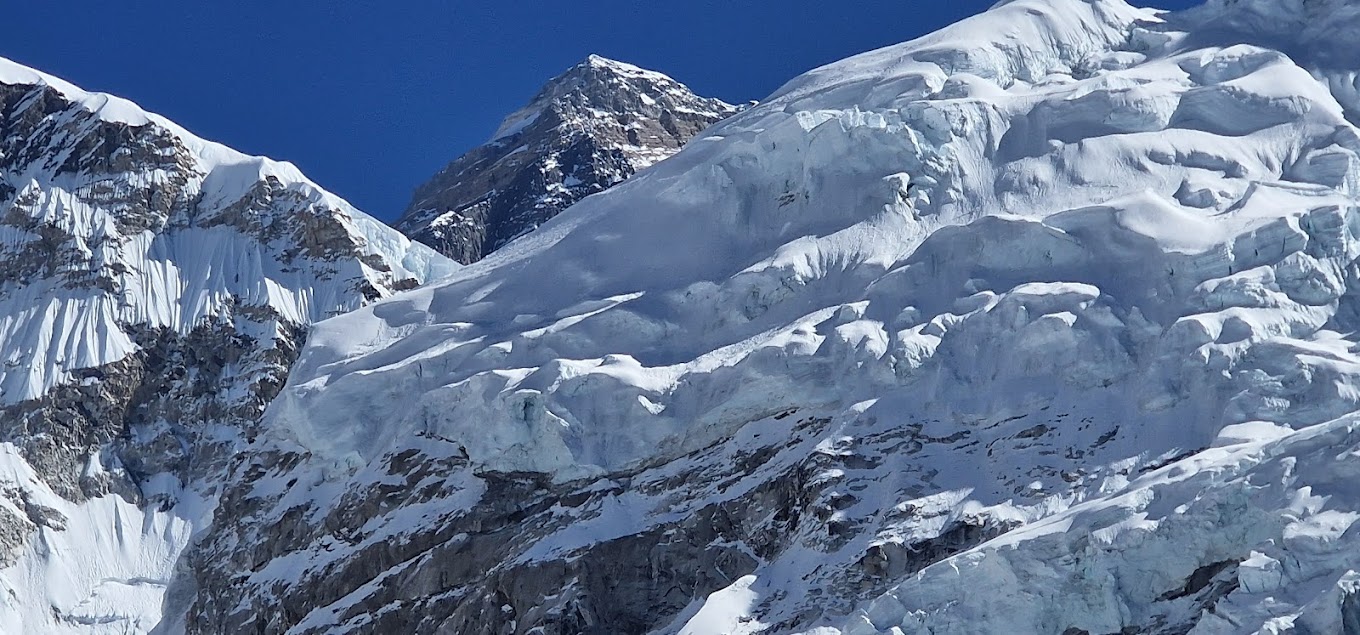
Tilicho Peak Expedition
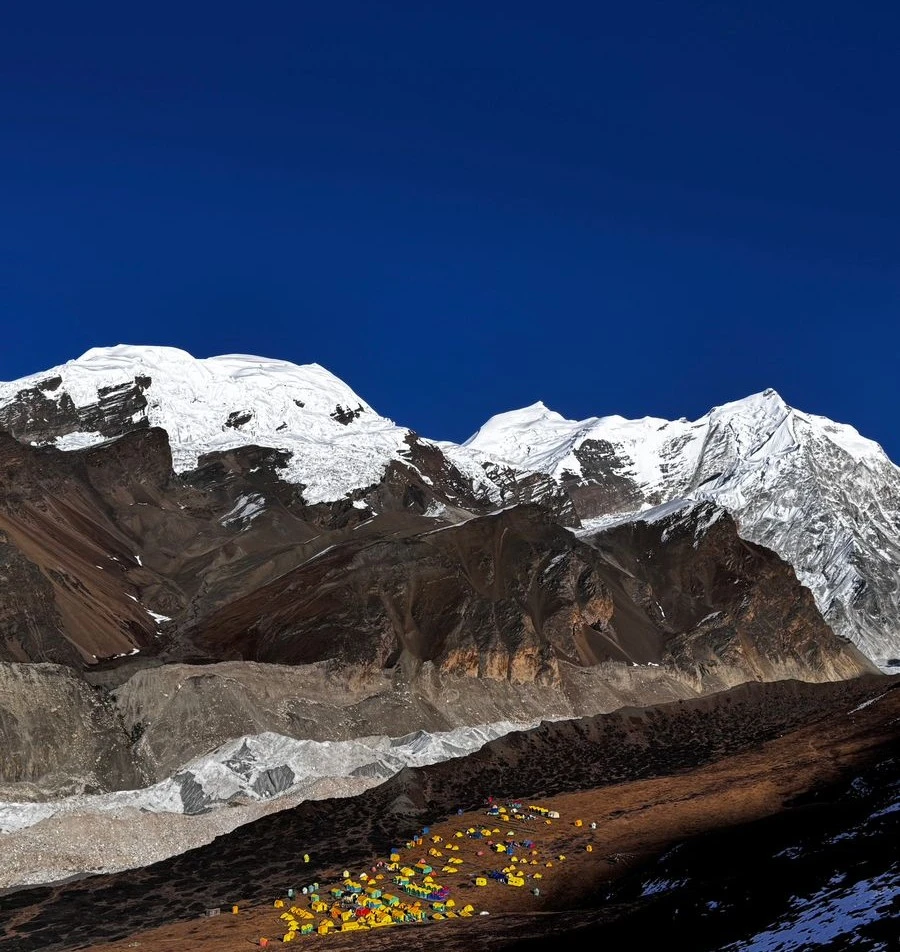
Tilicho Peak – Crown of the Great Barrier, standing watch over the world's highest lake in silent, windswept solitude.
Expedition Overview
What is the Tilicho Peak Expedition?
Tilicho Peak (7,134 m / 23,406 ft) is the highest point of the Great Barrier, the immense wall of rock and ice that links Khangsar Kang (7,458 m) and Nilgiri North (7,061 m) above Manang in the Annapurna region. It rises directly above Tilicho Lake, one of the highest lakes in the world, and was first sighted by Europeans in 1950 by Maurice Herzog's French Annapurna expedition while searching for a route onto Annapurna I. The summit itself was not reached until 1978, when French climber Emanuel Schmutz made the first ascent via the Northwest Shoulder – still the standard route on the mountain today.
Tilicho sits apart from the crowded Khumbu 7,000m peaks, both geographically and in character. The approach follows the classic Annapurna Circuit through Chame, Pisang, and Manang before branching off toward Khangsar and Base Camp, offering a very different trekking experience from the Everest region approaches. The climb itself is technical and sustained, with steep fixed-rope sections and real objective hazard near the summit.
AltiPro Adventures runs the Tilicho Peak Expedition, a full-board departure combining the classic Annapurna Circuit approach with a dedicated 1:1 Climbing Sherpa ratio and a personalised support structure throughout.
Why Climb Tilicho Peak?
Tilicho offers a genuinely different Himalayan expedition – a technically demanding 7,000m summit reached through the classic Annapurna Circuit rather than the well-trodden Khumbu approach. For climbers who have completed a Mera Peak Expedition or a Baruntse Expedition and are looking for a fresh objective, Tilicho is a serious and rewarding next step.
The Annapurna Circuit Approach
The trek to Base Camp follows the classic Annapurna Circuit through Chame, Pisang, and Manang – a rich acclimatization corridor of Tibetan-influenced villages, monasteries, and sweeping mountain views entirely distinct from the Everest region.
A Summit Above the World's Highest Lake
Tilicho Peak rises directly above Tilicho Lake, offering climbers a rare combination of alpine lake scenery on the approach and a genuine high-altitude summit push above it.
Technically Engaging Climbing
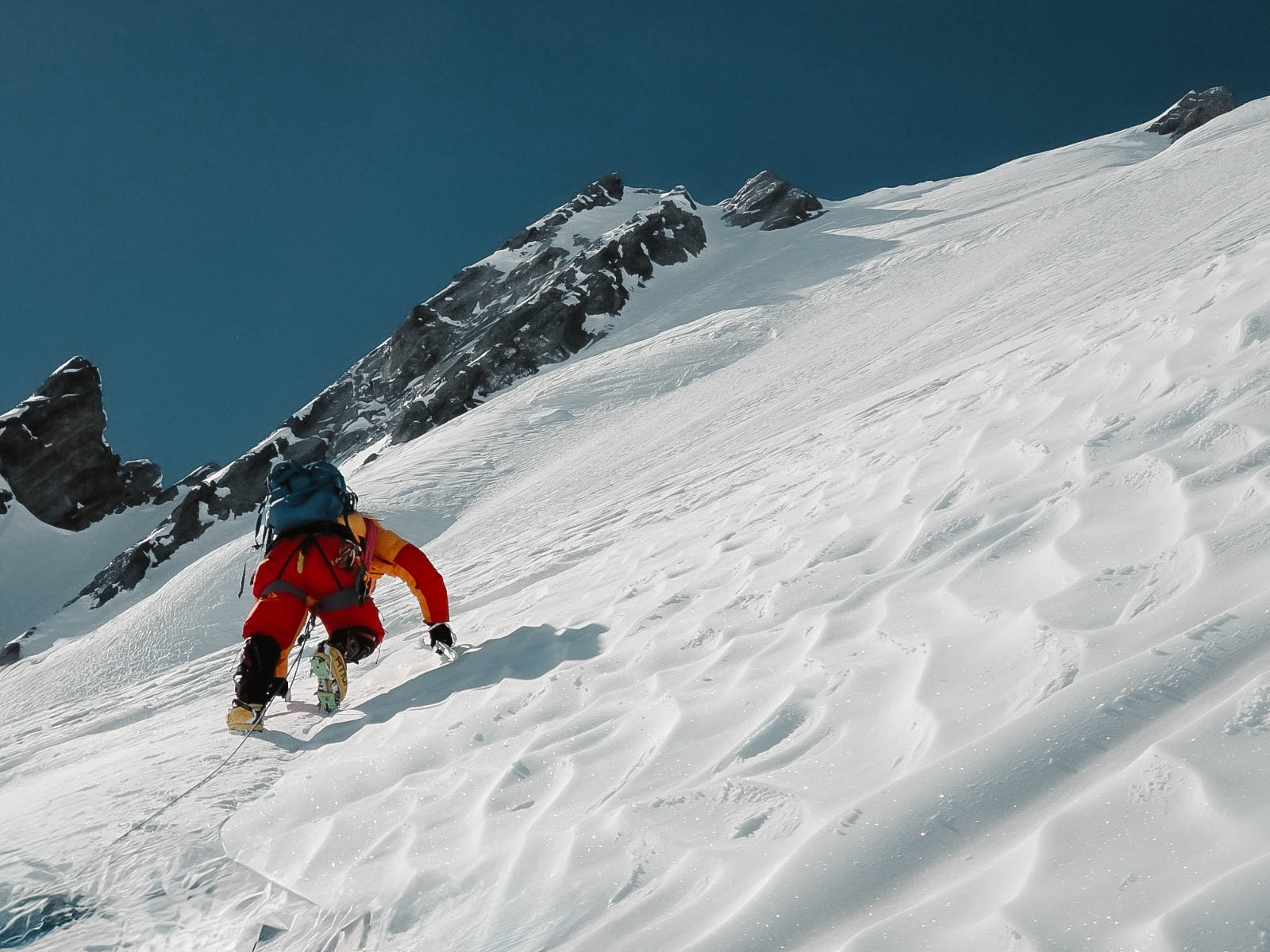
Sustained fixed-rope sections on slopes of 40–60 degrees make Tilicho a genuinely technical objective, rewarding climbers looking to build real steep-snow and ice skills at altitude.
Safety-Forward Climbing Structure
An Expedition Doctor, daily oxygen saturation monitoring, and a Hyperbaric Chamber Bag on standby are maintained at Base Camp throughout the climbing period, with every safety protocol implemented and maintained.
Uncrowded, Little-Climbed Peak
Tilicho sees far fewer expeditions each season than the major Khumbu 7,000m peaks, giving climbers a quieter mountain and a more personal, focused ascent.
Northwest Shoulder Route (7,134 m)
The Northwest Shoulder is the standard and only regularly climbed route on Tilicho Peak, first established by Emanuel Schmutz in 1978. Base Camp sits at around 4,150 m below the peak, reached via Khangsar – the last village before Jomsom on the Annapurna Circuit. From Base Camp, the route climbs steadily onto the shoulder itself, with increasingly steep fixed-rope sections leading to Camp II and a final, sustained push to the summit.
Base Camp to Camp I – Northwest Shoulder (4,150 m → approx. 5,700 m)
A steady climb onto the lower Northwest Shoulder, gaining altitude on moderate snow slopes above Base Camp. This section establishes the acclimatization foundation for the technical climbing ahead.
Camp I to Camp II – Fixed Rope Section (approx. 5,700 m → 6,300 m)
The route steepens to around 40 degrees, with fixed ropes placed throughout by the climbing Sherpa team to manage the exposed snow and ice terrain on the way to Camp II.
Camp II to the Upper Slopes (6,300 m → approx. 6,900 m)
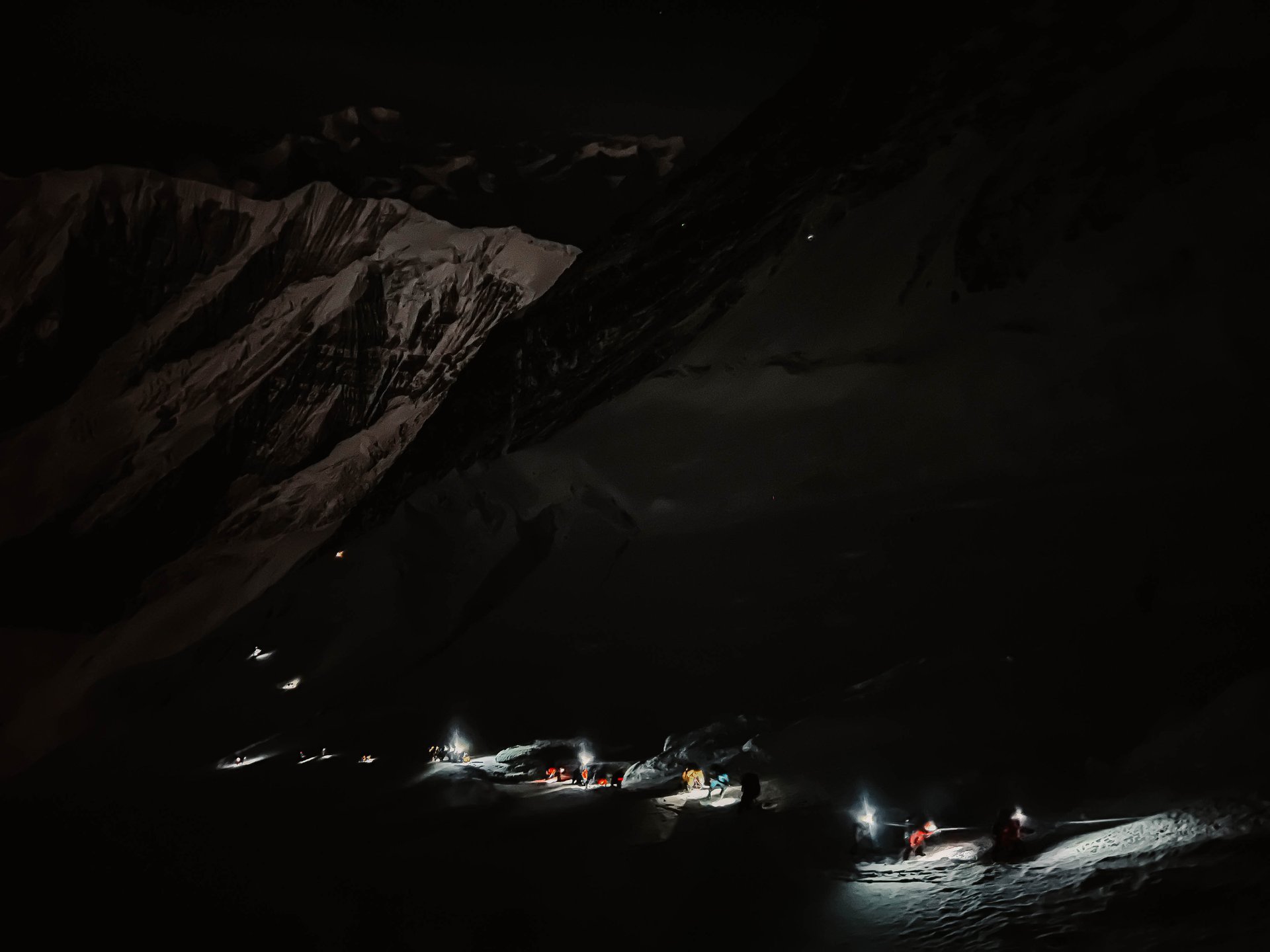
The climbing becomes sustained and technical, with slopes steepening to around 60 degrees. Snow conditions are monitored closely here, as this section carries the mountain's main avalanche risk.
Summit Push – Upper Slopes to Tilicho Peak (approx. 6,900 m → 7,134 m)
A final exposed ridge, narrow in places, leads to the summit of Tilicho Peak, with sweeping views across the Annapurna range and down to Tilicho Lake far below. The descent retraces the same fixed lines back to Camp II and Base Camp.
Acclimatization Rotations
The Annapurna Circuit approach through Chame, Pisang, and Manang builds altitude exposure gradually before any technical climbing begins, with rest days in Manang providing the foundation ahead of the push to Base Camp.
1st Rotation – up to 5,700 m
Base Camp → Camp I → Base Camp. Climb the lower slopes of the Northwest Shoulder to establish Camp I, then descend to Base Camp to recover before advancing onto the steeper, fixed-rope terrain above.
2nd Rotation – up to 6,300 m+
Camp I → Camp II → Base Camp. Advance up the fixed-rope section to establish Camp II, gaining exposure to the mountain's technical upper terrain before returning to Base Camp for full recovery ahead of the summit push.
How Difficult is the Tilicho Peak Expedition?
Tilicho is graded difficult and technically demanding for a 7,000m peak, with sustained fixed-rope climbing on slopes reaching 60 degrees and real avalanche exposure on the upper mountain. Strong snow and ice climbing technique, solid fitness, and a careful approach to changing snow conditions are essential. AltiPro recommends prior high-altitude climbing experience, ideally including a Baruntse Expedition or similar technical peak, before accepting any application.
Best Season for the Tilicho Peak Expedition
Spring (April–May) and Autumn (October–November) both offer stable climbing windows on Tilicho Peak, mirroring the fair-weather patterns seen elsewhere in Nepal. AltiPro selects departure dates around the most settled weather in either season, with the Annapurna region's rain-shadow position around Manang helping preserve consistent snow conditions.
Spring (April–May): A prime window, with April covering the Annapurna Circuit approach and early acclimatization, and May offering stable conditions for the technical climbing above Camp I.
Autumn (October–November): An equally well-established window, with clear post-monsoon skies and generally consistent snow conditions on the Northwest Shoulder.
Tilicho Peak Expedition Cost
Full-board package – all permits, 1:1 Sherpas, and Expedition Doctor included.
The AltiPro Tilicho Peak Expedition covers 4-star Kathmandu accommodation, all ground transport along the Annapurna Circuit, the full permit package (Climbing Royalty, Annapurna Conservation Area Project permit, liaison officer fees), a 1:1 Climbing Sherpa ratio, an on-site Expedition Doctor, and complete high-camp infrastructure. International flights, personal gear, and summit bonuses are not included. Contact us to discuss availability and pricing.
Tilicho Peak Expedition – FAQs
Common questions about the Tilicho Peak Expedition with AltiPro Adventures.
How long is the Tilicho Peak Expedition?
The AltiPro Tilicho Peak Expedition runs approximately 20–24 days, including the Annapurna Circuit approach, acclimatization rotations, the summit push, and return to Kathmandu.
What experience is required?
AltiPro recommends prior high-altitude mountaineering experience on a technical 6,000–7,000 m peak, such as a Baruntse Expedition, before accepting any application. Contact us to discuss your background.
What permits are included?
The package covers the Climbing Royalty (Nepal government summit permit), the Annapurna Conservation Area Project (ACAP) permit, and all liaison officer arrangements.
Does the trek pass Tilicho Lake?
Yes. The approach to Base Camp passes close to Tilicho Lake, one of the highest lakes in the world, before continuing on to the climbing route on the Northwest Shoulder.
What is the Climbing Sherpa ratio?
AltiPro guarantees a 1:1 Climbing Sherpa ratio – one dedicated Sherpa per climber – for the entire expedition from Base Camp through the summit push and descent.
When is the best time to climb Tilicho Peak?
Both Spring (April–May) and Autumn (October–November) offer stable climbing windows, with the rain-shadow position of the Manang valley helping preserve consistent snow conditions in either season.
What is not included in the package?
International flights, personal climbing gear, travel insurance, personal expenses, and Sherpa summit bonuses are not included. A full equipment list is provided upon booking confirmation.
Detailed Itinerary
Click on each day to view details
| Day | Program | Meals | Accom. | |||||||||||||||||||||||||||||||||||||||||||||||||||||||||||||||||||||||||||||||||||||||||||||||||||||||||||||||||||||||||||||||||||||||||||||||||||||||||||||||||||||||||||||||||||||||||||||||||||||||||||||||||||||||||||||||||||||||||||||||||||||||||||||||||||||||||||||||||||||||||||||||||||||||||||||
|---|---|---|---|---|---|---|---|---|---|---|---|---|---|---|---|---|---|---|---|---|---|---|---|---|---|---|---|---|---|---|---|---|---|---|---|---|---|---|---|---|---|---|---|---|---|---|---|---|---|---|---|---|---|---|---|---|---|---|---|---|---|---|---|---|---|---|---|---|---|---|---|---|---|---|---|---|---|---|---|---|---|---|---|---|---|---|---|---|---|---|---|---|---|---|---|---|---|---|---|---|---|---|---|---|---|---|---|---|---|---|---|---|---|---|---|---|---|---|---|---|---|---|---|---|---|---|---|---|---|---|---|---|---|---|---|---|---|---|---|---|---|---|---|---|---|---|---|---|---|---|---|---|---|---|---|---|---|---|---|---|---|---|---|---|---|---|---|---|---|---|---|---|---|---|---|---|---|---|---|---|---|---|---|---|---|---|---|---|---|---|---|---|---|---|---|---|---|---|---|---|---|---|---|---|---|---|---|---|---|---|---|---|---|---|---|---|---|---|---|---|---|---|---|---|---|---|---|---|---|---|---|---|---|---|---|---|---|---|---|---|---|---|---|---|---|---|---|---|---|---|---|---|---|---|---|---|---|---|---|---|---|---|---|---|---|---|---|---|---|---|---|---|---|---|---|---|---|---|---|---|---|---|---|---|---|---|---|---|---|---|---|---|---|---|---|---|---|---|---|---|---|---|---|---|
| 1 | Arrival in Kathmandu (1,350m) | Breakfast | Hotel | |||||||||||||||||||||||||||||||||||||||||||||||||||||||||||||||||||||||||||||||||||||||||||||||||||||||||||||||||||||||||||||||||||||||||||||||||||||||||||||||||||||||||||||||||||||||||||||||||||||||||||||||||||||||||||||||||||||||||||||||||||||||||||||||||||||||||||||||||||||||||||||||||||||||||||||
|
Transfer to hotel.
2 – 3
|
Kathmandu — Briefing & Permits |
Breakfast |
Hotel |
|
|
Expedition briefing, gear check, permit collection and last-minute shopping.
4
|
Drive to Besisahar (823m) |
Breakfast / Lunch / Dinner |
Lodge |
|
|
Drive from Kathmandu to Besisahar, approximately 4–5 hours by private vehicle.
5
|
Drive to Chame (2,710m) |
Breakfast / Lunch / Dinner |
Lodge |
|
|
Drive from Besisahar to Chame through the Marshyangdi valley, 7–8 hours.
6
|
Trek to Pisang (3,200m) |
Breakfast / Lunch / Dinner |
Lodge |
|
|
Trek from Chame to Pisang, following the Annapurna Circuit trail.
7
|
Trek to Manang (3,540m) |
Breakfast / Lunch / Dinner |
Lodge |
|
|
Trek from Pisang to Manang via the scenic upper trail with Annapurna views.
8
|
Acclimatization Day at Manang (3,540m) |
Breakfast / Lunch / Dinner |
Lodge |
|
|
Rest and acclimatization day with a short hike to Gangapurna viewpoint.
9
|
Trek to Khangsar (3,734m) |
Breakfast / Lunch / Dinner |
Lodge |
|
|
Trek from Manang to Khangsar, the last permanent village before the peak.
10
|
Trek to Tilicho Base Camp (4,150m) |
Breakfast / Lunch / Dinner |
Lodge |
|
|
Trek from Khangsar to Tilicho Base Camp.
11
|
Acclimatization Day — Tilicho Lake (4,919m) |
Breakfast / Lunch / Dinner |
Lodge |
|
|
Day hike to Tilicho Lake, the highest lake in the world.
12
|
Move to Advance Base Camp (4,910m) |
Breakfast / Lunch / Dinner |
Tent |
|
|
Move to Advance Base Camp at the northwest end of Tilicho Lake. Puja ceremony.
13
|
Acclimatization & Technical Training |
Breakfast / Lunch / Dinner |
Tent |
|
|
Crampon technique, ice axe use, and rope management training on the glacier.
14 – 15
|
1st Rotation — ABC to Camp I (5,800m) |
Breakfast / Lunch / Dinner |
Tent |
|
|
First rotation: trek from Advance Base Camp to Camp I for an overnight stay, then descend to Advance Base Camp.
16
|
Rest & Recovery at Advance Base Camp |
Breakfast / Lunch / Dinner |
Tent |
|
|
Rest and recovery day with a doctor check and O2 saturation review.
17
|
Rest Day at Advance Base Camp |
Breakfast / Lunch / Dinner |
Tent |
|
|
Rest day with weather monitoring and final gear checks.
18 – 19
|
2nd Rotation — Camp I to Camp II (6,200m) |
Breakfast / Lunch / Dinner |
Tent |
|
|
Second rotation: climb from Camp I to Camp II for an overnight stay, then return to Advance Base Camp.
20 – 22
|
Rest Days at Advance Base Camp — Weather Window Monitoring |
Breakfast / Lunch / Dinner |
Tent |
|
|
Rest days at Advance Base Camp (4,910m) as a 48-hour weather window is confirmed.
23
|
Summit Bid — ABC to Camp I (5,800m) |
Breakfast / Lunch / Dinner |
Tent |
|
|
Begin the summit push by climbing from Advance Base Camp to Camp I.
24
|
Summit Bid — Camp I to Camp II (6,200m) |
Breakfast / Lunch / Dinner |
Tent |
|
|
Climb from Camp I to Camp II to rest and prepare.
25
|
Summit Bid — Camp II to Camp III (6,600m) |
Breakfast / Lunch / Dinner |
Tent |
|
|
Climb from Camp II to Camp III, the final camp before the summit.
26
|
Summit Day — Tilicho Peak (7,134m) |
Breakfast / Lunch / Dinner |
Tent |
|
|
Pre-dawn start for the summit push. Descend to Camp I or Advance Base Camp.
27
|
Descend to Advance Base Camp |
Breakfast / Lunch / Dinner |
Tent |
|
|
Descend to Advance Base Camp for a post-summit celebration with the Sherpa team.
28
|
Base Camp Cleanup & Departure Preparation |
Breakfast / Lunch / Dinner |
Tent |
|
|
Base Camp cleanup and preparation for departure.
29
|
Trek to Manang (3,540m) |
Breakfast / Lunch / Dinner |
Lodge |
|
|
Trek from Base Camp to Manang via Khangsar, 5–6 hours.
30
|
Trek to Pisang (3,200m) |
Breakfast / Lunch / Dinner |
Lodge |
|
|
Trek from Manang to Pisang, 4–5 hours.
31
|
Trek to Chame (2,710m) |
Breakfast / Lunch / Dinner |
Lodge |
|
|
Trek from Pisang to Chame, 5–6 hours.
32
|
Drive to Besisahar (823m) |
Breakfast / Lunch / Dinner |
Lodge |
|
|
Drive from Chame to Besisahar, 6–7 hours.
33
|
Drive to Kathmandu (1,350m) |
Breakfast / Lunch / Dinner |
Hotel |
|
|
Drive from Besisahar to Kathmandu, 5–6 hours.
34
|
Celebration Day |
Breakfast / Lunch / Dinner |
Hotel |
|
|
Summit certificates presented, followed by a farewell dinner.
35 – 36
|
Buffer Days — Weather & Logistics Reserve |
Breakfast / Lunch / Dinner |
Hotel |
|
|
Buffer days held for weather delays or a second summit window.
37
|
Final Departure from Kathmandu |
Breakfast |
|
|
|
Transfer to Kathmandu Tribhuvan International Airport for onward international flights.
| ||||||||||||||||||||||||||||||||||||||||||||||||||||||||||||||||||||||||||||||||||||||||||||||||||||||||||||||||||||||||||||
Services
Includes
Excludes
Gear Lists & Useful Information
Been on this expedition?
Your feedback helps other travelers plan their adventure of a lifetime. Share your experience with us!
Annapurna IV Expedition
Annapurna IV – The Quiet Fourth, a technical wall of ice and ridgeline standing watch in the shadow of giants.
Baruntse Expedition
Baruntse – Sentinel Between Giants, where ice ridges and hidden glaciers guard the silence between Everest and Makalu.
 7000m
7000m
Nuptse Expedition
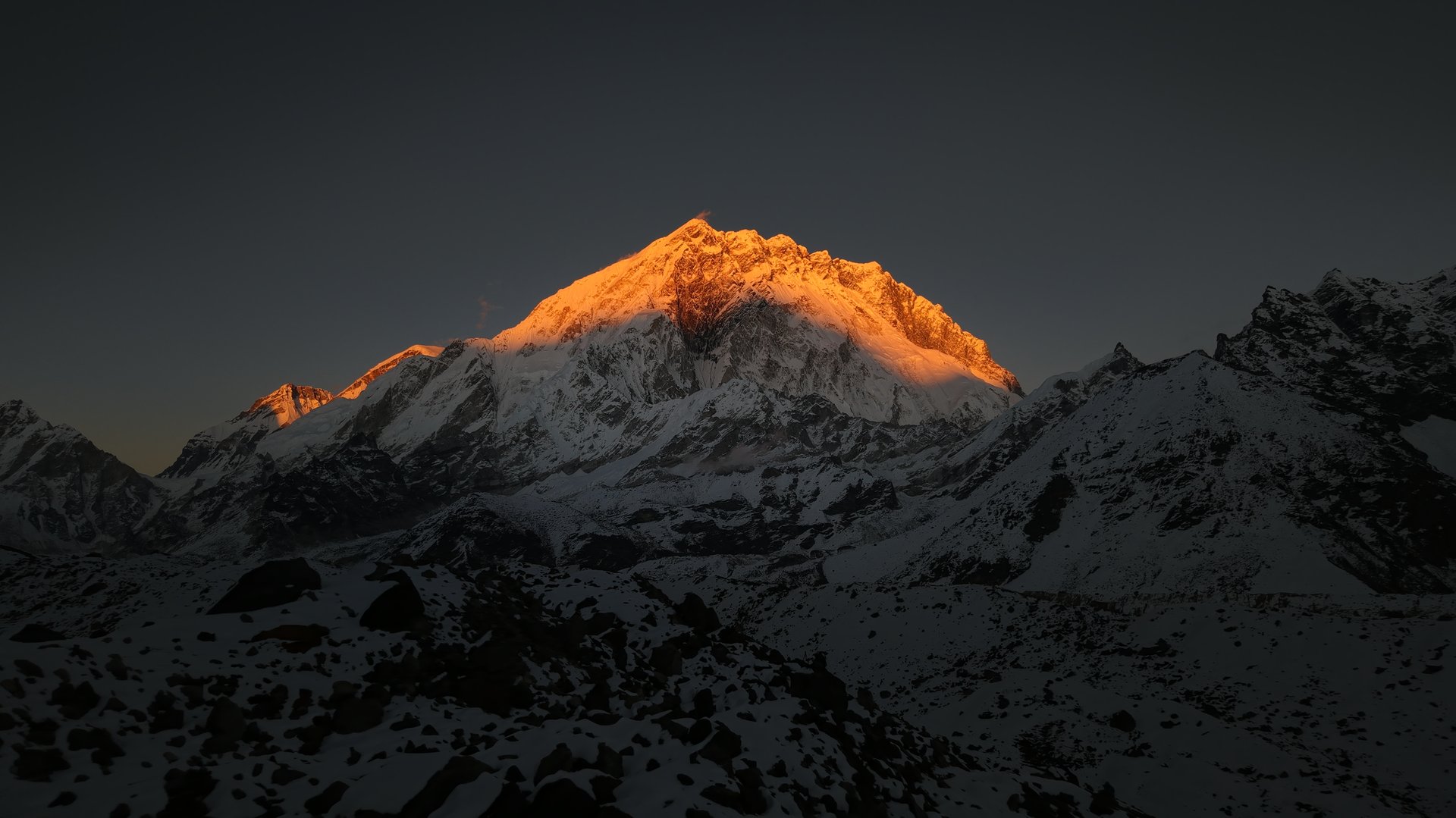
Nuptse – the Silent Guardian of Everest, where jagged spires meet untamed wilderness.
 7000m
7000m
Pumori Expedition
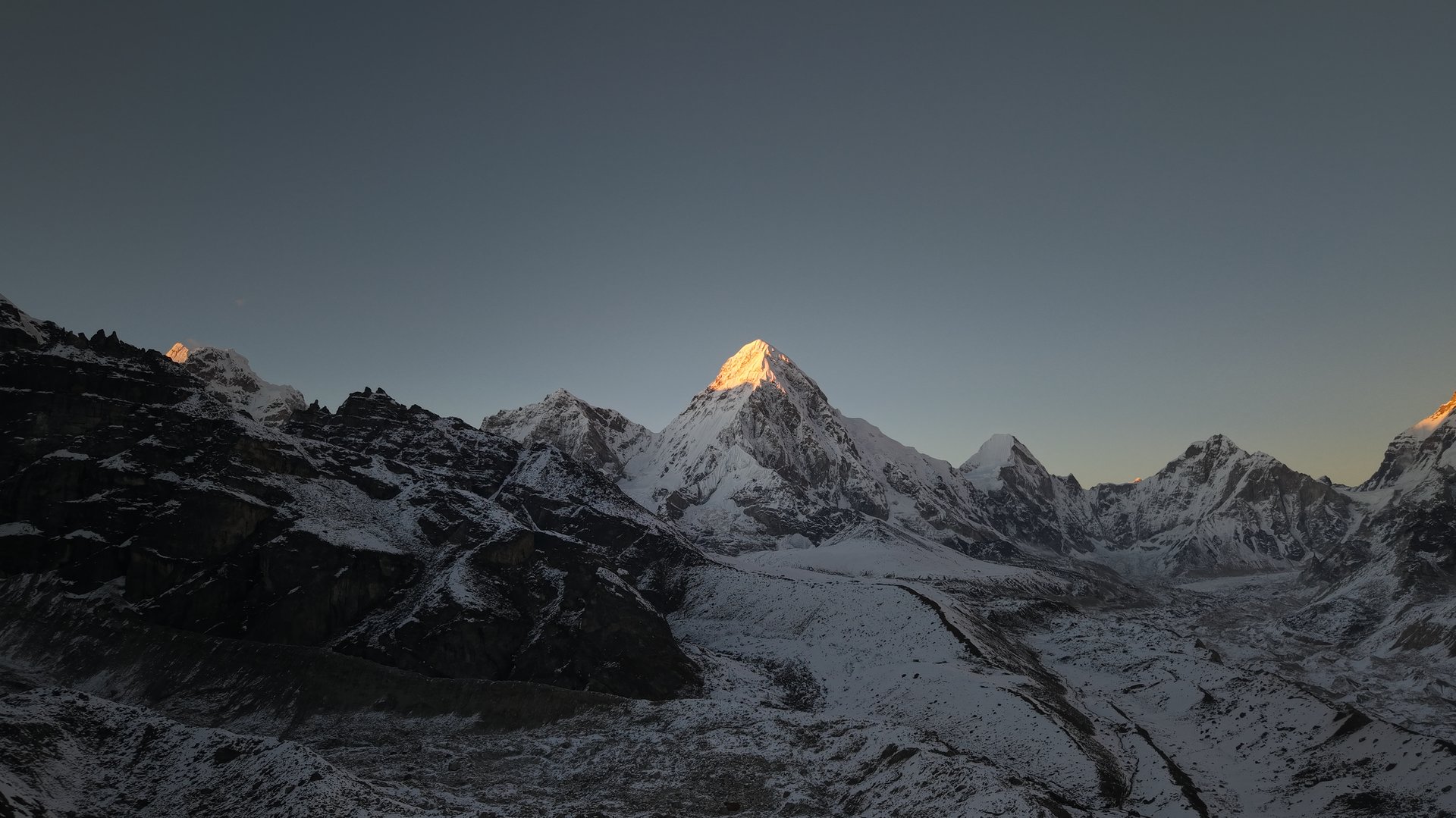
Pumori – Everest's Daughter, where a graceful pyramid keeps quiet watch over the roof of the world.
Putha Hiunchuli Expedition
 7000m
7000m
Himlung Himal Expedition
Ready to Start Your Adventure?
Contact us to book your expedition or get more information