
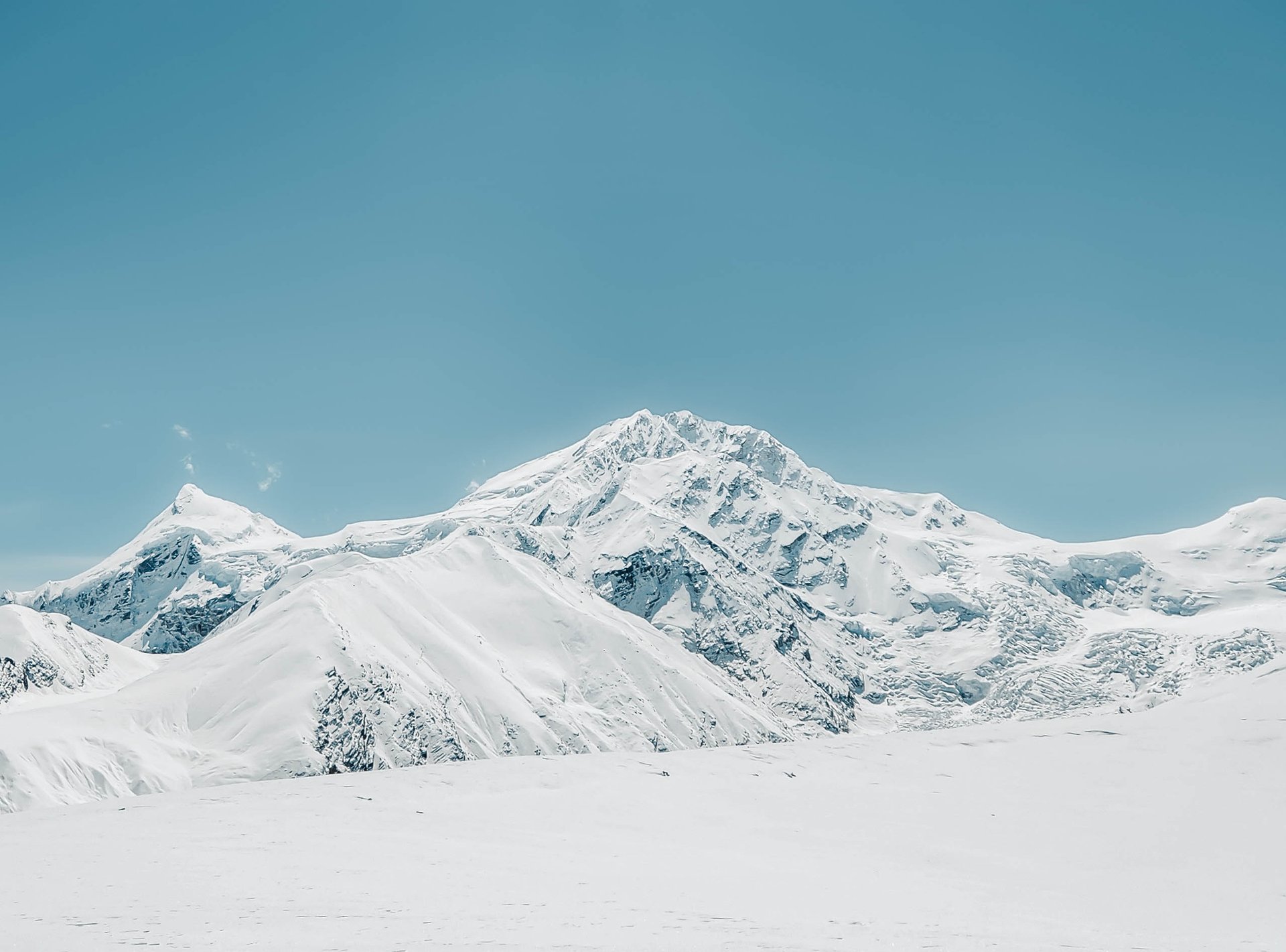
Shisha Pangma Expedition
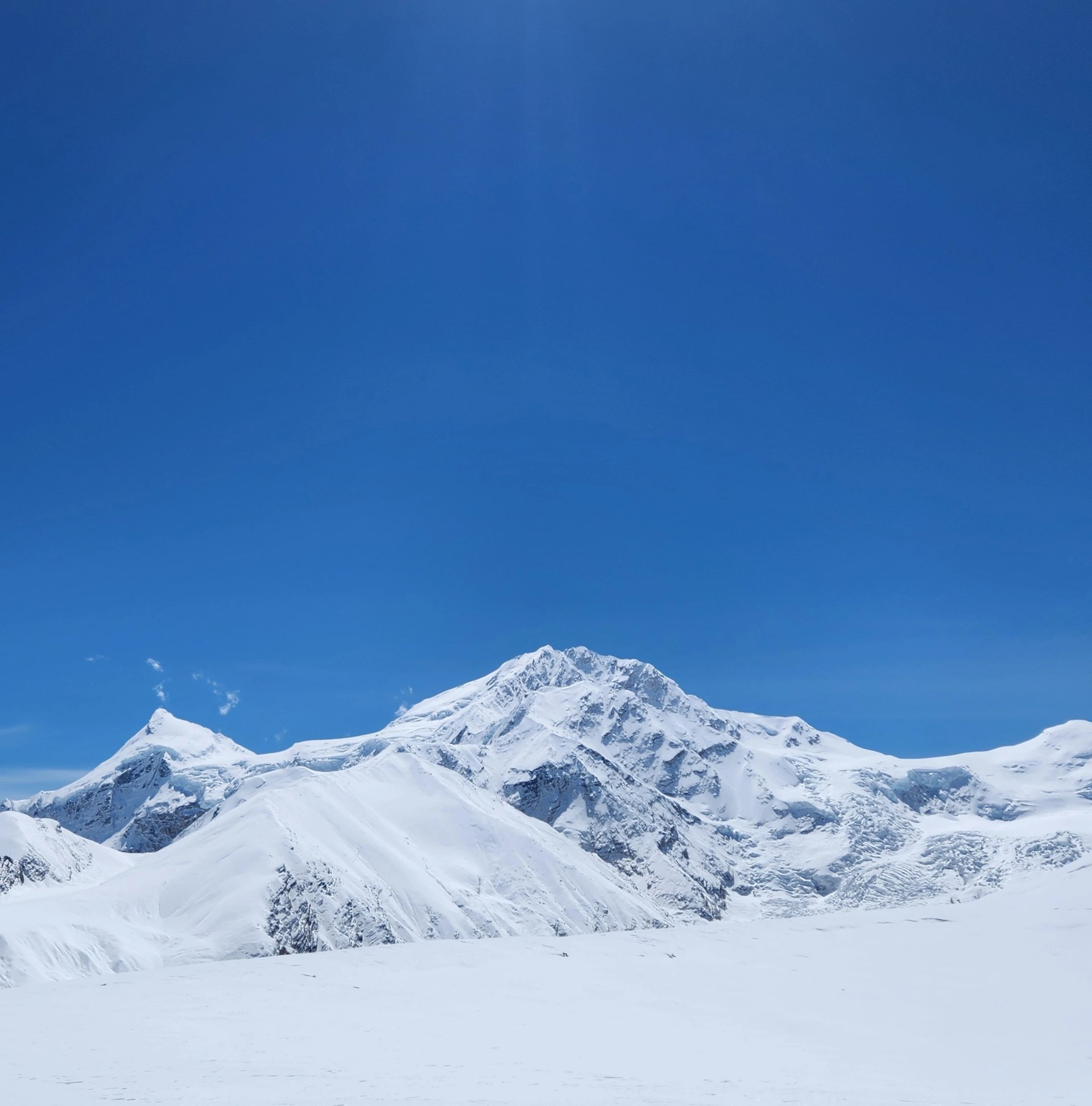
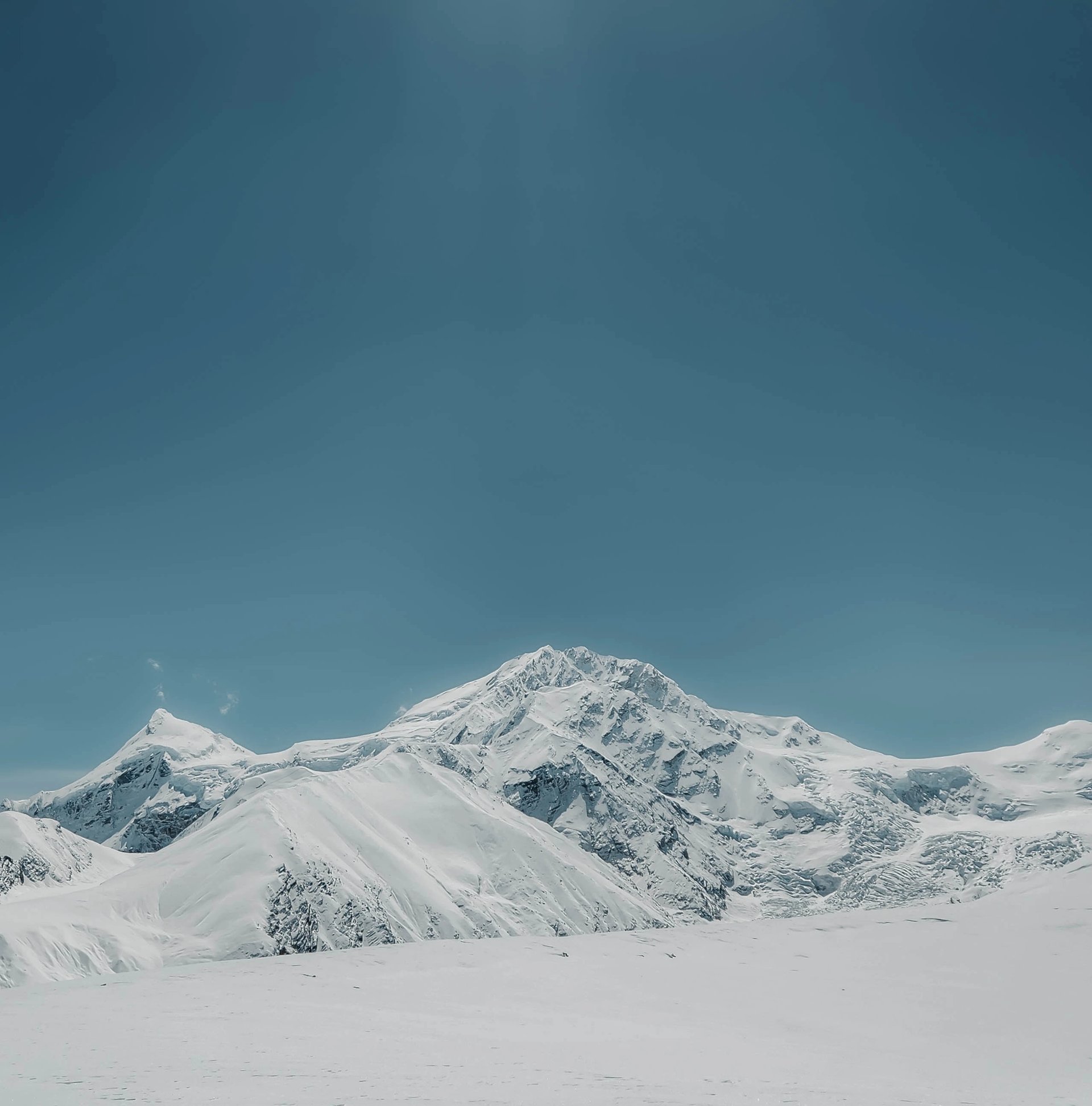
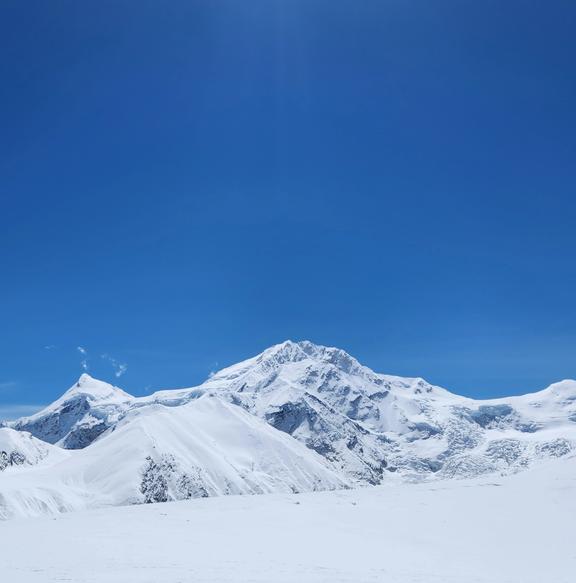
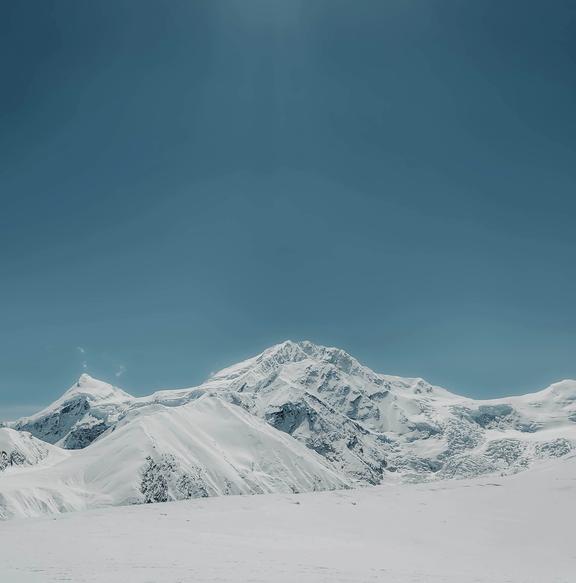
Shisha Pangma — the serene giant of Tibet, a hidden Himalayan treasure.
Expedition Overview
What is the Shisha Pangma Expedition?
Shisha Pangma is at elevation 8,021 metres and is the fourteenth, and lowest, of all fourteen eight-thousanders. Lying in the Langtang Himal on the Tibetan Plateau south of Nyalam, it is the only 8,000m peak located entirely within Tibet. First climbed on 2 May 1964 by a Chinese expedition led by Xie Zhongjun, Shisha Pangma remained closed to foreign climbers until 1980. It is now accessible via permits issued by the Tibet Mountaineering Association through Kathmandu and the Kerung border crossing.
The Shisha Pangma Expedition led by AltiPro targets the Central Summit at 8,008m via the Southwest Face Route, the most commonly climbed line on the mountain. The approach from Kathmandu travels through the Kerung border crossing to Nyalam and onwards to Base Camp at approximately 5,000m. The team establishes Advanced Base Camp at 5,600m before setting up camps at 6,400m and 7,000m for the final summit push. Maximum 8 climbers, supplemental oxygen available from Camp 2, and a Base Camp Doctor throughout the expedition.
While Shisha Pangma has the lowest technical grade among the 8,000m peaks, the remoteness of the Tibetan Plateau adds a distinct logistical challenge. Sudden weather changes, cold temperatures, and the effects of high altitude above 8,000m demand serious preparation. AltiPro recommends prior experience above 7,000m for all applicants.
About Shisha Pangma - The Only 8,000m Peak Entirely in Tibet
Shisha Pangma is one of the fourteen 8,000m peaks that is completely situated in Tibet. The name translates roughly as "range above the grassy plain" in Tibetan, a reference to the vast plateau that stretches north of its Base Camp. The mountain has two main summits: the true Main Summit at 8,027m and the Central Summit at 8,008m, which is the objective of most expeditions - the final ridge to the true Main Summit involves exposed and technical mixed climbing.
From Kathmandu, the approach via the Kerung border crossing passes through a completely different landscape to Nepal's trekking valleys. The vast open terrain, rugged ridges, and clear high-altitude skies of the Tibetan Plateau make for a remote and distinctive expedition atmosphere unlike any Nepal-based 8,000m peak.
Why Choose AltiPro Adventures for Shisha Pangma?
Tibet Logistics and TMA Permits
AltiPro arranges all Tibet Mountaineering Association permits, Chinese visa processing, border liaison, and ground logistics from Kathmandu to Base Camp. Tibet-side expedition management is complex and requires experienced coordination.
Supplemental Oxygen from Camp 2
Supplemental oxygen is available from Camp 2 at 7,000m for all climbers. Three cylinders per climber with dedicated carrier support and reserve stockpiles maintained at Camp 2 throughout the summit window.
Combined Shisha Pangma and Cho-oyu Option
For experienced climbers with the ambition to attempt both in a single season, AltiPro offers the possibility of combining Shisha Pangma with Cho-oyu - two accessible 8,000m peaks in Tibet that share similar permit logistics.
The Tibetan Plateau Approach
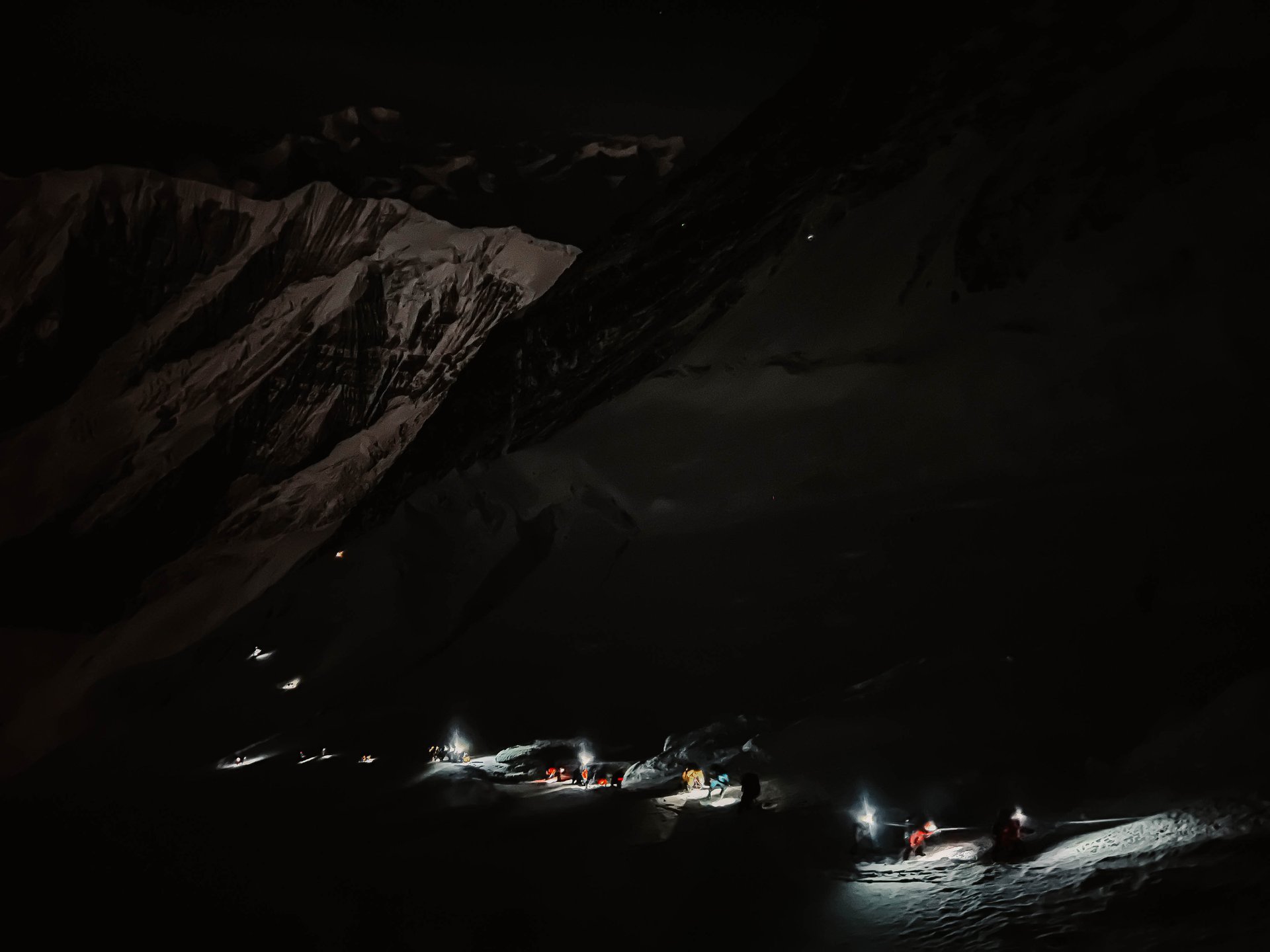
The route from Kerung passes through the open Tibetan Plateau with Shisha Pangma's southwest face rising dramatically above - a remote and powerful landscape unlike any Himalayan approach on the Nepal side.
Medical Doctor at Base Camp
A doctor trained in high altitude medicine is resident at Base Camp throughout the season, along with a Gamow Bag, pulse oximetry, and satellite emergency communication.
Small Team Protocol
Eight climbers maximum with a one-to-one support ratio, ensuring each team member receives close personal attention and quick response capability in the demanding Tibetan Plateau environment.
The Southwest Face Route (8,021 m)
The Southwest Face is the standard and most popular route on Shisha Pangma. The approach from Kathmandu crosses the Kerung border into Tibet and drives via Nyalam to Base Camp at 5,000m - a remote and striking journey across the Tibetan Plateau.
Kathmandu to Base Camp (1,400m to 5,000m)
Drive to the Kerung border crossing into Tibet, then continue via Nyalam to Base Camp at 5,000m. The approach through the Tibetan Plateau is by road - a dramatic entry to a remote expedition environment.
Base Camp to Advanced Base Camp (5,000m to 5,600m)
The route to ABC crosses glaciated terrain below the Southwest Face. Multiple acclimatisation rotations between BC and ABC are completed before higher camps are established.
Advanced Base Camp to Camp 1 (5,600m to 6,400m)
A straightforward glacier and snow route climbs the lower Southwest Face to Camp 1 at 6,400m, with fixed ropes installed on the steeper sections by the lead team.
Camp 1 to Camp 2 (6,400m to 7,000m)
The upper Southwest Face steepens toward Camp 2 at 7,000m. Wind exposure increases significantly above 6,800m. Supplemental oxygen begins at Camp 2 for the summit push.
Camp 2 to Central Summit (7,000m to 8,008m)
The final section traverses the upper Southwest Face to gain the ridge leading to the Central Summit at 8,008m - the standard expedition objective. The true Main Summit at 8,027m requires an additional exposed mixed section along the narrow summit ridge.
How Difficult is the Shisha Pangma Expedition?
Shisha Pangma is rated Challenging to Difficult. It is technically the most approachable of all 8,000m peaks on the standard route to the Central Summit, but the remoteness of the Tibetan Plateau, cold temperatures, and sustained altitude above 8,000m make it a serious expedition. AltiPro recommends prior high-altitude experience above 7,000m for all applicants.
Best Season for the Shisha Pangma Expedition
Spring (April–May): The primary climbing season, with stable weather windows developing from mid-April. May is the optimal month, matching the pre-monsoon stability period that defines the best summit conditions on the Tibetan side.
Autumn (September–October): A secondary season offering post-monsoon settled periods, but summit windows are shorter and colder than spring. AltiPro's primary season is spring.
Shisha Pangma Expedition Cost
Full-service Shisha Pangma expedition - TMA permits, Tibet logistics, oxygen, and medical support included.
Includes all Tibet Mountaineering Association permits, Chinese group visa processing, liaison officer fees, Kerung border logistics, high camp equipment, supplemental oxygen from Camp 2 for all climbers, fixed rope service, and a Base Camp Doctor. International flights and personal climbing equipment are not included. Contact AltiPro for a complete cost breakdown.
Shisha Pangma Expedition - Frequently Asked Questions
Common questions about climbing Shisha Pangma with AltiPro Adventures.
Is Shisha Pangma the easiest 8,000m peak?
Technically the Central Summit via the Southwest Face is rated among the most accessible of the 8,000m peaks, but this is relative. The altitude above 8,000m, the remoteness of the Tibetan Plateau, and the effects of prolonged time at altitude make it a serious and demanding expedition. Prior experience above 7,000m is strongly recommended.
Is Shisha Pangma in Nepal or China?
Shisha Pangma is the only one of the fourteen 8,000m peaks located entirely within Tibet. Access requires Tibet Mountaineering Association permits and entry through the Kerung border crossing from Nepal. China-side logistics are managed by AltiPro from Kathmandu.
What permit is required for Shisha Pangma?
A Tibet Mountaineering Association climbing permit plus Chinese group visa and liaison officer fees. AltiPro manages all permit applications on behalf of the team.
Is supplemental oxygen included?
Yes, available from Camp 2 at 7,000m. Three cylinders per climber with dedicated carrier support and reserve stockpiles maintained at Camp 2 throughout the summit period.
When does AltiPro operate the Shisha Pangma expedition?
AltiPro targets the spring season with the team in the field from late March through late May, with summit attempts planned for the optimal May weather window.
How long is the expedition?
36 to 40 days from Kathmandu departure to return, including all acclimatisation rotations and the summit attempt.
Can Shisha Pangma be combined with Cho-oyu?
Yes. AltiPro offers the possibility of a combined expedition to both Shisha Pangma and Cho-oyu, which share similar Tibet permit logistics and lie in the same general region.
Is there a doctor at Base Camp?
Yes. An expedition physician with high altitude medicine training is resident at Base Camp throughout the season, with Gamow Bag, pulse oximetry, and satellite emergency communication.
Detailed Itinerary
Click on each day to view details
| Day | Program | Meals | Accom. | |||||||||||||||||||||||||||||||||||||||||||||||||||||||||||||||||||||||||||||||||||||||||||||||||||||||||||||||||||||||||||||||||||||||||||||||||||||||||||||||||||||||||||||||||||||||||||||||
|---|---|---|---|---|---|---|---|---|---|---|---|---|---|---|---|---|---|---|---|---|---|---|---|---|---|---|---|---|---|---|---|---|---|---|---|---|---|---|---|---|---|---|---|---|---|---|---|---|---|---|---|---|---|---|---|---|---|---|---|---|---|---|---|---|---|---|---|---|---|---|---|---|---|---|---|---|---|---|---|---|---|---|---|---|---|---|---|---|---|---|---|---|---|---|---|---|---|---|---|---|---|---|---|---|---|---|---|---|---|---|---|---|---|---|---|---|---|---|---|---|---|---|---|---|---|---|---|---|---|---|---|---|---|---|---|---|---|---|---|---|---|---|---|---|---|---|---|---|---|---|---|---|---|---|---|---|---|---|---|---|---|---|---|---|---|---|---|---|---|---|---|---|---|---|---|---|---|---|---|---|---|---|---|---|---|---|---|---|---|---|---|---|---|---|
| 1 | Arrival in Kathmandu (1,350m) — Transfer to 4-star hotel | Dinner | Hotel | |||||||||||||||||||||||||||||||||||||||||||||||||||||||||||||||||||||||||||||||||||||||||||||||||||||||||||||||||||||||||||||||||||||||||||||||||||||||||||||||||||||||||||||||||||||||||||||||
|
Arrive in Kathmandu and transfer from the airport to your 4-star hotel. Attend the Shishapangma Expedition 2027 briefing and welcome dinner with the AltiPro team.
2 – 3
|
Kathmandu — Permit processing, gear check & last-minute shopping |
Breakfast |
Hotel |
|
|
Two days in Kathmandu for Tibet visa processing, Chinese permit documentation, thorough gear check, and any last-minute shopping in Thamel. Rest and acclimatize before the drive north.
4
|
Drive Kathmandu to Kerung / Gyirong (2,850m) via Rasuwagadhi |
B/L/D |
Lodge |
|
|
Drive to the Rasuwagadhi border crossing (1,400m) and complete immigration formalities at the Nepal–Tibet border. Continue to Kerung / Gyirong (2,850m), approximately 7–8 hours total. Overnight in lodge.
5
|
Acclimatization rest day in Kerung (2,850m) |
B/L/D |
Lodge |
|
|
A full rest day in Kerung to allow the body to begin adjusting to the Tibetan Plateau altitude. Short acclimatization hike to surrounding ridges. Gear review and team briefing.
6
|
Drive Kerung to Nyalam (3,750m) |
B/L/D |
Lodge |
|
|
Drive approximately 3 hours to Nyalam (3,750m). Afternoon acclimatization hike on the surrounding slopes. Village exploration and rest.
7
|
Rest and acclimatization at Nyalam (3,750m) |
B/L/D |
Lodge |
|
|
Full rest and acclimatization day at Nyalam. Short hikes to 4,000m+ ridgelines to consolidate the body's adaptation. Gear review with the Sherpa team.
8
|
Drive Nyalam to Tingri (4,300m) via the Friendship Highway |
B/L/D |
Hotel |
|
|
Drive along the famous Friendship Highway to Tingri (4,300m). Views of Everest and the western Himalayan chain on clear days. Overnight at hotel.
9
|
Rest and acclimatization at Tingri (4,300m) |
B/L/D |
Hotel |
|
|
Full rest day at Tingri. Optional hike to surrounding foothills for acclimatization. Monastery visit. Final gear and team check before the drive to Base Camp.
10
|
Drive Tingri to Shishapangma Trailhead / Chinese Driver's Camp (4,900m) |
B/L/D |
Tent |
|
|
Drive to the Chinese Driver's Camp at the Shishapangma Trailhead (4,900m). Unload expedition kit onto yaks for transport to Base Camp. Camp set up for the night.
11
|
Trek Driver's Camp to Shishapangma Base Camp (5,000m) |
B/L/D |
Tent |
|
|
Trek from the Driver's Camp to Shishapangma Base Camp (5,000m). The Base Camp is set up with full expedition infrastructure — kitchen tent, dining tent, sleeping tents, and medical station.
12 – 13
|
Rest and acclimatization at Base Camp (5,000m) |
B/L/D |
Tent |
|
|
Two rest days at Base Camp to fully acclimatize before the first rotation begins. Puja ceremony held on Day 12. Equipment sorted and loads prepared for the mountain.
14 – 18
|
1st Rotation — Base Camp to Advanced Base Camp (5,600m) |
B/L/D |
Tent |
|
|
First acclimatization rotation from Base Camp to Advanced Base Camp (ABC) at 5,600m. Climbers sleep one night at ABC before returning to Base Camp to rest and recover.
19 – 21
|
Rest at Base Camp |
B/L/D |
Tent |
|
|
Rest and recovery days at Base Camp following the first rotation. Medical checks, oxygen saturation monitoring, and preparation for the second rotation.
22 – 28
|
2nd Rotation — Base Camp to Camp I (6,400m) overnight |
B/L/D |
Tent |
|
|
Second acclimatization rotation. Climbers move through ABC to Camp I at approximately 6,400m, sleeping one night at high altitude before descending to Base Camp. Fixed ropes checked and extended by the Sherpa team above Camp I.
29 – 32
|
Rest at Base Camp — Summit weather window monitoring |
B/L/D |
Tent |
|
|
Rest and recovery at Base Camp. Six-hourly summit weather forecasts monitored daily. Team briefed on summit push plan and weather window strategy.
33 – 40
|
Summit push — Base Camp to ABC to Camp I to Camp II to Summit (8,027m) and descent |
B/L/D |
Tent |
|
|
The full summit push window. Climbers move Base Camp to ABC to Camp I (6,400m) to Camp II (7,000m+) to Summit (8,027m / 26,335ft) then full descent to Base Camp. Supplemental oxygen used from Camp I onwards. Summit day round trip from Camp II: approximately 12–16 hours. Exact schedule determined by confirmed weather window.
41 – 42
|
Base Camp breakdown and drive to Nyalam |
B/L/D |
Lodge |
|
|
Pack down Base Camp and load expedition equipment. Drive back to Nyalam for the night. Celebration dinner with the team.
43
|
Drive Nyalam to Kathmandu via Rasuwagadhi border |
B/L/D |
Hotel |
|
|
Long drive back to Kathmandu via the Rasuwagadhi border crossing. Complete all border and immigration formalities. Transfer to hotel on arrival.
44
|
Rest day in Kathmandu — Equipment sorting and team debrief |
Breakfast |
Hotel |
|
|
Rest day in Kathmandu. Equipment sorted, dried, and packed for shipping or storage. Team debrief with AltiPro leadership.
45
|
Departure from Kathmandu |
Breakfast |
Hotel |
|
|
Transfer to Tribhuvan International Airport for your onward flight. Expedition ends.
| ||||||||||||||||||||||||||||||||||||||||||||||||||||||||||||||||||||||||||||||||
Services
Includes
- ✅ Shishapangma climbing permit issued by the Tibet Mountaineering Association (TMA)
- ✅ All peak fees and official Chinese/Tibet government documentation
- ✅ Tibet Travel Permit (TTP) and Chinese Group Visa processing assistance
- ✅ Garbage management and environmental deposit fee
- ✅ One official Liaison Officer for the full expedition duration
- ✅ All government taxes and company service charges
- ✅ Full pre-expedition planning, briefings, and logistics coordination by AltiPro Adventures
- ✅ On-mountain expedition management from Base Camp to summit
- ✅ Post-expedition debrief with the AltiPro leadership team
- ✅ Dedicated expedition manager throughout the entire duration
- ✅ One dedicated experienced Climbing Sherpa per member (1:1 ratio)
- ✅ Maximum 12 climbers per season to maintain the 1:1 Sherpa ratio
- ✅ Sherpa support from Base Camp to the summit and back
- ✅ Fixed rope installation and maintenance by the AltiPro Sherpa team
- ✅ All technical equipment — fixed ropes, snow stakes, ice screws
- ✅ 5 x 4-litre oxygen cylinders per climber
- ✅ One Summit Mask personally fitted per climber
- ✅ Regulator included per climber
- ✅ Oxygen used from Camp I (6,400m) onwards
- ✅ Oxygen reserves cached at all high camps
- ✅ Full Base Camp infrastructure — sleeping tents, dining tent, kitchen tent, and medical station
- ✅ Advanced Base Camp (ABC) established and stocked prior to rotations
- ✅ Camp I and Camp II tents established and stocked by the Sherpa team
- ✅ Yak transport for all expedition equipment from Driver's Camp (4,900m) to Base Camp (5,000m)
- ✅ Qualified Expedition Doctor stationed at Base Camp for the full duration
- ✅ Daily oxygen saturation checks for all team members
- ✅ Gamow (hyperbaric) bag on standby at Base Camp
- ✅ Fully stocked medical kit throughout the expedition
- ✅ Helicopter evacuation coordination in case of emergency
- ✅ Professional summit-specific weather forecasts every 6 hours throughout the season
- ✅ Dispatches made only when a confirmed 48-hour stable window is secured
- ✅ Dedicated meteorologist service for the expedition team
- ✅ All meals throughout the expedition as per the itinerary (hotel, lodge, and on-mountain)
- ✅ 4-star hotel accommodation in Kathmandu (Days 1–3 and Days 43–45)
- ✅ Lodge accommodation during the Tibet drive (Kerung, Nyalam, Tingri)
- ✅ High-quality sleeping tents at Driver's Camp, Base Camp, and all high camps
- ✅ Welcome dinner and celebration dinner included
- ✅ Airport transfer on arrival and departure in Kathmandu
- ✅ All overland transport — Kathmandu to Tibet border, Kerung to Tingri, Tingri to Driver's Camp
- ✅ Full return ground transport to Kathmandu after expedition
- ✅ Traditional Puja ceremony at Base Camp performed by a local Lama before climbing begins
Excludes
- ❌ International flights to and from Kathmandu
- ❌ Any domestic flights within Nepal unless specified in the itinerary
- ❌ Excess baggage charges on international or domestic flights
- ❌ Travel and expedition insurance (mandatory — must include emergency helicopter evacuation cover to a minimum altitude of 8,000m)
- ❌ Medical treatment costs beyond what the on-site Expedition Doctor can provide
- ❌ Helicopter evacuation costs not covered by personal expedition insurance
- ❌ Nepal entry visa fees (available on arrival at Kathmandu airport)
- ❌ Any additional Chinese or Tibet visa fees beyond what is listed in the permit package
- ❌ All personal climbing equipment — crampons, ice axe, harness, helmet, high-altitude boots, and down suit
- ❌ Personal sleeping bag and sleeping mat
- ❌ Personal clothing and layering system
- ❌ Headlamps, trekking poles, sunglasses, and personal accessories
- ❌ Lunch and dinner in Kathmandu (except included welcome and farewell dinners)
- ❌ Drinks, laundry, telephone, and Wi-Fi at lodges
- ❌ Alcohol and personal snacks throughout the expedition
- ❌ Souvenirs and personal shopping
- ❌ Extra costs due to personal baggage exceeding 60 kg
- ❌ Drone and special filming permit fees
- ❌ Costs incurred due to flight delays, cancellations, or political disruptions
- ❌ Summit bonus: USD 2,000 per Climbing Sherpa and USD 500 for kitchen helpers — paid in cash at Base Camp after a successful ascent
- ❌ Tips for trek guides, kitchen staff, and support crew (customary and warmly appreciated)
- ❌ Personal satellite phone usage and private communication services
- ❌ Internet data and personal SIM cards
- ❌ Battery charging above Base Camp (solar panels available at Base Camp only)
Gear Lists & Useful Information
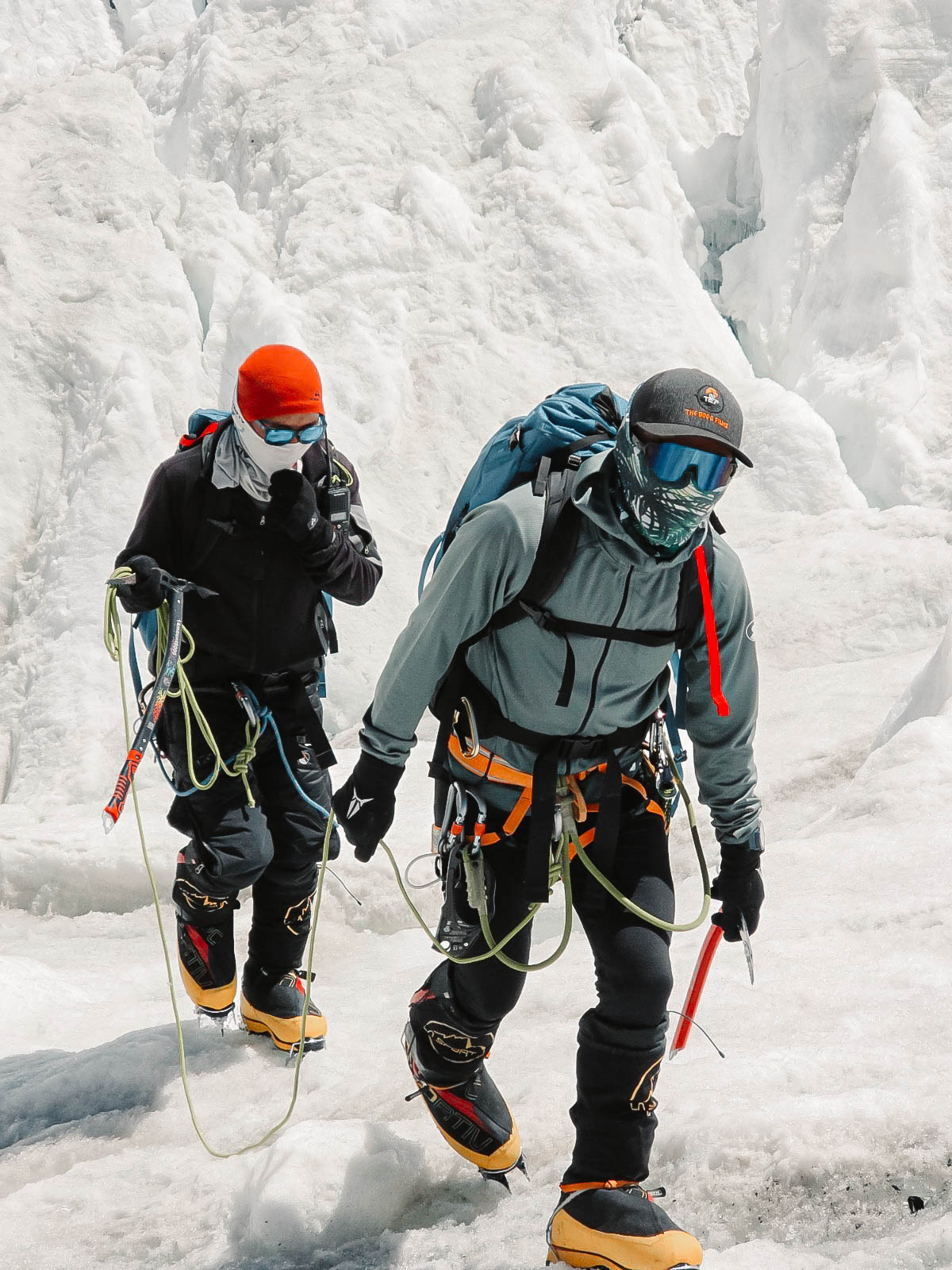
Expedition Gallery
Explore stunning images from this expedition
Been on this expedition?
Your feedback helps other travelers plan their adventure of a lifetime. Share your experience with us!
 8000m
8000m
Everest Expedition
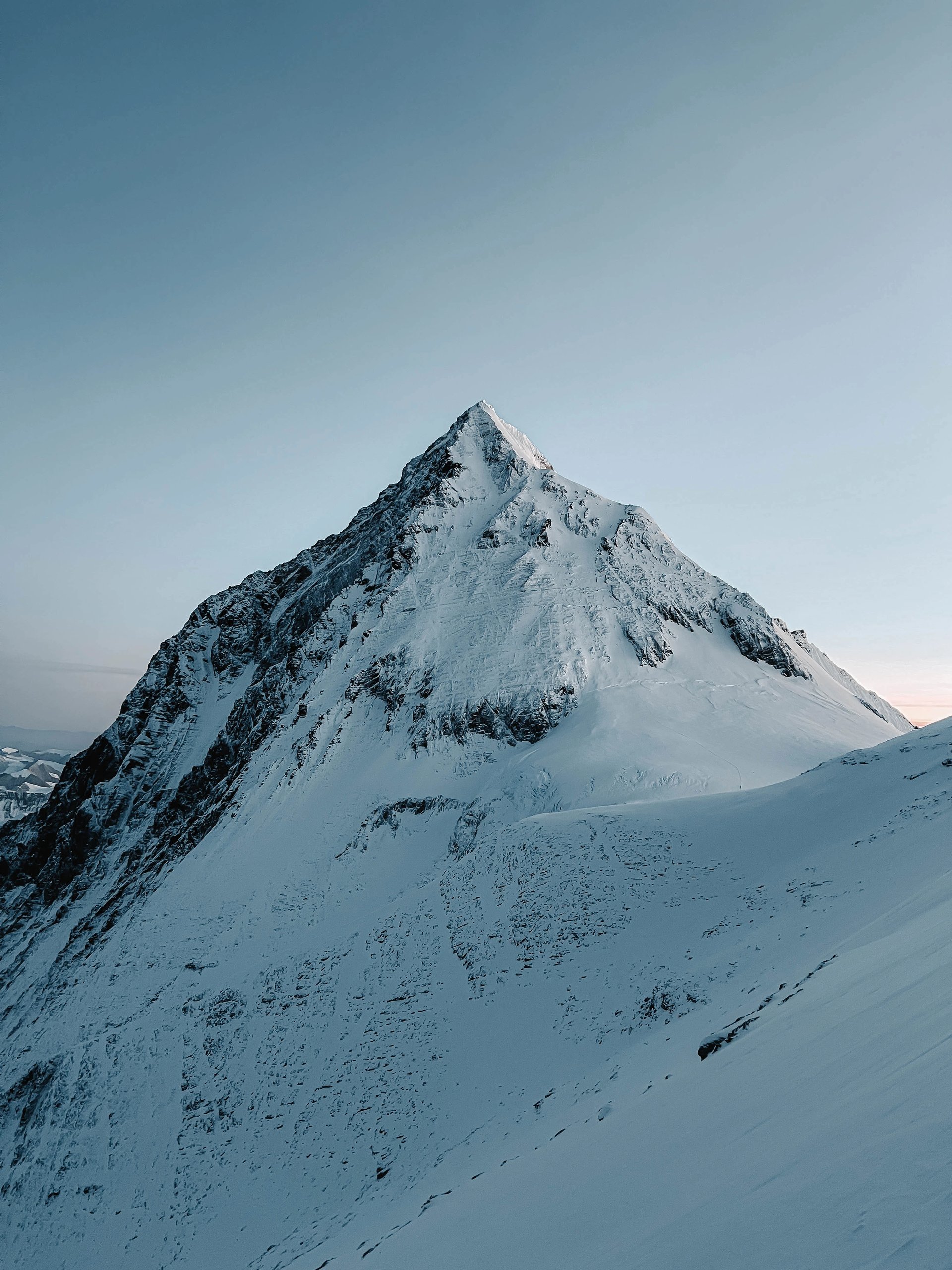
Book your Everest Expedition 2027 with expert Sherpa guides, proven itineraries, full permits, and professional high-altitude support.
 8000m
8000m
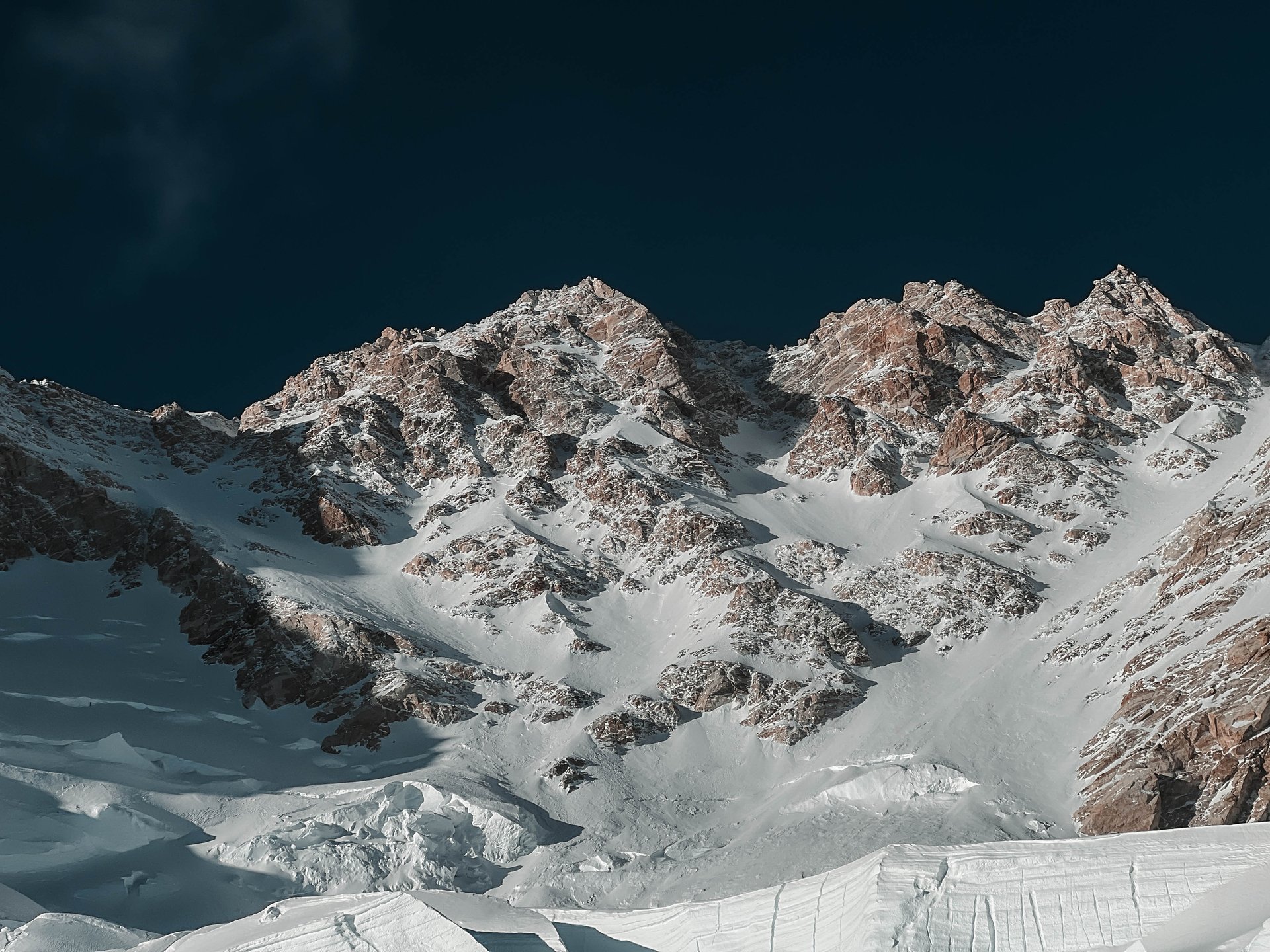
K2 Expedition
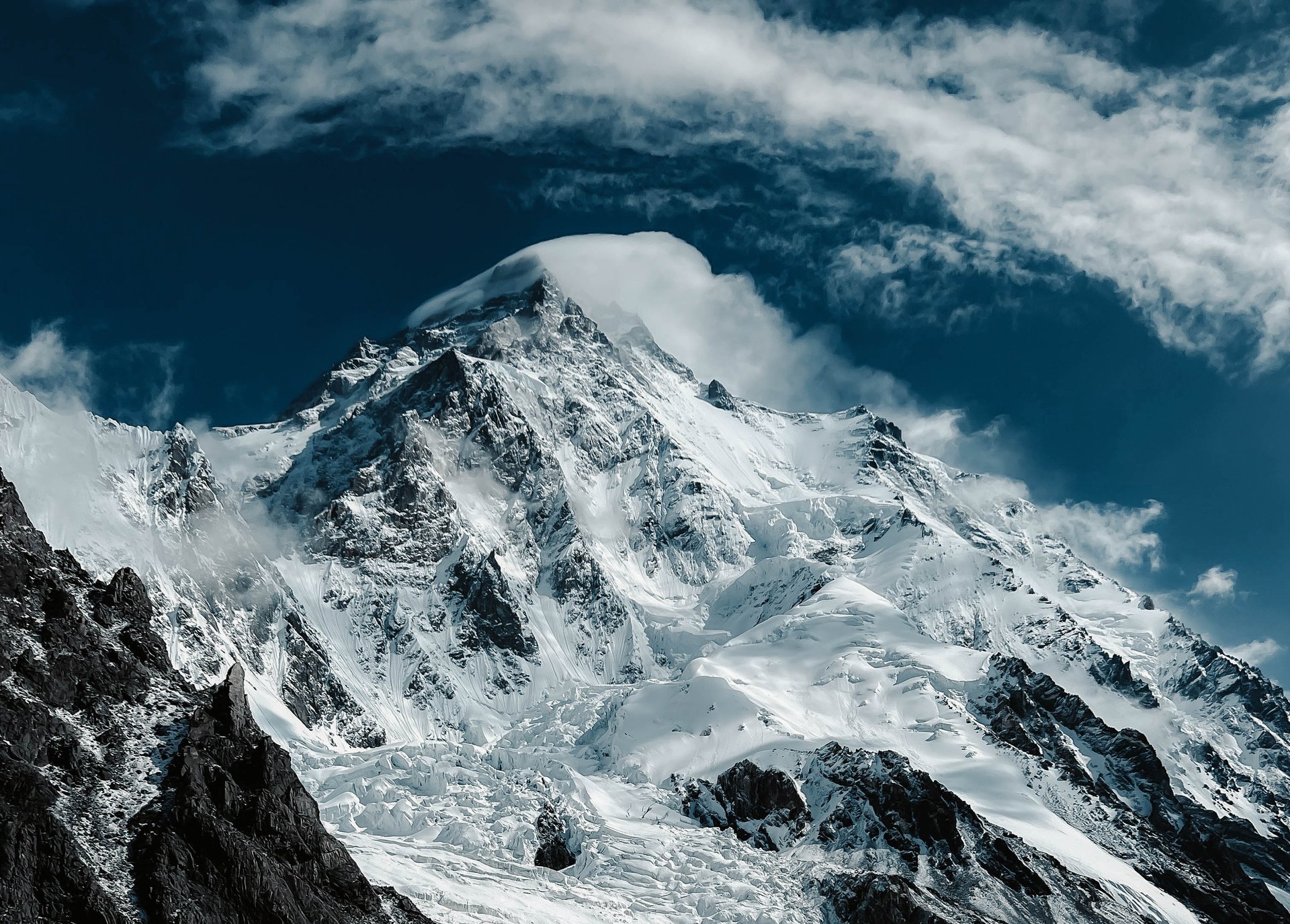
K2 — the savage mountain, ultimate test of skill and endurance.
 8000m
8000m
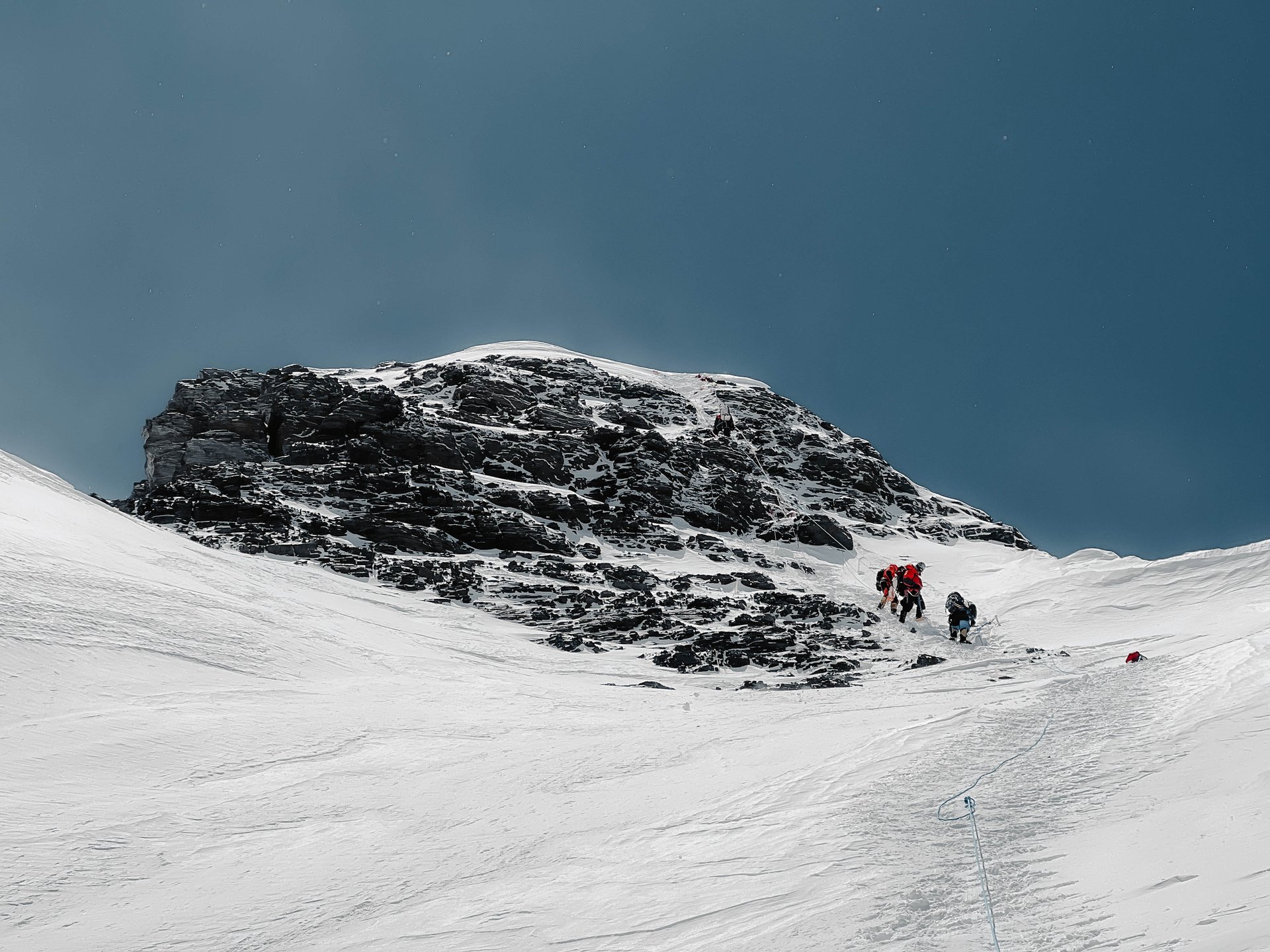
Kanchenjunga Expedition
The world’s third-highest peak, where beauty meets mystery.
 8000m
8000m
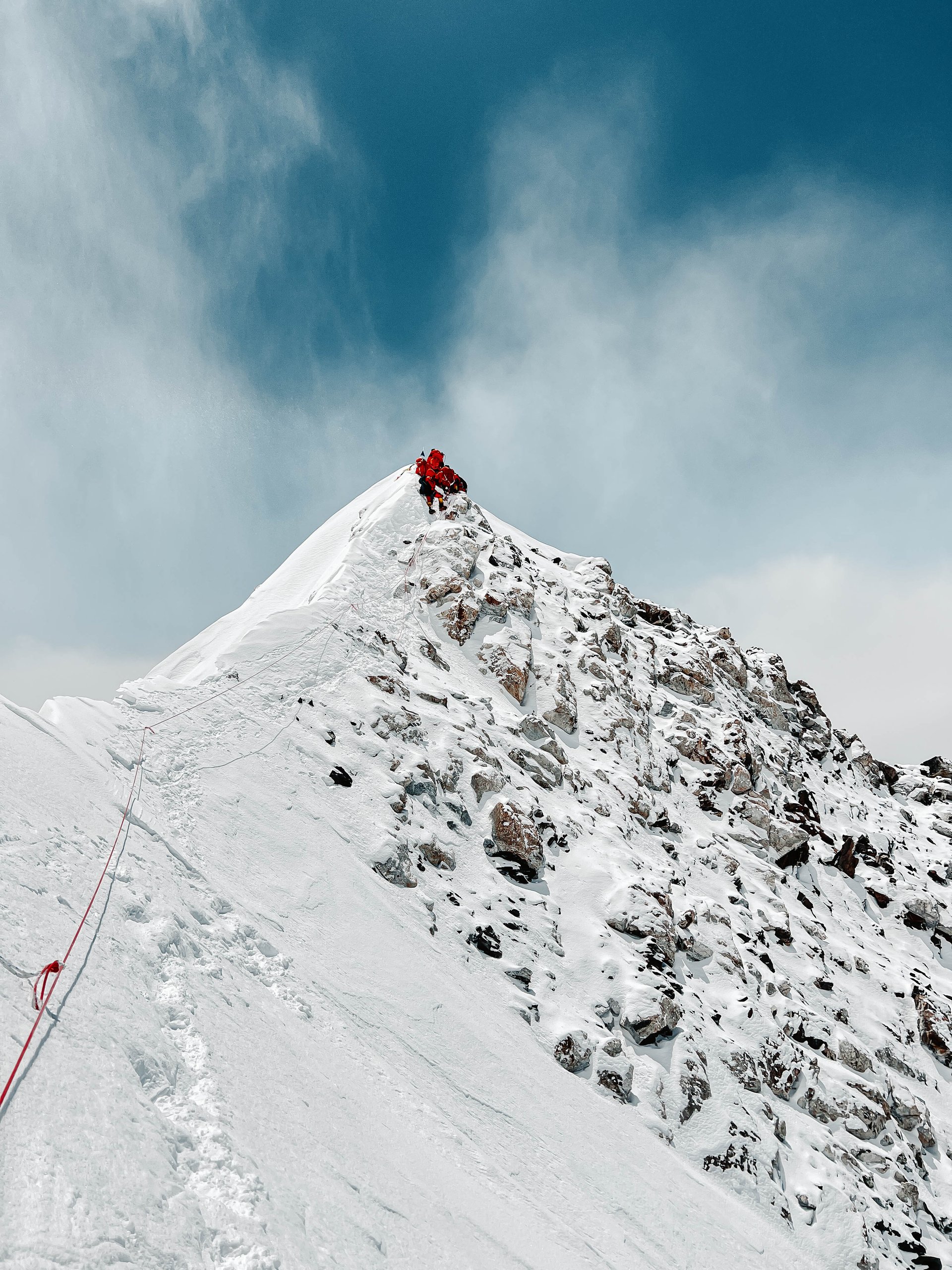
Lhotse Expedition
Lhotse — Everest’s towering neighbor and a Himalayan giant of challenge and beauty.
 8000m
8000m
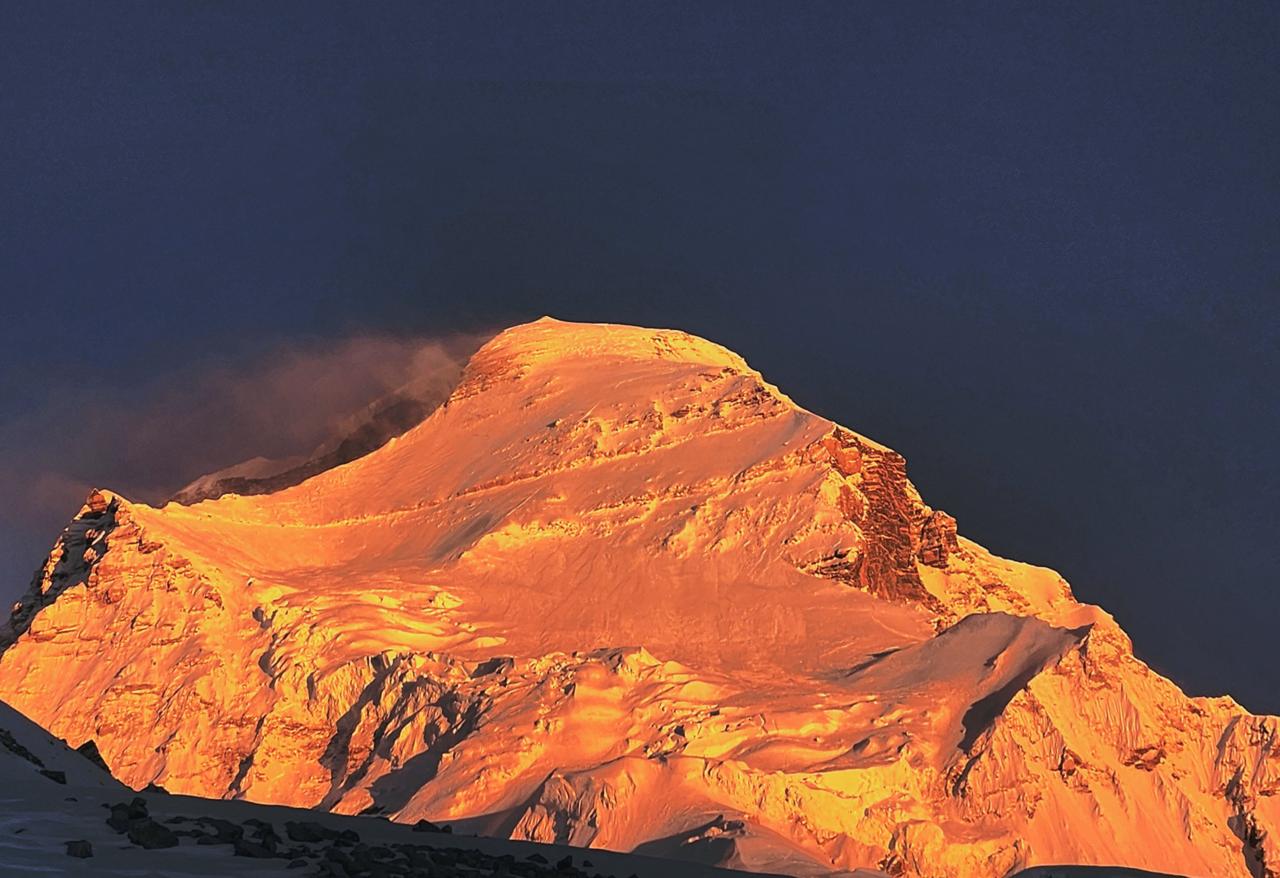
Makalu Expedition
Makalu — a fierce and elegant pyramid rising from the wild Himalayas.
 8000m
8000m
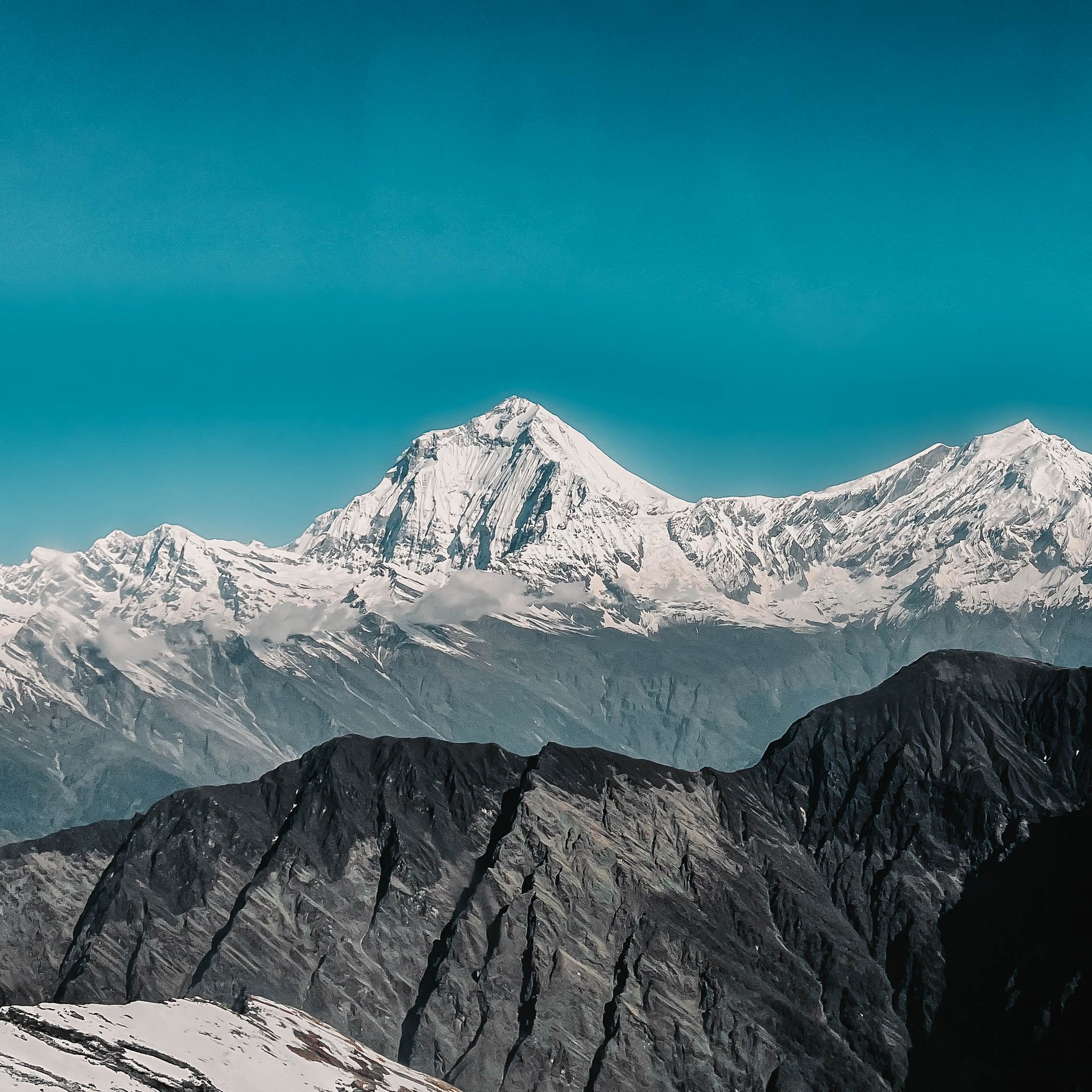
Cho-oyu Expedition
The majestic Cho Oyu — a climber’s gateway to the 8,000ers
 8000m
8000m
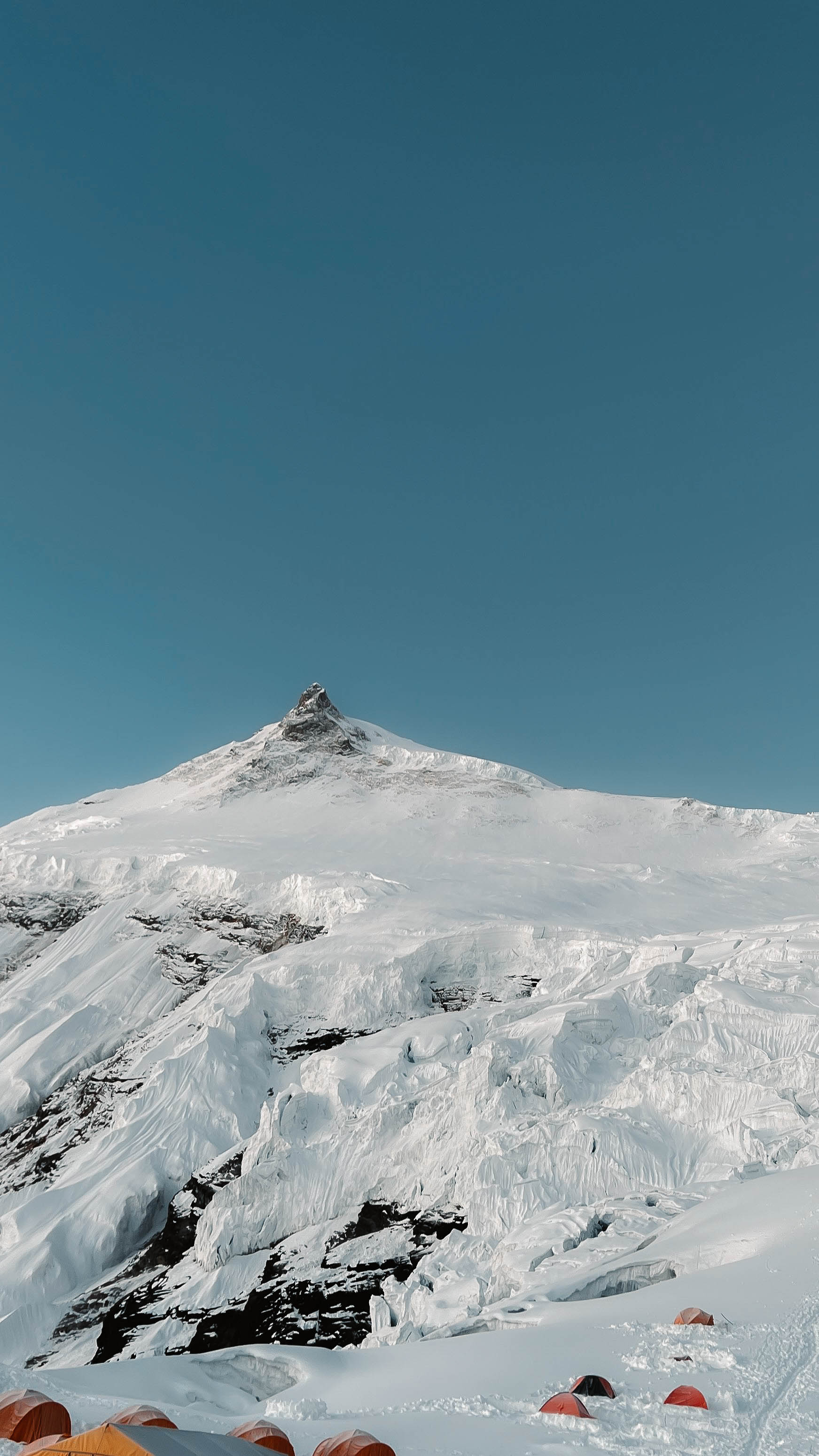
Dhaulagiri Expedition
Dhaulagiri — the white giant of the Himalayas, majestic and formidable.
 8000m
8000m
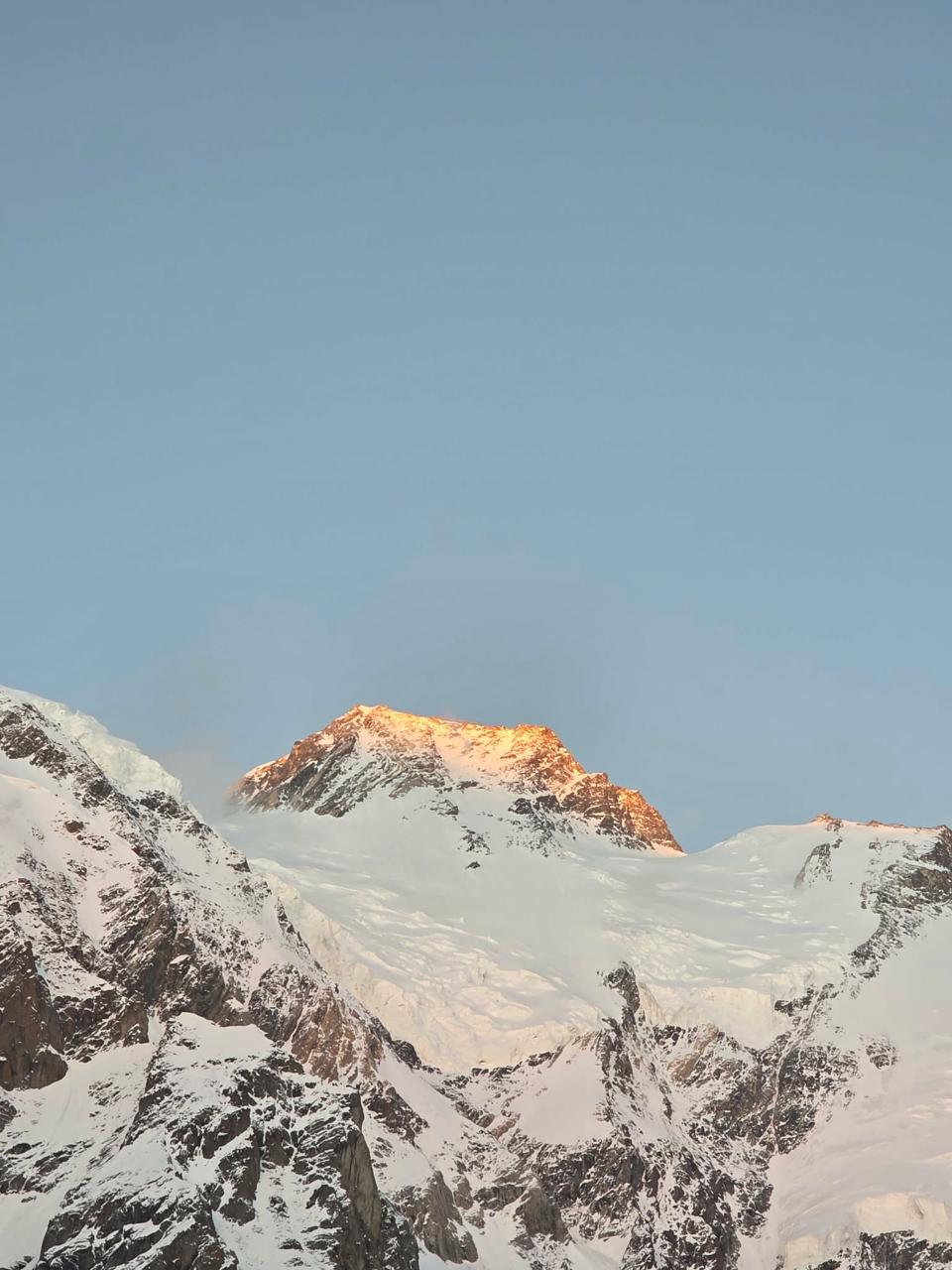
Manaslu Expedition
Book your Manaslu Expedition 2026 with expert Sherpa guides, proven itineraries, full permits, and professional high-altitude support.
 8000m
8000m
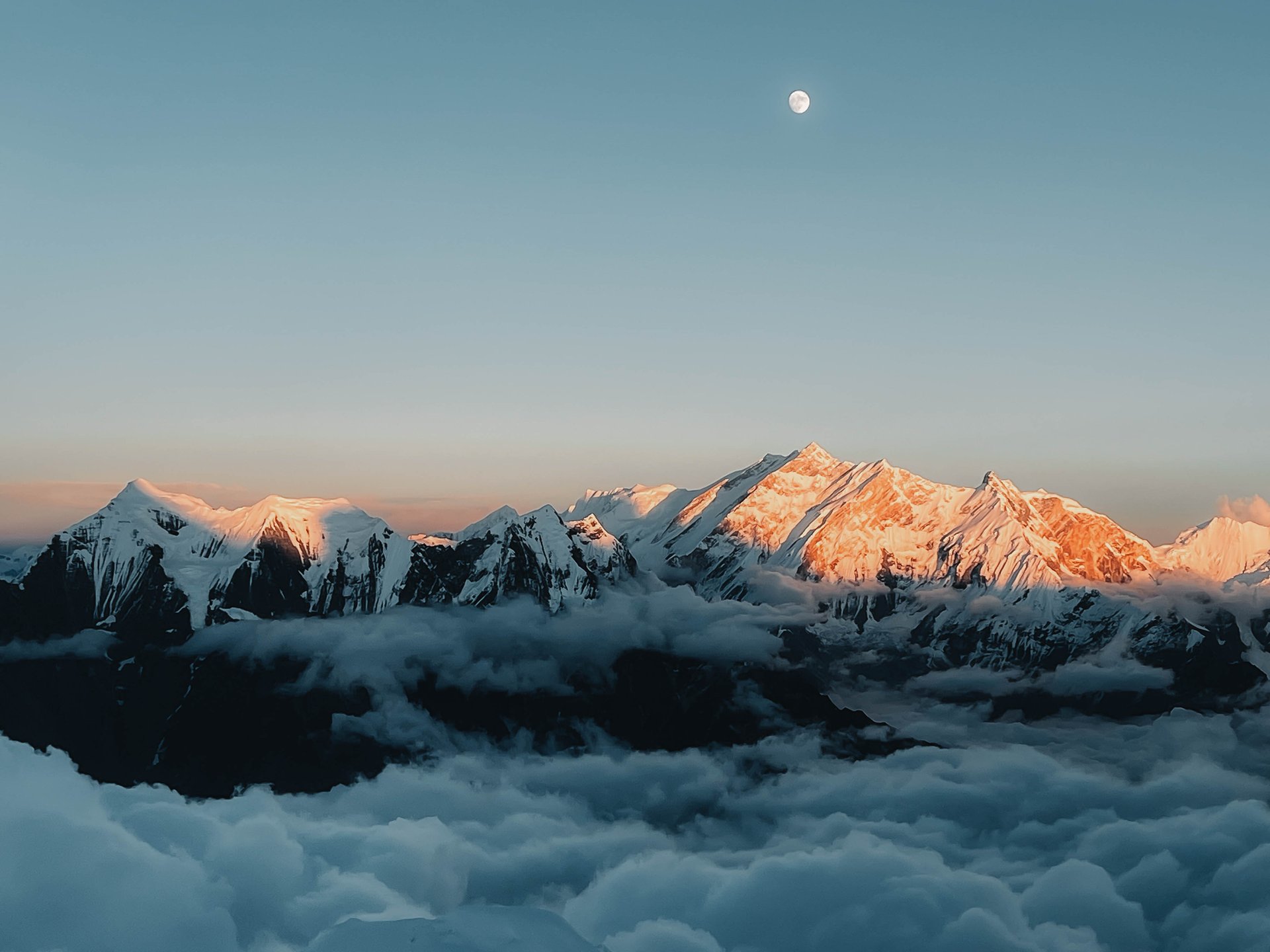
Nanga Parbat Expedition
Nanga Parbat – the Killer Mountain, where raw power meets pure adventure.
 8000m
8000m
Annapurna I Expedition
Annapurna I — where raw Himalayan power meets fearless ambition.
Ready to Start Your Adventure?
Contact us to book your expedition or get more information