
Autumn Update: Manaslu and Dhaulagiri Expeditions Progress Toward the Summit
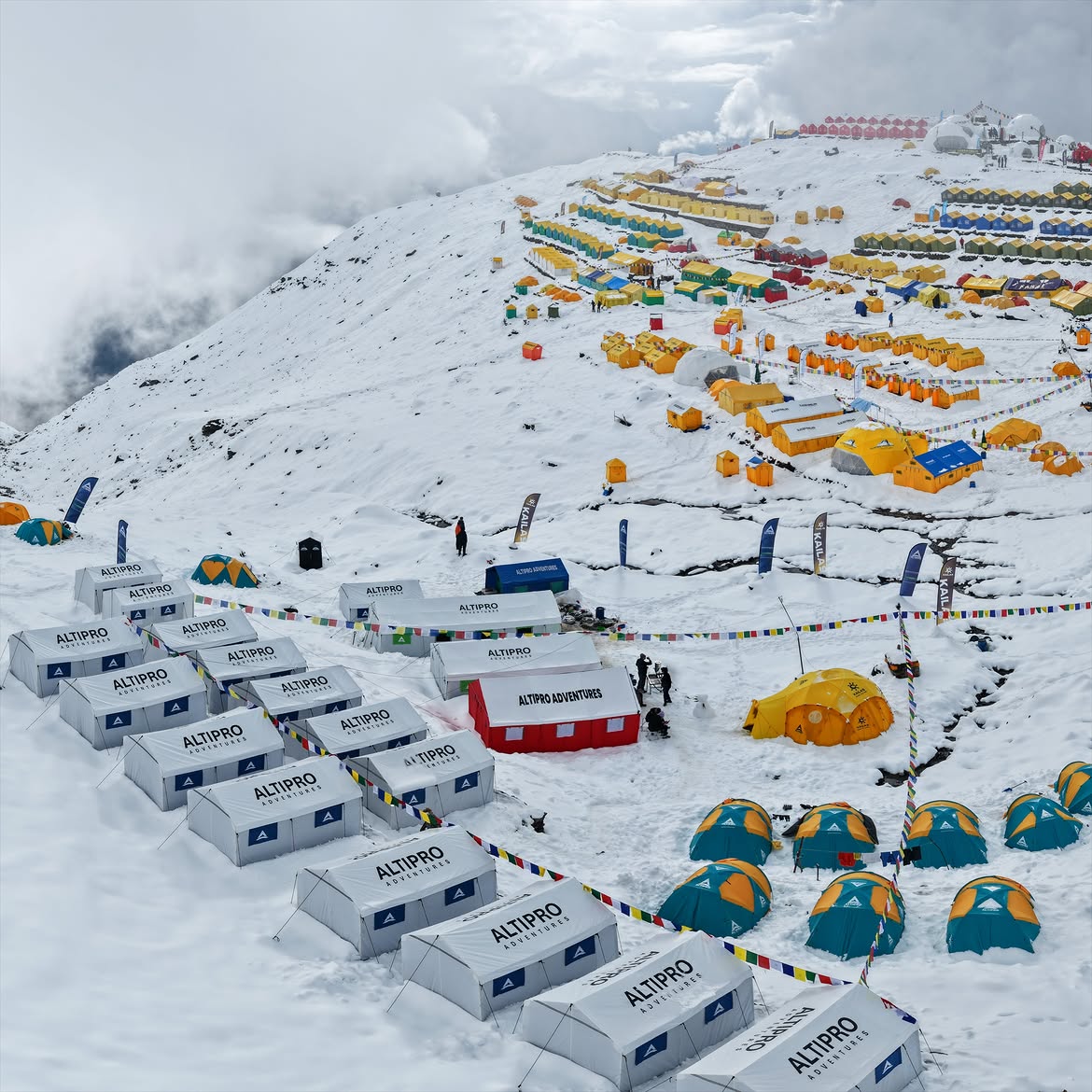
Autumn is one of the busiest and most rewarding climbing seasons in the Himalaya, and this year our teams on Manaslu and Dhaulagiri are both making steady progress toward their summit goals. Both mountains sit among Nepal's eight thousand meter peaks, and both climbs demand patience, careful acclimatization, and respect for the mountain's own timeline. Here is a detailed look at how each team has progressed so far this season.
Manaslu Expedition Update
Our Manaslu expedition team has reached Base Camp after a steady approach through the Manaslu region, one of the most scenic and culturally rich trekking areas in Nepal. On arrival, the team held the traditional Puja ceremony, a ritual performed at the start of nearly every Himalayan climb to seek blessings from the mountain gods for a safe and successful expedition.
With the ceremony complete, the team turned its attention to preparation. A dedicated training day at Base Camp gave climbers and guides the chance to review technical climbing skills, refresh safety protocols, and check equipment before moving higher onto the mountain. This kind of preparation is a routine but essential part of every expedition we run, and it helps the team move with confidence once the real climbing begins.
From there, the team began its acclimatization rotation, a critical stage in any 8000 meter climb. Moving up in stages allows the body to gradually adjust to lower oxygen levels at altitude, reducing the risk of altitude sickness later in the climb. The Manaslu team pushed up to Camp 2 during this rotation before descending back to Base Camp to rest and recover, a pattern climbers often describe as climb high, sleep low.
The team is now settled at Base Camp, where the focus has shifted to something no amount of preparation can control: the weather. Climbers and guides are closely monitoring forecasts and mountain conditions, waiting for the summit window, a stretch of stable weather that allows for a safe push to the top. Once that window opens, the team will begin its final summit push on Manaslu, the eighth highest peak in the world at 8,163 meters. Trekkers curious about this region can also explore the Manaslu Circuit Trek, which passes through many of the same valleys our expedition teams travel on their approach.
Dhaulagiri Expedition Update
Our Dhaulagiri expedition team has also reached Base Camp this season, following an approach through the remote and rugged Dhaulagiri region. Like the Manaslu team, they marked their arrival with a Puja ceremony, a moment of reflection and spiritual grounding before the technical climbing begins.
With the ceremony behind them, the Dhaulagiri team is now in the preparation phase, getting ready to begin their acclimatization rotation as soon as weather and mountain conditions allow. Dhaulagiri, the seventh highest peak in the world at 8,167 meters, has a reputation among climbers for sudden and sometimes severe weather changes, which makes timing especially important on this mountain.
Rather than rushing onto the slopes, the team is using this waiting period productively, checking gear, reviewing route conditions, and staying ready to move the moment a safe opportunity presents itself. This kind of disciplined patience is often what separates a successful expedition from one that runs into trouble higher on the mountain. Those interested in experiencing this dramatic region on foot can also look at the Dhaulagiri Circuit Trek, which offers close up views of the mountain without the technical demands of a full expedition.
Why These Stages Matter
For climbers unfamiliar with the structure of an 8000 meter expedition, the sequence our teams are following, arrival, Puja, training, rotation, and waiting for a summit window, can seem slow. In reality, each stage plays a specific role in keeping the team safe and improving the odds of a successful summit. Skipping or rushing any one of these steps significantly increases risk at extreme altitude, which is why our guides on both Manaslu and Dhaulagiri are following this process carefully rather than pushing ahead of the mountain's own conditions.
What Comes Next
Both expeditions are now at important and distinct stages of the climb. The Manaslu team has completed its rotation and is watching closely for the summit window to open, while the Dhaulagiri team is preparing to begin its own rotation cycle in the days ahead. Both teams remain in close contact with Base Camp support and are adjusting their plans as conditions on the mountain evolve.
Anyone interested in these mountains beyond the climbs themselves can also browse our full range of expeditions and trekking routes across Nepal, including nearby options in the Annapurna region and Everest region.
We will continue to share updates as the season progresses on both mountains. Stay tuned for more from Base Camp as our Manaslu team pushes for the summit and our Dhaulagiri team begins its rotation.
Related Adventures
 Expedition
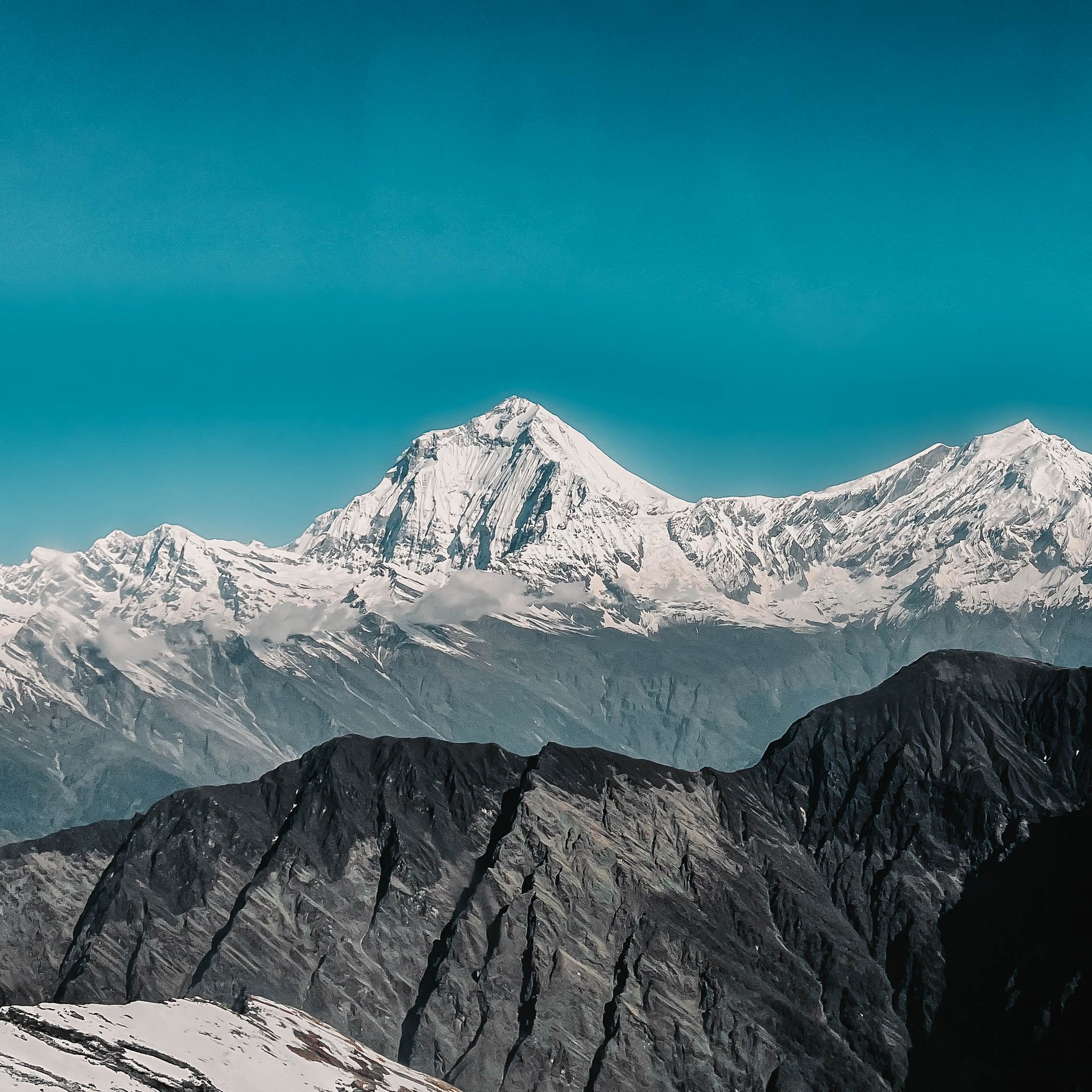
Dhaulagiri Expedition
@import url('https://fonts.googleapis.com/css2?family=Montserrat:wght@600;700&family=Open+Sans:wght@400;600;700&display=swap'); .dhaulagiri-overview{max-width:920px;margin:0 auto;color:#4B5563;font-family:'Open Sans',sans-serif;font-size:18px;font-weight:400;line-height:1.8;text-align:justify} .dhaulagiri-overview *{box-sizing:border-box} .dhaulagiri-overview .ev-section{padding:32px 0;border-bottom:1px solid #e5eeea} .dhaulagiri-overview .ev-label{display:block;margin-bottom:8px;color:#258b76;font-size:10px;font-weight:700;letter-spacing:1.6px;text-transform:uppercase;text-align:start} .dhaulagiri-overview .ev-label:before{content:"";display:inline-block;width:19px;height:2px;margin-right:9px;background:#41ad93;vertical-align:middle} .dhaulagiri-overview h2{margin:0 0 24px;color:#0A2647;font-family:'Montserrat',sans-serif;font-size:30px;font-weight:700;line-height:36px;letter-spacing:-0.6px;text-align:start} .dhaulagiri-overview h3{margin:0 0 7px;color:#263730;font-family:'Montserrat',sans-serif;font-size:15px;font-weight:700;line-height:1.5;text-align:start} .dhaulagiri-overview p{margin:0 0 16px;color:inherit;font-family:'Open Sans',sans-serif;font-size:17px;font-weight:400;line-height:1.85;letter-spacing:normal;text-align:justify} /* tags */ .dhaulagiri-overview .ev-tags{display:flex;flex-wrap:wrap;gap:7px;margin-top:19px} .dhaulagiri-overview .ev-tag{padding:5px 13px;border:1px solid #e2eae5;background:#F5F7F5;color:#7A8A85;font-size:12px;font-weight:600;line-height:21.6px;letter-spacing:.12px;text-align:start;transition:background .25s ease,color .25s ease,border-color .25s ease,transform .25s ease} .dhaulagiri-overview .ev-tag:hover{background:#178b73;color:#fff;border-color:#178b73;transform:translateY(-2px)} /* cards */ .dhaulagiri-overview .ev-grid{display:grid;grid-template-columns:repeat(auto-fit,minmax(230px,1fr));gap:1px;background:#e0e8e3;border:1px solid #e0e8e3;border-radius:5px;overflow:hidden} .dhaulagiri-overview .ev-card{padding:19px;background:#fff;transition:background .3s ease,transform .3s ease,box-shadow .3s ease} .dhaulagiri-overview .ev-card:hover{background:#fbfdfc;transform:translateY(-3px);box-shadow:0 8px 20px -12px rgba(15,60,45,.35);position:relative;z-index:1} .dhaulagiri-overview .ev-card p{font-size:13px;line-height:1.75;margin:0} .dhaulagiri-overview .ev-card h3{transition:color .25s ease} .dhaulagiri-overview .ev-card:hover h3{color:#178b73} /* route */ .dhaulagiri-overview .ev-route{list-style:none;padding:0;margin:20px 0;counter-reset:route} .dhaulagiri-overview .ev-route>li{position:relative;display:block;counter-increment:route;padding:0 0 21px 42px;margin:0} .dhaulagiri-overview .ev-route>li:before{content:counter(route);position:absolute;left:0;top:0;display:flex;align-items:center;justify-content:center;width:25px;height:25px;border:1px solid #62bfa7;border-radius:50%;color:#258b76;background:#fff;font-size:12px;font-weight:600;transition:background .3s ease,color .3s ease,transform .3s ease,box-shadow .3s ease} .dhaulagiri-overview .ev-route>li:hover:before{background:#178b73;color:#fff;transform:scale(1.12);box-shadow:0 0 0 4px rgba(23,139,115,.15)} .dhaulagiri-overview .ev-route>li:after{content:"";position:absolute;left:12px;top:30px;bottom:5px;border-left:1px dashed #c5e1d6;transform-origin:top} .dhaulagiri-overview .ev-route>li:last-child:after{display:none} .dhaulagiri-overview .ev-route p{font-size:14px;margin:0} .dhaulagiri-overview .ev-rotation{padding:14px 18px;margin:12px 0;background:#f5f8f6;border-left:3px solid #55ae94;transition:border-color .3s ease,background .3s ease} .dhaulagiri-overview .ev-rotation:hover{background:#eef6f2;border-left-color:#178b73} .dhaulagiri-overview .ev-rotation p{font-size:14px;margin:0} /* difficulty */ .dhaulagiri-overview .ev-rating{display:grid;grid-template-columns:minmax(96px,140px) 1fr 58px;gap:16px;align-items:center;margin:13px 0;font-size:12px;font-weight:700;color:#52635d;text-align:start} .dhaulagiri-overview .ev-bar{display:block;width:100%;height:6px;margin:0;padding:0;border:0;border-radius:4px;background:#edf2ef;-webkit-appearance:none;appearance:none;overflow:hidden} .dhaulagiri-overview .ev-bar::-webkit-progress-bar{background:#edf2ef;border-radius:4px} .dhaulagiri-overview .ev-bar::-webkit-progress-value{background:linear-gradient(90deg,#1cb692,#ce9827);border-radius:4px} .dhaulagiri-overview .ev-bar::-moz-progress-bar{background:linear-gradient(90deg,#1cb692,#ce9827);border-radius:4px} .dhaulagiri-overview .ev-score{text-align:right} /* season */ .dhaulagiri-overview .ev-months{display:grid;grid-template-columns:repeat(12,minmax(0,1fr));margin:18px 0 12px;border:1px solid #e2e9e5;border-radius:4px;overflow:hidden} .dhaulagiri-overview .ev-month{padding:9px 0;text-align:center;font-size:clamp(9px,2.4vw,11px);background:#f2f5f2;border-right:1px solid #e2e9e5;color:#718077;transition:transform .25s ease,box-shadow .25s ease} .dhaulagiri-overview .ev-month:last-child{border-right:0} .dhaulagiri-overview .ev-month:hover{transform:translateY(-2px);box-shadow:0 4px 10px -6px rgba(15,60,45,.4);position:relative;z-index:1} .dhaulagiri-overview .ev-month.ev-ideal{background:#178b73;color:#fff;font-weight:700} .dhaulagiri-overview .ev-month.ev-possible{background:#cee8dc;color:#305c49} .dhaulagiri-overview .ev-legend{display:flex;flex-wrap:wrap;gap:17px;margin-bottom:18px;font-size:11px;text-align:start} .dhaulagiri-overview .ev-swatch{display:inline-block;width:9px;height:9px;margin-right:5px;background:#f2f5f2;border:1px solid #dce6de} /* cost */ .dhaulagiri-overview .ev-cost{padding:28px;background:#073c2d;border-radius:12px;color:#d4e7de;transition:box-shadow .35s ease} .dhaulagiri-overview .ev-cost:hover{box-shadow:0 14px 30px -16px rgba(7,60,45,.55)} .dhaulagiri-overview .ev-cost h3{color:#fff;font-size:17px} .dhaulagiri-overview .ev-cost p{font-size:14px} .dhaulagiri-overview .ev-cost a{color:#fff;text-decoration:underline} .dhaulagiri-overview .ev-action{text-align:center;margin-top:23px} .dhaulagiri-overview a.ev-button{display:inline-block;background:#fff;color:#177b63;padding:11px 22px;font-size:13px;font-weight:700;text-decoration:none;border-radius:3px;transition:transform .25s ease,box-shadow .25s ease,background .25s ease} .dhaulagiri-overview a.ev-button:hover{transform:translateY(-2px);box-shadow:0 8px 18px -8px rgba(0,0,0,.35);background:#f3fbf8} .dhaulagiri-overview a.ev-button:active{transform:translateY(0)} /* faq */ .dhaulagiri-overview .ev-faq{padding:19px 0;border-top:1px solid #e4ebe7;transition:background .25s ease} .dhaulagiri-overview .ev-faq:hover{background:#fafcfb} .dhaulagiri-overview .ev-faq p{font-size:14px;margin:0} /* scroll animations: pure CSS (scroll-driven). Browsers without support simply show everything. */ @supports (animation-timeline: view()){ @keyframes ev-rise{from{opacity:0;transform:translateY(18px)}to{opacity:1;transform:none}} @keyframes ev-bar{from{width:19px}to{width:34px}} @keyframes ev-wipe{from{clip-path:inset(0 100% 0 0 round 4px)}to{clip-path:inset(0 0 0 0 round 4px)}} @keyframes ev-slide{from{opacity:0;transform:translateX(-10px)}to{opacity:1;transform:none}} @keyframes ev-draw{from{transform:scaleY(0)}to{transform:scaleY(1)}} @keyframes ev-glow{0%{box-shadow:0 0 0 0 rgba(23,139,115,0)}50%{box-shadow:0 0 0 5px rgba(23,139,115,.3)}100%{box-shadow:0 0 0 0 rgba(23,139,115,0)}} .dhaulagiri-overview .ev-section{animation:ev-rise linear both;animation-timeline:view();animation-range:entry 0% entry 180px} .dhaulagiri-overview .ev-label:before{animation:ev-bar linear both;animation-timeline:view();animation-range:entry 10% entry 220px} .dhaulagiri-overview .ev-bar{animation:ev-wipe linear both;animation-timeline:view();animation-range:entry 20% entry 260px} .dhaulagiri-overview .ev-route>li{animation:ev-slide linear both;animation-timeline:view();animation-range:entry 0% entry 140px} .dhaulagiri-overview .ev-route>li:after{animation:ev-draw linear both;animation-timeline:view();animation-range:entry 10% entry 200px} .dhaulagiri-overview .ev-month.ev-ideal{animation:ev-glow linear both;animation-timeline:view();animation-range:entry 20% entry 300px} } @media(prefers-reduced-motion:reduce){ .dhaulagiri-overview *,.dhaulagiri-overview *:before,.dhaulagiri-overview *:after{transition:none!important;animation:none!important} .dhaulagiri-overview .ev-card:hover,.dhaulagiri-overview .ev-tag:hover,.dhaulagiri-overview .ev-month:hover,.dhaulagiri-overview a.ev-button:hover{transform:none} } @media(max-width:600px){ .dhaulagiri-overview{font-size:14px;padding:0 4px} .dhaulagiri-overview h2{font-size:22px;line-height:1.25} } .dhaulagiri-overview .ev-section p{text-wrap:pretty} .dhaulagiri-overview .ev-card p{text-align:left} @media print{.dhaulagiri-overview .ev-section,.dhaulagiri-overview .ev-route>li{animation:none!important;opacity:1!important;transform:none!important}.dhaulagiri-overview .ev-bar{animation:none!important;clip-path:none!important}} Expedition OverviewWhat is the Dhaulagiri Expedition? Dhaulagiri stands at 8,167 metres, the seventh highest mountain on Earth and situated entirely within Nepal. The name means "White Mountain" in Sanskrit, and the peak earns that title - its sweeping white faces rise dramatically above the Kali Gandaki Valley, making Dhaulagiri one of the most visually spectacular mountains in the Himalayas. First climbed on 13 May 1960 by Peter Diener, Ernst Forrer, Albin Schelbert, Kurt Diemberger, Nawang Dorje, and Nyima Dorje of the Swiss-Austrian expedition, Dhaulagiri was one of the last 8,000m peaks to be climbed and carries a well-founded reputation as one of the most technically demanding. Its isolation in the Dhaulagiri Himal, far from the main trekking corridors, gives every ascent a remote and genuinely expedition character. The AltiPro Dhaulagiri Expedition 2027 is a 38-day spring expedition. The approach flies to Pokhara and drives to Beni before trekking through the hidden valley to Base Camp at 4,750m beneath the Northeast Ridge. The team establishes camps at 5,900m (Camp 1), 6,900m (Camp 2), and 7,400m (Camp 3) before the summit push on the Northeast Ridge to 8,167m. Maximum 8 climbers, 1:1 Climbing Sherpa ratio, fixed ropes on all technical sections, supplemental oxygen from Camp 2, and an Expedition Doctor at Base Camp throughout the season. Dhaulagiri is one of the most serious 8,000m objectives in Nepal. The Northeast Ridge involves sustained technical terrain above Camp 1, including the rock band between Camps 1 and 2 and the mixed ground approaching Camp 3. The summit is a narrow, exposed pinnacle requiring precise movement in often extreme conditions. AltiPro requires prior 8,000m summit experience before accepting applications for Dhaulagiri. Summit: 8,167 mNortheast RidgeExtreme / TechnicalDhaulagiri Himal38 DaysMax 8 ClimbersFull ServiceSpring Season About DhaulagiriAbout Dhaulagiri - The White Mountain Dhaulagiri dominates the skyline above the Kali Gandaki Gorge, one of the deepest gorges on Earth. The mountain's position in the Dhaulagiri Himal, separated from the Annapurna massif by the gorge, makes it one of the most geographically isolated of all Nepal's high peaks. Historically, Dhaulagiri defied every attempted first ascent for over a decade - Swiss, Argentine, Austrian, and Argentinian expeditions all failed before the 1960 Austrian-Swiss team finally reached the summit via the Northeast Ridge. The mountain's reputation for seriousness is well justified. Its success rate is among the lowest of all 8,000m peaks, and weather conditions on the summit ridge can deteriorate faster and more severely than on more sheltered mountains. For climbers who have already completed one or more 8,000m peaks and are looking for a genuine technical challenge, Dhaulagiri represents one of the most rewarding - and demanding - objectives in the Himalayas. Why Choose AltiProWhy Choose AltiPro Adventures for Dhaulagiri? Remote Expedition ManagementThe hidden valley approach to Dhaulagiri is logistically complex, requiring careful porter management, acclimatisation scheduling, and supply chain planning in a region with very limited infrastructure. AltiPro's operations team has direct experience managing the Dhaulagiri approach.Technical Climbing TeamDhaulagiri demands competence on mixed rock and ice above 7,000m. AltiPro selects Climbing Sherpas specifically for their technical ability and prior Dhaulagiri or comparable summit experience. Route preparation above Camp 2 is handled by experienced technical Sherpas.Oxygen From Camp 2All climbers receive supplemental oxygen from Camp 2 at 6,900m. Four cylinders are allocated per climber with a dedicated Sherpa oxygen carrier. Reserve cylinders are pre-positioned at Camp 3 ahead of the summit push.Small Team DisciplineEight climbers maximum per expedition. On a technically serious and remote mountain with limited evacuation options, smaller team sizes directly reduce risk by improving communication, reducing time on technical terrain, and maintaining higher safety margins throughout.Medical Support at Base CampAn Expedition Doctor with high altitude medicine experience is resident at Base Camp throughout the season. Daily health checks, Gamow Bag, and satellite communication with emergency evacuation services are standard on all AltiPro Dhaulagiri expeditions.Full Fixed Rope ServiceAltiPro's Sherpa team fixes rope on all technical sections of the Northeast Ridge from Camp 1 to Camp 3. Ropes are inspected and replaced before each summit attempt window to ensure the safest possible ascent conditions. Route & ApproachThe Northeast Ridge Route (8,167 m) The Northeast Ridge is the standard and most climbed route on Dhaulagiri. The approach from Pokhara through the hidden valley via Beni and Darbang is one of the most remote approach treks of any major Nepal expedition, passing through little-visited country beneath the mountain's eastern faces. Kathmandu to Base Camp (1,400m to 4,750m)Flight to Pokhara, drive to Beni, then a 6 to 8 day trek via the hidden valley to Dhaulagiri Base Camp at 4,750m beneath the Northeast Ridge. The approach passes through some of the most remote terrain in western Nepal.Base Camp to Camp 1 (4,750m to 5,900m)The route climbs through the lower Northeast Ridge glacier to Camp 1 at 5,900m. The terrain is moderately technical with glacier travel and steepening snow slopes used for multiple acclimatisation rotations.Camp 1 to Camp 2 - The Rock Band (5,900m to 6,900m)The key technical section of the Northeast Ridge, involving a sustained rock band above Camp 1 requiring mixed climbing competence and rope management at altitude. Camp 2 is established at 6,900m above the main technical difficulties.Camp 2 to Camp 3 (6,900m to 7,400m)Sustained mixed terrain on the upper Northeast Ridge leads to Camp 3 at 7,400m. Supplemental oxygen is maintained from Camp 2 throughout this section and for the summit push.Camp 3 to Summit - Upper Ridge (7,400m to 8,167m)The summit push from Camp 3 crosses the exposed upper ridge to the summit at 8,167m. The summit pinnacle is narrow and exposed, with extreme conditions expected. Summit day typically runs 10 to 14 hours from Camp 3. DifficultyHow Difficult is the Dhaulagiri Expedition? Dhaulagiri is rated Extreme - one of the most technically demanding of all 8,000m peaks, with a success rate significantly lower than Cho Oyu, Manaslu, or Everest. The rock band between Camps 1 and 2, the sustained mixed terrain above Camp 2, and the exposed summit ridge combine to create a route demanding genuine technical competence throughout. AltiPro requires a prior 8,000m summit before accepting applications for this expedition. Overall Difficulty9 / 109 / 10 Physical Demand8.5 / 108.5 / 10 Altitude Challenge8.5 / 108.5 / 10 Technical Climbing9 / 109 / 10 Remoteness8 / 108 / 10 Best SeasonBest Season for the Dhaulagiri Expedition JanFebMarAprMayJunJulAugSepOctNovDec Ideal seasonPossibleNot recommended Spring (April–May): The only viable climbing season on Dhaulagiri. The northeast-facing standard route means winter conditions persist into late March. The pre-monsoon weather window opens in mid-April, with the summit window running from late April through mid-May. AltiPro targets the second and third weeks of May for summit day. Why spring only: Dhaulagiri's exposed northeast face makes autumn conditions more unpredictable than on many other 8,000m peaks. AltiPro operates Dhaulagiri expeditions in spring only. Cost & PackagesDhaulagiri Expedition Cost Full-service Dhaulagiri expedition - all permits, logistics, oxygen, and medical support included.Includes all government permits, Dhaulagiri Conservation Area fees, trekking and climbing Sherpa wages, base camp and high camp equipment, fixed rope service on all technical sections, supplemental oxygen from Camp 2 for all climbers, and an on-site Expedition Doctor. International flights, personal climbing equipment, and summit bonuses are not included. Contact AltiPro for a full cost breakdown.Enquire Now FAQsDhaulagiri Expedition - Frequently Asked Questions Common questions about climbing Dhaulagiri with AltiPro Adventures. What experience is required for Dhaulagiri?AltiPro requires at least one prior 8,000m summit and strong mixed terrain competence above 7,000m before accepting applications for Dhaulagiri. It is not suitable as a first or second 8,000m objective. Is supplemental oxygen provided?Yes. All climbers receive supplemental oxygen from Camp 2 at 6,900m. Four cylinders per climber are included, with a dedicated Sherpa oxygen carrier and reserve stockpiles pre-positioned at Camp 3. How remote is the Dhaulagiri approach?The hidden valley approach via Beni and Darbang is one of the most remote of any Nepal 8,000m expedition. The region has very limited infrastructure and the approach trek itself takes 6 to 8 days from Beni. What makes the Northeast Ridge technically demanding?The route includes a sustained rock band between Camp 1 and Camp 2 requiring mixed climbing competence, and the upper ridge above Camp 2 involves exposed mixed terrain at altitudes above 7,000m in extreme conditions. When is the summit window?Late April through mid-May offers the most reliable weather windows on Dhaulagiri. AltiPro targets the second and third weeks of May for summit day. How long is the expedition?The AltiPro Dhaulagiri Expedition 2027 runs 38 days from Kathmandu departure to return, including the hidden valley approach, all acclimatisation rotations, and summit attempt. What is included in the expedition cost?All permits, Dhaulagiri Conservation Area fees, Sherpa wages, base camp and high camp equipment, supplemental oxygen from Camp 2, fixed ropes on all technical sections, and the Expedition Doctor. International flights and personal equipment are not included. Is there a medical doctor at Base Camp?Yes. An Expedition Doctor qualified in high altitude medicine is resident at Base Camp throughout the season, with Gamow Bag, pulse oximetry, and satellite emergency communication available.
View Details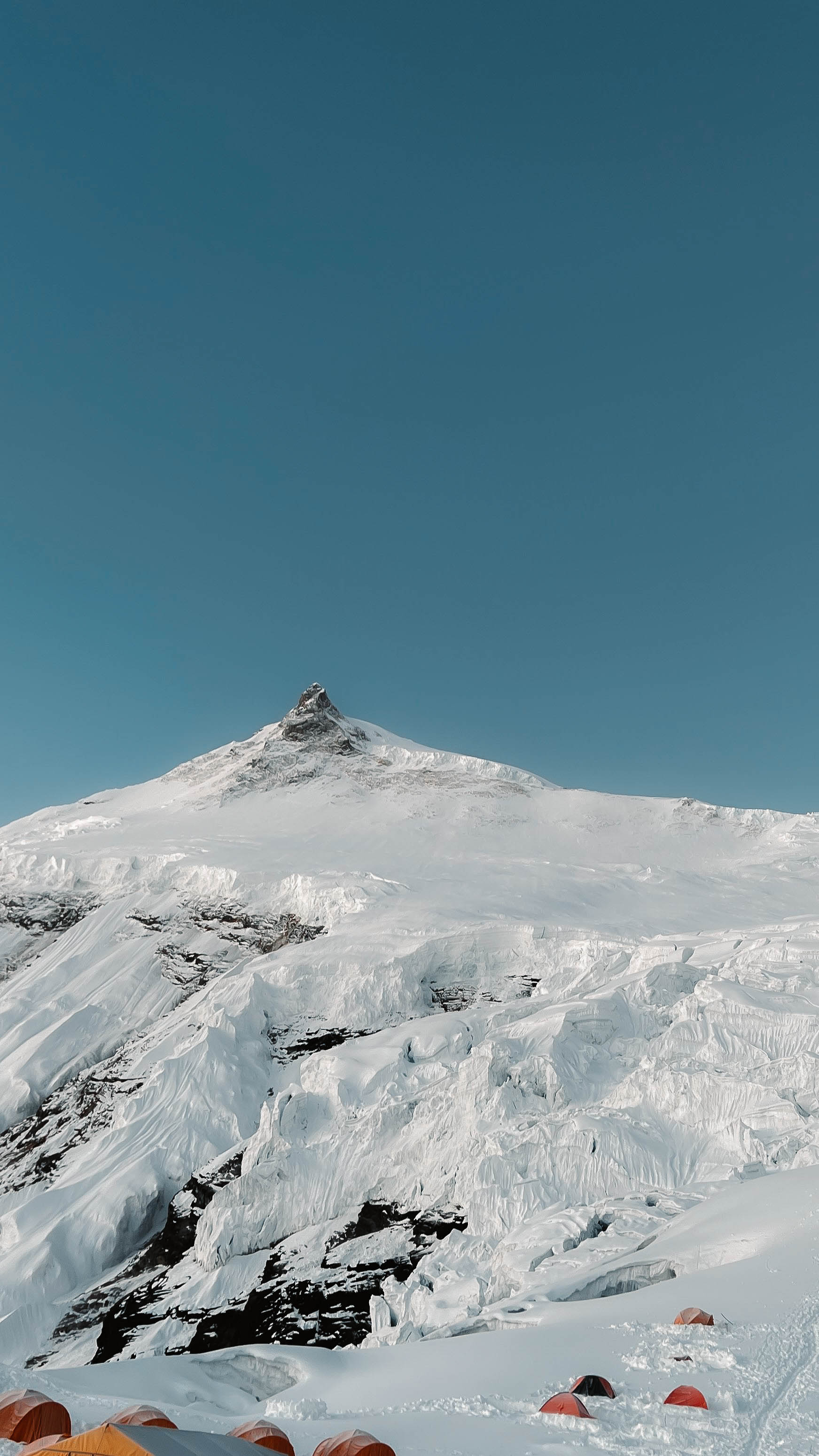 Expedition
Manaslu Expedition
@import url('https://fonts.googleapis.com/css2?family=Montserrat:wght@600;700&family=Open+Sans:wght@400;600;700&display=swap'); .manaslu-overview{max-width:920px;margin:0 auto;color:#4B5563;font-family:'Open Sans',sans-serif;font-size:18px;font-weight:400;line-height:1.8;text-align:justify} .manaslu-overview *{box-sizing:border-box} .manaslu-overview .ev-section{padding:32px 0;border-bottom:1px solid #e5eeea} .manaslu-overview .ev-label{display:block;margin-bottom:8px;color:#258b76;font-size:10px;font-weight:700;letter-spacing:1.6px;text-transform:uppercase;text-align:start} .manaslu-overview .ev-label:before{content:"";display:inline-block;width:19px;height:2px;margin-right:9px;background:#41ad93;vertical-align:middle} .manaslu-overview h2{margin:0 0 24px;color:#0A2647;font-family:'Montserrat',sans-serif;font-size:30px;font-weight:700;line-height:36px;letter-spacing:-0.6px;text-align:start} .manaslu-overview h3{margin:0 0 7px;color:#263730;font-family:'Montserrat',sans-serif;font-size:15px;font-weight:700;line-height:1.5;text-align:start} .manaslu-overview p{margin:0 0 16px;color:inherit;font-family:'Open Sans',sans-serif;font-size:17px;font-weight:400;line-height:1.85;letter-spacing:normal;text-align:justify} /* tags */ .manaslu-overview .ev-tags{display:flex;flex-wrap:wrap;gap:7px;margin-top:19px} .manaslu-overview .ev-tag{padding:5px 13px;border:1px solid #e2eae5;background:#F5F7F5;color:#7A8A85;font-size:12px;font-weight:600;line-height:21.6px;letter-spacing:.12px;text-align:start;transition:background .25s ease,color .25s ease,border-color .25s ease,transform .25s ease} .manaslu-overview .ev-tag:hover{background:#178b73;color:#fff;border-color:#178b73;transform:translateY(-2px)} /* cards */ .manaslu-overview .ev-grid{display:grid;grid-template-columns:repeat(auto-fit,minmax(230px,1fr));gap:1px;background:#e0e8e3;border:1px solid #e0e8e3;border-radius:5px;overflow:hidden} .manaslu-overview .ev-card{padding:19px;background:#fff;transition:background .3s ease,transform .3s ease,box-shadow .3s ease} .manaslu-overview .ev-card:hover{background:#fbfdfc;transform:translateY(-3px);box-shadow:0 8px 20px -12px rgba(15,60,45,.35);position:relative;z-index:1} .manaslu-overview .ev-card p{font-size:13px;line-height:1.75;margin:0} .manaslu-overview .ev-card h3{transition:color .25s ease} .manaslu-overview .ev-card:hover h3{color:#178b73} /* route */ .manaslu-overview .ev-route{list-style:none;padding:0;margin:20px 0;counter-reset:route} .manaslu-overview .ev-route>li{position:relative;display:block;counter-increment:route;padding:0 0 21px 42px;margin:0} .manaslu-overview .ev-route>li:before{content:counter(route);position:absolute;left:0;top:0;display:flex;align-items:center;justify-content:center;width:25px;height:25px;border:1px solid #62bfa7;border-radius:50%;color:#258b76;background:#fff;font-size:12px;font-weight:600;transition:background .3s ease,color .3s ease,transform .3s ease,box-shadow .3s ease} .manaslu-overview .ev-route>li:hover:before{background:#178b73;color:#fff;transform:scale(1.12);box-shadow:0 0 0 4px rgba(23,139,115,.15)} .manaslu-overview .ev-route>li:after{content:"";position:absolute;left:12px;top:30px;bottom:5px;border-left:1px dashed #c5e1d6;transform-origin:top} .manaslu-overview .ev-route>li:last-child:after{display:none} .manaslu-overview .ev-route p{font-size:14px;margin:0} .manaslu-overview .ev-rotation{padding:14px 18px;margin:12px 0;background:#f5f8f6;border-left:3px solid #55ae94;transition:border-color .3s ease,background .3s ease} .manaslu-overview .ev-rotation:hover{background:#eef6f2;border-left-color:#178b73} .manaslu-overview .ev-rotation p{font-size:14px;margin:0} /* difficulty */ .manaslu-overview .ev-rating{display:grid;grid-template-columns:minmax(96px,140px) 1fr 58px;gap:16px;align-items:center;margin:13px 0;font-size:12px;font-weight:700;color:#52635d;text-align:start} .manaslu-overview .ev-bar{display:block;width:100%;height:6px;margin:0;padding:0;border:0;border-radius:4px;background:#edf2ef;-webkit-appearance:none;appearance:none;overflow:hidden} .manaslu-overview .ev-bar::-webkit-progress-bar{background:#edf2ef;border-radius:4px} .manaslu-overview .ev-bar::-webkit-progress-value{background:linear-gradient(90deg,#1cb692,#ce9827);border-radius:4px} .manaslu-overview .ev-bar::-moz-progress-bar{background:linear-gradient(90deg,#1cb692,#ce9827);border-radius:4px} .manaslu-overview .ev-score{text-align:right} /* season */ .manaslu-overview .ev-months{display:grid;grid-template-columns:repeat(12,minmax(0,1fr));margin:18px 0 12px;border:1px solid #e2e9e5;border-radius:4px;overflow:hidden} .manaslu-overview .ev-month{padding:9px 0;text-align:center;font-size:clamp(9px,2.4vw,11px);background:#f2f5f2;border-right:1px solid #e2e9e5;color:#718077;transition:transform .25s ease,box-shadow .25s ease} .manaslu-overview .ev-month:last-child{border-right:0} .manaslu-overview .ev-month:hover{transform:translateY(-2px);box-shadow:0 4px 10px -6px rgba(15,60,45,.4);position:relative;z-index:1} .manaslu-overview .ev-month.ev-ideal{background:#178b73;color:#fff;font-weight:700} .manaslu-overview .ev-month.ev-possible{background:#cee8dc;color:#305c49} .manaslu-overview .ev-legend{display:flex;flex-wrap:wrap;gap:17px;margin-bottom:18px;font-size:11px;text-align:start} .manaslu-overview .ev-swatch{display:inline-block;width:9px;height:9px;margin-right:5px;background:#f2f5f2;border:1px solid #dce6de} /* cost */ .manaslu-overview .ev-cost{padding:28px;background:#073c2d;border-radius:12px;color:#d4e7de;transition:box-shadow .35s ease} .manaslu-overview .ev-cost:hover{box-shadow:0 14px 30px -16px rgba(7,60,45,.55)} .manaslu-overview .ev-cost h3{color:#fff;font-size:17px} .manaslu-overview .ev-cost p{font-size:14px} .manaslu-overview .ev-cost a{color:#fff;text-decoration:underline} .manaslu-overview .ev-action{text-align:center;margin-top:23px} .manaslu-overview a.ev-button{display:inline-block;background:#fff;color:#177b63;padding:11px 22px;font-size:13px;font-weight:700;text-decoration:none;border-radius:3px;transition:transform .25s ease,box-shadow .25s ease,background .25s ease} .manaslu-overview a.ev-button:hover{transform:translateY(-2px);box-shadow:0 8px 18px -8px rgba(0,0,0,.35);background:#f3fbf8} .manaslu-overview a.ev-button:active{transform:translateY(0)} /* faq */ .manaslu-overview .ev-faq{padding:19px 0;border-top:1px solid #e4ebe7;transition:background .25s ease} .manaslu-overview .ev-faq:hover{background:#fafcfb} .manaslu-overview .ev-faq p{font-size:14px;margin:0} /* scroll animations: pure CSS (scroll-driven). Browsers without support simply show everything. */ @supports (animation-timeline: view()){ @keyframes ev-rise{from{opacity:0;transform:translateY(18px)}to{opacity:1;transform:none}} @keyframes ev-bar{from{width:19px}to{width:34px}} @keyframes ev-wipe{from{clip-path:inset(0 100% 0 0 round 4px)}to{clip-path:inset(0 0 0 0 round 4px)}} @keyframes ev-slide{from{opacity:0;transform:translateX(-10px)}to{opacity:1;transform:none}} @keyframes ev-draw{from{transform:scaleY(0)}to{transform:scaleY(1)}} @keyframes ev-glow{0%{box-shadow:0 0 0 0 rgba(23,139,115,0)}50%{box-shadow:0 0 0 5px rgba(23,139,115,.3)}100%{box-shadow:0 0 0 0 rgba(23,139,115,0)}} .manaslu-overview .ev-section{animation:ev-rise linear both;animation-timeline:view();animation-range:entry 0% entry 180px} .manaslu-overview .ev-label:before{animation:ev-bar linear both;animation-timeline:view();animation-range:entry 10% entry 220px} .manaslu-overview .ev-bar{animation:ev-wipe linear both;animation-timeline:view();animation-range:entry 20% entry 260px} .manaslu-overview .ev-route>li{animation:ev-slide linear both;animation-timeline:view();animation-range:entry 0% entry 140px} .manaslu-overview .ev-route>li:after{animation:ev-draw linear both;animation-timeline:view();animation-range:entry 10% entry 200px} .manaslu-overview .ev-month.ev-ideal{animation:ev-glow linear both;animation-timeline:view();animation-range:entry 20% entry 300px} } @media(prefers-reduced-motion:reduce){ .manaslu-overview *,.manaslu-overview *:before,.manaslu-overview *:after{transition:none!important;animation:none!important} .manaslu-overview .ev-card:hover,.manaslu-overview .ev-tag:hover,.manaslu-overview .ev-month:hover,.manaslu-overview a.ev-button:hover{transform:none} } @media(max-width:600px){ .manaslu-overview{font-size:14px;padding:0 4px} .manaslu-overview h2{font-size:22px;line-height:1.25} } .manaslu-overview .ev-section p{text-wrap:pretty} .manaslu-overview .ev-card p{text-align:left} @media print{.manaslu-overview .ev-section,.manaslu-overview .ev-route>li{animation:none!important;opacity:1!important;transform:none!important}.manaslu-overview .ev-bar{animation:none!important;clip-path:none!important}} Expedition OverviewWhat is the Manaslu Expedition? Manaslu stands at 8,163 metres, the eighth highest mountain in the world, situated entirely within Nepal in the Manaslu Himal of the Gorkha district. The name derives from the Sanskrit word manasa, meaning intellect or soul. First climbed on 9 May 1956 by Toshio Imanishi and Gyalzen Norbu of the Japanese Alpine Club expedition, Manaslu was for many years the exclusive domain of Japanese expeditions. Today it is one of the more frequently climbed 8,000m peaks, appreciated for its relatively approachable northeast face route compared with the extreme technical demands of Dhaulagiri, Annapurna, or K2. The AltiPro Manaslu Expedition 2027 is a 50-day spring expedition. The approach from Kathmandu drives via Arughat and Soti Khola into the Budhi Gandaki valley, passing through diverse communities and landscapes before reaching Base Camp at 4,800m beneath the northeast face. The team establishes camps at 5,700m (Camp 1), 6,400m (Camp 2), 7,100m (Camp 3), and 7,400m (Camp 4) before the summit push to 8,163m. Maximum 8 climbers, 1:1 Climbing Sherpa ratio, supplemental oxygen from Camp 3, and an Expedition Doctor at Base Camp throughout the season. The Northeast Face Route involves less sustained technical rock and ice climbing than the more extreme 8,000m peaks, but the mountain carries significant avalanche risk that demands careful route management and good judgment throughout. The upper section above Camp 3 involves sustained high-altitude snowfields with crevasse zones, and the summit cornice requires care in poor visibility. AltiPro builds extended acclimatisation time into the Manaslu schedule specifically to reduce altitude-related risk on summit day. Summit: 8,163 mNortheast Face RouteChallenging / DifficultManaslu Himal50 DaysMax 8 ClimbersFull ServiceSpring Season About ManasluAbout Manaslu - Mountain of the Soul Manaslu is Nepal's tallest mountain that sits entirely within the country's borders, and the approach through the Budhi Gandaki valley is one of the most culturally rich of any 8,000m expedition - passing through Gurung and Tibetan-influenced villages, rhododendron forests, and high alpine country before reaching the glaciated upper basin beneath the northeast face. The Manaslu Conservation Area and the Restricted Area beyond it are home to snow leopards, Himalayan tahr, and red panda alongside the mountain communities that have inhabited this valley for centuries. On the mountain itself, Manaslu has a documented history of serious avalanche events, most notably a catastrophic serac collapse in October 2012. AltiPro takes avalanche risk management seriously on Manaslu and monitors snowpack conditions throughout the season, timing all camp movements and rope-fixing to minimise exposure on high-risk sections. With careful planning, Manaslu remains one of the most rewarding 8,000m objectives in Nepal - a mountain with genuine expedition character and a striking, multi-faceted summit. Why Choose AltiProWhy Choose AltiPro Adventures for Manaslu? Permit & Logistics ExpertiseThe Budhi Gandaki approach requires a Manaslu Conservation Area permit and a Restricted Area Permit in addition to the climbing permit. AltiPro's Kathmandu team manages all documentation and has long-standing relationships with local communities and porter networks along the approach route.Avalanche Risk ManagementManaslu has a documented history of major avalanche events. AltiPro's route management team monitors snowpack conditions throughout the season and schedules rope-fixing and camp movements to minimise exposure on the high-risk sections between Base Camp and Camp 1 and on the upper face above Camp 3.Supplemental Oxygen from Camp 3All climbers receive supplemental oxygen from Camp 3 at 7,100m. Three cylinders are allocated per climber with a dedicated Sherpa oxygen carrier. Reserve cylinders are pre-positioned at Camp 4 ahead of the summit push.Extended AcclimatisationManaslu's 50-day expedition schedule includes deliberate rest weeks and multiple rotation cycles. AltiPro does not compress the acclimatisation schedule to save time - every climber reaches summit day properly acclimatised and prepared for altitude above 8,000m.Small Team on a Busy MountainManaslu sees relatively high commercial traffic in spring. AltiPro's maximum of 8 climbers with a 1:1 Sherpa ratio allows the team to move independently of larger commercial expeditions, with better timing control on summit day.Verified Sherpa ExperienceAltiPro's Climbing Sherpas carry verified Manaslu summit experience. The 1:1 ratio ensures dedicated support for each climber throughout the acclimatisation period and on the summit push, with personalised attention at every camp. Route & ApproachThe Northeast Face Route (8,163 m) The Northeast Face Route is the standard line on Manaslu. The approach follows the Budhi Gandaki river valley from Arughat to Base Camp - one of the most scenic and culturally rich approach valleys in Nepal, passing through Gurung and Tibetan-influenced communities before reaching the glaciated upper basin. Kathmandu to Base Camp (1,400m to 4,800m)Drive from Kathmandu to Soti Khola via Arughat, then trek up the Budhi Gandaki valley through Jagat, Deng, Namrung, and Samagaon to Manaslu Base Camp at 4,800m. The approach takes 10 to 12 days through some of the most culturally diverse country in Nepal.Base Camp to Camp 1 - Manaslu Glacier (4,800m to 5,700m)The route crosses the Manaslu Glacier to Camp 1 at 5,700m. The icefall section between Base Camp and Camp 1 carries avalanche risk and AltiPro schedules all crossings during the early morning hours to minimise exposure.Camp 1 to Camp 2 - Northeast Snowfields (5,700m to 6,400m)The route ascends the northeast face snowfields to Camp 2 at 6,400m. This section is used for multiple acclimatisation rotations before the team pushes higher, building altitude tolerance gradually before the upper mountain.Camp 2 to Camp 3 (6,400m to 7,100m)Higher snowfields and mixed terrain lead to Camp 3 at 7,100m, where supplemental oxygen use begins for the summit push. The upper section of this passage requires careful route-finding through crevasse zones.Camp 3 to Summit via Camp 4 (7,100m to 8,163m)The final section climbs via Camp 4 at 7,400m and follows the upper northeast ridge to the summit at 8,163m. The summit cornice requires careful navigation, and conditions above 8,000m can change rapidly. The summit rewards with a panoramic view across the Manaslu Conservation Area and beyond. DifficultyHow Difficult is the Manaslu Expedition? Manaslu is rated Challenging to Difficult. The Northeast Face Route involves less sustained technical rock and ice climbing than the more extreme 8,000m peaks, but avalanche risk, crevasse zones, and the physiological demands of the death zone above 8,000m make it a serious and committing objective. It can be an appropriate first 8,000m peak for climbers with strong experience above 6,500m and ideally a prior 7,000m summit. Overall Difficulty7.5 / 107.5 / 10 Physical Demand7.5 / 107.5 / 10 Altitude Challenge8 / 108 / 10 Technical Climbing6.5 / 106.5 / 10 Remoteness6 / 106 / 10 Best SeasonBest Season for the Manaslu Expedition JanFebMarAprMayJunJulAugSepOctNovDec Ideal seasonPossibleNot recommended Spring (April–May): The primary climbing season. The summit window targets the second and third weeks of May before monsoon weather arrives from the south. The spring season typically provides 5 to 12 days of viable summit conditions above Camp 3. AltiPro operates Manaslu expeditions in spring. Autumn (September–October): A secondary window with drier conditions. Autumn can offer additional summit opportunities, though post-monsoon snow conditions on the upper face require careful assessment. Cost & PackagesManaslu Expedition Cost Full-service Manaslu expedition - permits, avalanche management, oxygen, and medical support included.Includes all climbing permits, Manaslu Conservation Area fees, and Restricted Area Permit, trekking and climbing Sherpa wages, base camp and high camp equipment, supplemental oxygen from Camp 3 for all climbers, and an on-site Expedition Doctor. International flights and personal climbing equipment are not included. Contact AltiPro for a full cost breakdown.Enquire Now FAQsManaslu Expedition - Frequently Asked Questions Common questions about climbing Manaslu with AltiPro Adventures. Is Manaslu suitable as a first 8,000m peak?Manaslu can be an appropriate first 8,000m objective for climbers with strong experience above 6,500m and ideally a 7,000m summit. AltiPro recommends prior experience on a high-altitude technical peak before attempting Manaslu. What is the avalanche risk on Manaslu?Manaslu has higher avalanche exposure than most other 8,000m peaks, particularly between Base Camp and Camp 1 and on the upper face above Camp 3. AltiPro monitors snowpack conditions throughout the season and schedules all movements to minimise exposure. Is supplemental oxygen included?Yes. All climbers receive supplemental oxygen from Camp 3 at 7,100m. Three cylinders per climber are included, with a dedicated Sherpa oxygen carrier and reserve stockpiles pre-positioned at Camp 4 ahead of the summit push. When is the Manaslu summit window?The second and third weeks of May are typically the most reliable weather window for summit day. AltiPro monitors forecasts continuously and adjusts the summit push timing to optimise conditions above 8,000m. How long is the approach trek?The Budhi Gandaki approach from Soti Khola takes 10 to 12 days to reach Base Camp at 4,800m. The route passes through Gurung and Tibetan-influenced villages and is one of the most culturally diverse approach treks in Nepal. What permits are required?A Manaslu Conservation Area permit and a Restricted Area Permit are required in addition to the standard climbing permit. AltiPro handles all permit applications from Kathmandu. How long is the expedition?The AltiPro Manaslu Expedition 2027 runs 50 days from Kathmandu departure to return, including the Budhi Gandaki approach, all acclimatisation rotations, summit attempt, and descent. Is there a doctor at Base Camp?Yes. An Expedition Doctor with high altitude medicine experience is resident at Base Camp throughout the season, with Gamow Bag, pulse oximetry, and satellite emergency communication available throughout.
View Details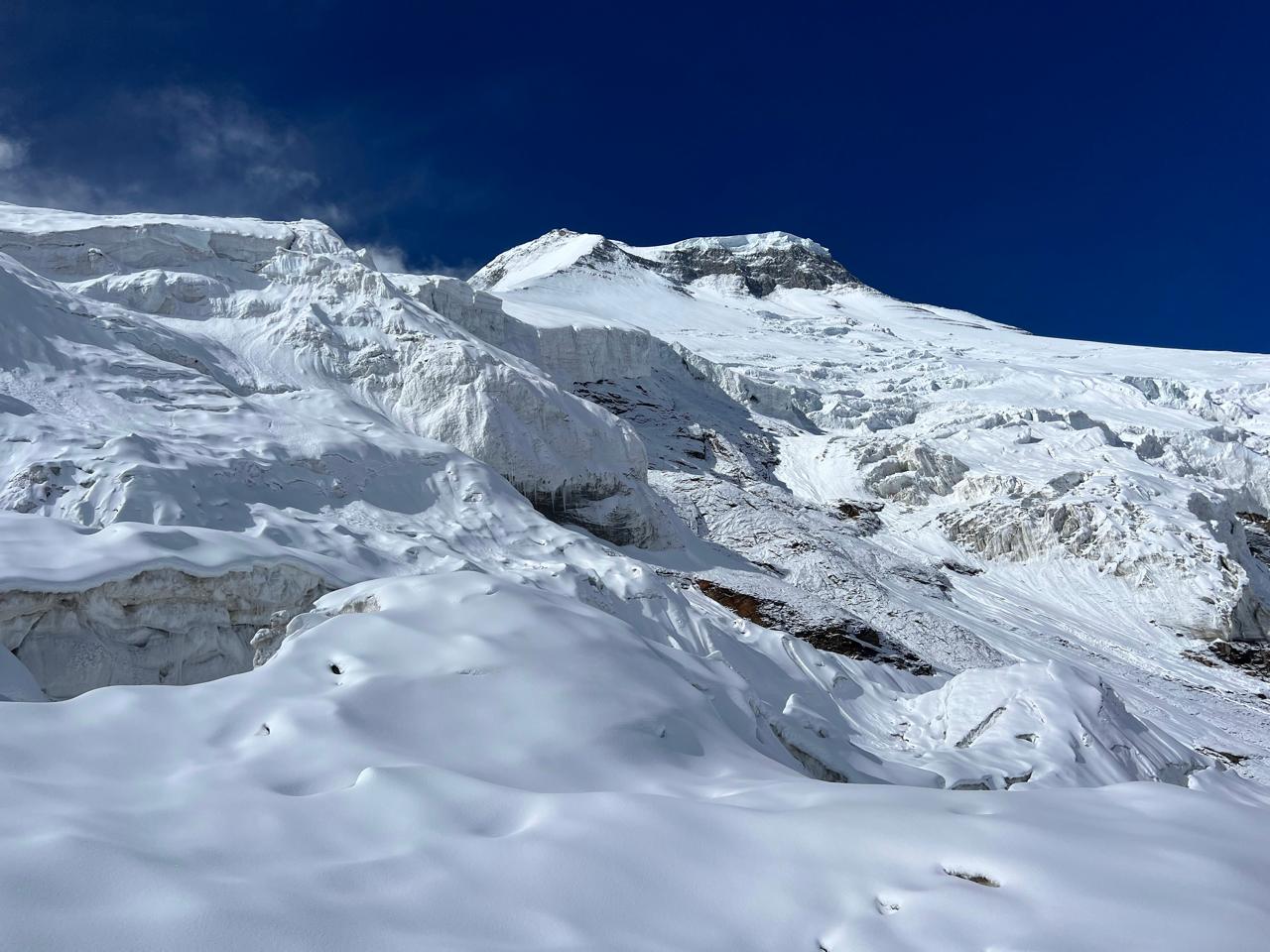 Trekking
Dhaulagiri Circuit Trek
Trek Overview What is the Dhaulagiri Circuit Trek? The Dhaulagiri Circuit Trek is one of the more challenging, and truly remote, high-altitude treks available in Nepal. This route is 19 days long, taking in the French Pass at 5,360 metres as well as the Chhonbardan Glacier — one of the most technically challenging sections on any non-climbing circuit in the Himalayas — with Dhaulagiri (8,167m), the seventh-highest peak on Earth, dominating the skyline throughout. AltiPro's fully guided itinerary covers the complete circuit from Beni through the Myagdi Khola valley, across the Hidden Valley, over the French Pass and back — a route that sees only a fraction of the visitors who go to Annapurna or Everest Base Camp. Includes an expert high-altitude guide with Dhaulagiri-specific route knowledge, Sherpa support for the technical glacier and French Pass sections, a personal porter for each trekker, complete camping equipment and meals for upper stages where no teahouse facilities exist, all permits and TIMS, and transport from Kathmandu to the trailhead at Beni. High Point: French Pass 5,360 m Difficult Dhaulagiri Region 19 Days Max 10 Trekkers Spring & Autumn Glacier Crossing Full Camping Support About Dhaulagiri About Dhaulagiri Dhaulagiri (8,167m) is the seventh-highest mountain in the world and the highest peak of the Dhaulagiri Himal massif in northwestern Nepal. Until the correct survey of the Himalayas, it was believed to be the tallest mountain in the world. Its name translates to White Mountain in Sanskrit; the sheer south and southwest faces — visible from the Kali Gandaki valley near Marpha — represent one of the most dramatic mountain views accessible from a trekking route anywhere in Nepal. The first ascent was made in 1960 by a Swiss-Austrian team via the Northeast Ridge. The French Pass at 5,360 metres is the high point of the circuit. Named after a French expedition that used this approach for an early attempt on Dhaulagiri I, the crossing requires a lengthy glacier traverse on the Chhonbardan Glacier before the final ascent. Views from the pass extend across the Hidden Valley to the north and down the Myagdi Khola drainage to the south — a panorama of peaks including Dhaulagiri I, Tukuche Peak, Dhampus Peak, and the Nilgiri range. Why Choose AltiPro Why Choose AltiPro Adventures for the Dhaulagiri Circuit Trek? Technical Route Expertise AltiPro's team has gained Dhaulagiri Circuit route expertise over multiple seasons. The Chhonbardan Glacier crossing and French Pass approach call for specific knowledge — the glacier section involves crevasse navigation and fixed-line sections that are not safely undertaken without experienced Dhaulagiri-specific guidance. Sherpa High-Altitude Support AltiPro provides Sherpa support for the technical sections above the Chhonbardan Base Camp — the glacier approach to French Pass and the Hidden Valley traverse. This is not a standard mountain walk above the lower Myagdi valley, and the Sherpa capacity provides the safety margins the remoteness of the circuit demands. Full Camping Logistics Above Darbang and on the upper circuit, no teahouse facilities exist. AltiPro carries complete camping gear and all food for the upper stages — Hidden Valley, French Pass, and glacier camps. Every logistical detail is managed with no gaps on this most demanding of Nepal's trekking circuits. Complete Permit Management The Dhaulagiri Circuit requires additional permits beyond standard TIMS. AltiPro handles all permit applications and logistics before departure so trekkers arrive at Beni with everything in order. Minimal Footprint The Dhaulagiri Circuit receives far fewer visitors than any other major circuit trek in Nepal. AltiPro's small groups of maximum 10 trekkers preserve the wilderness character of the route and ensure the experience remains genuinely remote and genuinely demanding. Door-to-Circuit Logistics Transport to and from Beni, all accommodation in Kathmandu, and complete trek logistics from door to door — fully organised by AltiPro so trekkers concentrate solely on the circuit. Route & Approach Dhaulagiri Circuit Trek — 19-Day Route Overview The route starts at Beni in the Myagdi district, follows the Myagdi Khola upstream before crossing to the upper plateau via the Chhonbardan Glacier and French Pass, traverses Hidden Valley, and descends via the Kali Gandaki valley to Marpha. 1 Days 1–3: Kathmandu → Beni → Darbang → Sibang Drive from Kathmandu to Beni, then begin the approach up the Myagdi Khola valley through Darbang and Sibang — a subtropical river valley that is the start of the dramatic altitude gain of the lower circuit. 2 Days 4–7: Sibang → Muri → Italian Base Camp (3,660 m) The valley narrows and steepens above Sibang, climbing through dense forest to Muri and the Italian Base Camp at 3,660 metres — a former expedition base camp with outstanding views of the lower Dhaulagiri massif. 3 Days 8–11: Italian BC → Chhonbardan Glacier → Dhaulagiri Base Camp (4,750 m) Above the Italian Base Camp, the route reaches the snout of the Chhonbardan Glacier and begins the technical glacier approach — full camping is required from this point. The Dhaulagiri Base Camp at 4,750 metres is directly below the southeast face of the massif. 4 Days 12–14: French Pass (5,360 m) → Hidden Valley (5,100 m) The French Pass crossing is the technical and physical heart of the circuit — a difficult glacier traverse followed by the final ascent to 5,360 metres. The descent into Hidden Valley opens onto one of the most remote and extraordinary landscapes in Nepal. 5 Days 15–17: Dhampus Pass (5,244 m) → Marpha (2,667 m) The circuit crosses Hidden Valley to Dhampus Pass then descends to Marpha in the Kali Gandaki valley — a dramatic transition from the high plateau to the deep gorge that separates Dhaulagiri and Annapurna. 6 Days 18–19: Marpha → Jomsom → Pokhara → Kathmandu Flight from Jomsom to Pokhara then return to Kathmandu, completing the 19-day Dhaulagiri Circuit. Difficulty How Difficult is the Dhaulagiri Circuit Trek? The Dhaulagiri Circuit Trek is rated Difficult — the highest rating in AltiPro's trek grading system. The combination of altitude at French Pass (5,360m), the technical glacier crossing on the Chhonbardan Glacier, 19 days of sustained physical effort, and the extreme remoteness of the upper circuit make this one of the most demanding trekking experiences in Nepal. The glacier section requires crampons and trekking poles and involves real crevasse exposure. No prior technical climbing experience is required, but prior high-altitude trekking experience above 5,000 metres is strongly recommended. Overall Difficulty 8 / 10 Physical Demand 8 / 10 Altitude Challenge 8 / 10 Technical Difficulty 4 / 10 Remoteness 9 / 10 Best Season Best Season for the Dhaulagiri Circuit Trek Jan Feb Mar Apr May Jun Jul Aug Sep Oct Nov Dec Ideal season Possible Not recommended Spring (April–May): The most stable conditions with the best chance of clear views from the French Pass and Hidden Valley. Autumn (October–November): Crisp post-monsoon clarity with settled conditions for the glacier crossing. March: Possible in a good snow year but carries higher risk on the glacier than the prime months. Cost & Packages Dhaulagiri Circuit Trek Cost Complete Dhaulagiri Circuit with full camping support, glacier guidance, all permits, and door-to-circuit logistics. Includes all permits, round-trip transport from Kathmandu to Beni, teahouse accommodation in the lower valley, full camping above Darbang, all meals on trek, an experienced Dhaulagiri-specific guide, Sherpa support, and a personal porter. International flights and personal gear not included. Contact AltiPro for full pricing and availability. Enquire Now FAQs Dhaulagiri Circuit Trek — Frequently Asked Questions Common questions about the Dhaulagiri Circuit Trek with AltiPro Adventures. How long does the Dhaulagiri Circuit Trek take? 19 days with AltiPro from Kathmandu return, including transport to Beni, all trekking stages, the French Pass and Hidden Valley, and the return flight from Jomsom to Pokhara. Is the Dhaulagiri Circuit a technical trek? The Chhonbardan Glacier crossing requires crampons and trekking poles and involves real crevasse exposure with fixed-line sections. It is not a technical climb, but it is beyond the category of a standard mountain trek. AltiPro provides Sherpa support for all technical sections. How remote is the Dhaulagiri Circuit? It is one of the most remote trekking routes in Nepal. Above Darbang, no teahouse facilities exist and all food and camping equipment must be carried. The upper circuit — glacier, French Pass, Hidden Valley — is extremely isolated. Trekker numbers are a fraction of those on Everest Base Camp or Annapurna Circuit. What is the highest point of the Dhaulagiri Circuit? The French Pass at 5,360 metres, reached via the Chhonbardan Glacier approach, is the highest point on the circuit. What prior experience is required? AltiPro strongly recommends prior trekking experience above 5,000 metres and sustained multi-week fitness. The Dhaulagiri Circuit should not be undertaken as a first or second Himalayan trek. When does the glacier section occur in the itinerary? The Chhonbardan Glacier section and French Pass crossing occur in Days 12 to 14 of the 19-day itinerary — after acclimatisation stages at the Italian Base Camp and Dhaulagiri Base Camp. How does the Dhaulagiri Circuit compare to Annapurna Circuit? The Dhaulagiri Circuit involves a technical glacier crossing, extreme remoteness, full camping above the lower valley, and far fewer other trekkers. It is significantly more demanding and more isolated than the Annapurna Circuit. Can I see Dhaulagiri during the trek? Yes — the south and west faces of Dhaulagiri are visible from multiple points on the circuit, including the Myagdi valley approach, the Italian Base Camp, Dhaulagiri Base Camp, and Marpha in the Kali Gandaki valley.
View Details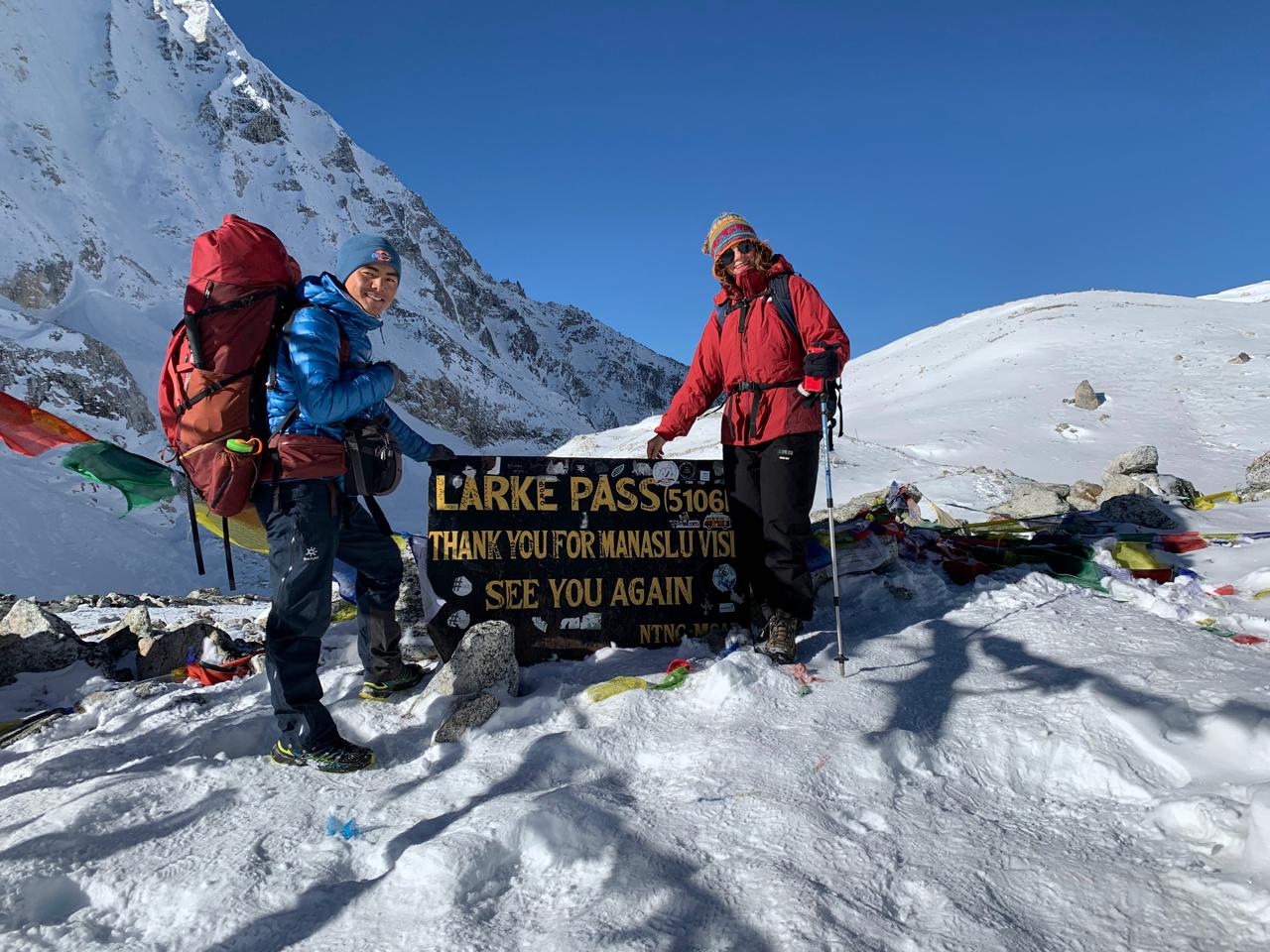 Trekking
Manaslu Circuit Trek
Trek Overview What is the Manaslu Circuit Trek? The Manaslu Circuit Trek is one of Nepal's great restricted-area wilderness circuits, encircling the world's eighth-highest mountain — Manaslu at 8,163 metres — through the remote Nubri and Tsum valleys of the Gorkha district. AltiPro's 16-day itinerary begins at Soti Khola and follows the Budhi Gandaki River north through deep gorges, dense forest, and Tibetan Buddhist villages, crossing the Larkya La pass at 5,160 metres and descending via Bimthang to Dharapani in the Annapurna Conservation Area. The circuit is Nepal's answer to the Annapurna Circuit — a complete mountain ring with dramatic ecological and cultural transitions — but with a fraction of the visitor numbers, and the towering north and east faces of Manaslu dominating the entire upper circuit. AltiPro's fully guided circuit includes all restricted area and national park permits, personal porter for each trekker, all teahouse accommodation and meals, and transport between Kathmandu and Soti Khola. Maximum 12 trekkers per group. Rated Challenging — the Larkya La crossing at 5,160m is sustained and demanding but non-technical. High Point: 5,160 m (Larkya La) Challenging Manaslu Region 16 Days Restricted Area Max 12 Trekkers Spring & Autumn Fully Guided About the Circuit About Manaslu and the Circuit Manaslu (8,163m) is the eighth-highest mountain in the world and a defining landmark of the Gorkha Himal. Its north and east faces — seen from Samagaon and Samdo on the circuit — are among the most impressive mountain walls visible from any trekking route in Nepal. The Nubri valley communities of Lho, Samagaon, and Samdo maintain a traditional Tibetan Buddhist culture largely unchanged by tourism. The Birendra Tal glacial lake at Samagaon can reflect Manaslu perfectly in clear conditions. The Larkya La (5,160m) is one of the most spectacular high-altitude passes in Nepal, with views across the Annapurna range on the western descent. The Manaslu Circuit requires a Manaslu Restricted Area Permit and the services of a licensed guide — regulations that have kept the circuit significantly less crowded than comparable routes and preserved the authentic character of the Nubri valley experience. Why Choose AltiPro Why Choose AltiPro Adventures for the Manaslu Circuit Trek? All Restricted Area Permits AltiPro holds all required restricted area permits for the Manaslu Circuit — Manaslu Restricted Area Permit, Manaslu Conservation Area Permit, and TIMS card — all included in the package price. Proper Acclimatisation The itinerary includes two acclimatisation days at Samagaon (3,530m) with a high hike to the Birendra Tal and optional Manaslu Base Camp viewpoint — essential preparation for the Larkya La crossing. Personal Porter for Each Trekker Every trekker has a dedicated personal porter. AltiPro maintains above-market wage standards, insurance, and proper equipment for all porters throughout the 16-day circuit. Small Group Size Maximum 12 trekkers per departure for personalised guiding and flexible pacing — essential on a route where teahouse capacity can be limited in the upper Nubri valley villages. Complete Circuit Transport Transport from Kathmandu to Soti Khola and from the descent endpoint at Dharapani back to Kathmandu — fully organised by AltiPro, covering both ends of the circuit. Authentic Remote Experience The Manaslu Circuit's restricted area status limits visitor numbers and preserves the cultural integrity of the Nubri valley. AltiPro's circuit gives trekkers the full transition from subtropical gorge to Tibetan plateau to alpine pass — one of the most complete single-trek experiences in Nepal. Route Highlights Manaslu Circuit Trek — 16-Day Route Overview The circuit follows the Budhi Gandaki north through the Nubri valley to Samagaon and Samdo, crosses the Larkya La, and descends via Bimthang to Dharapani — a complete 360-degree circuit of the Manaslu massif. 1 Days 1–3: Kathmandu → Soti Khola (710m) → Jagat Drive from Kathmandu to Soti Khola then begin trekking north up the Budhi Gandaki through the subtropical lower gorge — dramatic canyon terrain with dense forest and the first Tibetan-influenced villages. 2 Days 4–7: Jagat → Deng → Namrung → Lho → Samagaon (3,530m) The Budhi Gandaki gorge deepens dramatically above Jagat before the valley opens at Lho with the first views of Manaslu's northwest face. Samagaon is the main Nubri valley village — traditional Tibetan stone houses, the Birendra Tal glacial lake, and direct views of Manaslu from the village gompa. 3 Days 8–9: Samagaon Acclimatisation — Birendra Tal + Manaslu BC Viewpoint Two essential acclimatisation days at Samagaon. The Birendra Tal hike and the optional Manaslu Base Camp viewpoint trek (both above 4,000m) prepare trekkers for the Larkya La and deliver outstanding views of Manaslu's northeast face. 4 Days 10–12: Samdo (3,875m) → Dharmasala (4,460m) → Larkya La (5,160m) → Bimthang The Larkya La crossing is the physical centrepiece of the circuit — a long pre-dawn departure from Dharmasala, 8 to 10 hours to the pass and the western descent through spectacular alpine scenery to Bimthang, the first settlement below the pass on the Marsyangdi side. 5 Days 13–16: Bimthang → Tilche → Dharapani → Kathmandu Rapid descent through alpine meadows to the tree line, then through the lower Marsyangdi valley to Dharapani where the Annapurna Conservation Area road meets the circuit end for the drive back to Kathmandu. Difficulty How Difficult is the Manaslu Circuit Trek? The Manaslu Circuit Trek is rated Challenging. The primary challenge is the Larkya La crossing at 5,160m — a sustained high-altitude day requiring solid acclimatisation from the Samagaon rest days. The trail through the Budhi Gandaki gorge is occasionally exposed with suspension bridge crossings. No technical climbing is required. Remoteness and sustained multi-day effort at altitude are the main difficulty factors. Overall Difficulty 7 / 10 Physical Demand 7 / 10 Altitude Challenge 6 / 10 Technical Difficulty 1 / 10 Remoteness 7 / 10 Best Season Best Season for the Manaslu Circuit Trek Jan Feb Mar Apr May Jun Jul Aug Sep Oct Nov Dec Ideal season Possible Not recommended Autumn (October–November): The primary season — post-monsoon clarity delivers outstanding Manaslu views and the most stable Larkya La conditions. October is the peak month. Spring (March–May): Excellent alternative — clear conditions with the trail fully open after winter. Fewer crowds than October. Cost & Packages Manaslu Circuit Trek Cost Fully guided Manaslu Circuit — all restricted area permits, transport, teahouse accommodation, meals, guide, and personal porter included. Includes all Manaslu Restricted Area Permits, Conservation Area Permits, and TIMS, transport Kathmandu–Soti Khola and Dharapani–Kathmandu, all teahouse accommodation and meals on trek, licensed guide, and personal porter for each trekker. International flights and personal gear are not included. Contact AltiPro for full pricing. Enquire Now FAQs Manaslu Circuit Trek — Frequently Asked Questions Common questions about the Manaslu Circuit Trek with AltiPro Adventures. Why is the Manaslu Circuit a restricted area? The Nepal government designates the Manaslu region a restricted area to preserve the cultural heritage and ecological integrity of the Nubri and Tsum valley communities. A licensed guide is mandatory for all trekkers. How hard is the Larkya La crossing? The Larkya La at 5,160m is a long, demanding day — typically 8 to 10 hours from Dharmasala to Bimthang. AltiPro's acclimatisation days at Samagaon are essential preparation. The crossing is non-technical but physically demanding. How long is AltiPro's Manaslu Circuit? 16 days from Kathmandu return, including all trekking, transport, and acclimatisation days. When is the best time for the Manaslu Circuit Trek? October and November for the clearest conditions and most stable Larkya La weather. March and April are excellent alternatives with fewer crowds. What permits are required? A Manaslu Restricted Area Permit, Manaslu Conservation Area Permit, and TIMS card are all required. AltiPro arranges all permits as part of the package. Is prior trekking experience required? Yes — prior experience above 4,000m is recommended. The Larkya La crossing and sustained multi-day effort at altitude require solid fitness and some prior high-altitude experience. How does the Manaslu Circuit compare to the Annapurna Circuit? The Manaslu Circuit is more remote, sees fewer trekkers, and requires a licensed guide. The cultural experience of the Nubri valley Tibetan Buddhist communities and the views of Manaslu's north face are distinctive highlights not found on the Annapurna Circuit. What is accommodation like on the circuit? Established teahouses throughout the circuit offer comfortable rooms and good food even in the upper valley villages of Samagaon and Samdo. AltiPro selects the best available teahouses at each stage.
View Details